Dunkaroos. Surge. Crystal Pepsi. Hi-C Ecto Cooler. The 1990s American grocery store contained dozens of products that defined a generation’s snack culture and then disappeared without much warning. Some came back. Some are gone forever. Here are 12 specific products that defined the ’90s grocery aisle, when each disappeared, and what actually happened to it.
The 1990s American grocery store had specific characteristics that distinguish it from 2026: bright neon packaging, sugar-loaded breakfast cereals, novelty drinks competing for shelf space, and snack foods designed almost entirely for kids’ lunchboxes. Most of these products lived short lives. Brand managers at General Mills, PepsiCo, Kraft, and Nabisco rotated products aggressively. A snack that defined three years of childhood for millions of kids could be gone by the time those kids reached high school. Here are 12 specific casualties.
1. Dunkaroos
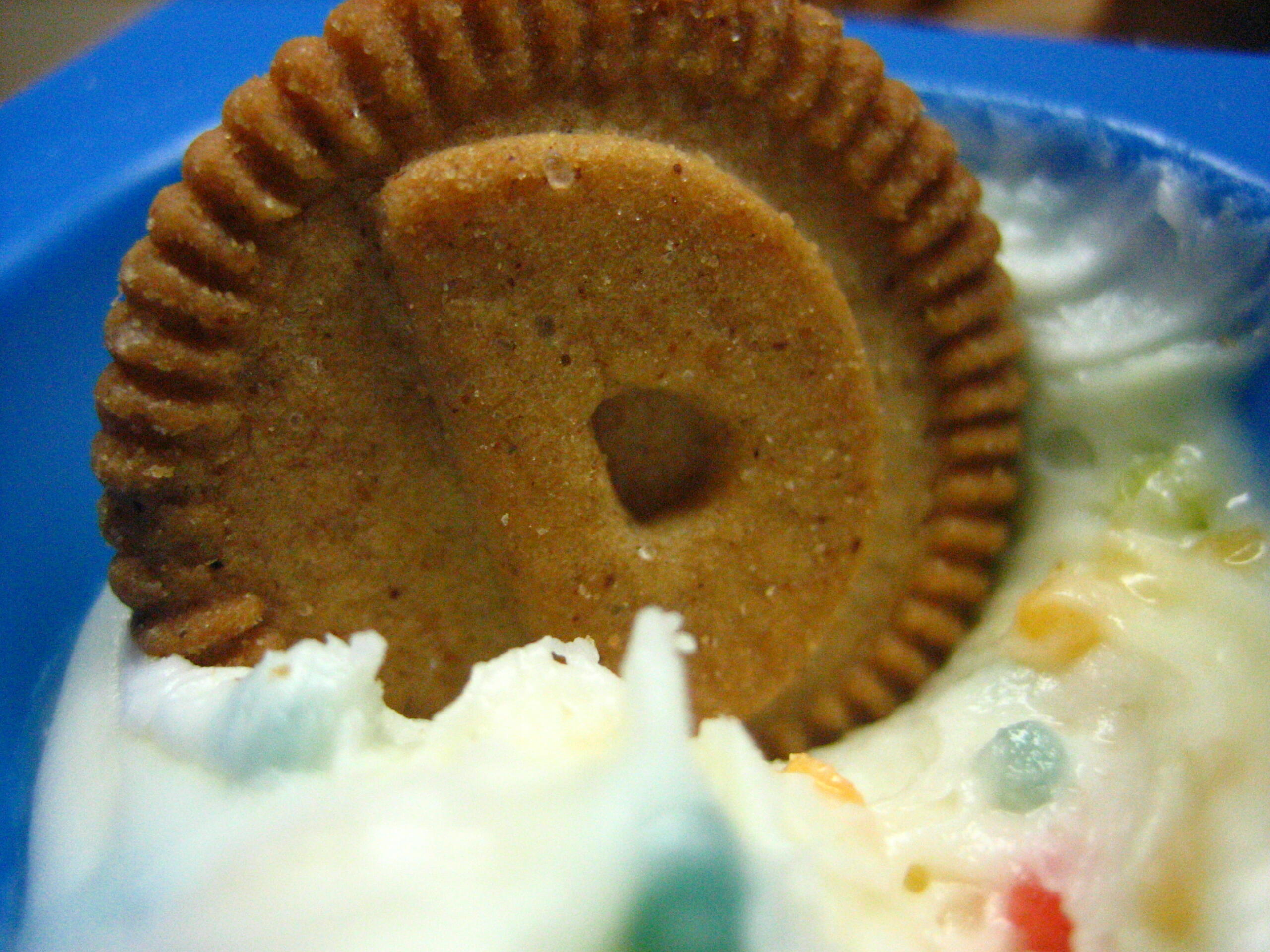
The iconic kangaroo-branded cookie-and-frosting snack was a lunchbox staple from 1992 onward. Sales declined through the 2000s as parents shifted away from sugary kids’ snacks. General Mills discontinued Dunkaroos in the United States in 2012. The product remained available in Canada throughout. After persistent fan campaigns, General Mills brought Dunkaroos back to U.S. shelves in 2020. The relaunched version was substantially identical to the original recipe — vanilla cookies with chocolate frosting, and the kangaroo branding intact. The revival has been more successful than General Mills initially expected.
2. Surge

PepsiCo’s caffeinated citrus soda launched in 1996 specifically to compete with Coca-Cola’s Mountain Dew. The marketing pitched aggressive masculinity and extreme sports. Surge had real cultural moment in the late 1990s but sales declined sharply after 2000. PepsiCo discontinued Surge in 2002. After more than a decade of fan campaigns (including a billboard near PepsiCo headquarters), Coca-Cola’s competitor brand Surge was relaunched on Amazon in 2014, then in stores in 2015. The relaunch initially performed well but availability has been inconsistent through 2026.
3. Crystal Pepsi
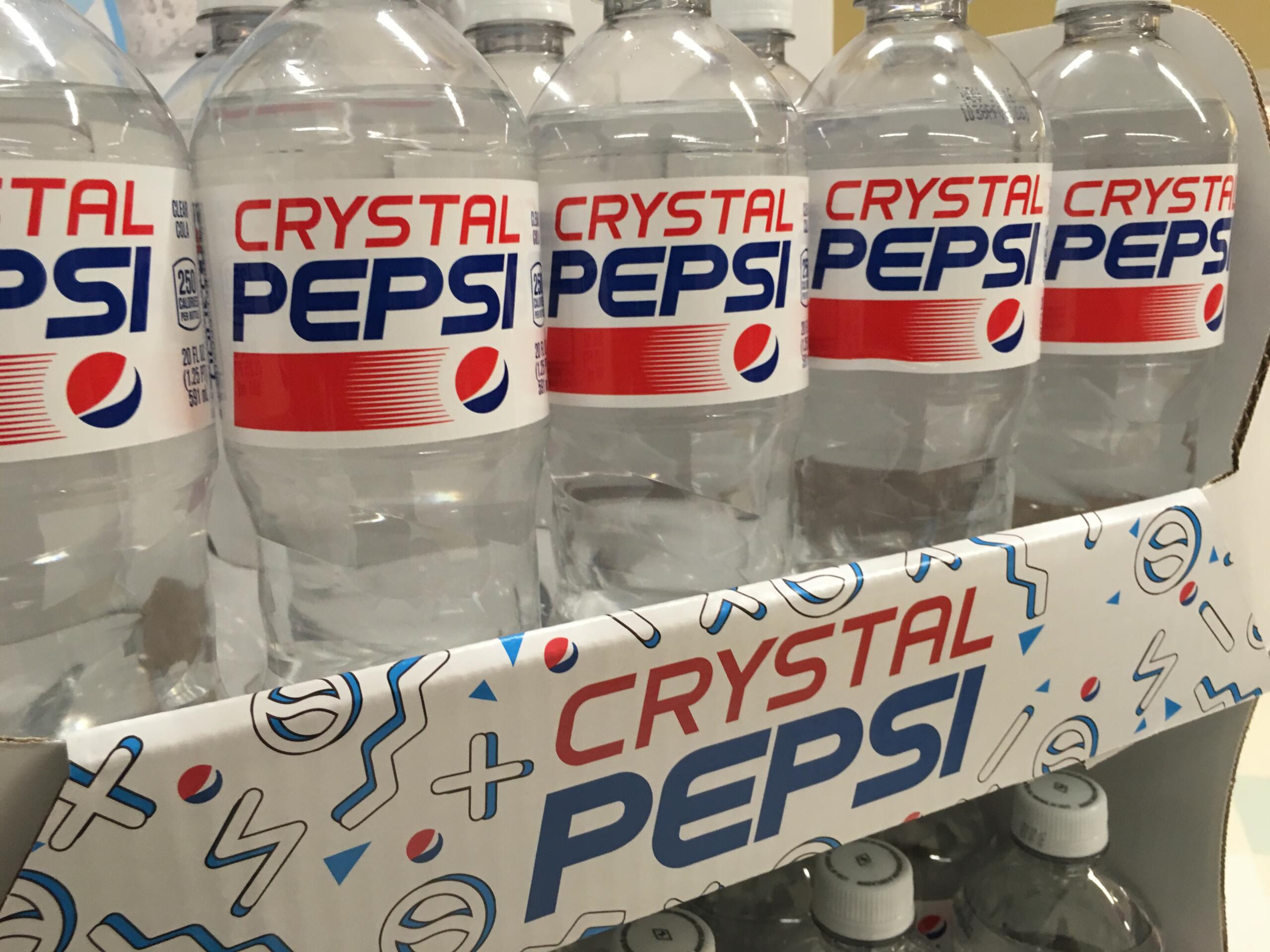
Launched in 1992 as a “clear cola,” Crystal Pepsi was PepsiCo’s bet that consumers wanted to see what they were drinking. Initial sales were strong, but the novelty wore off quickly. The product was discontinued in 1993 — just over a year after launch. PepsiCo has periodically relaunched Crystal Pepsi for limited runs (2015-2016, 2017, 2022) as nostalgia marketing. None of the relaunches have led to permanent return. The original failure was attributed primarily to consumer rejection of “clear cola” as a category, despite the brand recognition.
4. Hi-C Ecto Cooler

Coca-Cola’s Hi-C division launched Ecto Cooler in 1989 as a “Ghostbusters” tie-in, originally called Citrus Cooler. The bright green drink with Slimer mascot became a 1990s lunchbox staple. The original Ecto Cooler was discontinued in 2001. Coca-Cola briefly relaunched it in 2016 to coincide with the 2016 “Ghostbusters” film, then discontinued it again in 2017. The original 1990s formulation has not returned to American shelves since 2017, despite ongoing fan demand.
5. Snapple Elements

The Snapple “Elements” line — bottles of fruit-flavored drink labeled with elemental periodic table designations like “Fire,” “Earth,” “Air,” “Sun,” “Volcano” — launched in 1999. The line was distinctive for its sophisticated marketing aimed at young adults rather than kids. Sales declined steadily through the early 2000s. The Elements line was discontinued by 2005. Snapple itself remains available, but the specific Elements branding and flavors have not returned. Original bottles occasionally appear on resale sites for substantial collector premiums.
6. Squeezit
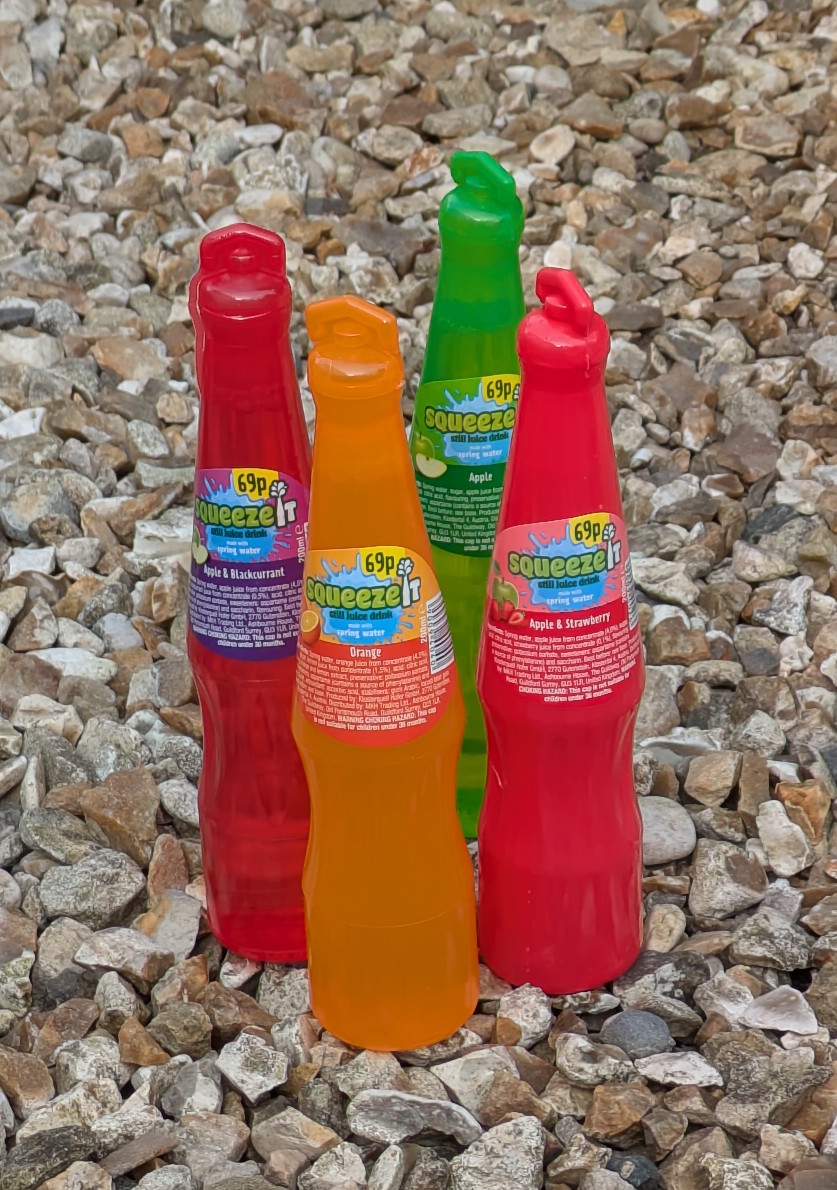
The plastic-bottle “squeeze and drink” fruit punch product became a defining lunchbox item of the 1990s. The bottles were specifically designed to require kids to physically squeeze them — a marketing innovation that distinguished the product from regular juice boxes. Squeezit was discontinued in 2001 by parent company General Mills. The brand has occasionally been mentioned for potential relaunch but has not returned. The plastic packaging design — substantial bright-colored bottles with cartoon faces — became iconic enough that “Squeezit” is now used colloquially to describe similar squeeze-bottle drink containers.
7. Yogos
Kellogg’s launched Yogos in 2003 — small yogurt-coated fruit snacks that became briefly massive. The product wasn’t actually from the 1990s but defined the early 2000s lunchbox in ways that mirror 1990s products. Yogos were discontinued in 2010 due to declining sales. Multiple online petition campaigns have failed to bring them back. The category Yogos defined — yogurt-coated snack items as a distinct lunchbox category — has been substantially absorbed by Annie’s, Stretch Island, and various competitors with similar products.
8. Trix Yogurt
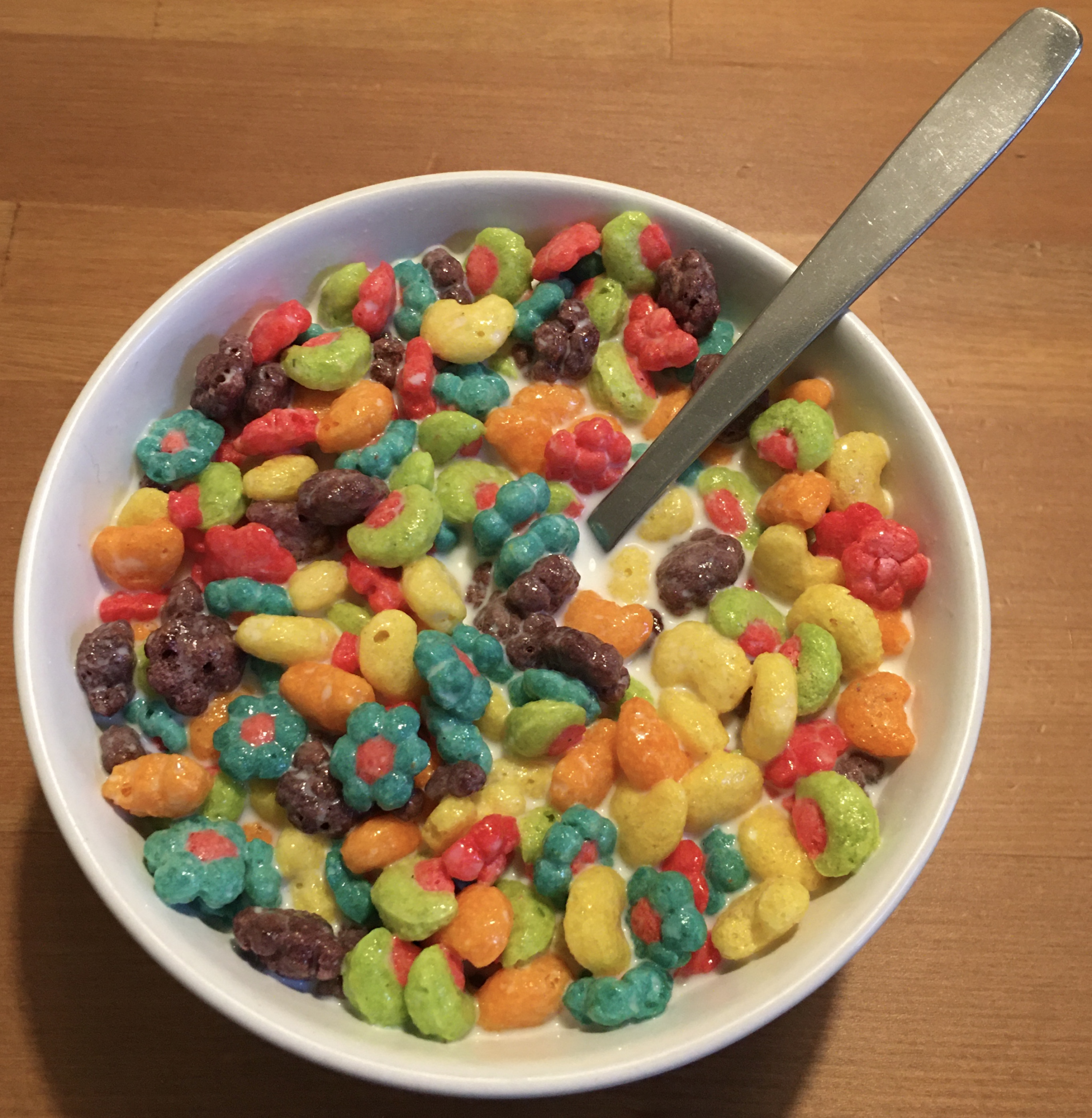
General Mills launched Trix Yogurt in the late 1990s as a kid-targeted yogurt with bright colors and the Trix Rabbit branding. The product line included multiple flavors and varieties through the 2000s. Trix Yogurt was discontinued in 2018 as part of broader General Mills yogurt portfolio rationalization. The Trix cereal brand continues, but the yogurt extension is gone. Yoplait Go-Gurt has substantially absorbed the kids’ yogurt market that Trix Yogurt once dominated.
9. Waffle Crisp Cereal
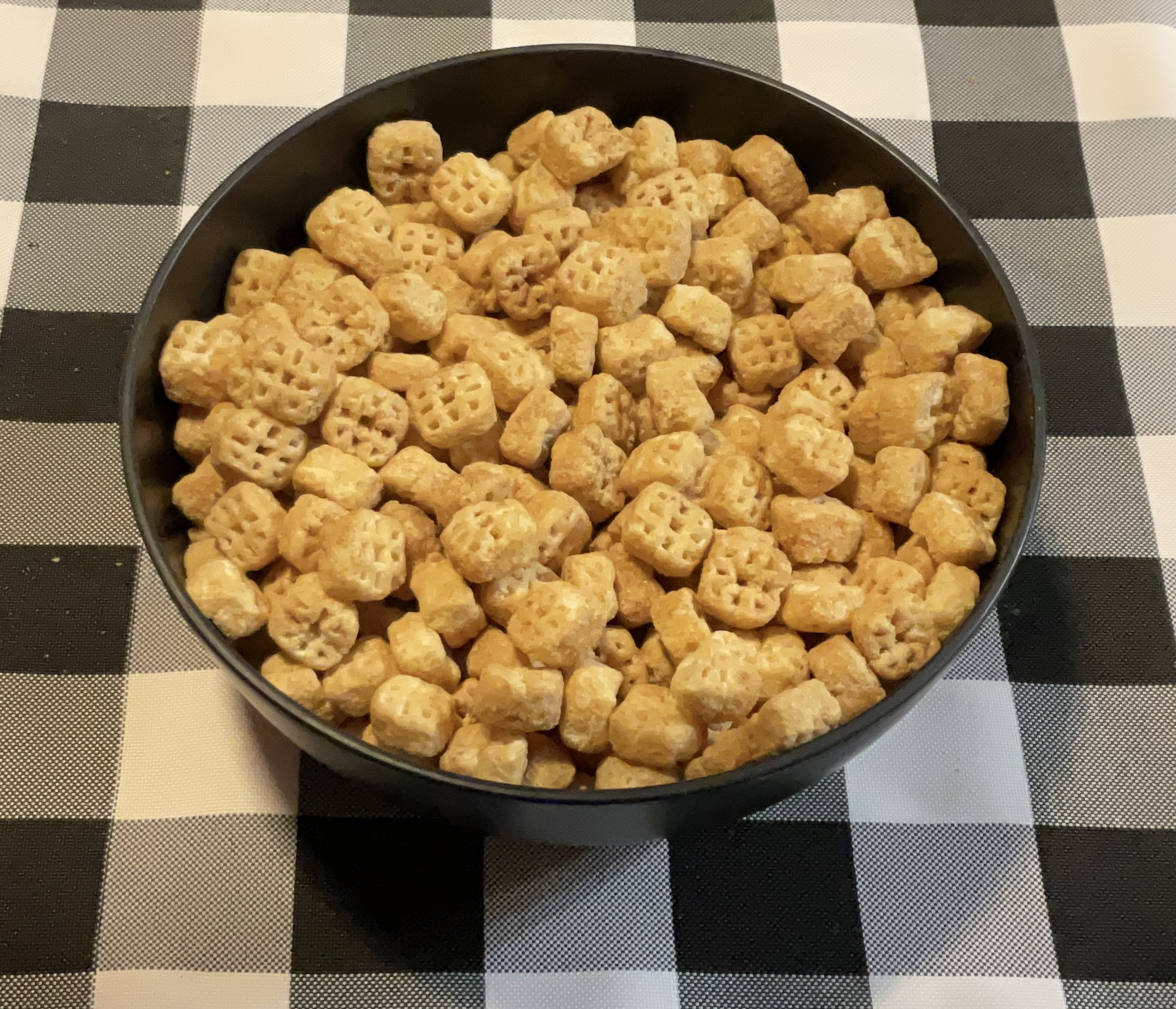
Post Foods launched Waffle Crisp in 1996 — small waffle-shaped cereal pieces with maple syrup flavor in every bite. The product was distinctive enough to develop a passionate following despite never achieving mainstream cereal success. Waffle Crisp was discontinued in 2018 after over 20 years on shelves. Online petitions and Reddit campaigns regularly call for its return. Post Foods has acknowledged the demand but has not committed to relaunch. The maple syrup-in-every-bite concept has not been replicated by other cereal manufacturers.
10. Sprinkle Spangles
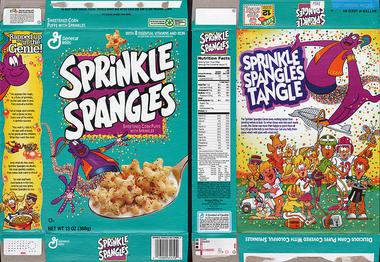
General Mills launched Sprinkle Spangles in 1993 as a sugar-coated cereal with edible “spangles” (small sugar decorations). The cereal had distinctive holographic packaging and aggressive Saturday morning cartoon advertising. Sprinkle Spangles was discontinued in 1995 — just two years after launch. The cereal achieved cult status partly because its short market lifespan made it memorable to specific elementary school cohorts. Cereal collectors regularly cite Sprinkle Spangles as among the most-requested 1990s cereals for relaunch.
11. Fruitopia
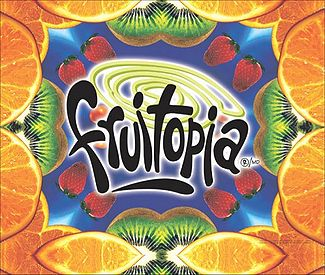
Coca-Cola launched Fruitopia in 1994 specifically to compete with Snapple’s success. The drink line featured psychedelic packaging and fruit-juice-blend formulations. Fruitopia became briefly enormous in the mid-1990s. Sales declined through the late 1990s as Snapple maintained dominance and the novelty wore off. Coca-Cola gradually phased out Fruitopia between 2003 and 2010. The brand still exists in Canada and a few other international markets but has been essentially eliminated from U.S. shelves. The psychedelic packaging design has become iconic enough that vintage Fruitopia bottles appear in 1990s nostalgia art.
12. Lunchables Pizza
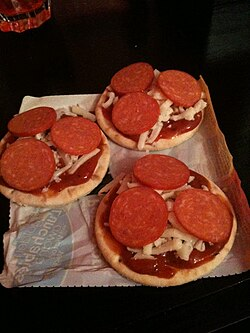
Oscar Mayer’s Lunchables Pizza — small pre-packaged pizza kits with crusts, sauce, cheese, and toppings — was a defining 1990s lunchbox product. While Lunchables itself continues, the specific pizza variant has been substantially restructured. The original 1990s Lunchables Pizza had specific characteristics (round Mini Bagel-style crusts, thick sauce, dense cheese topping) that have been changed in successive reformulations. The current Lunchables Pizza versions are functionally different products from what ’90s kids ate. Multiple discontinued sub-variants (deep dish, pepperoni, four cheese) have not returned.
What These Disappearances Actually Reveal
The pattern across these products reveals something specific about late-20th-century food marketing: products designed for kids’ lunchboxes operated on substantially shorter lifecycles than products designed for adults. Brand managers rotated products aggressively, treating each launch as a 3-7 year window of profitability rather than a permanent product. The result is that the foods defining 1990s childhood for millions of Americans were almost always temporary by design — their disappearance wasn’t a failure but the expected end of their commercial usefulness. The nostalgia is genuinely permanent. The products that produced it never were.