
In Japan, Kit-Kat is not just a candy bar. It’s a souvenir, a regional ambassador, a good-luck charm for exam season, and the subject of a 20-year marketing campaign that produced over 300 distinct flavors. There are Kit-Kats flavored with green tea, wasabi, sweet potato, sake, soy sauce, Hokkaido melon, and Tokyo banana. Some are limited-edition regional releases. Others are made in boutique luxury versions by Michelin-quality pastry chefs. This happened because of a phonetic coincidence about how the brand name sounds in Japanese.
1: The Lucky Coincidence
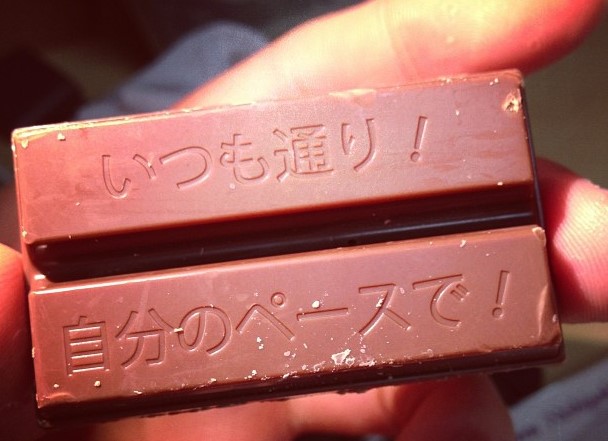
Kit-Kat was first introduced to Japan in 1973 by what is now Nestle Japan. For its first 25 years, it was a modestly successful but unremarkable imported product — the same four-finger chocolate wafer sold elsewhere. What changed everything was a discovery that Nestle Japan’s marketing team made around 1999. Japanese students preparing for college entrance exams had spontaneously begun buying Kit-Kats as good-luck charms. The reason was phonetic: “Kit Kat” in Japanese pronunciation sounds close to “kitto katsu” (きっと勝つ), which means “you will surely win.” For Japanese students facing one of the world’s most stressful examination cultures, a candy bar whose name resembled “you will surely win” had obvious appeal.
2: The Exam-Season Marketing Campaign
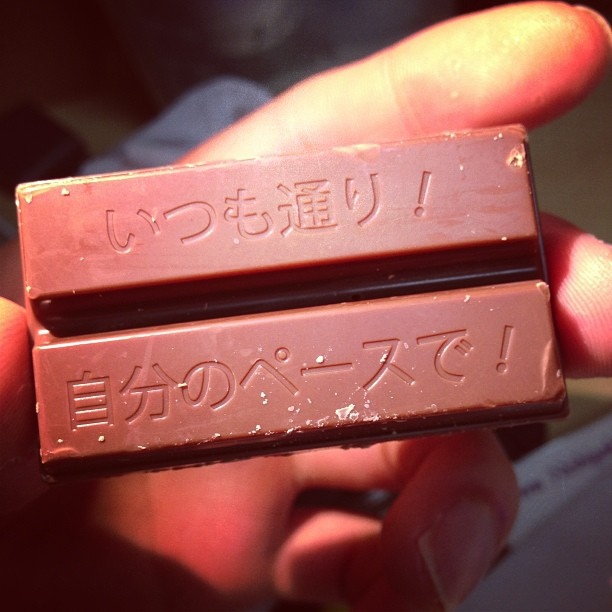
In approximately 2001-2002, Nestle Japan launched an explicit marketing campaign tying Kit-Kat to the exam phrase and the Japanese exam culture. Packaging featured exam-themed designs. Advertising emphasized the lucky-talisman aspect. Postal partnerships allowed students to send Kit-Kats as encouragement to friends taking exams, with special packaging for handwritten notes. The campaign succeeded substantially beyond projections. Kit-Kat became the de facto good-luck snack for Japanese exam-takers. Sales during the January-February exam season increased dramatically. The product crossed from “imported chocolate bar” into “Japanese cultural object” in the consumer mindset.
3: The 2003 First Regional Flavor
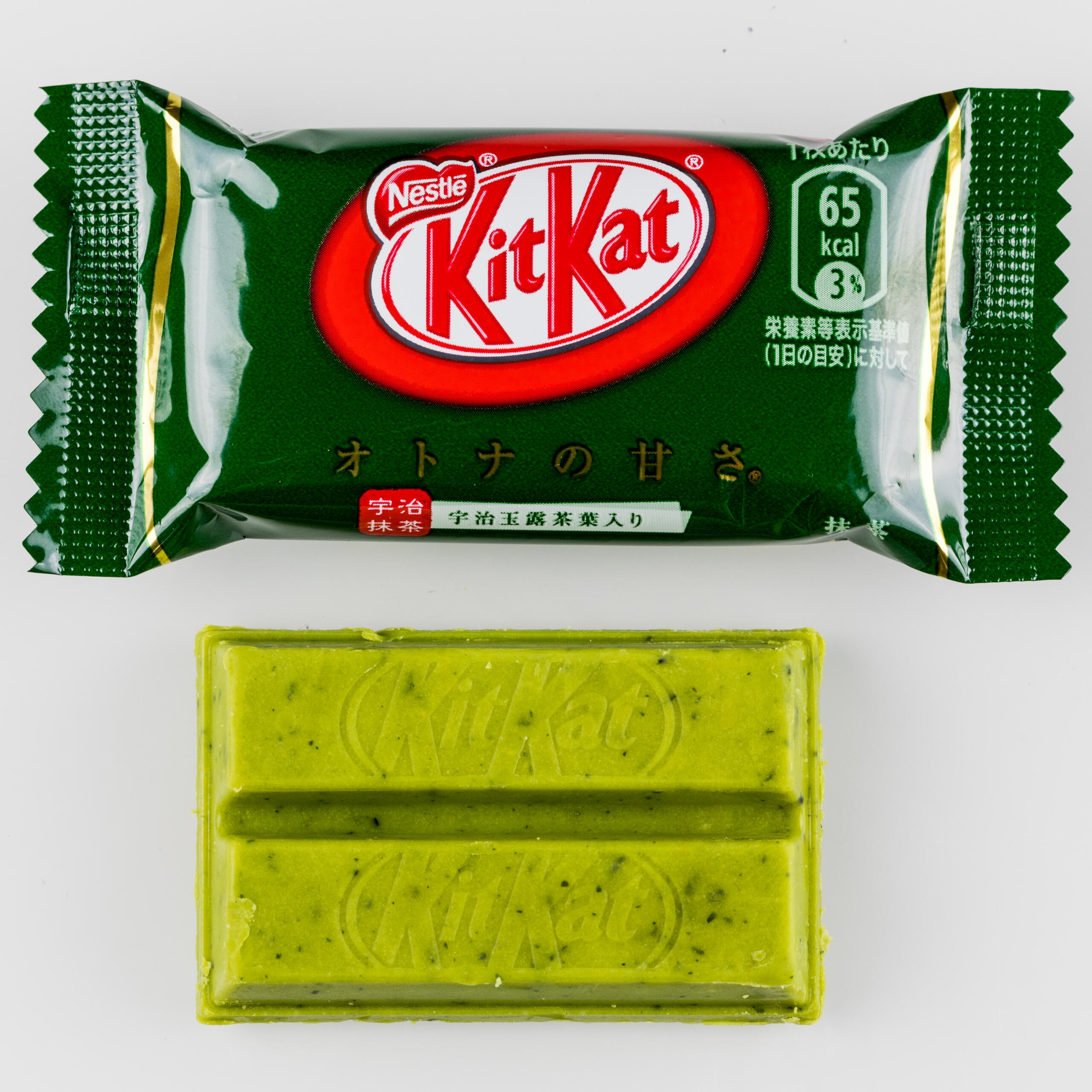
In 2003, Nestle Japan introduced the first regionally-specific Kit-Kat flavor: a Hokkaido melon edition, sold primarily in Hokkaido and intended as an omiyage — a souvenir gift purchased while traveling, traditionally given to coworkers and family upon return home. Omiyage is a substantial category of Japanese consumer culture. Travelers visiting other regions of Japan are expected to bring back small regional food gifts. Entire industries exist to produce omiyage-suitable products. The insight was genius: a regionally-flavored Kit-Kat could compete in this category. It was shelf-stable, easy to package, immediately recognizable in branding while clearly regionally-distinct, and priced at omiyage-appropriate levels.
4: Regional Flavor Proliferation
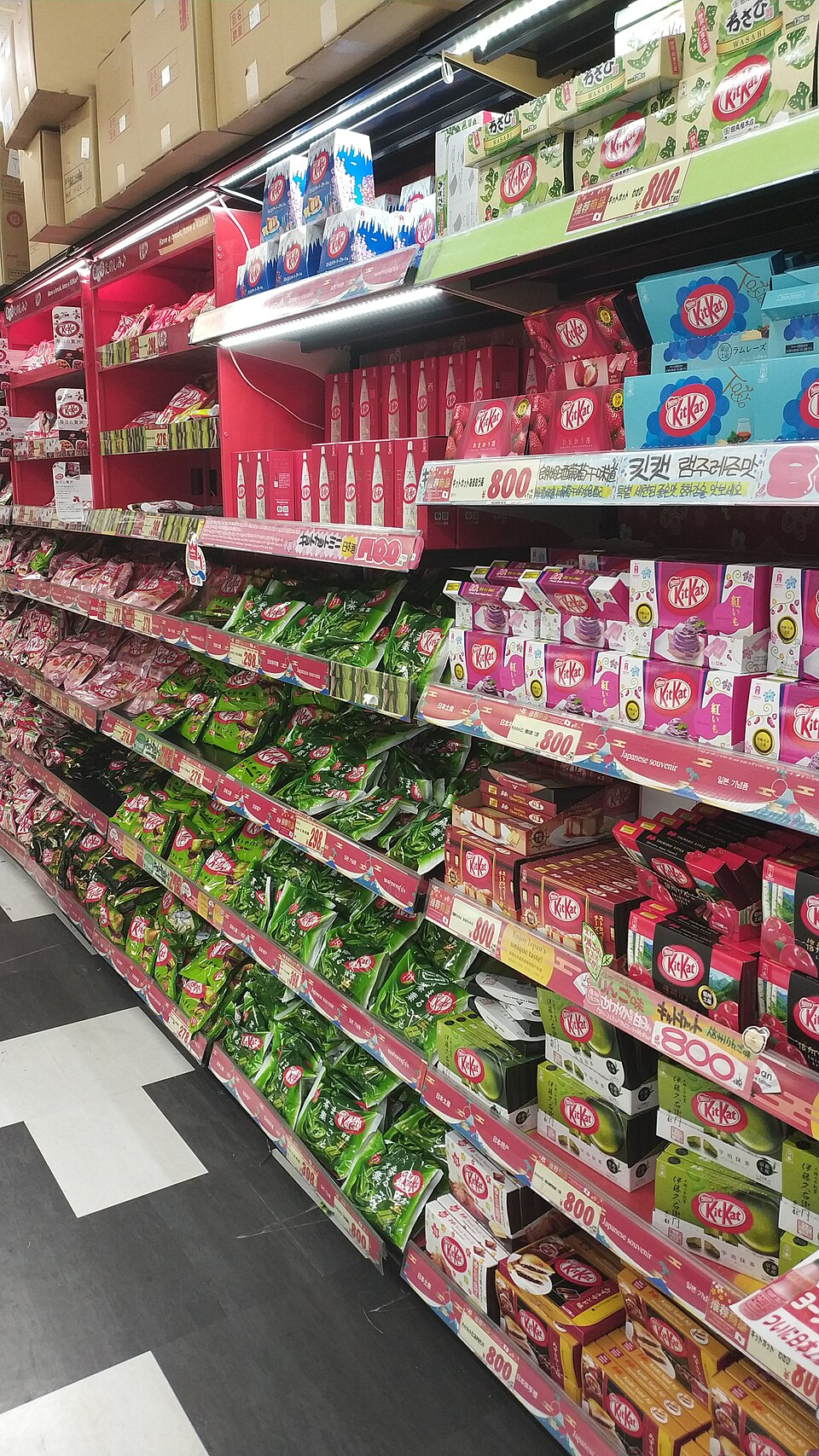
The Hokkaido melon Kit-Kat sold well enough that more regional flavors followed quickly. Within five years, dozens of regional editions were in production. Within ten years, over a hundred. The current cumulative count of flavors released since 2003 is generally given as 300 to 400, though many are limited editions no longer in production. Most regions of Japan now have dedicated flavors. Shopping in any major train station reveals 20-30 simultaneous varieties, each tied to specific prefectures or cities.
5: The Flavors That Worked

Some Japanese Kit-Kat flavors became long-term staples. Matcha green tea, strawberry cheesecake, sake, and Hokkaido melon are reliably available year after year, with refinements but core formulations stable. These products are striking in concept but also genuinely pleasant to eat repeatedly. They sell well in their first months and continue selling. Kit-Kats with unusual but genuinely pleasant flavors sustain themselves over years. The pattern that emerges is consistent: products that are striking in concept but not actually enjoyable fail commercially, regardless of social media attention. Novelty sells once; taste sustains sales.
6: The Oddball Flavors

The wasabi Kit-Kat, while frequently cited in international coverage as one of the most striking examples of Japanese flavor experimentation, did not sustain enough commercial traction to remain in regular production. Soy sauce, ume (Japanese plum), and various seafood-inspired flavors have similarly come and gone. Shrimp flavor, squid flavor, and other savory variations were released but did not become staples. The lesson from discontinued flavors is clear: gimmick alone doesn’t build lasting sales.
7: How Flavors Actually Get Developed

The development of a regional Kit-Kat flavor is more involved than picking a local ingredient and adding it to the standard recipe. Nestle Japan typically partners with regional producers to source actual local ingredients — not just flavor essences. The Shizuoka green tea Kit-Kat uses Shizuoka-grown matcha. The Hokkaido melon Kit-Kat uses melon-derived flavoring from a Hokkaido fruit producer. These partnerships provide marketing authenticity and build local political support for prominent placement in regional shops, train stations, and airports.
8: Train Station Distribution Strategy
Train station shops are particularly important to the omiyage economy. Most Japanese travelers purchase omiyage on the return trip home, often during a layover at the regional train station. A regional Kit-Kat sold prominently in JR (Japan Railways) station shops gains substantial visibility that non-regional products cannot match. Nestle Japan has invested significantly in maintaining these placement relationships. This distribution strategy is as important as the flavor development itself — without prominent shelf space at the point where travelers make purchase decisions, even excellent flavors fail commercially.
9: The Kit-Kat Chocolatory

In 2014, Nestle Japan opened the first Kit-Kat Chocolatory — a small boutique counter at Seibu department store in Ikebukuro, Tokyo, selling premium Kit-Kats developed by Yasumasa Takagi, a respected Tokyo pastry chef. The Chocolatory products differ substantially from standard Kit-Kats. They are larger, use different chocolate formulations including ruby chocolate and dark single-origin varieties, and are priced at premium levels — typically 300-500 yen per single Kit-Kat, against approximately 50 yen for a single piece of a standard four-finger bar. The Chocolatory line extends the Kit-Kat brand into luxury and gift-giving categories.
10: Why the Model Hasn’t Replicated Elsewhere

Nestle has attempted versions of the Japanese strategy in other markets, including South Korea, Singapore, and parts of Europe. None have achieved the same level of regional flavor proliferation or cultural integration. The reasons are structural. Japan has an unusual combination of: a strong omiyage tradition, transportation infrastructure that funnels travelers through regional points of purchase, a domestic tourism culture emphasizing regional difference, and a consumer base willing to pay premium prices for small confectionery items. Most other markets have some of these elements but not all.
11: The Souvenir Economy
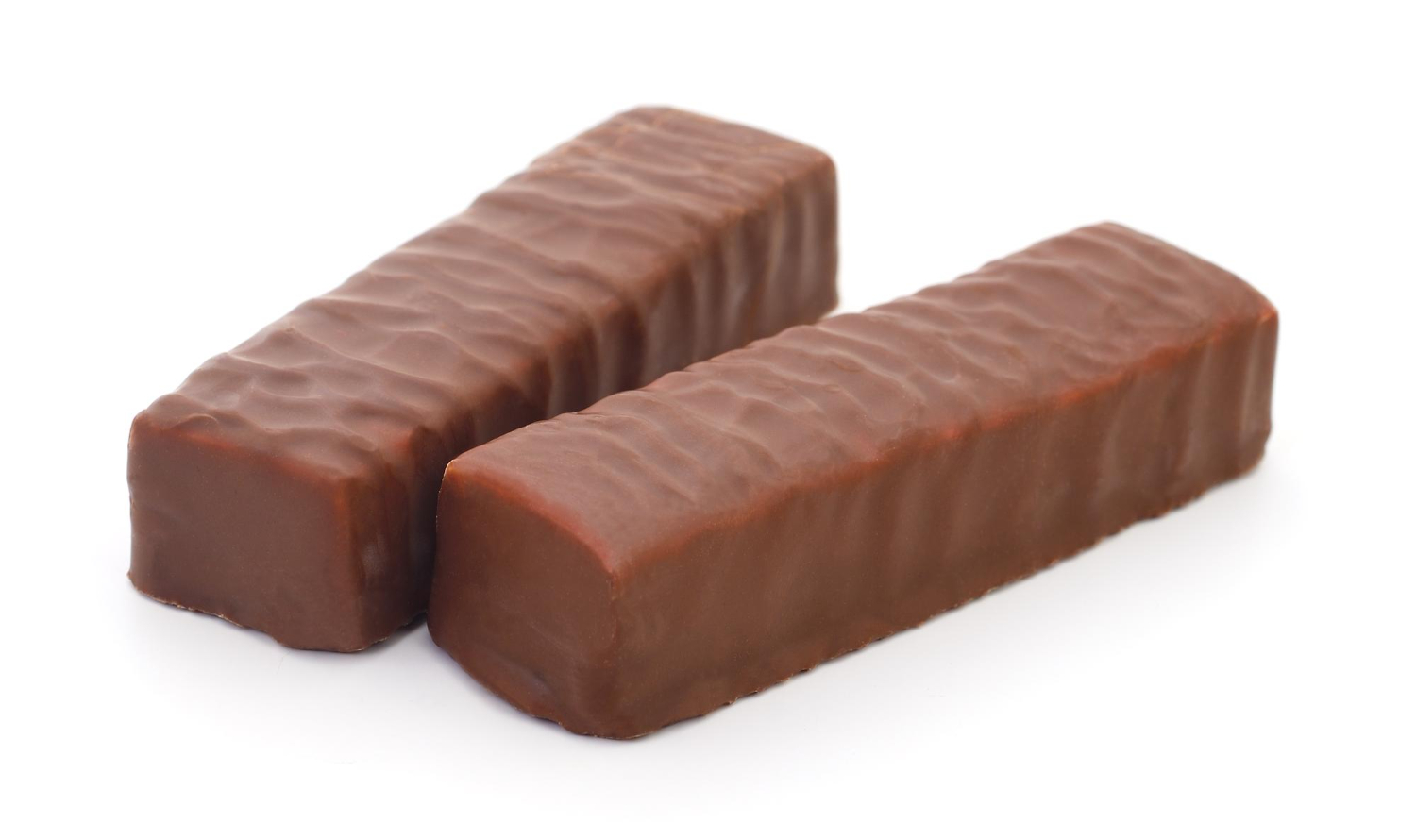
For travelers visiting Japan, the Kit-Kat shelf at any major airport or train station is essentially a regional flavor inventory. Purchasing a regional Kit-Kat is the lowest-effort way to participate authentically in Japanese omiyage culture without studying the more complex traditional confectionery categories. The product is recognizable to non-Japanese recipients while being clearly distinct from globally-available Kit-Kats. A multi-flavor sampler box purchased at the start of a trip makes a reasonable gift to bring home.
12: What This Strategy Actually Means

Show Image
The Kit-Kat phenomenon demonstrates that brand positioning is far more malleable than most marketers assume. A mass-market candy bar successfully positioned itself as a regional specialty item, a luxury good, and a cultural object — all simultaneously. The strategy worked because Nestle Japan paid attention to what consumers were already doing (buying Kit-Kats as exam charms), doubled down on cultural meaning rather than product features, and created distribution strategies that matched cultural practices (train station shops for omiyage, boutique counters for luxury products). This is the inverse of traditional marketing, which imposes meaning from the top down.