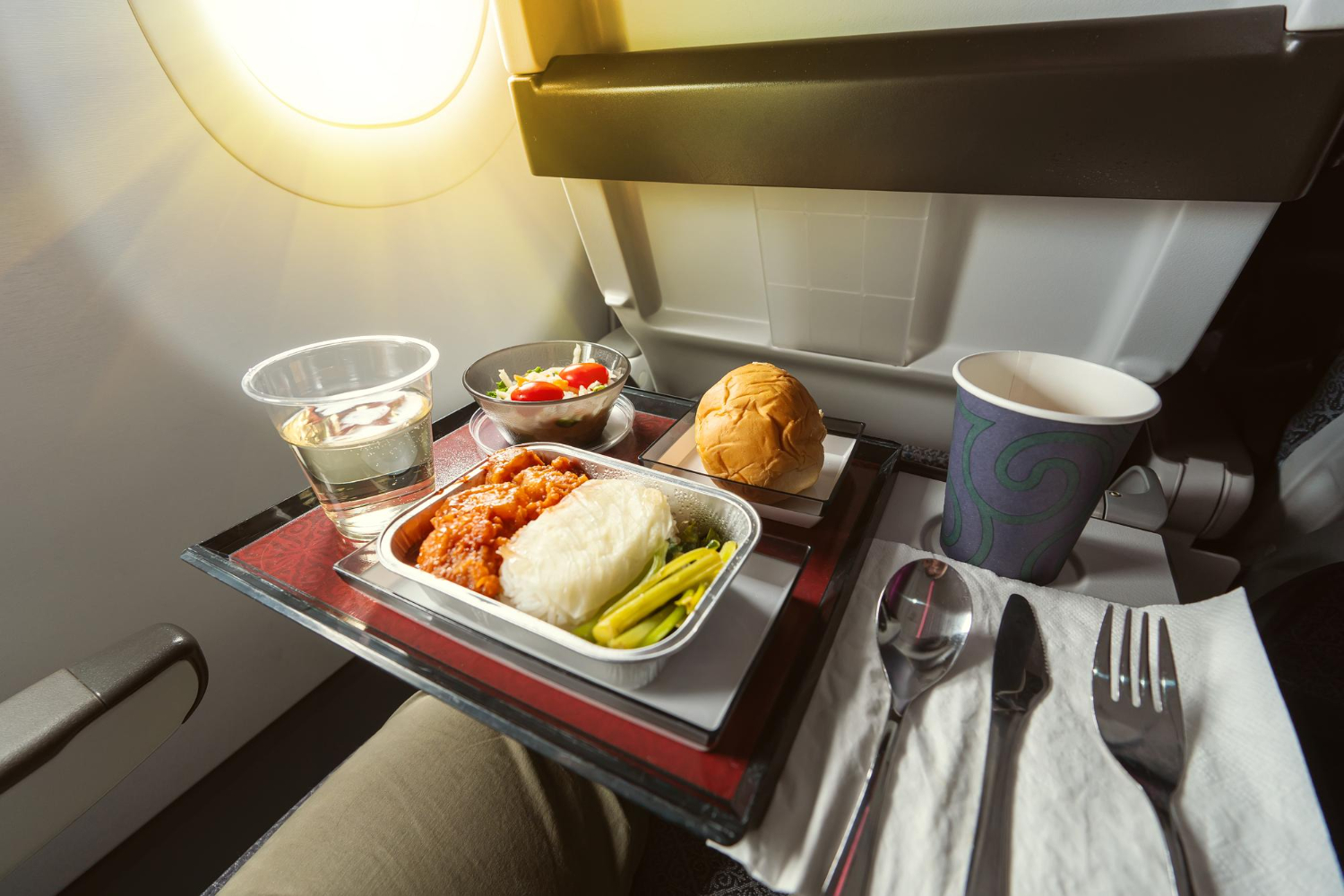
The 2001 American domestic airline meal — substantial hot meal served on real plates with actual silverware on flights as short as 90 minutes — has essentially disappeared from contemporary domestic travel. The transformation occurred through specific decisions by specific airlines at specific moments, with September 11 serving as one major catalyst but not the only one. By 2026, even substantial international flights often serve substantially reduced meals compared to 2001 standards. Here’s what actually happened to airline food — and the specific business decisions that transformed flight catering from genuine meals into snack distribution.
The transformation of airline food represents one of the most substantial changes in commercial aviation experience over the past 25 years. The 2001 American domestic flight typically included free hot meal service even on relatively short flights. By 2026, free meal service has essentially disappeared from American domestic travel, with even substantial international flights often serving substantially reduced offerings. The change wasn’t sudden — it occurred through specific airline decisions across approximately a decade. Walking through what actually happened illuminates broader changes in airline economics and customer expectations.
The Pre-2001 Standard
American domestic airlines in 2001 typically served substantial meals on flights as short as approximately 90 minutes. Standard offerings included: hot entrée (chicken, beef, fish, or vegetarian options), substantial side dishes, salad, dessert, beverages including alcohol, real plates and silverware (rather than disposable equivalents), and substantial cabin service. The meals were genuinely substantial — comparable to mid-range restaurant offerings in quality if not always presentation.
The free meal service was completely standard rather than special amenity. Coach passengers received the meals without additional charges. First-class passengers received upgraded versions with various additional offerings. The meals were essentially identical across competing airlines — substantial domestic competition produced specific competitive pressure for comparable meal offerings. Various specific airline meals had their own reputations (American’s signature dishes, United’s specific offerings, etc.) but all major domestic carriers served substantial free meals.
The September 11 Impact

The September 11, 2001 terrorist attacks substantially transformed American aviation in various ways. Passenger numbers initially collapsed dramatically. Insurance costs increased substantially. Security requirements added substantial operational costs. Various other cumulative factors substantially weakened airline financial positions in the immediate post-9/11 period. The cumulative pressure produced specific responses including substantial cost-cutting in various operational areas.
Airline meals were among the early targets for cost reduction. Various airlines reduced meal sizes, eliminated specific menu items, and reduced overall meal service through 2001-2003. The reductions were initially modest but established the precedent that meal service could be reduced without losing substantial customer base. The cumulative customer acceptance of reduced meals enabled subsequent more aggressive reductions in subsequent years. The September 11 impact was important but didn’t directly cause meal elimination — it began the gradual transition that would continue through subsequent years.
The 2003 American Airlines Decision
In 2003, American Airlines made specific decision to eliminate free meals on most domestic flights. The decision was substantially symbolic — American was one of the major legacy carriers establishing precedent that free meals weren’t required on domestic service. Various other major airlines followed similar decisions throughout 2003-2005. The cumulative industry trend produced rapid elimination of free meal service across most American domestic flights.
The reasoning involved specific cost calculations. Catering costs per passenger had become substantial portions of operating expenses. Eliminating meals reduced direct catering costs, reduced cabin service requirements, and enabled various other operational efficiencies. The combination produced specific savings that improved airline profitability during difficult competitive period. Customer reaction was substantially negative initially but didn’t translate into substantial market share losses for airlines that eliminated meals — passengers continued booking based primarily on price and schedule rather than meal availability.
The “Buy on Board” Era
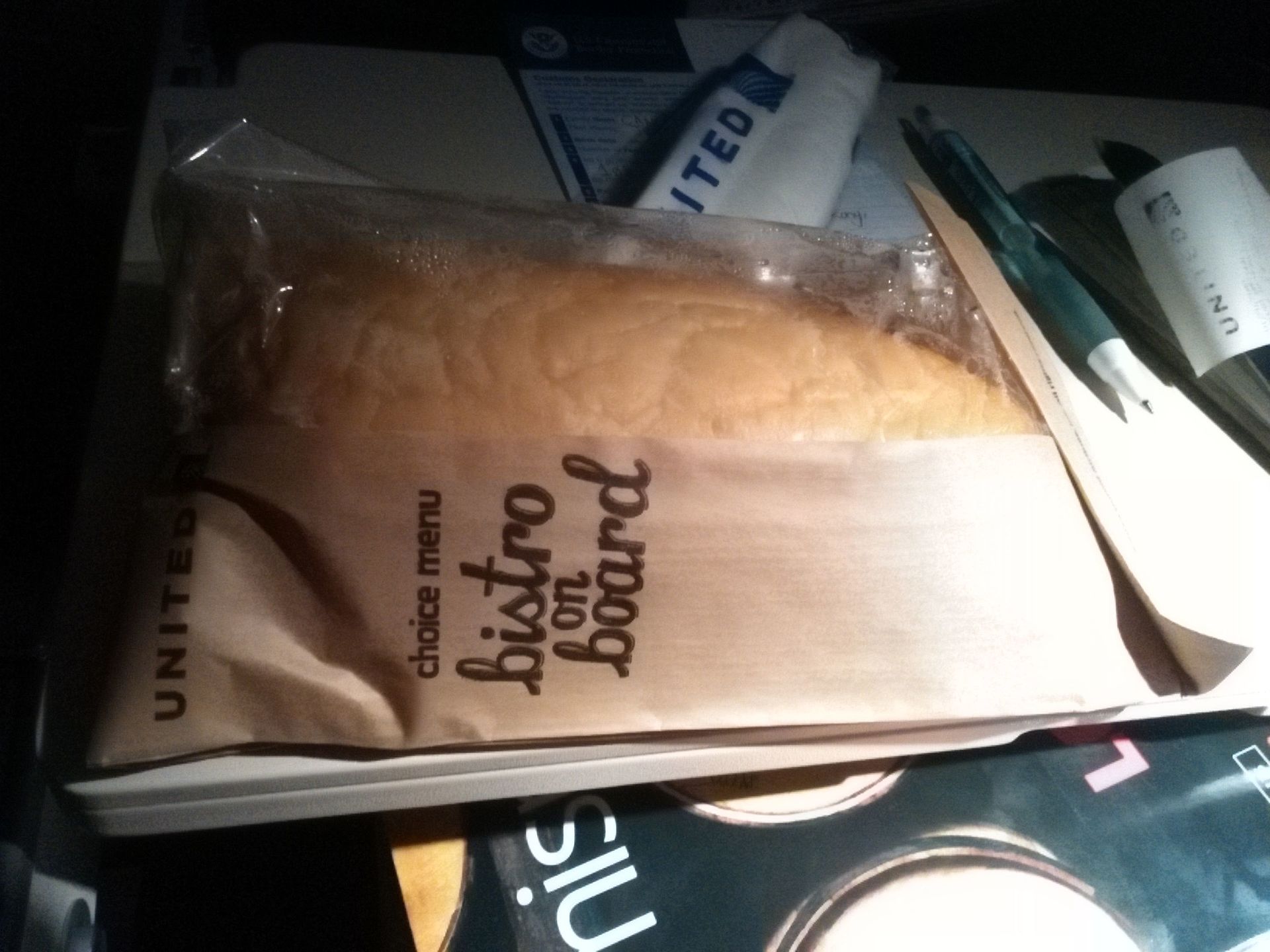
Beginning in the mid-2000s, airlines introduced “buy on board” meal programs replacing free meals with paid food options. The programs typically offered substantially reduced selections at substantial markups compared to airport food prices. Sandwiches at $7-12, snack boxes at $8-15, hot meals at $10-25, and various other specific offerings became standard. The cumulative pricing meant that purchasing equivalent meals on planes substantially exceeded purchasing equivalent food at airports before flights.
The “buy on board” model produced specific incentive structures. Passengers were essentially encouraged to bring food from home or purchase at airports rather than rely on in-flight purchases. Airlines could maintain limited cabin service while still generating some food revenue. The cumulative model substantially favored airline operations over passenger experience. Most domestic flights continue operating “buy on board” programs in some form, with continuous evolution of specific offerings and pricing structures.
The International Flight Differences

International flights have maintained substantially better meal service than domestic flights, though even international meals have been substantially reduced compared to 2001 standards. Most international flights to/from American destinations still include free meals. Quality has declined substantially compared to 2001 offerings, but free meal service itself has continued. Various premium international airlines (Singapore Airlines, Emirates, Qatar Airways, various others) maintain substantially better international meal service than American carriers typically offer.
The international maintenance reflects specific factors. International flight competition includes substantial premium service offerings that maintain meal expectations. Long flight durations make meals more genuinely necessary rather than optional. Various international markets have substantially different customer expectations than American domestic markets. The cumulative factors have preserved free international meal service even as domestic service has substantially eliminated it. The differential between international and domestic meal service has become substantially pronounced over the past 25 years.
The Premium Class Maintenance
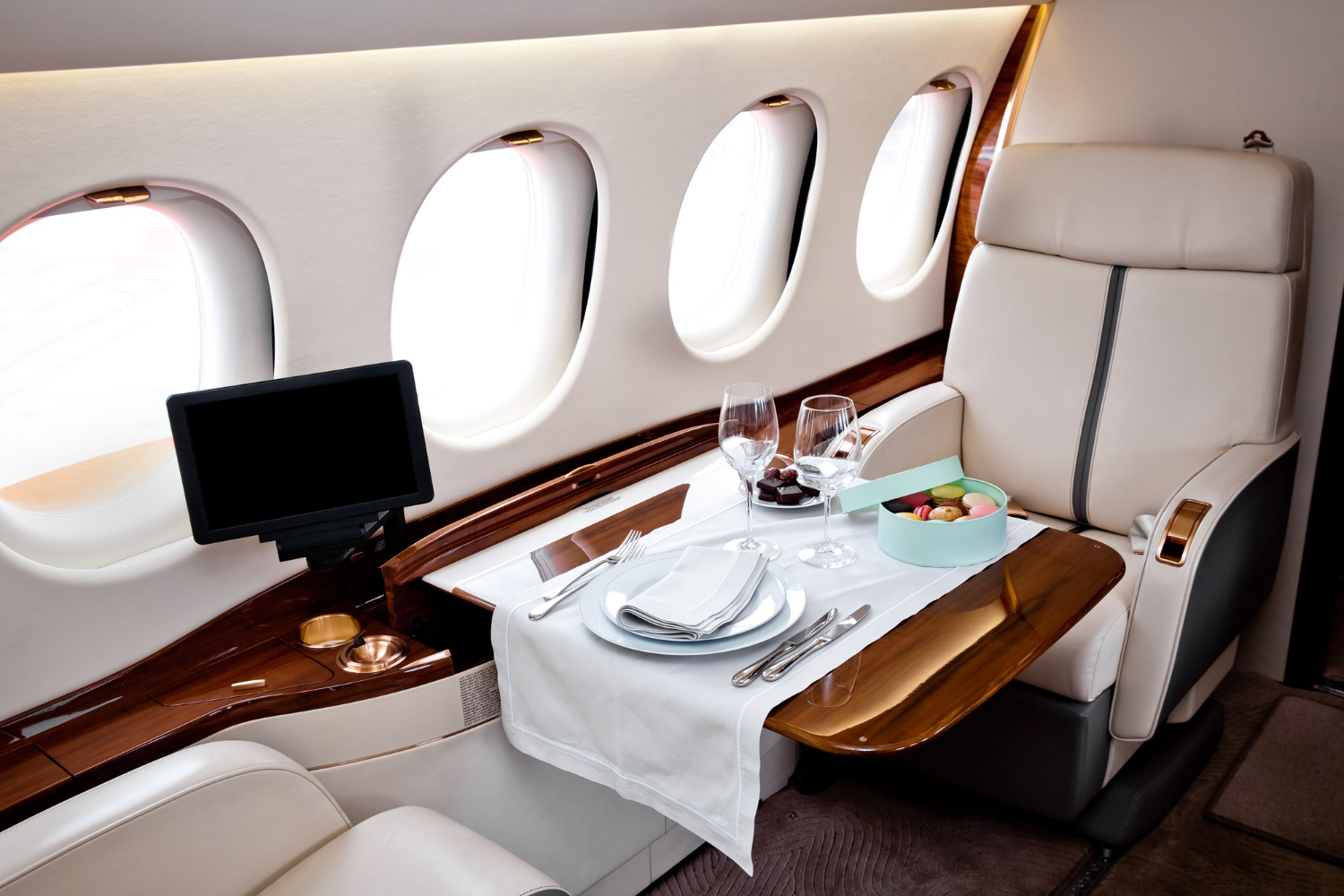
While economy/coach meal service has substantially declined, premium class (business, first) meal service has substantially maintained or even improved. Major airlines compete aggressively for premium passengers through enhanced meal offerings. Specific premium menus, celebrity chef partnerships, wine selections, and various other elements have substantially enhanced premium class dining experiences. The cumulative premium investment exceeds 2001 premium class offerings substantially.
The differential reflects specific economic logic. Premium passengers pay substantial prices that justify substantial service investments. Economy passengers pay relatively low fares that make substantial service investments uneconomical. The cumulative business model favors investing in premium service over economy service. Most legacy carriers operate this differential model, with specific budget carriers operating various other models. The premium-economy divergence in meal service represents broader airline industry differentiation that has substantially intensified over the past 25 years.
The Health and Quality Issues
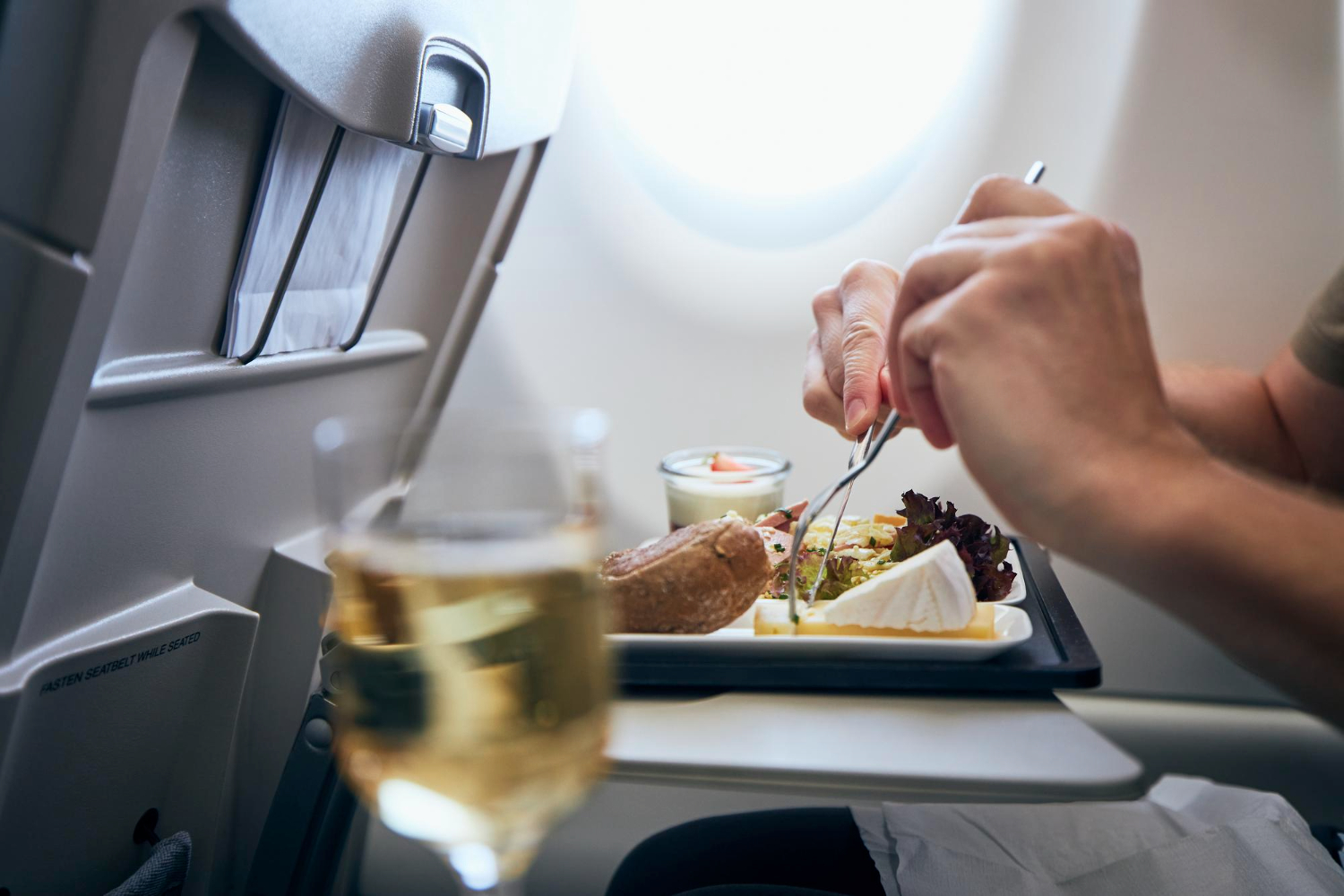
Airline food faces specific health and quality challenges that affect even premium offerings. Aircraft cabin pressure substantially affects taste perception — most foods taste blander at altitude than at ground level. Cabin air dryness affects various food characteristics. Limited preparation infrastructure aboard aircraft constrains cooking options. Various other specific factors produce specific challenges that ground-based restaurants don’t face.
Modern airline catering responds to these challenges through specific techniques. Foods are typically over-seasoned to compensate for taste perception changes. Sauces and gravies provide moisture that addresses dryness concerns. Specific food preparation methods optimize for reheating in aircraft galleys. Various other adaptations attempt to make airline food acceptable despite the specific environmental challenges. The cumulative result rarely matches ground-based equivalent quality but represents substantial effort to provide reasonable food despite genuinely challenging conditions.
The Specific Foods That Work and Don’t
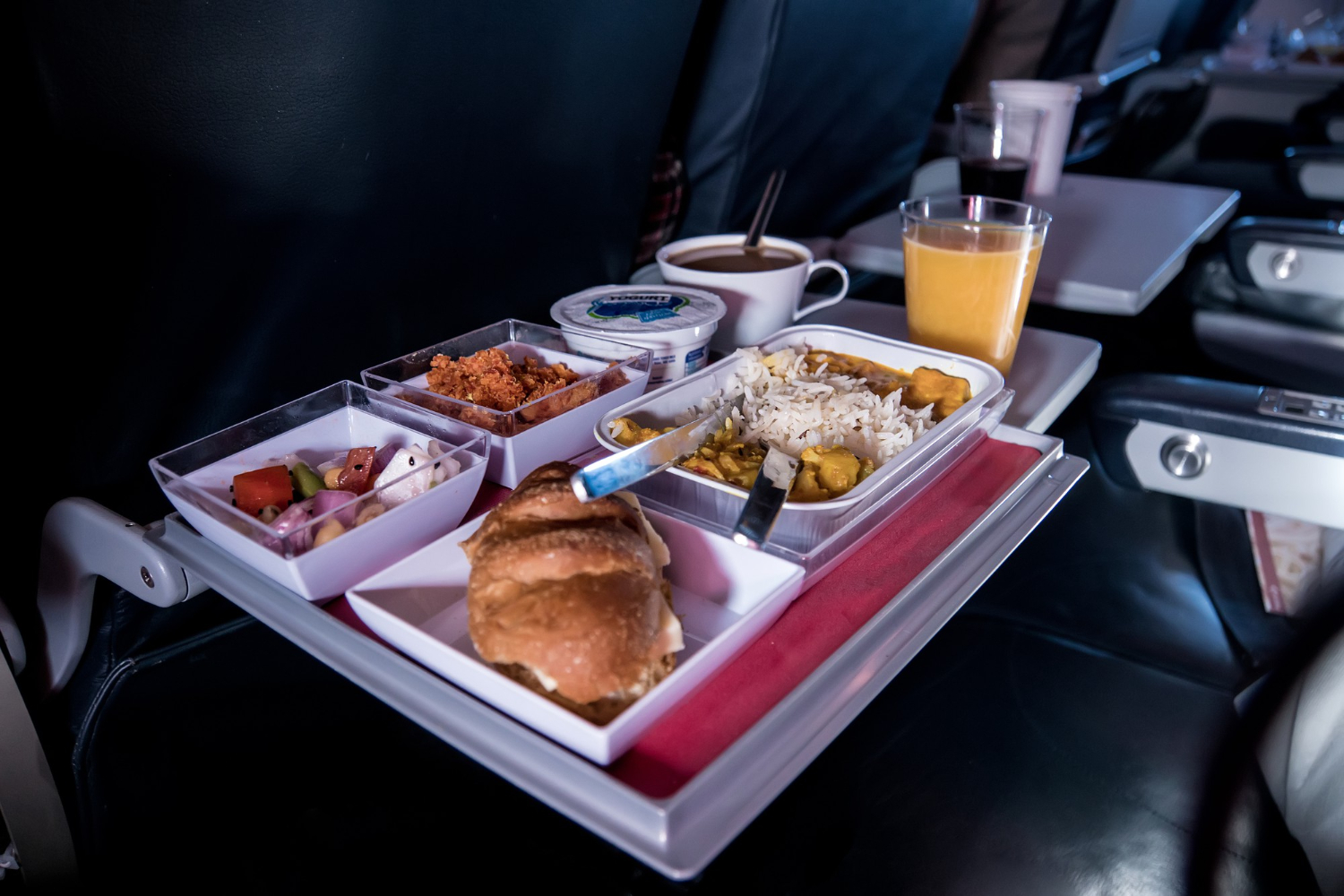
Some specific foods work substantially better in airline service than others. Pasta dishes typically perform reasonably well — they reheat predictably and provide substantial filling without too much complexity. Stewed dishes generally work better than dry roasted preparations. Various other specific foods are routinely successful in airline service. Conversely, various other foods consistently produce poor results: most fish preparations suffer substantially in airline reheating, most baked goods become substandard, various other items consistently disappoint.
Airline meal selection has evolved substantially based on accumulated experience with what works in flight. Modern airline menus typically focus on dishes that perform reliably well rather than attempting more ambitious preparations that produce inconsistent results. The specific menu evolution over decades reflects accumulated learning about flight catering realities. Some specific airlines have invested substantially in research and development for flight catering, producing specific menu items that perform substantially better than generic airline food. The cumulative evolution has produced substantial differentiation in airline meal quality across different carriers.
What Travelers Should Actually Do

Practical guidance for managing food during modern flights. Bring substantial food from home for domestic flights — airport food prices and quality typically exceed in-flight purchases. Eat substantial meals before flights when possible — relying on in-flight food typically produces unsatisfying results. Carry water bottles to refill after security — airline beverage service has substantially declined alongside meal service. Various specific dietary requirements (vegan, gluten-free, kosher, halal) often require advance ordering with airlines that still offer special meals.
For international flights, accept whatever airline meals are offered but don’t depend on them for primary nutrition. Pack substantial snacks for backup. Various premium airline offerings genuinely provide good meals when budget permits premium tickets. Specific airlines have substantially better reputations than others for international meal quality — research before booking when meal quality matters substantially. The cumulative travel experience can be substantially enhanced through specific food preparation rather than relying on airline service.
What This All Reveals
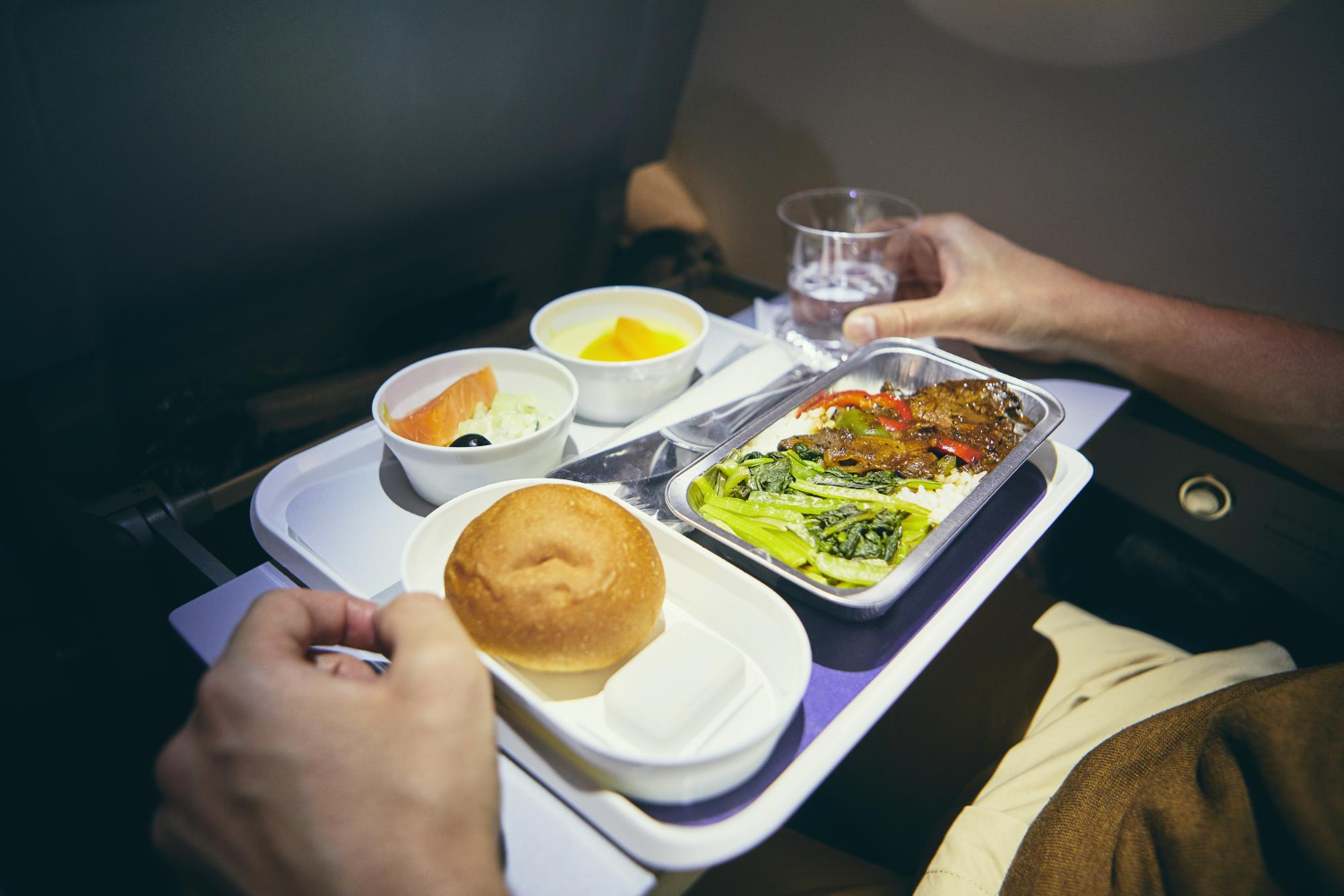
The transformation of airline food represents specific aspect of broader changes in commercial aviation since 2001. Airlines have substantially shifted from full-service models toward unbundled pricing where various specific services (meals, baggage, seat selection, various others) require separate fees beyond base ticket prices. The cumulative model has produced substantially lower base ticket prices while substantially increasing total trip costs for travelers requiring various services. Whether the change represents progress or loss depends on specific values about what air travel should provide. What’s clear: the 2001 standard of free hot meals on domestic flights has essentially disappeared, replaced by various paid food options or snack-only service. The transformation occurred through specific business decisions across approximately a decade, with various external factors (September 11, economic conditions, fuel costs) providing context but not directly causing the changes. The current situation will likely continue evolving as airline economics, customer expectations, and various other factors continue changing. Future air travel may include further changes in food service that current passengers can’t easily predict — but the dramatic 2001-2026 transformation has substantially established the modern unbundled service model that defines current commercial aviation.