Some of the most breathtaking sights in America aren’t places you can visit anytime — they’re events, fleeting natural phenomena that appear only at certain times of year, in certain places, and only for those who plan to be there when they happen. The northern lights flaring over Alaska, thousands of fireflies flashing in perfect unison deep in the Smokies, half a billion monarch butterflies on the move, an entire river turning silver with spawning salmon. These are the experiences that turn a trip into a lifelong memory, but catching them requires knowing exactly when and where to look. Miss the window by a few weeks and you’ll see nothing at all. For travelers willing to plan around nature’s calendar, the payoff is extraordinary. Here are America’s most spectacular natural events, and the best time and place to see each one.
What unites all of these is timing. Unlike a mountain or a canyon that’s there whenever you arrive, these phenomena run on nature’s schedule, and the difference between a transcendent experience and an empty landscape is frequently a matter of weeks. Here’s how to catch each one.
The Northern Lights in Alaska
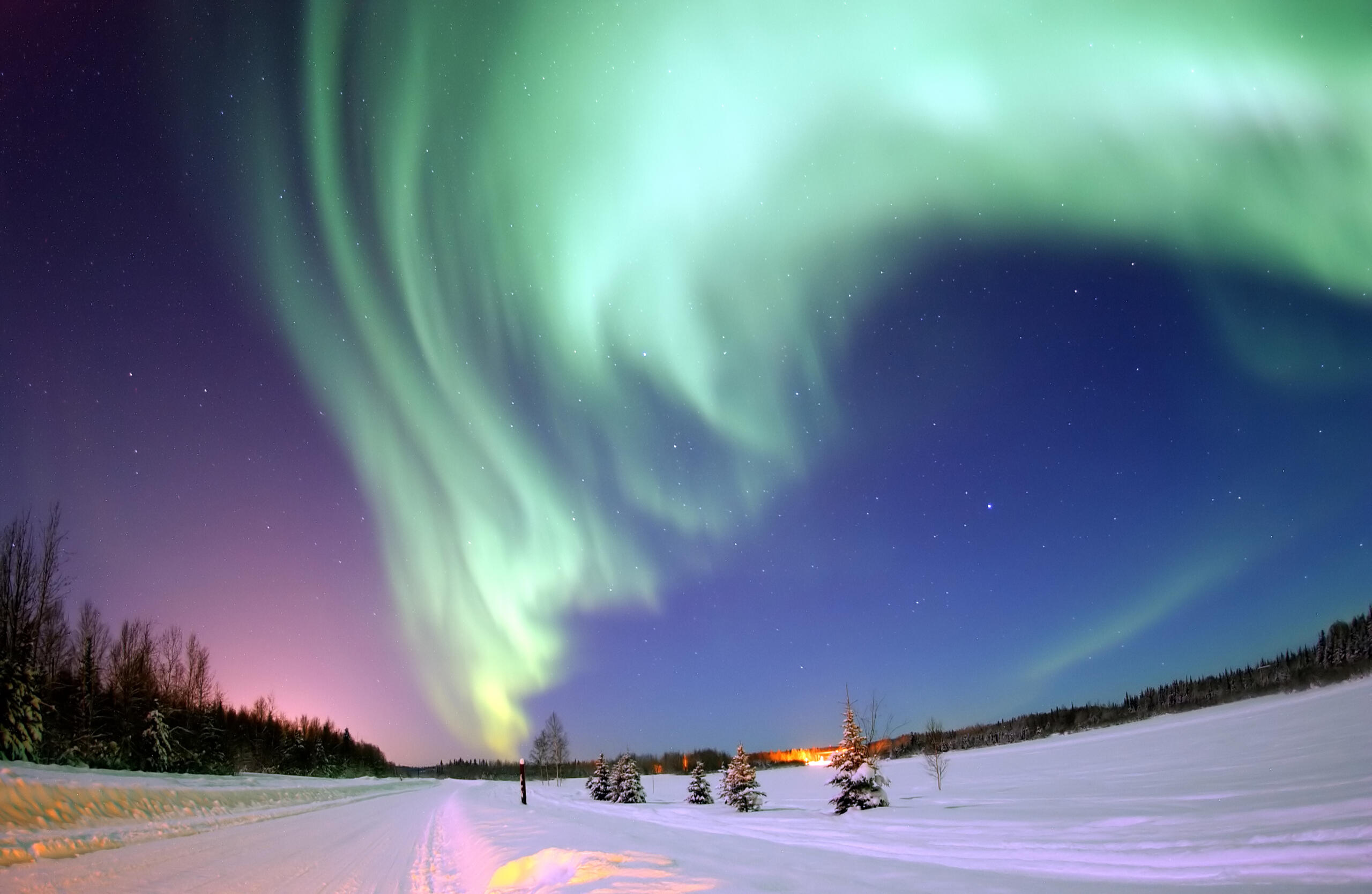
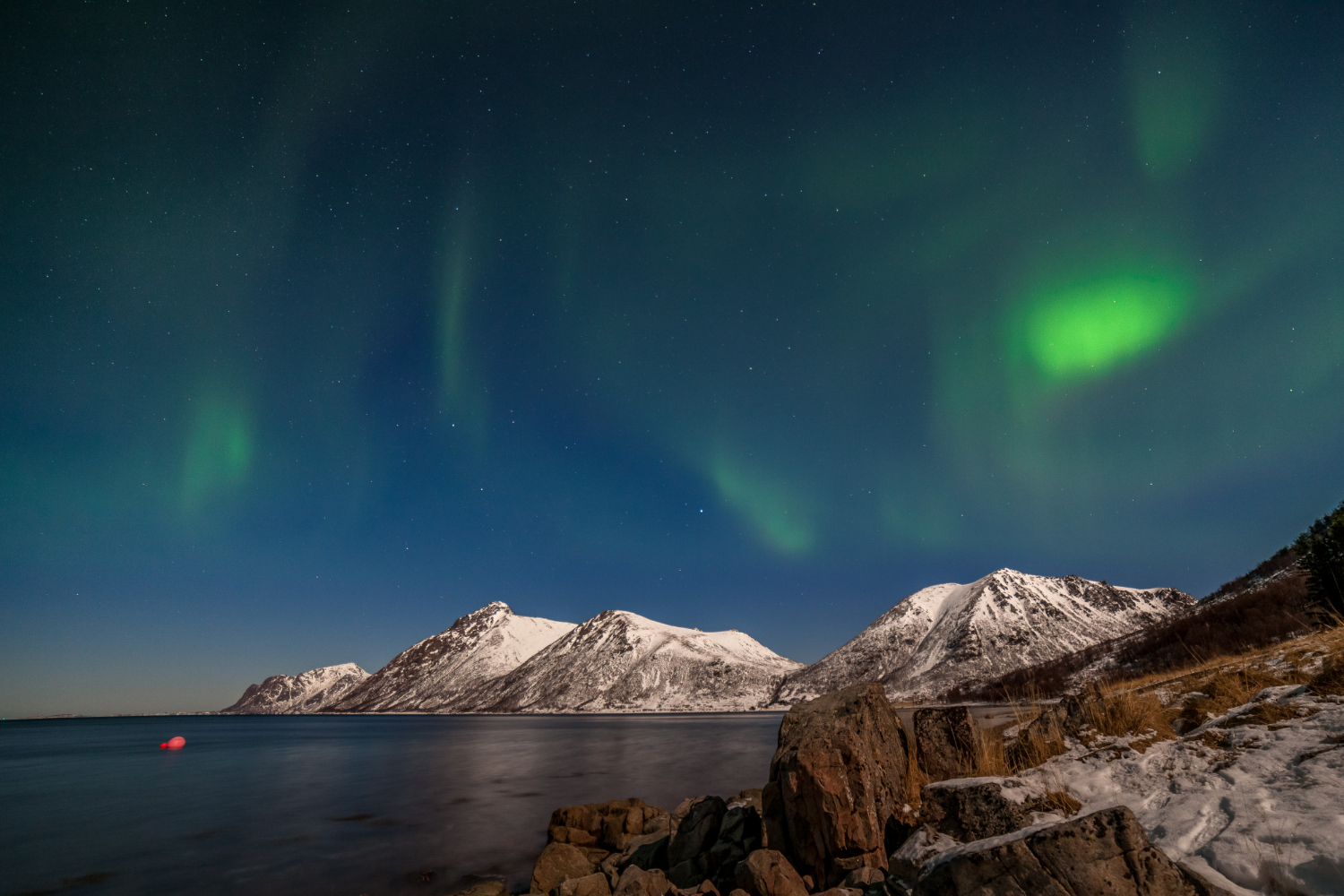
The aurora borealis is perhaps the most coveted natural spectacle in America, and Alaska is the best place in the country to see it — particularly around Fairbanks, which sits under the “auroral oval.” The lights appear when charged particles from the sun interact with the atmosphere, painting the sky in shifting curtains of green, purple, and red. The best time is the dark, cold months from roughly late August through April, on clear nights away from city lights, ideally around the equinoxes when activity frequently peaks. Seeing the aurora dance overhead is a genuinely unforgettable, bucket-list experience, but it requires darkness, clear skies, patience, and a willingness to brave the cold.
Synchronous Fireflies in the Great Smoky Mountains
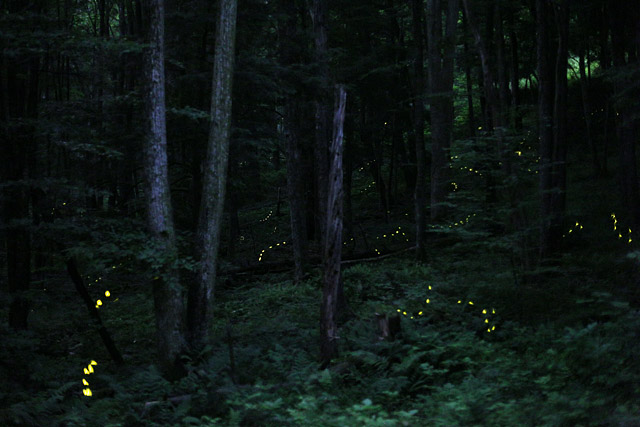
One of the rarest and most magical natural events in America is the synchronous firefly display in Great Smoky Mountains National Park, where a particular species flashes in eerie, coordinated unison, lighting up the forest in waves. This happens for only a couple of weeks, typically in late spring (usually late May into early June), and demand is so high that the park runs a lottery for viewing access. The sight of thousands of fireflies blinking together in the dark forest is otherworldly and deeply moving. It’s a brief, very specific window, so planning around the lottery and the short season is essential to witnessing this extraordinary phenomenon.
The Monarch Butterfly Migration
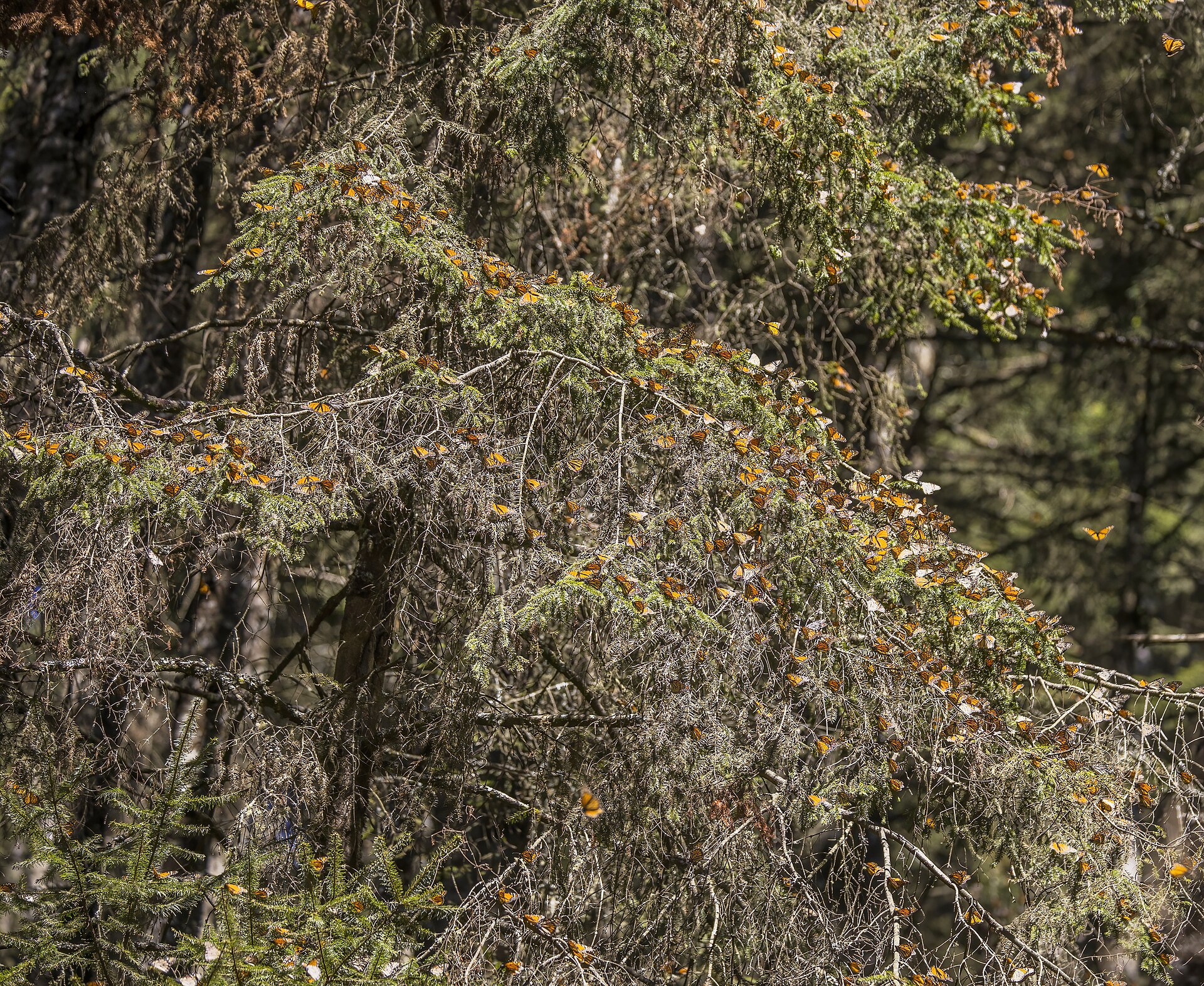
The monarch butterfly migration is one of nature’s great spectacles, as millions of butterflies travel thousands of miles. In the U.S., one of the best places to witness it is along the migration routes and gathering spots — notably the California coast (such as Pismo Beach and Pacific Grove) for the western population in the cooler months, where thousands cluster in eucalyptus groves, and along the central flyway in fall as monarchs head toward Mexico. The best time is generally fall (October–November) for the southward migration and the winter clustering. Seeing trees draped in thousands of resting monarchs, or skies full of migrating butterflies, is a fragile and increasingly precious natural wonder worth timing a trip around.
Like our content? Follow us for more.
The Sandhill Crane Migration on the Platte River
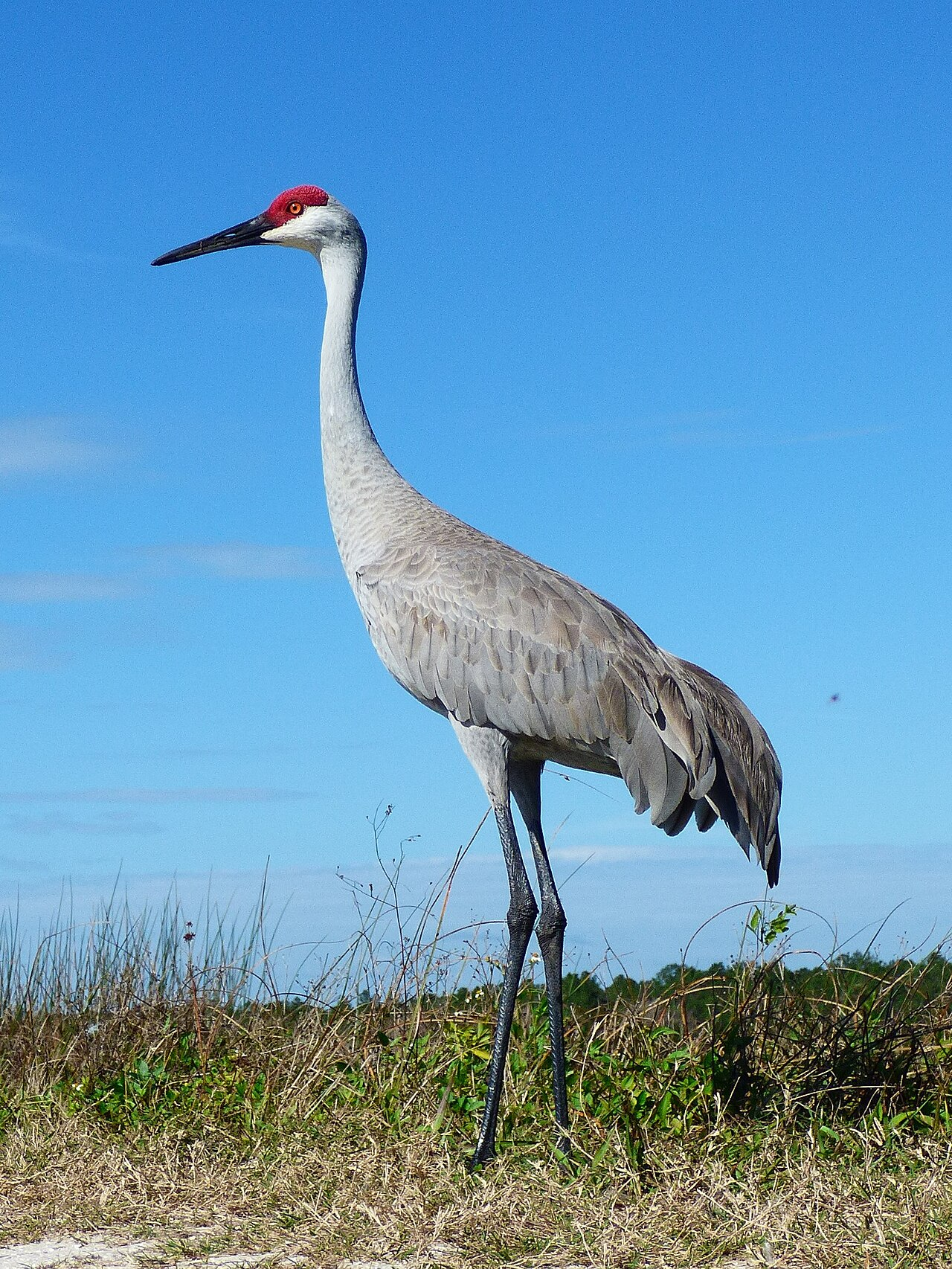
Each spring, one of the largest gatherings of birds in North America unfolds along Nebraska’s Platte River, where hundreds of thousands of sandhill cranes stop to rest and feed during their northward migration. For a few weeks, usually in March, the river and surrounding fields fill with cranes, and at dawn and dusk the sight and sound of tens of thousands of birds taking flight is overwhelming. This concentrated spring spectacle, in the same place every year, draws birders and nature lovers from around the world. The narrow window in early spring makes timing essential, but the sheer scale of the gathering is one of the continent’s great wildlife events.
Fall Foliage in New England
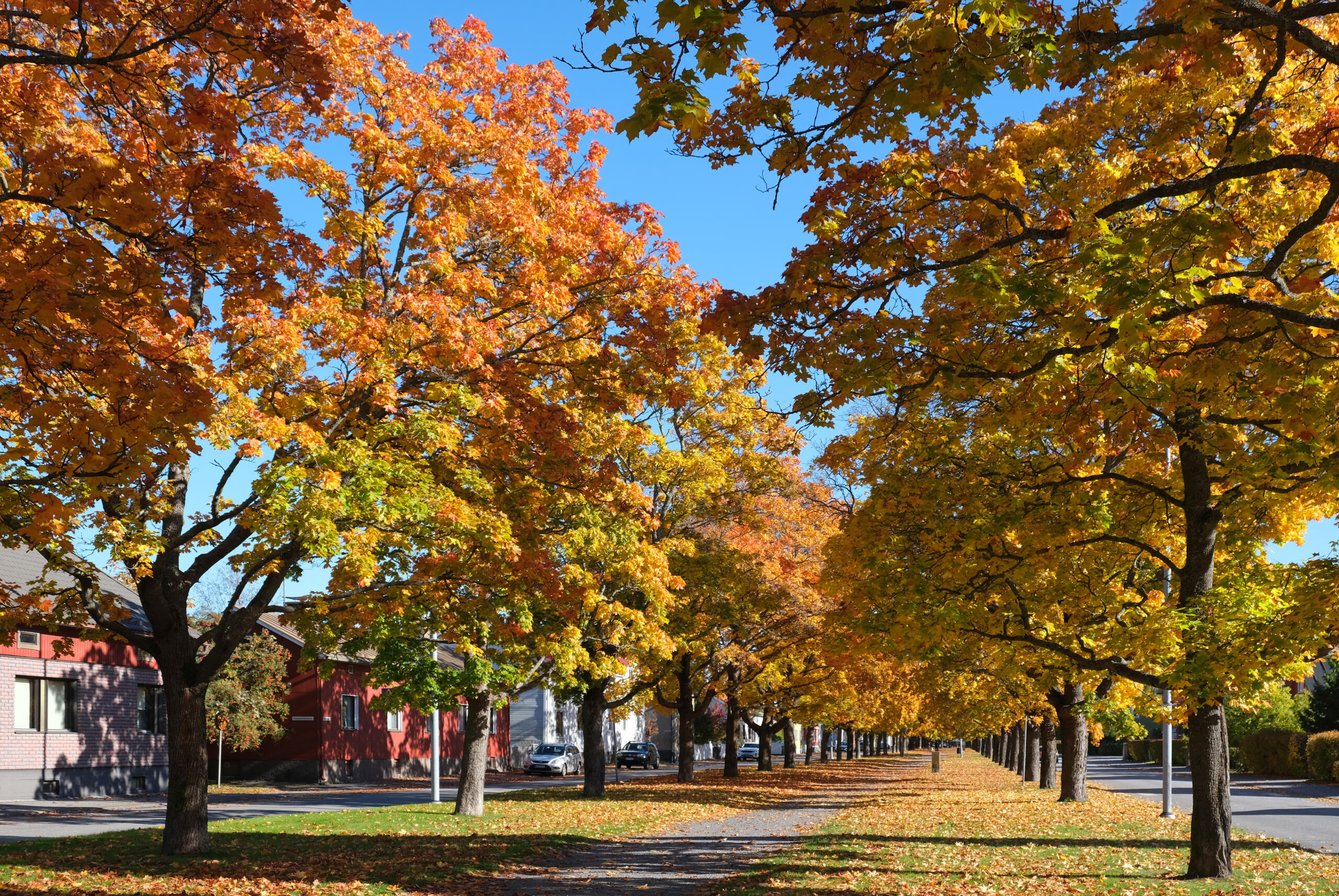
The annual blaze of fall foliage is America’s most accessible and beloved natural event, and New England — Vermont, New Hampshire, Maine, and beyond — is the most famous place to experience it, as entire hillsides turn brilliant red, orange, and gold. The timing varies by year and location but generally peaks from late September in the north through mid-to-late October farther south, moving with the cooling weather. “Leaf-peeping” road trips are a cherished tradition, and the spectacle of a New England hillside at peak color is genuinely glorious. Because peak timing shifts with the weather and moves geographically, checking foliage forecasts helps travelers hit the color at its height.
Bioluminescent Waves
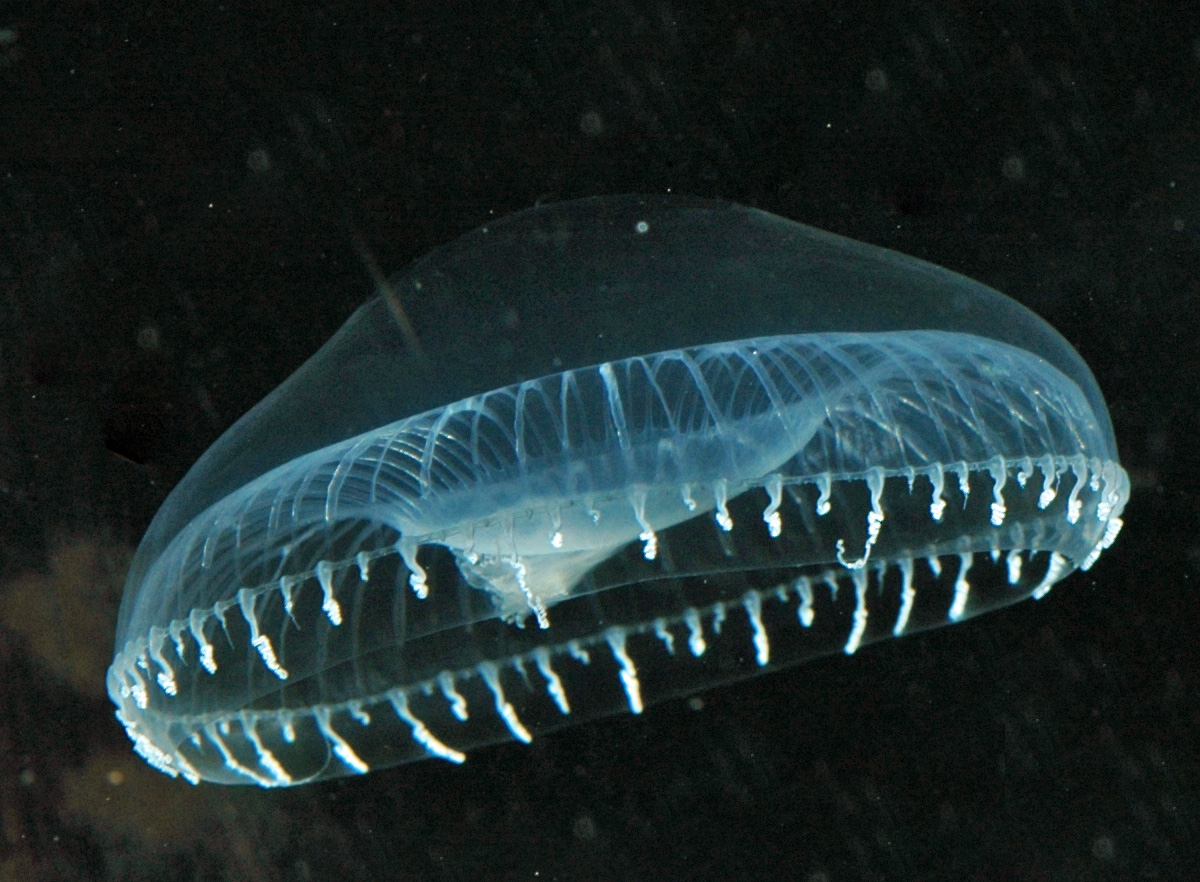
Along certain coastlines, the ocean itself can glow at night — a phenomenon called bioluminescence, caused by tiny organisms that emit blue-green light when disturbed, making waves and footprints in the surf shimmer with an electric-blue glow. In the U.S., parts of the California coast occasionally experience dramatic bioluminescent displays, frequently associated with algal blooms in the warmer months, and there are bioluminescent bays elsewhere. The challenge is that these events can be unpredictable and short-lived, so they frequently require some luck and local knowledge. But witnessing waves glowing electric blue in the dark is a surreal, magical experience that draws crowds to the beach at night when conditions align.
The Salmon Run
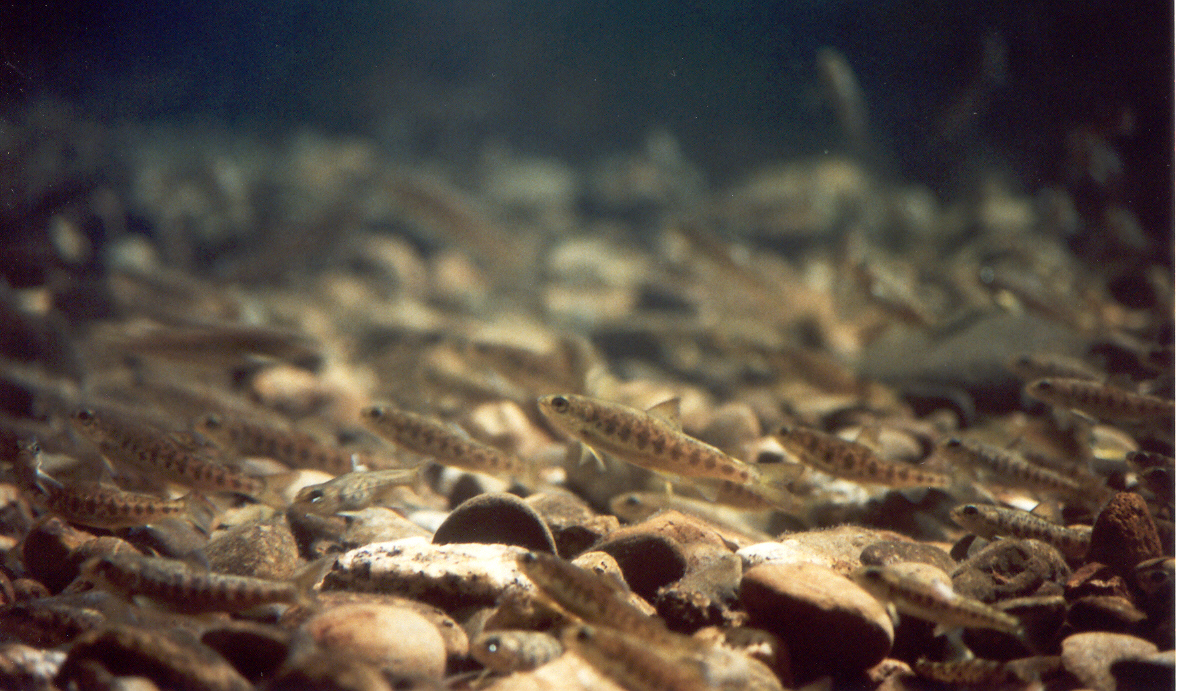
In the Pacific Northwest and Alaska, the annual salmon run is a dramatic natural event, as salmon return from the ocean to swim upstream to their spawning grounds, sometimes leaping up waterfalls and filling rivers. The run, generally in late summer and fall depending on the species and location, also draws bears, eagles, and other wildlife to feast, creating extraordinary wildlife-viewing opportunities (famously at places like Brooks Falls in Alaska, where bears catch leaping salmon). The combination of the salmon’s epic journey and the predators it attracts makes the salmon run one of the most dynamic wildlife spectacles in America, best seen in the late-summer-to-fall window.
Wildflower Super Blooms
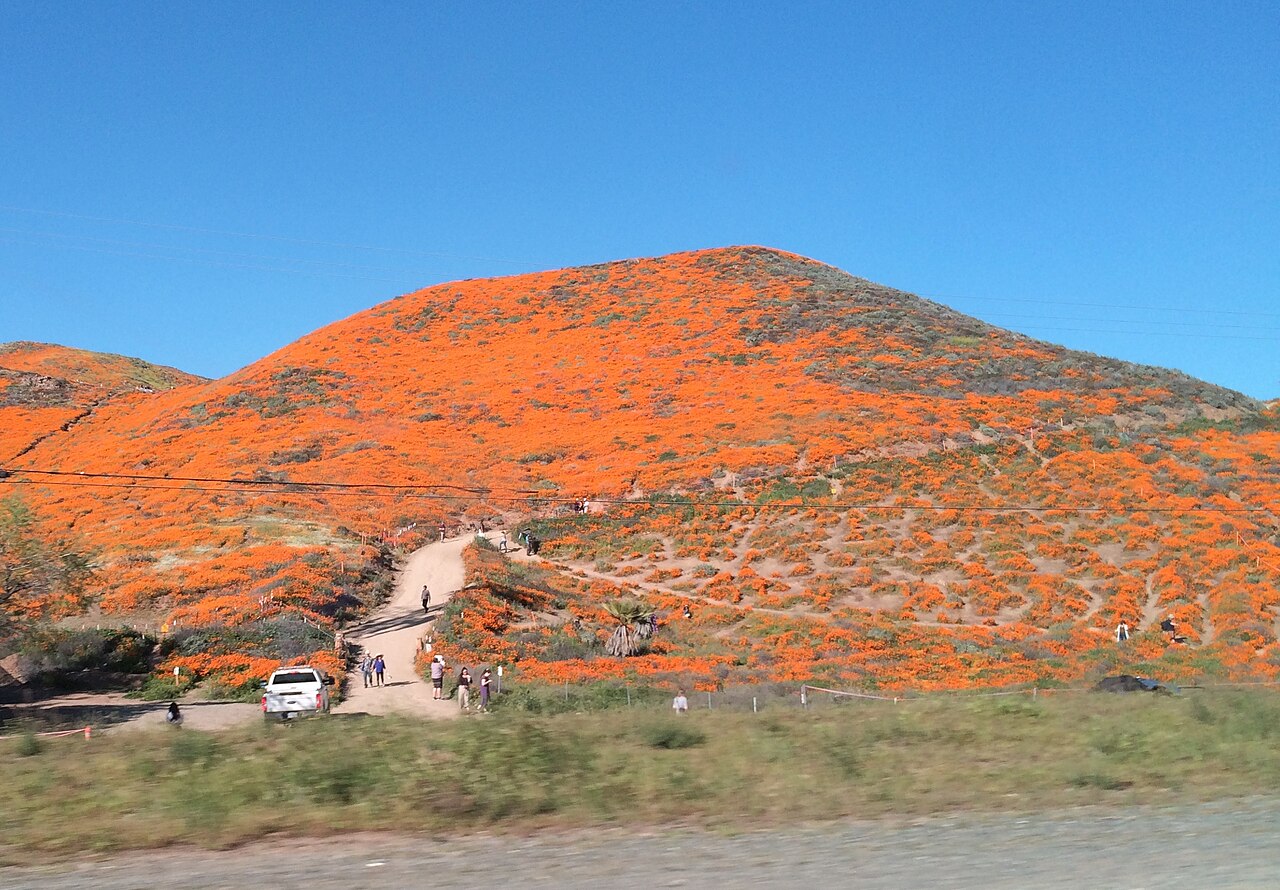
In the deserts of the Southwest, particularly California, a wet winter can occasionally produce a spectacular super bloom — a brief, explosive carpet of wildflowers blanketing normally barren desert hillsides in vivid color. These events are unpredictable, depending entirely on the right rainfall, and don’t happen every year, but when they do (typically in early-to-mid spring following a wet winter), the transformation of the desert into a sea of poppies and wildflowers is breathtaking. Super blooms draw enormous crowds, raising concerns about protecting the fragile flowers, so visitors should tread carefully. The combination of rarity and beauty makes a desert super bloom a genuine bucket-list event for those who can be there in the right year.
A Note on Solar Eclipses
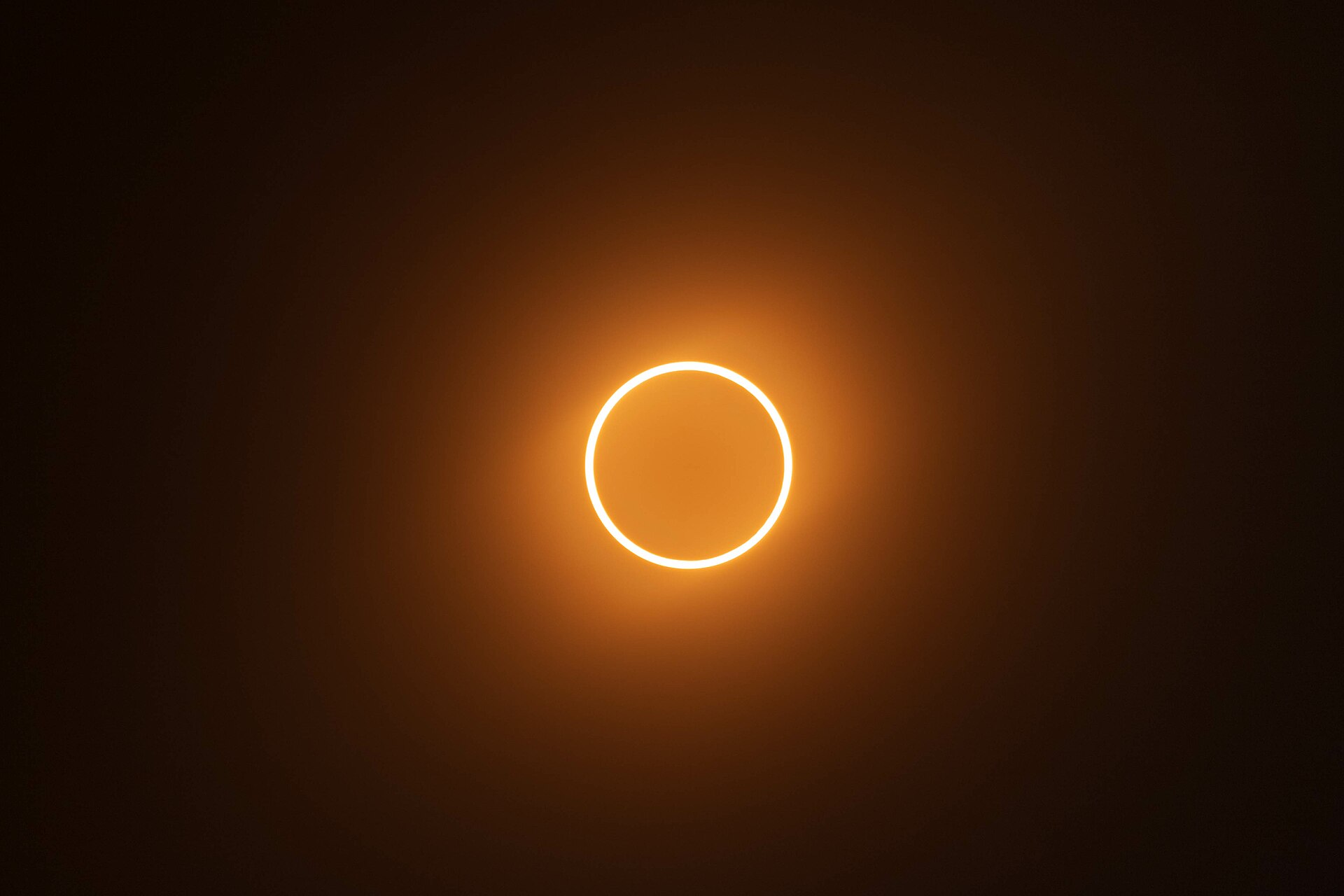
Total solar eclipses — when the moon completely blocks the sun, turning day briefly to twilight — are among the most awe-inspiring natural events possible, but they’re rare for any given location. The U.S. experienced a major total eclipse in April 2024 that crossed the country, but the next total solar eclipse visible from the contiguous United States won’t come for many years (not until the 2040s). So while eclipses belong on any list of spectacular natural events, planning a U.S. eclipse trip means looking well into the future, or traveling abroad to catch one sooner. Partial eclipses and other celestial events occur more frequently, but the breathtaking totality that crossed America in 2024 won’t repeat over the contiguous states for two decades.
How to Plan Around Nature’s Calendar
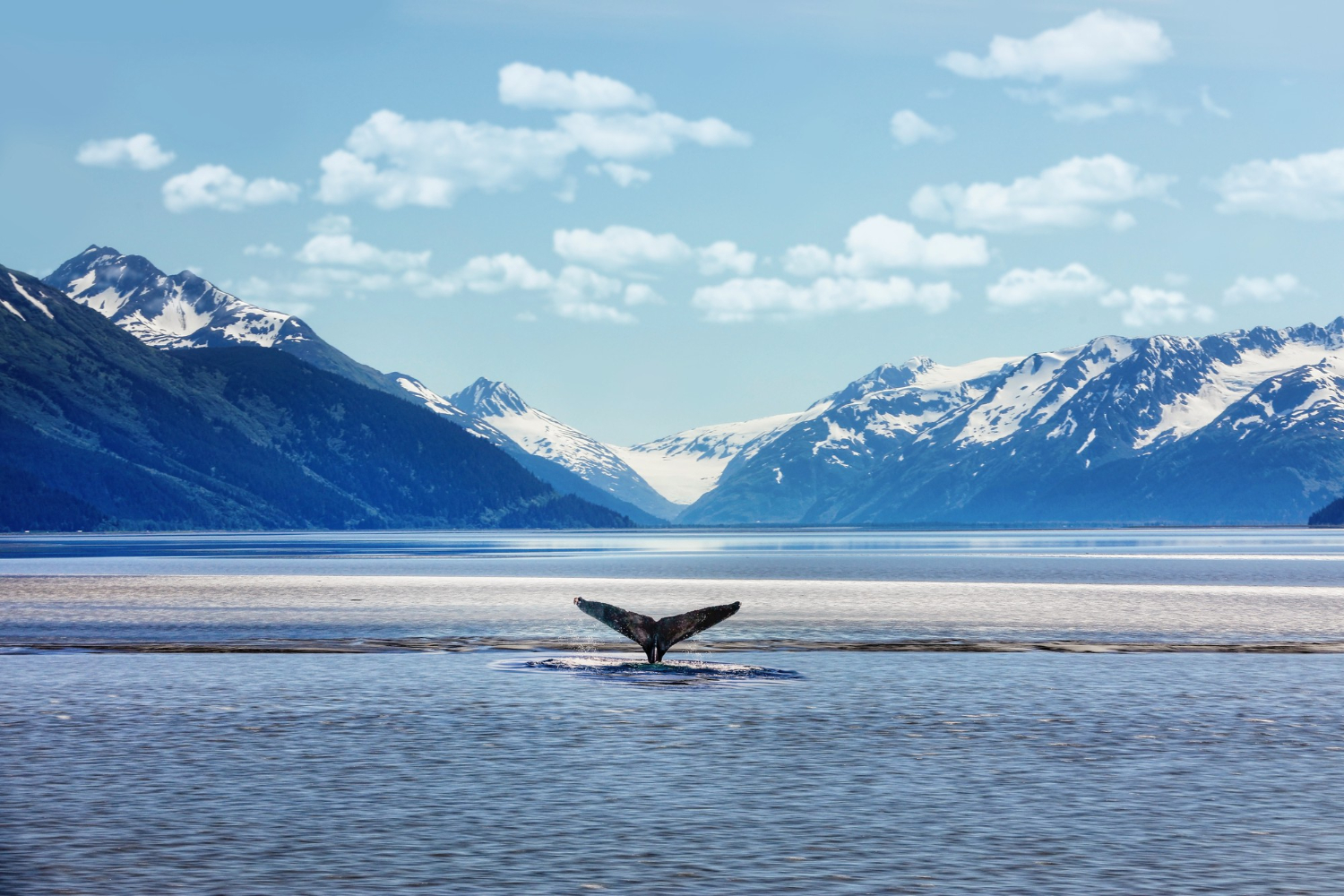
The thread running through all of these is that timing is everything, and a few principles help travelers catch them. First, research the specific window for the specific year — most of these events shift with weather and conditions, and many have narrow windows of just days or weeks. Second, plan and book well ahead for the events with limited access, like the synchronous firefly lottery or peak foliage lodging in New England, which fill up far in advance. Third, build in flexibility and manage expectations, since the most spectacular events (the aurora, bioluminescence, super blooms) depend on conditions beyond anyone’s control and are never guaranteed. Fourth, follow the forecasts and local sources — aurora forecasts, foliage trackers, and local naturalist reports dramatically improve your odds. And finally, when you do witness one of these phenomena, tread lightly and respectfully, since many (the fireflies, the monarchs, the super blooms) are fragile and increasingly threatened by crowds and environmental pressures. The reward for all this planning is the rarest kind of travel experience — being in exactly the right place at exactly the right moment to witness something genuinely extraordinary that most people only ever see in photographs. Nature’s greatest shows are free, but they keep their own schedule, and the travelers who learn to plan around that calendar are the ones who get to see America at its most spectacular.
Like our content? Follow us for more.