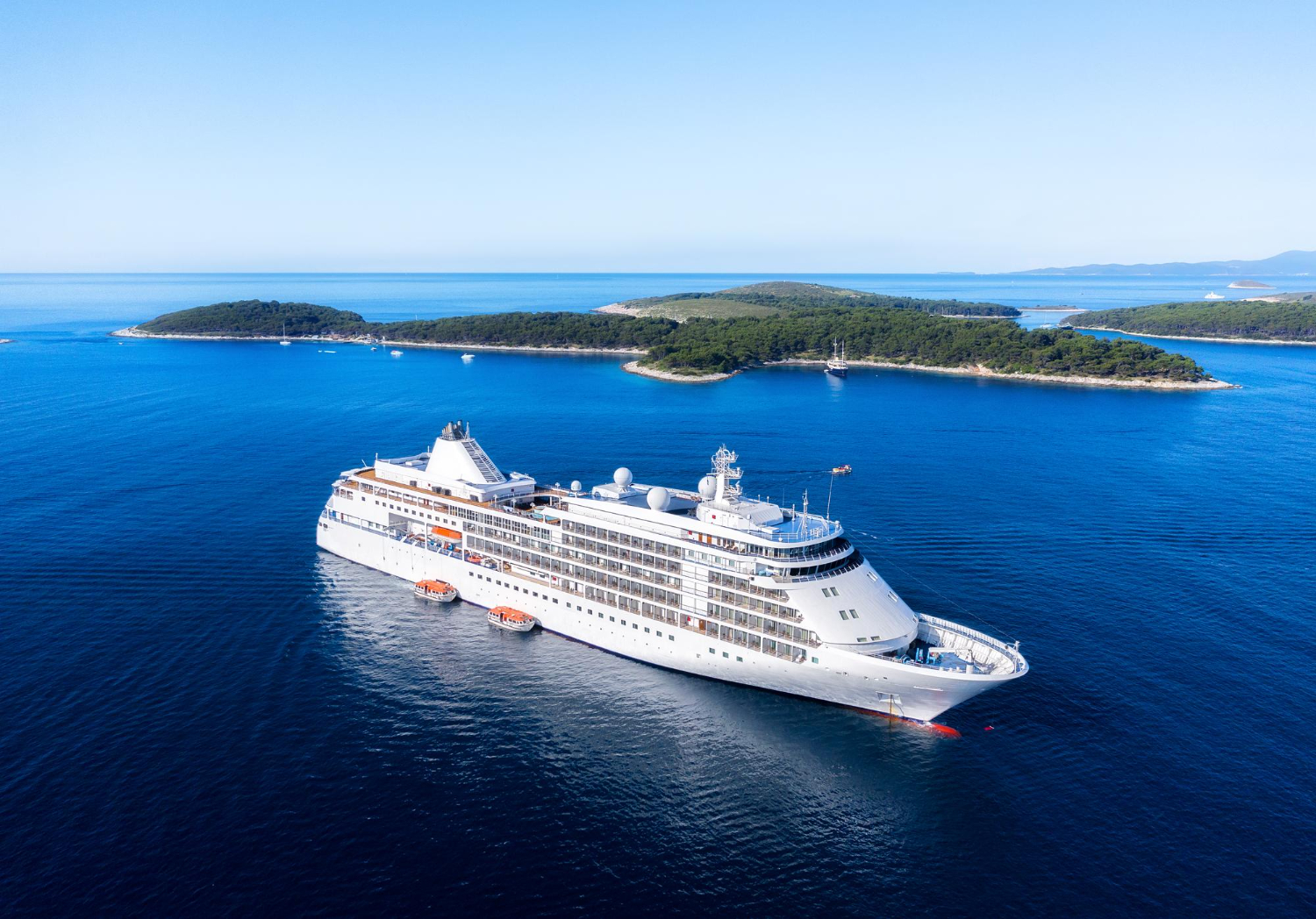
Cruising is one of the most polarizing ways to travel. Critics dismiss it as crowded, artificial, environmentally troubling, and a shallow way to “see” a place — and some of those criticisms land. But cruising also happens to be one of the fastest-growing and most loyal segments of travel, with millions of devoted repeat cruisers who keep coming back year after year. So what do the enthusiasts know that the critics don’t? Frequent cruisers point to a specific set of genuine advantages that the people who write cruising off tend to overlook — value, convenience, accessibility, and a style of travel that fits certain trips and travelers exceptionally well. The honest truth is that cruising isn’t for everyone and the critics aren’t entirely wrong, but the people who dismiss it outright are missing some real strengths. Here’s what frequent cruisers say the haters are missing.
Let’s be fair from the start: some criticisms of cruising are legitimate, and frequent cruisers will admit it. Big ships can feel crowded, some ports have become tourist traps, the environmental footprint is a real concern, and a few hours in port is not the same as truly knowing a place. But acknowledging that is different from dismissing the whole experience, and here’s the case the enthusiasts make.
The Value Is Genuinely Hard to Beat
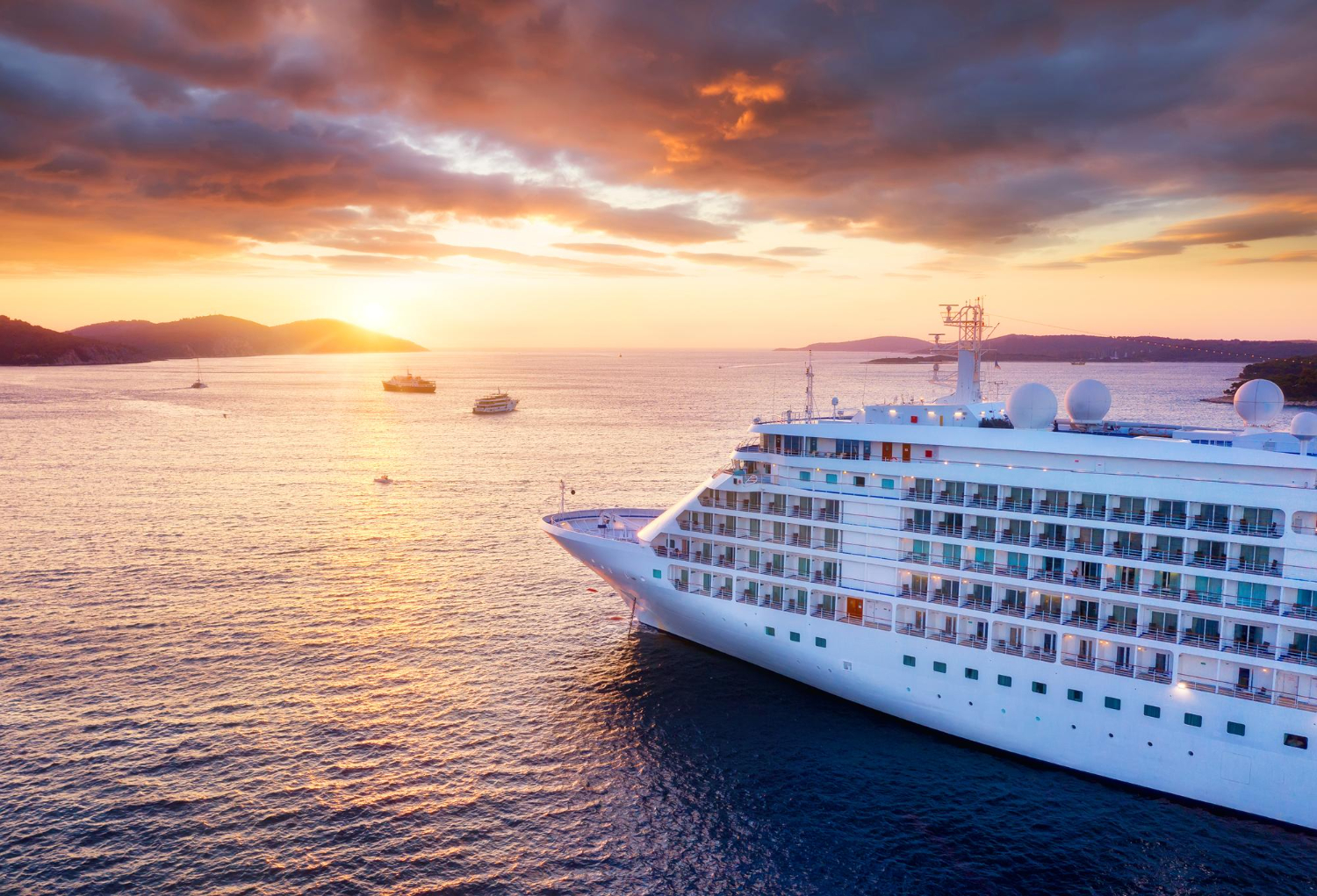
The argument frequent cruisers make first is value. A cruise fare typically bundles your accommodation, all your main meals, entertainment, and transportation between multiple destinations into one upfront price — and when you add up what those would cost separately on a land vacation (hotels, restaurants for every meal, shows, and transport between cities), the cruise frequently comes out ahead, sometimes dramatically. For travelers on a budget, or families trying to control costs, the all-in pricing and the ability to know most of your vacation cost in advance is a genuine and frequently underappreciated advantage. The critics who call cruising expensive are often comparing it to a cheaper trip, not an equivalent multi-city one.
You Unpack Once and Wake Up Somewhere New
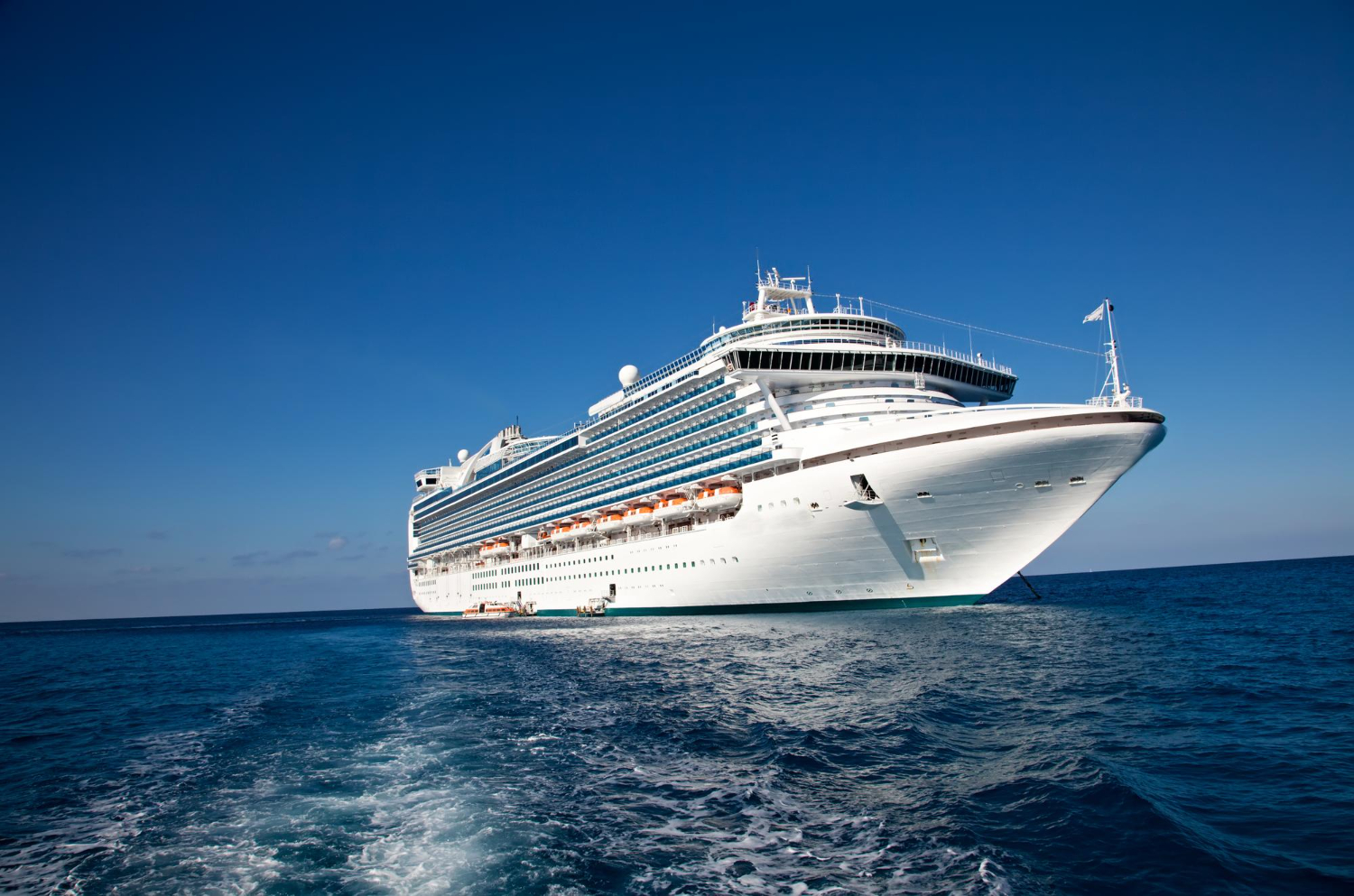
The single most-cited practical advantage is the convenience of unpacking exactly once while visiting multiple destinations. On a land trip through several cities, you pack, travel, check in, and unpack repeatedly — a genuine hassle that eats into the vacation. On a cruise, you settle into one room and the ship carries you and your belongings from place to place while you sleep, delivering you to a new destination each morning with zero logistics. For travelers who find the constant packing and transit of multi-city land trips exhausting, this single benefit — see many places, unpack once — is frequently the entire appeal, and it’s a real one.
It’s Among the Most Accessible Ways to Travel

A point critics almost always miss is how accessible cruising is for older travelers, people with mobility limitations, and multigenerational groups. Modern cruise ships are largely flat, elevator-served, and designed for easy movement, with accessible cabins, medical facilities onboard, and the ability to see the world without navigating foreign airports, train stations, rental cars, and unfamiliar cities. For an older traveler or someone with limited mobility who still wants to experience multiple destinations, cruising can make travel possible that would otherwise be genuinely difficult. This accessibility is one of the most important and least-acknowledged strengths of the cruise model.
There’s Something for Every Member of the Group
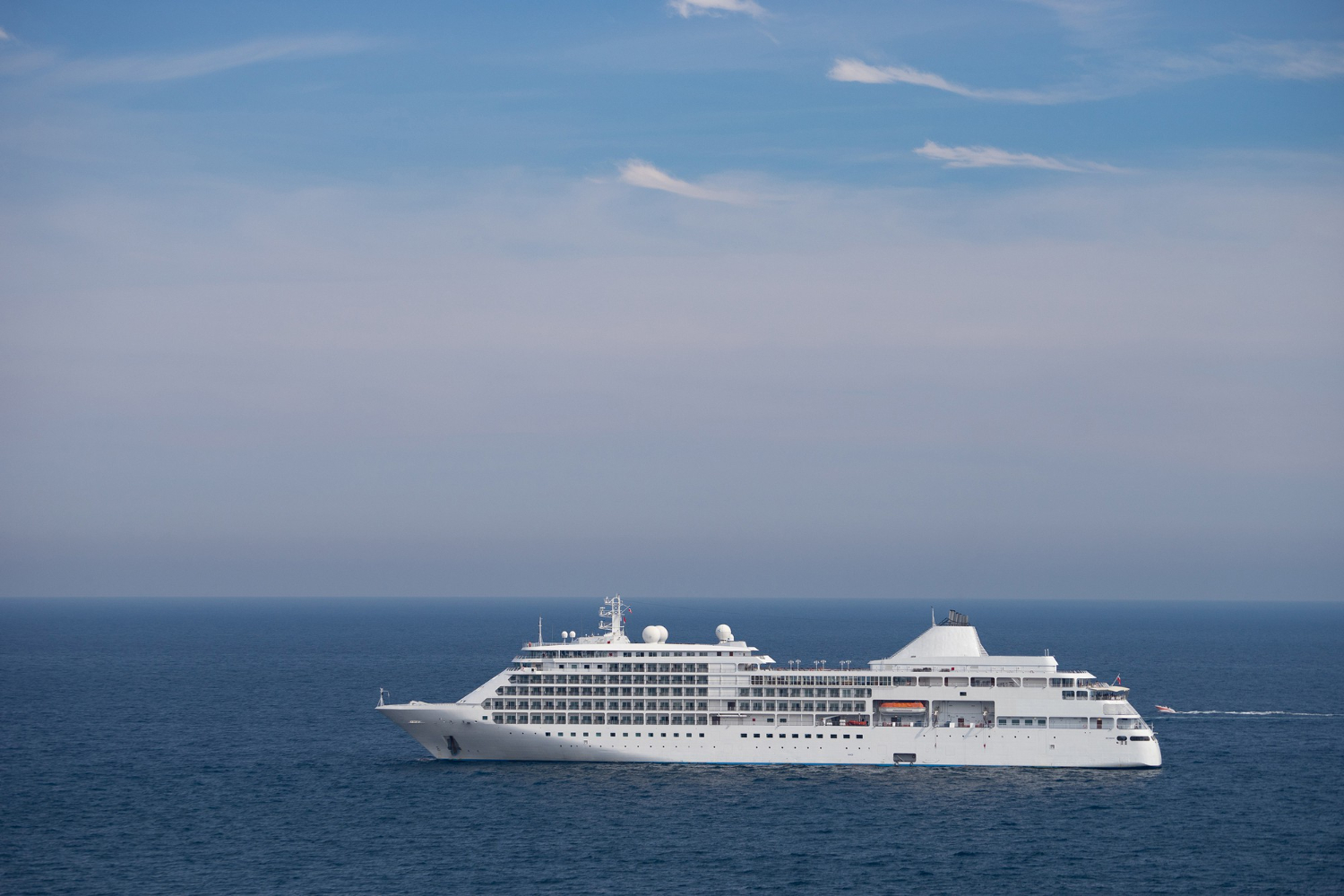
Frequent cruisers point to how well cruising handles groups with different interests, particularly multigenerational family trips. On a single ship, kids can be in supervised programs, teenagers in their own spaces, parents at the spa or pool, and grandparents enjoying quieter activities — everyone doing their own thing, then reconvening for dinner. Coordinating a land trip that satisfies a toddler, a teenager, two parents, and two grandparents is genuinely hard; a cruise solves it almost automatically. For family reunions and multigenerational vacations, this ability to keep everyone happy in one place is a major and frequently-overlooked advantage.
The Range of Ships Defeats the Stereotype
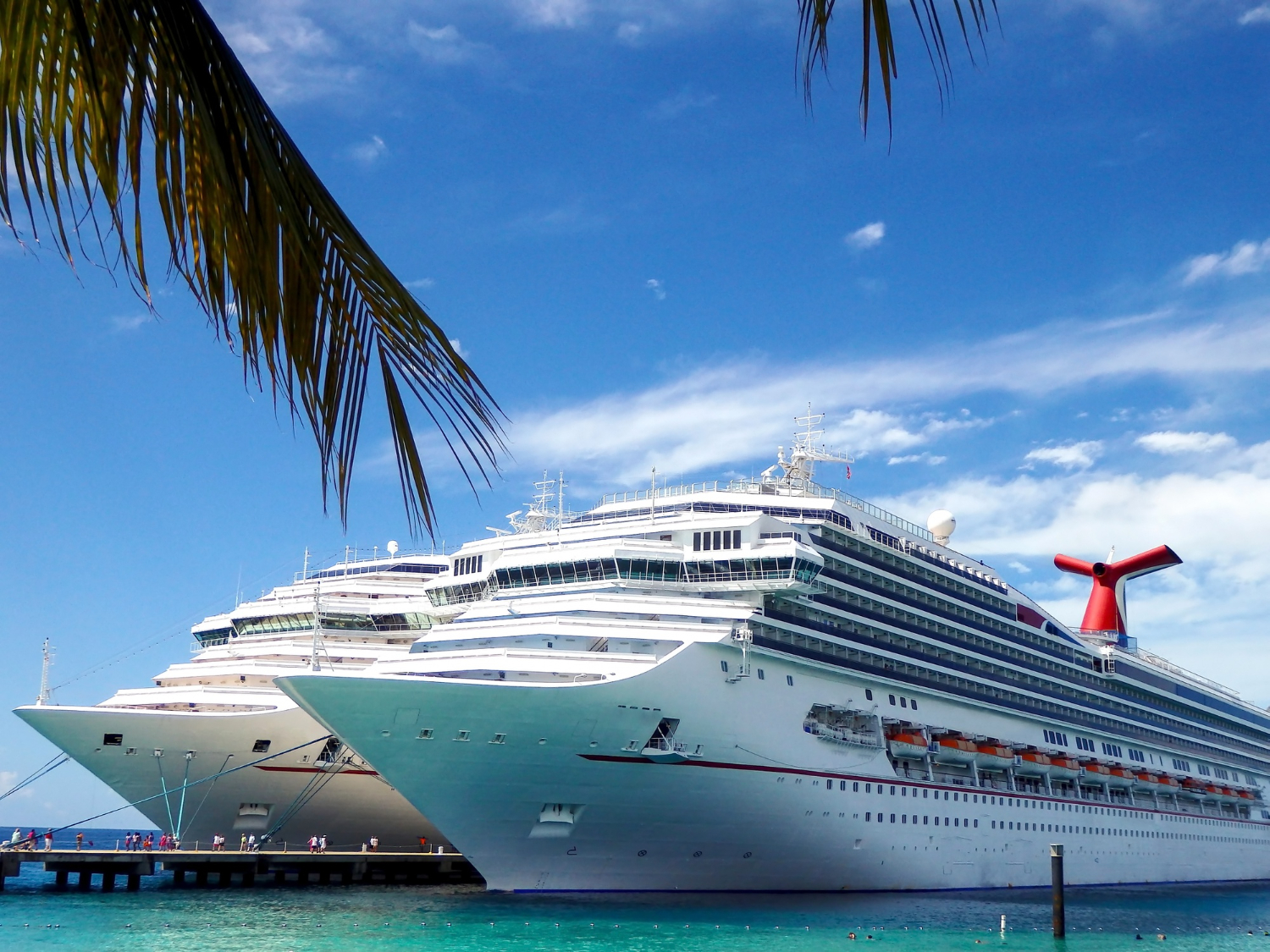
A key thing critics miss is that “cruising” is not one experience — the range of cruise types is enormous. The image of a giant party megaship with water slides is just one slice. There are small luxury ships, expedition vessels reaching Antarctica and the Galápagos, intimate river cruises, adults-only ships, culturally-focused lines, and quiet small-ship experiences. Travelers who tried one kind of cruise and disliked it, or who reject the stereotype, frequently haven’t realized how different these experiences are from one another. The critic picturing one specific type of ship is usually arguing against a stereotype, not the genuinely wide spectrum of what cruising actually offers.
The Onboard Experience Has Improved Dramatically
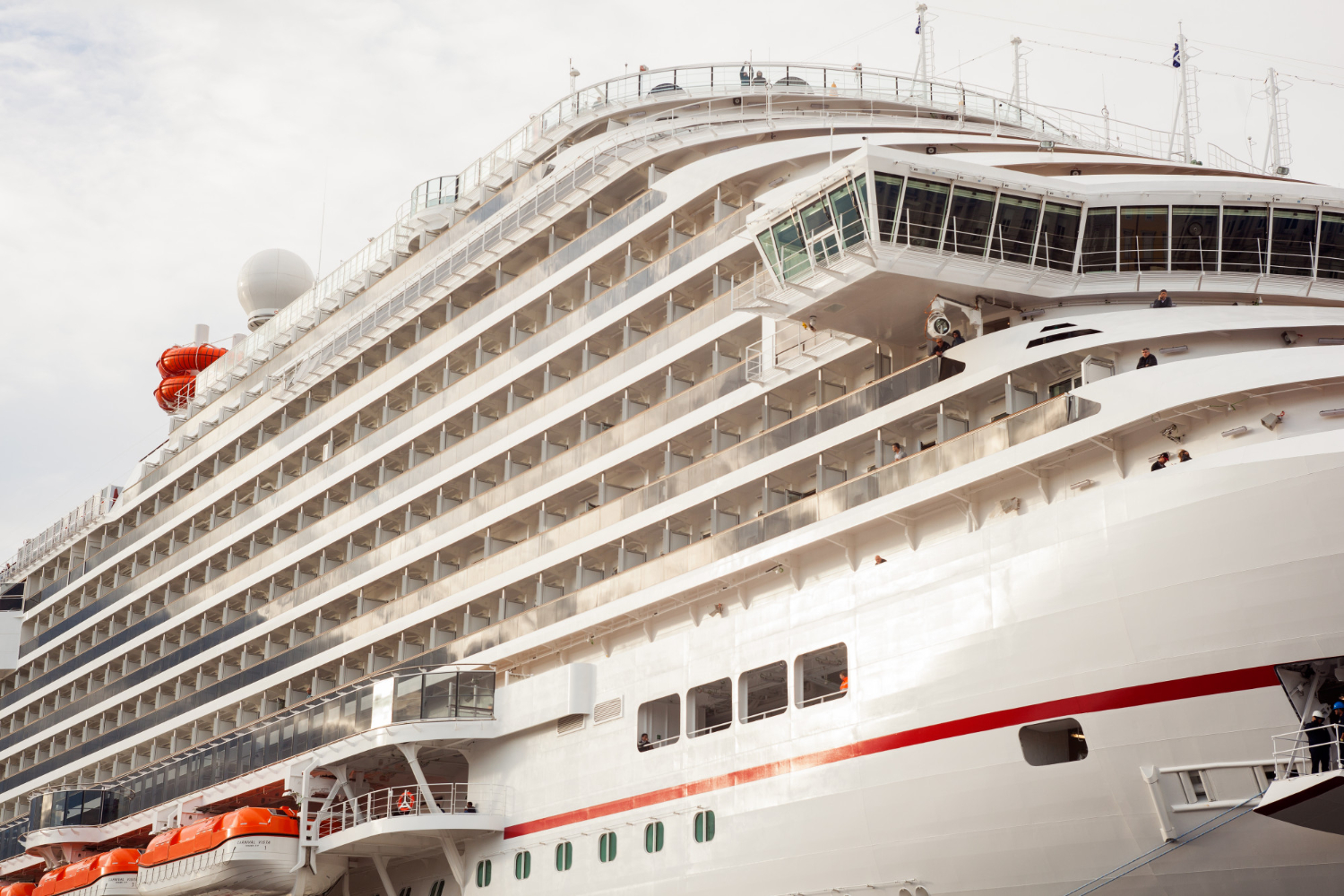
Frequent cruisers note that the onboard product has improved enormously, undercutting the old stereotype of mediocre buffet food and cheesy entertainment. Modern ships offer genuinely good specialty restaurants, sophisticated production shows, quality enrichment lectures, serious spas, and a level of design and amenity that has risen sharply. While the stereotype of bland mass-produced cruising persists, the reality on many modern ships — particularly the newer and higher-end ones — is a considerably more polished experience than critics imagine. The food, entertainment, and design that frequent cruisers experience often bears little resemblance to the dated stereotype.
A Low-Stress Way to Sample Destinations
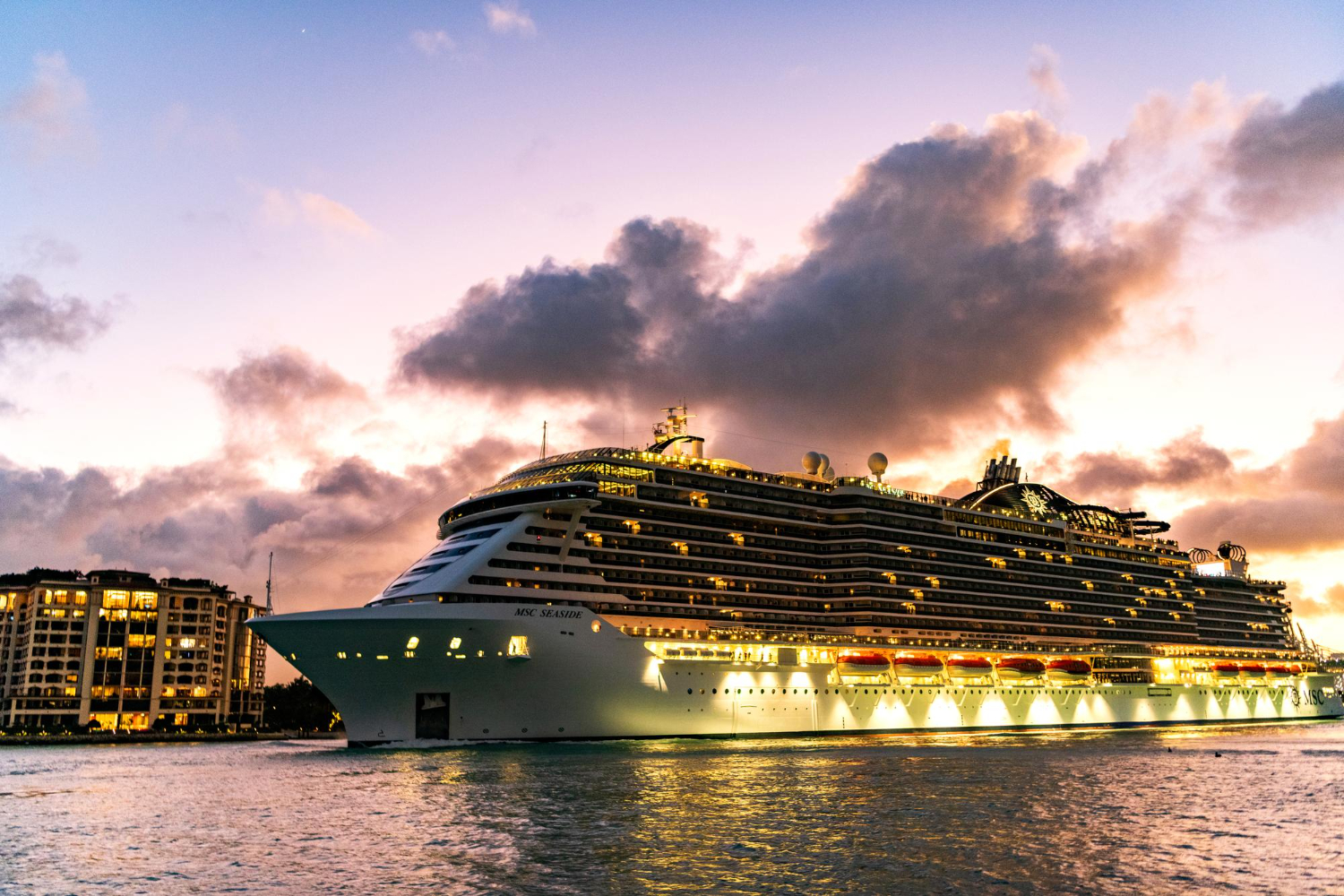
Cruisers make a nuanced point about the “you don’t really see the place” criticism: a cruise is frequently best understood as a sampler, not a deep dive — and that has real value. A day in each of several ports lets travelers get a taste of many places, discover which ones they love and want to return to for a longer trip, and experience a region’s variety without committing a full vacation to each stop. Used this way, cruising is a low-stress, efficient way to scout destinations and sample a region. Many cruisers return for in-depth land trips to the ports they loved. The critics are right that a port day isn’t deep immersion, but they miss that sampling has its own genuine purpose.
Acknowledging the Real Trade-Offs

Frequent cruisers don’t pretend the criticisms are baseless, and the honest case includes the downsides. The environmental footprint of cruising is a real concern the industry is under pressure to address. Popular ports can become overcrowded and commercialized, especially when several big ships arrive at once. Port days can feel rushed. Big ships aren’t for travelers seeking solitude or deep cultural immersion. And the onboard extras (drinks, specialty dining, excursions, gratuities) can add up beyond the headline fare. Acknowledging these honestly is part of the enthusiasts’ point: cruising is a tool that fits certain trips and travelers well and others poorly, and the smart approach is matching the style to your goals rather than dismissing or defending it wholesale.
So Is Cruising Worth It?
The balanced verdict that frequent cruisers offer is that cruising isn’t inherently good or bad — it’s exceptionally well-suited to specific situations and poorly suited to others, and the blanket hate misses how much it genuinely delivers when it fits. It shines for travelers who want to see multiple destinations without the logistics, who value all-in pricing and predictable costs, who are traveling with mixed-age or mixed-ability groups, who appreciate accessibility, or who want a low-stress way to sample a region. It’s a poor fit for travelers seeking deep cultural immersion in a single place, solitude, total independence, or the smallest possible environmental footprint. The critics who dismiss cruising entirely are usually picturing one type of ship, comparing it to a cheaper rather than equivalent trip, and overlooking the genuine strengths in value, convenience, accessibility, and flexibility that keep millions of people cruising again and again. The enthusiasts aren’t wrong that the haters are missing something real — and the haters aren’t wrong that cruising has genuine limitations. The honest takeaway is the least exciting but most useful one: cruising is a legitimate, frequently excellent way to travel for the right trip and the right traveler, and the people getting the most out of it are the ones who chose the right ship for the right reasons, rather than either dismissing or defending the whole category on principle.
Like our content? Follow us for more.