In 1964 the surviving American singing schools were exactly what the name says: a course of instruction, usually a fortnight, taught by a travelling music teacher who arrived in a community, enrolled whoever wanted to attend, held sessions every evening and then moved on.
The objective was sight-singing – reading a part you had never seen before, in harmony with three others. The method was shaped notes, where the note head’s shape encodes its degree of the scale rather than its pitch, so that recognition replaces calculation. It was designed deliberately for people with no musical literacy, no instrument and limited schooling, and it worked.
Singers sat facing each other in a square, with the leadership rotating. Here are sixteen things every family knew.
1. A Teacher Arrived and Taught Music for Two Weeks
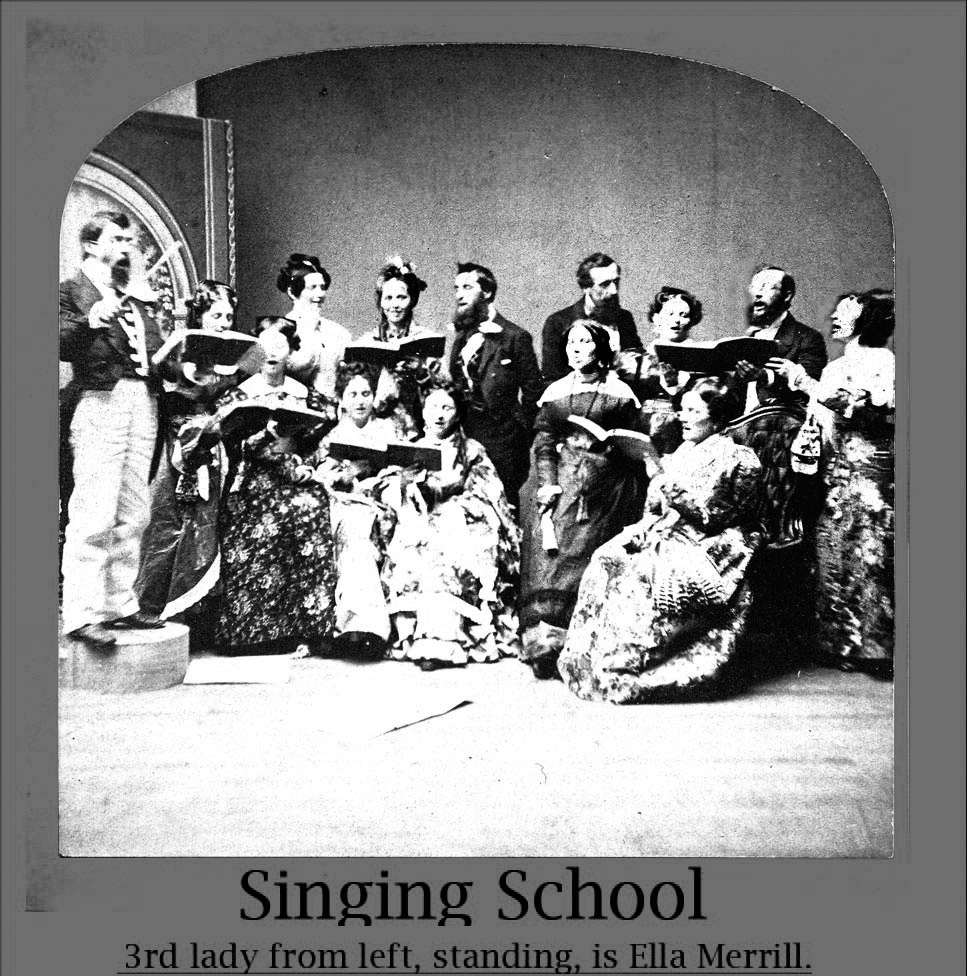
A singing school was a short intensive course – usually a week or two, sometimes longer – taught by a travelling music teacher who arrived in a community, enrolled whoever wanted to attend, held sessions every evening, and then moved on to the next place.
Nothing comparable. Music instruction in the United States is delivered through schools, private lessons and online courses, with no travelling short-course tradition.
That format is the thing to understand first. It was not a club, a choir or a social evening. It was a course of instruction with a curriculum, a fee, an enrolment, a teacher who had been engaged to do a job, and a demonstrable outcome – and the outcome was that people who could not read music at the start could read it at the end.
Like our content? Follow us for more.
2. The Goal Was Sight-Singing, Not Performance
The explicit objective was to teach people to read musical notation well enough to sing a part they had never seen before, at sight, in harmony with three other parts.
Sight-singing is taught as a specialist skill within formal music education and is held by a small minority of people.
Sight-reading is the whole point and it is worth pausing on how ambitious that is. The school was not teaching people to memorise songs; it was teaching functional musical literacy to adults and children who in many cases had limited formal schooling of any kind, in two weeks, well enough that they could open a book at an unfamiliar page and sing it.
3. The Notes Were Shaped and That Was the Method
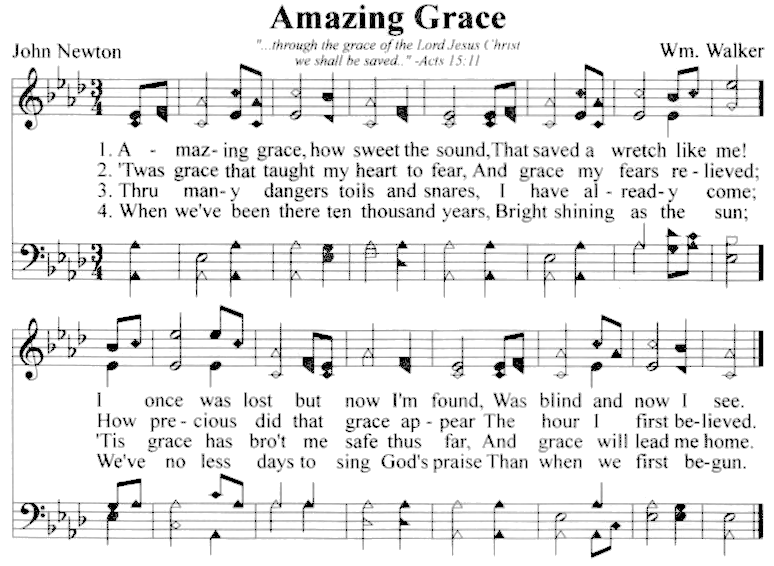
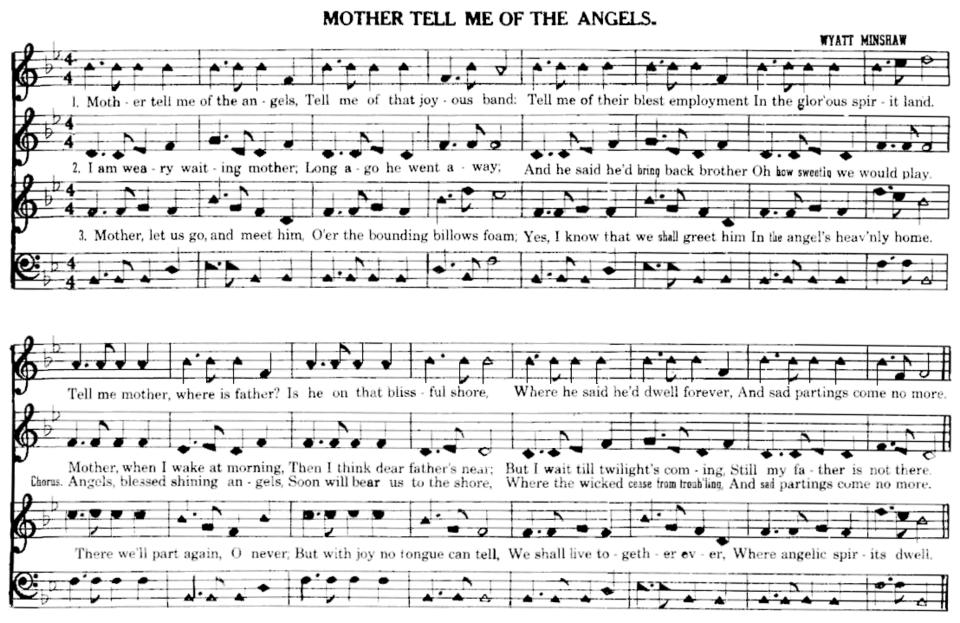
The notation used note heads of different shapes – triangle, round, square, diamond and others depending on the system – with each shape corresponding to a particular degree of the scale rather than to a pitch.
Standard round-note notation universally in formal music education, with shaped notation surviving in specific living traditions and in the books that serve them.
The shapes are a genuinely clever piece of instructional design. A learner looking at a shaped note does not have to work out which line it sits on and then calculate the interval; the shape itself announces the note’s function in the scale, which collapses several steps of reasoning into recognition.
4. It Was Designed for People Who Could Not Read Music
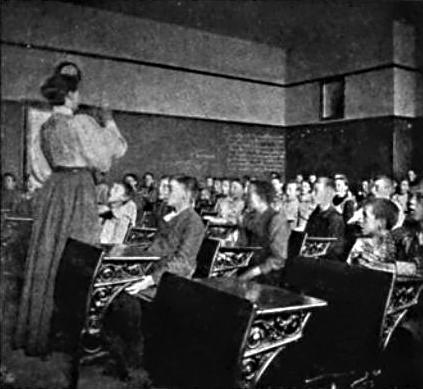
The system existed specifically to lower the barrier – to get somebody from no musical literacy to functional part-singing in days rather than years, without requiring an instrument, a keyboard or a private teacher.
Formal music education assumes years of instruction, access to an instrument and a teacher, which is a very different proposition.
This is the reason the method spread as widely as it did in the United States. It was an accessibility technology, aimed at communities with no music teacher, no instrument, little money and limited schooling – and it worked, which is why it reached an enormous number of people.
5. Everybody Learned to Sing Four Parts
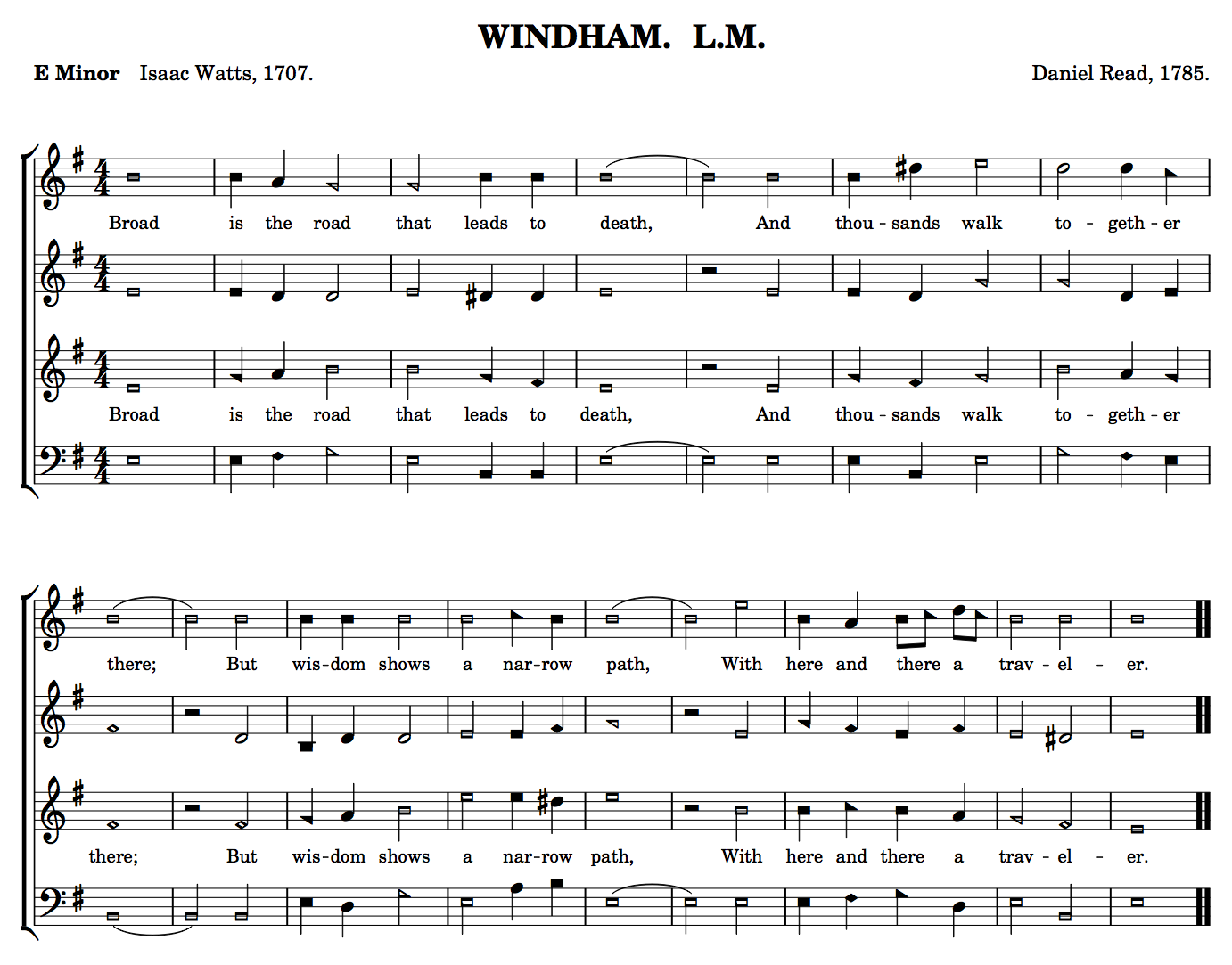
The repertoire was written in four voice parts, and the school taught people to sing their own line while three other lines were being sung around them – which is a considerably harder skill than singing a melody.
Four-part singing survives in choirs, in specific traditions and in trained settings, and is unfamiliar to most people.
Holding an independent part is the actual achievement and most people have never attempted it. Singing a tune that everybody else is also singing requires nothing; singing a different line from the people beside you, in tune, without being pulled onto their notes, is a skill that has to be taught.
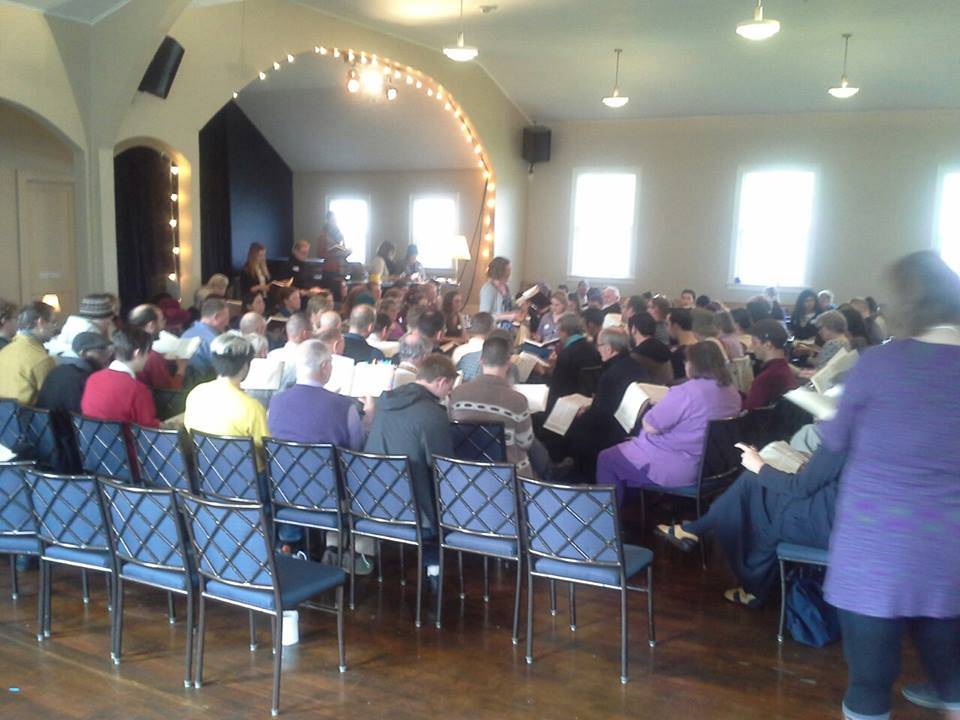
6. The Singers Sat Facing Each Other in a Square
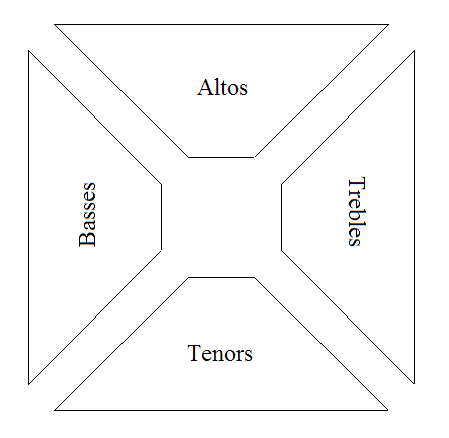
Participants arranged themselves by voice part on four sides of an open square, facing inward, with whoever was leading standing in the middle.
The same arrangement wherever the tradition continues, and essentially unknown elsewhere.
The square is acoustically and socially deliberate. Each singer hears their own part reinforced from beside them and the other three parts arriving from across the square, which is the clearest possible way to hold a line – and the person leading is inside the sound rather than in front of it.
7. Leading Rotated and Anybody Could Do It
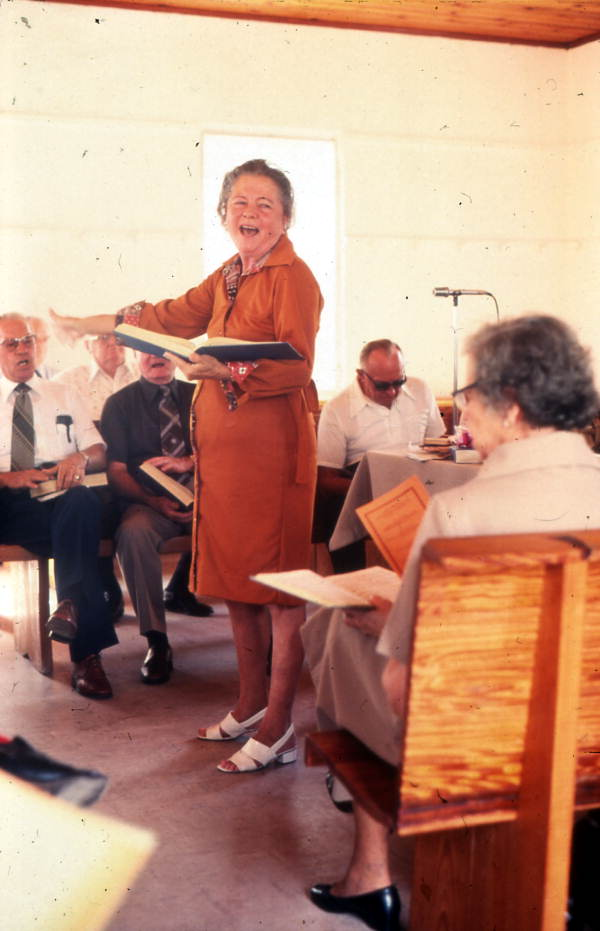
The person directing was not a permanent conductor. Leadership passed around the room, with each person in turn standing in the centre to lead a piece of their own choosing.
Not applicable in conventional choral practice, where a conductor directs; still standard wherever the tradition survives.
Rotating leadership is the structural feature that distinguishes this from a choir entirely. There is no performance and no audience, everybody present is a participant, and the right to stand in the middle and choose a piece belongs to every person in the room by turn – which is a remarkably level arrangement.
8. Nobody Was Performing for Anybody
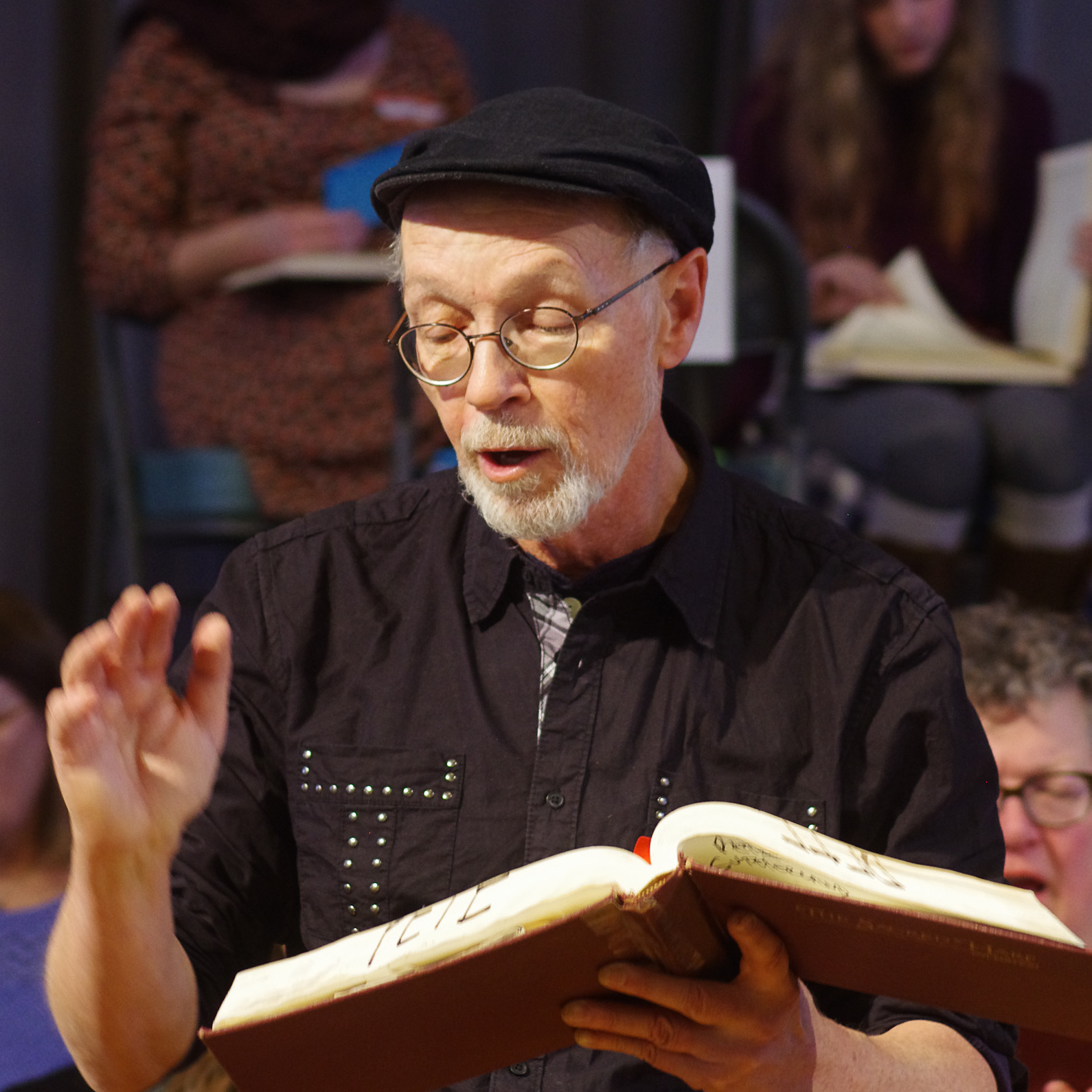
There was no audience. The singers sang facing each other, for each other, and the sound was arranged for the benefit of the people inside the square rather than for anybody listening from outside it.
Choral music is overwhelmingly performed for an audience, with the ensemble facing outward and the balance arranged for the room.
That is the single hardest thing to convey about this tradition and it changes everything. A group that is not performing has no reason to prioritise polish, no reason to exclude a weak singer and no reason to rehearse rather than simply sing – which produces a completely different activity from a choir.
9. The Teacher Was Paid by Subscription
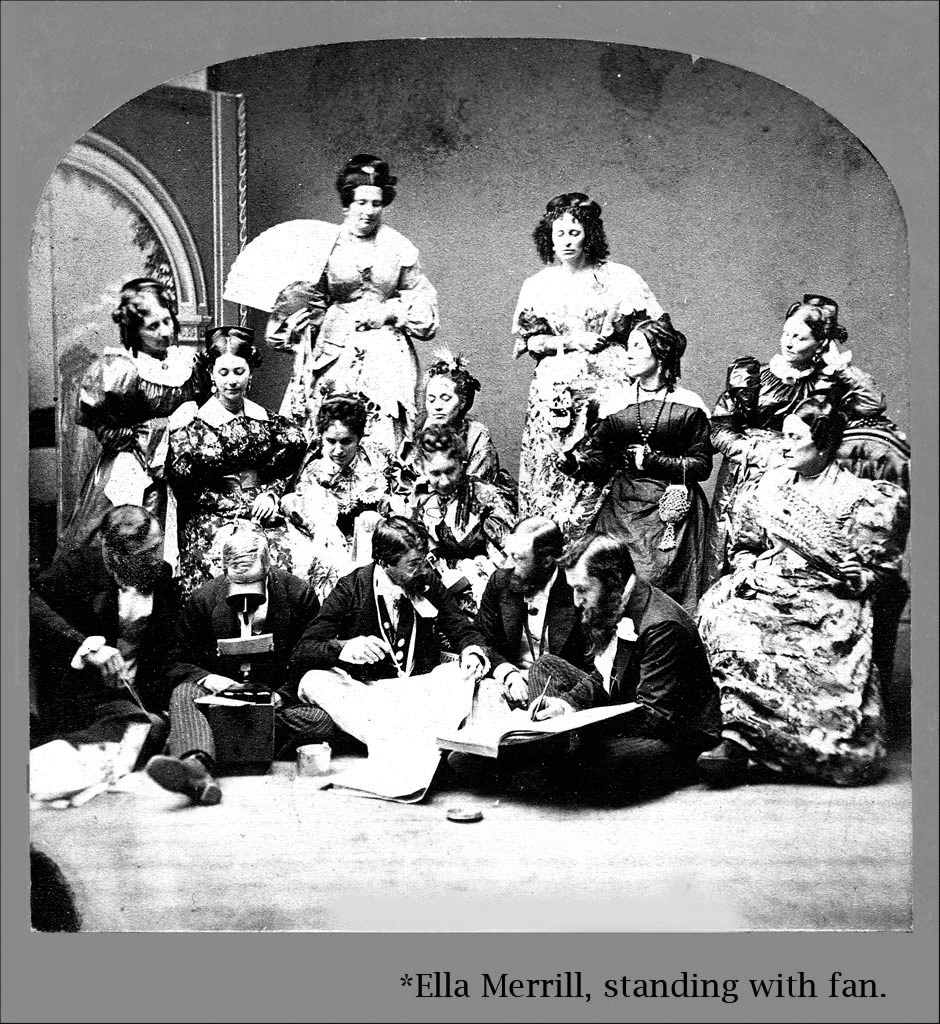
A community engaged a teacher by subscription – households signing up and paying a fee per pupil – which meant the teacher’s income depended on enrolling enough people and on being good enough to be invited back.
Not applicable, with music teaching delivered through salaried school positions and private fees.
The subscription model made the teacher directly accountable to the community in a way a salaried position does not. A singing school master who taught badly did not fill his next school, and a good one was asked back year after year and recommended to neighbouring communities.
10. The Book Was the Curriculum and People Owned It
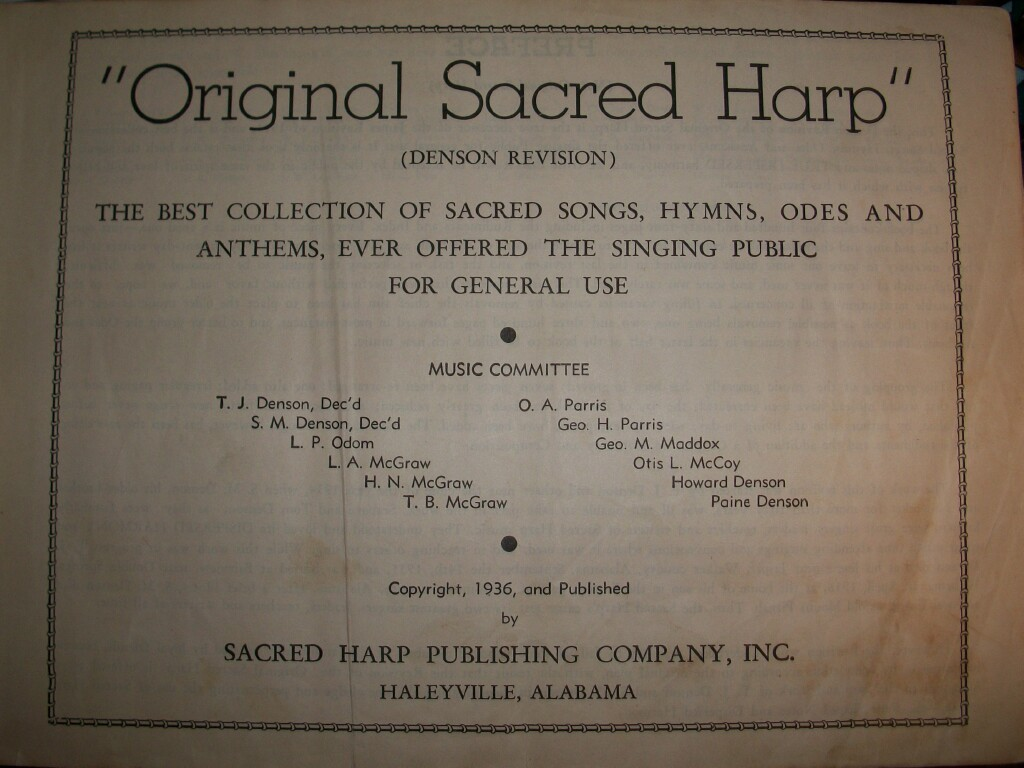
Instruction ran from a printed book containing both a rudiments section – the theory, the shapes, the scales, the time values – and several hundred pieces of music, and participants bought or owned a copy.
Not applicable in the same form, though the tradition’s books remain in print and in active use.
That combination of textbook and repertoire in one volume is an efficient piece of publishing and it had a lasting effect. A household that bought the book owned both the instruction and the music permanently, which meant the learning did not end when the teacher left town.
11. Children and Adults Learned Together
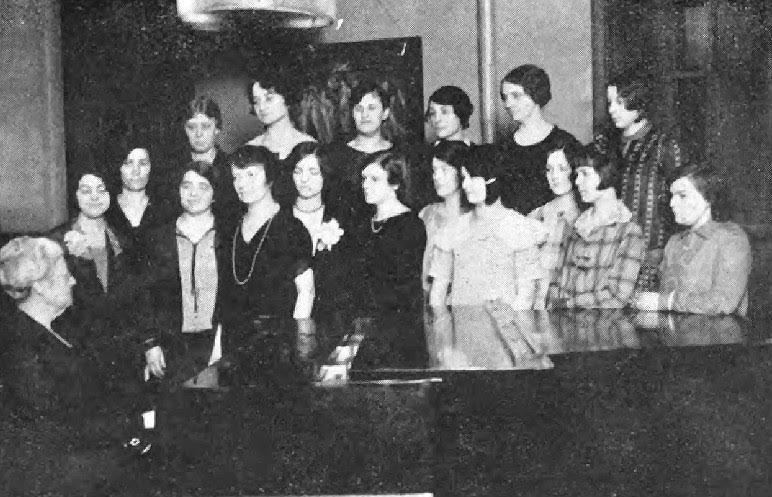
A singing school enrolled whoever came – children, young people, parents and the elderly – in the same room, working from the same book, at the same pace.
Music instruction is almost entirely age-segregated, delivered through schools by grade.
Mixed-age instruction was possible because the subject was genuinely new to everybody. An adult who cannot read music and a child who cannot read music are at the same starting point, which removes the embarrassment that normally prevents adults from learning alongside children.
12. It Was a Social Occasion and Everybody Knew It
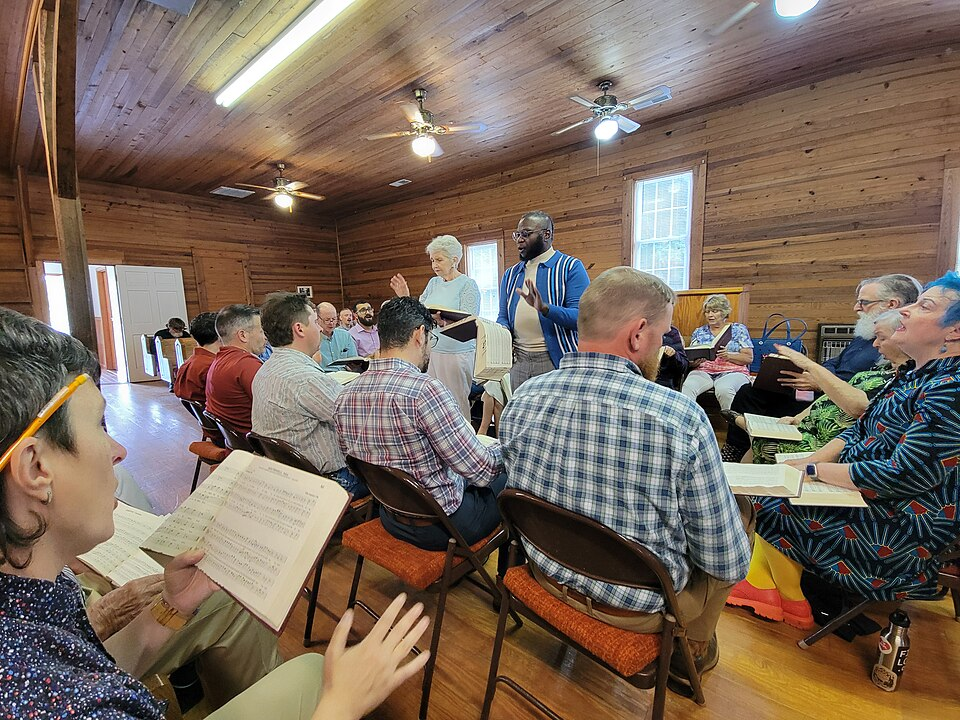
The sessions ran in the evenings for a fortnight in a community with few other evening activities, which made a singing school a reliable place for young people to see each other with complete parental approval.
Not applicable.
Nobody involved was confused about this and nobody minded. A respectable, improving, parentally sanctioned evening activity that ran every night for two weeks and was attended by every young person in the district did two jobs at once, and both were understood.
13. Public School Music Took Over the Function
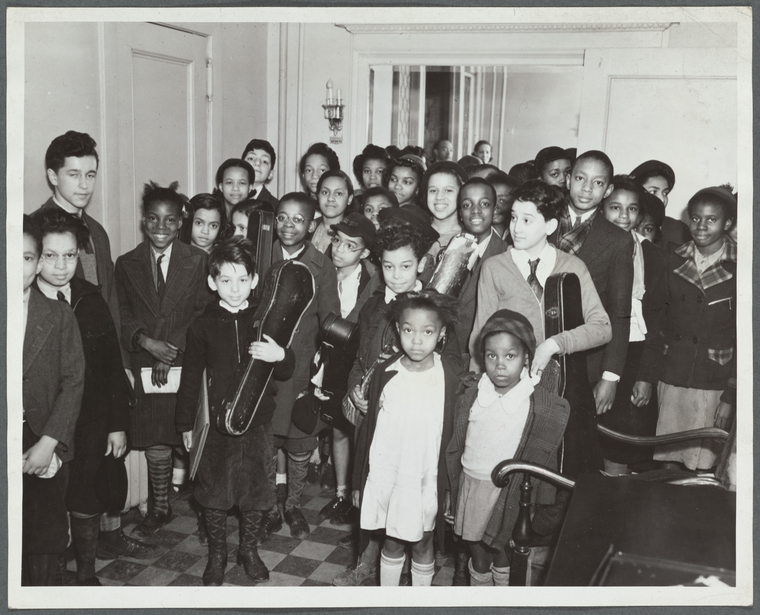
As American public schools developed music programmes with trained teachers, standard notation, classroom instruction and eventually choirs and bands, the function of teaching basic musical literacy moved inside the school system.
Complete. Music education in the United States is delivered overwhelmingly through schools.
This is the main cause and it is a straightforward improvement in reach. School music instruction is free, universal, systematic, taught by trained specialists and reaches every child rather than only those whose community engaged a teacher – which is better by almost every measure and which left the travelling singing school with nothing to do.
14. Standard Notation Was Always the Destination Anyway
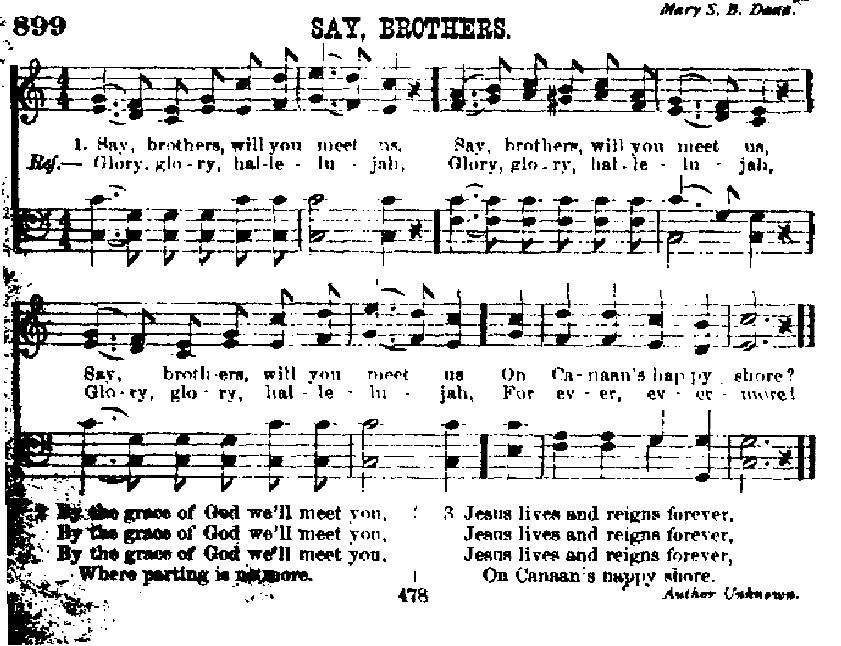
The shaped systems were conceived in part as a bridge – a way into music reading that would eventually allow a singer to move to conventional notation – and formal education teaches conventional notation from the start.
Standard notation universally, with shaped notation retained within the traditions that use it as a continuing practice rather than as a stepping stone.
That bridging intention is why the method did not survive in formal education, and it is not a criticism of it. A system designed to get people reading quickly was always going to be displaced where years of instruction were available, and the places it survives are the places where the practice itself, rather than the literacy, is the point.
15. The Tradition Did Not Die, It Narrowed
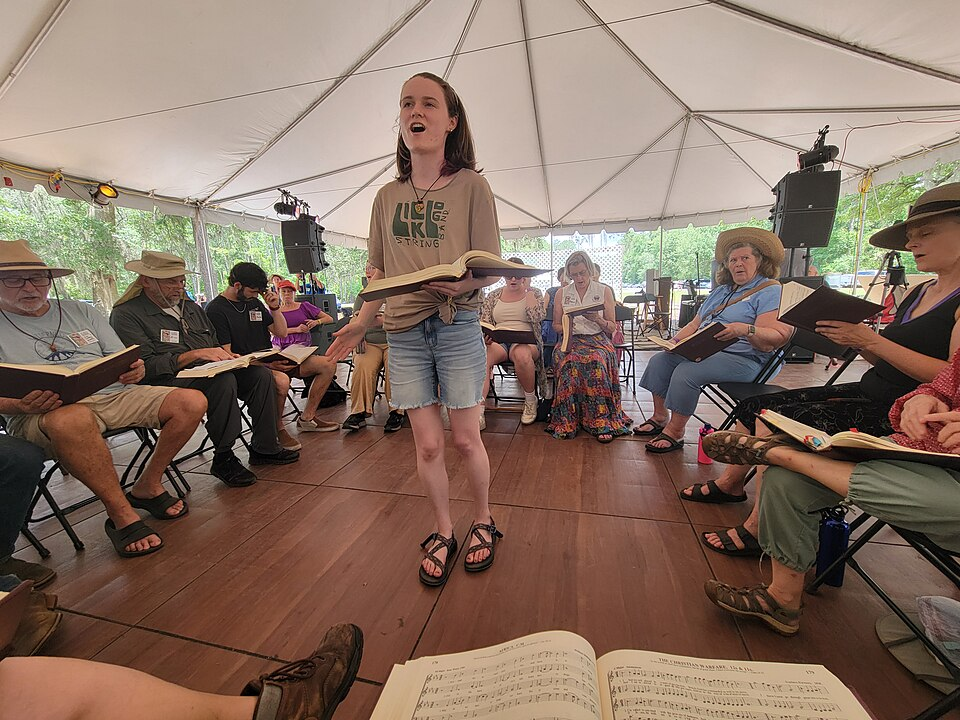
All-day singings and annual conventions continue in the United States, using the same books, the same square arrangement, the same rotating leadership and the same shaped notation, attended by people who learned it from their families or sought it out deliberately.
An active living tradition with a committed and growing participant community, considerably better documented and better recorded than it has ever been.
So this is not a lost practice and it would be wrong to write it as one. What was lost is the singing school – the travelling teacher, the two-week course, the subscription, the universality – while the singing itself survived, which is an unusual outcome and worth stating clearly.
16. Then Music Literacy Stopped Being Something a Community Bought
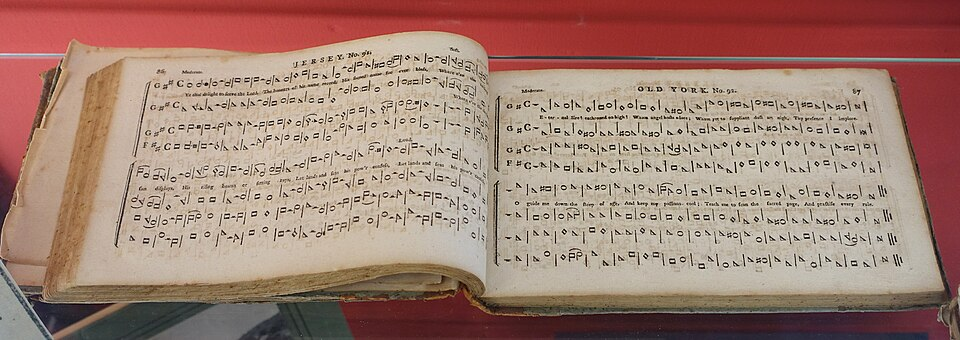
In 1964 the surviving American singing schools were a fortnight’s course taught by a travelling teacher, paid by subscription, from a book containing both the theory and the music, to a mixed-age room of people who in many cases could not read a note at the start and could sing a part at sight by the end.
Musical literacy is taught in schools by trained specialists to every child for free, which reaches far more people far more systematically – and the travelling two-week course for adults has no modern equivalent whatsoever.
And the thing that strikes me about this one is what it says about how a community used to get hold of a skill. If a neighbourhood in 1964 decided it wanted to be able to read music, it could do something about that directly: households subscribed, a teacher was engaged, a fortnight was set aside, and at the end of it a roomful of people had a capability they had not possessed two weeks earlier. The community identified a gap, pooled money, bought instruction and acquired the skill, as a collective act, without any institution being involved at all. That mechanism is completely gone, and nothing has replaced it. Skill acquisition is now individual and institutional – you enrol in something, or you work through a course alone, or your child is taught at school as part of a curriculum somebody else set. There is no longer any way for twenty households on a road to decide together that they would all like to learn something and simply arrange for it to happen. The school music programme that displaced the singing school is better in nearly every respect and nobody should want it undone: it is free, systematic, universal and taught by trained people. But it is something a community receives rather than something a community does – and the difference between those two is the whole of what disappeared along with the man who turned up for a fortnight with a book and a tuning fork.
A Community Could Simply Decide to Acquire a Skill
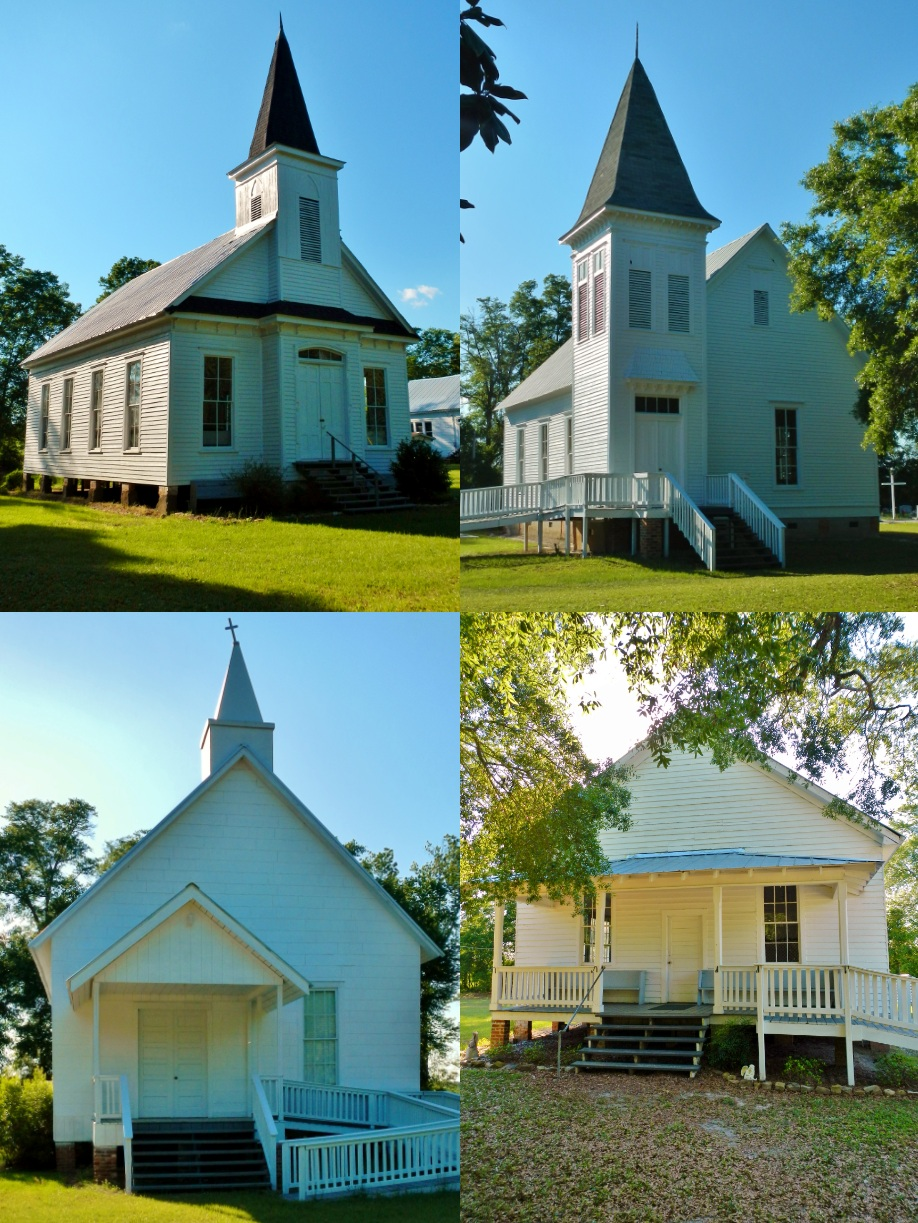
The thing worth taking from the singing school is not the notation, interesting as it is. It is the mechanism by which a community got hold of a capability.
Work through what actually happened. A neighbourhood decided it would like to be able to read music. Households subscribed, paying a fee per pupil. A teacher was engaged – a man who did this for a living, travelling between communities, whose income depended on filling his schools and being invited back. A fortnight was set aside. Everybody who wanted to came, children and adults together in the same room from the same book. And at the end of two weeks, a roomful of people could open an unfamiliar page and sing a part at sight.
That is a community identifying a gap, pooling money, purchasing instruction and acquiring a skill, as a deliberate collective act, with no institution involved at any point.
The teaching method deserves credit too, because it was built for exactly that job. Shaped notes assign a different note head – triangle, round, square, diamond – to each degree of the scale, so a learner does not have to identify the line, work out the key and calculate the interval. The shape states the function directly, which collapses several steps of reasoning into recognition. It was an accessibility technology, aimed at people with no teacher, no instrument, little money and limited formal schooling, and it reached an enormous number of Americans because it worked.
And what it produced was not a choir. There was no audience. Singers sat by voice part on four sides of an open square, facing inward, each hearing their own line reinforced beside them and the other three arriving from across the square. Leadership rotated, with every person in the room entitled in turn to stand in the middle and choose a piece. Nobody was performing for anybody, which removes any reason to prioritise polish, exclude a weak singer or rehearse rather than simply sing.
Then American public schools developed music programmes, and the function moved indoors.
That was a straightforward improvement and it should be said plainly. School music instruction is free, systematic, universal and delivered by trained specialists to every child, rather than only to those whose community happened to engage a teacher. It teaches standard notation, which was always where the shaped systems intended their pupils to end up – they were conceived partly as a bridge. By almost every measure of reach and quality, the school programme is better, and it left the travelling singing school with nothing to do.
The singing itself survived, and this is where the story stops being a lament. All-day singings and annual conventions continue across the United States, from the same books, in the same square, with the same rotating leadership and the same shaped notes, attended by a committed and growing community of people who either inherited it or went looking for it. It is better documented and better recorded than it has ever been. The practice is alive.
What went was the school. The travelling teacher, the subscription, the fortnight, the universality – and with them, the mechanism.
Because consider how a skill is acquired now. You enrol in something. You work through a course alone. Your child is taught at school, as part of a curriculum somebody else designed, on a timetable somebody else set. All of those are things an individual does, or things an institution does to you.
There is no longer any way for twenty households on one road to decide together that they would all like to learn something, put in a few dollars each, hire somebody competent, and have the skill by the end of the month.
The school music programme is something a community receives. The singing school was something a community did. That difference is the whole of what disappeared along with the man who turned up for a fortnight with a book and a tuning fork.
If your family did this, somebody still has the book and the spine is broken at the same few pages.
And they can still tell you which part they sang, sixty years later, without hesitating.
Like our content? Follow us for more.