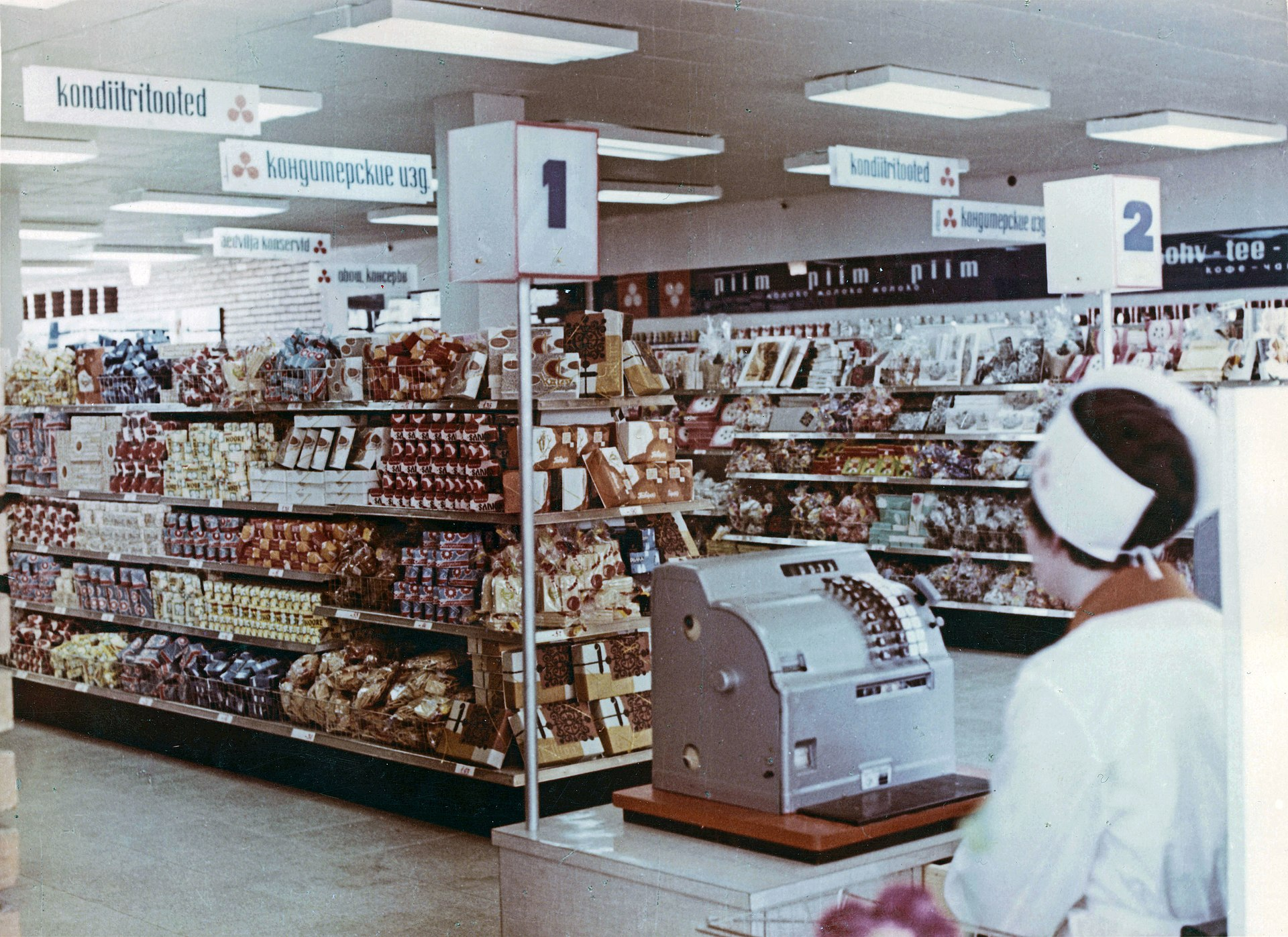
There is something irresistible about looking back at old prices. The numbers from 1975 can seem almost unbelievable today, a gallon of gas for pocket change, a movie ticket for a couple of dollars, a brand-new car for the price of a modern used one. But these comparisons tell a more complicated story than simple sticker shock, because wages were far lower then too, and the value of a dollar has changed dramatically through decades of inflation. Still, the contrast is fascinating, and a powerful trigger of nostalgia for anyone who remembers those days. Here is a look at what everyday things cost in 1975 compared to today, with a note on what it all really means. Figures are approximate and meant for nostalgic comparison.
A Gallon of Gasoline
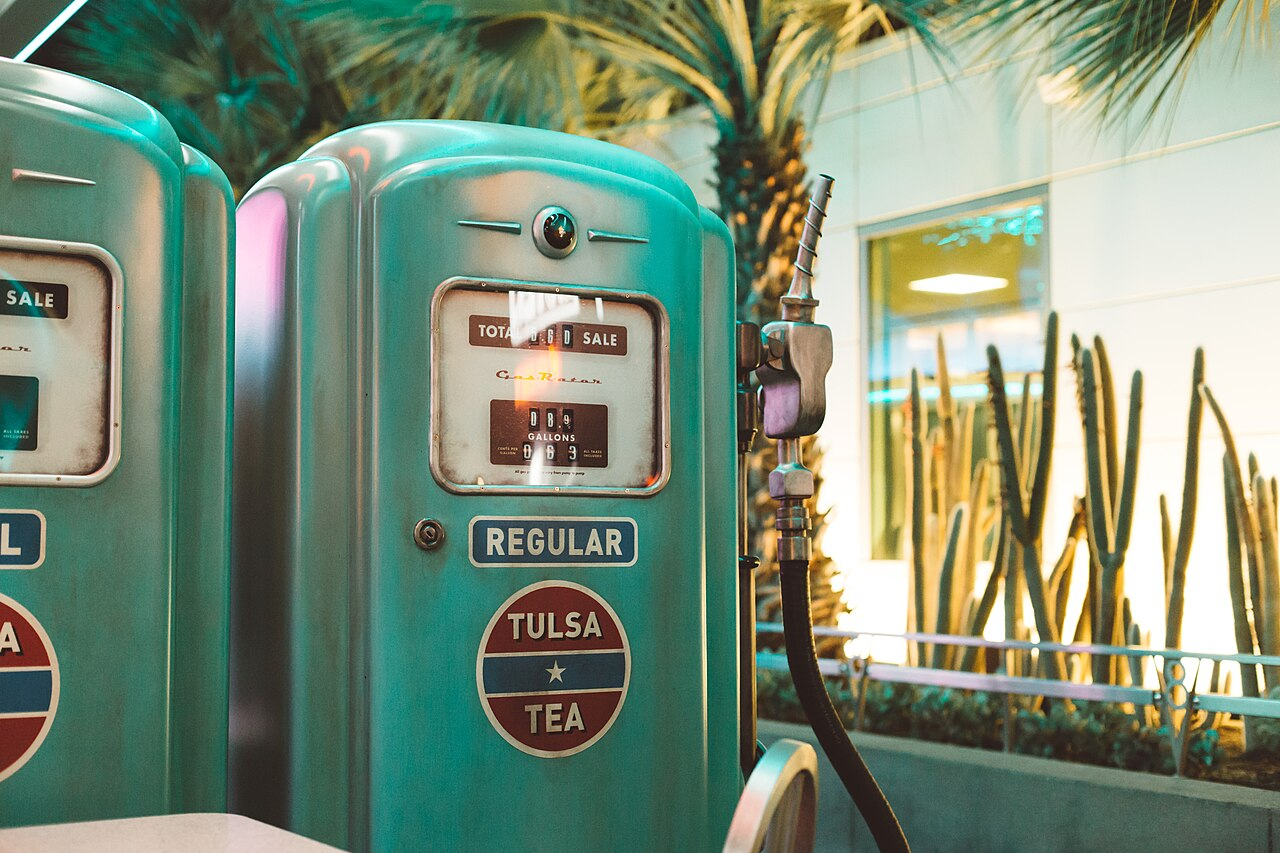
In 1975, filling up the car was remarkably cheap by today’s standards, with a gallon of gasoline costing well under a dollar, somewhere in the ballpark of half a dollar or so. Drivers thought nothing of topping off the tank, and the idea of paying several dollars per gallon would have seemed absurd.
Today, gas prices vary widely by region and over time, but they are many times higher than they were in 1975, typically several dollars per gallon. The dramatic rise in fuel prices is one of the most familiar examples of long-term cost increases, though much of it reflects general inflation rather than gas becoming uniquely expensive. Still, the memory of sub-dollar gas is a powerful one for those who lived it.
Like our content? Follow us for more.
A First-Class Postage Stamp
Mailing a letter in 1975 cost about a dime, a price that feels almost quaint today. Sending mail was cheap and routine in an era when physical letters were a primary form of communication, long before email and texting.
Today, a first-class stamp costs several times that 1975 price, reflecting decades of postal rate increases. While the percentage increase is large, the stamp remains one of the smaller everyday expenses, and the steady climb in postage is a familiar marker of changing times. For those who remember dime stamps, the current price is a small but telling reminder of how the decades add up.
A Loaf of Bread and a Gallon of Milk
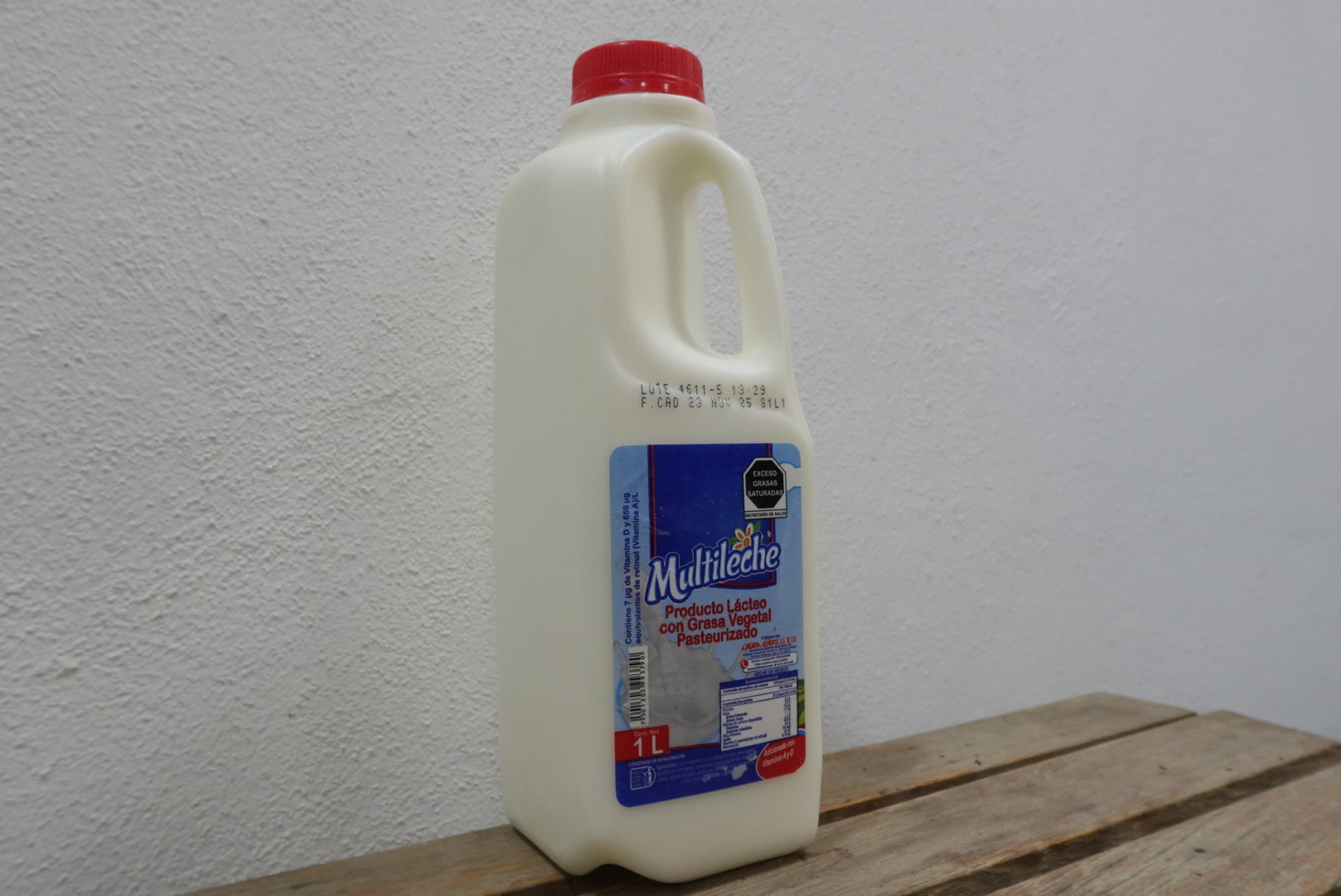
Grocery staples in 1975 carried prices that seem astonishingly low today. A loaf of bread cost well under fifty cents, and a gallon of milk ran somewhere around a dollar and a half, give or take. A trip to the grocery store cost a fraction of what it does now in raw numbers.
Today, these same staples cost several times their 1975 prices, with bread and milk now running a few dollars each depending on type and location. The rise in grocery prices is something every shopper notices, though again much of it reflects broad inflation. The memory of filling a grocery cart for a handful of dollars is one of the most relatable nostalgia triggers for anyone who shopped in the 1970s.
A Movie Ticket
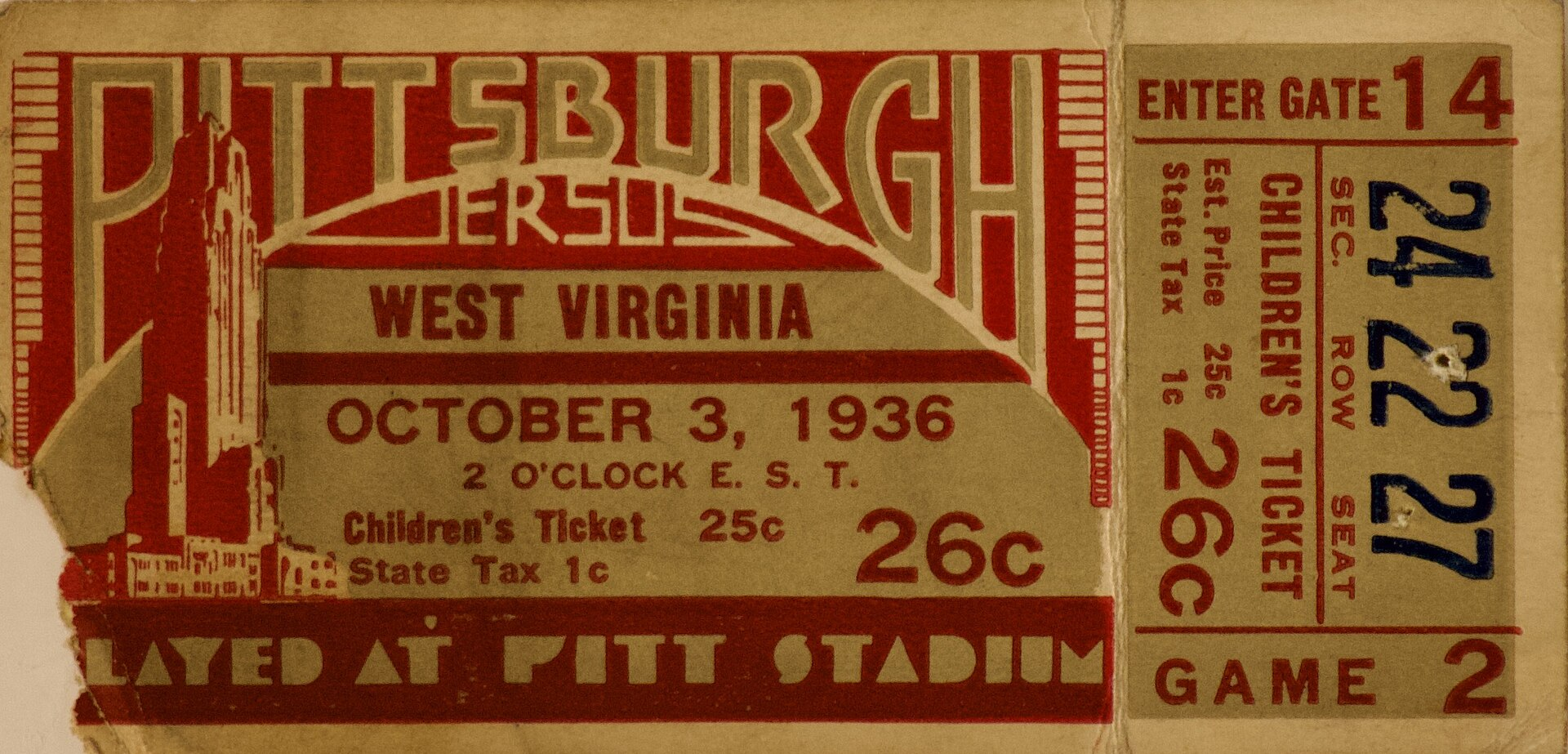
A trip to the movies in 1975 was an affordable outing, with a ticket costing around two dollars or so. Going to the cinema was a popular and accessible form of entertainment, and a family could enjoy a film night without spending much.
Today, a movie ticket costs many times that amount, often well over ten dollars, and considerably more for premium formats, not counting the famously pricey concessions. The rising cost of a night at the movies is a frequently cited example of changing prices, though it too largely tracks inflation. For those who remember two-dollar tickets, the modern price of a trip to the cinema can come as a genuine shock.
A New Car

A brand-new car in 1975 carried a price tag that sounds almost unbelievable today, with the average new vehicle costing in the neighborhood of a few thousand dollars, roughly four thousand or so. The figure seems impossibly low compared to modern car prices.
Today, the average price of a new car runs into the tens of thousands of dollars, many times the 1975 figure. While modern cars are vastly more advanced, safer, and more reliable, the raw increase in price is dramatic. The cost of a new vehicle is one of the starkest before-and-after comparisons, capturing both inflation and the enormous changes in what a car actually is.
A New House
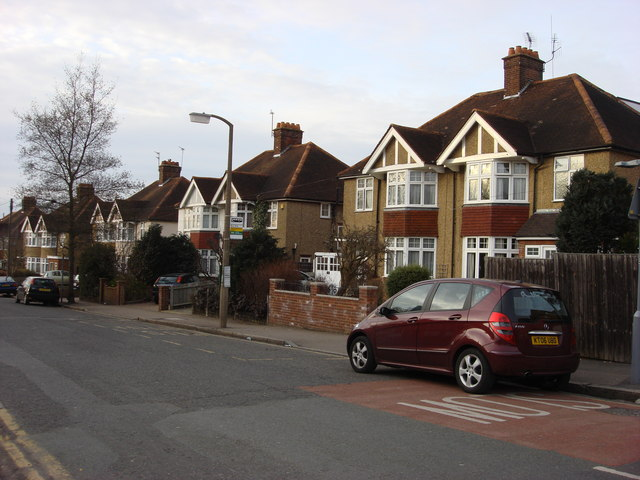
Perhaps the most jaw-dropping comparison of all is the cost of a home. In 1975, the median price of a new house in the United States was around forty thousand dollars. To modern ears, the idea of buying a house for that sum sounds almost like a fantasy.
Today, the median home price is many times higher, running into the hundreds of thousands of dollars nationally and far more in expensive markets. Housing costs have risen faster than general inflation in many areas, making the gap between 1975 and today especially dramatic. The forty-thousand-dollar house is a powerful symbol of how profoundly the cost of the American dream has changed across a generation.
The Important Context: Wages and Inflation
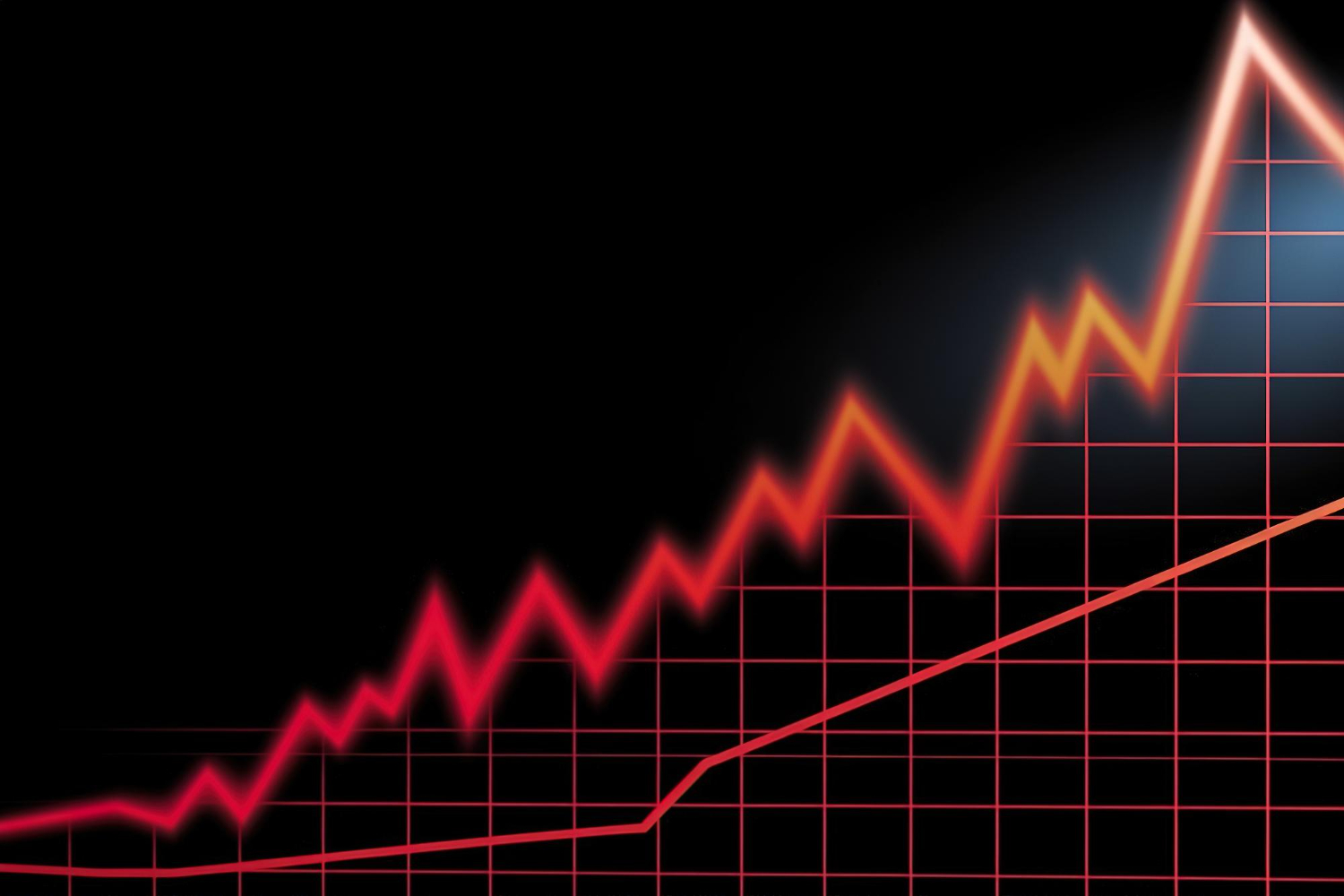
Before concluding that everything was simply cheaper and better in 1975, it is essential to understand the context. Wages were dramatically lower then too. The federal minimum wage in 1975 was just over two dollars an hour, and average incomes were a small fraction of today’s in raw dollars. A dime stamp and dollar-fifty milk made sense in a world of two-dollar-an-hour wages.
The real story is inflation: over roughly half a century, the value of a dollar has fallen substantially, so prices and wages have both risen many times over. When you adjust for inflation, many everyday items cost a roughly comparable amount in “real” terms, though some, notably housing, healthcare, and education, have genuinely outpaced inflation and become more expensive in real terms. The eye-popping price differences are mostly the arithmetic of inflation, not proof that life was universally cheaper.
What the Comparison Really Tells Us
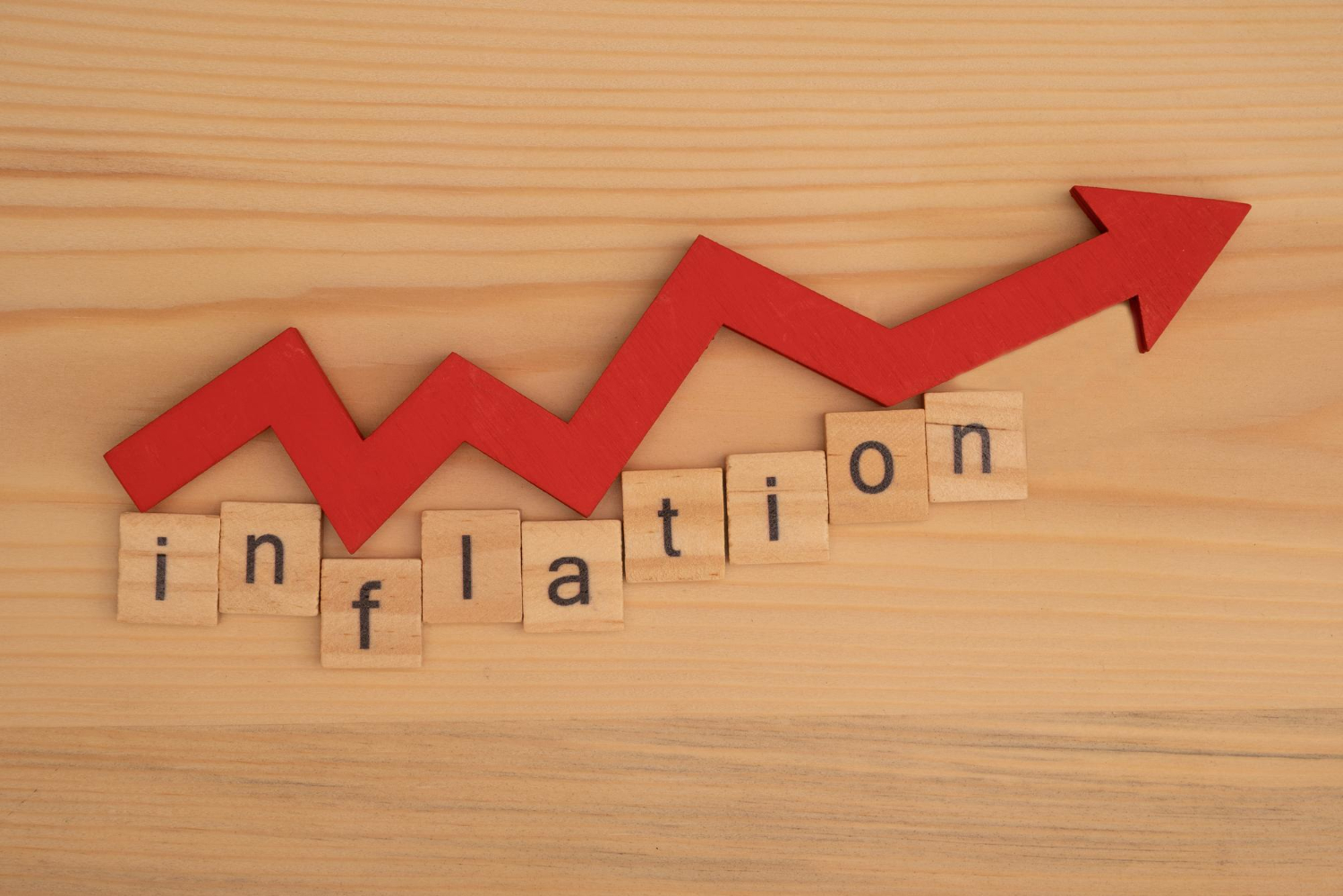
Looking back at 1975 prices is a genuinely fun and nostalgic exercise, but the deeper lesson is about how money and the economy work over time. The dramatic-seeming differences are largely the product of steady inflation eroding the dollar’s value across decades, which is why comparing raw numbers without accounting for wages and inflation can be misleading. A gallon of gas at well under a dollar sounds amazing until you remember that an hour of work also paid only a couple of dollars.
That said, the comparison does reveal real shifts: certain costs, especially housing, have grown faster than wages in many places, which is part of why affordability feels so challenging today. The exercise is both a nostalgic pleasure and a useful reminder to think about prices in context. So enjoy the trip back to dime stamps and forty-thousand-dollar houses, but remember the fuller picture. The numbers from 1975 are a window not just into cheaper price tags but into how dramatically the entire economy has been transformed across a single lifetime. For decisions about your own finances, it is always wise to consult up-to-date sources and a qualified professional.
Like our content? Follow us for more.