Some experiences are so tied to a specific era that you simply had to be there to truly get them. Growing up in the 1960s meant living in a world of particular sights, sounds, smells, and small daily rituals that have since vanished completely. These weren’t grand historical moments, just the texture of everyday childhood and family life, the things that, decades later, instantly transport anyone who lived them right back. To younger generations, they sound almost like dispatches from another planet. Here’s a warm, nostalgic look at the everyday things you’d only really understand if you grew up in the 1960s, the small, specific memories that defined the decade for the kids and families who lived through it.
Sharing a Party-Line Telephone
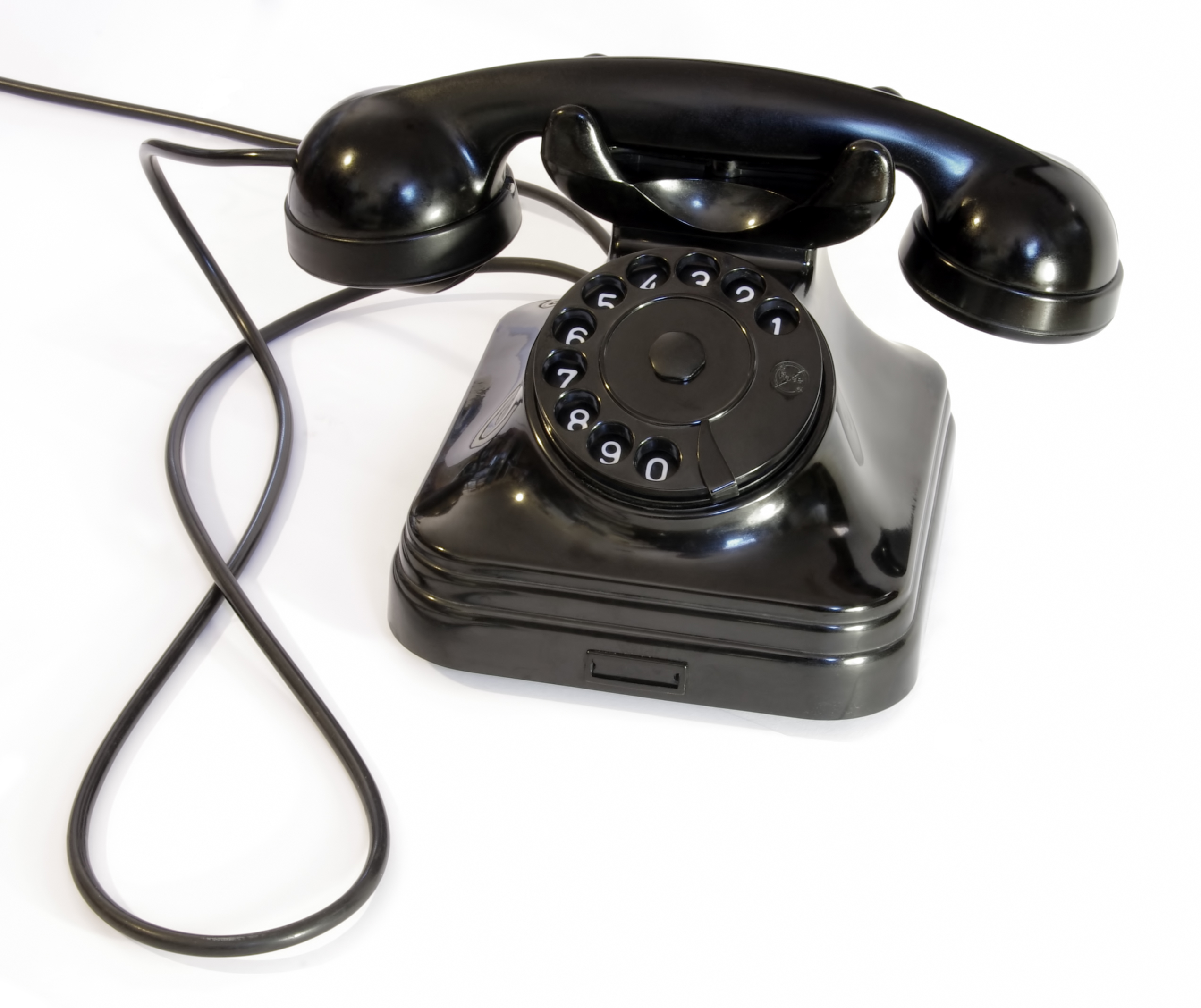
In the 1960s, many households didn’t have a private phone line, they shared a “party line” with other families in the neighborhood. That meant picking up the phone and sometimes hearing your neighbors already mid-conversation, having to wait your turn to make a call, and knowing that anyone on the line could potentially listen in. There were unspoken rules of etiquette about not hogging the line and not eavesdropping. The shared, semi-public nature of the household telephone is utterly foreign to anyone raised with a private cell phone in their pocket. If you remember politely waiting for a neighbor to finish their call so you could use your own phone, you grew up in the ’60s.
Like our content? Follow us for more.
When the TV Signed Off for the Night
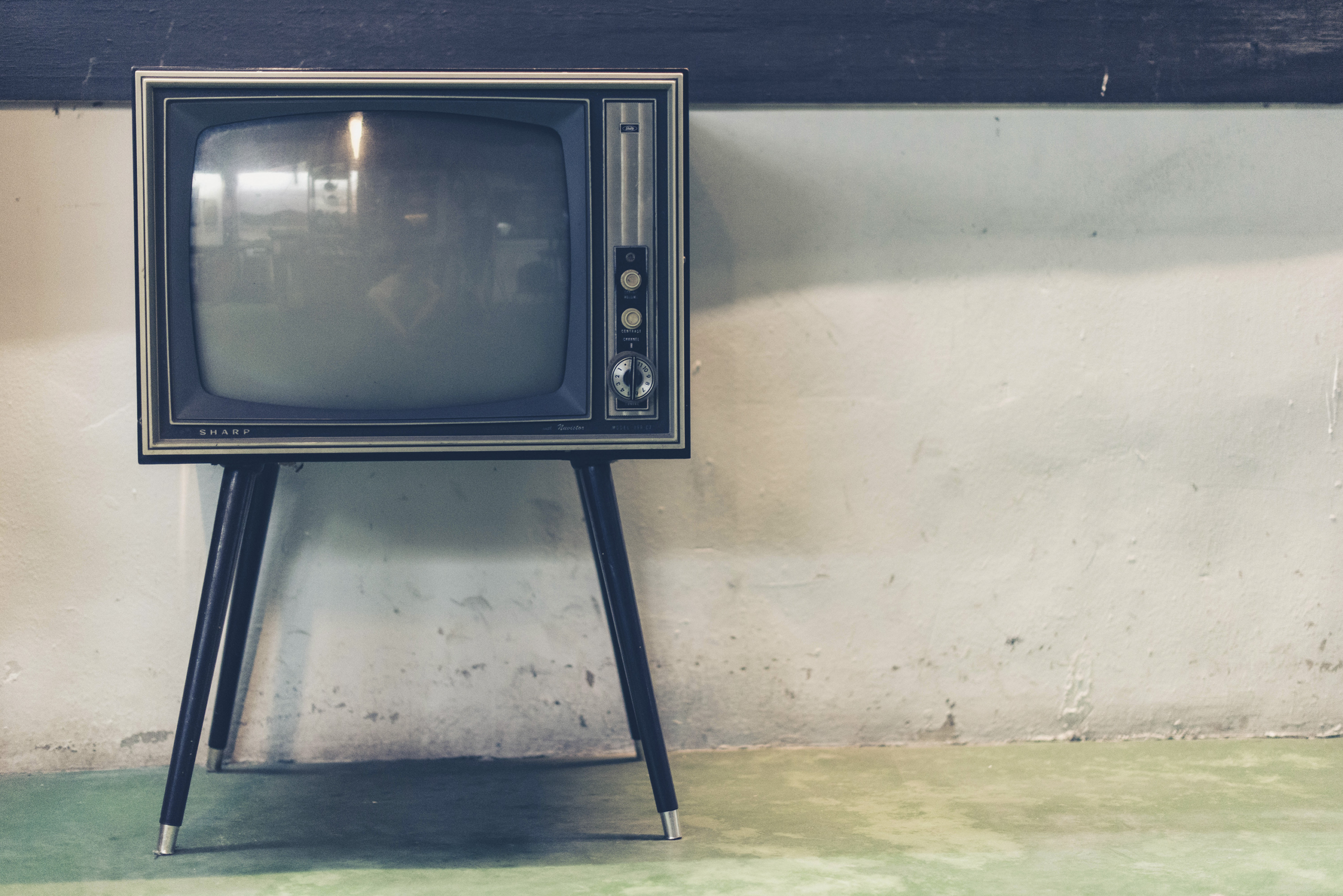
Television in the 1960s didn’t run around the clock. Late at night, after the final program, stations would “sign off,” often playing the national anthem over patriotic imagery before the screen dissolved into the famous “test pattern” or a field of static snow until morning. The idea that TV simply ended for the night, leaving nothing to watch until programming resumed, is baffling to a generation of endless streaming. Add to that the reality of only a few channels, no remote control, and rabbit-ear antennas you had to adjust by hand for a clear picture, and you have a television experience that today’s kids could scarcely imagine. If you remember the anthem and the test pattern, you were there.
Putting a Coin on the Record Player
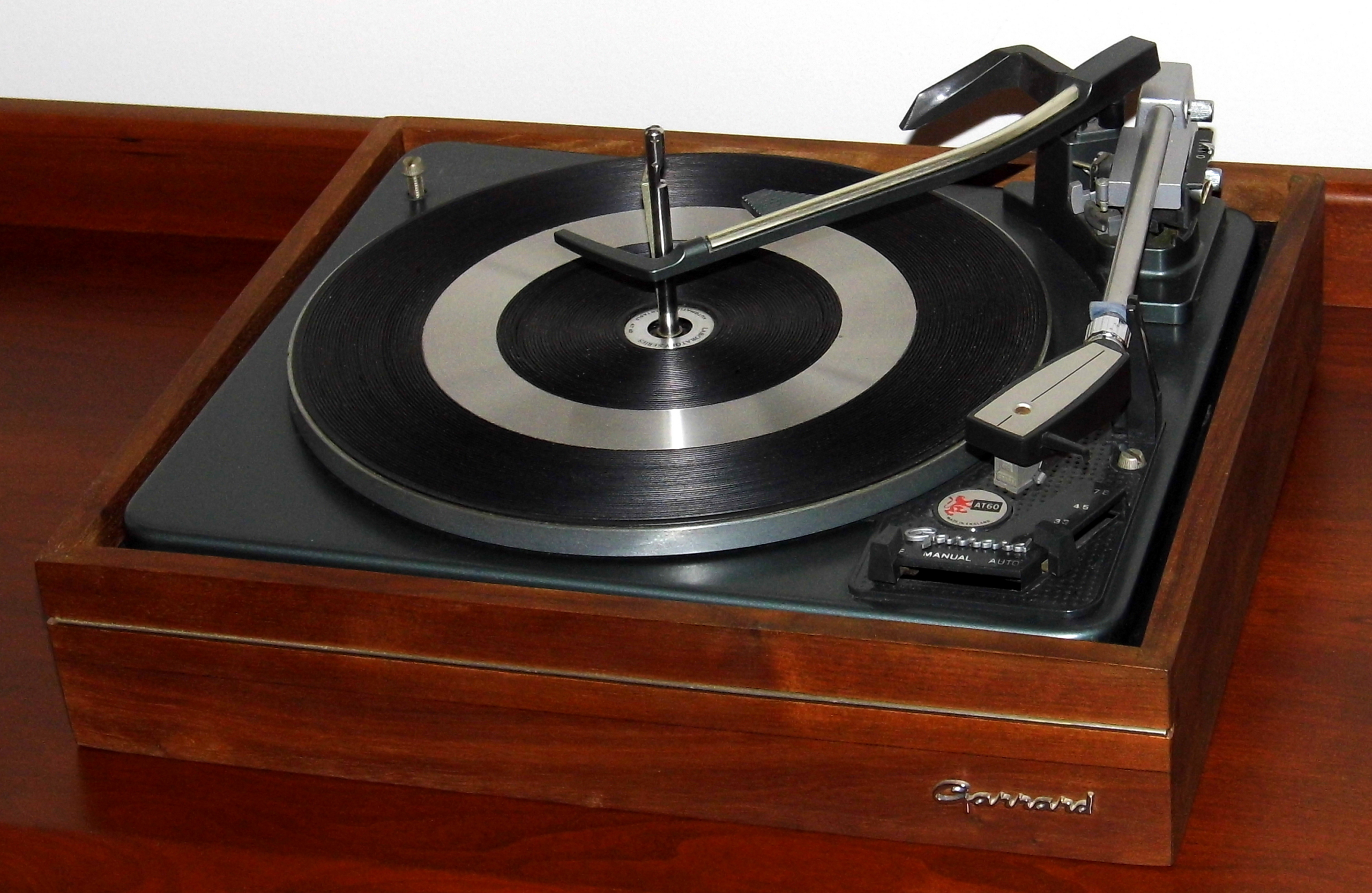
For families with a record player, there was a well-known trick of the trade: if your records skipped or the needle wouldn’t stay put, you’d balance a coin, often a nickel or a penny, on top of the tonearm to add just enough weight to keep the needle in the groove. It was a small, universal bit of household ingenuity. Listening to music meant carefully handling vinyl records, lowering the needle by hand, and flipping the record to hear the other side. The whole tactile ritual of playing music on a turntable, coin and all, is a distinctly analog memory that anyone who grew up spinning records in the ’60s will instantly recognize and smile at.
Milk Delivered in Glass Bottles
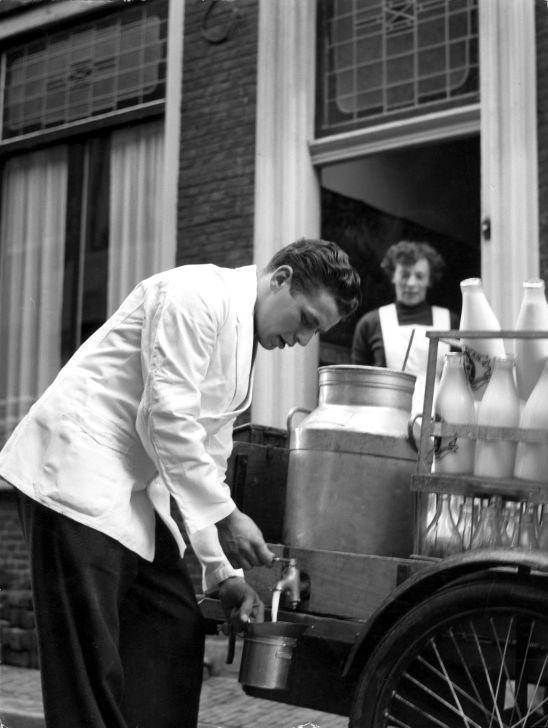
In the 1960s, before the supermarket became the default, the milkman was a familiar part of daily life. Fresh milk arrived at your doorstep in glass bottles, often left in an insulated box, with the thick cream risen to the top. You’d leave out the empty, washed bottles to be collected and reused. The clink of glass bottles in the early morning was part of the soundtrack of the era, along with deliveries of other staples. To anyone raised buying milk in plastic jugs and cartons at the store, the idea of a milkman delivering glass bottles to your door, and collecting the empties, is a charming relic. If you remember it, you remember the ’60s.
Penny Candy and the Soda Fountain
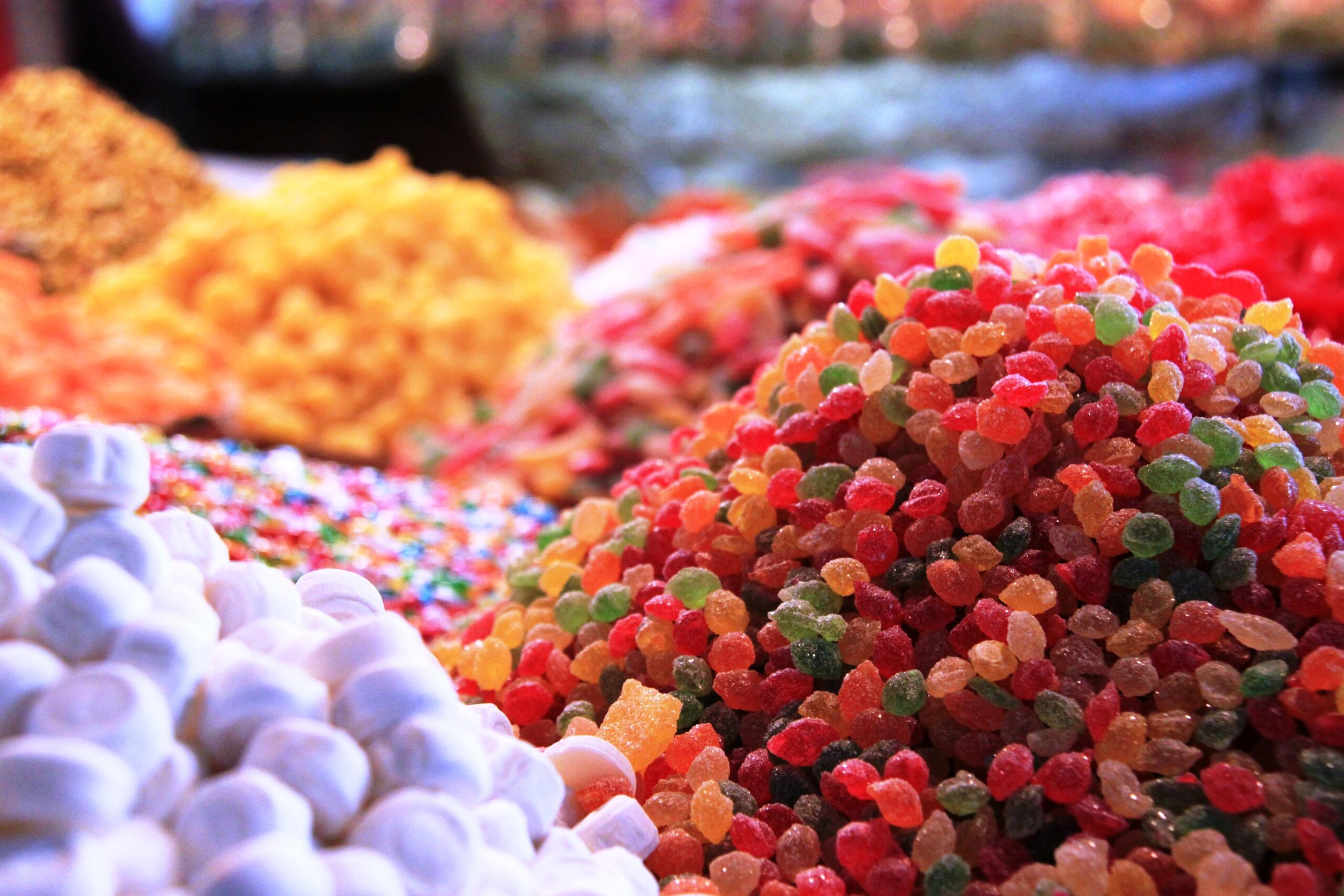
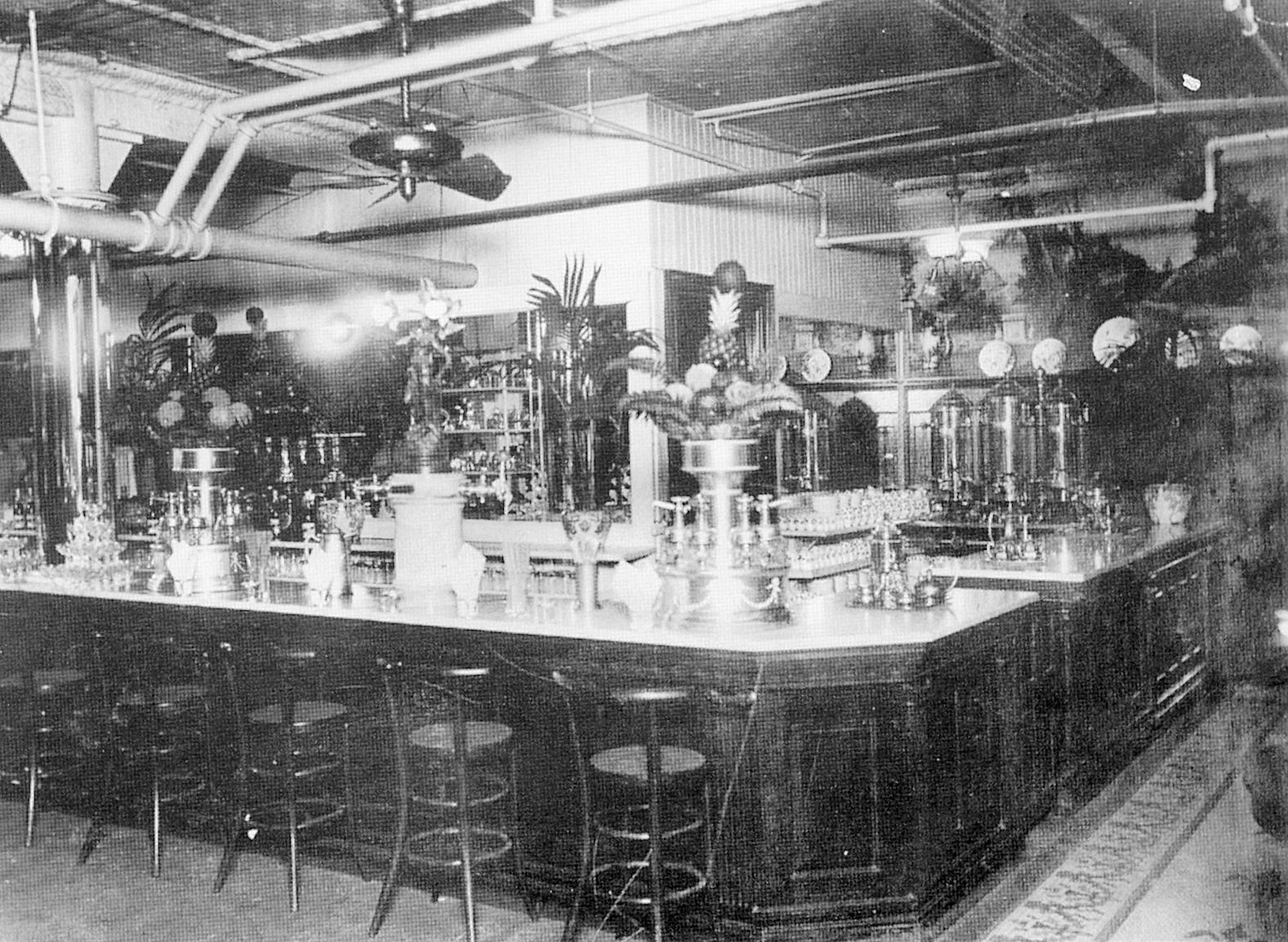
Treats in the 1960s came with their own rituals and price tags. Kids could walk into a corner store with a few coins and walk out with a paper bag full of “penny candy,” individual sweets that genuinely cost a penny or two each, carefully selected from the display. And the soda fountain, often at the local drugstore, was a social hub where a “soda jerk” hand-mixed fizzy drinks, ice cream sodas, malts, and floats served at a counter. The whole experience of buying candy by the penny or sipping a hand-made soda at a counter stool is a sweet, specific memory. If that brings back a flood of flavor, you grew up in the era.
Duck-and-Cover Drills at School
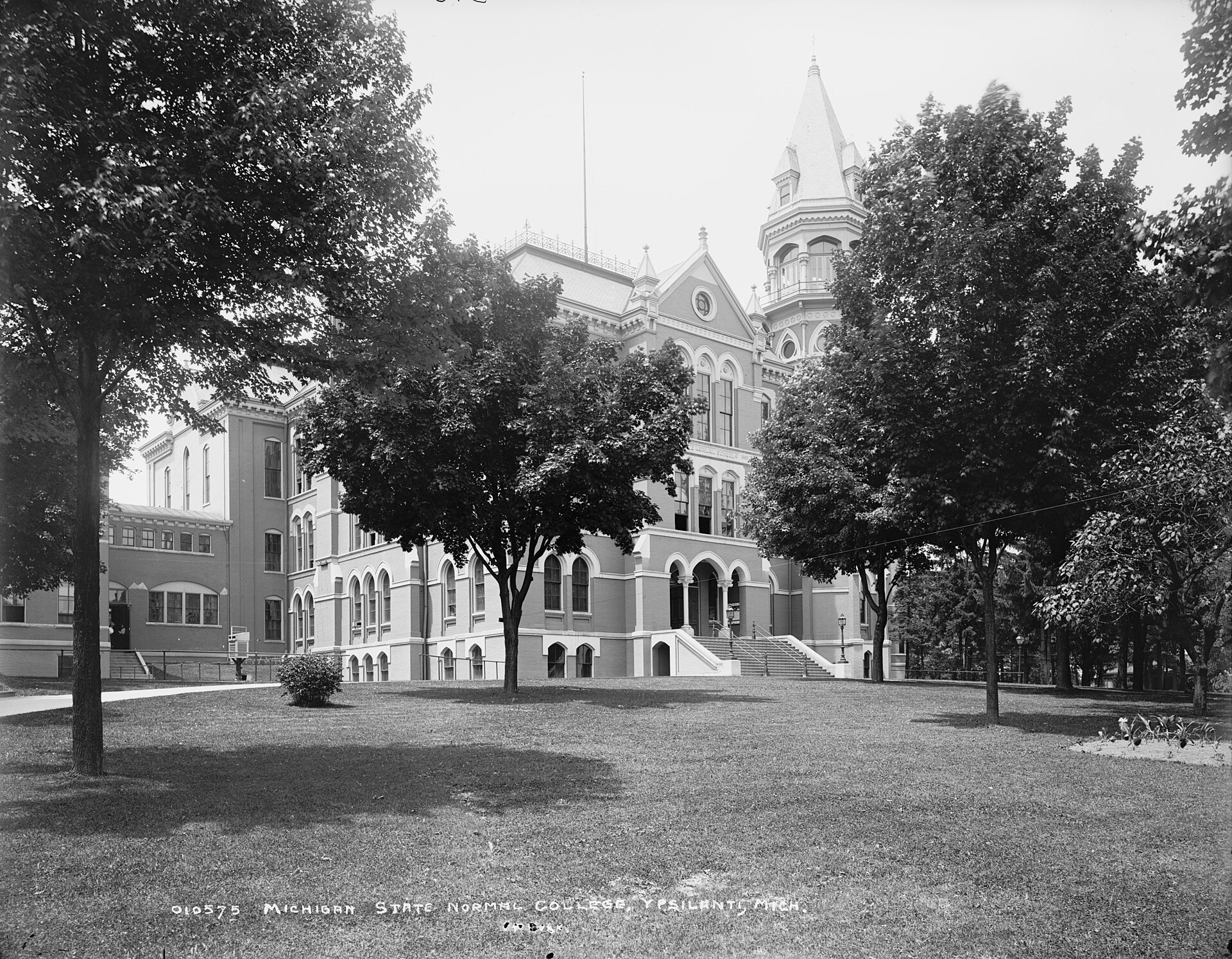
Childhood in the 1960s carried a particular undercurrent of the era’s anxieties, expressed in school through “duck-and-cover” drills. Students were taught to dive under their desks and cover their heads, ostensibly to protect themselves in the event of an attack, a regular and sobering classroom ritual of the times. Alongside fire drills, these exercises were simply part of the school routine. For children of the decade, crouching under a wooden desk on command was a normal, if unsettling, part of growing up. To later generations, the specific memory of these drills, and the atmosphere that prompted them, offers a glimpse into the unique tensions that shaped a ’60s childhood.
The Smell of Mimeograph Paper
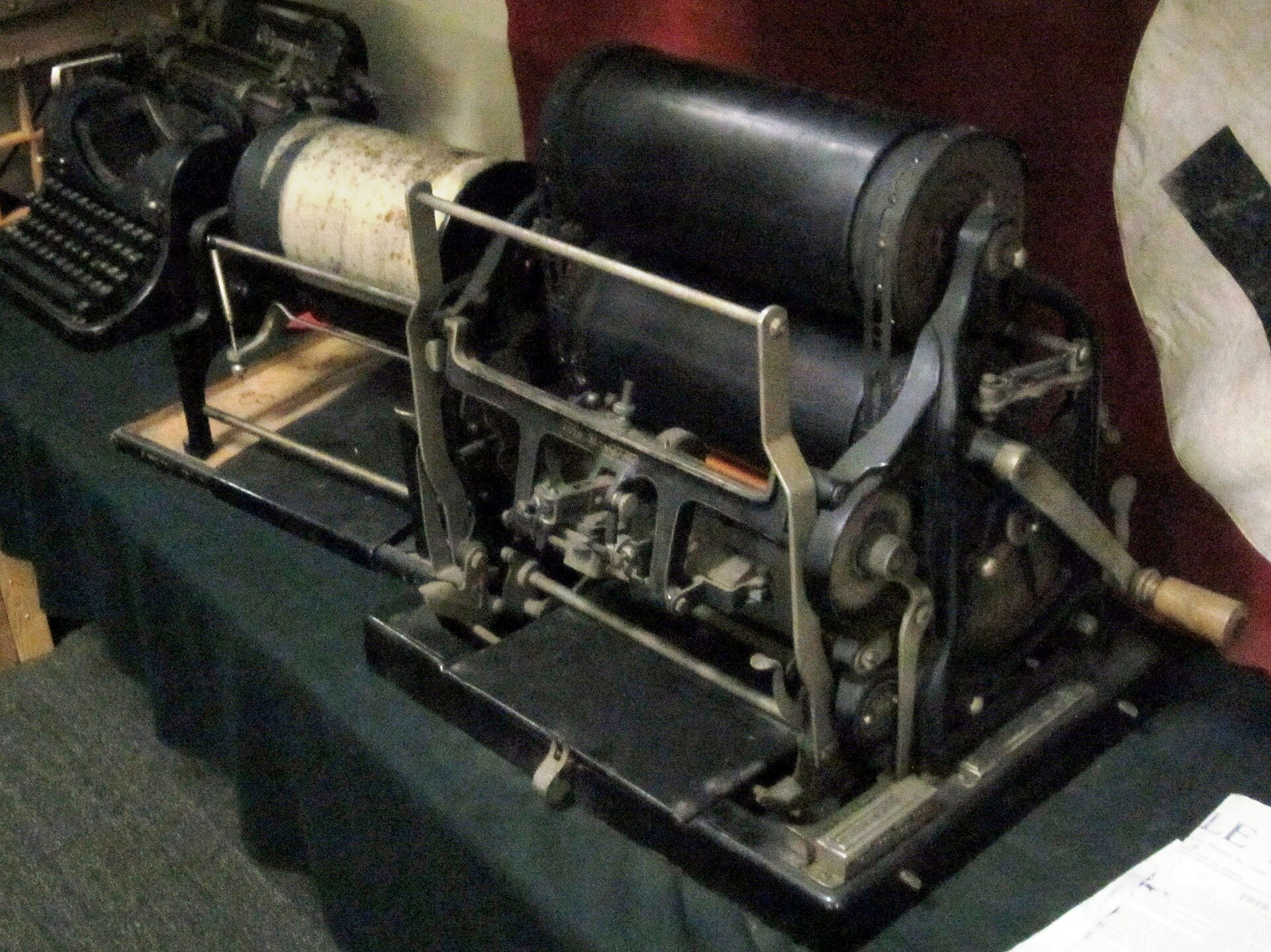
Any kid who attended school in the 1960s remembers it instantly: the distinctive purple ink and intoxicating chemical smell of freshly run worksheets from the mimeograph, or “ditto,” machine. Teachers would hand out still-damp copies, and students would reflexively lift the pages to their noses to inhale the unmistakable aroma before getting to work. The slightly blurry purple text and that specific smell are seared into the memory of a generation of schoolchildren. With modern photocopiers and digital handouts, the ditto machine and its signature scent have vanished entirely. If the mere mention of that purple-ink smell brings back the classroom, you are unmistakably a child of the era.
TV Dinners on Aluminum Trays
The 1960s embraced the modern convenience of the TV dinner, a complete frozen meal, often with compartments for a meat, vegetable, and dessert, that came in a disposable aluminum tray. Heated in the oven, it was eaten right from the tray, frequently on a folding “TV tray” table while the family gathered around the television. It represented the era’s love of space-age convenience and modern living. The specific experience of peeling back the foil on a sectioned aluminum tray and eating a complete meal in front of the TV is a quintessential ’60s memory. If you recall the novelty and the distinctive compartmentalized trays, you came of age in the decade.
One Television, and Everyone Watched Together
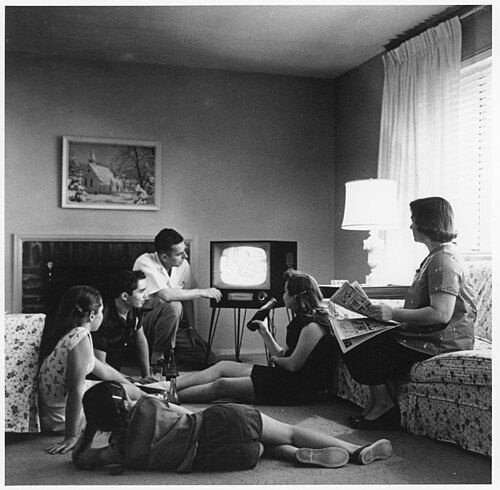
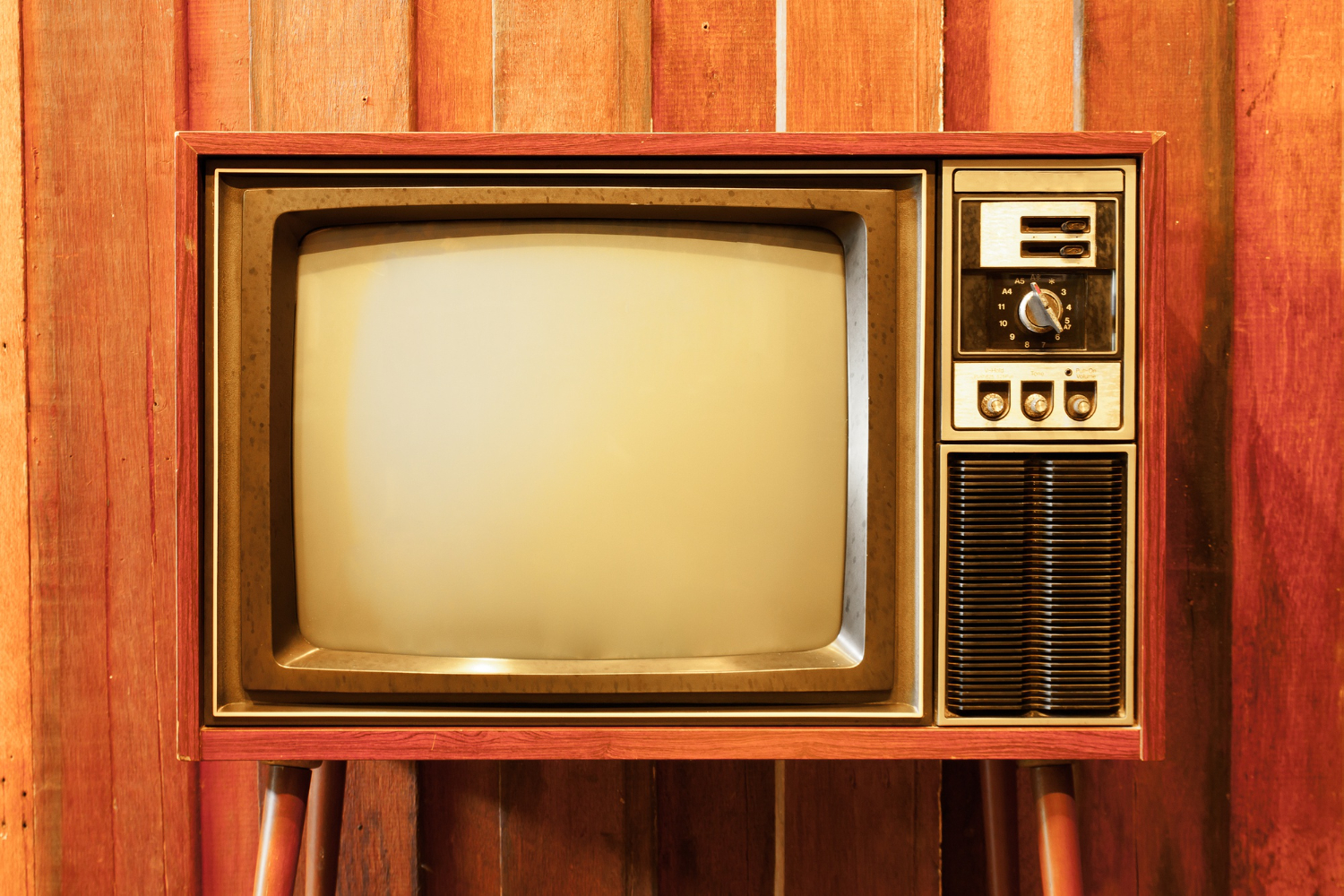
In most 1960s households, there was a single television set, often a large piece of furniture, and the whole family gathered around it together to watch a shared selection of programs. With only a handful of channels and no way to record anything, watching TV was a communal event: everyone agreed on, or argued over, the one thing that would be on, and watched it together in real time. There was no retreating to separate screens. This shared, social way of experiencing television, gathered as a family around the single set, is profoundly different from today’s individual, on-demand viewing. If your family clustered around one TV each evening, you grew up in the ’60s.
A World That No Longer Exists
Taken together, these everyday memories paint a portrait of a childhood and a way of life that has almost entirely disappeared. The 1960s had a distinct sensory and social texture, the party lines and test patterns, the milkman and the soda fountain, the smell of ditto paper and the family gathered around one TV, that shaped everyone who lived through it. None of these things seemed remarkable at the time; they were simply how life worked. But they’ve now vanished so completely that they can feel almost mythical to younger people. For those who were there, though, each one is a vivid, instant trip back in time, and a reminder of a slower, simpler, deeply memorable era.
Like our content? Follow us for more.