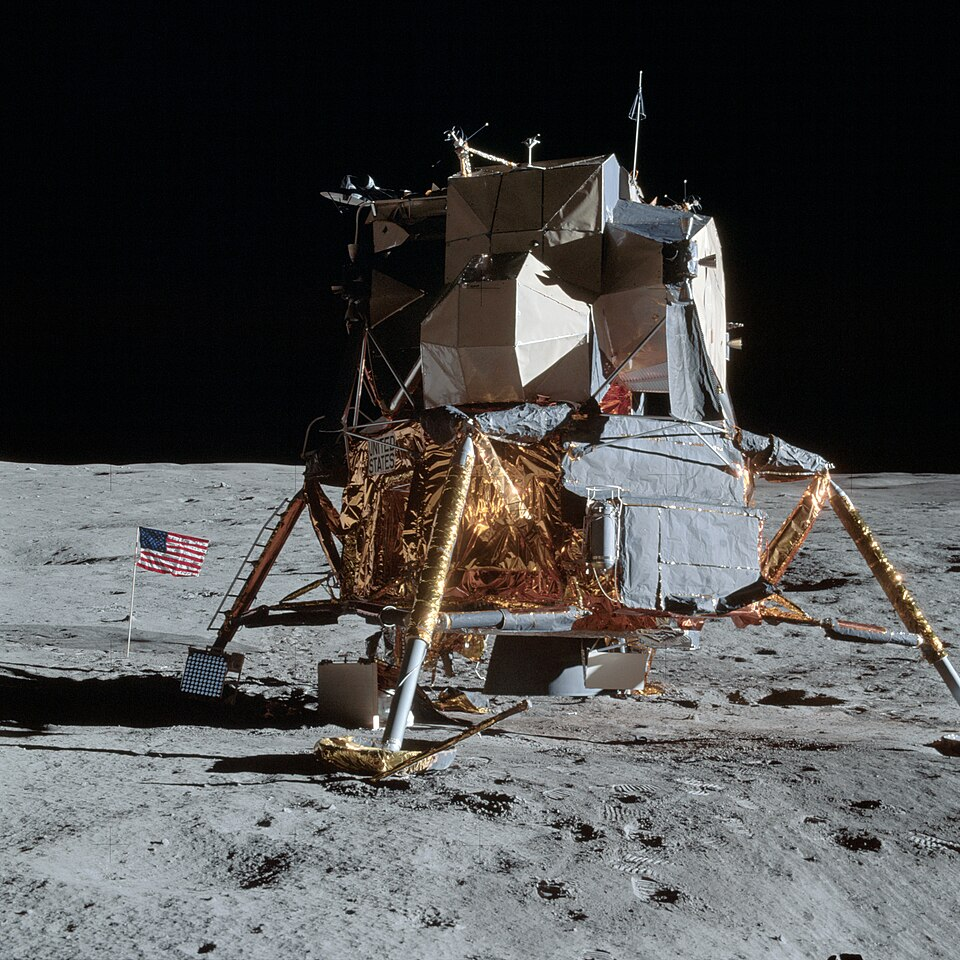
The United Nations declared July 20 International Moon Day in 2021, pinning the observance to the night in 1969 when two people stood on another world for the first time while the largest audience in history to that point watched from this one. The broad story everyone knows. The details are where it gets wonderful — and half of them sound like inventions until you check. Here are ten that check out.
1. Your Phone Outguns the Apollo Computer by Millions of Times
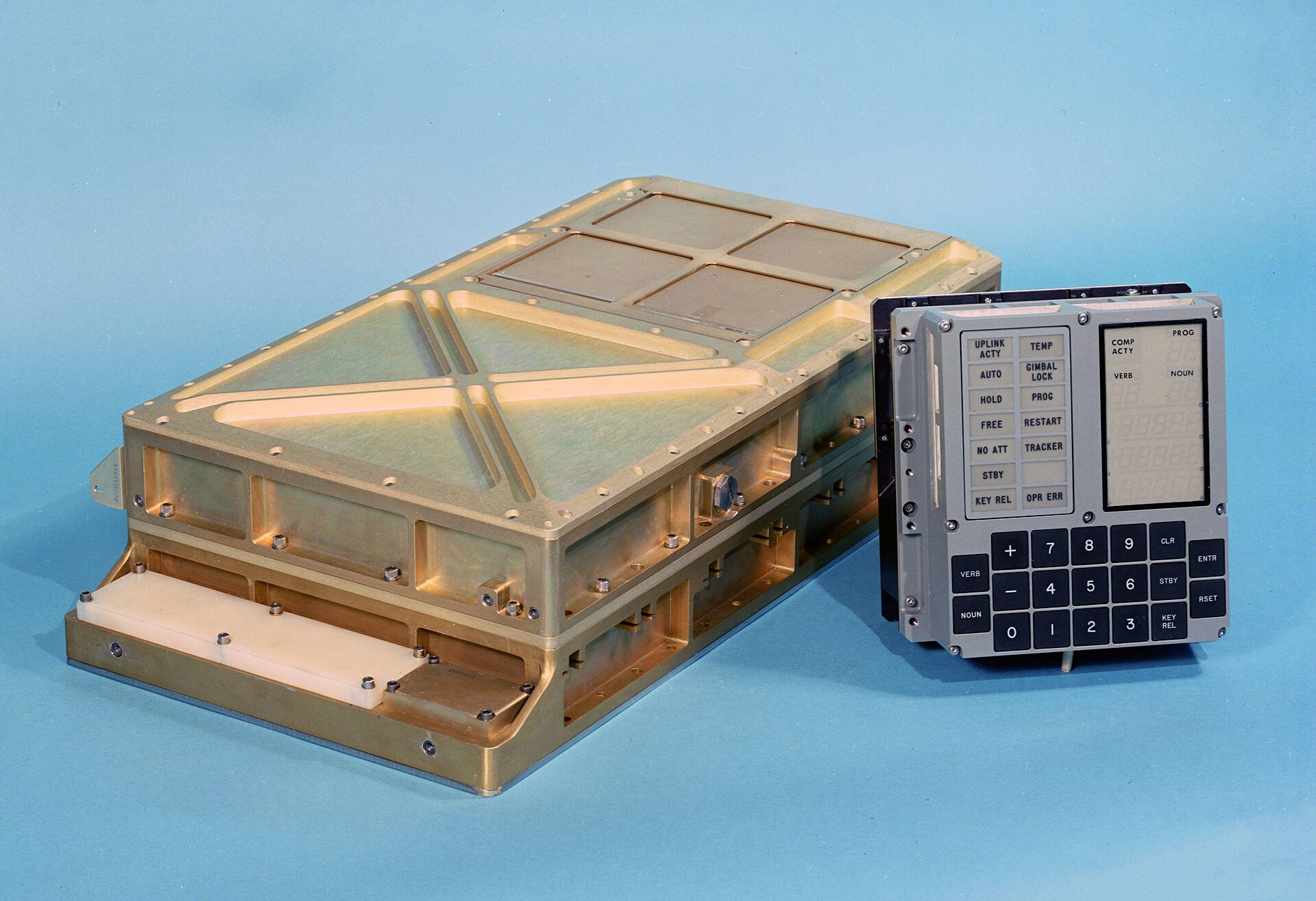
The guidance computer ran on about 4 kilobytes of working memory. It flew to the Moon anyway.
The Apollo Guidance Computer navigated a quarter-million miles with roughly 4 KB of working memory and software woven — literally, by hand — into copper wire by women at a Massachusetts factory, a technique the engineers nicknamed “little old lady memory.” A modern smartphone carries millions of times its capacity and mostly shows people videos of raccoons. The machine did its job so well that when alarms blared during the final descent, it prioritized the landing tasks and carried on — which brings up the next item.
Like our content? Follow us for more.
2. The Landing Came Down to About 25 Seconds of Fuel
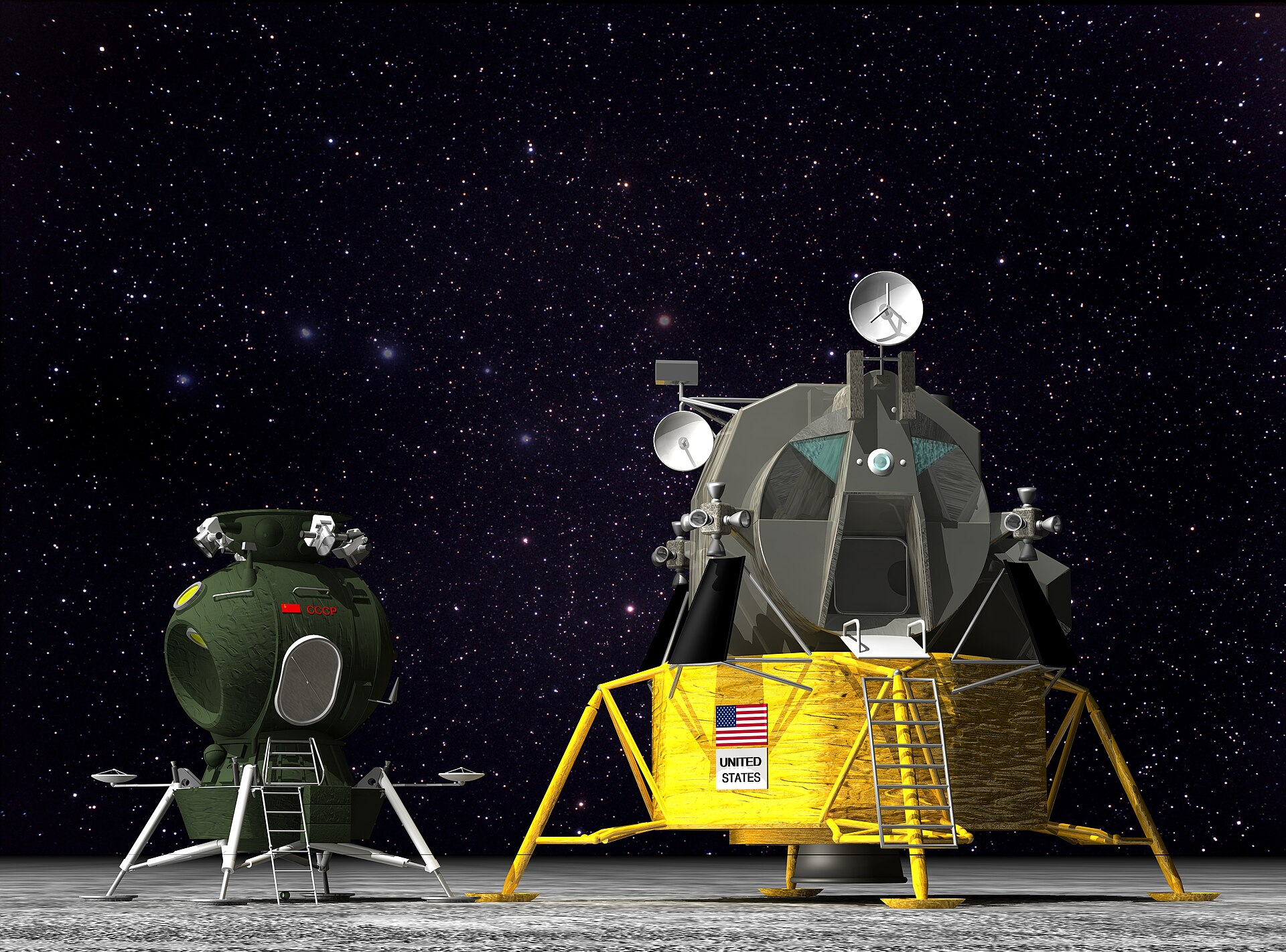
Alarms, boulder fields, and a nearly empty tank. Armstrong flew past all of it by hand.
The final minutes of the descent were a pile-up of problems: computer alarms nobody immediately recognized, and a targeted landing zone that turned out to be strewn with boulders. Armstrong took manual control and skimmed the surface hunting for clear ground while the fuel readout fell — by most accounts, roughly 25 seconds of landing fuel remained when the Eagle touched down. Mission control’s reply says everything about the room: “We copy you down… you got a bunch of guys about to turn blue. We’re breathing again.”
3. The First Foods on the Moon Were Communion and Bacon
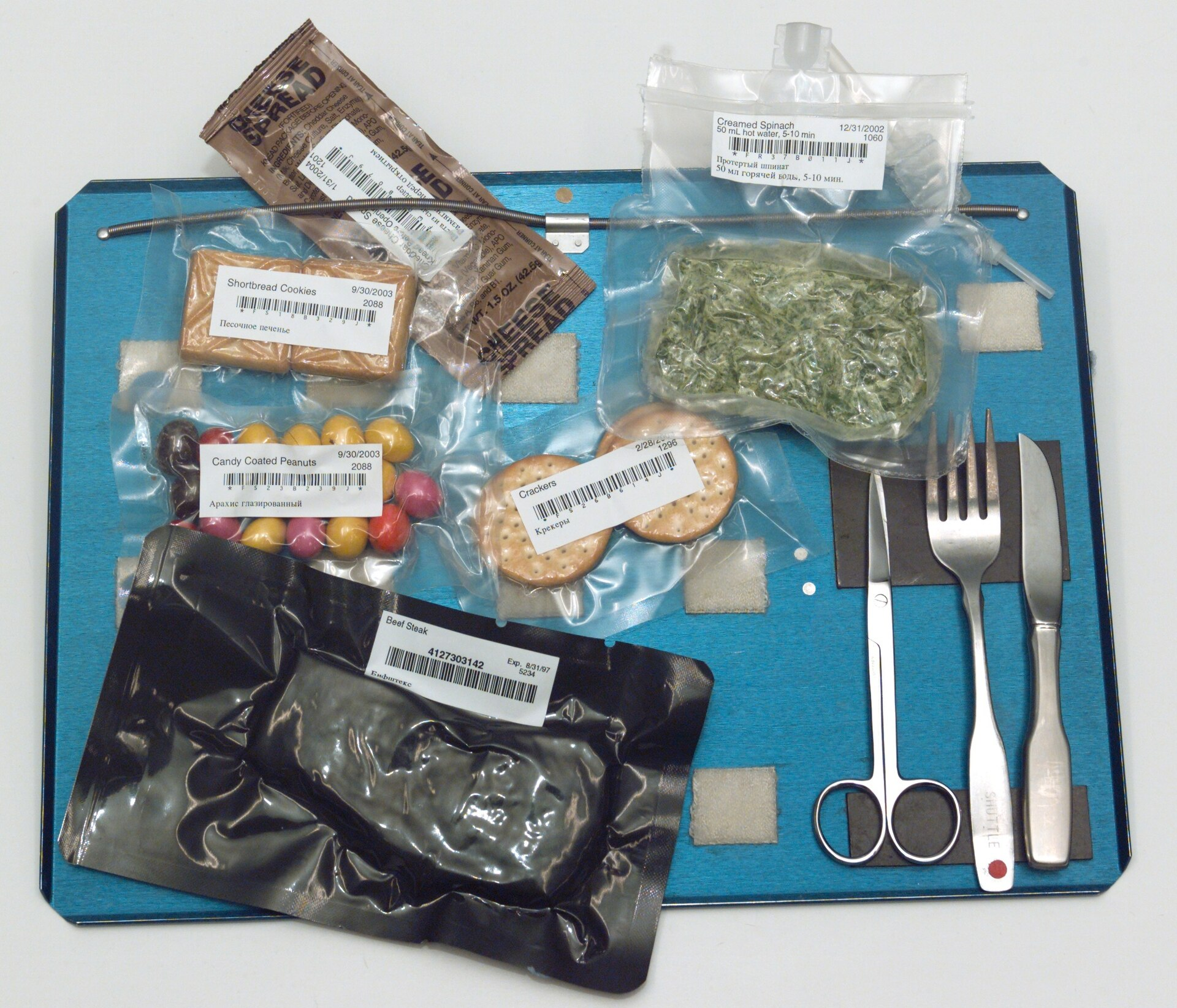
Aldrin held a private communion after landing. The first scheduled meal featured bacon squares.
Before the famous first step, Buzz Aldrin — an elder at his Texas church — took private communion inside the lunar module with a tiny vial of wine and a wafer, radioing a request for “every person listening” to give thanks in their own way. The crew’s first scheduled meal on the surface was more American still: it included bacon squares. Somewhere between the sacred and the breakfast meat lies the whole national character, parked on the Sea of Tranquility.
4. They Left Behind Medals Honoring Soviet Cosmonauts
At the height of the space race, the crew honored the rivals. The gesture stays on the surface today.
Among the items Apollo 11 left on the surface: medals commemorating Yuri Gagarin and Vladimir Komarov — Soviet spacefarers who had died in the preceding years — plus a patch honoring the Apollo 1 crew and a disc carrying goodwill messages from dozens of nations. In the middle of the Cold War’s signature competition, the winners’ first act was to memorialize the other side’s fallen. It remains one of the program’s least-known and most graceful details.
5. The Flags Have Almost Certainly Gone White
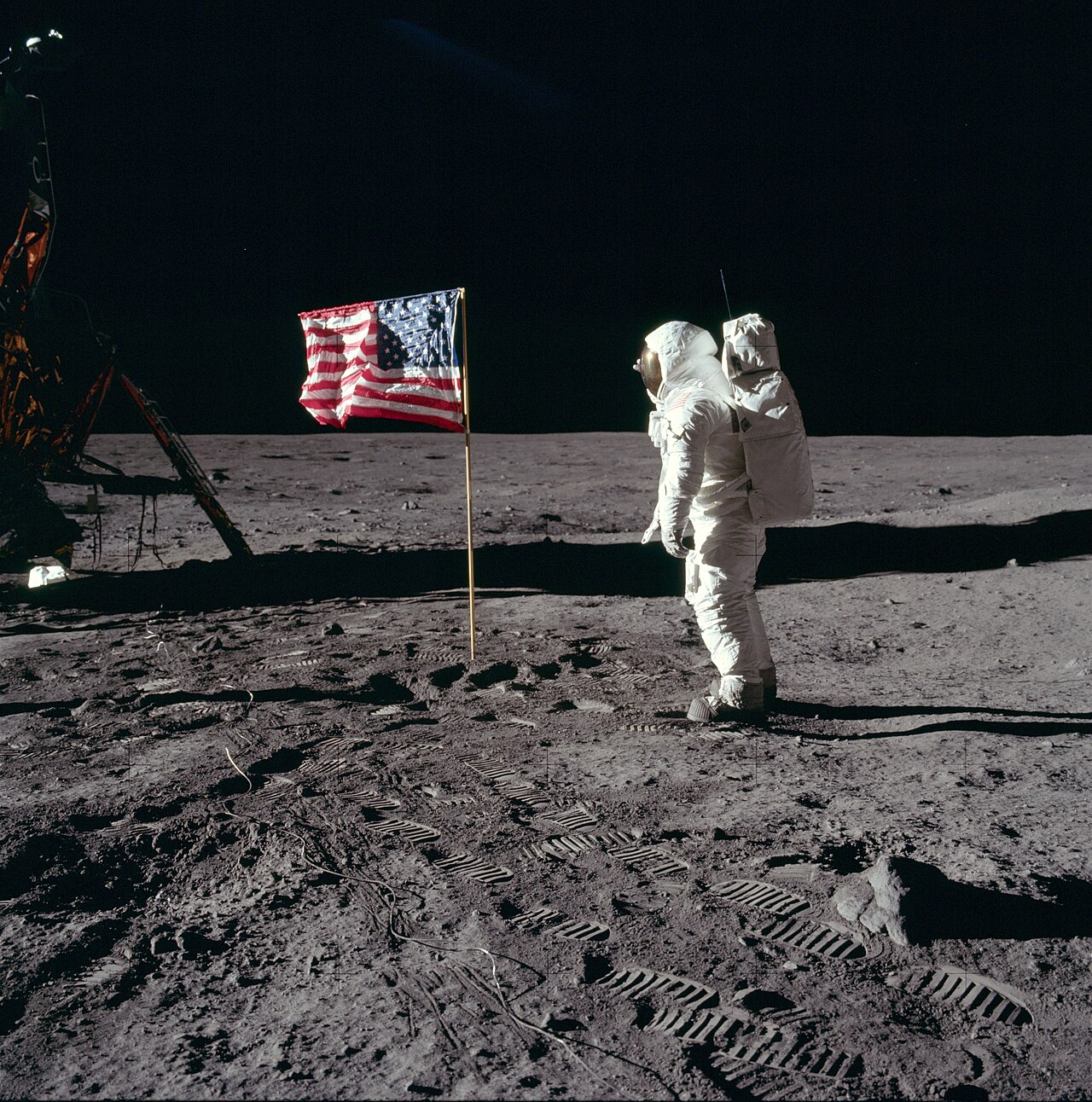
The nylon flags weren’t built for the Moon. A half-century of raw sunlight bleaches everything.
The flags planted by Apollo crews were ordinary nylon, purchased off the shelf, and the Moon has no atmosphere to filter the Sun’s ultraviolet assault. Scientists’ consensus is that decades of unfiltered radiation have long since bleached them white — and Apollo 11’s flag likely isn’t even standing, since Aldrin reported watching it topple in the blast of their liftoff. Later orbital photographs show shadows from flags still upright at other landing sites: bone-white, faithfully casting their outlines through the airless days.
6. The Mirrors They Left Still Get Used Every Night
Retroreflectors on the surface bounce lasers back to Earth. The experiment has never stopped running.
Apollo crews set out suitcase-sized panels of corner-cube mirrors, and observatories have fired lasers at them ever since, timing the reflection to measure the Earth-Moon distance within millimeters. The experiment — running for over half a century — is how we know the Moon drifts away from us about an inch and a half per year, and it makes Apollo the rare historical event that is still, technically, in progress. If you want to interact with the Moon landing tonight, a laser physicist somewhere is already doing it.
7. The Astronauts Went Through Customs on the Way Home
Honolulu paperwork, cargo declared: Moon rocks and Moon dust. Departure point: the Moon.
After splashdown, the crew filled out a real U.S. customs declaration in Honolulu — departure point listed as “Moon,” cargo as “Moon rock and Moon dust samples,” condition of health noted as “to be determined.” The form was mostly a bureaucratic joke, but it was really filed, and copies circulate to this day. Then the three most traveled men in history spent three weeks in quarantine, greeted by the president through the window of a converted trailer, in case they’d brought home Moon germs. They hadn’t.
8. About 600 Million People Watched — With the TV Doing Its Best
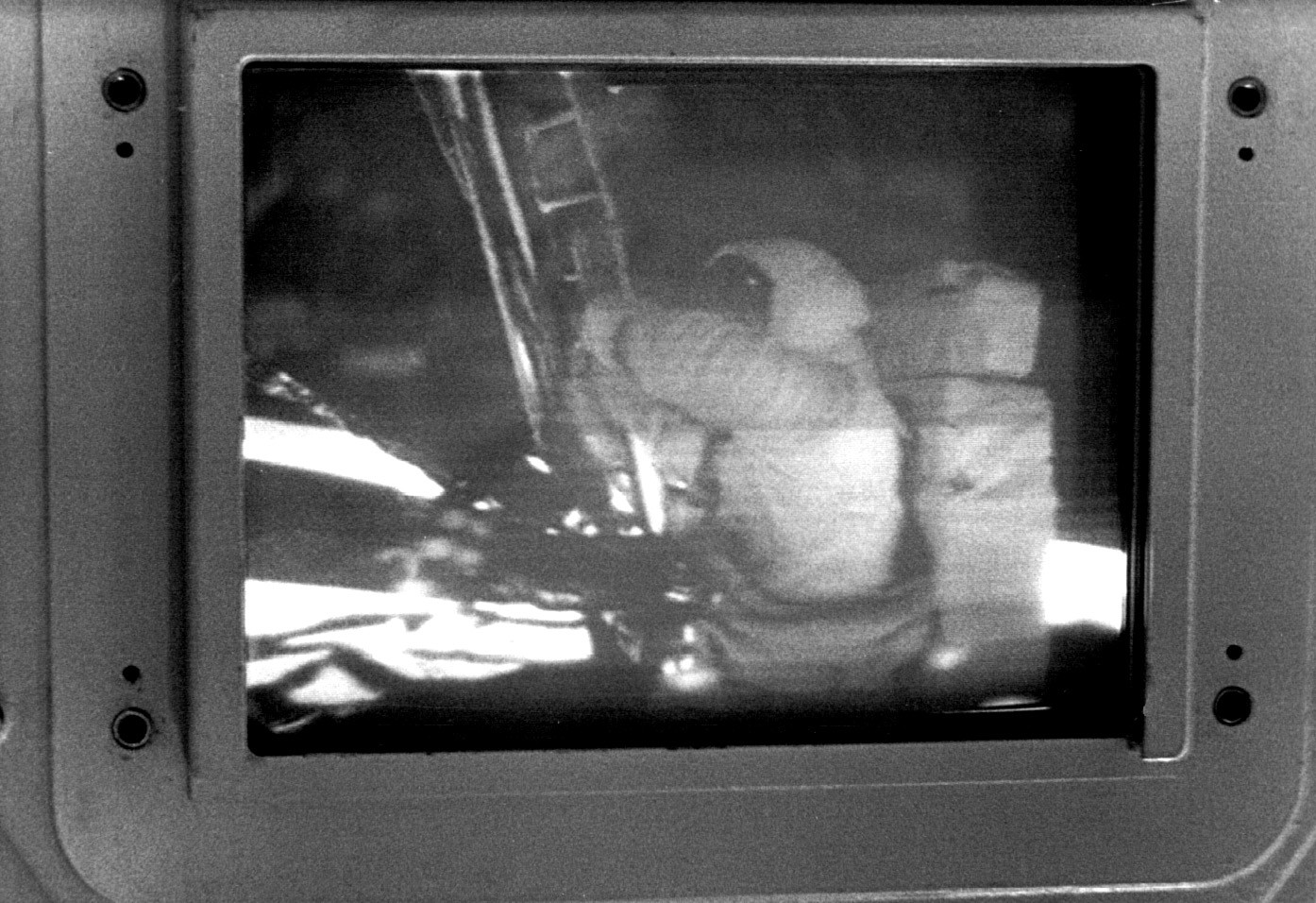
It was history’s largest broadcast audience to that point. The picture came through a dish in Australia.
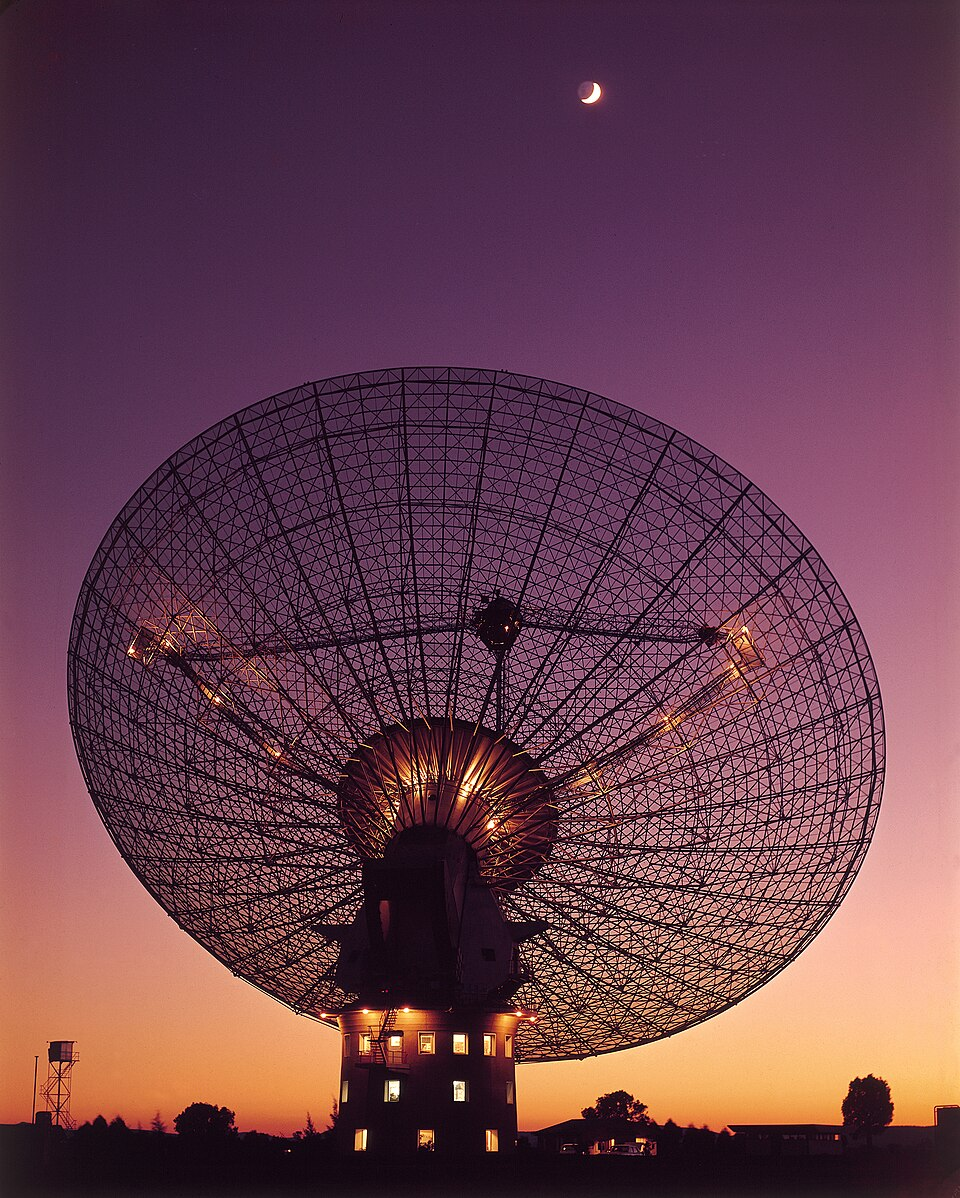
An estimated 600 million people — roughly one in six humans then alive — watched the first steps live, the largest television audience in history at the time, with much of the world’s picture relayed through radio dishes in Australia. The image was ghostly, low-resolution, and upside down until a technician flipped it, and none of that mattered in the slightest. People who watched can still tell you which room they stood in. July 20 became a shared global memory before “global” media properly existed — which is precisely what International Moon Day commemorates.
9. Only Twelve People Have Ever Walked There — and None Since 1972
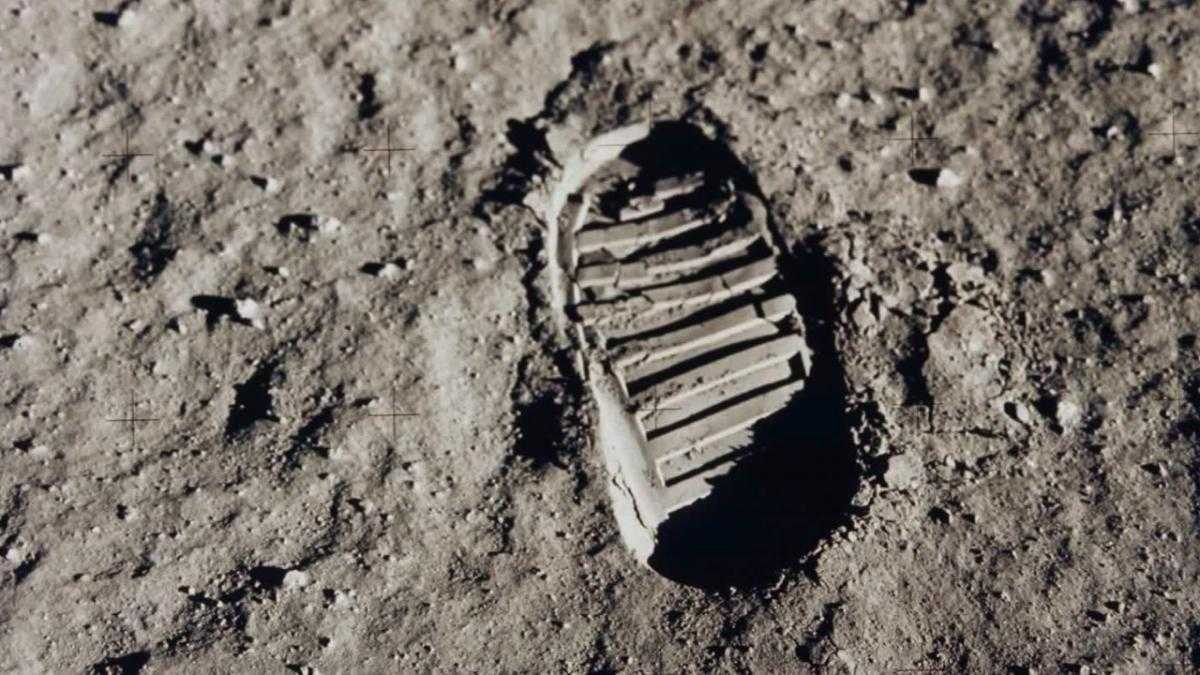
The entire club fits around a dinner table. The last footprints are more than fifty years old.
Twelve men walked on the Moon across six landings, all between July 1969 and December 1972 — a window of just three and a half years, closed for over five decades since. Gene Cernan, the last to climb the ladder, spent the rest of his life half-annoyed at the title “last man on the Moon” and campaigning for a successor. That successor is in training now: NASA’s Artemis program is working toward new crewed landings in the coming years, which means International Moon Day may eventually get a second date to celebrate.
10. The Footprints Are Still There — and Could Outlast Us All
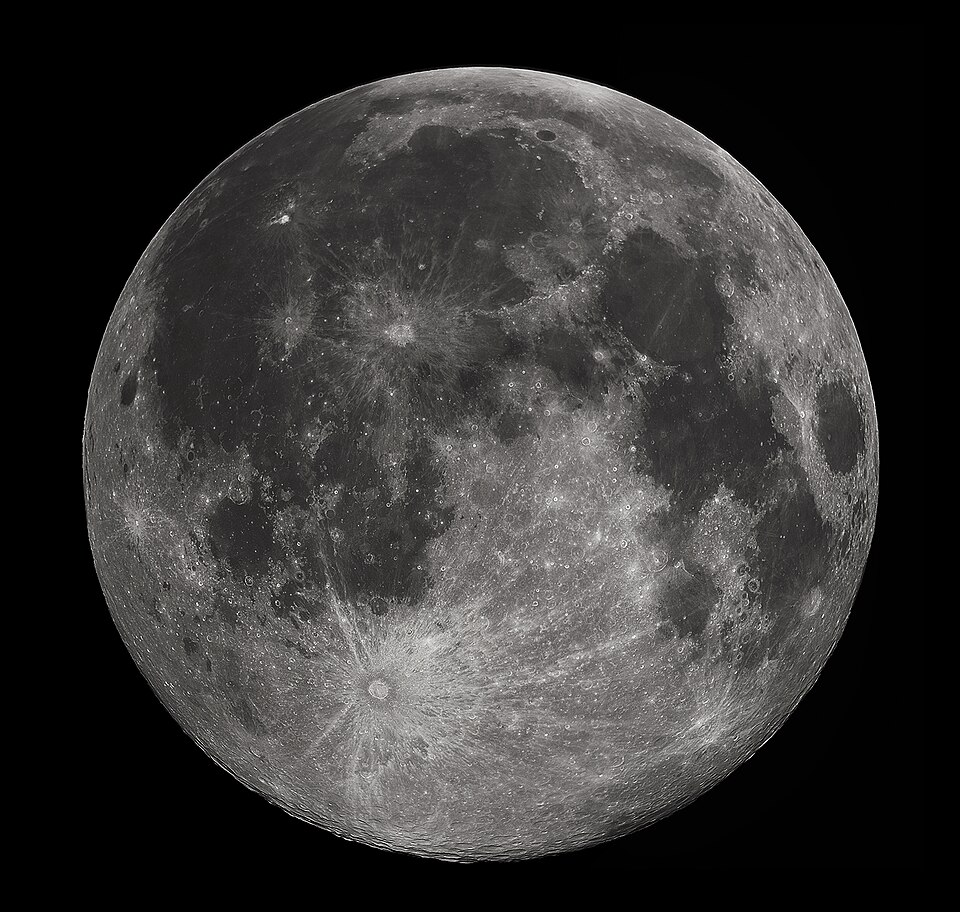
No wind, no rain, no erosion. The prints could persist for millions of years.
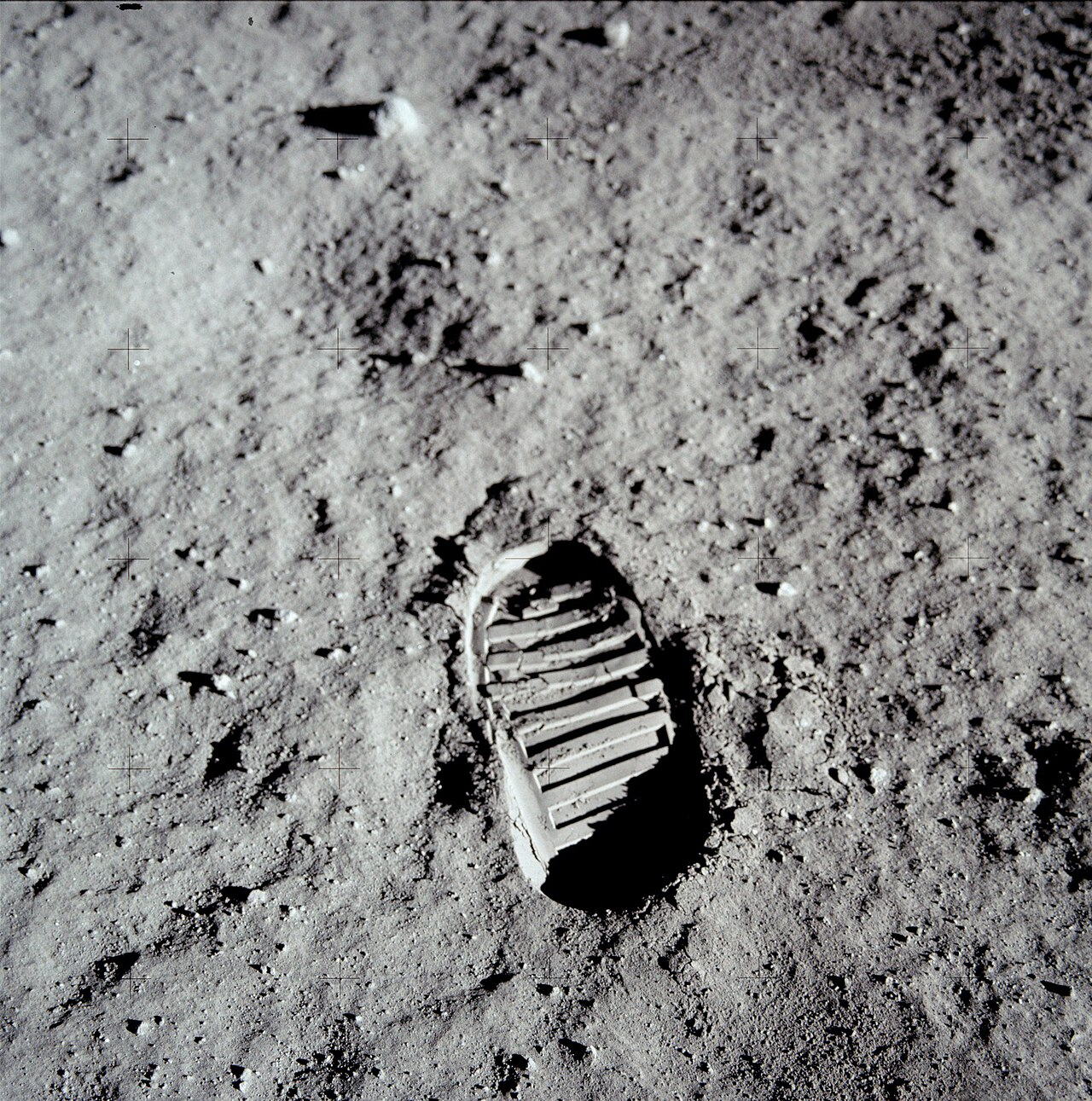
With no atmosphere, no weather, and no one passing through, the boot prints at Tranquility Base sit today exactly as they were pressed in 1969, and absent a meteorite strike they could persist for millions of years — plausibly outlasting most things humans have ever built. Preservationists are already working to protect the Apollo sites as heritage landmarks before future missions arrive nearby. The first marks people made on another world may end up being the longest-lived marks people make anywhere.
One Small Step, Fifty-Some Years of Footnotes
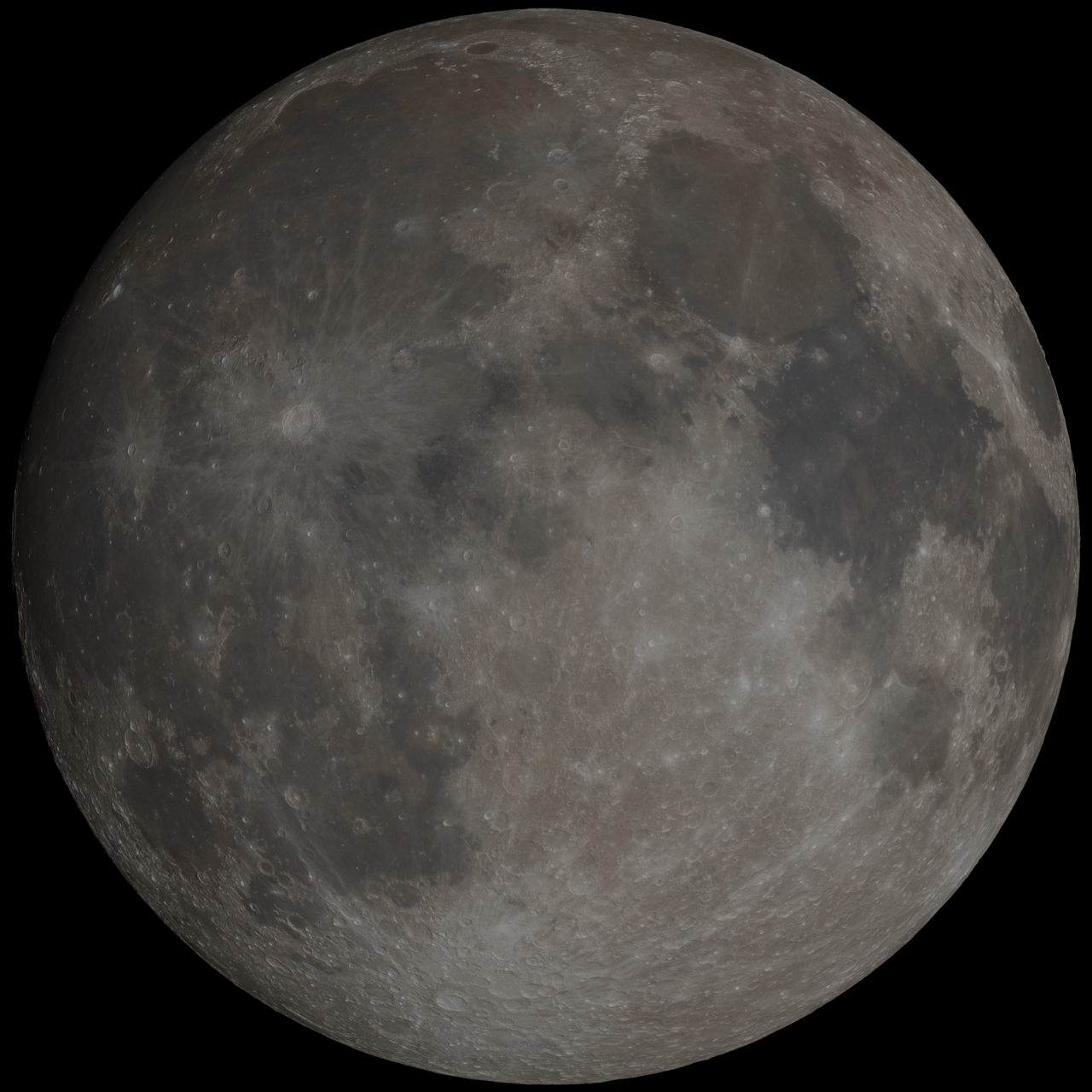
A hand-woven computer, a customs form from the Moon, medals for the rivals, and mirrors still answering lasers — the true details of July 20, 1969 read like tall tales and survive every fact-check. That’s the case for International Moon Day in one sentence: the real story is better than the legends.
Marking the day takes no equipment: the Moon rises tonight like it did that night, and the Sea of Tranquility — the smooth dark patch on the upper right of the face as seen from the Northern Hemisphere — is visible to the naked eye. Point it out to somebody younger. Tell them about the 25 seconds of fuel and the bacon. The whole point of the holiday is that this actually happened, and that, on a clear July evening, you can stand in a driveway and see where.
Like our content? Follow us for more.