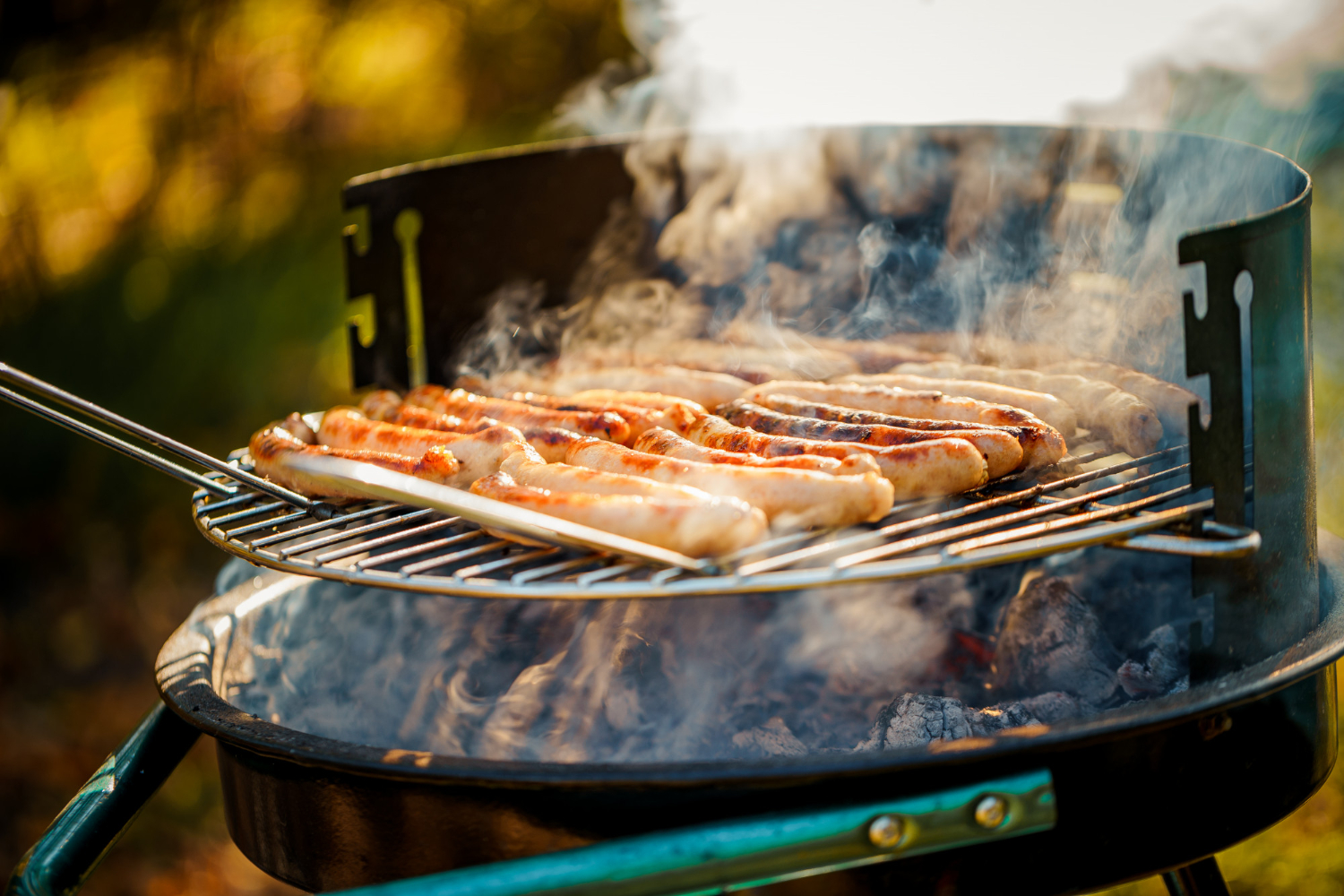
The 1985 American backyard grill produced a substantially different menu than what’s typical in 2026. Specific cuts of meat. Specific marinades. Specific accompaniments. Specific cooking techniques. Most of the 1985 grilling staples have been substantially replaced by alternatives reflecting changes in beef quality, food preferences, dietary awareness, and broader cultural patterns. The menu that defined American backyard grilling 40 years ago has substantially disappeared without most Americans noticing the transition.
The 1985 American backyard grill operated under specific conventions that have substantially changed. Charcoal grills (rather than gas) were typical. Lighter fluid was the standard ignition method. Specific meat cuts dominated the menu. Particular sauces and marinades were standard. Side dishes followed predictable patterns. Most of these elements have been substantially modified or replaced over the past 40 years through specific changes in food culture, ingredient availability, and cooking technology. Walking through what dad actually grilled in 1985 reveals how dramatically American outdoor cooking has changed.
The Specific Beef Cuts (Now Premium)
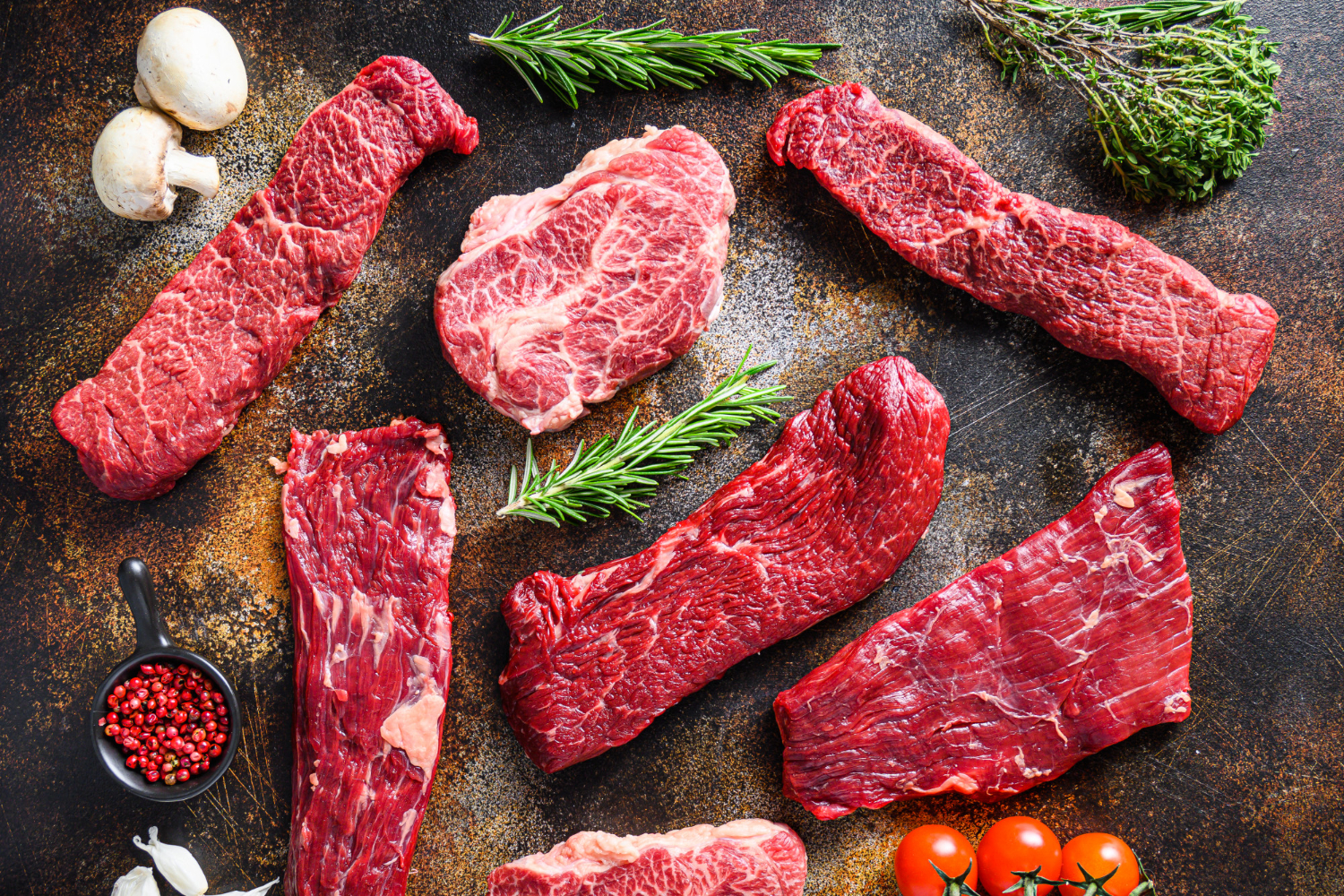
In 1985, ribeye steaks, T-bones, and sirloins were standard backyard grilling cuts — not luxury items but everyday weekend grilling fare. The cuts were typically purchased at grocery stores at prices that would now be considered extraordinary deals. Ribeye averaged around $4-5/pound in 1985 (approximately $11-14/pound in 2026 dollars, but actual current prices typically run $18-30/pound). The cuts that dad grilled routinely have become substantial financial commitments. Modern American backyard grilling has substantially shifted toward less expensive alternatives — chuck roasts, flat iron steaks, ground beef preparations, chicken thighs — as the premium cuts have priced out of regular weekend cooking.
The Marinade Era
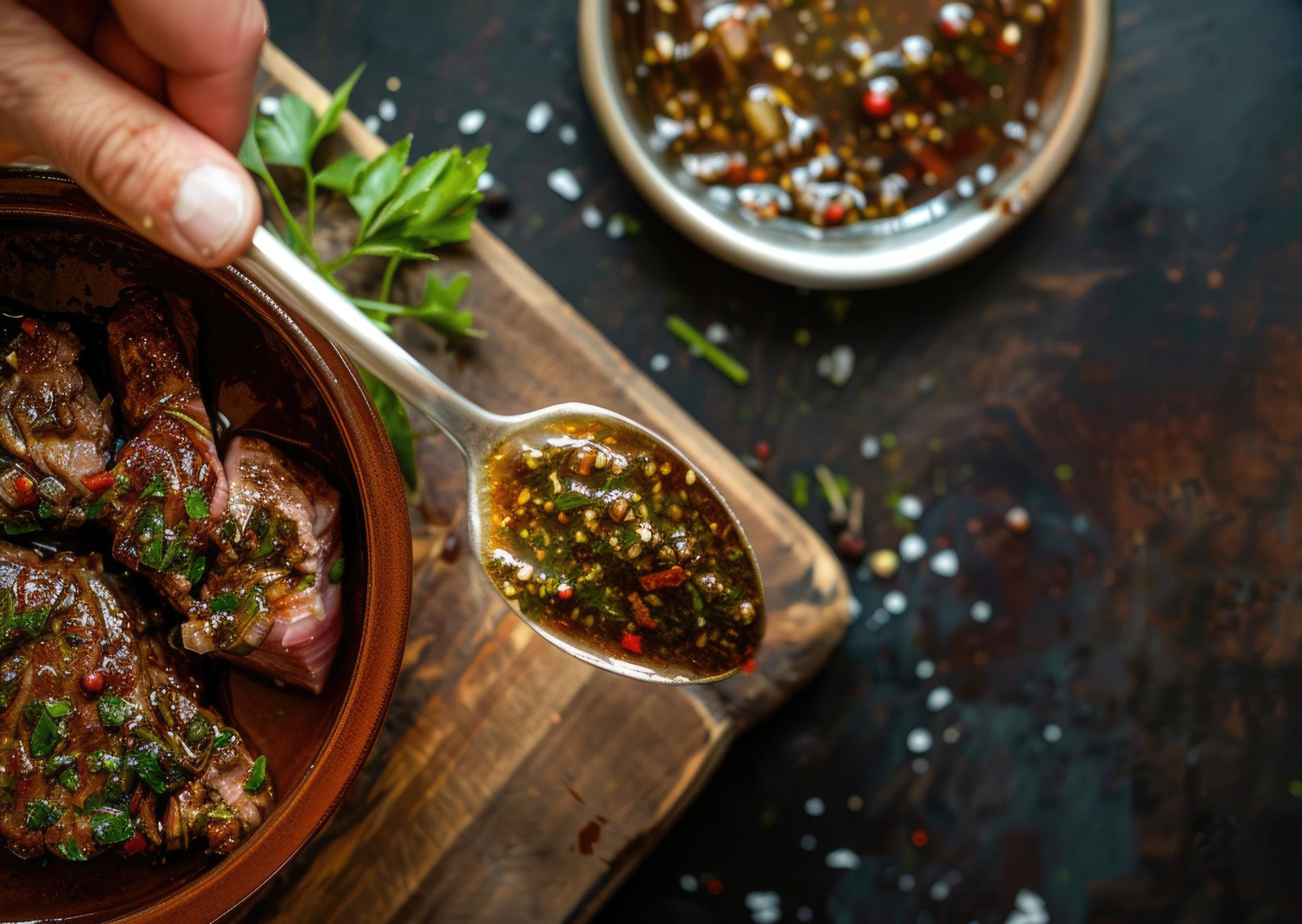
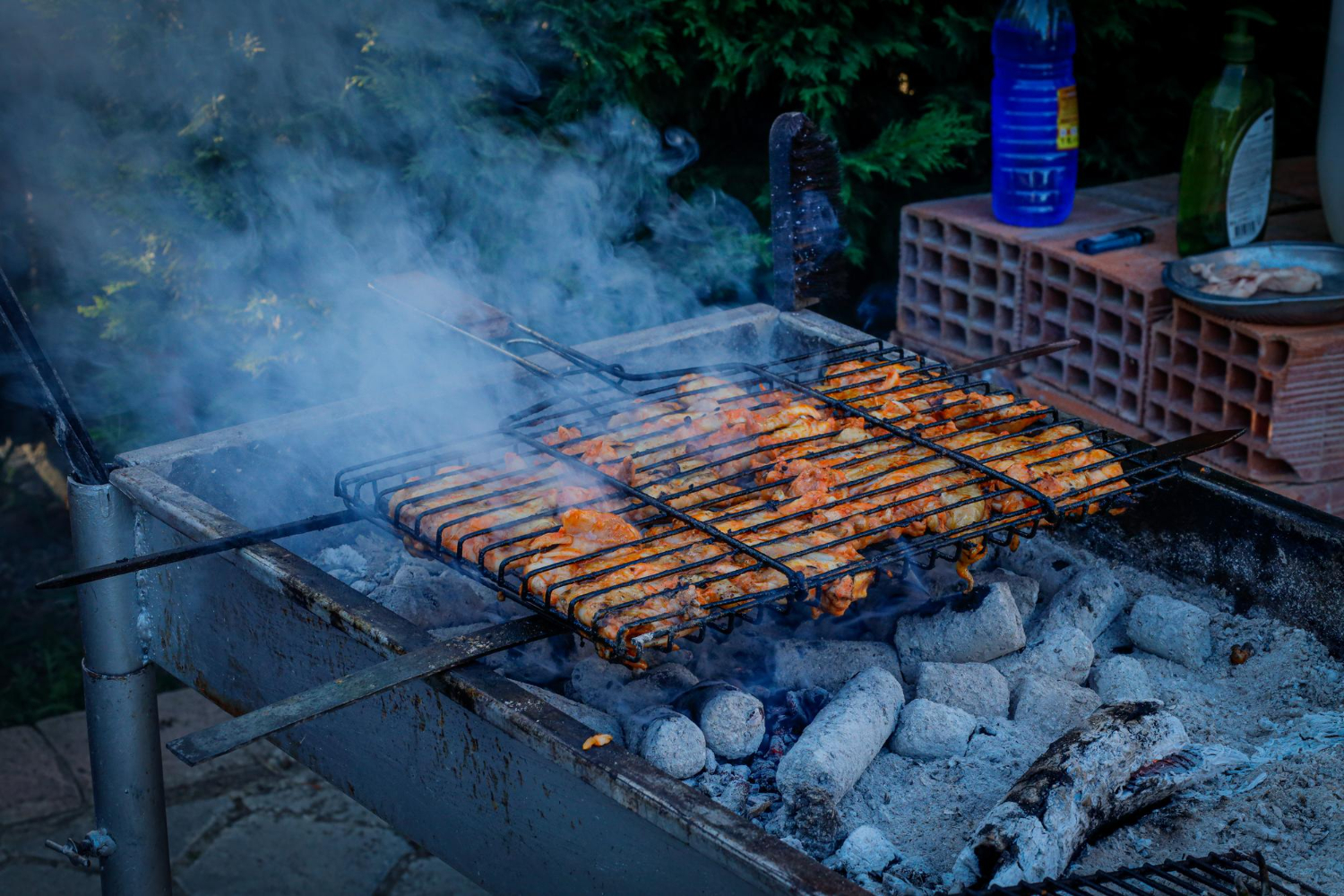
1985 grilling routinely involved substantial marinade work — typically Italian dressing, soy sauce-based marinades, or commercial marinades like Lawry’s. The marinade was applied for hours or overnight before grilling. The technique reflected both the lower-quality cuts of meat available (marinades helped tenderize) and the limited spice selection available in typical 1985 grocery stores. Modern grilling has substantially shifted toward dry rubs, simple seasoning with quality salt and pepper, and post-grilling sauces rather than pre-grilling marinades. The Italian dressing chicken or steak that defined many 1985 grilling experiences has substantially disappeared from contemporary grilling culture.
The Bottle of Lighter Fluid
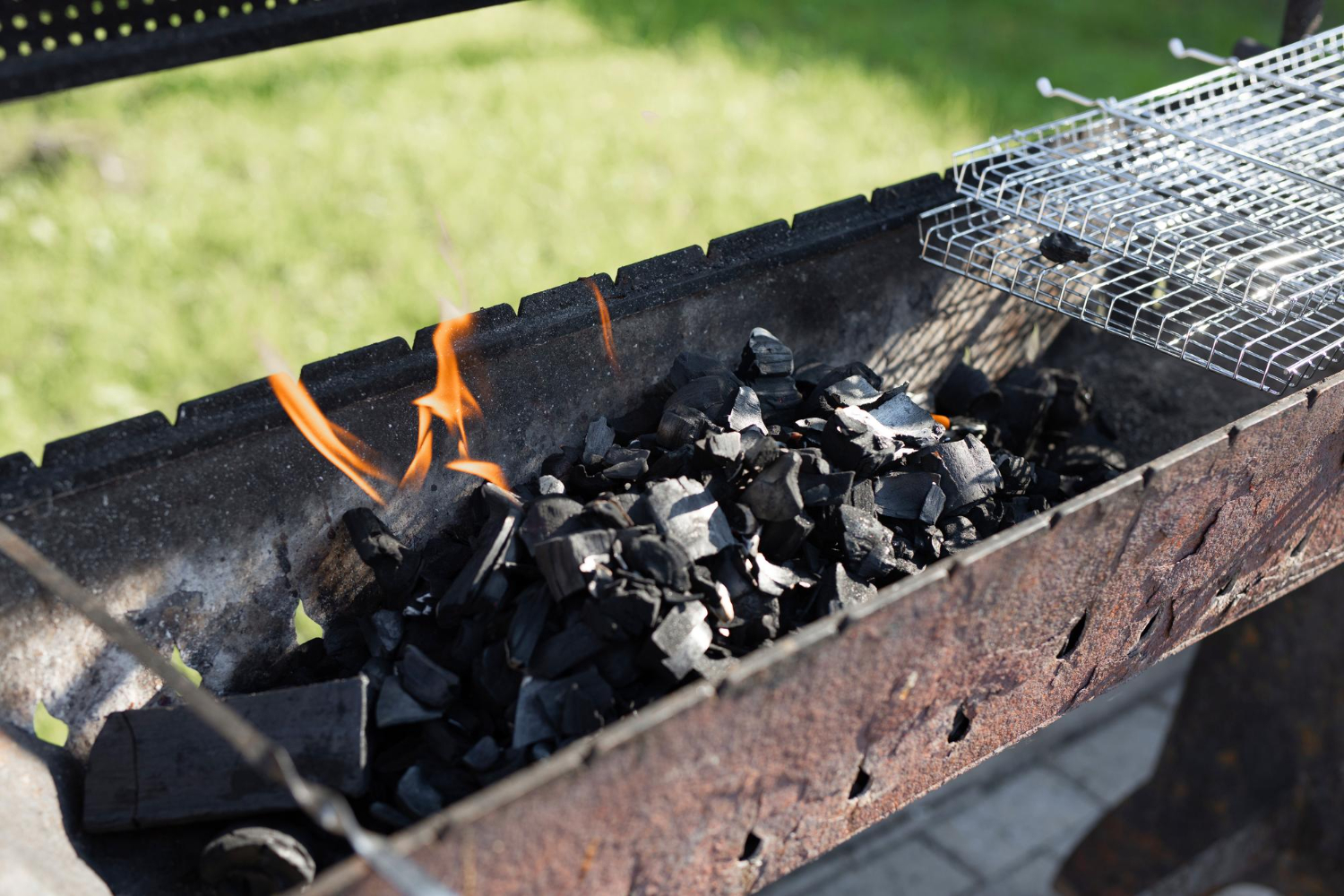
1985 charcoal grilling required specific lighter fluid technique. Briquettes were arranged in pyramid shapes. Lighter fluid was poured generously over them. The pile was lit and allowed to burn down to white-hot coals over 20-30 minutes. The technique produced specific food flavors that were considered desirable. Modern grilling has substantially shifted away from lighter fluid for various reasons: chimney starters provide cleaner alternatives, gas grills eliminate the issue entirely, and various food publications have specifically argued that lighter fluid produces unwanted petroleum flavors. The specific sequence of dousing briquettes with lighter fluid and lighting them dramatically that defined 1985 grilling has substantially disappeared from current best practices.
Hot Dogs and Burgers as Centerpieces
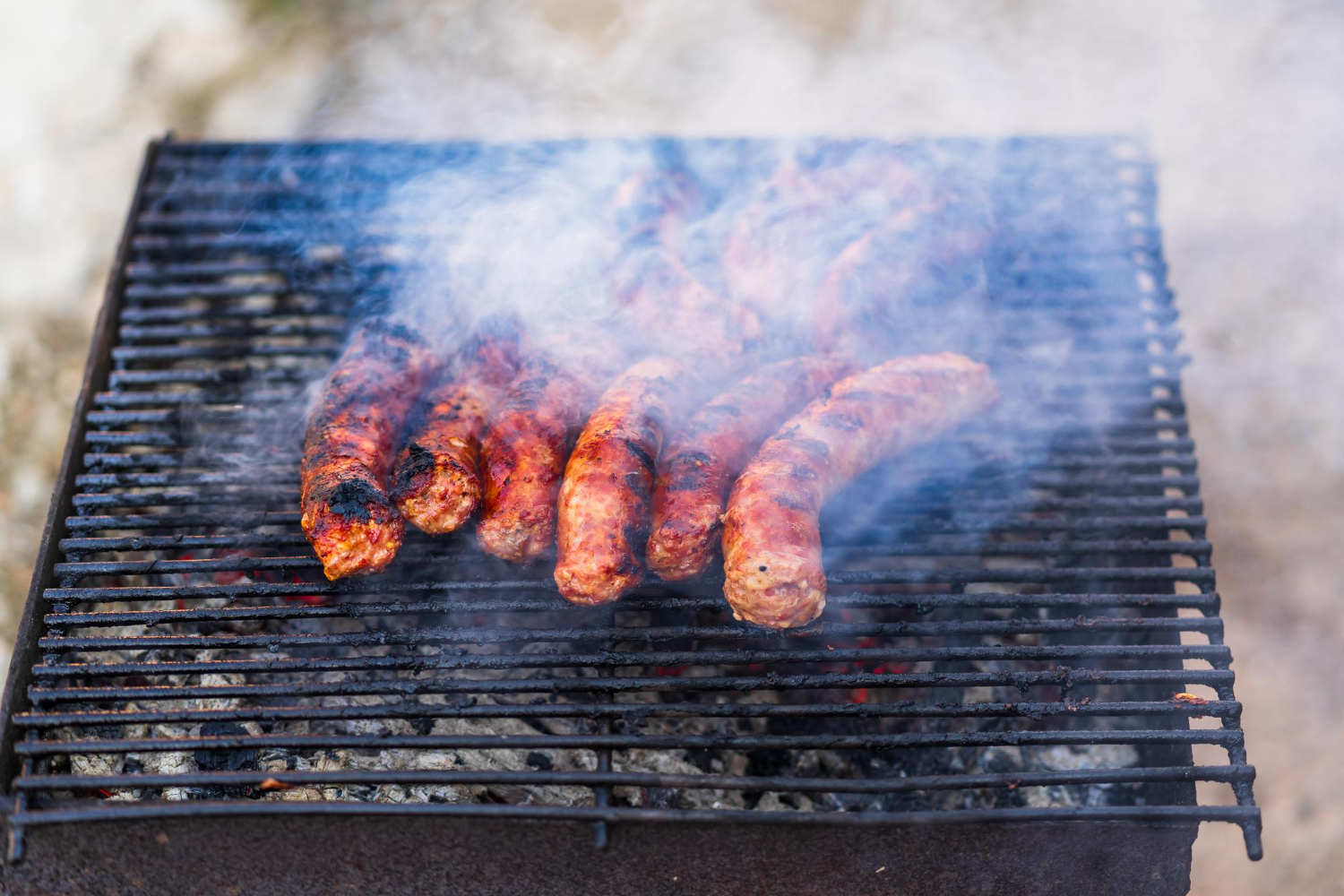
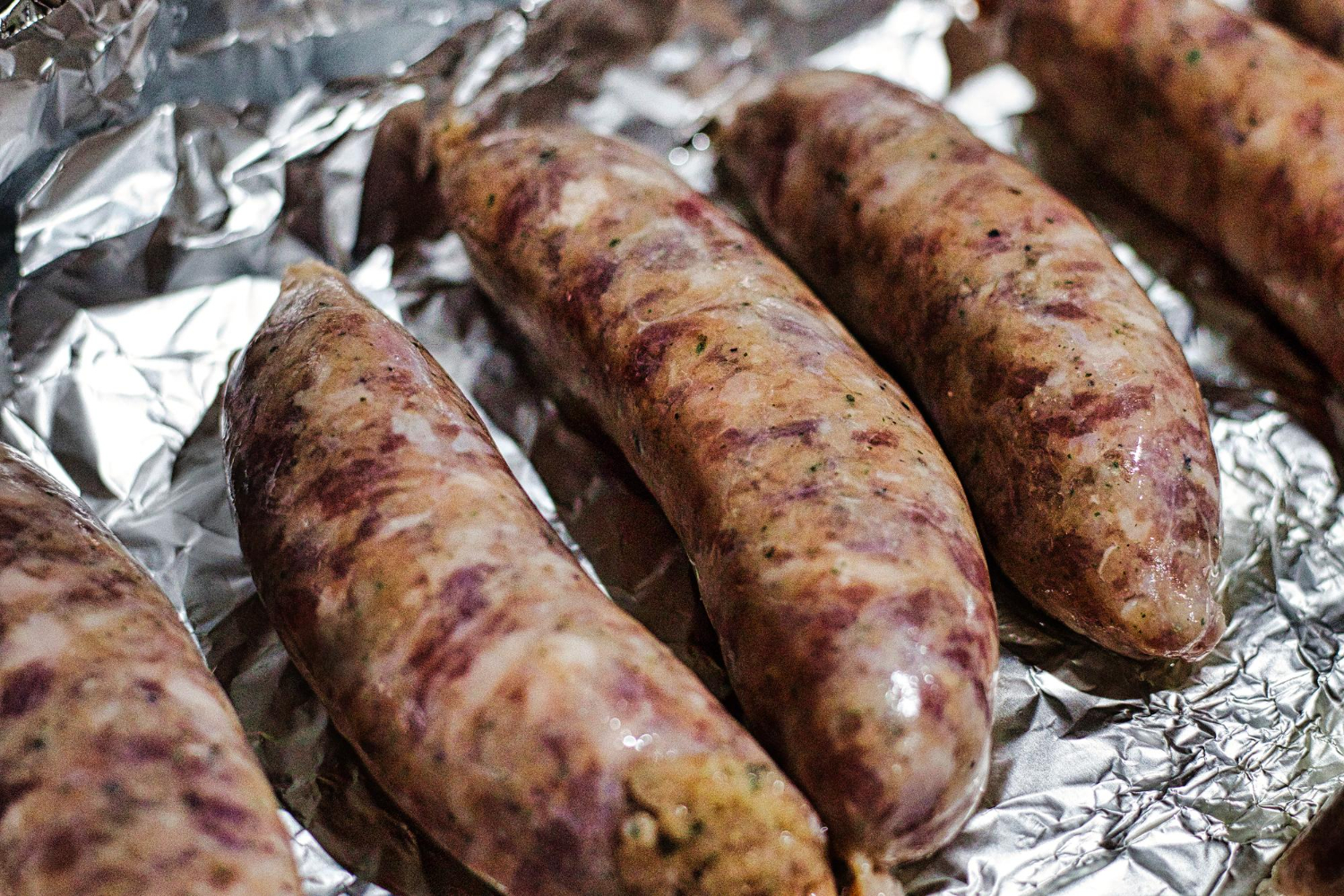
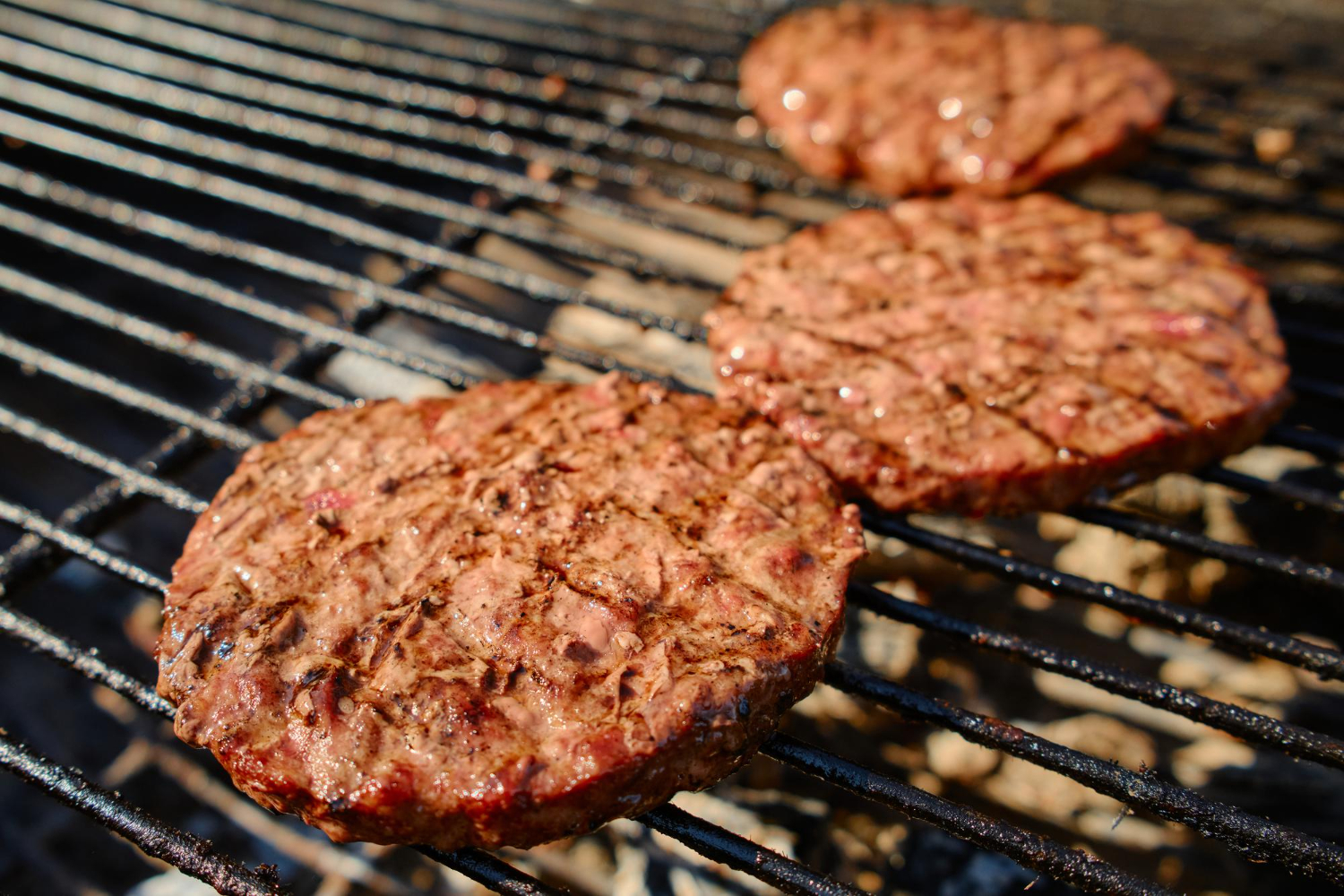
While steaks were occasional weekend events, regular 1985 grilling routinely centered on hot dogs and hamburgers. Standard procedure: ground beef formed into substantial patties (usually too thick by modern standards, producing dry exteriors and undercooked interiors), bratwurst or beef hot dogs from major brands (Oscar Mayer, Hebrew National, Ball Park), white buns from local grocery stores, standard condiments. The whole experience was more accessible than steak grilling and constituted regular weekend cooking. Modern grilling has substantially elevated burger preparation (smash burgers, specific grind-to-fat ratios, brioche buns, gourmet toppings) while substantially diversifying the protein options.
The Specific Side Dishes
1985 backyard grilling included specific side dishes that have substantially disappeared. Three-bean salad (canned beans mixed with vinegar dressing). Macaroni salad (mayonnaise-based with specific accompaniments). Potato salad with substantial mustard component. Coleslaw (typically heavily mayonnaise-based). Watermelon (cut into wedges rather than modern stylized presentations). Corn on the cob (often boiled rather than grilled). Baked beans from cans (Bush’s or similar brands, often “doctored” with brown sugar and mustard). Modern American backyard grilling has substantially expanded side dish options while reducing the specific 1985 staples. Three-bean salad has essentially disappeared from American backyard culture.
Beer in Cans, Specifically
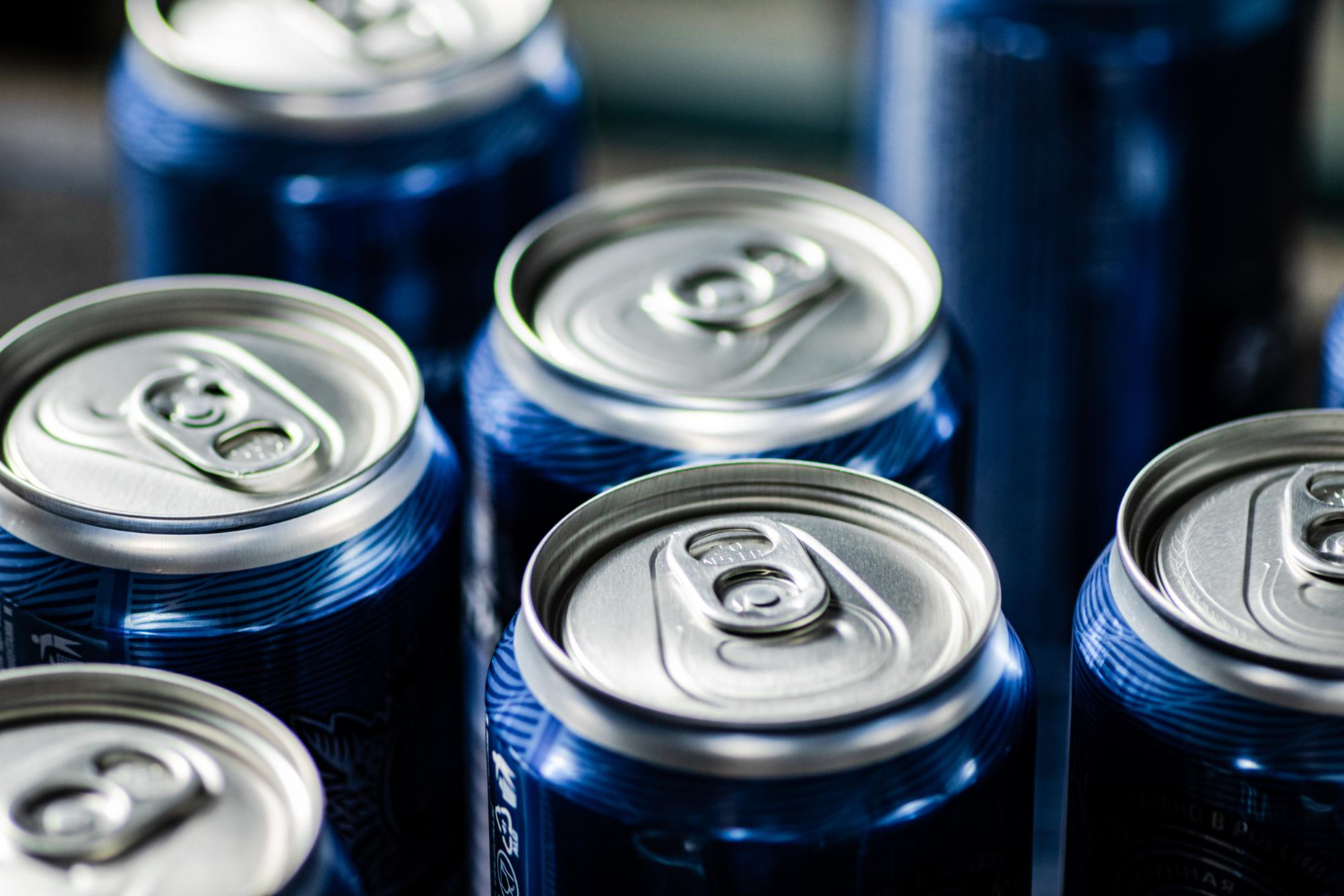
1985 grilling routinely involved beer in specific brands and packaging. Domestic beer dominated — Budweiser, Miller, Coors. Beer came almost exclusively in 12-ounce aluminum cans. Cooler arrangements were specific (ice on top, beer cans buried). The variety was limited (most coolers contained one or two specific brands). Imported beer was rare. Craft beer essentially didn’t exist as a category. Modern American backyard cooking involves substantially different beverage culture — IPA varieties, specific craft brands, hard seltzers, kombucha, sparkling water, various other options. The specific 1985 cooler full of Budweiser cans represents a beverage culture that has substantially disappeared.
The Marlboro Man Smoking Culture
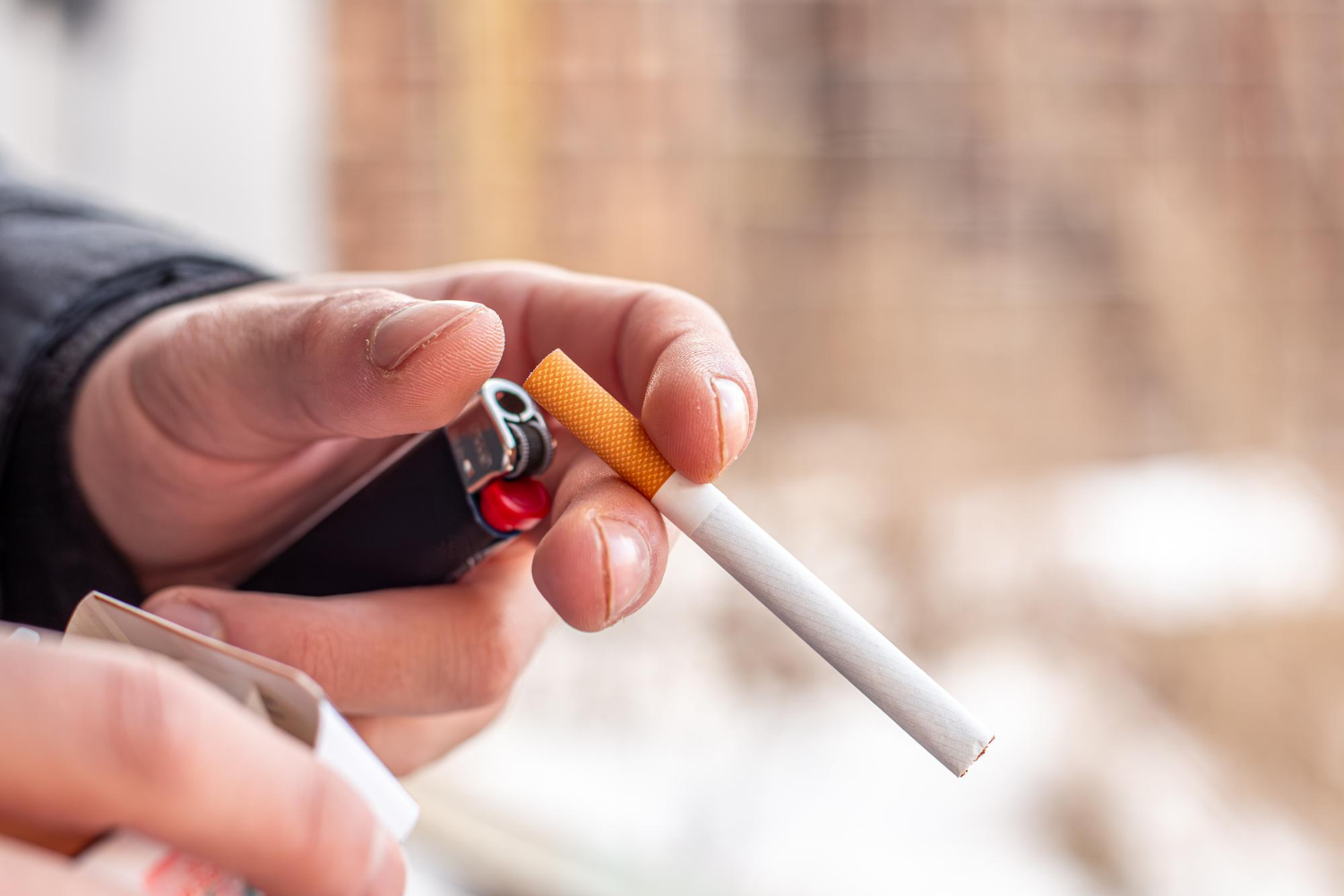
A genuinely uncomfortable element of 1985 grilling: dad routinely smoked while grilling. The combination — Budweiser in one hand, Marlboro in another, while flipping burgers — was substantially common in mid-1980s American backyards. Cigarettes were considered standard adult social behavior in many contexts that have subsequently changed. Modern grilling has substantially eliminated the smoking culture, partly due to declining adult smoking rates (from ~30% in 1985 to ~12% in 2024) and partly due to changed social norms about tobacco use around food preparation and family gatherings. The dad-with-cigarette-while-grilling image has substantially disappeared from American culture.
Aluminum Foil Uses
1985 grilling involved substantial aluminum foil work that has substantially declined. Foil packets for vegetables. Foil-wrapped baked potatoes. Foil “tents” for finishing meat. Foil drip pans. Foil-wrapped corn on the cob. The various foil techniques reflected specific 1985 cooking science (limiting smoke flavor on certain ingredients, controlling moisture, etc.). Modern grilling has substantially reduced foil use through better grill technology, alternative cooking techniques, and changing preferences. Some specific foil techniques continue (particularly for fish and delicate items) but the general 1985 reliance on substantial aluminum foil has substantially declined. Environmental concerns about disposable aluminum have also influenced the change.
The Specific Sauces
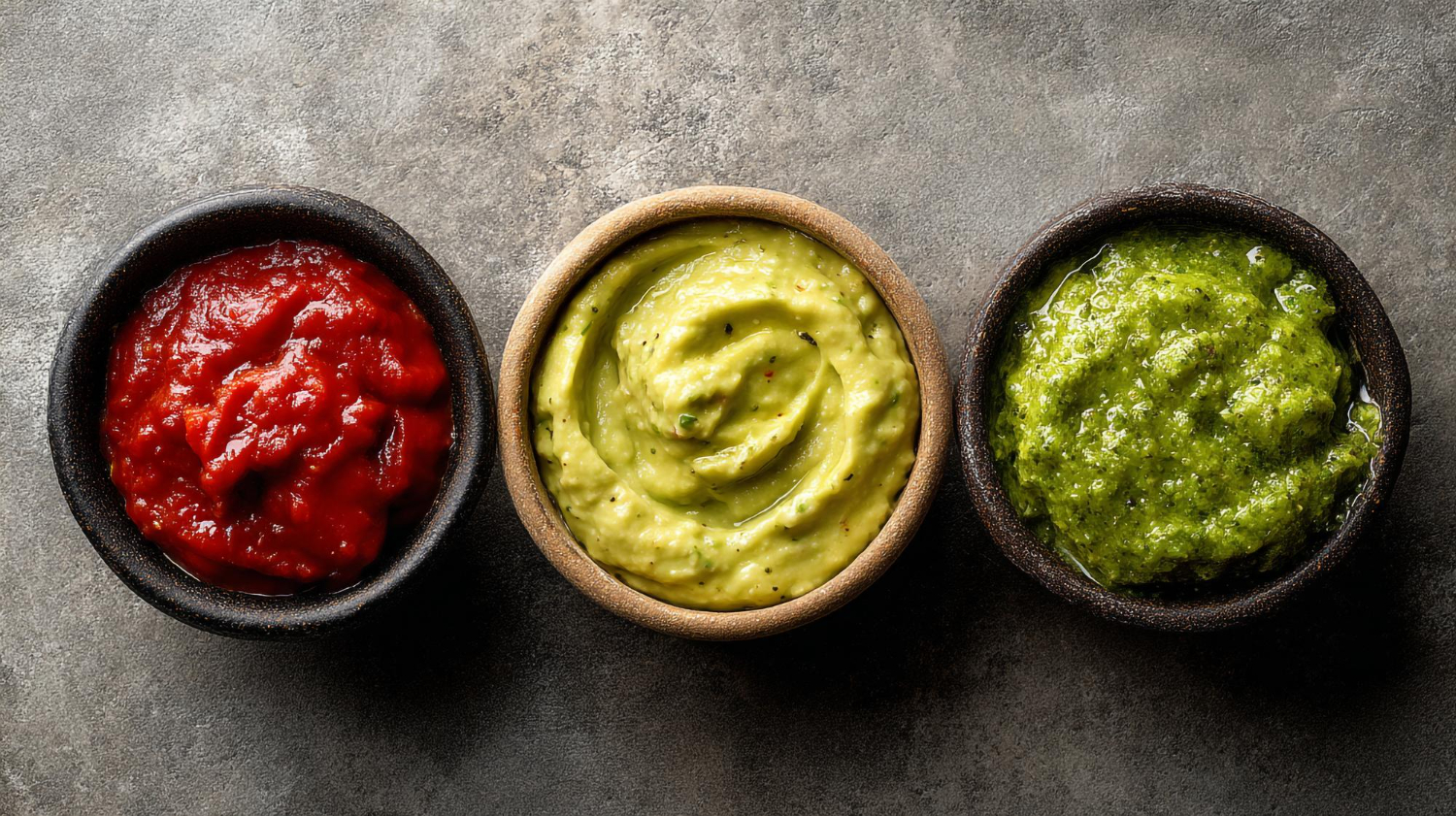
Backyard grilling sauce options in 1985 were substantially limited compared to modern alternatives. KC Masterpiece (introduced 1977). Open Pit BBQ Sauce. Heinz 57. A.1. Sauce. Sweet Baby Ray’s didn’t launch until 1985 itself. Bullseye launched in 1985. The available BBQ sauce variety has expanded enormously since then, with hundreds of regional and craft brands now available alongside the original mass-market options. Modern grilling typically involves substantially more sauce variety and experimentation. The specific 1985 reliance on whatever brands the grocery store stocked has been replaced by substantial sauce specialization. Many modern grilling enthusiasts make their own sauces rather than rely on commercial alternatives.
The Disappearing Charcoal Grilling Tradition
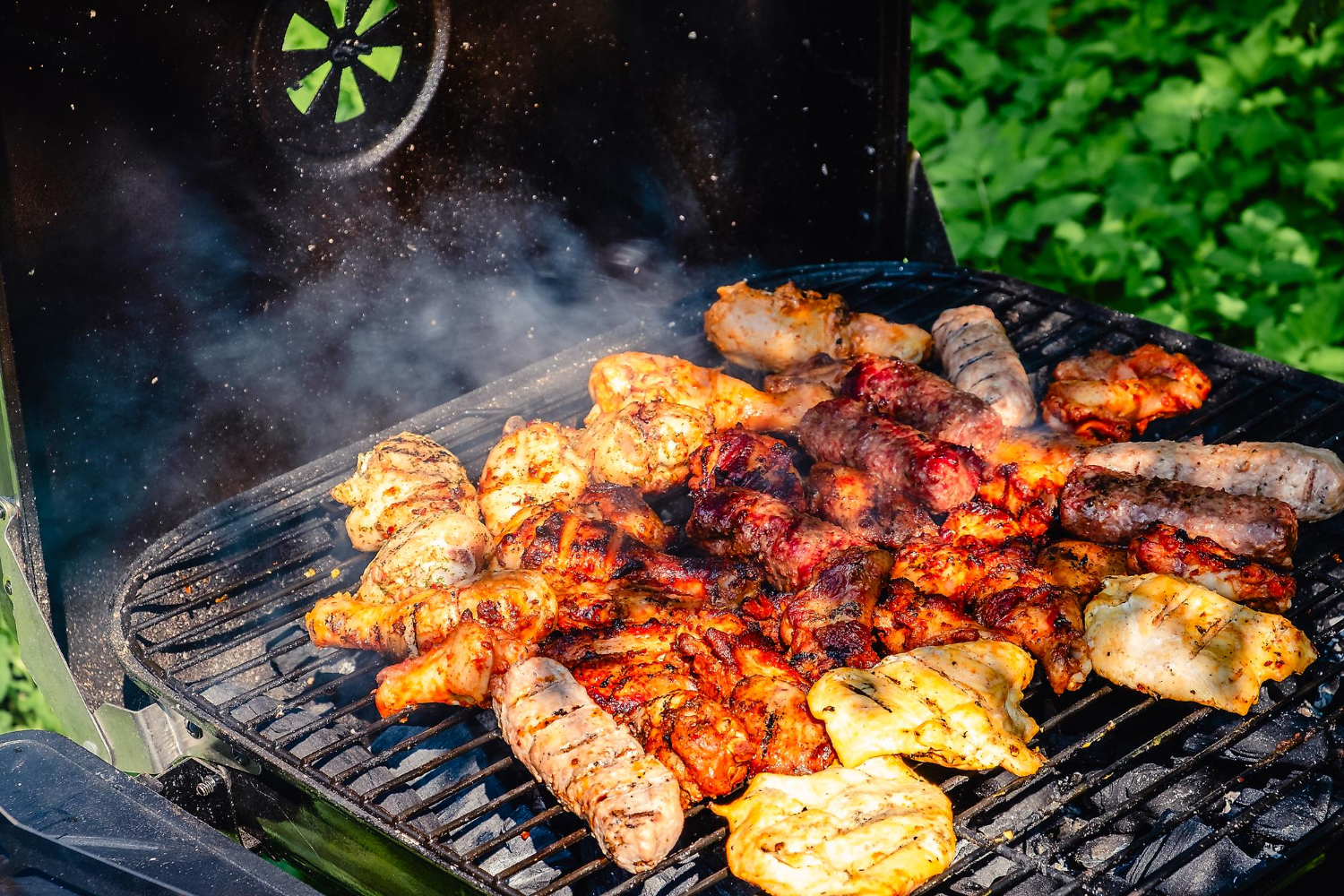
Perhaps the most fundamental change has been the substantial shift from charcoal to gas grilling. In 1985, charcoal dominated American backyard grilling — substantially more than 70% of grills were charcoal. By 2026, the proportion has substantially reversed, with gas grilling dominating new grill purchases. Charcoal continues but has shifted from default to specialty option. The specific 1985 charcoal grilling rituals — building the briquette pile, applying lighter fluid, waiting for coals to grey, managing temperature through coal arrangement — have substantially disappeared from typical American backyard cooking. Modern enthusiasts who specifically choose charcoal for flavor reasons typically use chimney starters and specialty briquettes that didn’t exist in 1985.
What This Transformation Actually Reveals
The shift from 1985 backyard grilling to 2026 backyard cooking reflects substantial changes in food costs, dietary awareness, environmental concerns, technological development, and cultural patterns. The specific menu that defined American outdoor cooking 40 years ago has substantially disappeared. Modern backyard cooking is typically more diverse, more sophisticated, more health-conscious, and more environmentally aware than 1985 versions. It’s also typically more expensive in real terms despite cheaper individual ingredients, more time-intensive in preparation, and substantially more complicated than the simple “throw stuff on the grill” approach that defined 1985. Whether modern grilling represents progress or loss depends on specific factors. What’s clear: the 1985 American grilling experience has substantially disappeared, replaced by alternatives that look different in essentially every aspect from ingredients to technique to social context.