
The Swedish workplace operates under a specific cultural institution that genuinely confuses international visitors: mandatory twice-daily coffee breaks called “fika” (pronounced fee-kah). At 10 AM and again around 3 PM, work essentially stops. Everyone gathers for coffee, pastries, and conversation. The breaks last 15-30 minutes. Skipping them isn’t technically forbidden but is genuinely career-limiting — Swedish colleagues notice, and consistent absence reads as antisocial. Sweden ranks among the world’s top coffee consumers (3-4 cups daily on average) and consistently scores among the world’s happiest countries. The two facts may be related.
Fika is one of those Swedish concepts that doesn’t translate cleanly into English. The closest equivalent — “coffee break” — substantially understates the cultural significance. Fika is both a noun and a verb in Swedish: you can “have a fika” or “fika with someone.” The word derives from the 19th-century slang word for coffee (kaffi) inverted — a linguistic playfulness that captures the informal social spirit of the practice. The word is genuinely embedded in daily Swedish life in ways no single English word matches.
The Two Daily Breaks Specifically

Swedish workplaces typically schedule two formal fika breaks per day. Mid-morning fika: typically around 10 AM, sometimes called “förmiddagsfika” (forenoon fika). Mid-afternoon fika: typically around 3 PM, sometimes called “eftermiddagsfika” (afternoon fika). Each break lasts approximately 15-30 minutes. The timing isn’t arbitrary — it specifically structures the workday around two sustained social pauses that prevent extended periods of isolated work. Some workplaces hold even more frequent fika breaks. The schedule varies by industry and team culture but the basic two-per-day structure is genuinely standard across most Swedish workplaces.
What Actually Happens at Fika
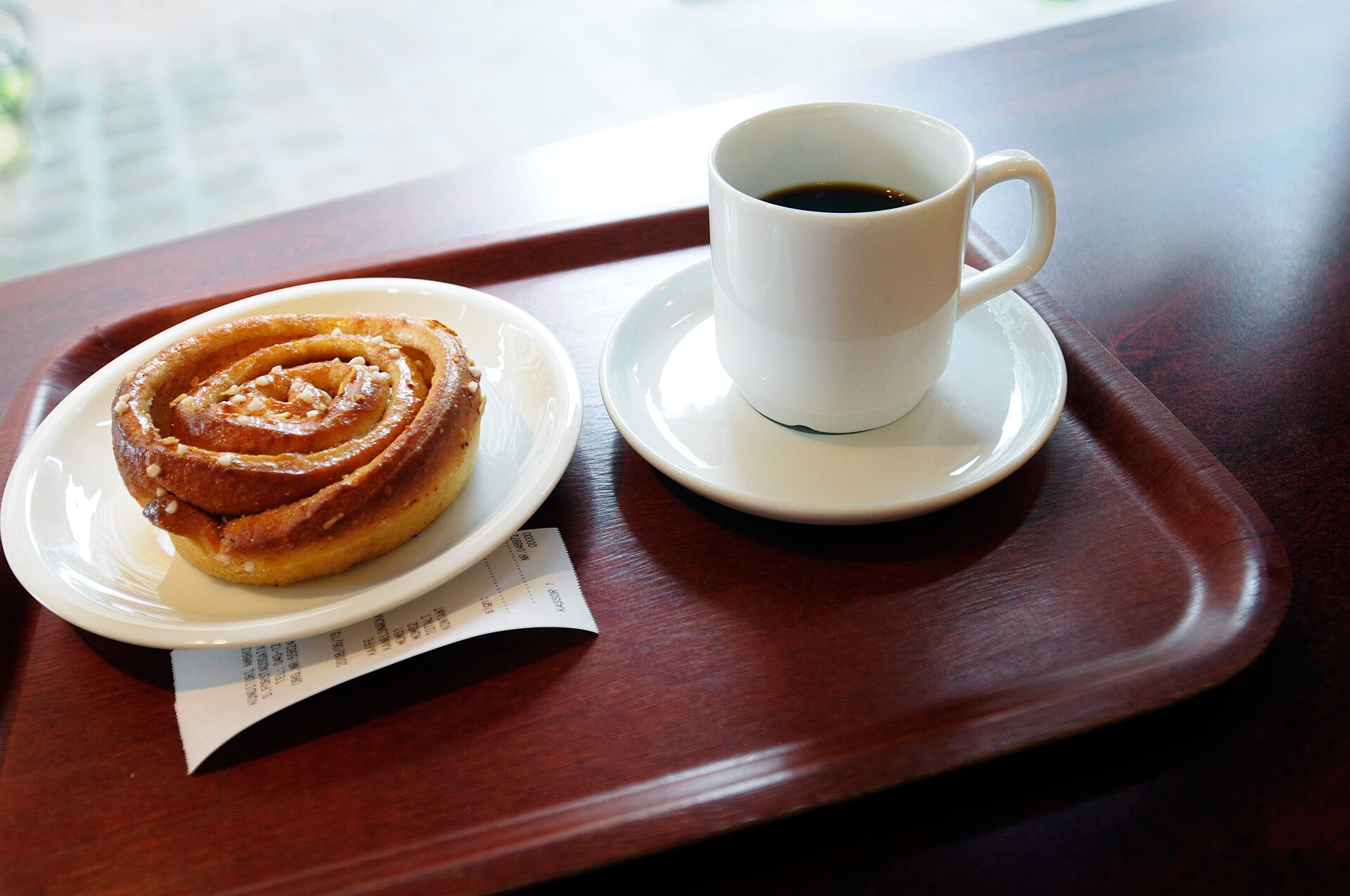
The basic activity is straightforward: colleagues gather in a designated space (kitchen, break room, sometimes outside in good weather), pour coffee from a shared pot, take pastries from a shared spread, and sit down to talk. The conversation is generally non-work focused — weekend plans, family news, current events, sports, cultural topics. Work matters can be discussed but heavy work topics are typically saved for proper meetings. Phones are typically put away. The atmosphere is genuinely relaxed and informal. The hierarchical distinctions that exist in formal work contexts substantially dissolve during fika — interns and CEOs sit at the same table.
The Specific Pastries Involved
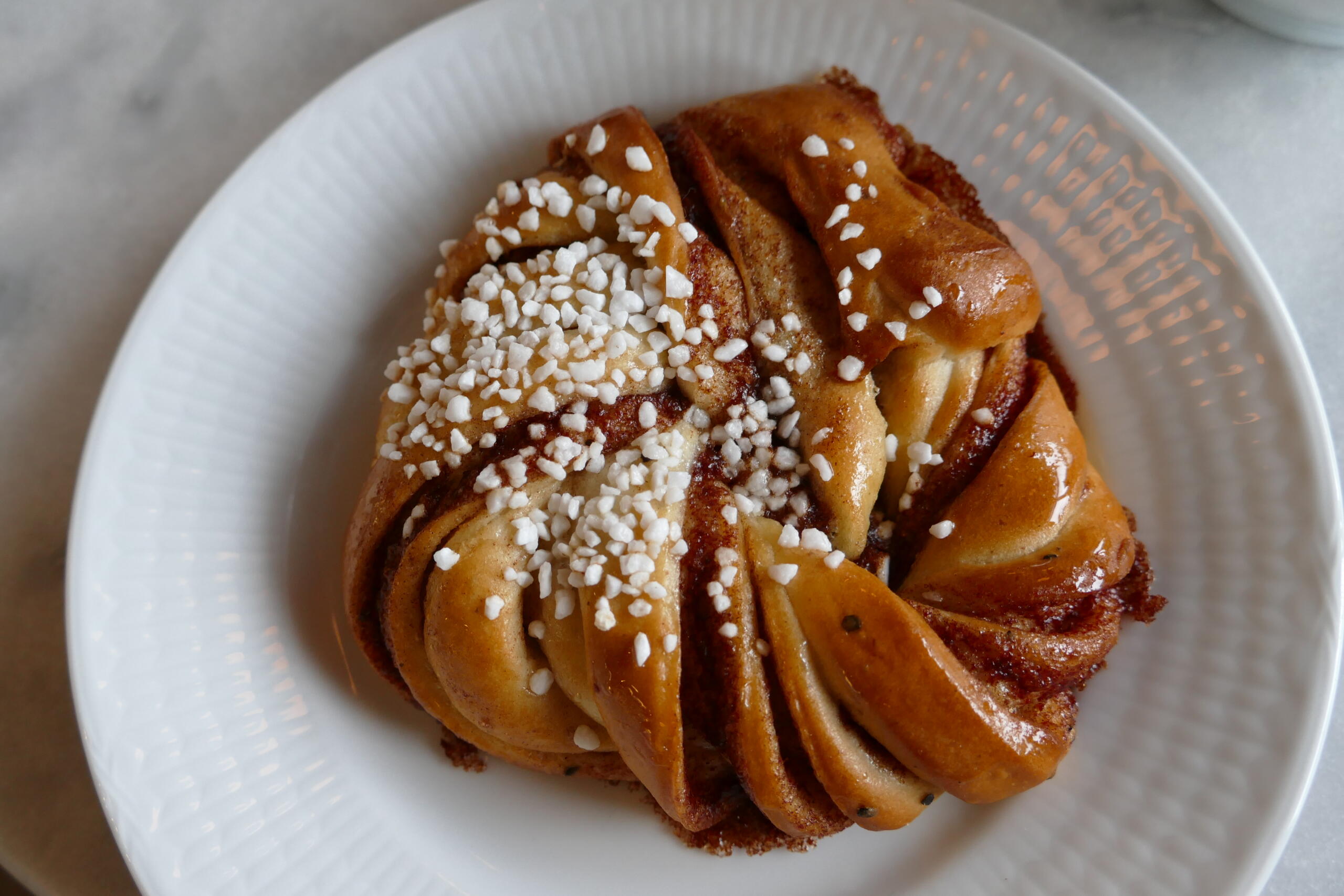
Coffee is essential but pastries (called “fikabröd” — fika bread) are equally important. The most iconic fika pastry is kanelbullar (cinnamon buns) — spiral pastries with cinnamon, sugar, butter, and pearl sugar topping. October 4 is even celebrated as Kanelbullens Dag (Cinnamon Bun Day) in Sweden. Other common fika treats include: kardemummabullar (cardamom buns), chokladbollar (chocolate balls — no-bake oatmeal/cocoa/coffee balls rolled in coconut), kladdkaka (dense chocolate cake similar to brownies), prinsesstårta (princess cake — green marzipan-covered cake), and various cookies. Open-faced sandwiches (smörgås) work for those wanting savory options. The variety reflects substantial Swedish baking tradition rather than incidental snack provision.
Why Skipping It Affects Your Career

International workers in Sweden often initially skip fika to demonstrate work commitment. This is a substantial misreading of Swedish workplace culture. Skipping fika doesn’t read as dedication — it reads as antisocial behavior that suggests you don’t value team relationships. Swedish workplace research consistently shows that fika serves specific functions beyond rest: building team relationships, transferring informal knowledge, identifying potential collaboration opportunities, dissolving hierarchical communication barriers, and developing the trust that makes formal work proceed more smoothly.
Workers who skip fika consistently miss substantial portions of how work actually gets done. They miss the informal conversations where decisions get socialized before formal meetings. They miss opportunities to develop relationships with colleagues outside their direct teams. They become known as people who don’t engage with team culture — a characterization that affects various opportunities for promotion, project assignments, and professional development. The Swedish workplace genuinely values fika as essential rather than optional.
The Coffee Consumption Reality

Sweden ranks among the world’s top coffee-consuming nations — typically third or fourth globally with average per-capita consumption of 3-4 cups daily. The high consumption substantially reflects fika culture rather than just individual preference. The two daily fika breaks alone account for substantial coffee consumption, plus morning coffee at home, plus various other coffee occasions throughout the day. Swedish coffee is typically prepared as filter coffee (brewed in coffeemakers) or sometimes espresso, served in small mugs, often consumed black.
The history matters specifically. Coffee arrived in Sweden in the mid-1670s but became popular among general population over subsequent decades. In 1746, the Swedish king imposed a heavy tax on coffee — Swedes refused to pay and continued consumption anyway. Multiple subsequent attempts to ban or restrict coffee throughout the 18th and 19th centuries failed against Swedish persistence. The persistent embrace of coffee against governmental opposition shaped the eventual cultural integration that produced modern fika.
The Hyggekrok Element (and Why Sweden Isn’t Denmark)

Fika is sometimes confused with the Danish concept of hygge (cozy comfort), but they’re genuinely different things. Hygge is about general atmospheric coziness — candles, blankets, warm lighting, comfort. Fika is specifically about scheduled social coffee breaks with food. Both are Scandinavian wellness concepts but they operate at different scales and serve different functions. Swedes have their own concepts that overlap with hygge (mysigt — “cozy”), but fika is genuinely distinct as a specific institution rather than general atmosphere.
The distinction matters because international visitors often try to participate in “hygge fika” or similar combinations that don’t quite work in Sweden. Authentic Swedish fika has specific elements: scheduled timing, social participation, specific food expectations, conversational rhythms. The combination produces something more structured than hygge while remaining warmer than typical “coffee break” culture elsewhere.
How International Visitors Should Participate

Practical guidance for international visitors and new arrivals to Sweden. Accept invitations to fika even when busy — showing up matters more than staying long. If you don’t drink coffee, order tea or any other beverage — what matters is presence, not specific consumption. Bring something occasionally if hosting fika at someone’s home — pastries, cookies, or other treats appropriate for sharing. Don’t bring up heavy work topics during workplace fika unless invited to do so. Put your phone away — fika is specifically about being present with the group. Don’t rush — fika is supposed to be a real pause rather than a brief interruption. Learn a few basic Swedish phrases for common fika interactions even if you primarily speak English at work.
The Mental Health Connection

Modern research has substantially supported the wellness benefits of fika-style scheduled social breaks. Multiple studies have documented reduced stress, improved workplace satisfaction, better team cohesion, increased productivity, and various other measurable benefits among workers who participate in regular structured social breaks. The Swedish model has been studied as one of the more successful institutional implementations of these benefits.
The connection to Swedish national happiness rankings (Sweden consistently ranks in the top 10 of the World Happiness Report) is genuine but complex. Fika is one of many factors contributing to Swedish wellbeing. Universal healthcare, strong social safety nets, work-life balance regulations, parental leave policies, and various other factors all contribute. But fika represents the cultural texture that makes these institutional supports actually function in daily life — the regular social practice that builds the relationships, trust, and community that other policies depend on.
What Fika Actually Represents
Fika represents what’s possible when a culture deliberately maintains structured time for human connection and brief rest within work culture. Sweden didn’t accidentally develop the institution — generations of Swedes have collectively maintained fika despite various pressures (economic globalization, productivity culture, technology distraction) that have eliminated similar practices elsewhere. The institution requires sustained collective commitment to function — individual workers must show up, employers must schedule the time, communities must value the practice. Modern fika reflects approximately 250 years of accumulated Swedish cultural development integrating coffee consumption, social practice, and workplace organization. For visitors and new arrivals, participating in fika provides genuine entry into Swedish cultural life that observation alone cannot match. The 15-30 minutes invested twice daily in fika substantially affects everything else about how Swedish work and social life function. The fact that it works so well in Sweden suggests possibilities for similar practices elsewhere — but the Swedish version represents accumulated cultural development that other countries cannot easily replicate through mere policy adoption.