


Our homes are meant to be sanctuaries, yet they can harbor unseen threats. While we diligently clean visible dirt, microscopic organisms often thrive in unexpected places. From the devices we touch most frequently to the tools we use for cleaning, many everyday items can be significantly dirtier than we realize, potentially impacting our health. Understanding these hidden germ hotspots is the first step toward a cleaner, healthier living environment.
1. Kitchen Sponges
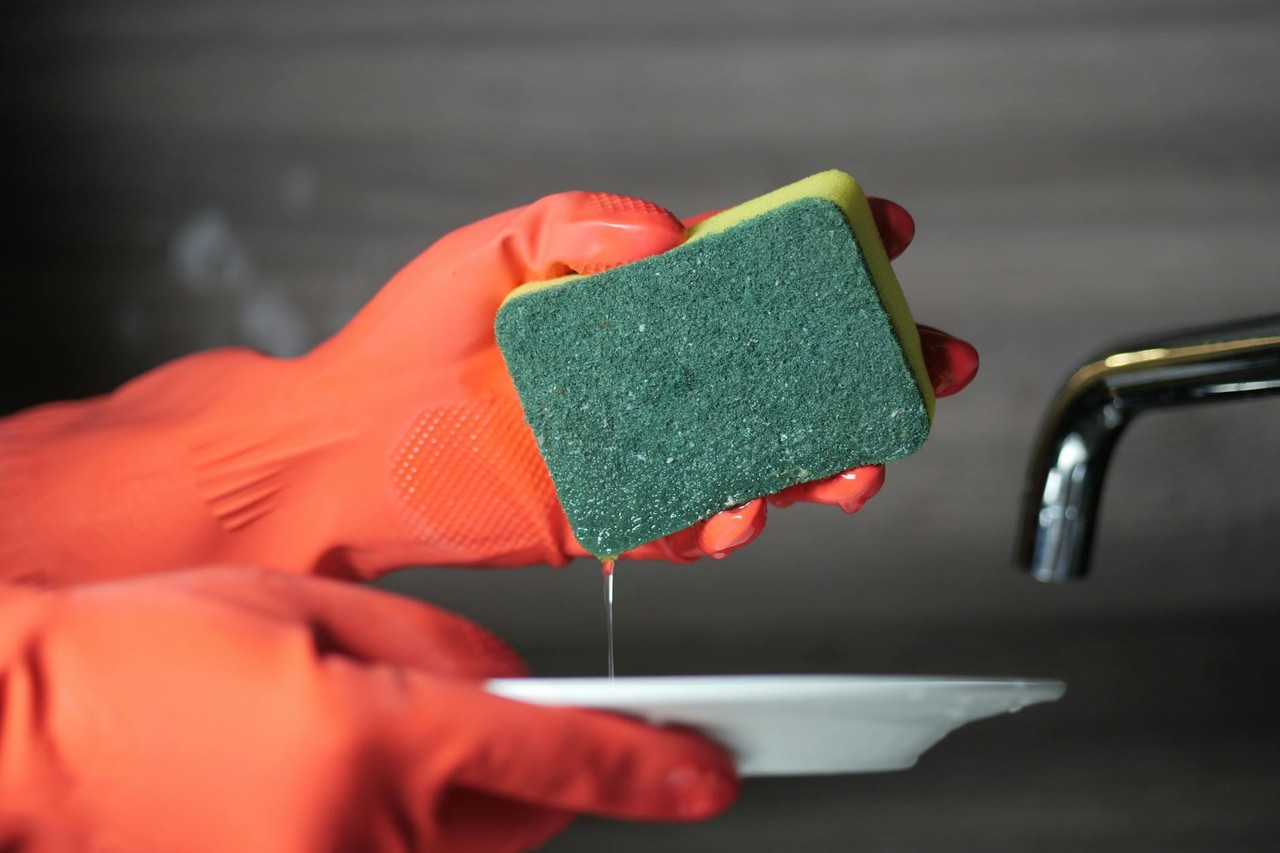
Kitchen sponges are notorious breeding grounds for bacteria due to their porous, damp nature, which holds onto food particles and moisture. Studies have revealed that sponges can harbor millions of bacteria, with some research indicating up to 7.9 million bacteria per sponge. These microbes can include coliform bacteria, indicative of fecal contamination. A study even found that after just two weeks, a sponge can harbor millions of bacteria. To combat this, disinfect sponges weekly or replace them every two weeks, especially if they develop an odor.
2. Toothbrushes
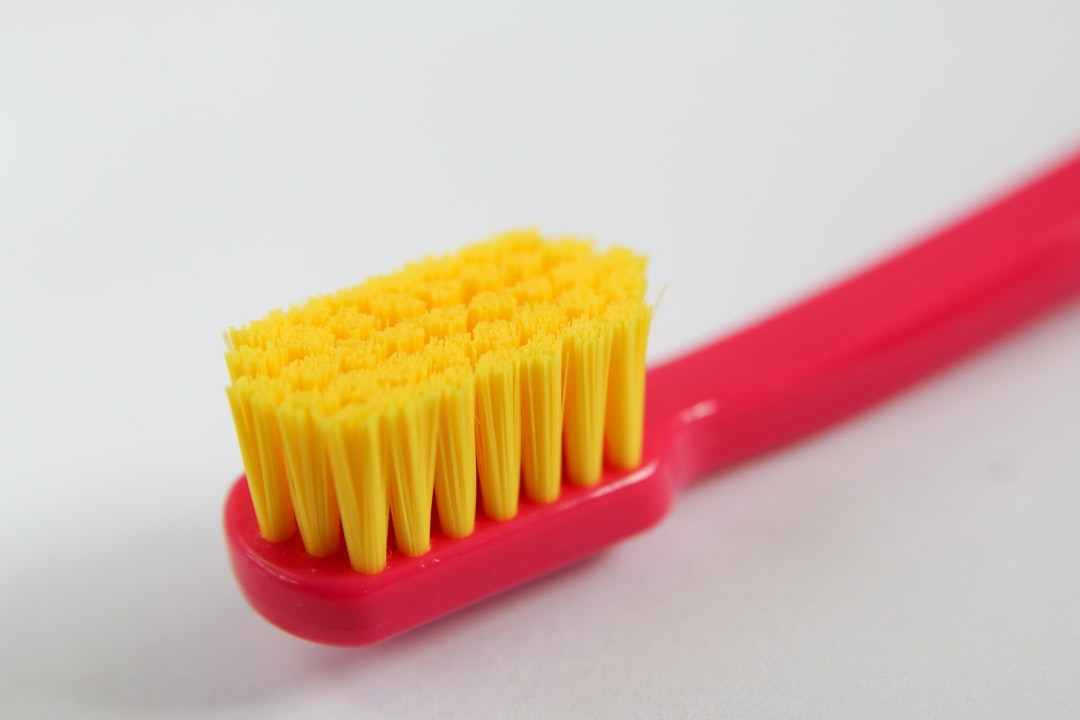
Despite their purpose of cleaning, toothbrushes can accumulate a significant amount of bacteria from the mouth, environment, and even storage containers. Research indicates that an uncovered toothbrush can harbor over 100 million bacteria on its bristles. These can include potentially pathogenic bacteria and viruses such as Staphylococcus aureus and E. coli. Bacteria thrive in the moist environment of a bathroom, and storing toothbrushes in closed containers can increase bacterial growth. It is recommended to replace toothbrushes every three to four months or sooner if the bristles become frayed or after an illness.
3. Smartphones
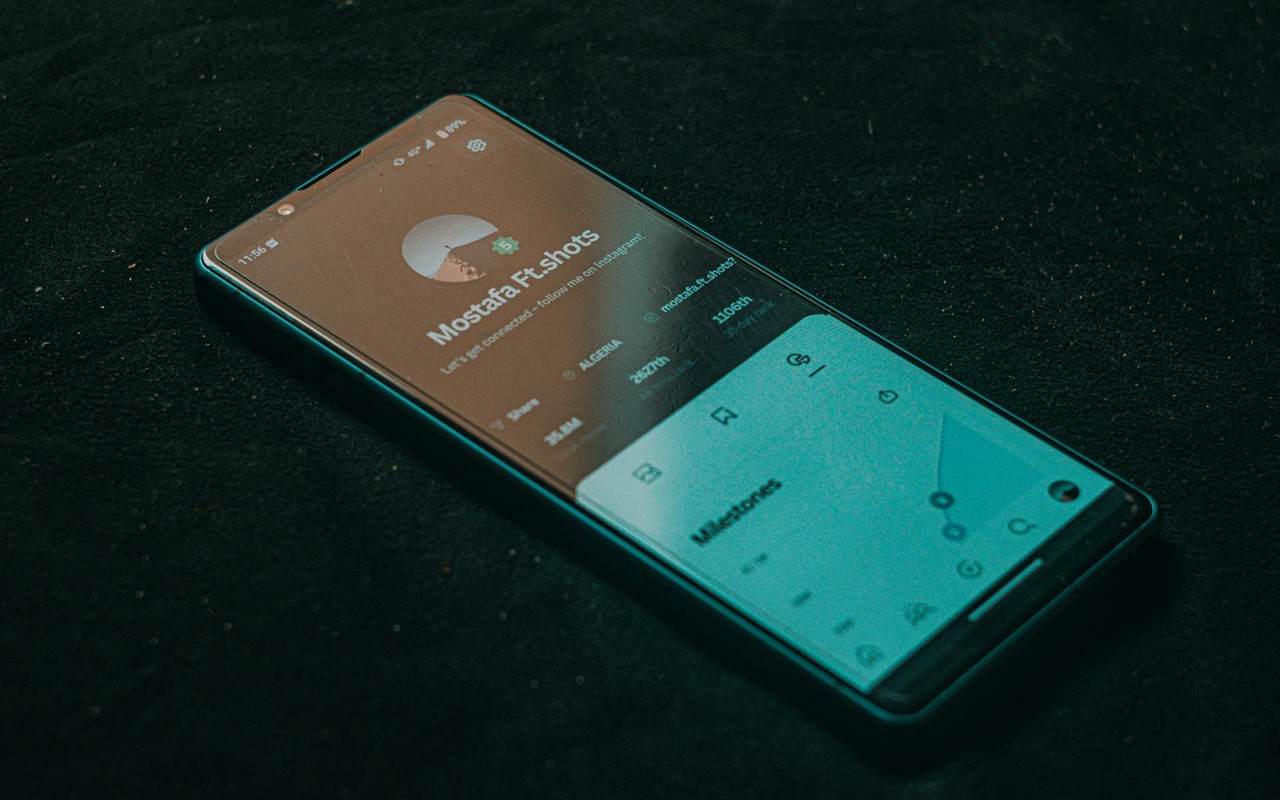
Our smartphones travel with us everywhere, making them prime surfaces for germ accumulation. Studies have shown that smartphones can carry significantly more bacteria than a toilet seat; one study found that the average phone has 10 times the bacteria of a toilet seat. These devices can harbor E. coli, Salmonella, and Staphylococcus aureus, among other microorganisms. The constant handling and warmth of phones create an ideal breeding ground for bacteria, especially if they are taken into bathrooms or other unhygienic environments. Regular cleaning with appropriate solutions is advised, ideally weekly or even twice weekly for high-risk users.
4. TV Remote Controls
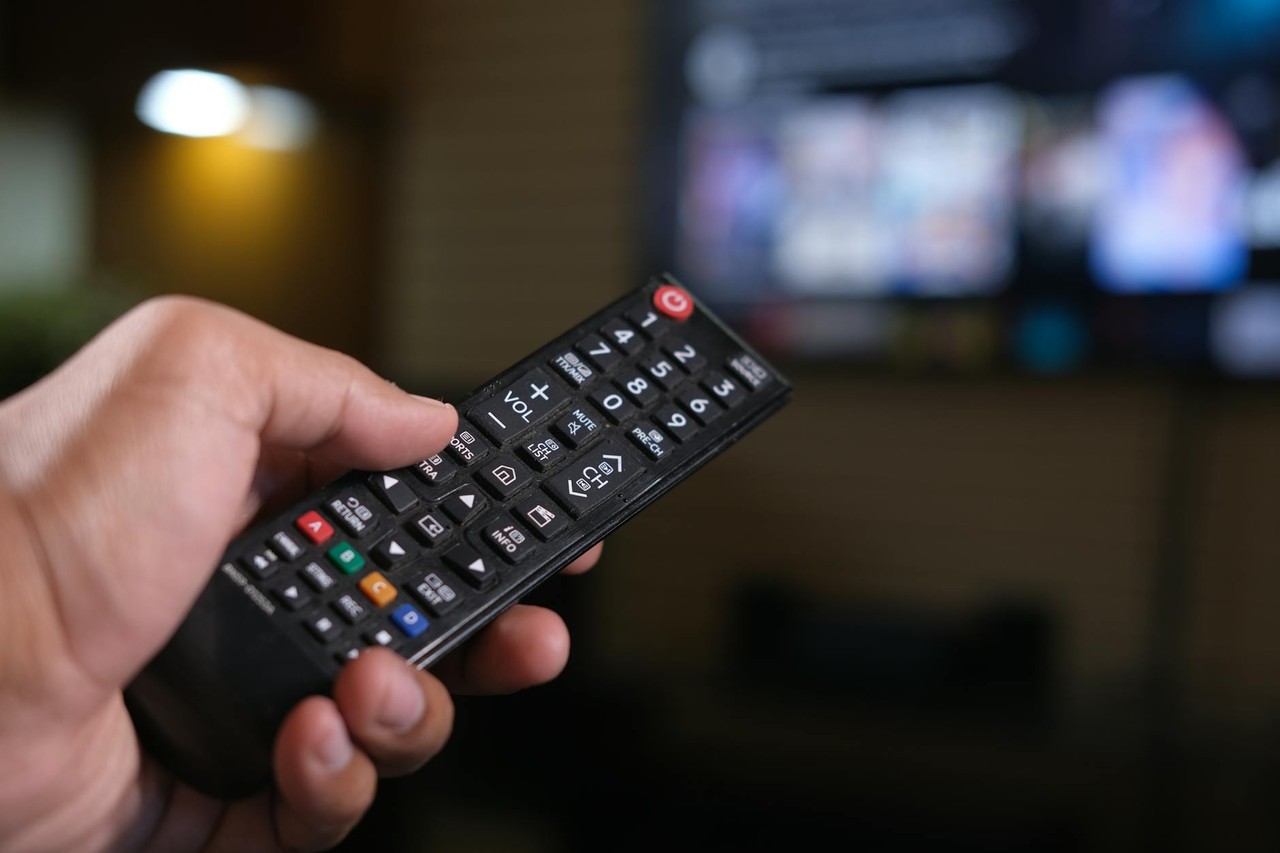
The television remote control is frequently touched by multiple people and rarely cleaned, making it a significant germ carrier. Research has found that TV remotes can harbor very high levels of bacteria, with one study indicating they carry 15 times more Enterobacter bacteria than a toilet seat. Enterobacter is a type of bacteria found in feces and can potentially spread diseases. Studies have detected fecal matter and harmful bacteria on a high percentage of remote controls. Regular cleaning with antibacterial solutions is recommended, ideally weekly.
5. Kitchen Towels and Dishcloths
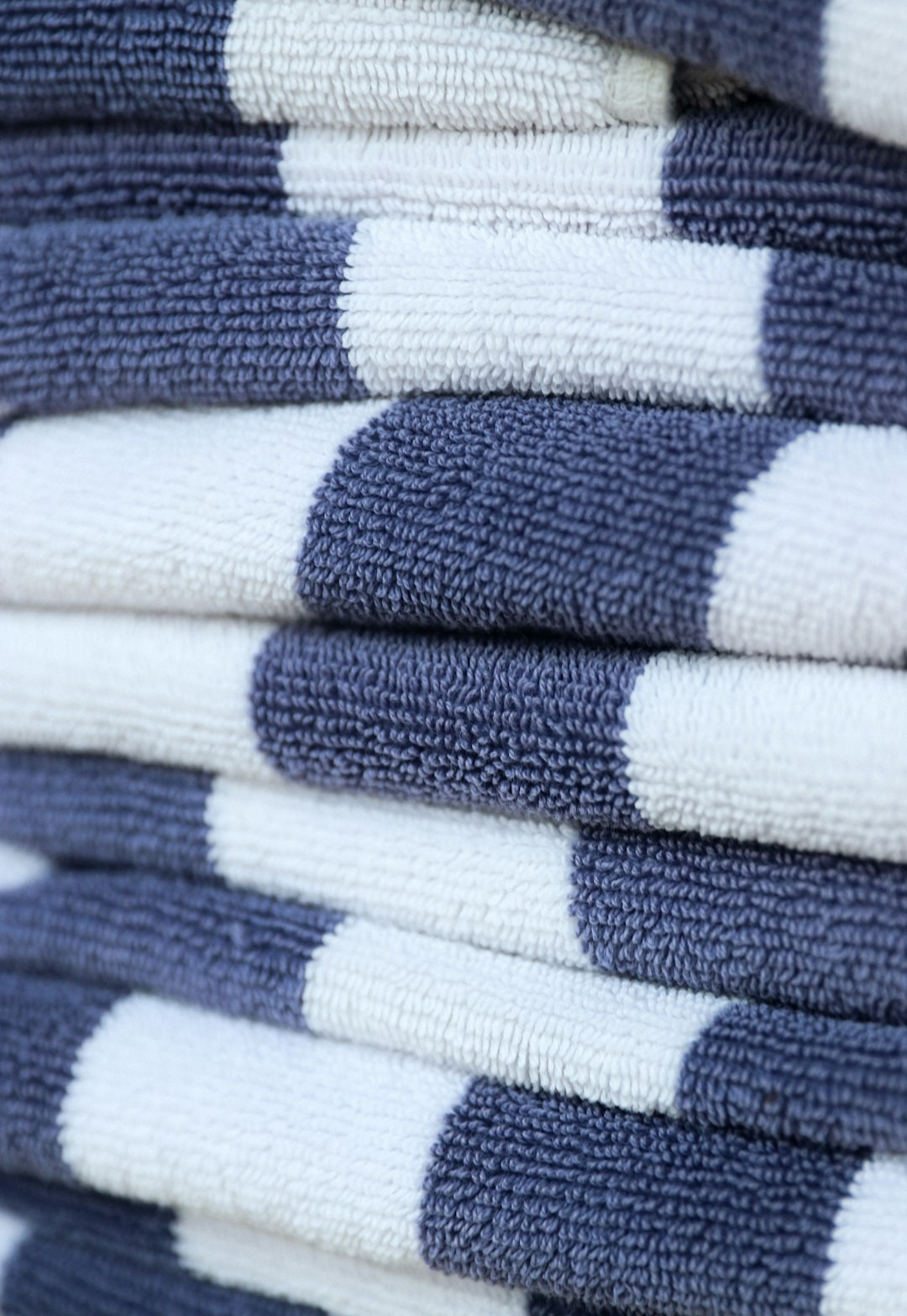
Kitchen towels and dishcloths are constantly used for drying hands, dishes, and wiping surfaces, making them excellent vehicles for spreading germs. Martha Stewart recommends replacing them at least once a week, as they can become breeding grounds for bacteria that thrive in warm, moist environments with food particles. Studies have found kitchen towels can contain significantly more bacteria than a toilet seat. If a towel smells musty, is stained, or has been used for a week, it’s time for a wash or replacement. They should be washed in hot water, ideally dried in a dryer for added sanitization.
6. Cutting Boards
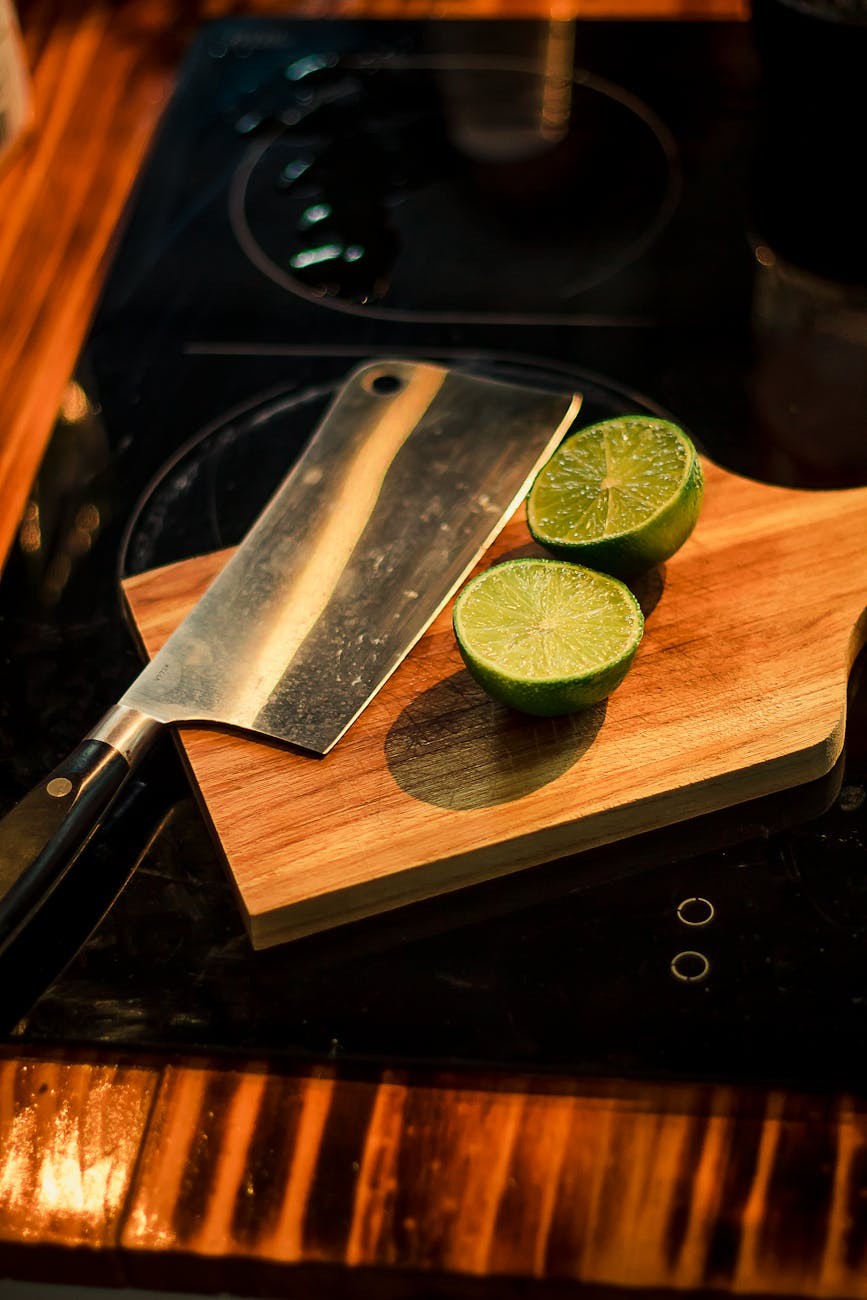
Cutting boards, especially those that are old or heavily scratched, can harbor significant bacteria, posing a risk for foodborne illnesses. Research indicates that an old chopping board can host at least 24,000 bacteria per square centimeter, making it 200 times dirtier than a toilet seat. Bacteria like Salmonella and E. coli can become trapped in the scratches, and cross-contamination is a major risk if the same board is used for raw meats and vegetables without proper cleaning. Wooden cutting boards possess natural antibacterial properties, but proper cleaning and sanitization after each use are crucial for all types of boards.
7. Light Switches
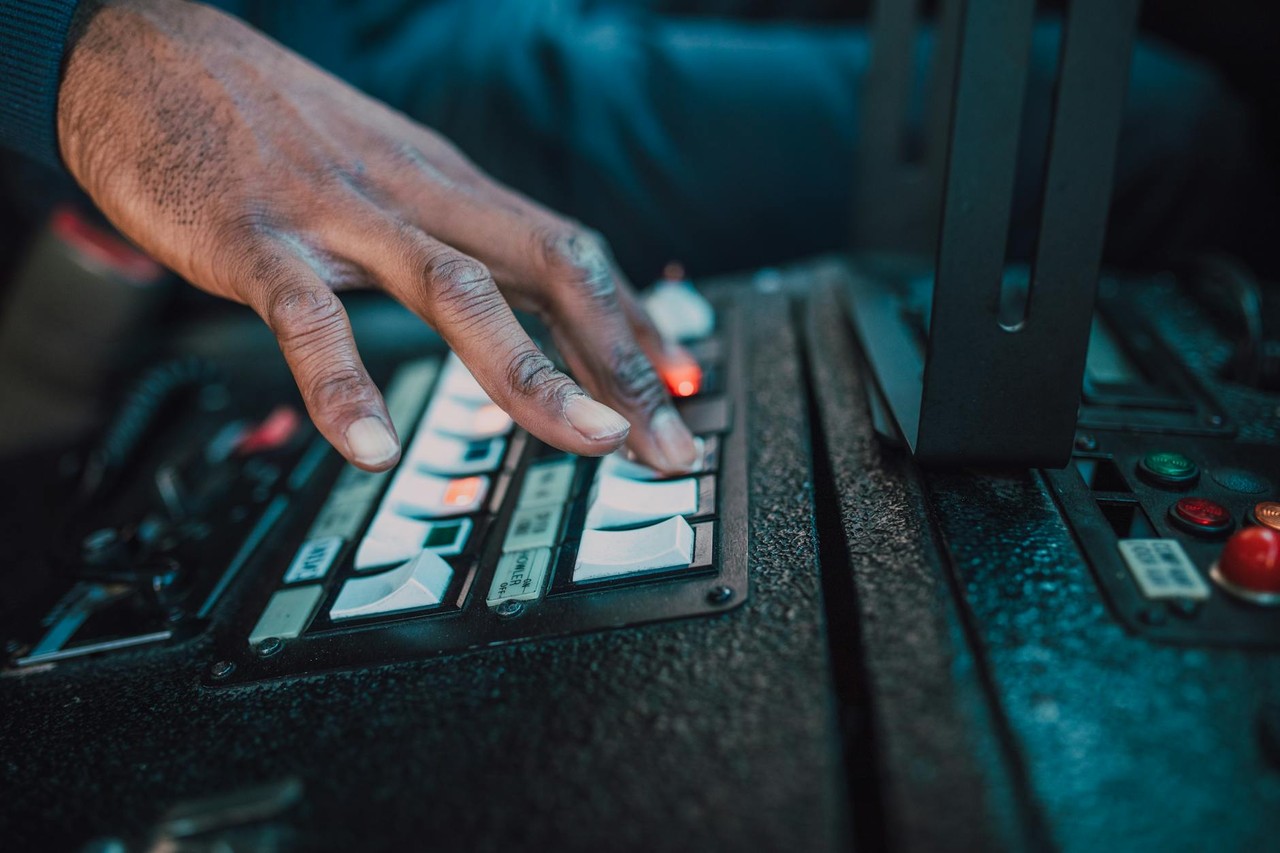
Light switches are frequently touched surfaces that can accumulate considerable amounts of bacteria, including coliform bacteria and aerobic bacteria like E. coli and Staph. One study found light switches tested positive for coliform bacteria, indicating fecal matter, and contained higher bacterial colony forming units per square centimeter than the average toilet seat. The moist environment of bathrooms can also contribute to bacterial growth on these surfaces. Regular cleaning with disinfectant products is important, with particular attention to the crevices around the switch.
8. Refrigerator Door Handles
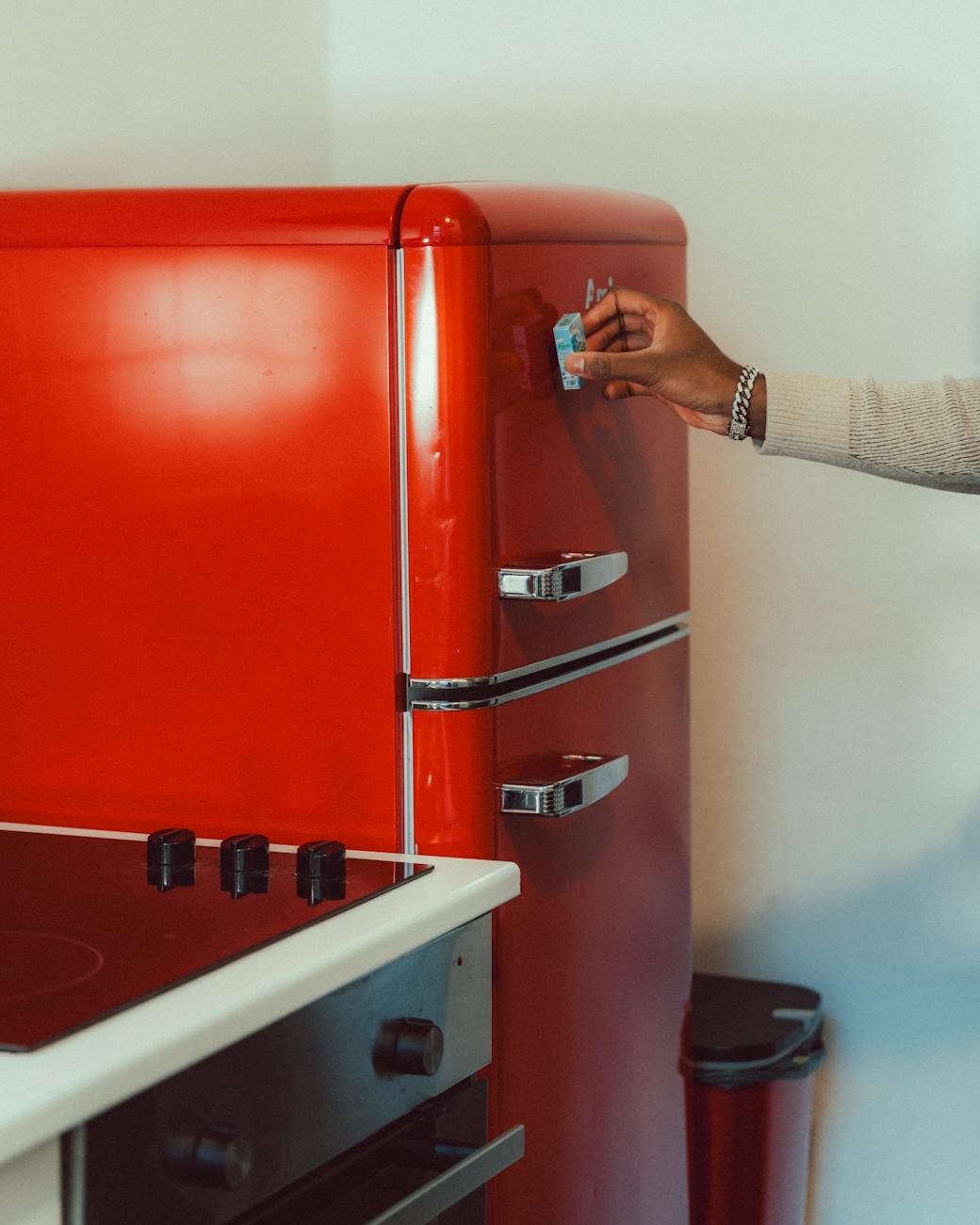
Refrigerator door handles are high-touch surfaces that are frequently grasped while preparing food, often with unwashed hands. This makes them prime spots for germ transmission. Studies have shown that refrigerator handles can harbor E. coli and Salmonella, pathogens that can cause illnesses ranging from mild foodborne issues to life-threatening infections. They can also accumulate microbes from human skin, breath, and contact with pets or raw food packaging. Including them in your regular kitchen cleaning routine, wiping them down with a disinfectant, is essential.
9. Bathroom Faucet Handles
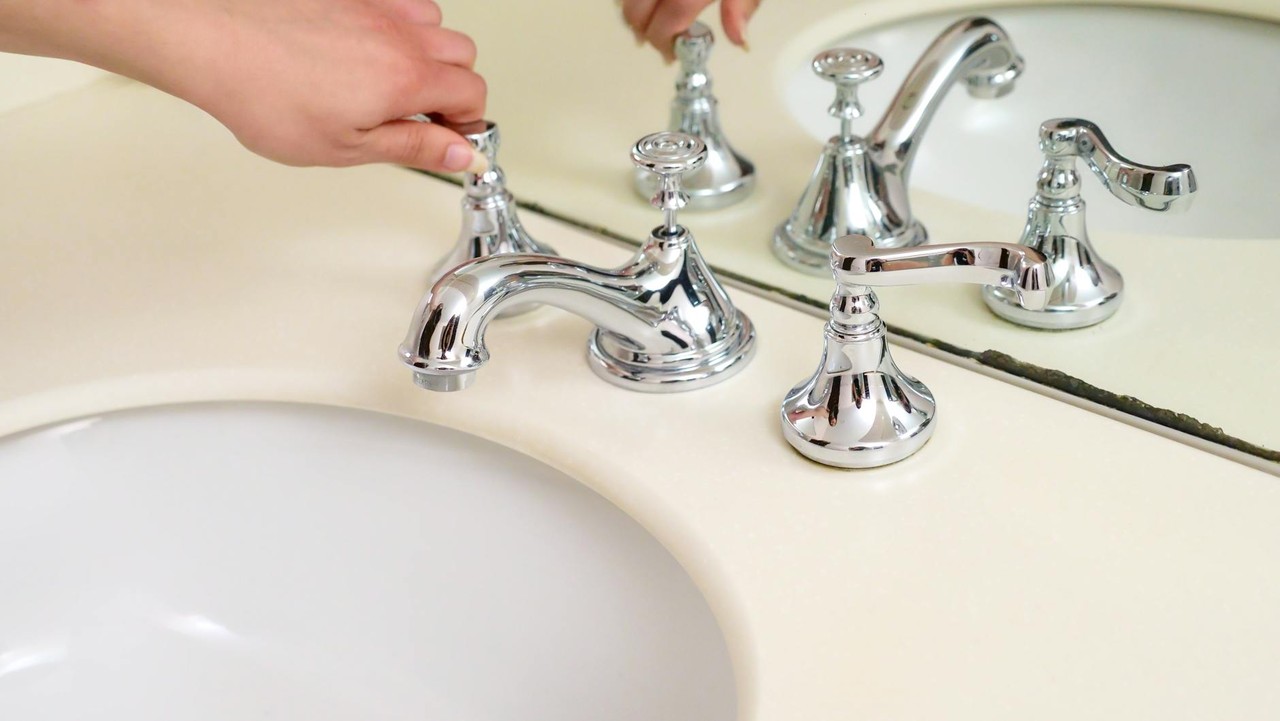
Bathroom faucet handles are surprisingly germ-laden, often harboring more bacteria than toilet seats. Bacteria can transfer from hands to the handles before and after washing them, and these surfaces can become hot spots for microbial growth due to moisture. Studies have found faucet handles can contain thousands of germs per square inch. Regular cleaning with disinfecting cleaners or bleach solutions is recommended to mitigate the risk of germ transmission.
10. Dish Towels
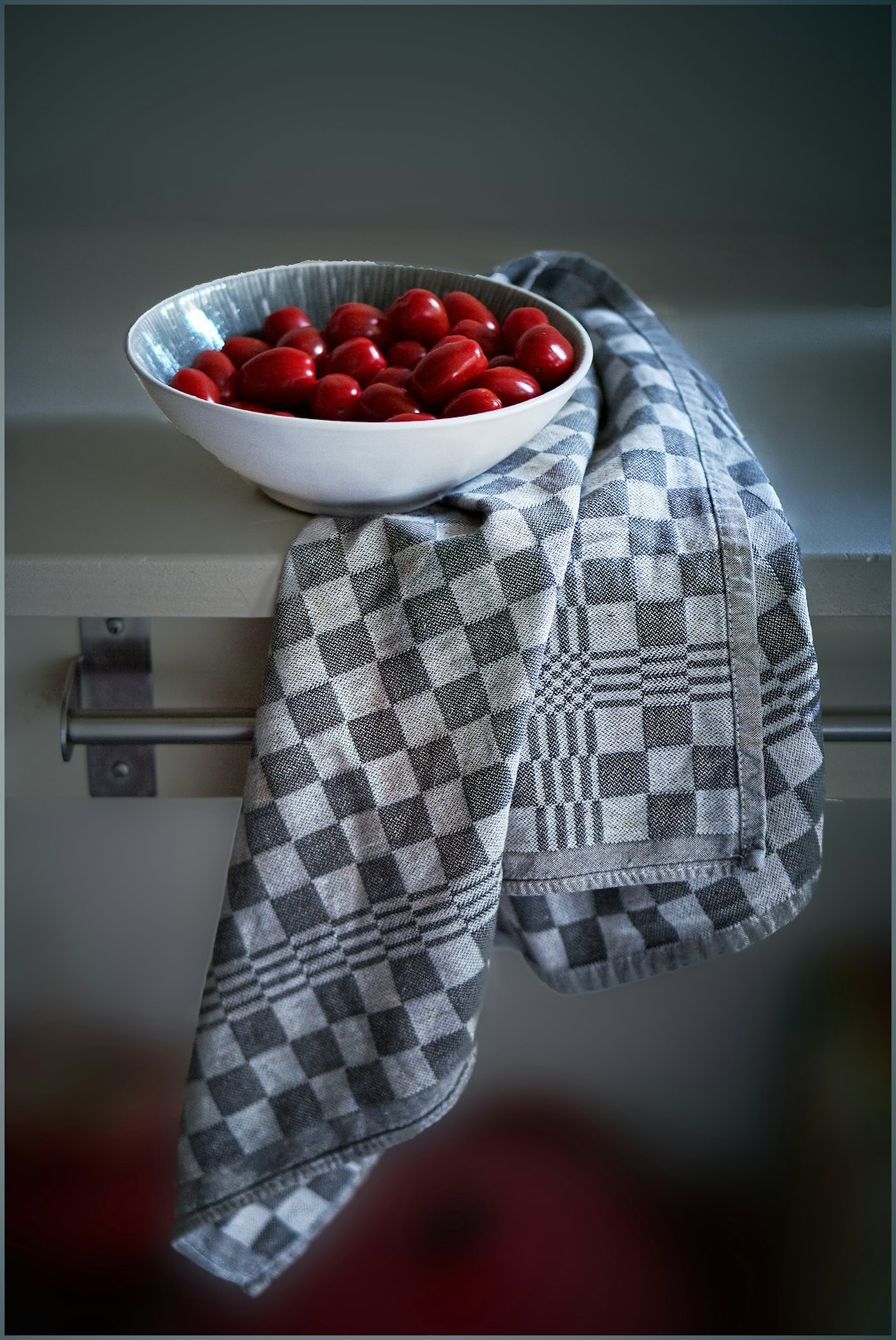
Similar to kitchen towels, dish towels used for drying dishes or hands can quickly become breeding grounds for bacteria. It is recommended to change dish towels every second day, or more frequently if they become soiled or damp. Bacteria can transfer from unclean surfaces to the towel, and then spread throughout the kitchen when the towel is used again. Washing them in warm water and drying them thoroughly is crucial to eliminate bacteria. Using separate towels for different tasks, such as hand drying versus drying dishes, can also help prevent cross-contamination.
