

The United States has a reputation for car dependence and patchy public transportation, and for much of the country it’s deserved. But that reputation hides real success stories. A handful of states have built transit systems that millions rely on every day, where living without a car isn’t just possible but normal. The differences are stark: your experience depends enormously on where you live. Measured by ridership, coverage, and how central transit is to daily life, these are the states that got public transportation right — from the obvious national leader to a few Western surprises that are building serious networks as they grow.
New York Stands Alone

No state comes close to New York. It has the highest public-transit usage in the country by a wide margin, driven by New York City’s subway, the largest and busiest rapid-transit system in the United States, plus extensive bus routes and regional commuter rail. The Metropolitan Transportation Authority moves millions of riders every single day, and New York City alone accounts for far more transit trips than any other American city. For enormous numbers of New Yorkers, a car is an inconvenience rather than a necessity. Transit isn’t a side option here; it’s the backbone of the entire region’s economic and social life.
Like our content? Follow us for more.
New Jersey

New Jersey punches well above its size. NJ Transit is one of the largest statewide public transportation agencies in the country and runs the nation’s biggest statewide commuter-rail system, connecting much of the state to both New York City and Philadelphia. The state’s density and its position between two major cities make transit essential for huge numbers of commuters. Cities like Jersey City and Newark rank among the most transit-friendly in the nation, with Jersey City notable for the high share of residents who commute without a car, thanks to PATH trains, light rail, and ferries.
Massachusetts

Massachusetts earns its place through the Massachusetts Bay Transportation Authority, the “T,” one of the oldest and most extensive systems in the country. It combines subway lines, buses, commuter rail, ferries, and light rail into a genuinely regional network that links Boston with surrounding cities and suburbs. The T is among the largest transit systems in the nation by ridership, and Boston’s compact, walkable layout makes it especially well-suited to car-free living. Ongoing capital-investment plans aim to renovate and extend the system further, reinforcing the state’s standing as a transit leader.
Illinois
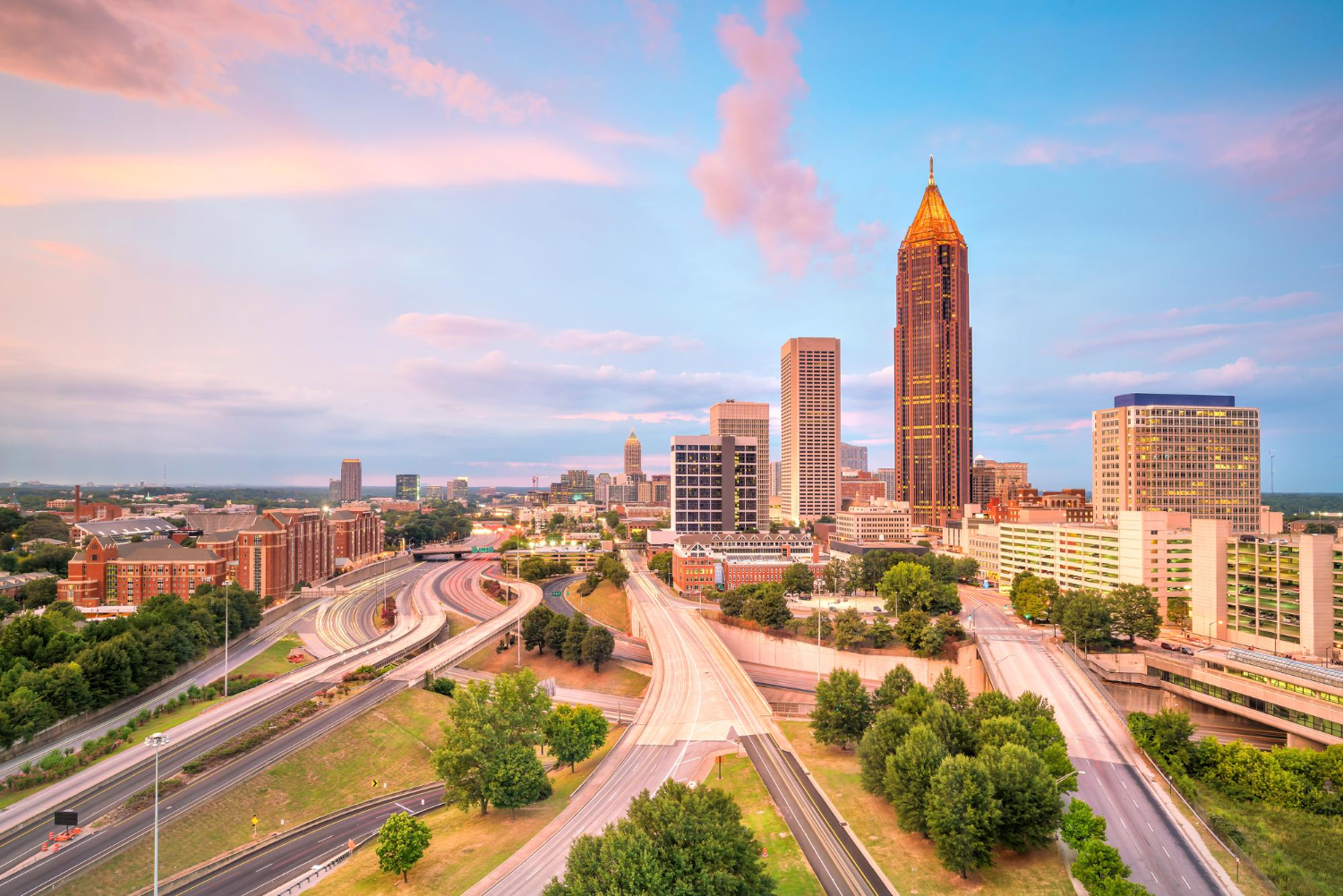
Illinois ranks high almost entirely on the strength of Chicago. The Chicago Transit Authority’s elevated “L” trains and sprawling bus network blanket the city, while Metra commuter rail reaches deep into the suburbs and Pace buses fill in the gaps across the region. The “L” covers hundreds of miles of track and serves dozens of suburbs in addition to the city itself. High ridership and decades of sustained investment have kept transit central to everyday mobility in the Chicago area, making Illinois one of the few Midwestern states where car-free life is genuinely practical.
Pennsylvania

Pennsylvania benefits from having two major urban transit hubs rather than one. In the east, Philadelphia’s SEPTA is among the largest transit networks in the country, combining subway, trolley, bus, and regional rail. In the west, Pittsburgh runs its own substantial bus and light-rail system. Together they give the state strong transit usage anchored at both ends. Like many systems nationwide, SEPTA faces funding pressures as pandemic-era federal support runs out, but it continues to modernize, expand accessibility, and serve a large daily ridership across the Philadelphia region.
California

California’s size means its transit story is really several stories. The San Francisco Bay Area anchors the state’s strongest network, with Muni buses and light rail, BART regional rail connecting the wider Bay Area, and Caltrain down the peninsula. San Francisco consistently ranks among the most transit-friendly cities in the country, where a large share of residents commute without a car. Los Angeles, long the symbol of car culture, has been investing heavily in expanding its Metro rail network. Combined ridership across the state’s major systems makes California a national heavyweight despite its sprawl.
Washington

Washington State has become one of the country’s transit success stories, centered on the booming Seattle region. Sound Transit has been aggressively expanding light rail across the metro area, and ridership has been growing as new lines open and connect more neighborhoods and suburbs. The region pairs transit with strong walkability, and even offers free transit for young riders on regional lines. Seattle’s investment stands out in a part of the country not historically known for rail, and it’s increasingly a model for how a fast-growing metro can build car-free options as it expands.
Maryland and the D.C. Region

Maryland’s transit strength comes largely from its connection to the Washington, D.C., metro area. The Washington Metropolitan Area Transit Authority’s Metrorail system, which serves Maryland, Virginia, and the District, is one of the busiest rapid-transit systems in the country, and it bounced back strongly after the pandemic thanks to a robust network and regional commuter-rail integration. Maryland suburbs feed heavily into this system, and the state also operates its own MARC commuter rail and Baltimore-area transit. The result is a region where large numbers of commuters rely on rail every day.
Utah

Utah is the Western surprise on this list. Its transit success is concentrated in the fast-growing Salt Lake City metro area, where the Utah Transit Authority operates buses, light rail, commuter rail, and park-and-ride systems with strong ridership. Faced with rapid population growth along the Wasatch Front and the air-quality challenges of a mountain valley, the state has leaned into transit as a tool for managing that growth. UTA’s relatively young, well-integrated network shows that a car-oriented Western state can build effective transit when it commits to it.
Arizona

Arizona rounds out the list as another Sun Belt state defying the car-dependent stereotype. Strong transit usage in Phoenix and Tucson, anchored by light rail and bus systems, supports daily commuting in metros that have grown explosively in recent decades. Rapid urban growth has pushed greater investment into transit infrastructure, and the Phoenix light-rail line in particular has reshaped how people move through the central city. Arizona makes the list not because it rivals New York, but because it shows newer, sprawling cities increasingly choosing to build transit rather than only highways.
What the Leaders Have in Common

The states that got transit right share a few traits. Most built dense, multimodal networks — combining subways, buses, commuter rail, light rail, and ferries — rather than relying on a single mode. Many are anchored by one or two dense, walkable cities where transit and density reinforce each other. And nearly all reflect sustained, long-term public investment rather than one-off projects. The Western entrants show the model spreading to fast-growing metros that are choosing to build alternatives to gridlock as they expand. The lesson is consistent: good transit isn’t an accident of geography but the product of decades of deliberate investment, and where that investment happens, car-free living becomes a realistic choice.
Like our content? Follow us for more.