


The 1980s were a different regulatory era, and a surprising number of products that sat on store shelves or filled American garages back then have since been banned, restricted, or pulled from the market entirely. In many cases, the dangers were known or emerging at the time, but it took mounting injuries, deaths, or scientific evidence before regulators stepped in. Looking back, it’s startling to realize how many everyday items were later deemed too hazardous to sell. Here’s a fact-based look at things commonly sold in the ’80s that are now illegal or heavily restricted, and the safety and health concerns that finally drove them off the market for good.
Lawn Darts

Perhaps the most infamous example, lawn darts, often known by a popular brand name, were heavy projectiles with sharp metal tips that players hurled through the air toward ground targets. Marketed as backyard fun, they caused thousands of injuries: U.S. regulators documented roughly 6,100 emergency-room visits over an eight-year span, the large majority involving children, along with several deaths. After a sustained campaign sparked by a child’s death, the U.S. Consumer Product Safety Commission banned the sale of lawn darts with sharp metal tips in 1988. The original dangerous design has not been legally sold since. Softer-tipped versions later appeared, but the classic metal lawn dart of the ’80s is now firmly prohibited.
Like our content? Follow us for more.
Three-Wheeled ATVs
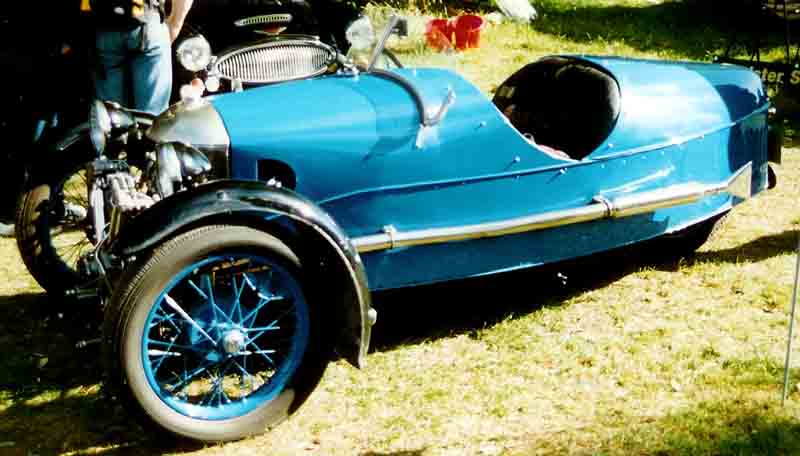
Three-wheeled all-terrain vehicles were hugely popular in the early-to-mid 1980s, but their design made them notoriously prone to tipping and rollovers, leading to a wave of serious injuries and fatalities, many involving young riders. As the toll mounted, regulators took action: a 1988 legal agreement effectively halted the sale of new three-wheeled ATVs in the United States. Manufacturers shifted to more stable four-wheeled models, and the three-wheeler vanished from showrooms. The once-common sight of a three-wheeled ATV tearing across a field is now a relic of the era, its sale ended after the design proved simply too dangerous for the riders, often kids and teens, who flocked to them.
Leaded Gasoline
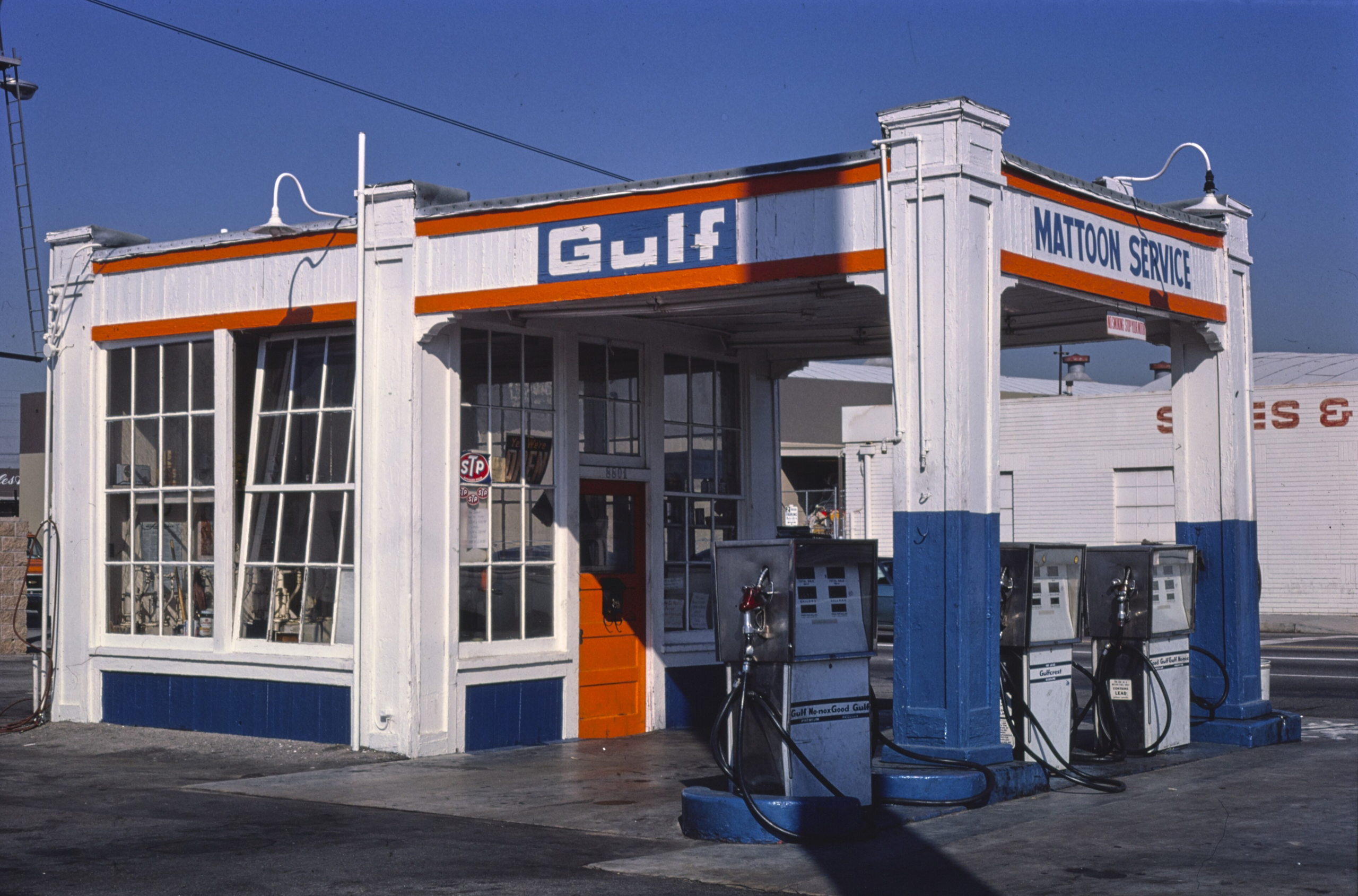
Throughout the 1980s, leaded gasoline was still widely sold at American pumps, even as evidence of its serious health and environmental harms grew. The lead additive, used to boost engine performance, released toxic lead into the air, contributing to lead exposure linked to developmental and neurological damage, especially in children. The U.S. had begun phasing leaded gas out in the 1970s, and the phase-out continued through the ’80s, culminating in a ban on leaded gasoline for on-road vehicles by the mid-1990s. Today, the leaded fuel that filled ’80s gas tanks is prohibited for ordinary cars, a major public-health victory that dramatically reduced Americans’ exposure to airborne lead.
Toys With Lead Paint

In the 1980s, plenty of toys, especially inexpensive imported ones, were coated in lead-based paint, despite growing evidence that even low-level lead exposure could harm children’s developing brains, with effects including reduced IQ and behavioral problems. While lead paint had been banned from U.S. residential use in the late 1970s, it kept turning up in toys for years afterward. Sweeping federal reform finally arrived with a 2008 law that set a strict legal limit on lead content in children’s products and mandated testing and certification. Selling new children’s toys with lead-based paint is now illegal, and violations trigger major recalls, a far cry from the lax standards of the ’80s toy aisle.
Powerful Fireworks Like M-80s

In the 1980s, exceptionally powerful fireworks, including illicit M-80s and similar large explosives, circulated widely, often sold under the counter or at roadside stands despite existing restrictions. These devices packed enough explosive power to cause severe injuries, burns, and amputations. Federal law now strictly limits consumer fireworks to a small amount of explosive flash powder; anything more powerful is legally classified as an explosive device and is illegal to sell to consumers. Many of the seriously dangerous fireworks that changed hands so casually in the ’80s, the ones capable of doing real harm, are now firmly outlawed for consumer use, available only through tightly regulated professional channels.
CFC Aerosol Sprays
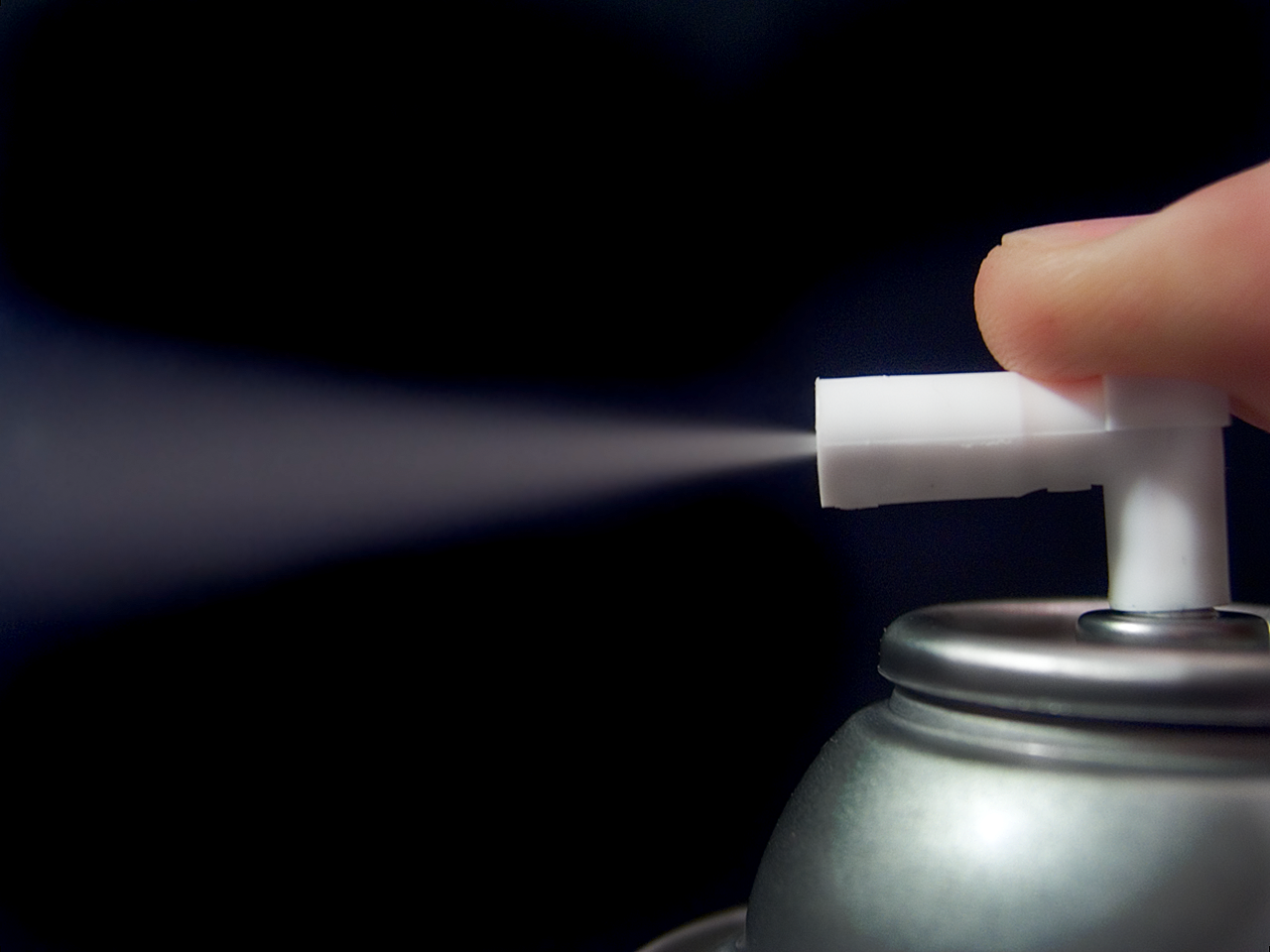
Many everyday products in the early 1980s, from hairsprays to deodorants to certain cleaners, relied on chemicals called chlorofluorocarbons, or CFCs, as propellants. Scientists then confirmed that CFCs were severely damaging the Earth’s protective ozone layer, with satellite data revealing a growing “ozone hole.” This led to a landmark international agreement, the Montreal Protocol of 1987, to phase out ozone-depleting substances. As a result, CFCs were banned from aerosol products and refrigerants, and the formulations were replaced with safer alternatives. The CFC-propelled spray cans that were ubiquitous in ’80s bathrooms are no longer sold, a rare example of a global environmental ban that has measurably helped the ozone layer recover.
Asbestos-Containing Products

Asbestos, valued for its fire resistance and durability, was still present in many products and building materials available in the 1980s, even as its link to serious lung diseases, including cancer, became undeniable. Inhaling asbestos fibers can cause severe, often fatal illness, sometimes decades after exposure. Through the late 1980s and beyond, the use of asbestos in new construction and many products was largely banned or heavily restricted, with regulators continuing to tighten the rules in the years since, including more recent moves to ban remaining types. The asbestos-laden materials once common in ’80s homes and goods are now broadly prohibited, reflecting hard-won recognition of just how dangerous the once-celebrated “miracle material” really was.
Clacker Toys
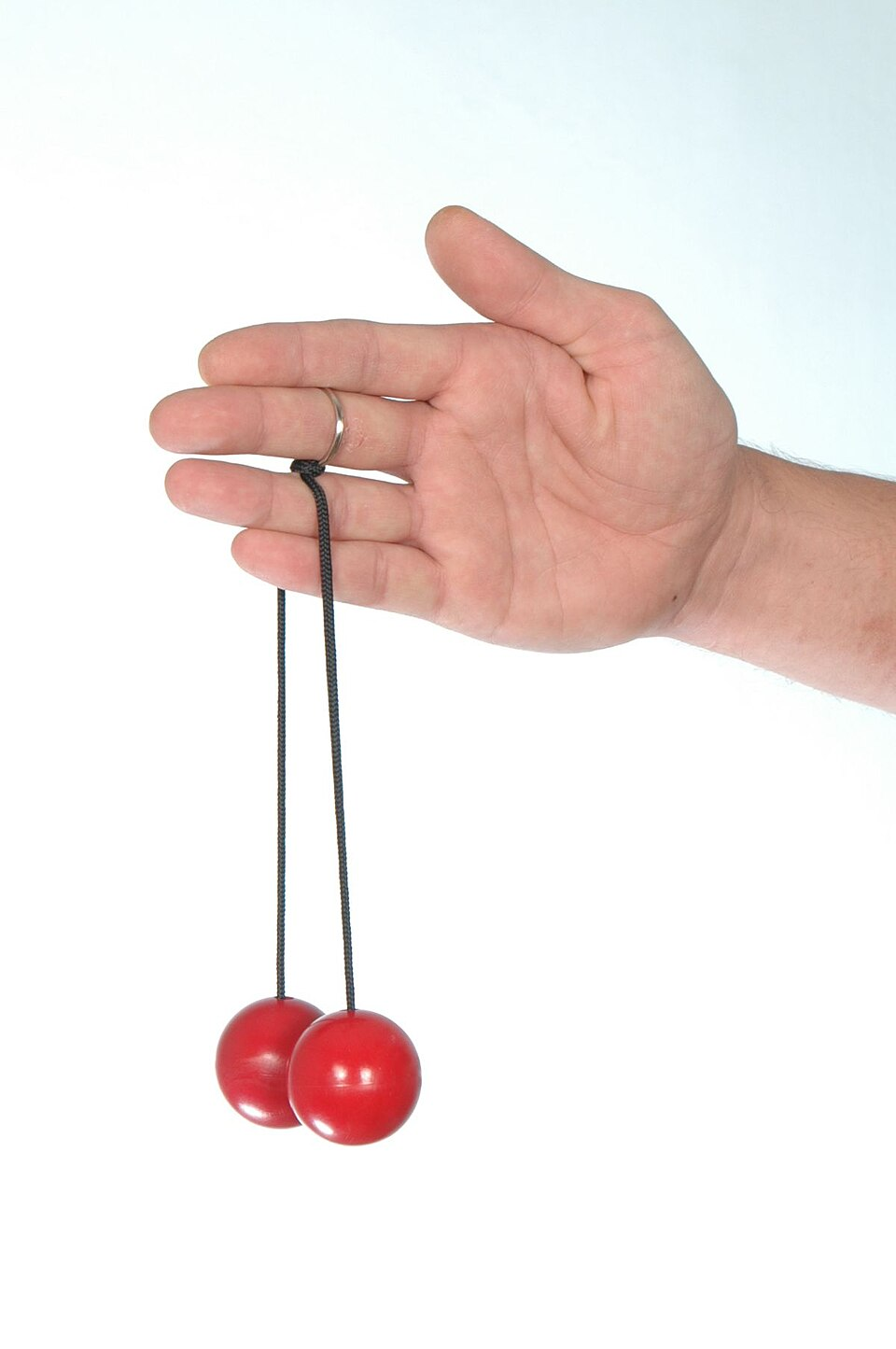
Clackers, sometimes called by other playful names, were a toy consisting of two hard acrylic balls on either end of a string; you’d swing them to knock together with a loud clacking sound. The trouble was that the hard balls could shatter on impact, sending sharp fragments flying toward children’s faces and hands. Because of this serious shatter-and-injury hazard, the dangerous hard-acrylic versions were pulled from the market and effectively banned, with safer redesigns appearing later. The original clackers that ’80s and earlier kids swung with abandon, capable of breaking apart into dangerous shards, are no longer sold in their hazardous form, another once-popular plaything deemed too risky to remain.
Certain Home Pesticides

A number of potent pesticides sold for home and garden use in the 1980s have since been banned for residential use as their health and environmental risks became clear. Chlordane, for example, a chemical widely used to treat homes for termites, was banned in the United States in 1988 after being linked to health concerns and environmental persistence. Various other once-common household and agricultural chemicals from the era have likewise been pulled or tightly restricted over toxicity, cancer risk, or harm to wildlife. The powerful bug-killing products homeowners once applied freely around their houses and yards in the ’80s are, in many cases, no longer legal to sell, replaced by safer, more carefully regulated alternatives.
Drop-Side Cribs

Drop-side cribs, featuring a side rail that could be lowered for easy access to the baby, were a standard nursery item sold for decades, including throughout the 1980s. Over time, the movable side hardware was found to malfunction or detach, creating dangerous gaps that posed a serious risk to infants. After being linked to numerous tragedies, drop-side cribs were banned from manufacture and sale in the United States in 2011, and their use is no longer permitted in places like daycares and hotels. The drop-side crib that rocked many an ’80s baby is now prohibited, a sobering reminder that even trusted nursery furniture has had to give way to far stricter modern safety standards.
A Safer Marketplace Today

Looking back at these banned products underscores how much consumer-safety and environmental regulation has evolved since the 1980s. In many cases, the hazards were suspected or even documented at the time, but it took mounting evidence, public pressure, and sometimes tragic events to drive the bans that protect us now. From toxic fuels and chemicals to dangerous toys and vehicles, the marketplace of the ’80s contained risks that would be unthinkable on shelves today. While no system is perfect, the disappearance of these products represents real progress in protecting public health and safety, and a striking measure of how standards have tightened within a single generation.
Like our content? Follow us for more.

