


There’s something deeply compelling about a place the world has left behind. Empty streets, crumbling buildings, and silent rooms frozen in time tell stories that no museum quite can, of booms that went bust, disasters that scattered communities, and lives interrupted. Across the globe, abandoned towns, islands, and settlements have taken on a strange, melancholy beauty as nature slowly reclaims what people built. Some are eerie, some are sobering, and all are unforgettable. Here’s a journey through some of the most famous abandoned places on Earth, the history of how each came to be deserted, and why these haunting sites continue to fascinate travelers, photographers, and dreamers from around the world.
Why Abandoned Places Captivate Us
Before the tour, it’s worth asking why these places hold such a grip on the imagination. Abandoned sites are a powerful collision of human history and natural reclamation, a reminder that even our grandest efforts are temporary. They invite us to imagine the people who once lived and worked there, and to reflect on what caused everything to stop. There’s beauty in the decay: peeling paint, rusted machinery, and trees growing through floorboards create scenes both melancholy and oddly serene. For travelers and photographers, they offer a window into the past untouched by modern bustle. A respectful visit to an abandoned place can be moving, thought-provoking, and steadily profound.
Like our content? Follow us for more.
Bodie, California
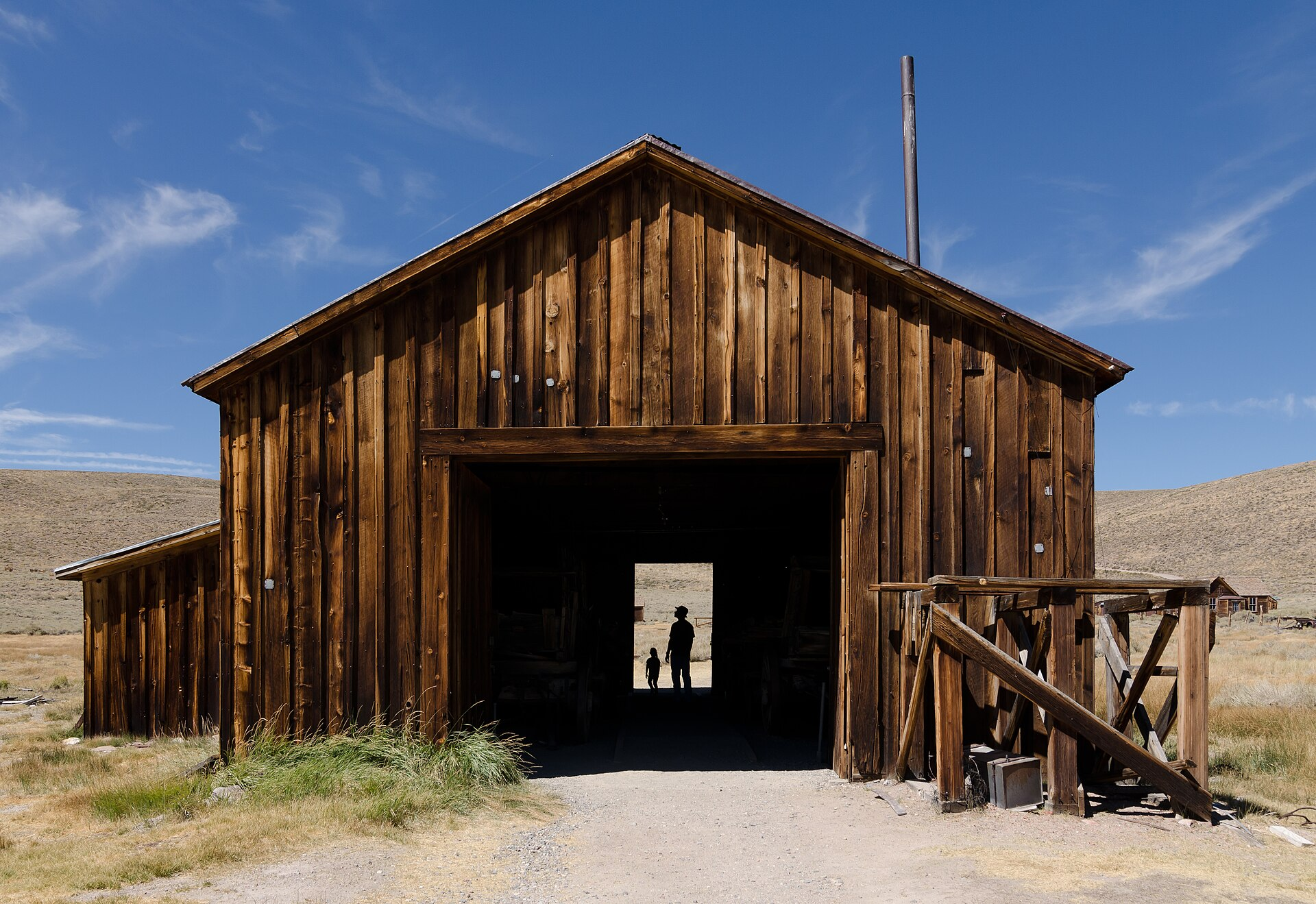
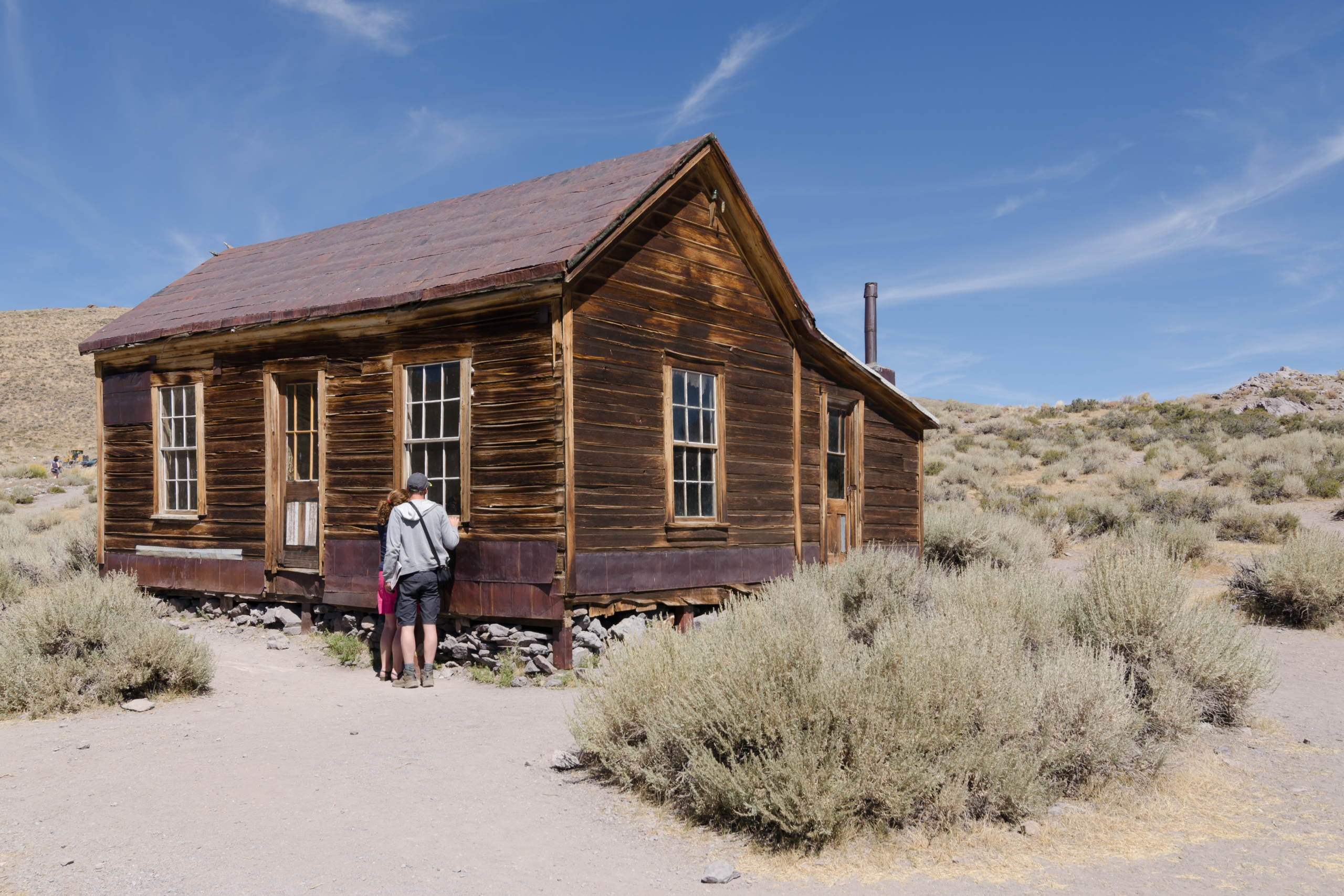
High in the hills of eastern California sits Bodie, one of the best-preserved ghost towns in America. Once a booming gold-mining town of thousands during the late 1800s, complete with saloons, a main street, and a notorious reputation for lawlessness, Bodie emptied out as the gold ran dry and residents moved on. Today it’s preserved by the state in a condition known as “arrested decay,” meaning its weathered wooden buildings are kept standing but not restored, frozen as they were when the last people left. Wandering its silent streets, peering into homes still scattered with belongings, offers an authentic and atmospheric glimpse of the Old West, beautifully suspended in time.
Kolmanskop, Namibia
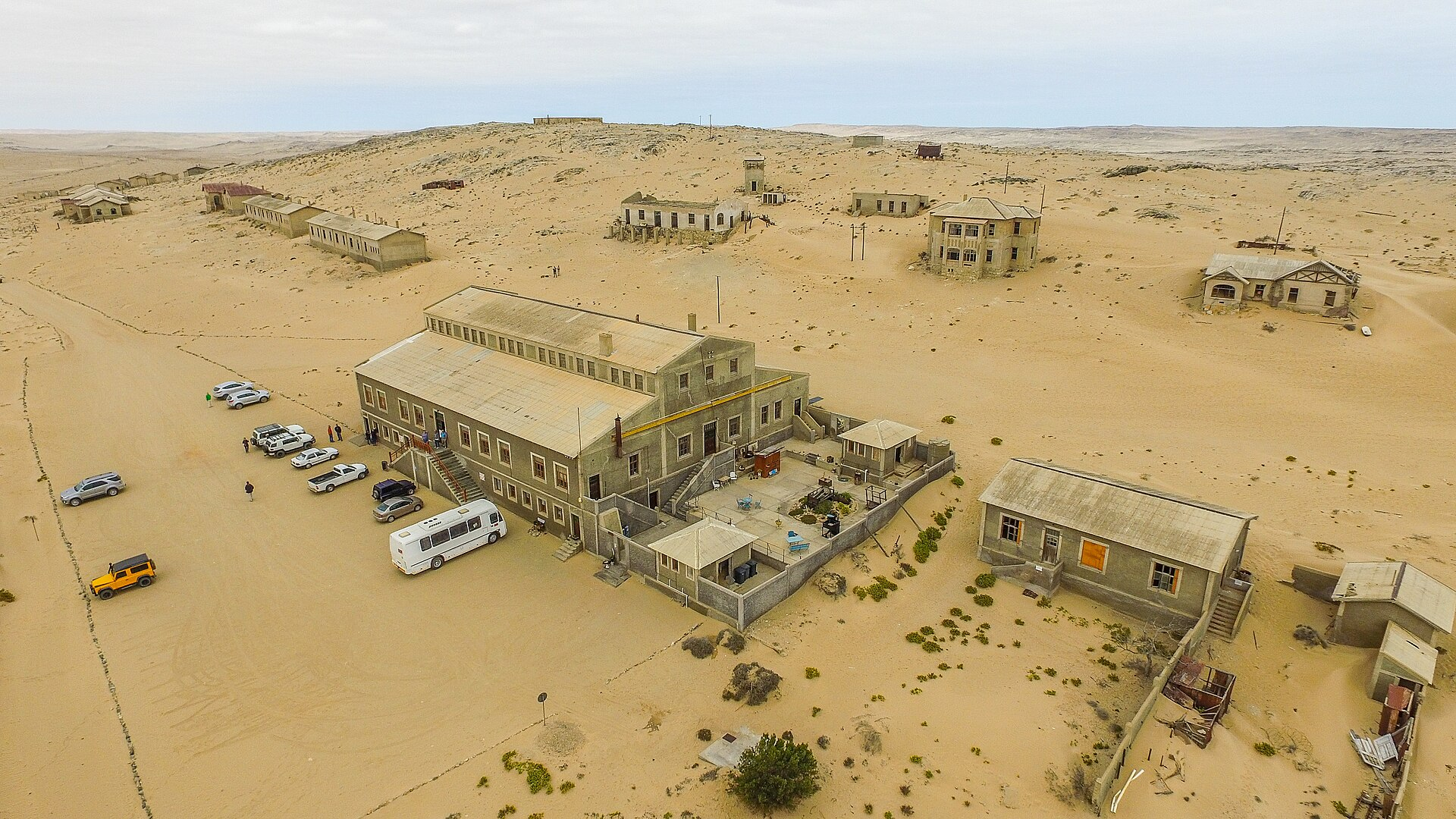
In the Namib Desert lies one of the most visually striking abandoned places on Earth: Kolmanskop. Founded in the early 1900s after diamonds were discovered in the surrounding sands, this German-style town flourished with grand houses, a ballroom, and even amenities considered luxurious for the era and region. But when the diamond deposits were exhausted and richer fields were found elsewhere, the town was abandoned by the mid-1900s. Since then, the desert has staged a slow, relentless takeover, and sand now pours through doorways and fills entire rooms waist-deep. The surreal sight of elegant interiors half-buried in golden dunes makes Kolmanskop a magnet for photographers seeking otherworldly beauty.
Hashima Island, Japan
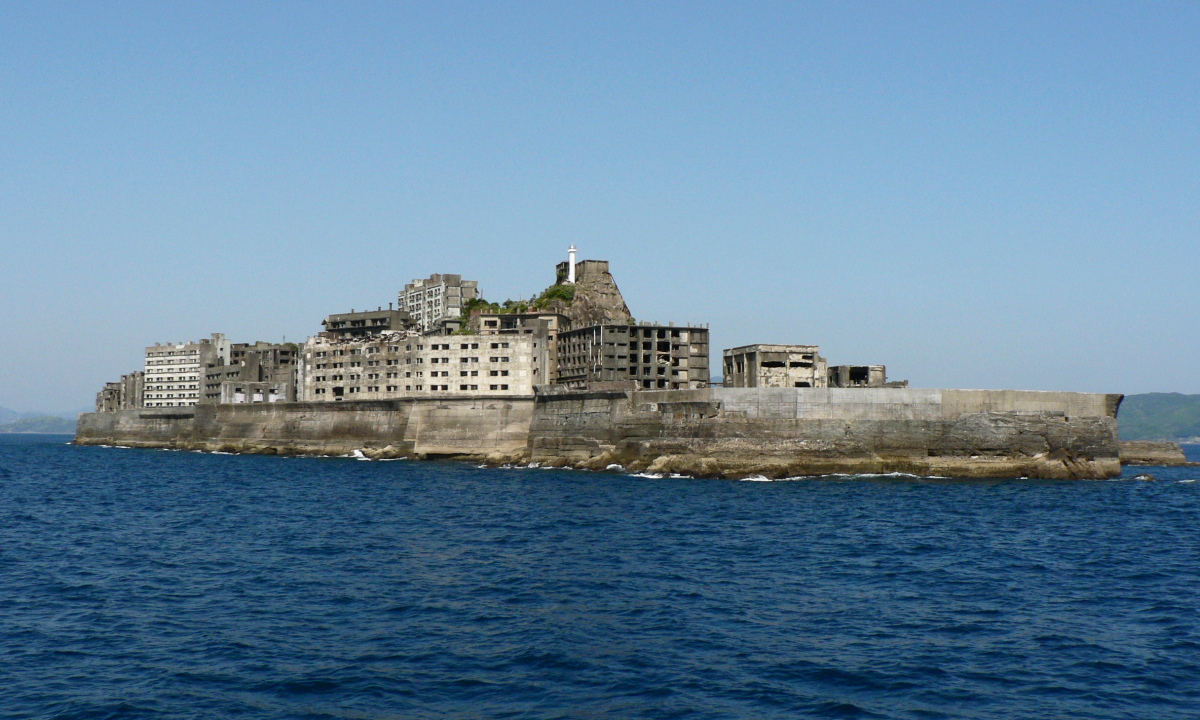
Off the coast of Nagasaki sits Hashima, better known as Gunkanjima, or “Battleship Island,” for its distinctive silhouette. Once one of the most densely populated places on the planet, this tiny island was a hub of undersea coal mining, packed with concrete apartment blocks housing thousands of workers and their families. When the coal industry declined and the mine closed in the 1970s, the entire population departed almost at once, leaving a crumbling concrete city to the sea wind. Now a haunting cluster of decaying high-rises rising from the ocean, the island draws visitors on guided boat tours. Its layered history is sober and complex, including the use of forced labor during wartime, which is part of how its story is now told.
Pripyat, Ukraine
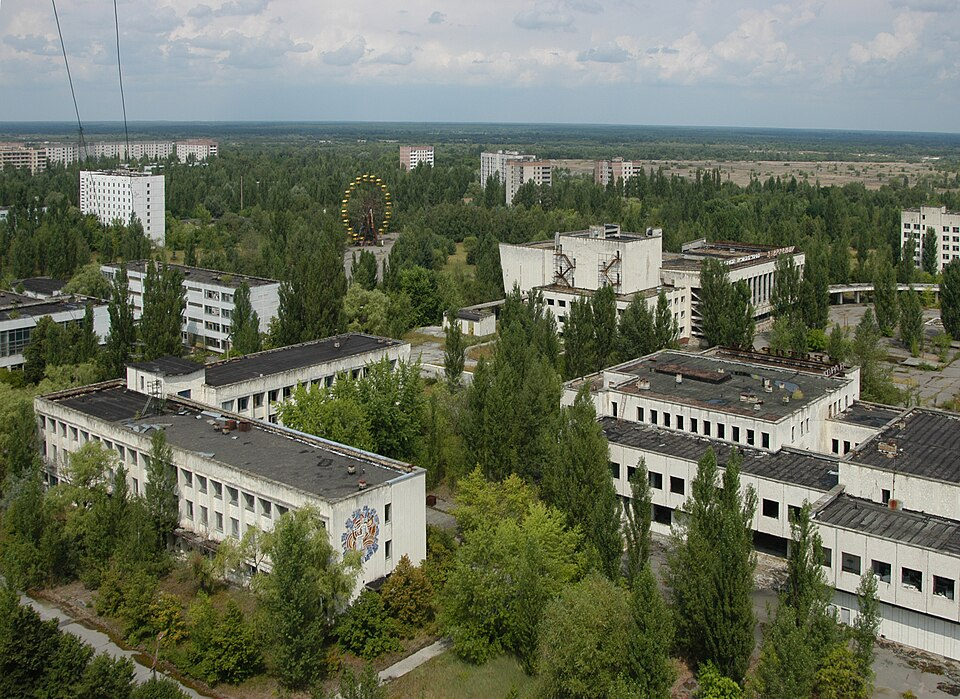
Perhaps the most famous abandoned city in the world, Pripyat was a modern Soviet town built to house workers of the nearby Chernobyl nuclear plant. In 1986, following the catastrophic reactor disaster, its roughly 50,000 residents were evacuated with little warning and never allowed to return. The result is a city eerily frozen at the moment of departure: a long-still amusement park, schools with books left on desks, and apartment blocks slowly being overtaken by encroaching forest. Pripyat stands as a profound and sobering monument to a tragedy that affected countless lives. Today, limited guided tours operate under strict safety controls, allowing visitors to witness, soberly and respectfully, this powerful reminder of the disaster’s human cost.
Craco, Italy
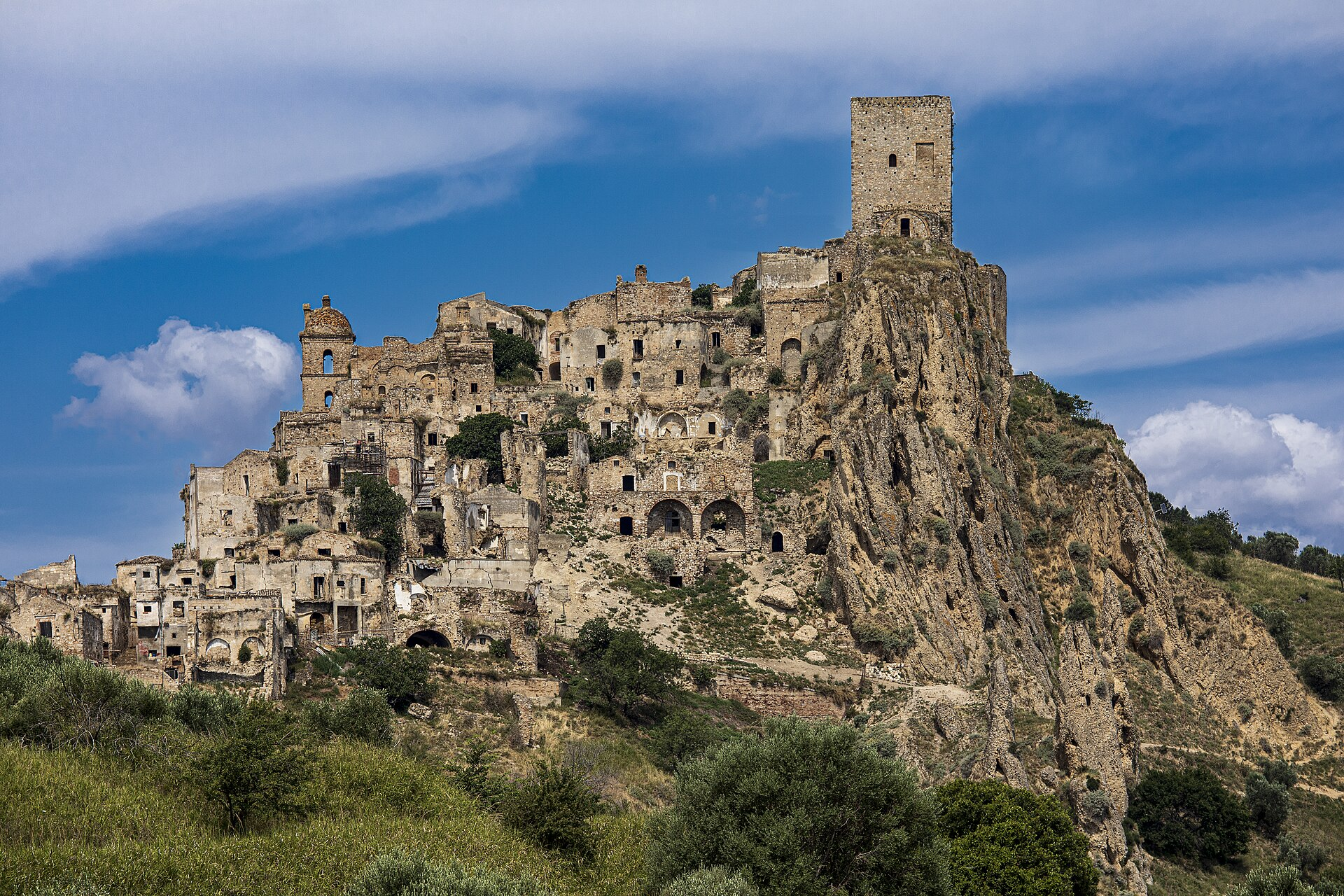
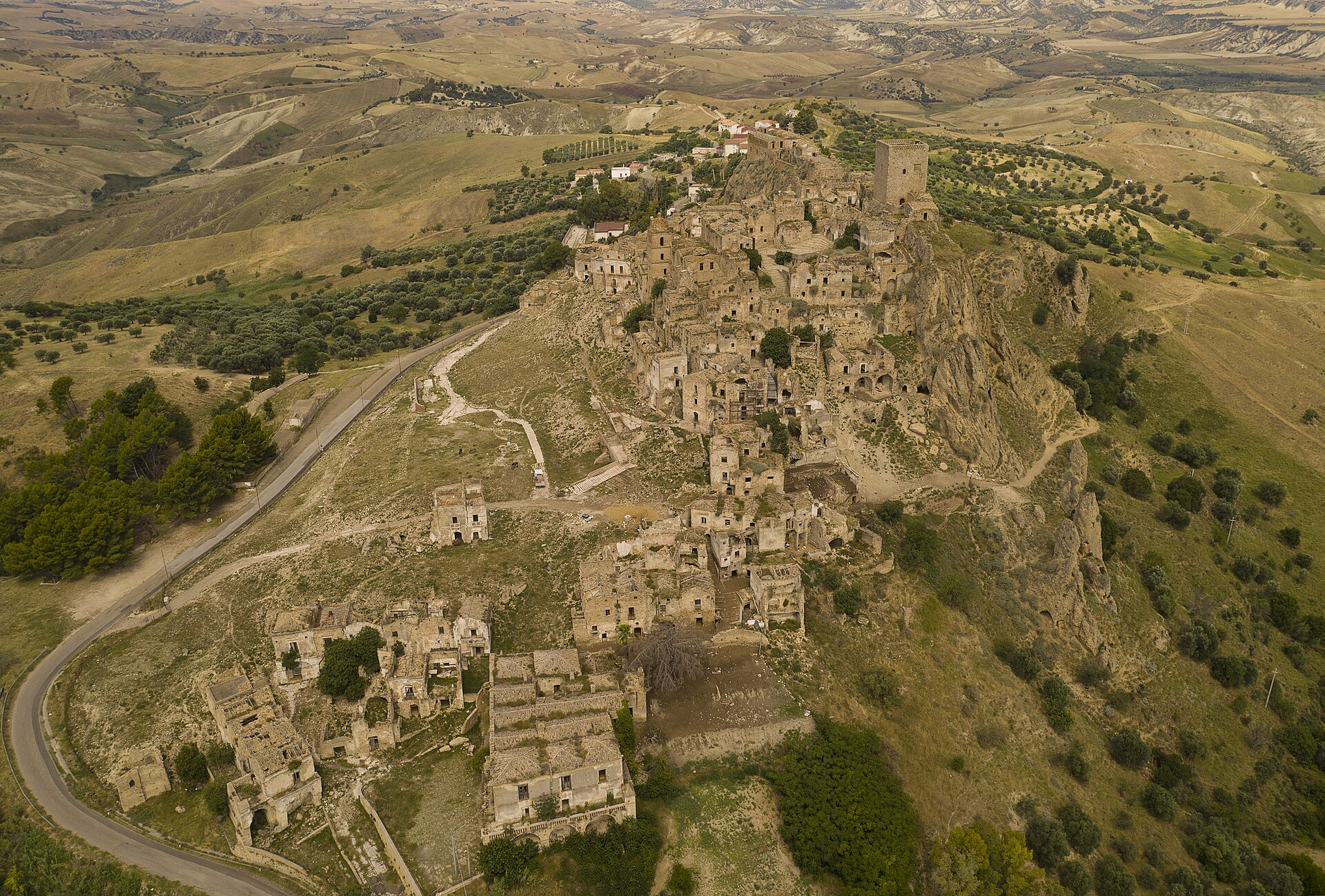
Perched dramatically on a hilltop in southern Italy’s Basilicata region, the medieval town of Craco looks like something from a storybook, until you realize no one lives there. Inhabited for many centuries, Craco was gradually abandoned in the twentieth century after a series of landslides, earthquakes, and other natural events made it unsafe, forcing residents to relocate to a newer settlement nearby. Its empty stone buildings and lone tower now stand silent against the rolling countryside, a strikingly beautiful and melancholy sight. The town’s atmospheric ruins have become a popular spot for guided visits and have even appeared as a backdrop in films, drawing those captivated by its haunting, time-worn grandeur.
Pyramiden, Svalbard
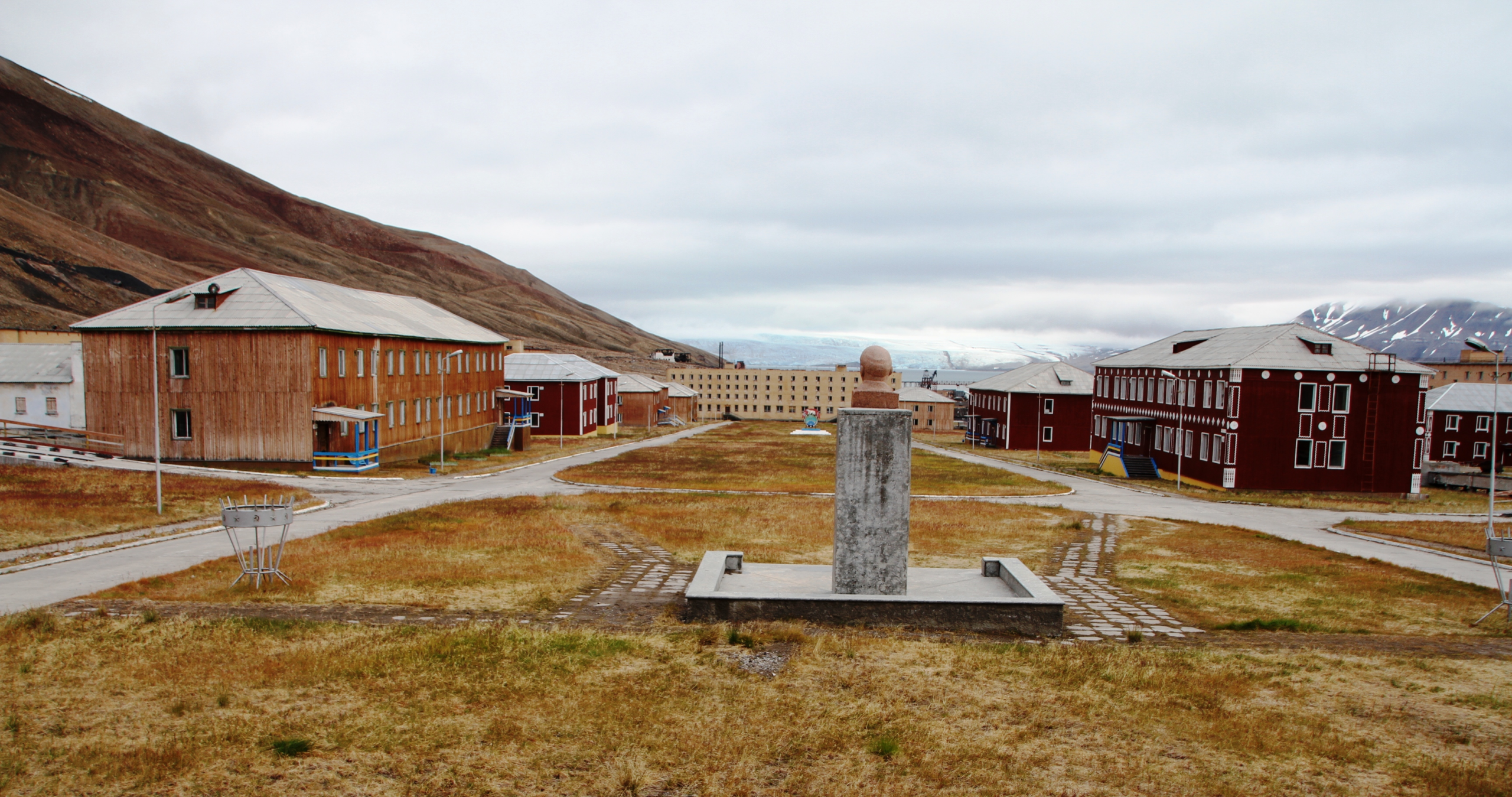
In the frozen Arctic archipelago of Svalbard, far north of mainland Norway, lies Pyramiden, an abandoned Soviet coal-mining settlement. Once home to over a thousand residents, it featured apartment blocks, a cultural center, a swimming pool, and a statue of Lenin, claimed to be the world’s northernmost. When mining became unprofitable, the settlement was abruptly abandoned in the late 1990s, its buildings and contents left largely intact in the preserving Arctic cold. The remote, snowbound ghost town, surrounded by glaciers and polar wilderness, has become a fascinating destination for the few intrepid travelers who venture there by boat or snowmobile, often accompanied by armed guides due to the presence of polar bears.
Centralia, Pennsylvania
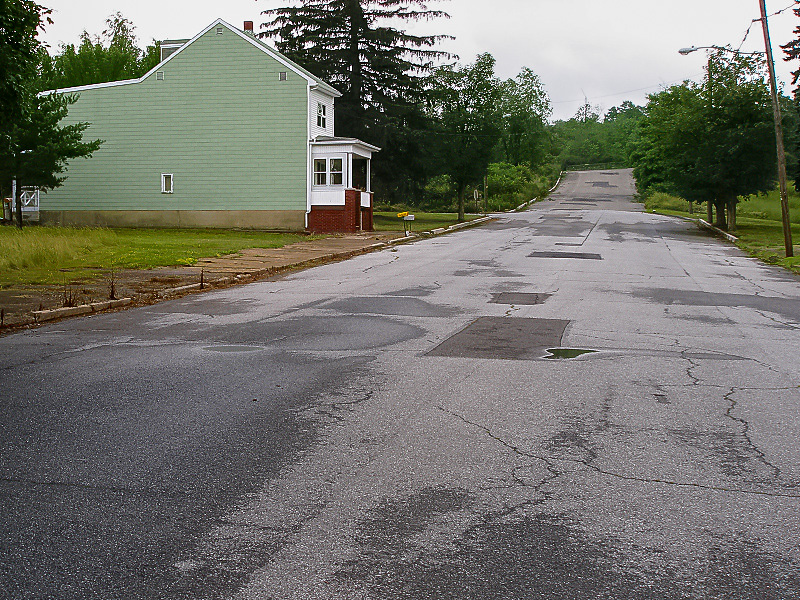
Some places are abandoned not by economic decline but by an underground inferno. Centralia, Pennsylvania, was a small coal-mining town until a fire ignited in the coal seams beneath it in the 1960s, a blaze that has been burning underground ever since and could continue for decades more. As toxic gases and sinkholes made the town increasingly dangerous, residents were relocated and most buildings were demolished. Today, Centralia is a near-empty grid of streets reclaimed by vegetation, with smoke occasionally seeping from cracks in the ground. The eerie, smoldering landscape, including a famously graffiti-covered stretch of abandoned highway, has become an unlikely curiosity for visitors drawn to its strange and cautionary tale.
Oradour-sur-Glane, France
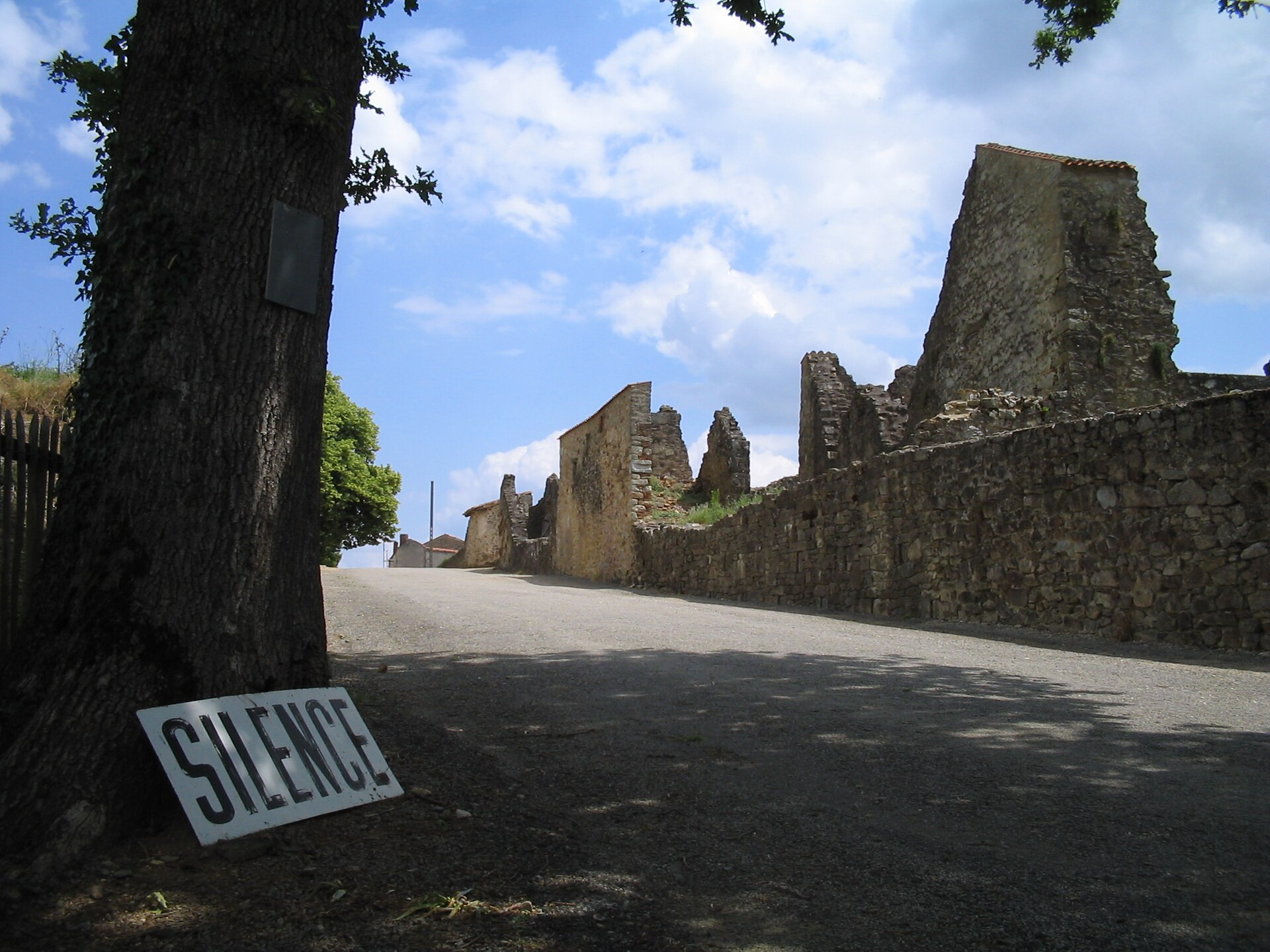
Not all abandoned places are about economics or nature, some are preserved as solemn memorials. The village of Oradour-sur-Glane in France was the site of a horrific massacre during World War II, when its inhabitants were killed and the village destroyed. Rather than fully rebuild on the site, the ruins were deliberately preserved exactly as they were left, as a permanent memorial to the victims and a stark tribute against the brutality of war. Rusted cars, empty homes, and a shattered church remain frozen in time. A new village was built nearby. Visiting the preserved ruins is a deeply moving and sobering experience, intended for quiet reflection and remembrance rather than mere sightseeing.
The Ethics of Visiting
As fascinating as these places are, visiting them responsibly matters enormously. Many abandoned sites are fragile, dangerous, or legally off-limits, and trespassing can be both unsafe and disrespectful. Sites tied to tragedy, like Pripyat or Oradour-sur-Glane, deserve solemn respect rather than casual thrill-seeking or insensitive photography. The best approach is to visit officially sanctioned sites through proper channels, often guided tours, which keep visitors safe, protect the location, and honor its history. Following the principle of taking only photos and leaving only footprints ensures these remarkable places endure for others. Approached thoughtfully, exploring an abandoned site can be one of the most meaningful and memorable kinds of travel.
When Nature Takes the Wheel

A recurring theme across these sites is the astonishing power of nature to reclaim what humans abandon. Sand swallows mansions, forests swallow cities, and ice preserves entire towns for decades. Watching the natural world patiently dismantle and absorb our creations is both humbling and strangely beautiful, a vivid reminder that the line between civilization and wilderness is thinner than we like to think. These places show what the world might look like without us, and in doing so, they carry a quiet ecological poetry. The slow green creep of vines over concrete is, in its own way, as moving as any pristine landscape.
Frozen Moments Worth Remembering
Ultimately, the world’s abandoned places endure as something more than ruins. They are time capsules, memorials, and works of accidental art all at once, each holding a story of human ambition, loss, and the relentless passage of time. Whether it’s the gold-rush streets of Bodie, the sand-filled halls of Kolmanskop, or the sobering silence of Pripyat, these sites stir something deep in us: curiosity, melancholy, awe, and reflection. They remind us that nothing lasts forever, and that there is a strange and genuine beauty in the places the world has left behind. For the thoughtful traveler, they offer an experience unlike any other on Earth.
