Across American history, certain places were designated for people the rest of society wanted removed — the contagious, the institutionalized, the condemned, the unclaimed dead. Isolated by water, distance, or design, these places were built on the principle of separation, and for many who arrived, they were a one-way destination. Today most stand abandoned or preserved as solemn historical sites, and they tell a difficult but important part of the American story — how the country handled disease, disability, crime, and death in eras with very different understandings and very different ethics than our own. These are real places with real histories, approached here as the historical record rather than as spectacle. Here are twelve American places where people were sent and, in many cases, never meant to leave.
1. North Brother Island, New York
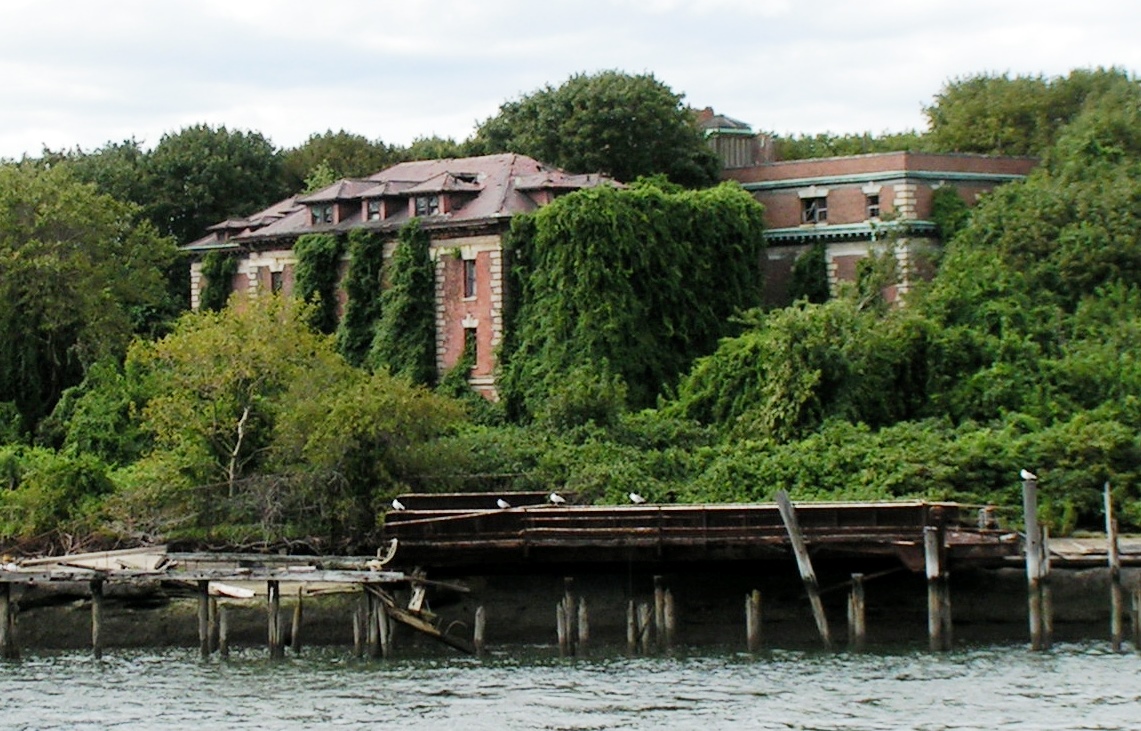
North Brother Island in New York’s East River housed Riverside Hospital, a quarantine facility for people with contagious diseases. Its most famous resident was Mary Mallon — “Typhoid Mary” — who was forcibly confined there, in total for nearly three decades, and died there in 1938. The island was later used to house other populations before being abandoned. Today it is a restricted, overgrown bird sanctuary, its derelict hospital buildings slowly collapsing. The island stands as a stark monument to America’s history of forced medical quarantine.
Like our content? Follow us for more.
2. Carville, Louisiana — The National Leprosarium
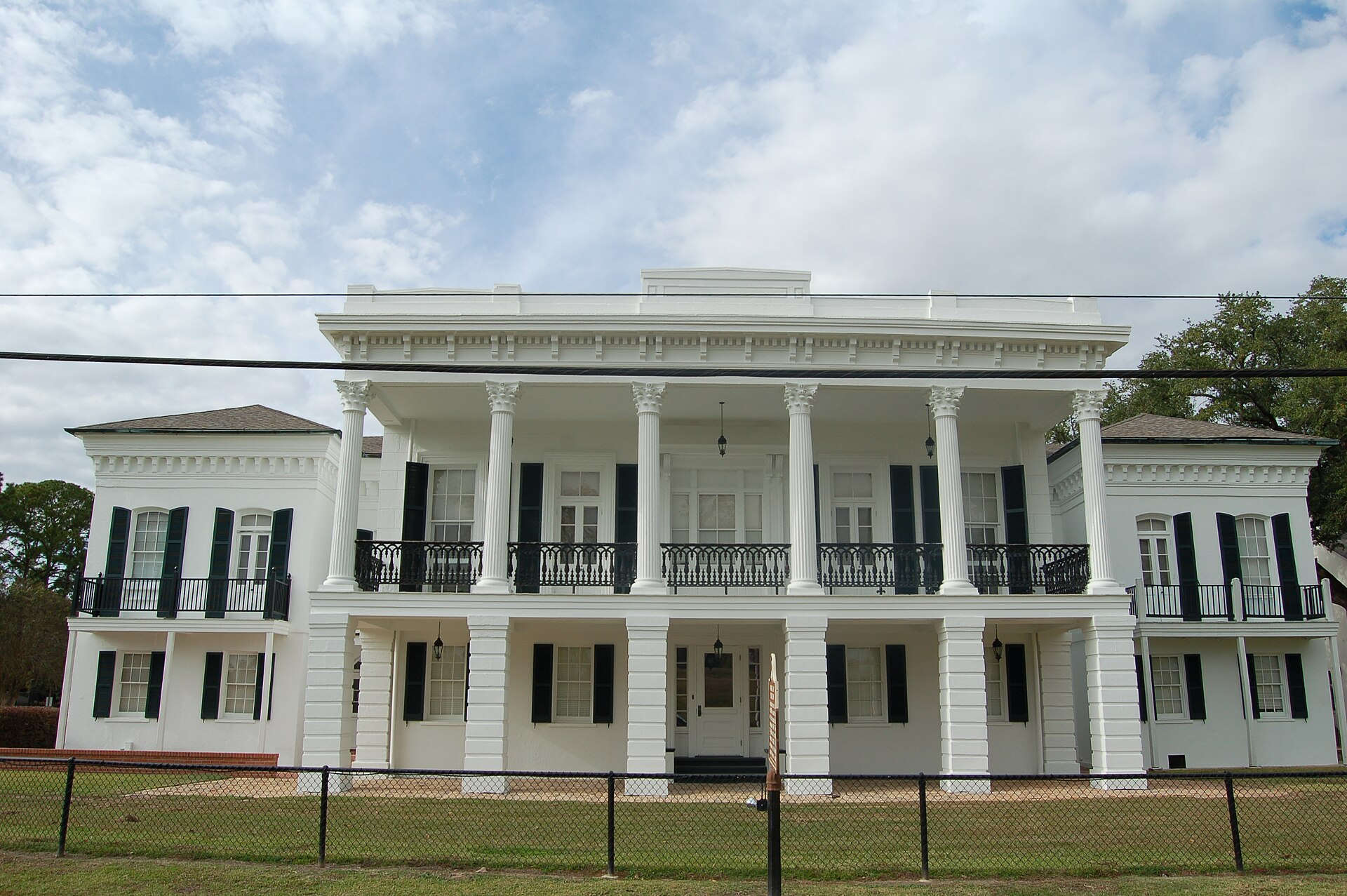
Carville in Louisiana was the United States’ national leprosarium, where Americans diagnosed with Hansen’s disease (leprosy) were sent — often involuntarily and sometimes for life — from 1894 into the 20th century. Patients were frequently separated from their families, given new names to protect relatives from stigma, and effectively erased from their former lives. The site, later a National Historic Landmark, documents a difficult chapter of compulsory isolation. The patients sent to Carville frequently arrived expecting never to return to the outside world.
3. Hart Island, New York — The Potter’s Field
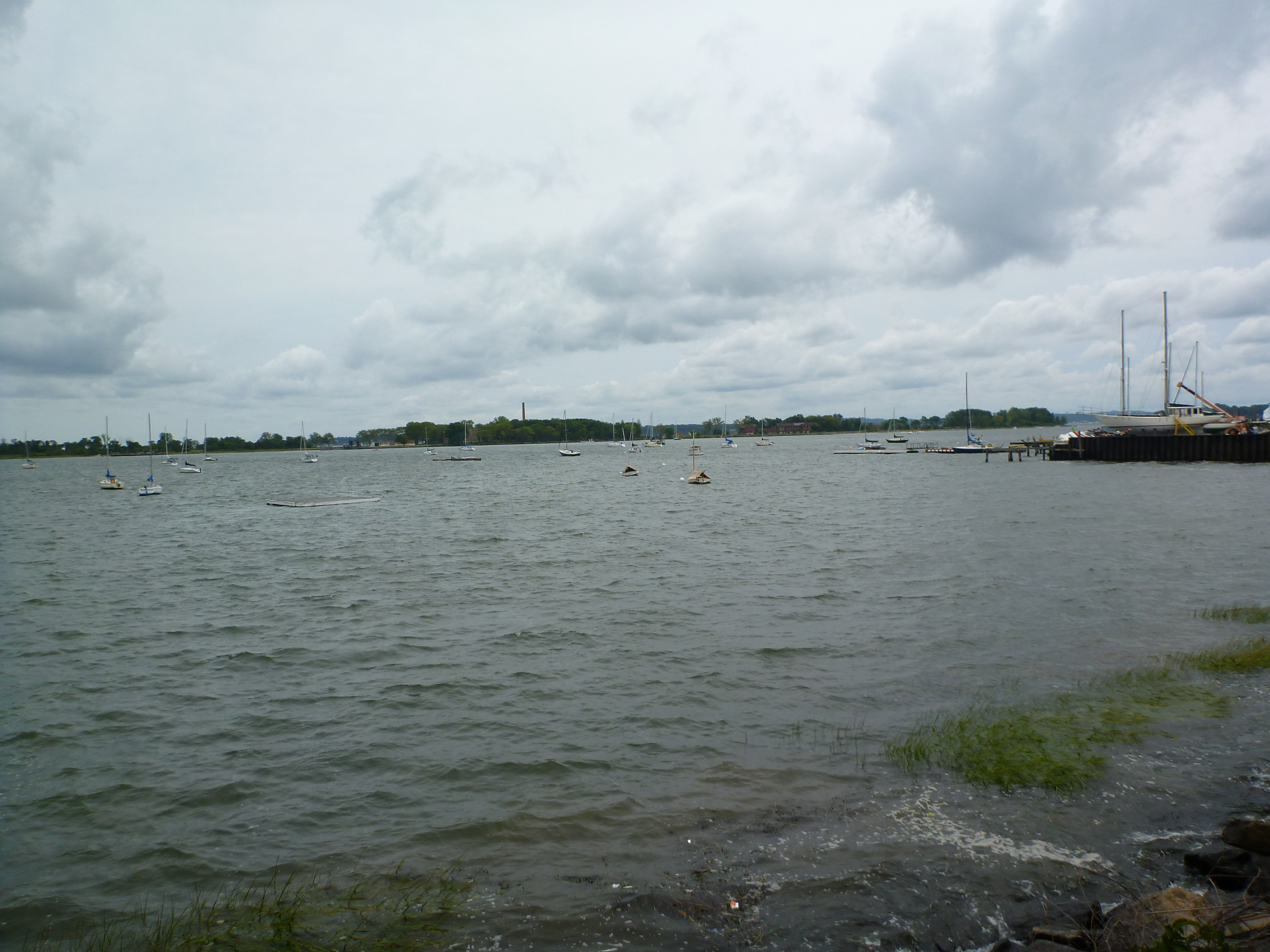
Hart Island in New York is the site of the largest public cemetery in the United States — the city’s potter’s field, where over a million unclaimed and indigent dead have been buried in mass graves, historically by prison labor. People sent to Hart Island were sent in death, unclaimed by family or unable to afford burial. For most of its history the island was closed to the public and even to relatives. It remains one of the most somber sites in America, a final destination for the city’s forgotten dead.
4. Penikese Island, Massachusetts
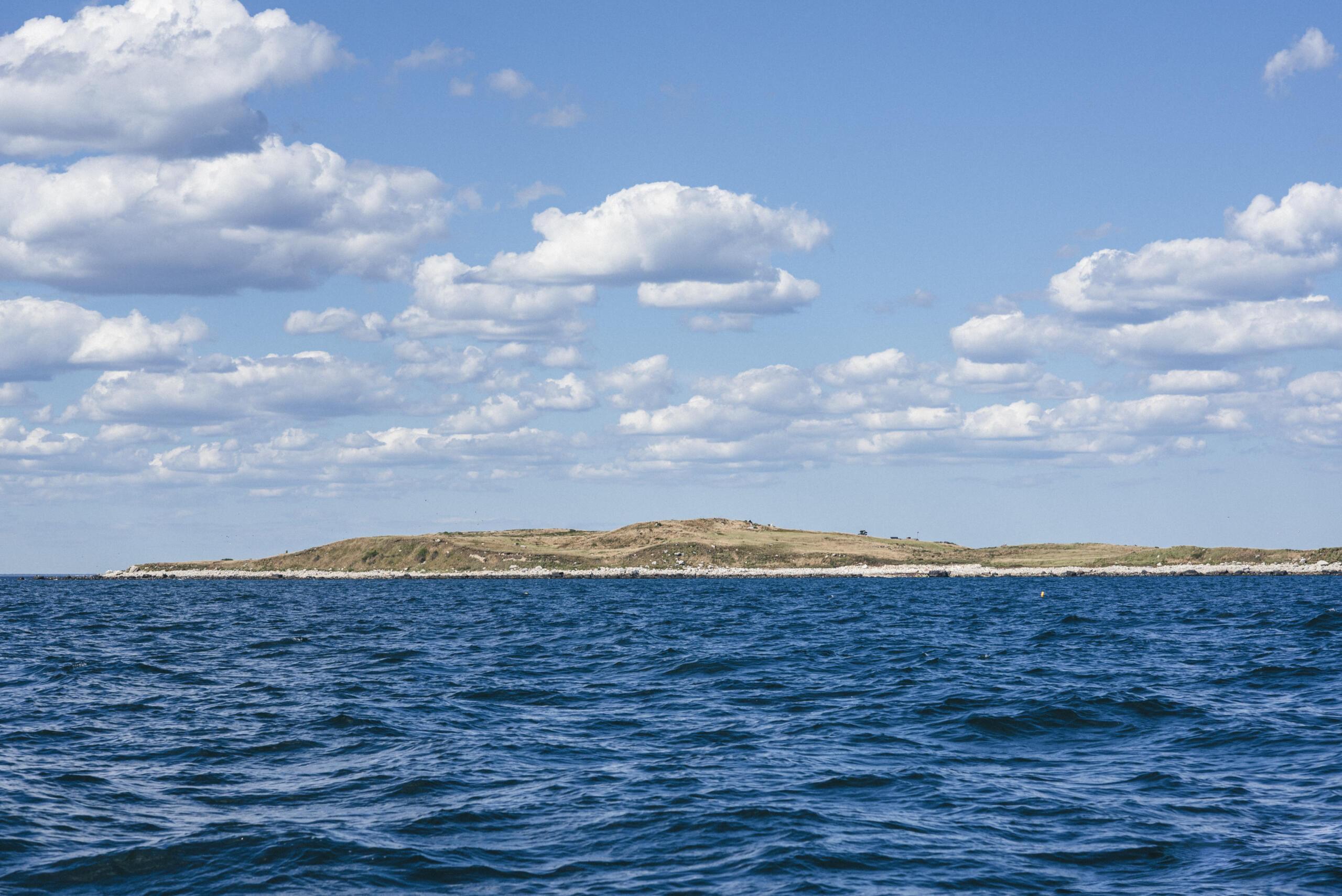
Penikese Island off the Massachusetts coast housed a leper colony from 1905 to 1921, where people with Hansen’s disease were isolated on the remote island. The patients, many of them immigrants, lived out their illness cut off from the mainland. After the colony closed, the buildings were burned. The remote, windswept island, later used for other purposes, carries the history of a small community of the isolated sick, sent to a place from which most did not return.
5. Alcatraz Island, California
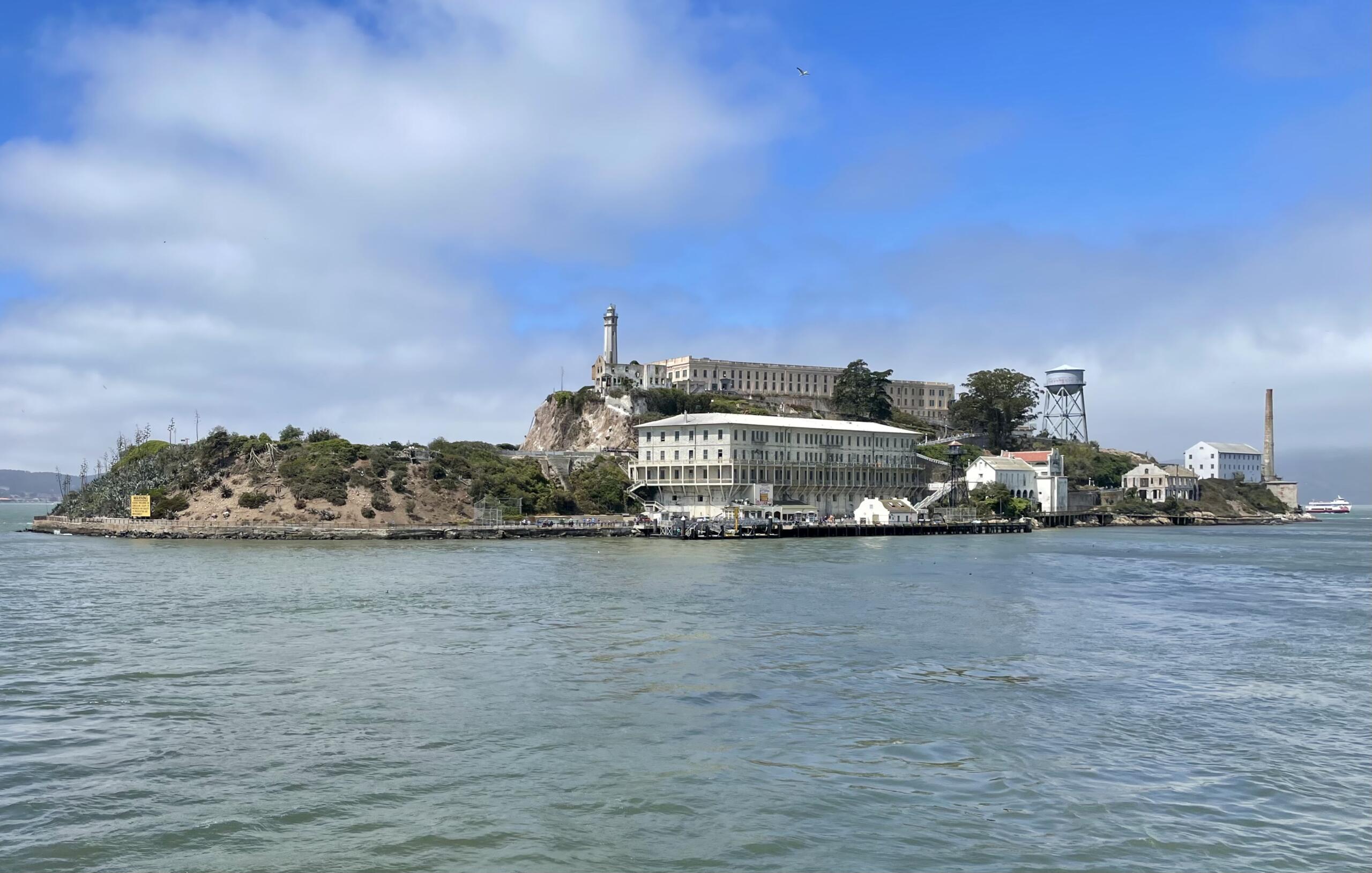
Alcatraz in San Francisco Bay housed the federal prison reserved for the most difficult and dangerous inmates from 1934 to 1963. Surrounded by cold, treacherous water, “The Rock” was designed so that escape was considered impossible, and prisoners sent there were sent to the end of the federal prison system. While most eventually left alive, the island was engineered as a place of maximum separation. Now one of the most-visited historic sites in America, Alcatraz preserves the architecture of total isolation.
6. Waverly Hills Sanatorium, Kentucky
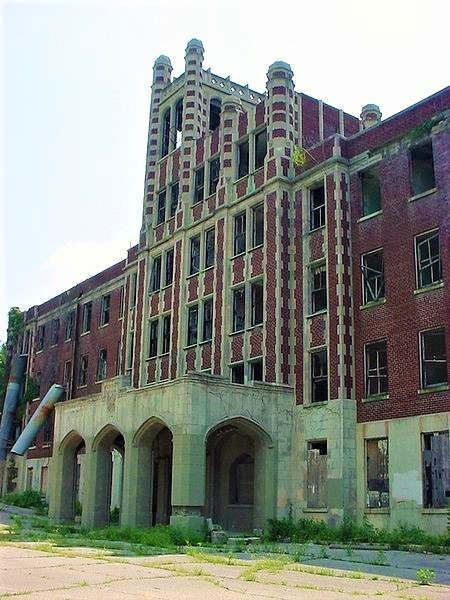
Waverly Hills in Louisville was a tuberculosis sanatorium that operated during the era when TB was a frequently fatal and highly contagious disease with no cure. Patients were sent to the isolated facility for treatment that often failed, and the death toll was substantial. A tunnel was reportedly used to discreetly remove the bodies of the dead. The massive building, later abandoned, stands as a monument to the pre-antibiotic era when a tuberculosis diagnosis frequently meant being sent away to a sanatorium for the last time.
7. Spinalonga — America’s Lesser-Known Equivalents
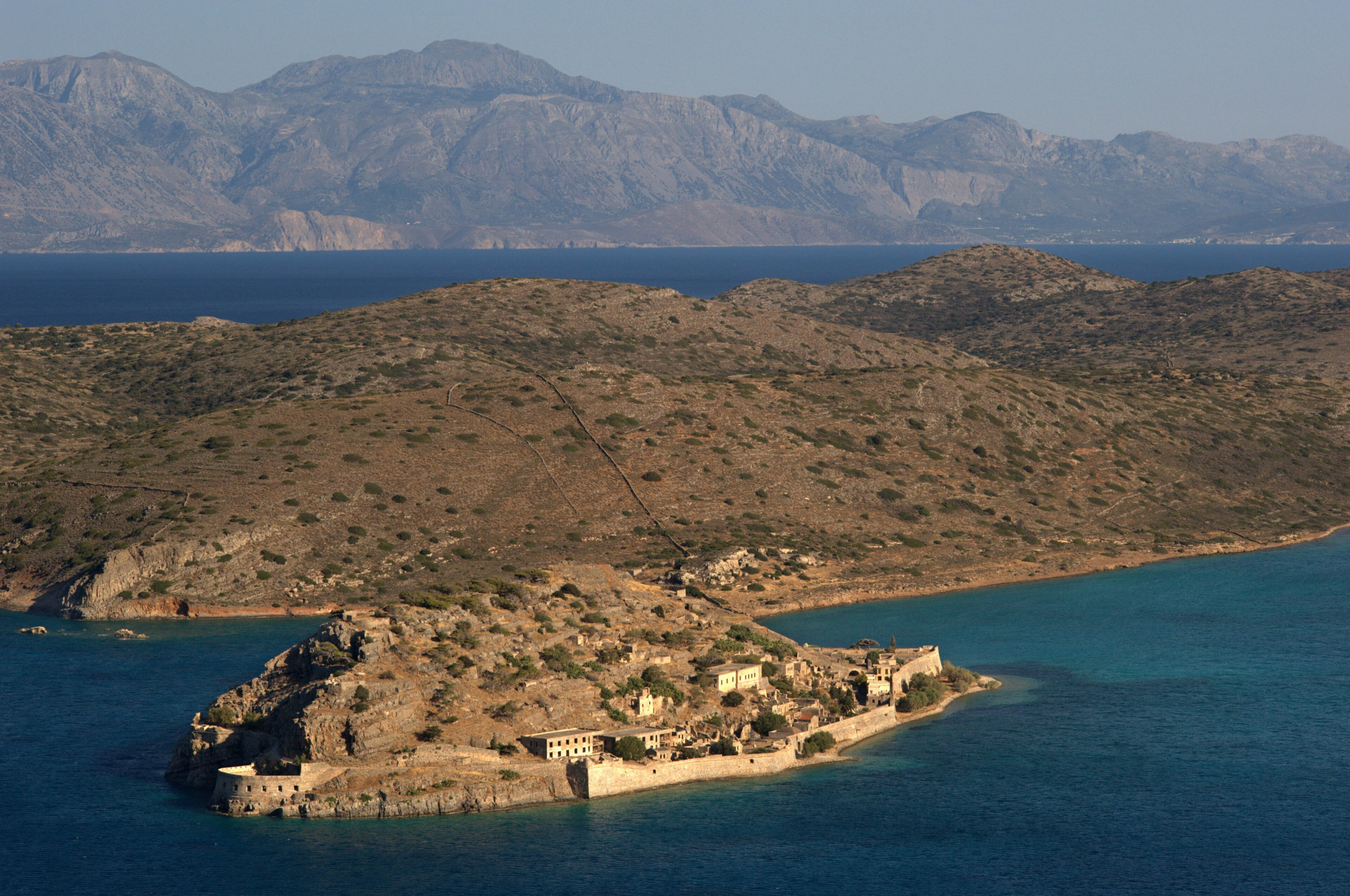
Many U.S. states operated their own tuberculosis sanatoria and “pest houses” — isolated facilities for the contagious sick, frequently located far from population centers specifically so the ill would be removed from society. These ranged from substantial institutions to small, grim “pest houses” at the edge of town where smallpox and other contagious patients were sent. Most are now demolished or abandoned. They represent the widespread American practice, before modern medicine, of physically removing the contagious to isolated places from which many did not return.
8. Letchworth Village, New York
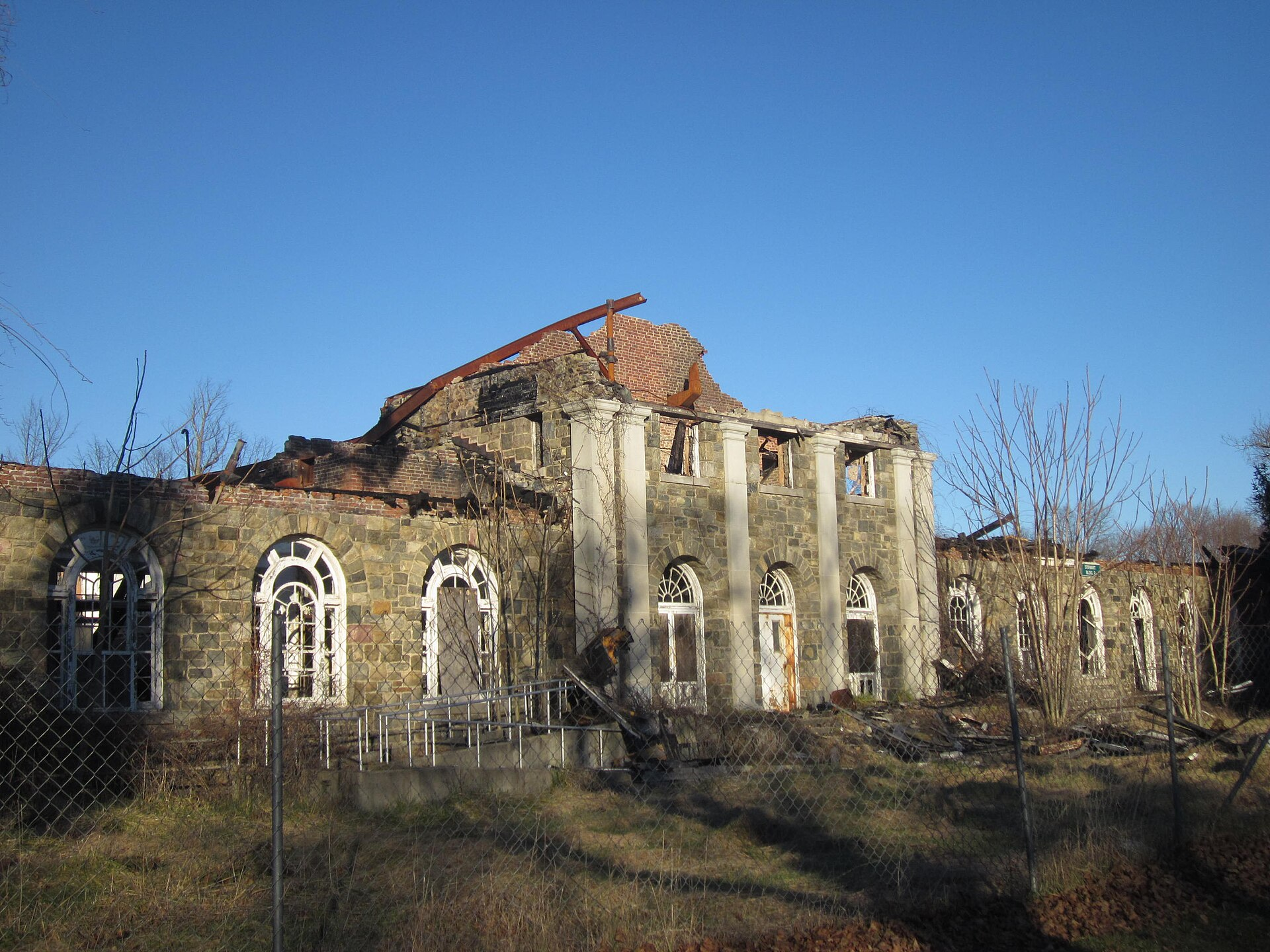
Letchworth Village in New York was a state institution for people with developmental and physical disabilities, opened in 1911. Like many such institutions of the era, it became severely overcrowded and was later the subject of exposés revealing neglectful and inhumane conditions. Residents were frequently institutionalized for life. The abandoned campus, with its decaying buildings and a cemetery marked only with numbered stones rather than names, documents the era’s practice of institutionalizing and effectively erasing people with disabilities.
9. Trans-Allegheny Lunatic Asylum, West Virginia
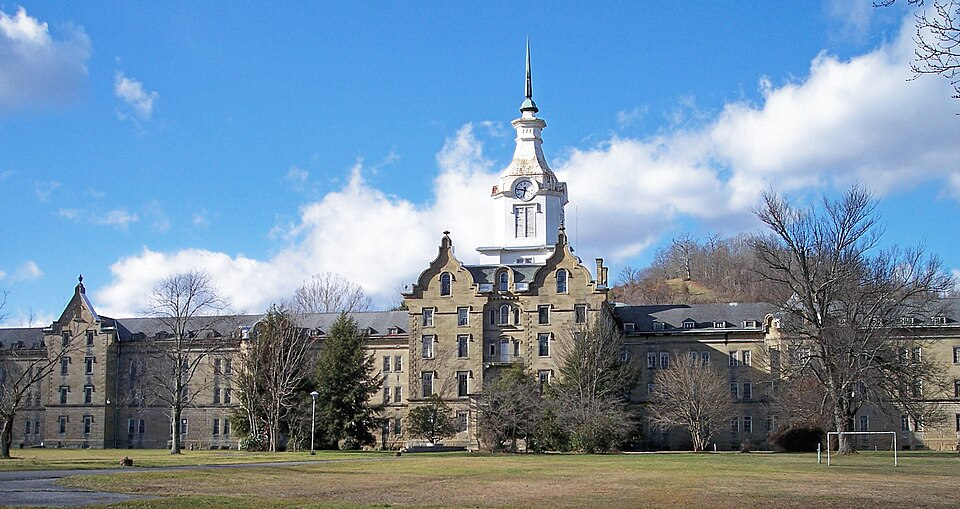
The Trans-Allegheny Lunatic Asylum in West Virginia, built in the mid-19th century, housed the mentally ill and, over time, many people who would not be institutionalized today — committed for reasons ranging from genuine illness to social inconvenience. Designed for several hundred, it eventually held many times that number in deteriorating conditions. Patients were frequently committed for life. The preserved building documents the era of long-term asylum confinement, when commitment frequently meant never leaving.
10. Devil’s Island Equivalents — America’s Prison Islands
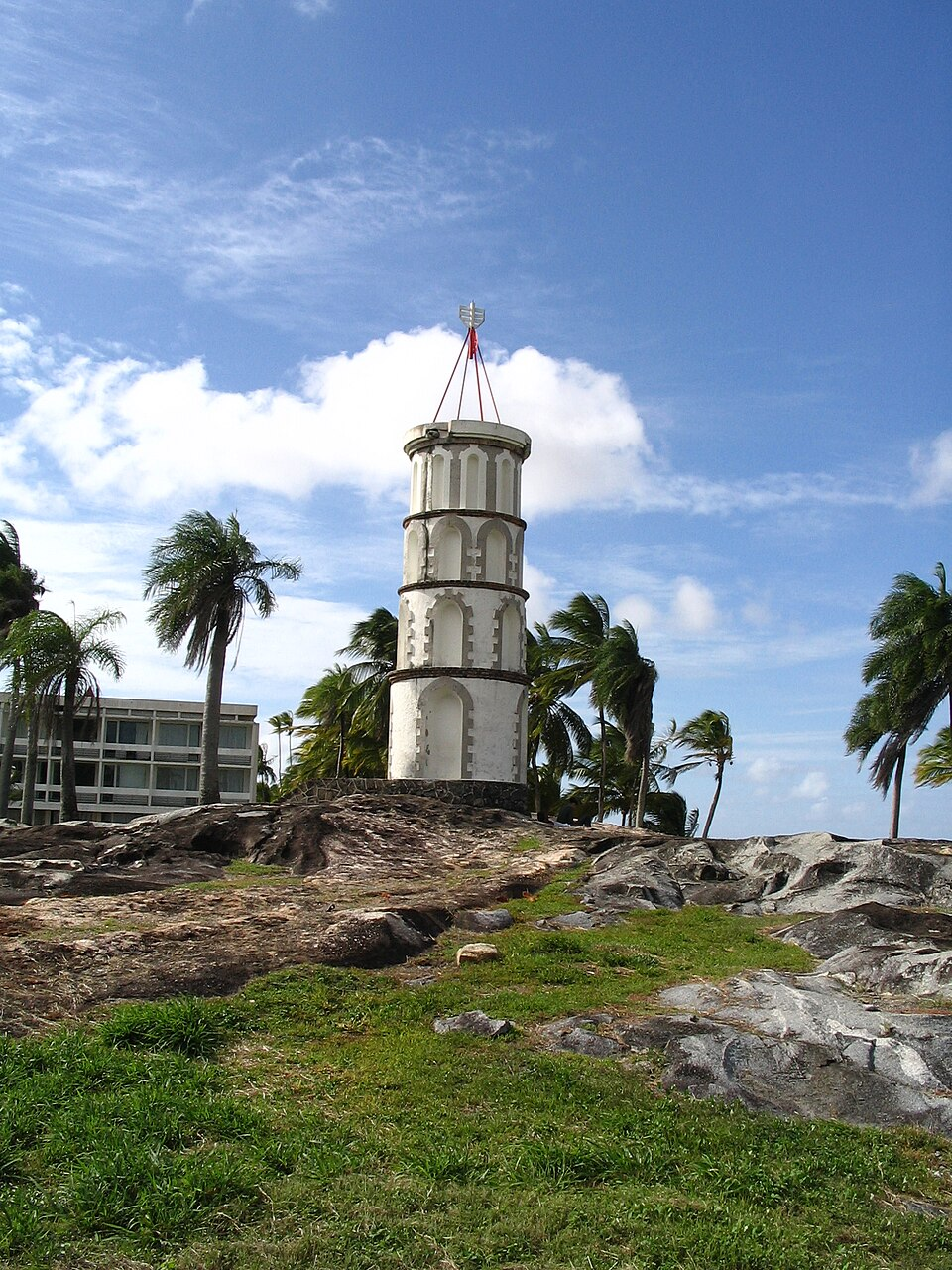
Beyond Alcatraz, the United States used other isolated islands and remote sites as prisons, including facilities chosen specifically for their inaccessibility. The principle was the same — separation by water or wilderness so severe that the location itself was the primary security. These sites, designed so that the sentence and the geography reinforced each other, reflect a long American tradition of using isolation as punishment, sending the condemned to places engineered to prevent return.
11. The Quarantine Stations at America’s Harbors
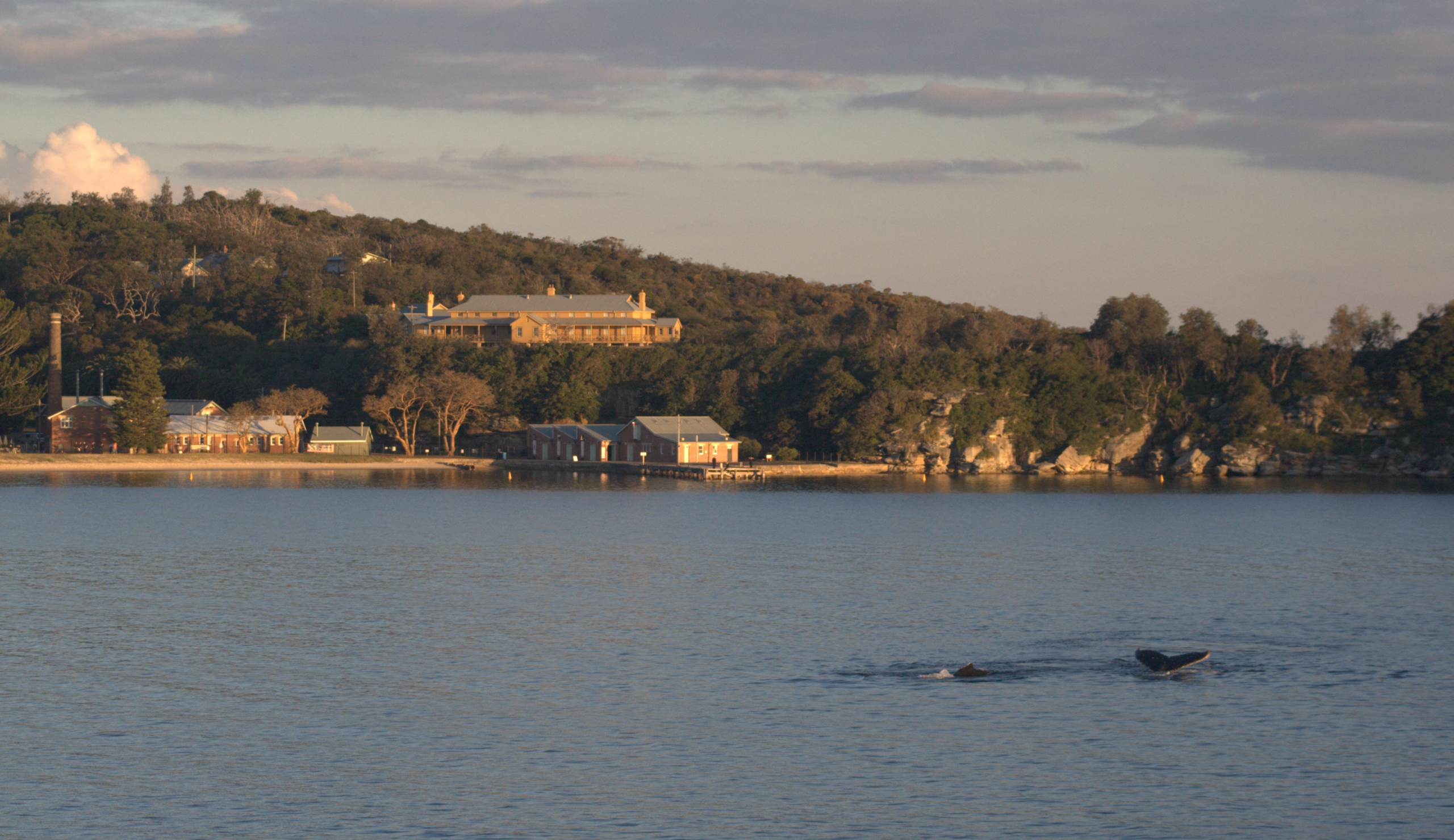
Major American ports operated quarantine stations — frequently on islands — where arriving immigrants and travelers suspected of carrying contagious disease were detained, sometimes for extended periods and sometimes permanently when they died in confinement. Swinburne Island and Hoffman Island in New York were built specifically for this purpose. Immigrants who had crossed an ocean seeking a new life could find themselves sent to a quarantine island within sight of their destination, and some never made it past it.
12. The Poor Farms and County Asylums
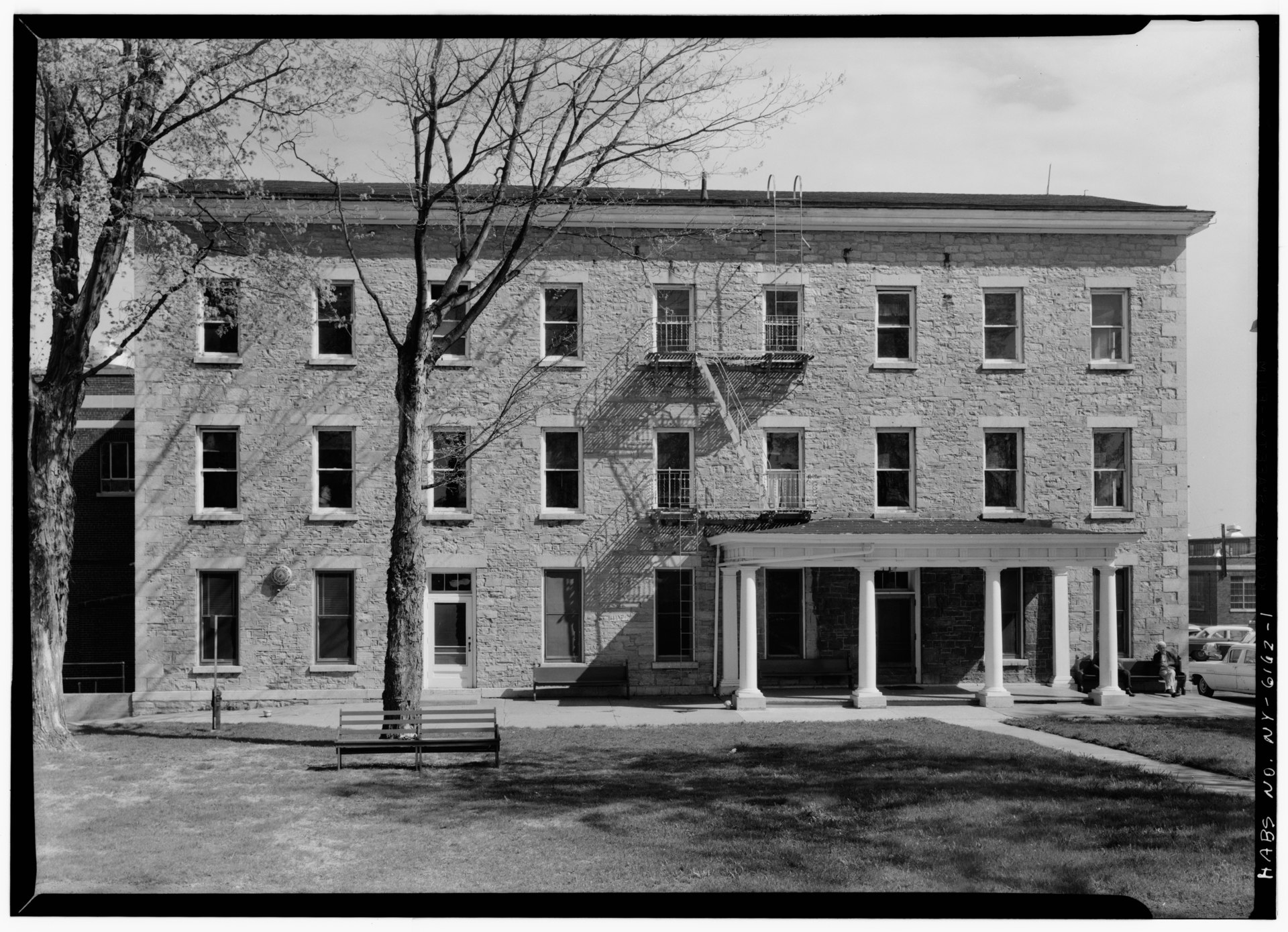
Across rural America, the poor farm or county asylum was where the destitute, the elderly without family, the disabled, and the mentally ill were sent when society had no other place for them. Residents worked the farm in exchange for basic shelter and frequently lived out their lives there, buried in unmarked graves on the property. These institutions, once present in nearly every American county, have almost entirely vanished, but their cemeteries and ruins remain — evidence of where America sent those it had no other plan for.
Why These Places Matter Now
It would be easy to treat these sites as morbid curiosities, but they document something genuinely important about how societies handle the people they would rather not see. Each of these places existed because the America of its era faced a real problem — contagious disease before antibiotics, disability and mental illness before modern understanding and treatment, poverty before a social safety net, crime — and chose isolation as the answer. The people sent to these places were, overwhelmingly, not villains but the unlucky: the immigrant who arrived carrying tuberculosis, the child born with a disability, the widow with no family and no money, the person whose illness frightened a community that didn’t understand it. Many arrived knowing they would not return. The preserved and abandoned sites are worth understanding precisely because the impulse that built them — to remove the inconvenient and the frightening from sight — is not unique to the past. Visiting or learning about these places, where access permits and where it can be done respectfully, is a way of remembering the real people who were sent to them, and of asking honest questions about how our own era handles those it would prefer not to see. That is a more meaningful reason to know these histories than mere fascination with the eerie, and it is the spirit in which these difficult American places are best approached.
Like our content? Follow us for more.