

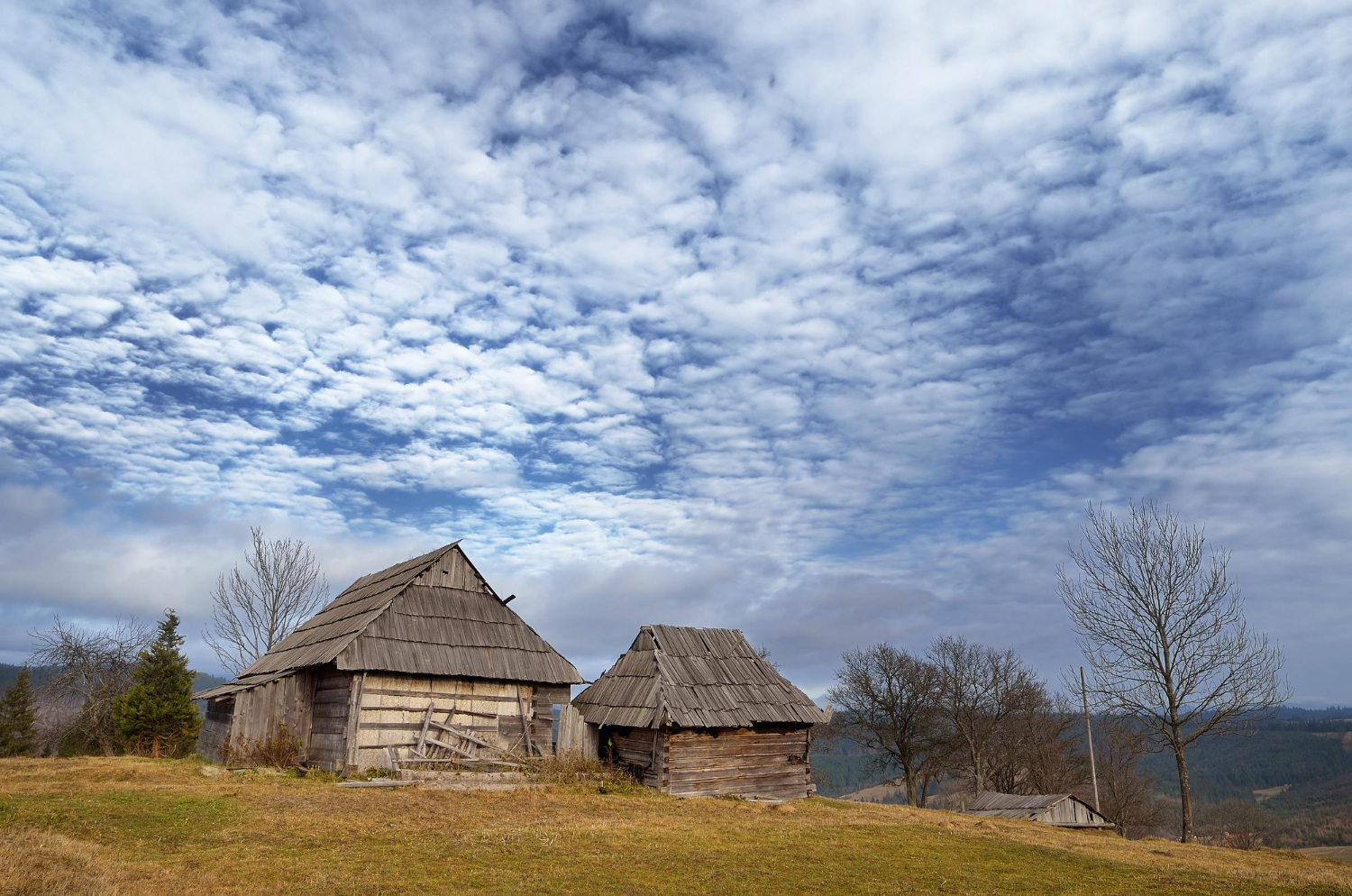
Most Americans assume you can drive anywhere in the lower 48, but a surprising number of inhabited American communities have no road connecting them to the outside world at all. Residents reach home by ferry, by bush plane, by mail boat, by snowmobile, or — in one famous case — by mule down a canyon trail. These aren’t ghost towns or seasonal outposts; they’re functioning communities with year-round residents, schools, and post offices, where daily life is shaped entirely by the absence of a road. Getting groceries, seeing a doctor, or leaving for any reason requires planning that most Americans never contemplate. The isolation is sometimes a hardship and sometimes the entire point. Here are thirteen American towns so cut off that the only way in is by boat, plane, or mule.
1. Supai, Arizona — Reached Only by Mule, Foot, or Helicopter
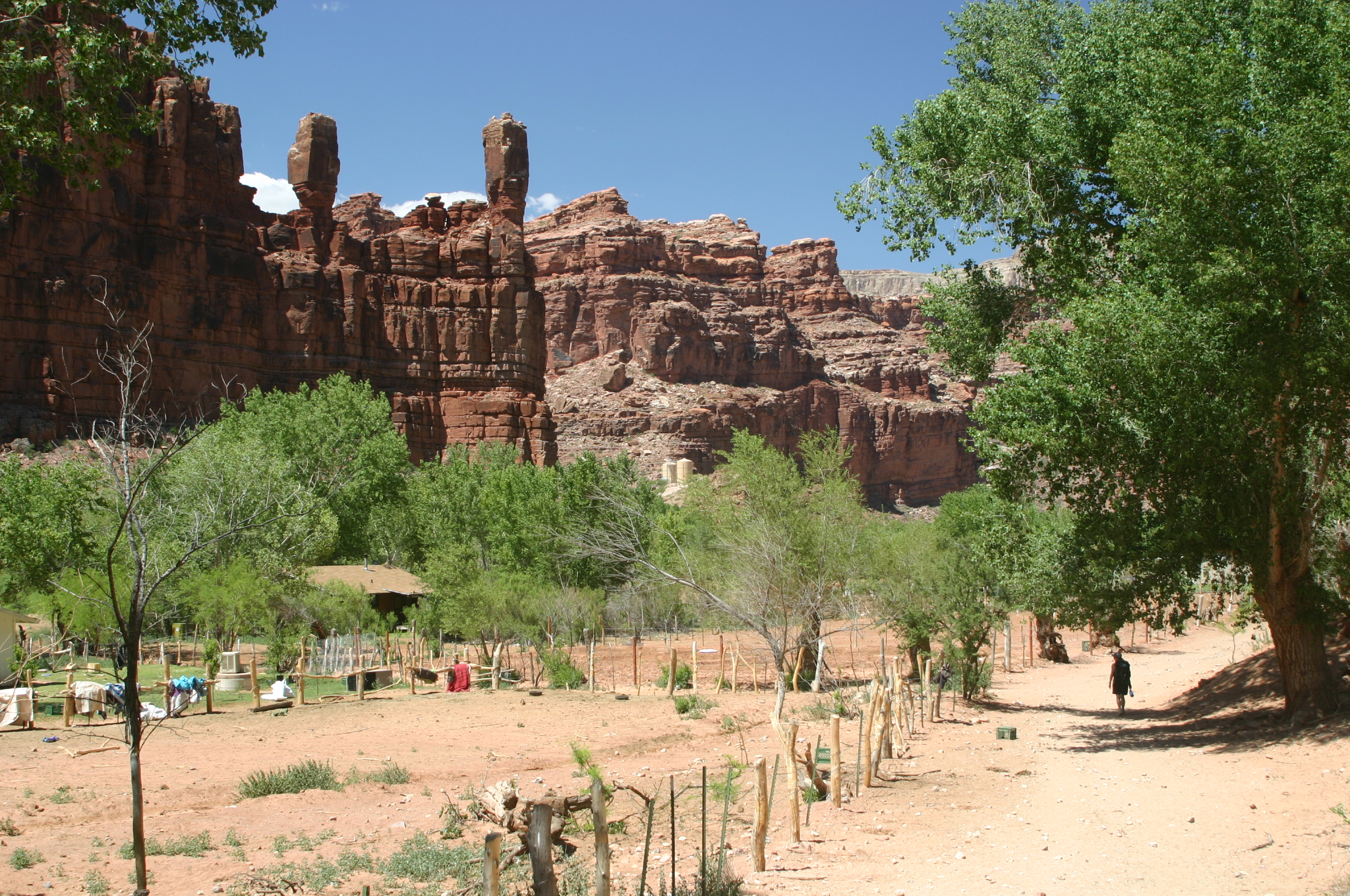
Supai, home of the Havasupai Tribe, sits at the bottom of a side canyon of the Grand Canyon and is the most remote community in the contiguous United States. There is no road. The only ways in are an eight-mile hike, a mule, or a helicopter, and it is famously the last place in America where mail is still delivered by mule train. The roughly 200 residents live beside the spectacular blue-green Havasu Falls. Daily life, supplies, and the mail all move up and down the canyon trail by foot and hoof.
Like our content? Follow us for more.
2. Monhegan Island, Maine — Mail Boat Only
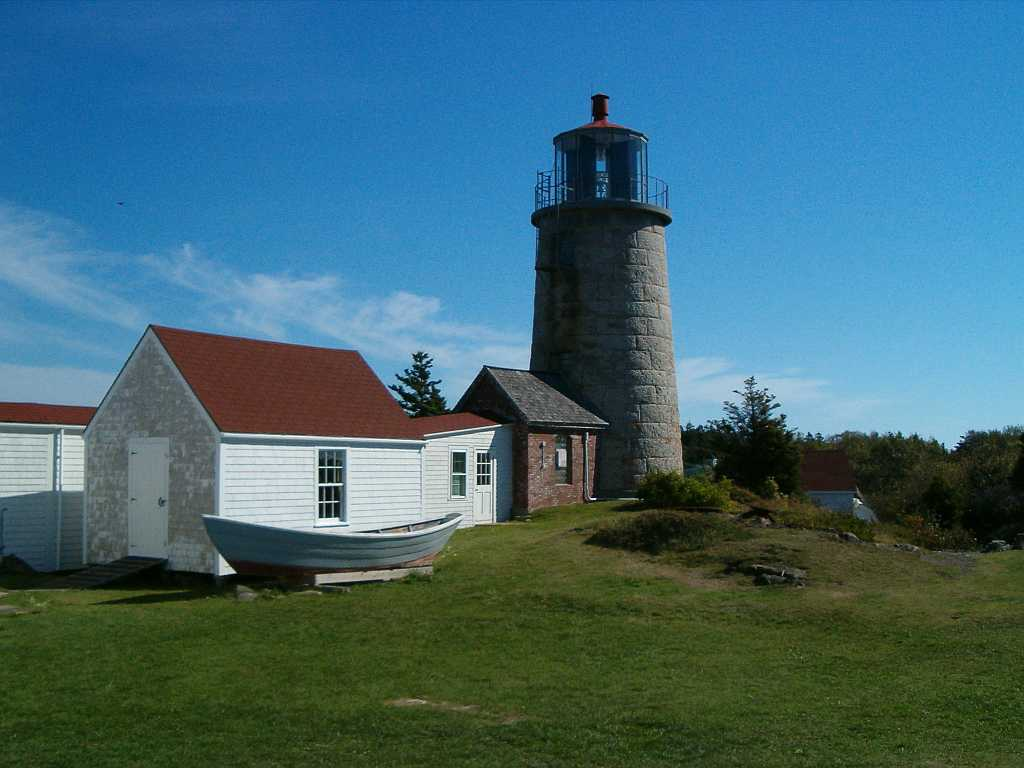
Monhegan Island sits about 10 miles off the Maine coast and has no bridge and no car ferry — residents and visitors arrive by passenger mail boat. The small year-round community of lobstermen and artists lives without cars (there are almost none on the island), relying on the boat for everything from groceries to medical access. In winter, the population dwindles and the sea can cut the island off entirely during storms. Monhegan’s isolation has made it a famous artists’ retreat for over a century.
3. Adak, Alaska — The Westernmost Town, Reachable by Plane
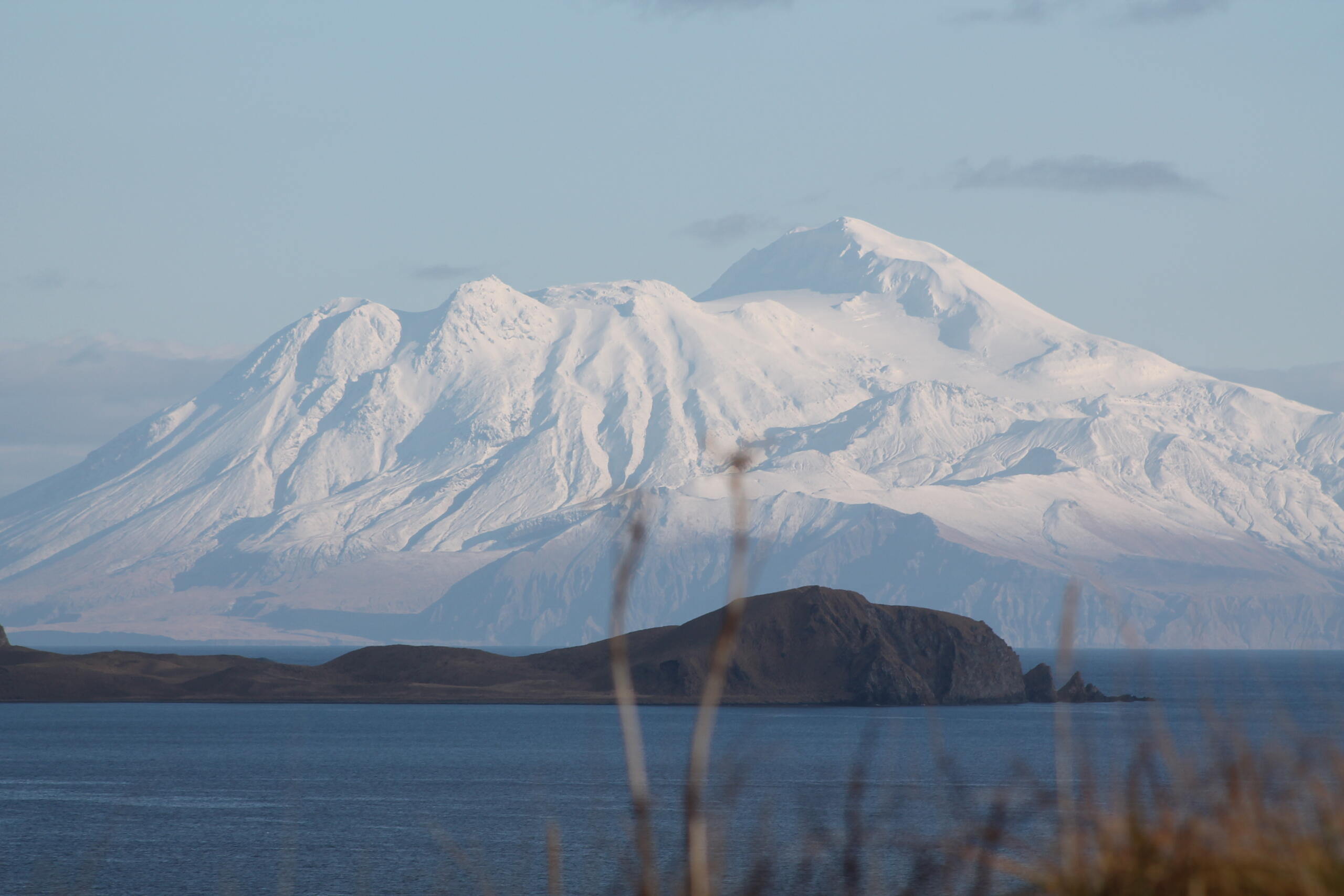
Adak, in the far Aleutian Islands, is the westernmost municipality in the United States, sitting roughly 1,200 miles from Anchorage. A former Navy base, it now has a small civilian population reachable only by air (a couple of flights a week) or by sea. The treeless, windswept, fog-bound island experiences some of the harshest weather in America. Residents live with the knowledge that weather can cancel flights for days, cutting off the only practical connection to the mainland.
4. Tangier Island, Virginia — Sinking and Boat-Only
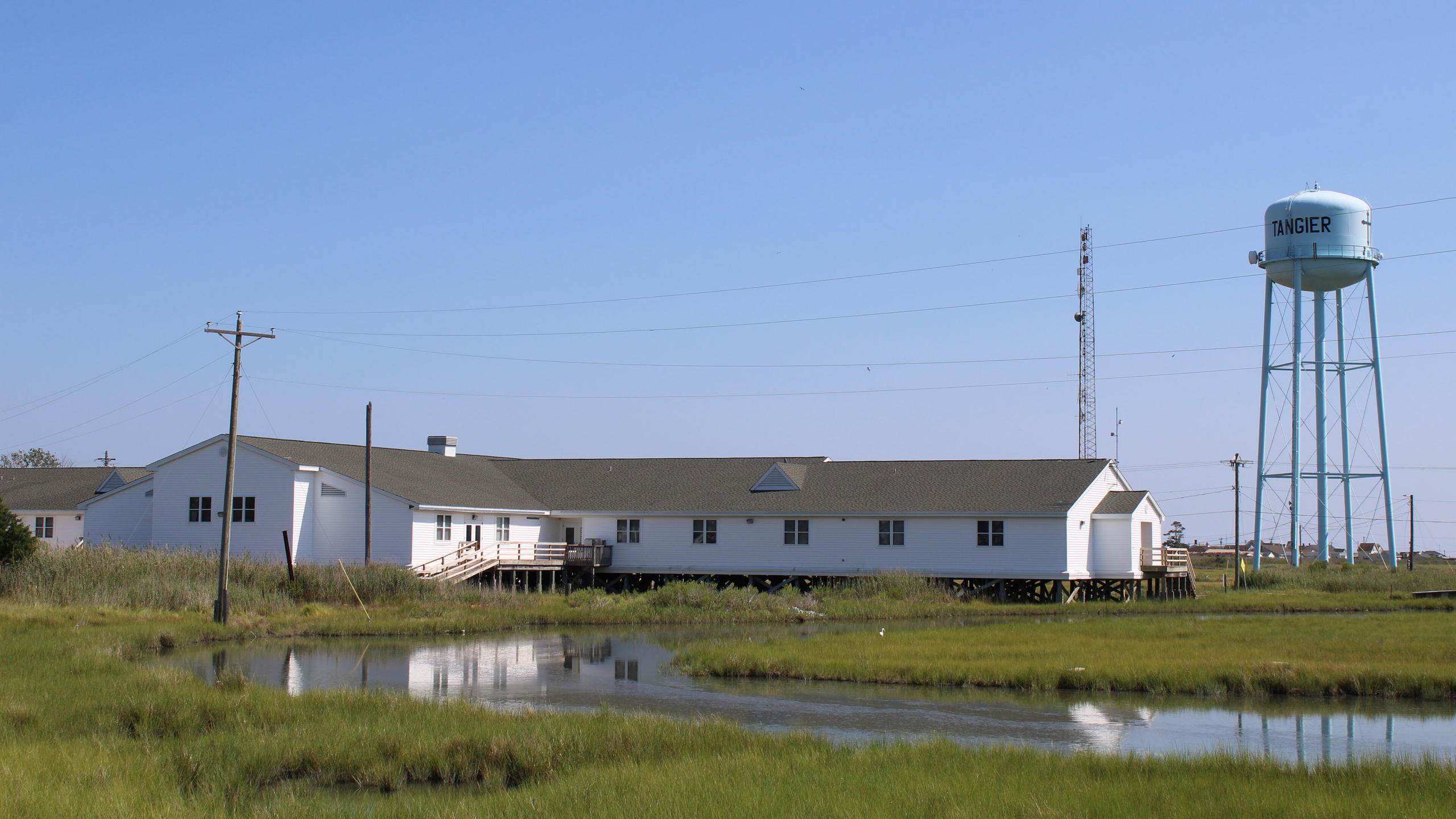
Tangier Island in the Chesapeake Bay is reached only by boat or small plane and is home to a distinctive community of watermen who speak a unique dialect with traces of Elizabethan English. The island is slowly disappearing into the bay through erosion and rising water, and its population has declined. Residents face both the daily isolation of boat-only access and the existential threat of the island’s gradual loss to the water, making Tangier one of America’s most precarious communities.
5. Cordova, Alaska — No Road to Anywhere
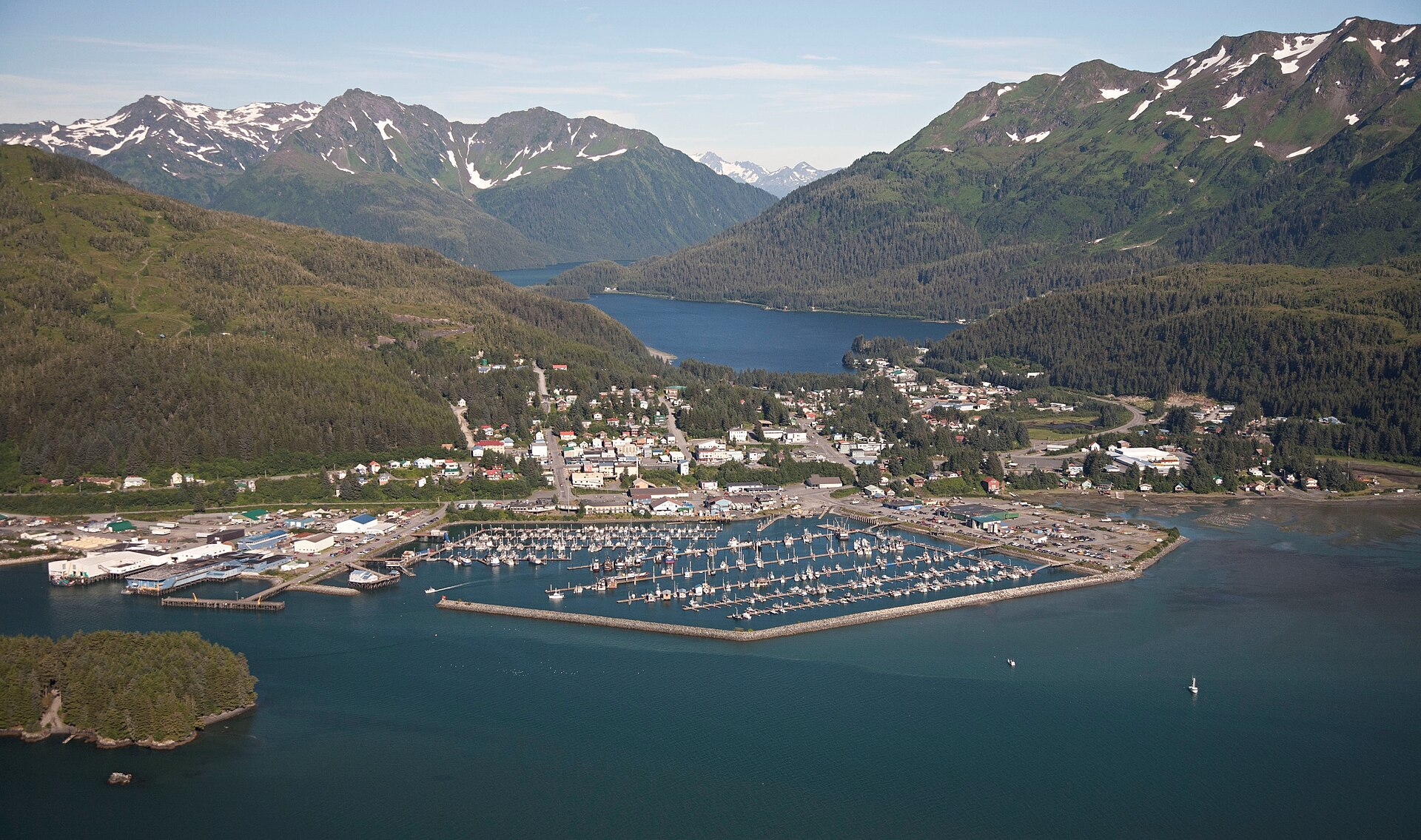
Cordova, a fishing town of several thousand on Prince William Sound, has no road connecting it to the rest of Alaska’s highway system. Residents and supplies arrive by ferry or plane. Despite being a substantial, functioning town with all the services of a small city, Cordova is effectively an island in terms of access — you cannot drive there from anywhere. The isolation shapes the cost of everything and the rhythm of a community reachable only by sea and air.
6. Isle Royale’s Communities, Michigan — Ferry or Seaplane
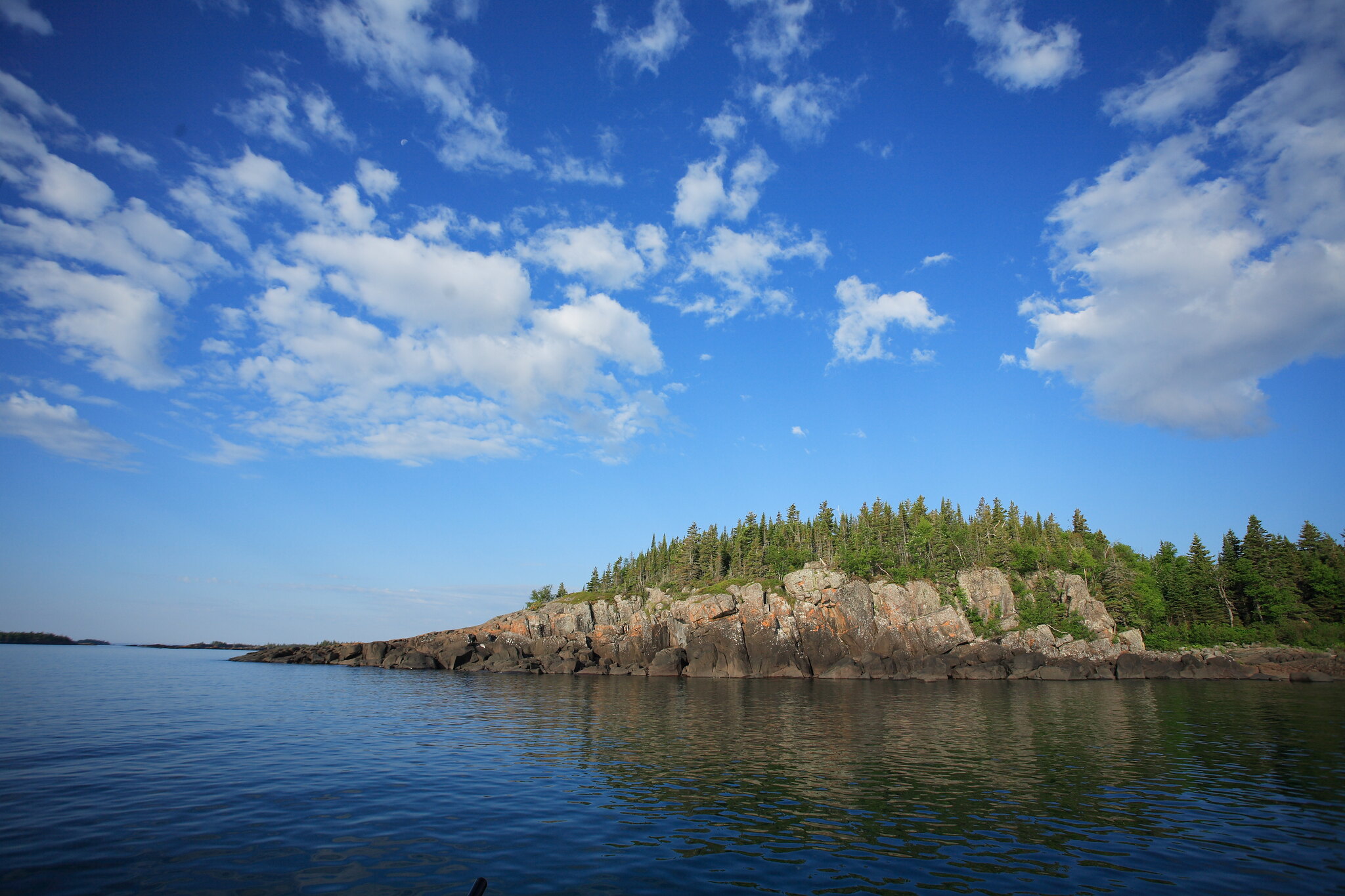
Isle Royale in Lake Superior, a remote national park, is reached only by ferry or seaplane and is so isolated it closes entirely in winter. While primarily a wilderness park, it has historically supported isolated communities and remains one of the least-visited and most cut-off places in the lower 48, surrounded by the cold vastness of Lake Superior and accessible only during the warmer months.
7. Whittier, Alaska — Reached Through a Single One-Lane Tunnel
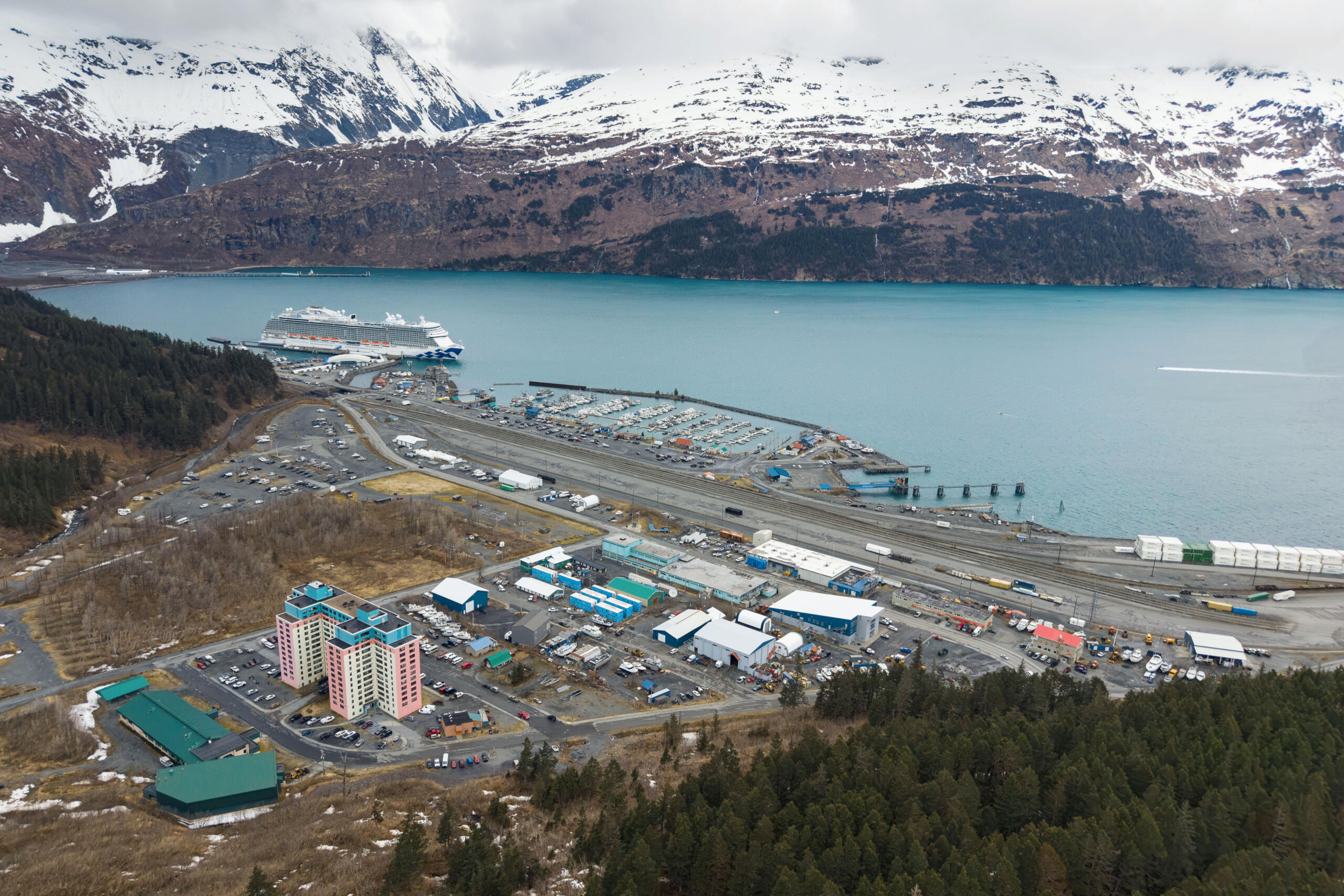
Whittier is technically reachable by road, but only through a single 2.5-mile one-lane tunnel shared with the railroad, which changes direction on a schedule and closes overnight. Nearly all of the town’s residents live in a single building. When the tunnel closes for the night, Whittier is effectively sealed off. The combination of the tunnel-only access and the single-building community makes Whittier one of the most peculiar and isolated towns in America.
8. Smith Island, Maryland — The Other Chesapeake Boat-Only Community
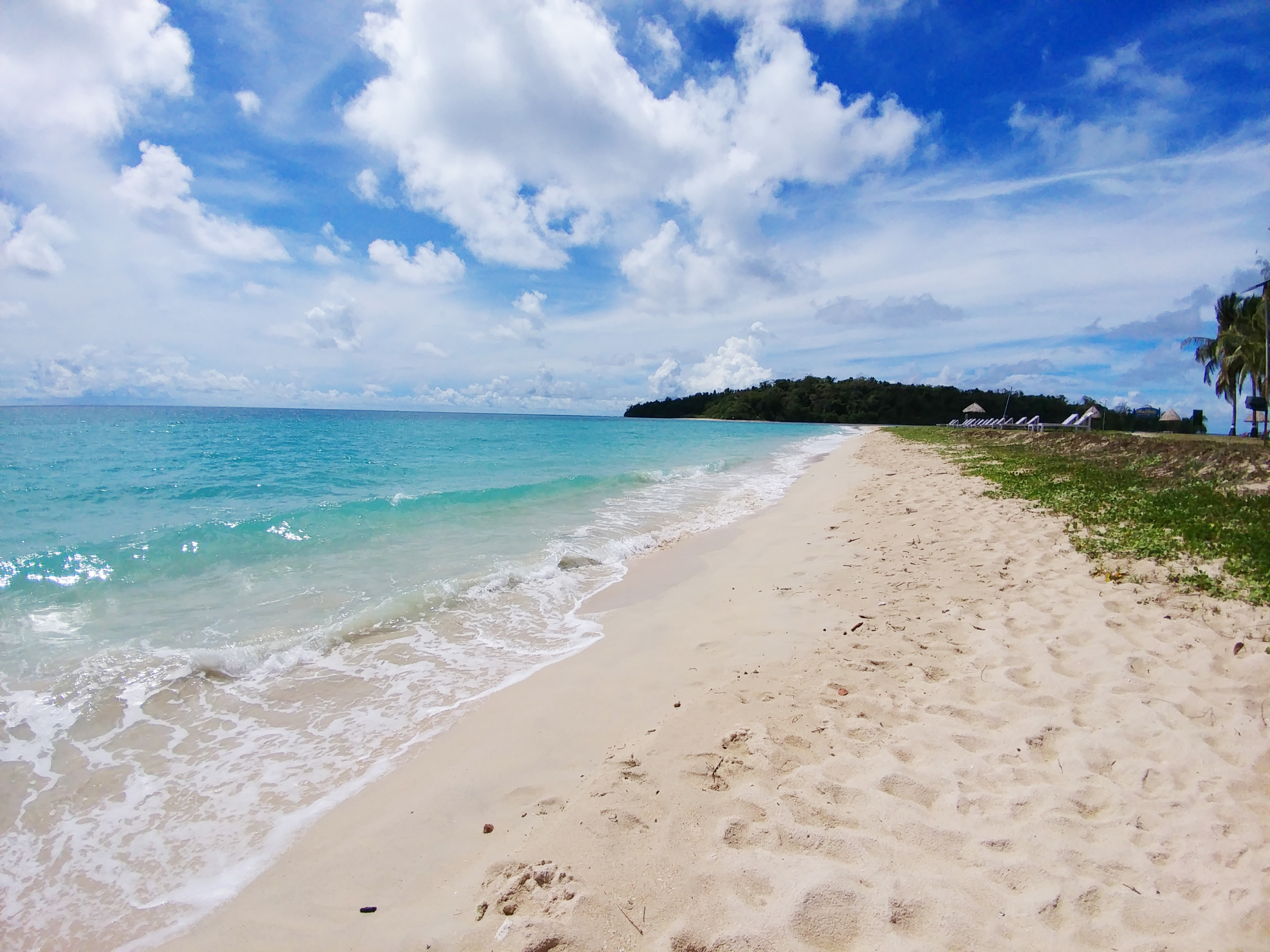
Smith Island, Maryland’s only inhabited offshore island in the Chesapeake, is reached only by boat. Like Tangier, it hosts a distinctive waterman culture and faces erosion and population decline. Residents take a ferry for medical care, high school, and most services. The island, famous for its layer cake, represents the same precarious boat-only existence — a shrinking community holding on to a traditional way of life that the isolation both preserved and threatens.
9. Gustavus, Alaska — The Gateway With No Through Road
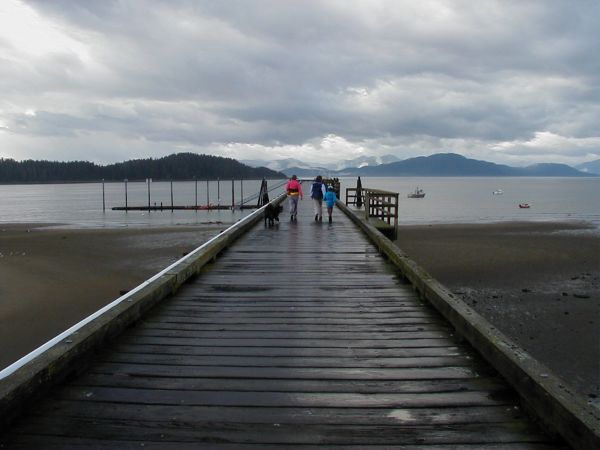
Gustavus, near Glacier Bay, has no road connecting it to the broader Alaska highway system and is reached by plane or ferry. The small community lives in spectacular isolation near one of America’s great wilderness areas. As with other roadless Alaska towns, the lack of a highway connection means everything arrives by air or sea, and leaving requires a flight or a boat — a daily reality utterly foreign to most Americans.
10. La Push and Remote Olympic Peninsula Communities, Washington
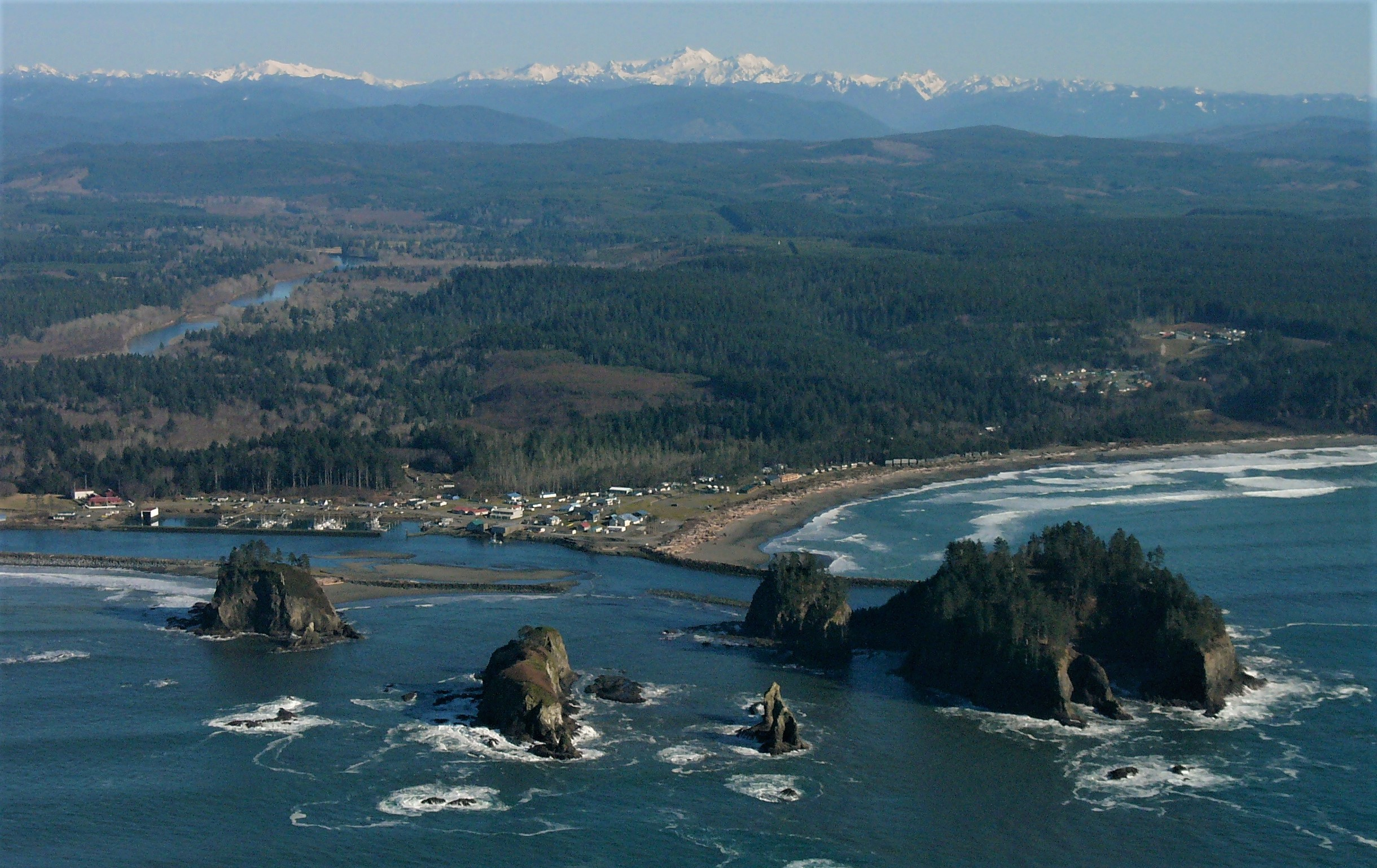
The Quileute community at La Push and other communities at the far edge of Washington’s Olympic Peninsula sit at the literal end of the road, hard against the Pacific, in some of the most isolated terrain in the contiguous states. While technically road-accessible, their extreme remoteness at the western edge of the country, surrounded by wilderness and ocean, gives them the feel and many of the practical realities of a cut-off community far from any city or services.
11. Beaver Island, Michigan — Lake Michigan’s Remote Outpost
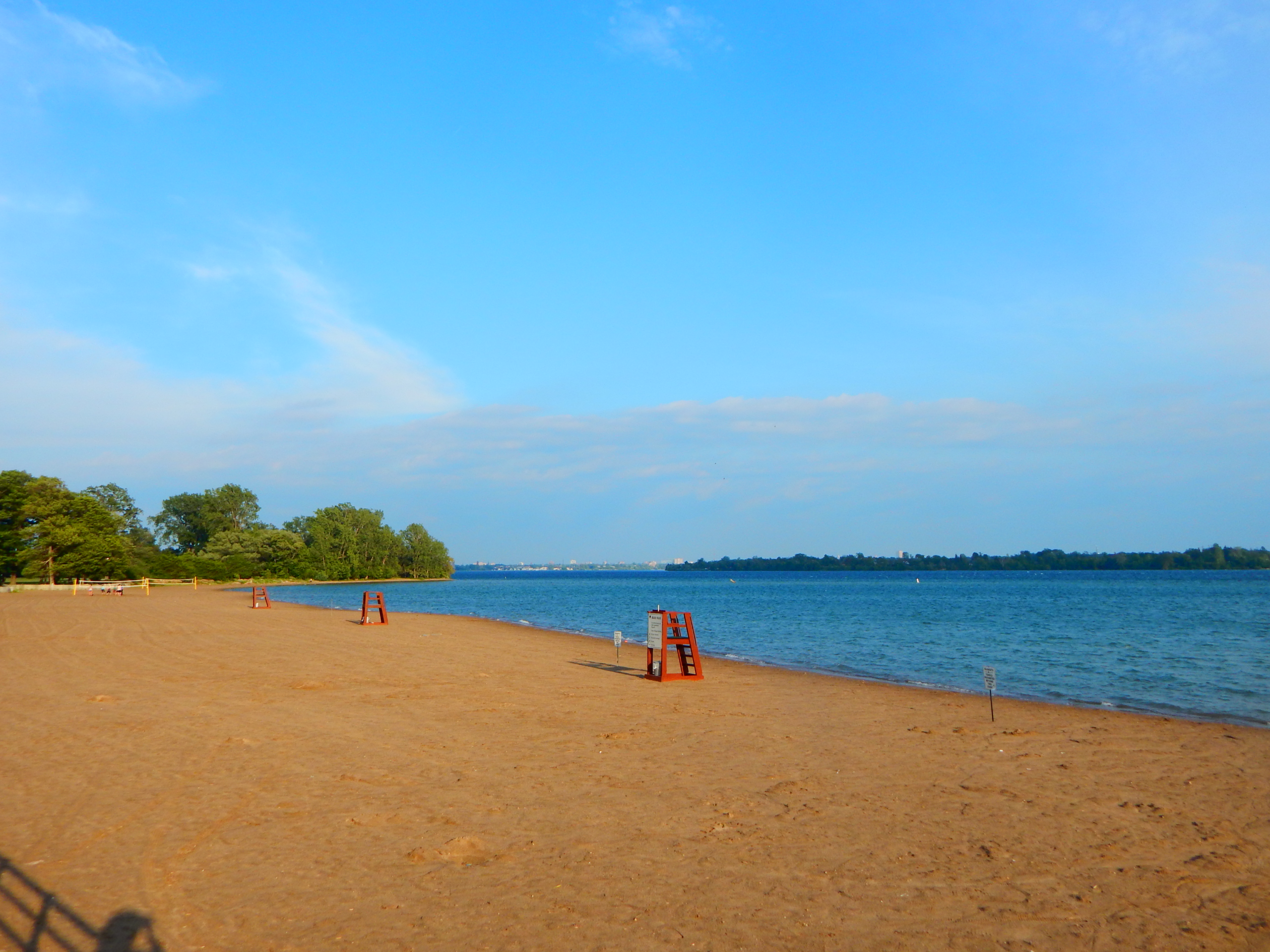
Beaver Island in Lake Michigan is reached by ferry or small plane, a roughly two-hour boat ride from the mainland. The year-round community of a few hundred swells in summer but contracts to genuine isolation in winter, when ice and weather can disrupt the ferry. The island, with a colorful history including a 19th-century self-declared “king,” is one of the more remote inhabited places in the Great Lakes, shaped by its dependence on the boat.
12. Hyder, Alaska — Reached Only Through Canada
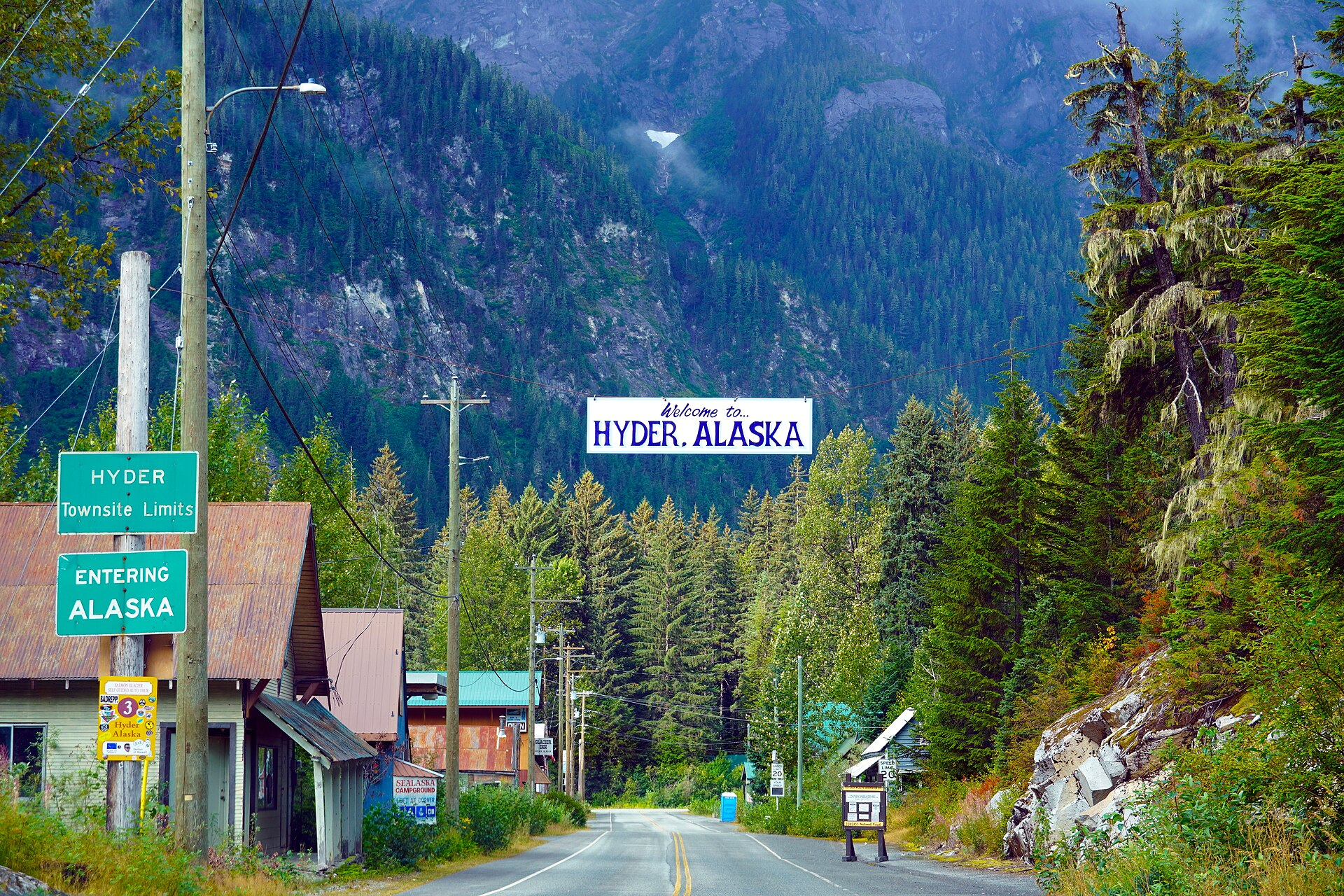
Hyder is the easternmost town in Alaska and cannot be reached from the rest of the United States by road at all — the only land access is through Stewart, British Columbia, in Canada. The tiny community uses Canadian services, Canadian currency is common, and residents must cross an international boundary for most needs. Hyder’s peculiar geography makes it one of the most logistically isolated American towns, an American community functionally attached to Canada.
13. The Outer Banks’ Ocracoke, North Carolina — Ferry-Only Island
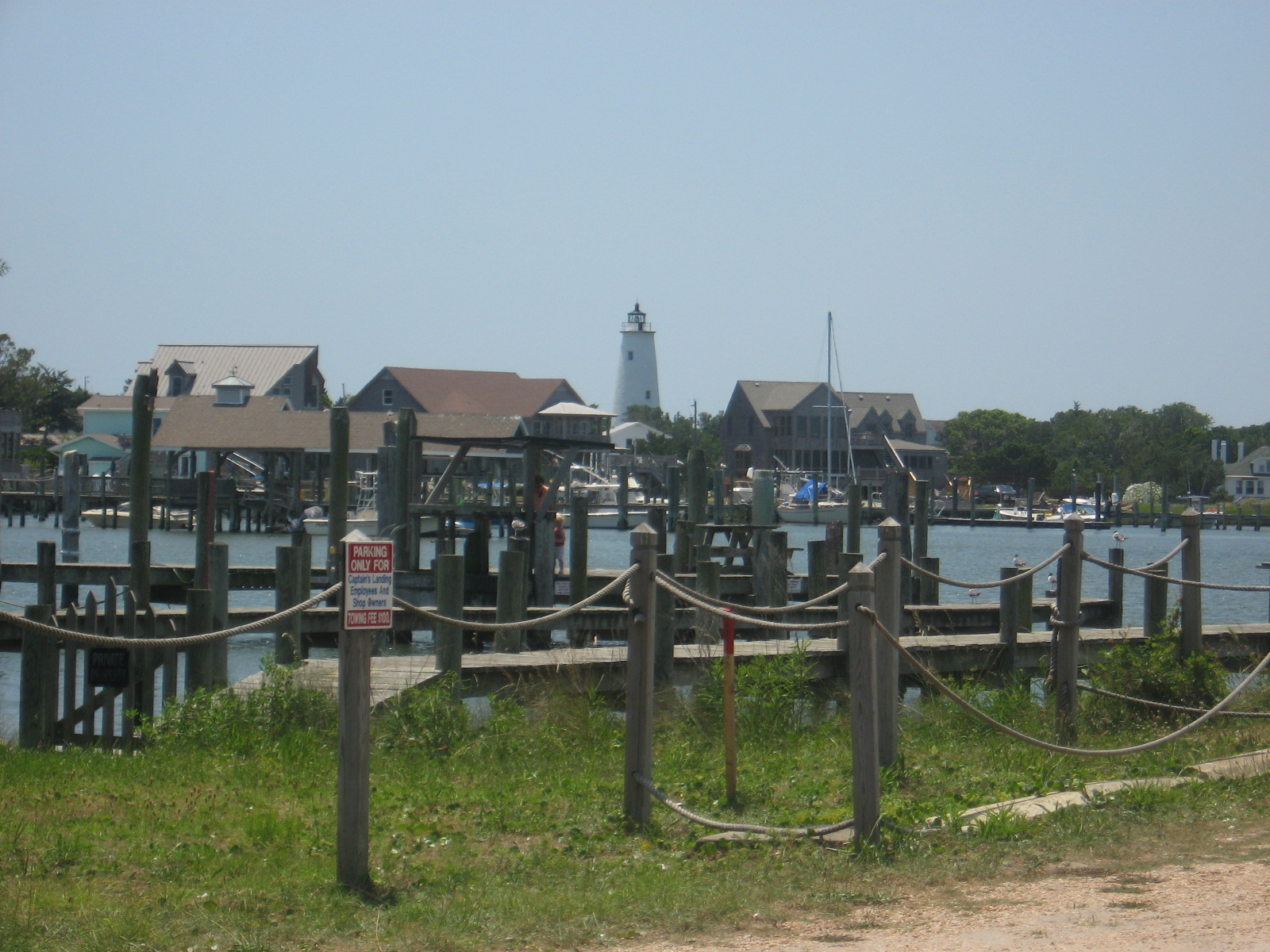
Ocracoke on North Carolina’s Outer Banks is reached only by ferry (or small plane), with no bridge connecting it to the mainland or the rest of the barrier islands in a continuous drive. The island community, with its own distinctive brogue dialect, lives with ferry-dependent access that storms and hurricanes regularly disrupt. Ocracoke combines genuine isolation with vulnerability to the Atlantic, a ferry-only community at the mercy of the sea and the weather.
What Life Without a Road Actually Means
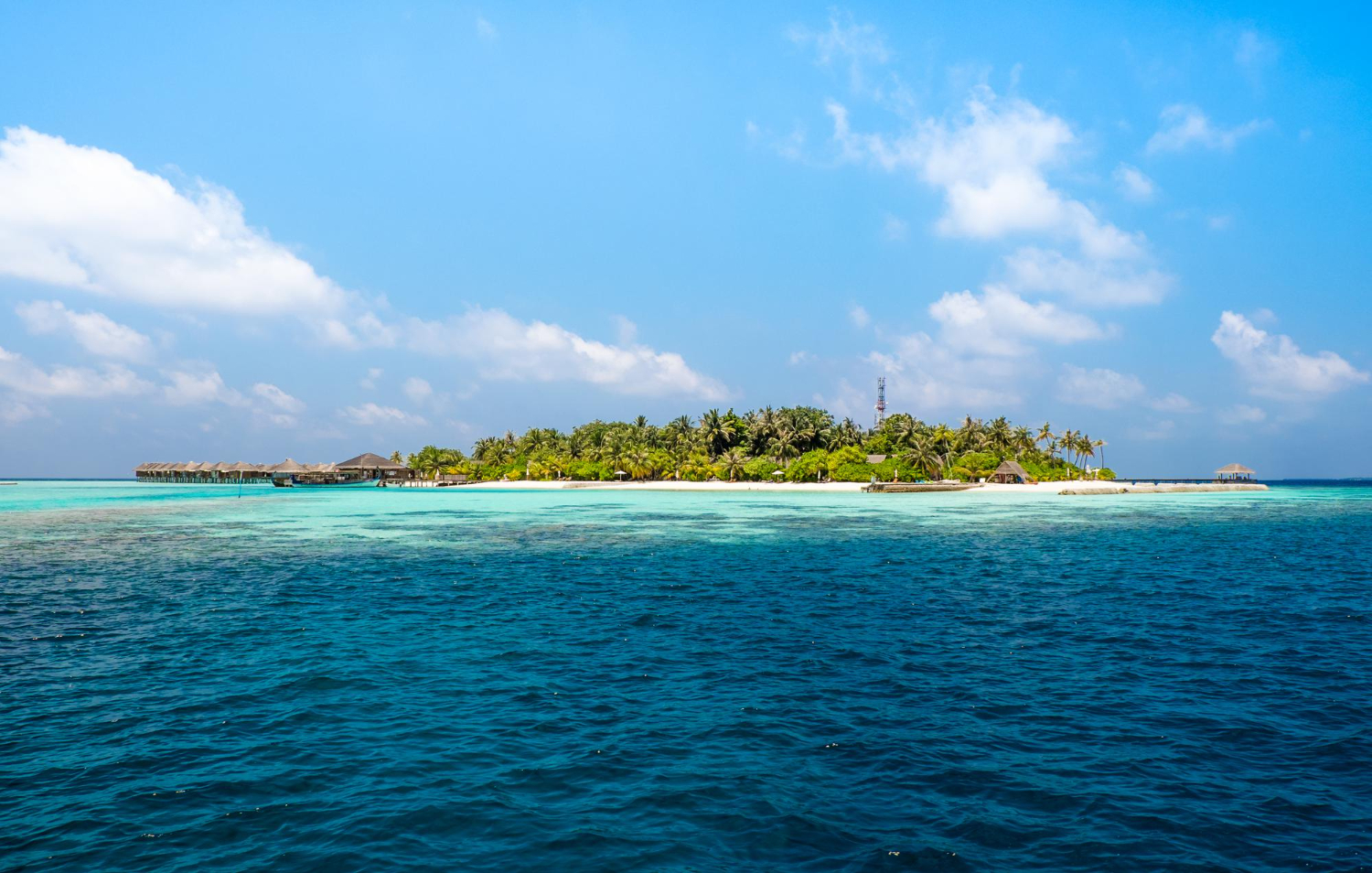
The common thread among these communities is that the absence of a road reshapes every ordinary part of life. Groceries cost more because everything arrives by boat or plane. A medical emergency means a flight or a ferry, and bad weather can mean no way out at all. Children frequently leave for high school on the mainland. A simple errand that takes a mainland American twenty minutes can take an islander a full day and a ferry schedule. The cost of building anything is multiplied by the cost of barging in every board and bag of cement. And yet the residents of these places overwhelmingly choose to stay, and newcomers occasionally choose to arrive, because the isolation delivers something increasingly rare: genuine quiet, a tight community where everyone is known, a pace of life governed by tide and weather rather than traffic and schedule, and a direct relationship with a spectacular natural setting. The isolation is simultaneously the hardship and the reward. For the traveler, these communities offer a glimpse of an America that operates by entirely different rules — where you cannot simply get in a car and leave, where nature still sets the terms, and where a few hundred or a few thousand people have decided that the trade-off of cutting themselves off from the road is worth it. They are proof that even in a country crisscrossed by highways, genuine remoteness still exists, inhabited by people who prefer it that way.
Like our content? Follow us for more.

