

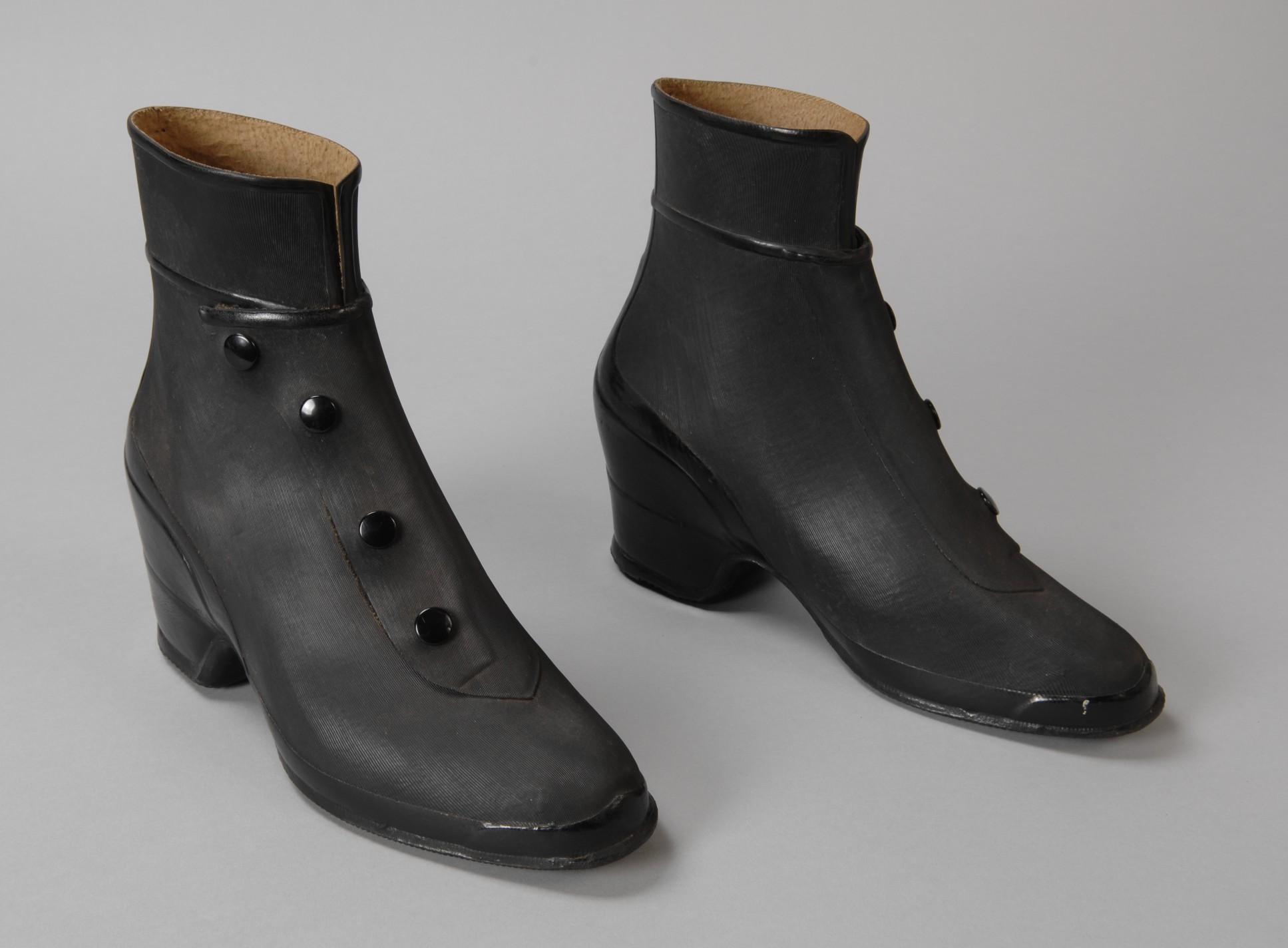
They were black rubber, they went on over your shoes, and they had four metal buckles down the front that you fastened from the bottom up.
Getting them on took a minute and a half if everything cooperated, which it did not. Getting them off involved standing on the heel of one with the toe of the other and pulling, which worked about half the time and otherwise resulted in sitting down on a floor.
They Were Not Boots and That Is the Whole Point
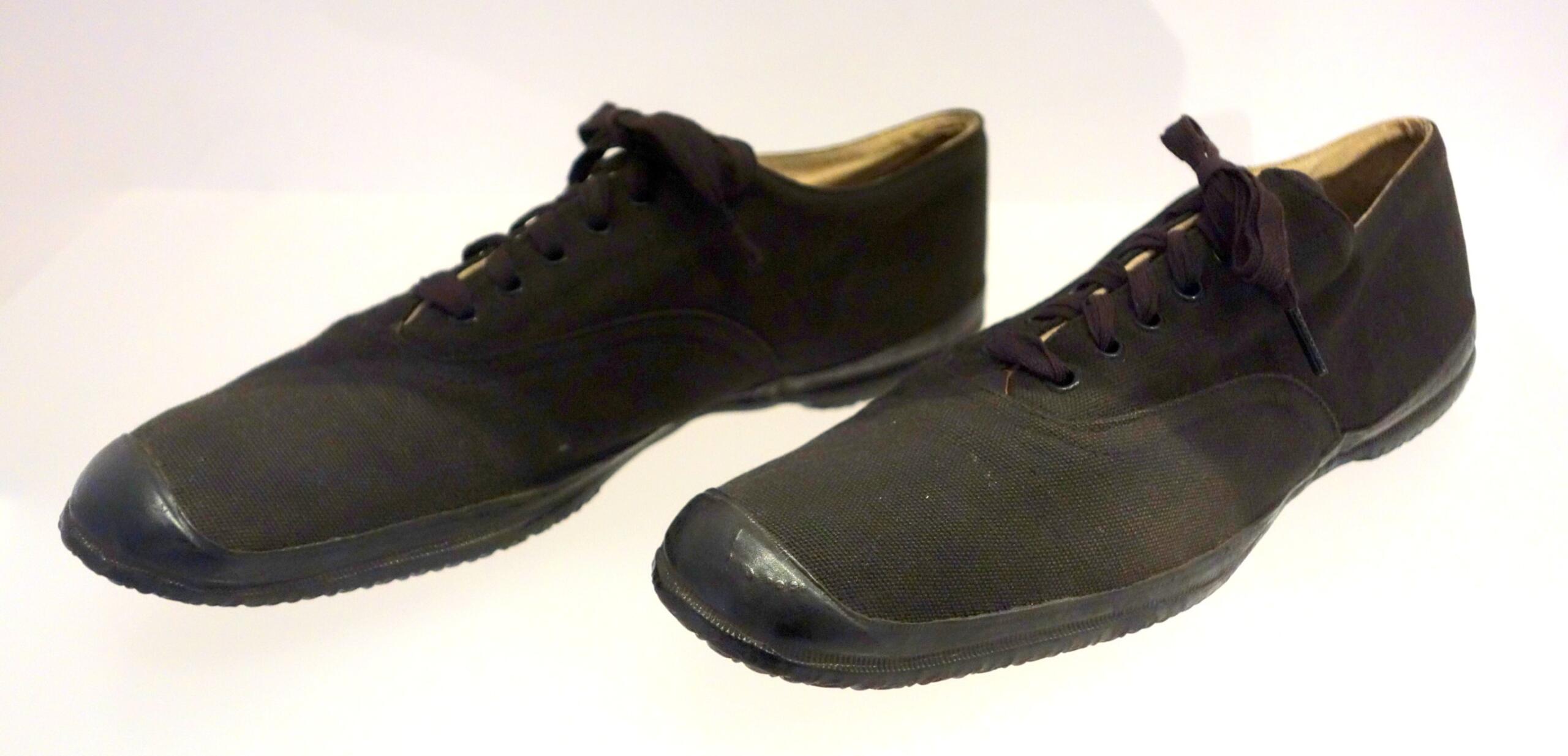
This is the thing that modern readers consistently miss, and everything else follows from it.
An overshoe is not footwear. It is a cover. You put your shoes on in the morning as normal – leather shoes, laced, polished – and then you put the rubber over the top of them, and when you arrived somewhere you took the rubber off and you were standing there in your shoes.
The object exists to protect the shoe. Not the foot, not from cold, not for traction – though it did all three incidentally. Its job was to keep water, slush, salt and mud off a pair of leather shoes.
Which is why the sizing worked the way it did, in shoe sizes rather than foot sizes, and why the shape was a generous version of a shoe’s shape with a raised heel pocket. It had to accommodate a shoe, including a heel, including a buckle, without deforming it.
Like our content? Follow us for more.
A Pair of Shoes Used to Be a Significant Purchase
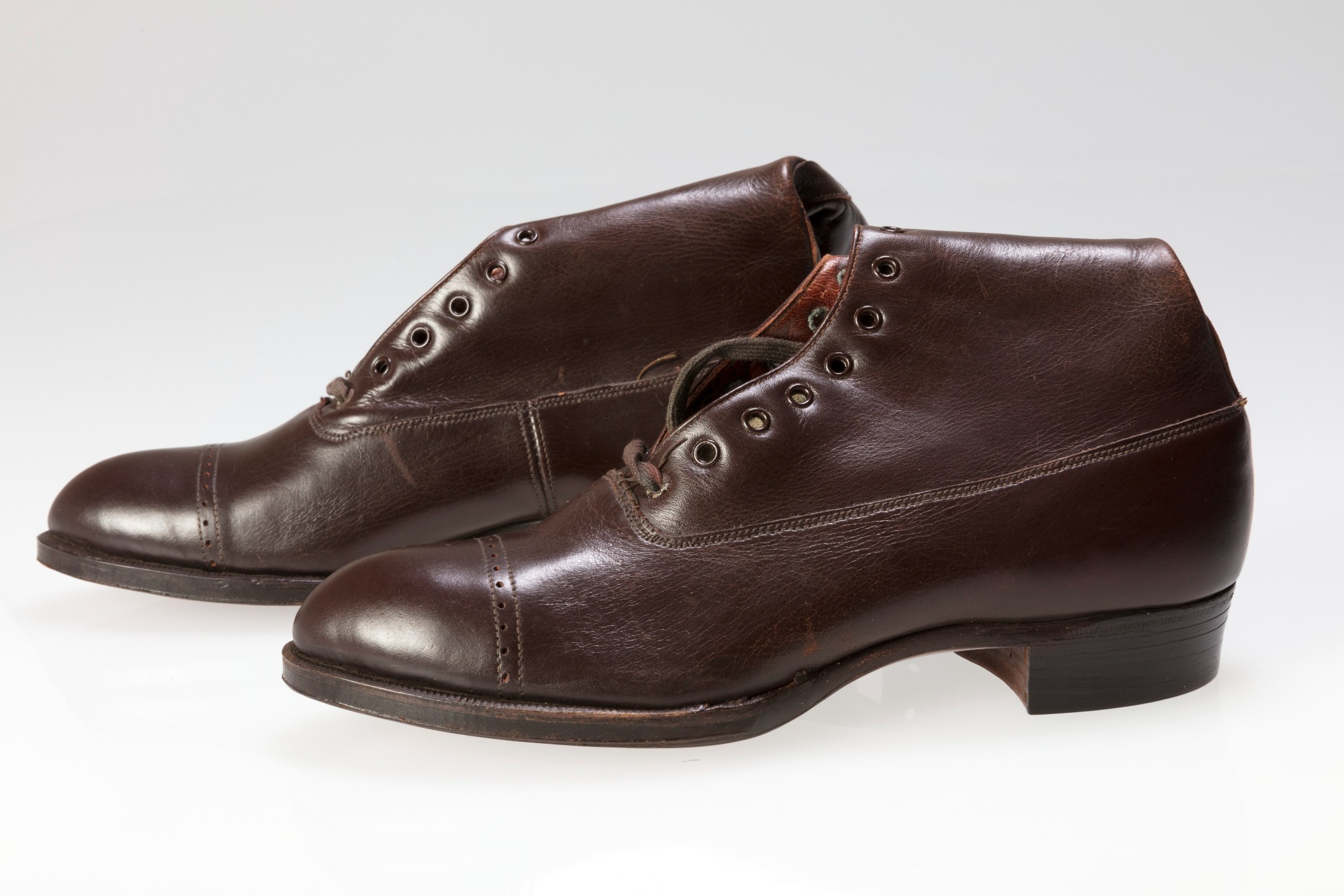
The economics explain the entire category and they have changed beyond recognition.
A pair of children’s leather school shoes in 1960 cost a meaningful fraction of a week’s household money. A family with four children was buying four pairs, and buying them again when feet grew, which was constantly. Shoes were fitted properly, resoled when the soles went, polished weekly, and expected to last until they were outgrown rather than until they wore out.
Water is what destroys leather footwear. It swells and then dries, the leather hardens and cracks, the stitching rots, the sole separates, and salt leaves a permanent white tide line. A single soaking does visible damage; a winter of soakings destroys a pair.
So a household faced a straightforward calculation: a few dollars of rubber, reused for years by successive children, against ruining several pairs of expensive shoes every winter. The overshoe was not fussiness. It was asset protection, and the asset was on the child’s feet.
The Enforcement Was Constant and Universal
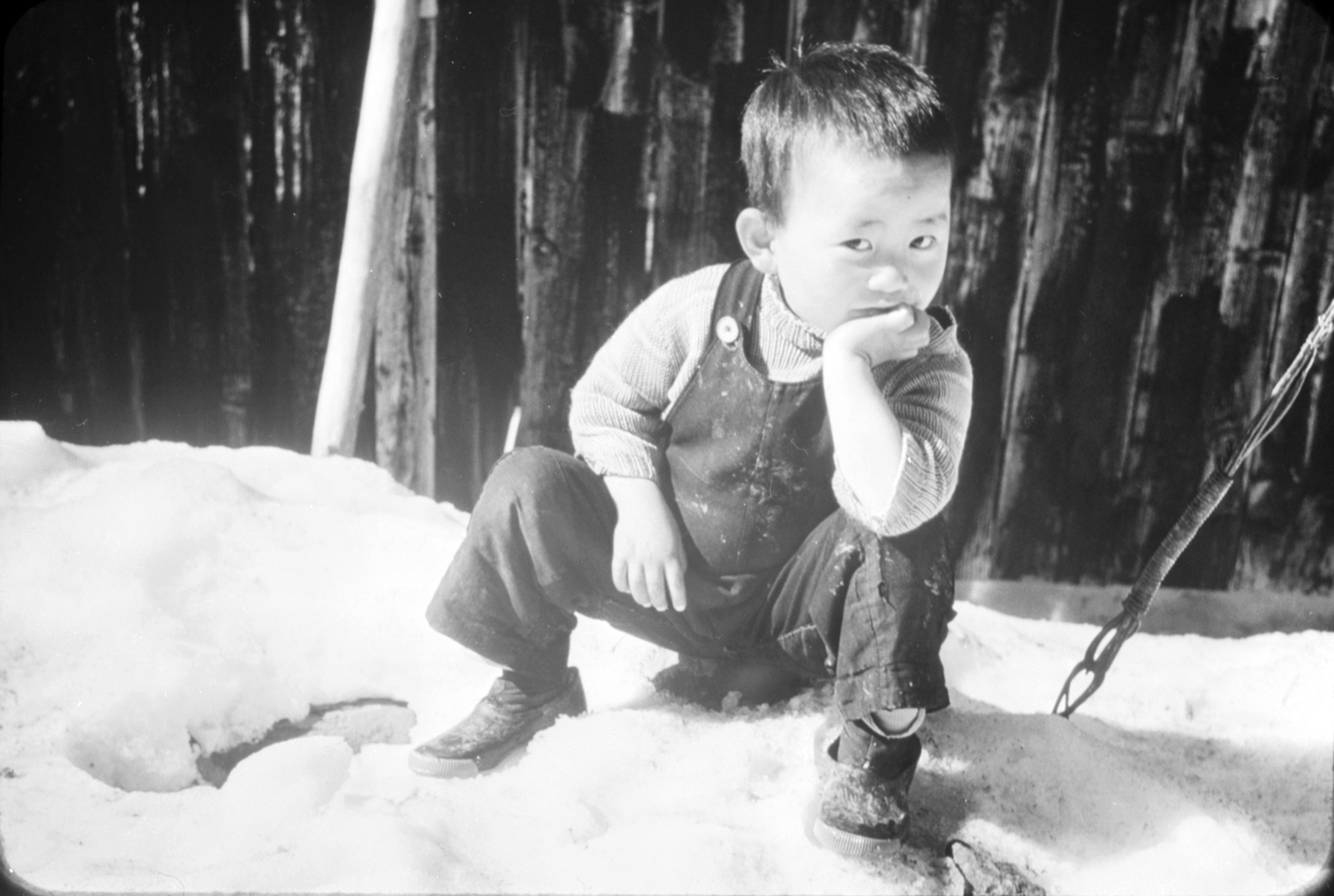
Which is why they were insisted upon with an intensity that children found incomprehensible.
Every American account of this is identical. A parent at a door saying you are not going out without your rubbers. A child arguing that it is not even raining. An inspection at the door of a school. A teacher sending somebody back for them. A grandmother who would not permit the subject to be discussed.
The children were not being unreasonable either, and it is worth saying so. Overshoes are hot, they are awkward, they make you walk differently, they are embarrassing, they take time nobody has in the morning, and they mark you as somebody whose mother is strict – and the benefit accrues entirely to the household budget rather than to the person wearing them.
That is an unusually clean conflict of interest, and it was resolved by authority rather than by persuasion, every single morning, for about fifty years.
The Pile at the School Door Was a Logistical Disaster
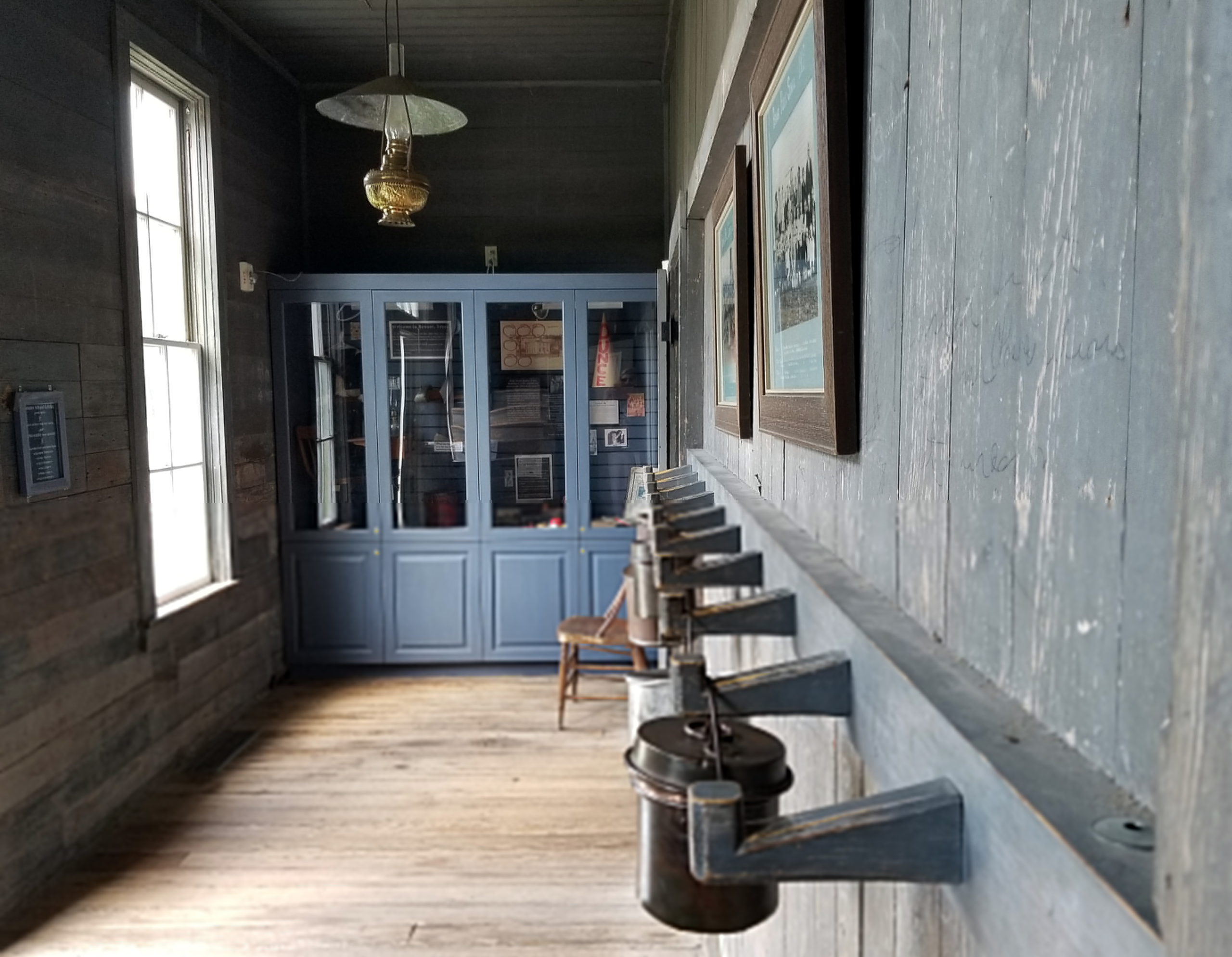
Thirty children arriving in overshoes creates a problem nobody designed for.
They came off in a cloakroom or a hallway, wet, and went into a pile or onto a rack or under a bench. They were black, they were identical, they were sized the same way, and they had nothing on them to say whose they were – so mothers wrote names inside them in indelible pen or sewed a tag in, and the names wore off.
The end of the school day was therefore a scene. Thirty children sorting through a wet heap of identical black rubber, trying pairs on, arguing about ownership, and going home in somebody else’s – and a household’s set of rubbers rotated slowly through a whole neighbourhood over a winter.
Odd ones accumulated. Every school in America had a box of unmatched overshoes by March, and every household had one rubber that fitted nobody.
They Were the Last of a Whole Category of Clothing
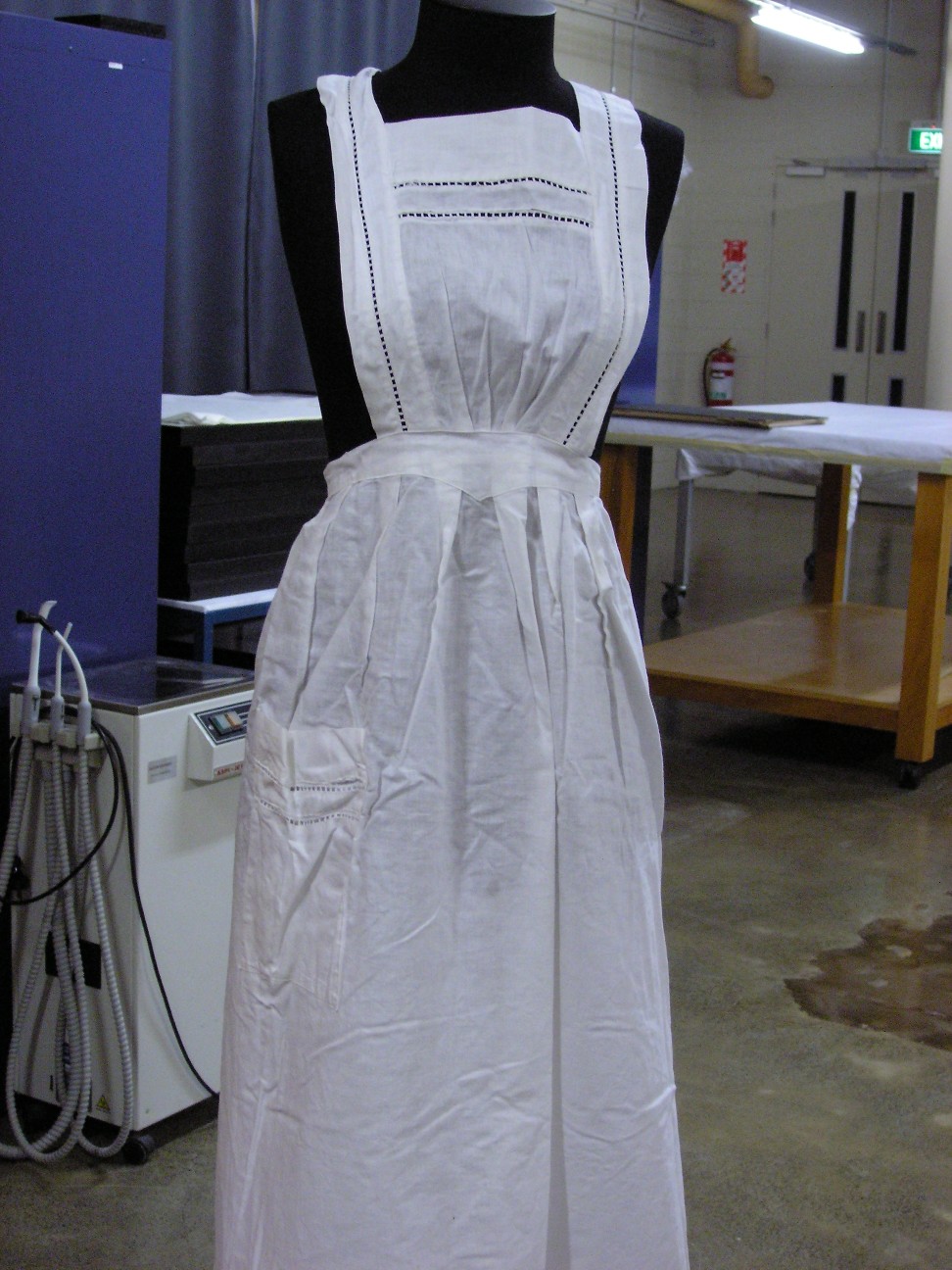
Here is the part that puts the object in context, because overshoes were not an oddity. They were the last survivor of a large family of garments whose purpose was to protect other garments.
There were oversleeves, worn over a shirt cuff by clerks and bookkeepers, because ink and wear destroy a cuff and a shirt was expensive. There were dusters and smocks worn over clothing for work. There were pinafores and aprons worn over a dress, not for cooking but simply for the day, so that the dress underneath stayed presentable. There were collar and cuff sets, detachable, so that the part of a shirt that shows could be laundered separately. There were shirt collars that came off entirely. There were antimacassars on chair backs to protect upholstery from hair oil.
Every one of those exists for the same reason. The thing underneath was expensive, labour-intensive to clean, and expected to last for years – so you put something cheap and washable over the top of it.
And every one of those has gone, in the same period, for the same reason. Clothing got cheap. Washing machines got good. The thing underneath stopped being worth protecting.
There Was a Lighter Version and It Was Worse
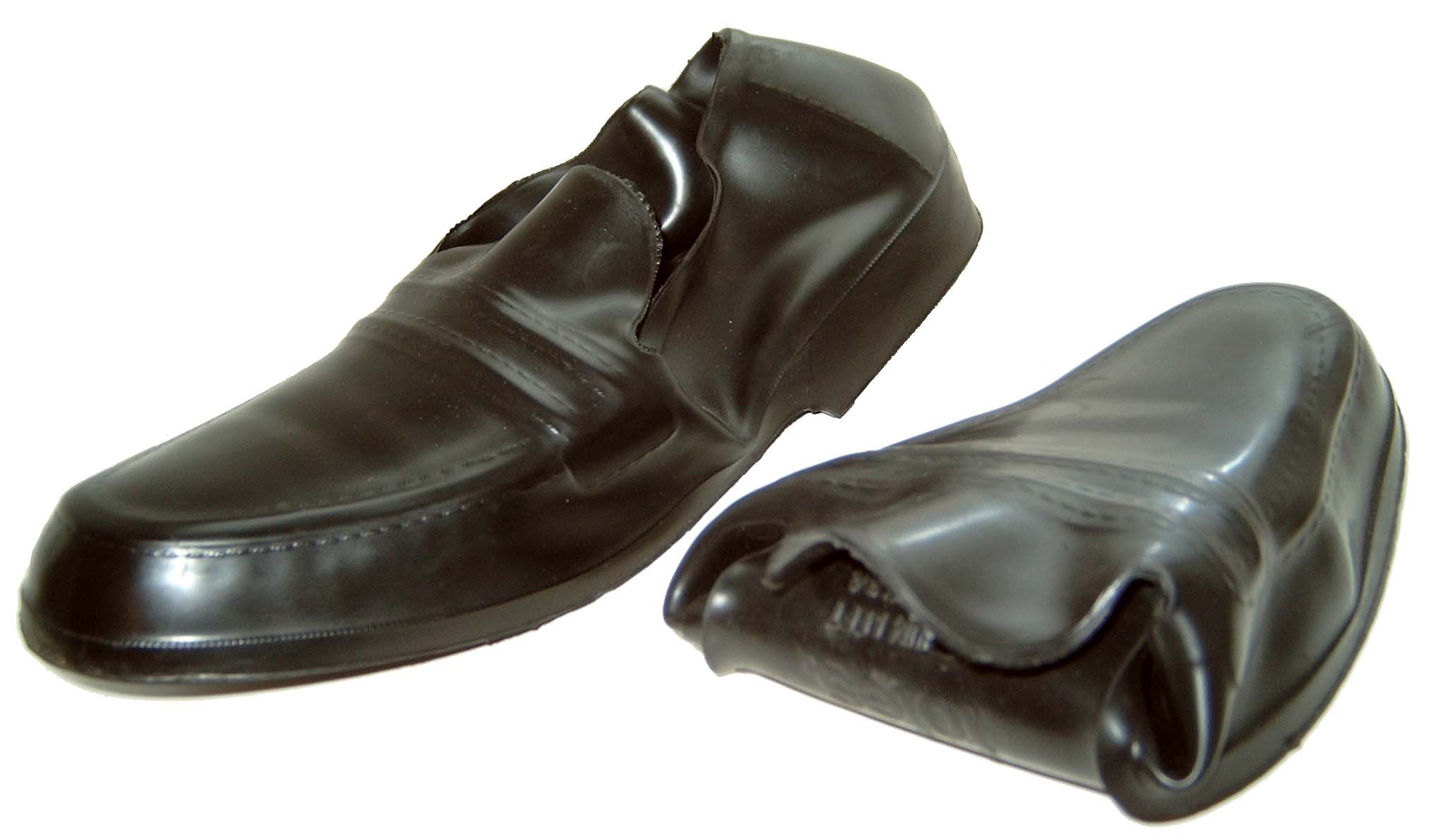
Alongside the buckled four-fastener type there was a thinner, cheaper article – a plain pull-on rubber shell with no fastenings, stretched over the shoe and held by its own tension.
They were quicker, which was the entire argument for them, and they failed in every other respect. Being a tight shell with no adjustment, they had to be forced over a shoe, which took a particular technique and a certain amount of strength, and the thin rubber split at the point where it flexed over the toe. Once split they let water in while still being difficult to remove, which is the worst of both arrangements.
They also came off. A pull-on overshoe held on by tension alone, on a child running through slush, stays on the shoe about ninety percent of the time – and the other ten percent is a child walking home with one shoe soaked and a rubber in their hand, which is precisely the outcome the household was paying to prevent.
The buckled kind survived because the buckles were not a complication. They were the feature.
The Smell Is What People Remember First
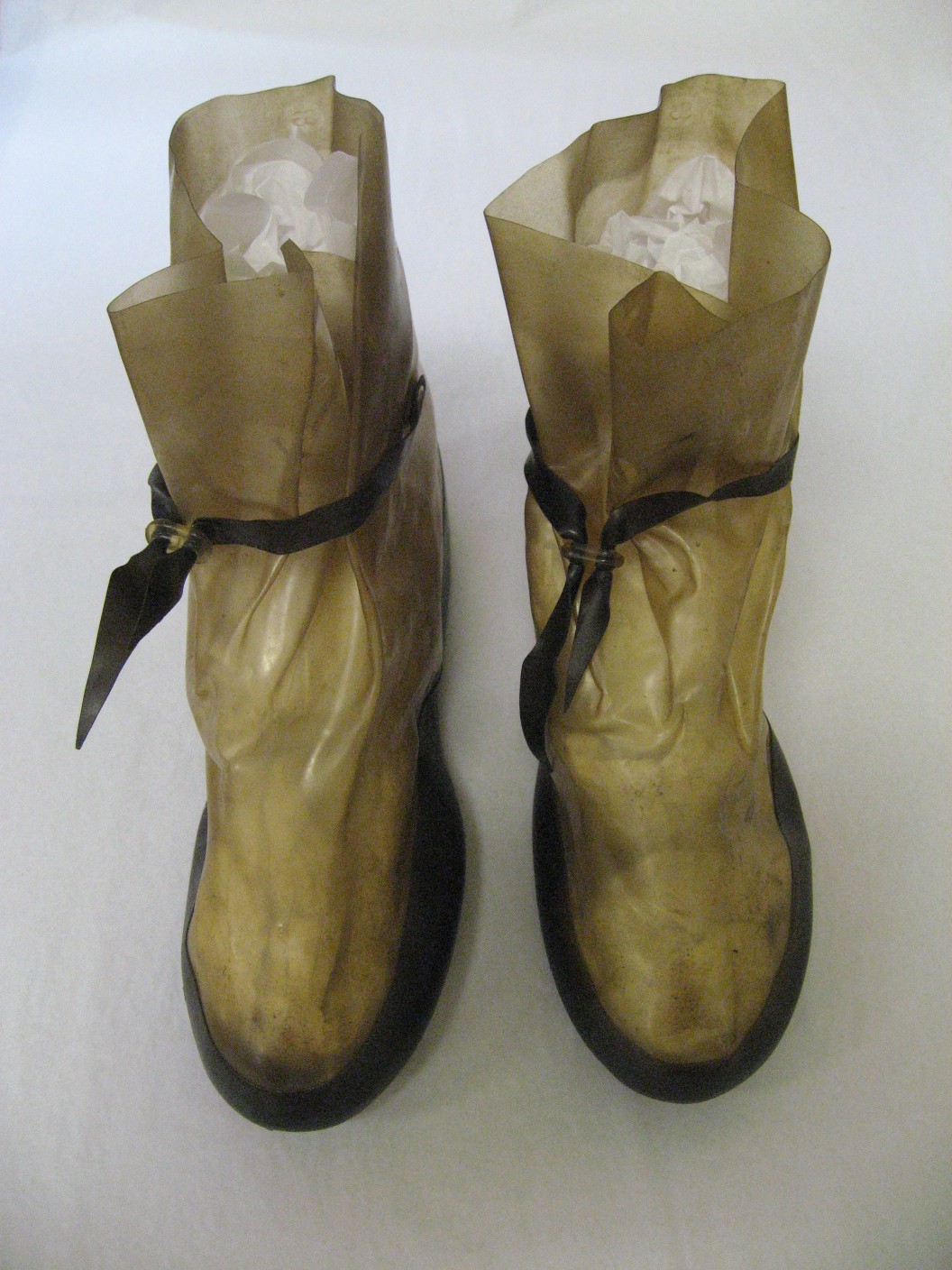
Almost nobody asked about this names the look of them. They name the smell.
Natural and early synthetic rubber, warmed by a foot and then left in a closed hallway or a cloakroom with thirty others, produces a distinctive heavy smell – partly the rubber itself, partly the sulphur compounds used in curing it, and partly whatever had been walked through.
In a house it concentrated in the one place the rubbers were kept, which was generally the bottom of a hall closet or the trough of a hall tree, and it persisted there for the entire winter.
In a school cloakroom, thirty pairs drying in an unventilated room produced something that people describe in remarkably consistent terms fifty years later – which is a reasonable indication of how much rubber was on the floor of an American school in February.
Three Things Finished the Overshoe Specifically
Footwear itself changed. Moulded rubber and synthetic soles bonded rather than stitched, synthetic uppers, waterproof membranes, and above all the rubber-soled canvas and synthetic shoe that children wore all day – none of which is destroyed by water. A shoe that does not mind being wet needs no cover.
The price collapsed. Children’s shoes became cheap enough in real terms that replacing a pair stopped being a household event, which removed the entire financial case for protecting them.
And children stopped walking. The daily unprotected exposure that made overshoes necessary – half a mile to school, through whatever was on the ground, twice a day – largely ended as school transport, car journeys and shorter walks took over. A child who goes from a door to a car to a door does not need a cover on their shoes.
The Twist: The Function Survived by Being Built In
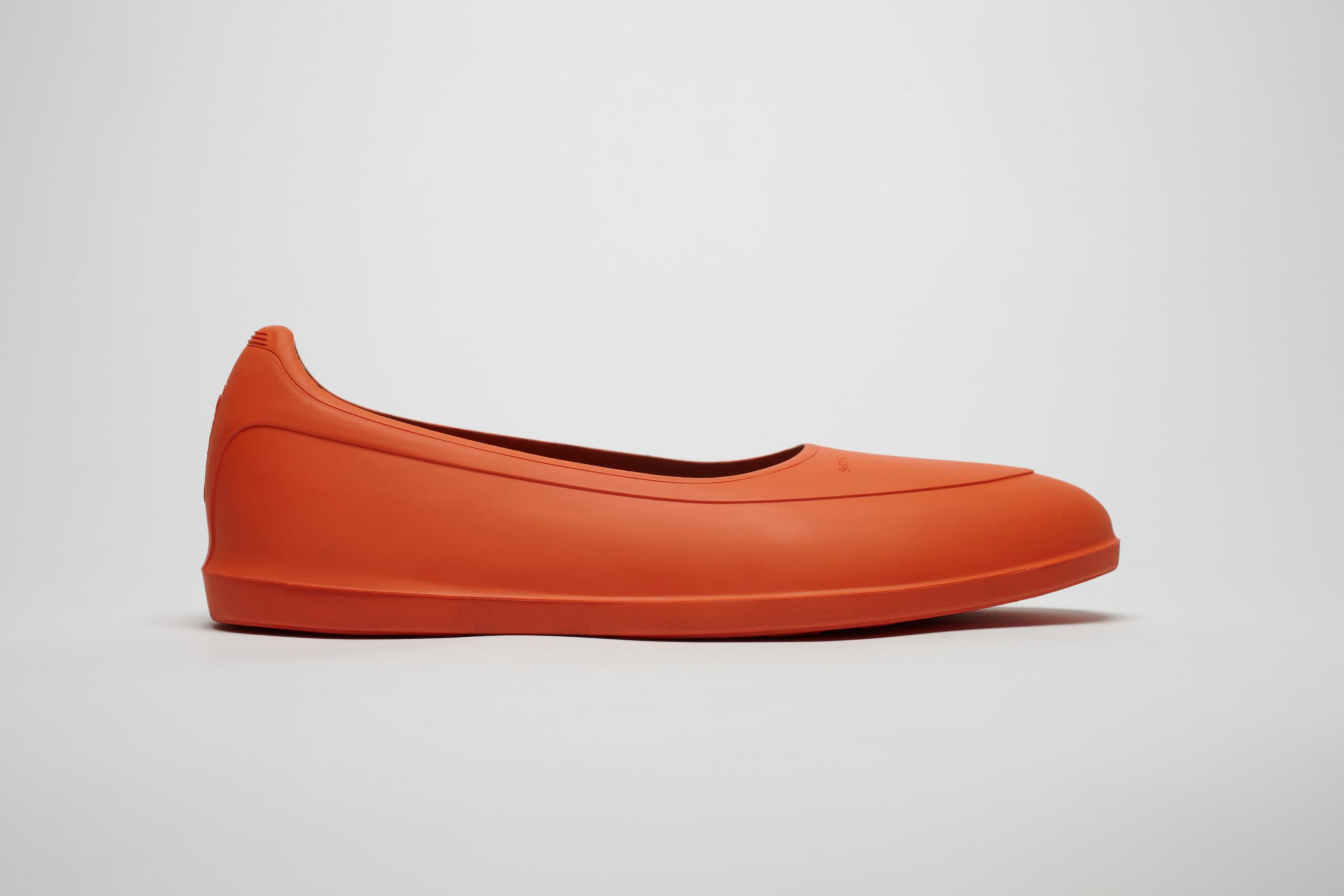
Overshoes did not disappear. They were absorbed.
Everything they did is now a property of the footwear itself. A child’s winter boot is waterproof, insulated, has a gripping sole, is washable, and is designed to be put on and taken off quickly – which is the overshoe’s job list exactly, delivered as one object instead of two.
The separate cover survives only where the asset underneath is still genuinely valuable and still genuinely vulnerable. Rubber overshoes are sold today, in volume, as workwear: they go over work boots, over dress shoes for men who walk to an office, and over safety footwear on sites. They exist in the places where somebody owns expensive footwear, cannot replace it casually, and needs it to survive contact with something.
Which is precisely the circumstance every American household was in, with respect to its children, in 1960.
The overshoe is not an obsolete object. It is a specialist object that used to be universal, because the condition it answers – owning footwear you cannot afford to ruin – used to be universal too.
The buckles are the same. There are still four of them, and they still fasten from the bottom up.
Like our content? Follow us for more.

