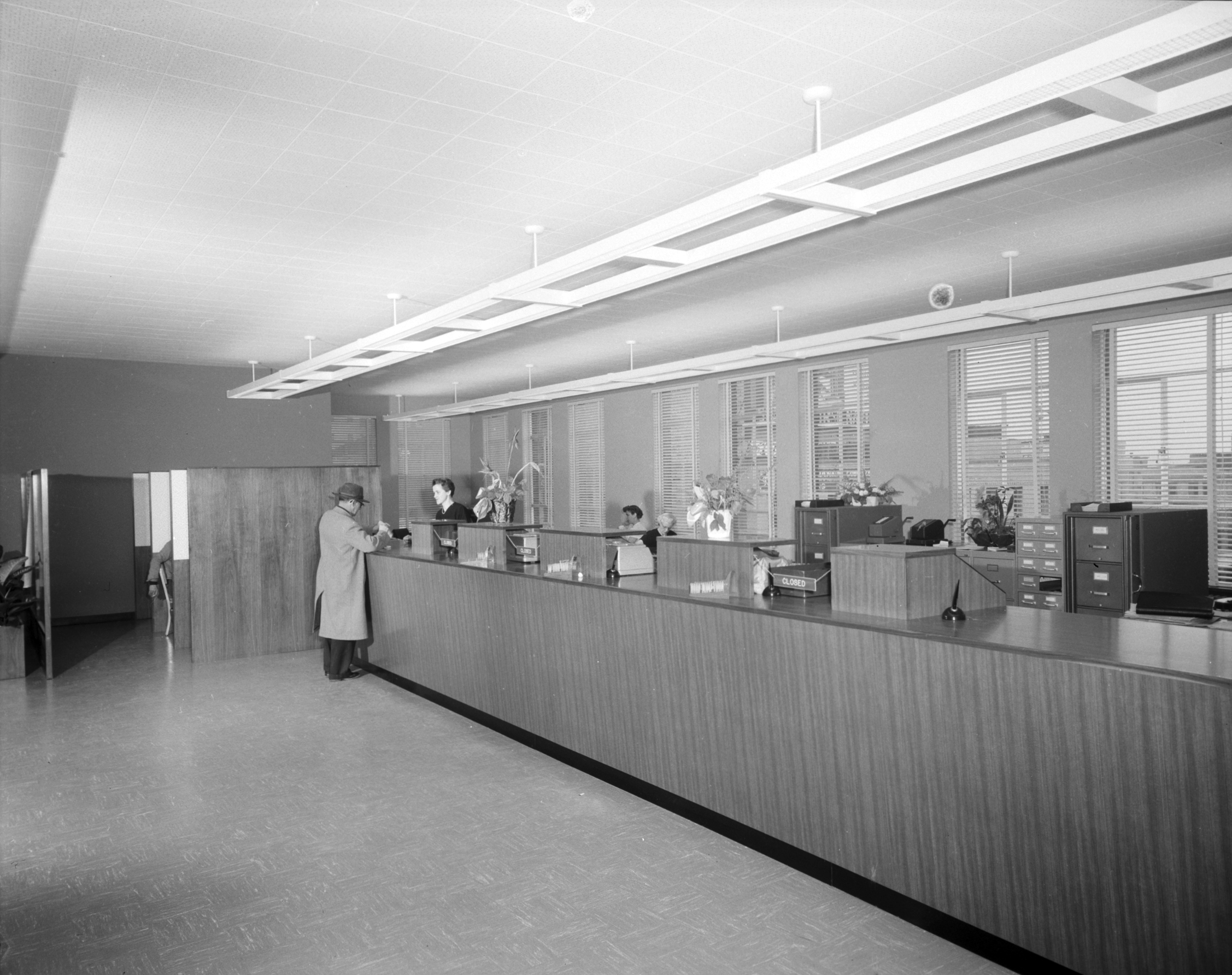
It was a room. Sometimes an actual office with a window and a counter, sometimes a desk in a corner of a plant, sometimes a card table in a union hall on Thursday evenings, and in a fair number of cases a filing cabinet and a cash box in a back room of a church.
You did not have a customer there. You had a share, which meant you were an owner, and the person behind the counter worked where you worked.
The Structure Was the Whole Thing
A credit union is a cooperative, and the differences from a bank follow from that single fact rather than from anybody’s good intentions.
A bank has shareholders who want a return and depositors who are customers, and those are two different groups with opposed interests. The bank’s job is to pay the depositors as little as it can and charge the borrowers as much as it can, and the difference goes to the shareholders.
A credit union has one group. You deposited money by buying a share, which made you a part-owner. The money you put in was lent to other members. The surplus at the end of the year came back to the members as a dividend, because there was nobody else for it to go to.
So the institution had no reason to maximise the spread between what it paid savers and charged borrowers, because savers and borrowers were the same people wearing different hats. That is why the rates were better in both directions – not generosity, structure.
Like our content? Follow us for more.
The Common Bond Was a Legal Requirement and a Practical Advantage
Here is the part that has largely been forgotten, and it is the key to all of it.
A credit union could not simply serve the public. It had to have a field of membership – a defined common bond – and the bond was usually one of three things: a single employer, a single union or trade, or a single parish, congregation or small community.
That restriction looks like a limitation and it was the institution’s greatest asset.
Everybody in the membership worked at the same place, or belonged to the same local, or sat in the same church. Which meant the credit union knew things about its borrowers that no bank could know: how long they had been at the plant, whether the plant was hiring or laying off, whether their department was busy, whether they had a reputation for turning up, and whether their supervisor thought well of them.
And it could collect. A loan to a fellow employee, repaid by payroll deduction, with the lender’s office inside the same building, is a loan with a repayment mechanism that is close to automatic and a social cost to default that is immediate and local.
Decisions Were Made by a Committee of People Like You
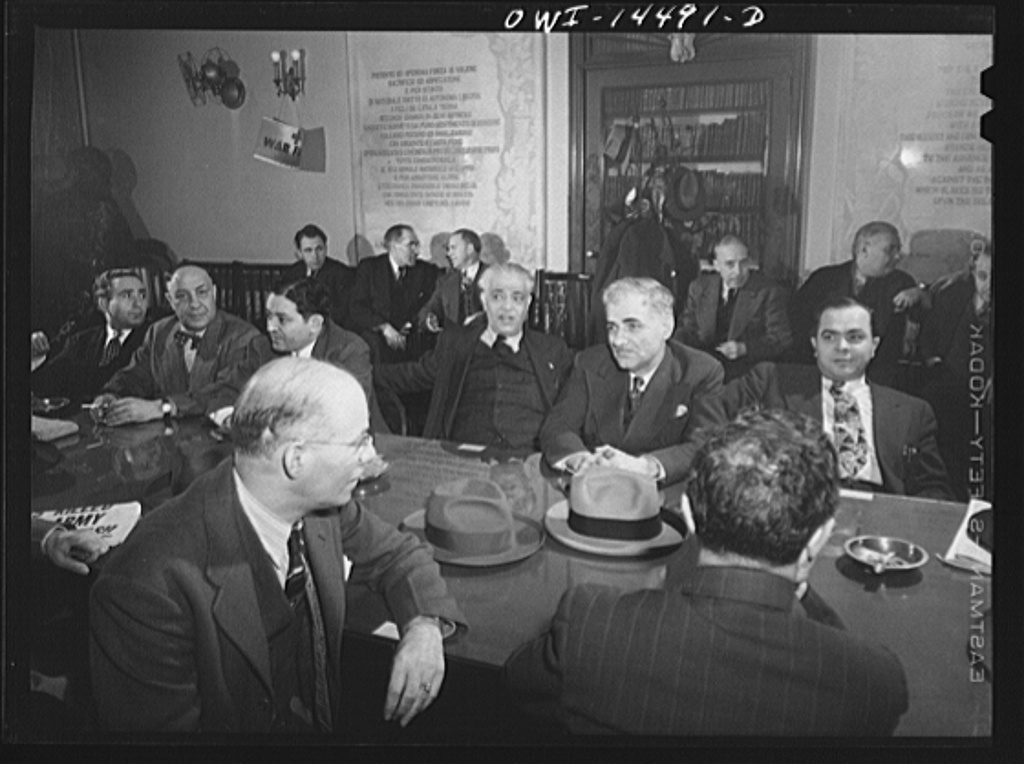
Loan applications went to a credit committee, which in a small credit union meant three or four volunteer members – a machinist, a clerk, somebody from maintenance – who met in the evening and went through the applications.
They were not trained lenders and they were not using a formula. They were using what they knew, which included the applicant, the applicant’s job, the applicant’s family and in many cases the applicant’s reputation.
That produced decisions a bank’s criteria would not have produced, in both directions. A man with no credit history, no collateral and twelve years of perfect attendance got a loan for a car. Somebody with better numbers on paper and a known habit of not paying people back did not.
It is worth being clear-eyed about this. Judgement by a committee of neighbours is information-rich and it is also arbitrary, inconsistent, and open to exactly the biases a committee of neighbours would have. The modern alternative – scored, documented, appealable criteria applied identically – is fairer in ways that matter a great deal, and it was adopted for good reasons.
The Loans Were Small, Specific and Practical
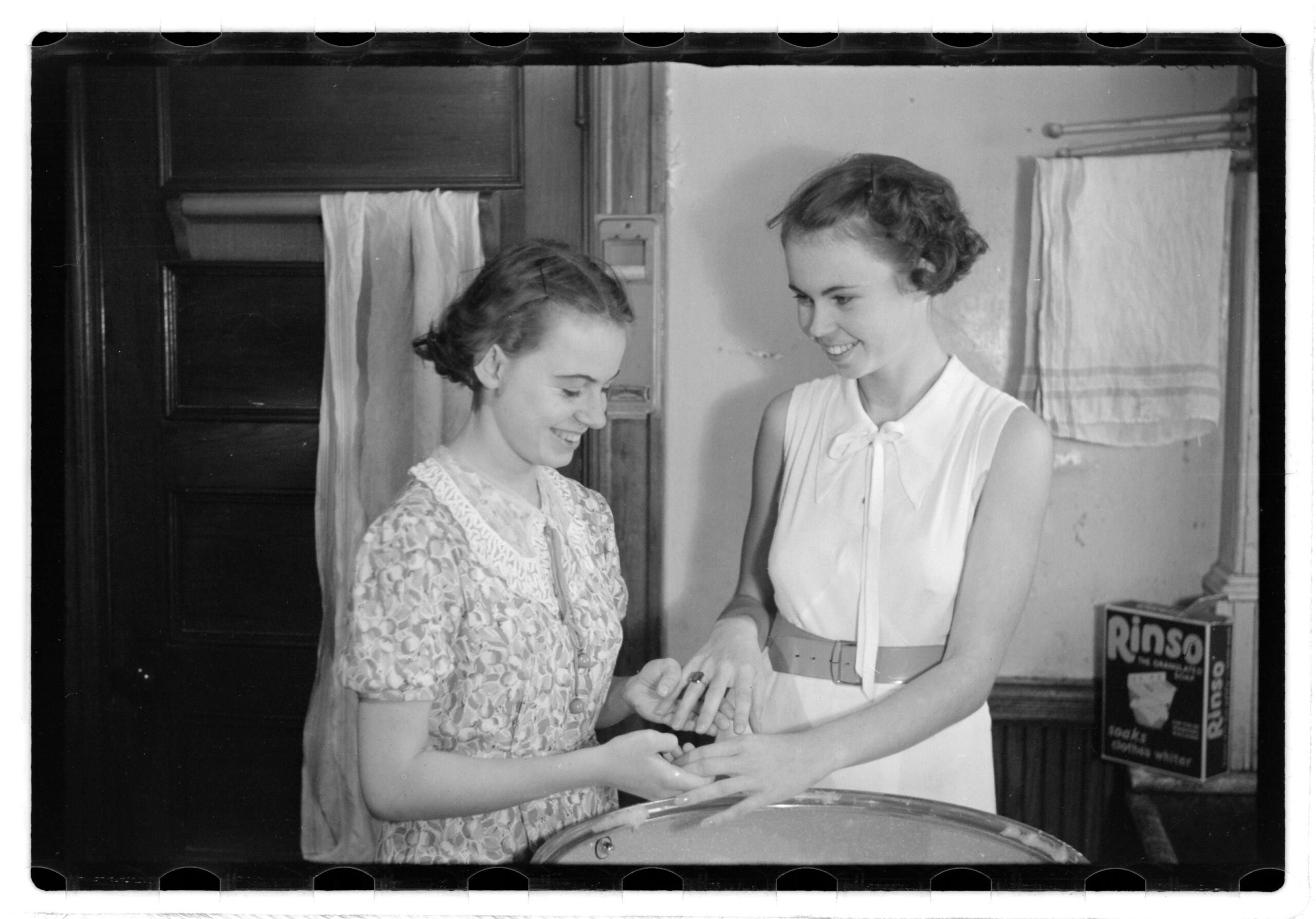
The lending book of a workplace credit union was not a mortgage portfolio. It was the household economy, itemised.
A car. A set of tyres. A refrigerator or a washing machine. A furnace repair. A funeral. A doctor’s bill. A daughter’s wedding. Tuition. A debt consolidation to get somebody out of worse credit. Money to cover a strike, a layoff, or a spell of illness with no pay.
These are amounts in the tens or low hundreds of dollars, for terms of a year or two, to people who in most cases had no other route to borrowing at all except a finance company at a considerably worse rate or an informal lender at a far worse one.
Which is the social function the whole movement was founded on and it was not rhetorical. A working household with no savings and an unexpected bill either had access to a few hundred dollars at a reasonable rate or it did not, and whether it did determined whether an appliance failure became a crisis.
It Was Staffed by People With Other Jobs
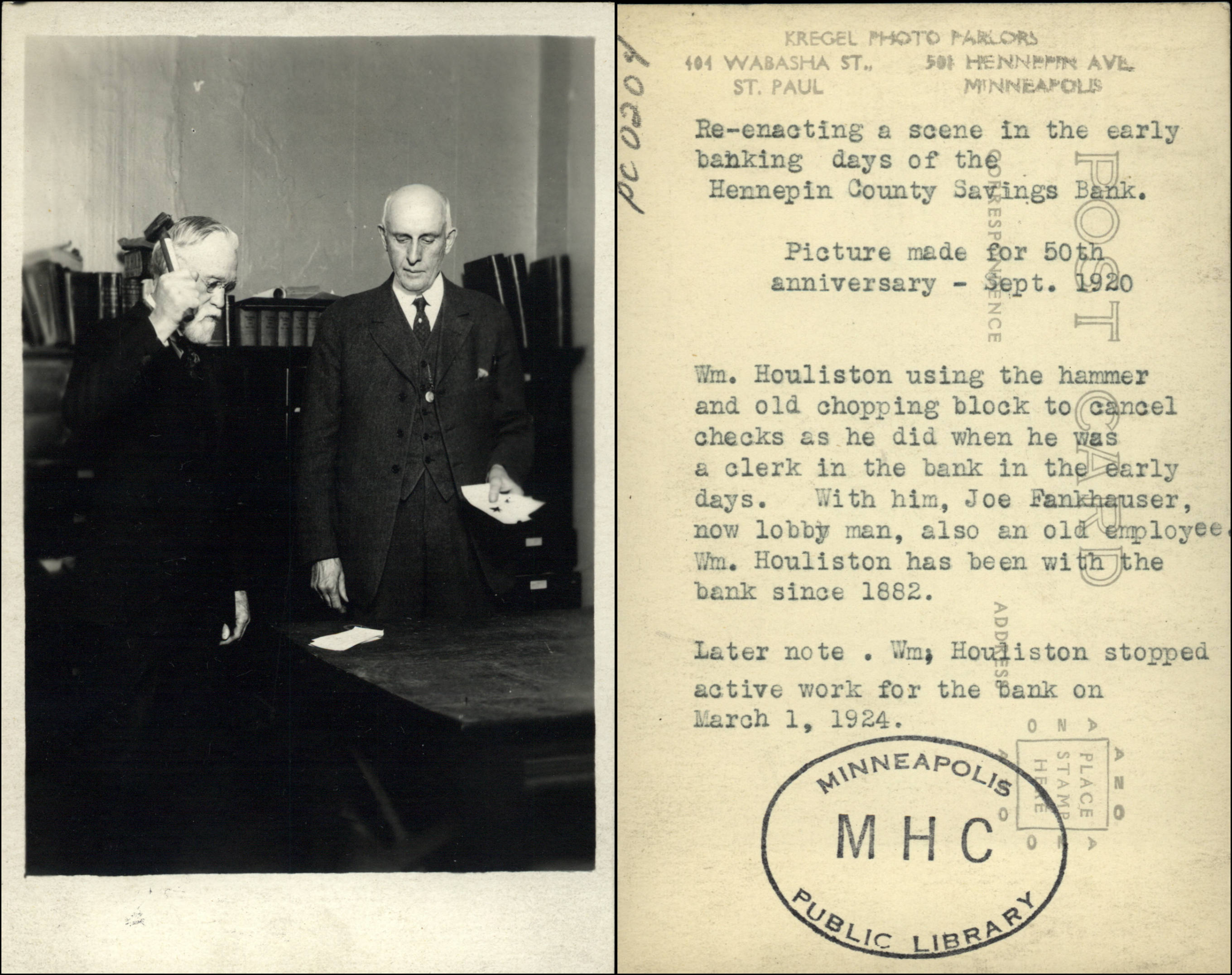
The economics worked because the overhead was close to nothing.
The board was volunteers. The credit committee was volunteers. The treasurer was frequently a volunteer, or somebody doing it part-time for a small sum. The premises were donated or nominal – a room the employer provided, a corner of a union hall, space in a church. There was no branch network, no advertising, no marketing department and in many cases no sign.
A credit union of a few hundred members could therefore operate at a cost that a bank could not approach, and pass the difference to the members in rates. It also meant the institution’s competence depended entirely on whoever was doing the books, which went wrong sometimes and is the reason regulation and examination requirements tightened over the following decades.
Three Things Changed It, and the Third Is the Big One

Regulation and professionalisation came first, and necessarily. Deposit insurance, examination, capital requirements, qualified management and accounting standards all arrived or tightened across the 1970s and after, which protected members’ money and raised the cost of operating – which in turn favoured larger institutions and started a long consolidation.
Then technology. Members wanted the things banks offered: cheque accounts, cards, branches, machines, and later applications. All of that is expensive infrastructure, which again favours scale, and a credit union with four hundred members cannot provide any of it.
And then the common bond was widened. Field-of-membership rules were progressively relaxed, and from the later 1990s many credit unions were permitted to serve multiple unrelated employer groups or whole geographic areas. The restriction that had defined the institution for most of a century was substantially loosened.
That change let credit unions grow, survive and compete, and a great many members are better served because of it. It also removed the thing that had made them work.
The Christmas Club and the Payroll Slip Did the Saving
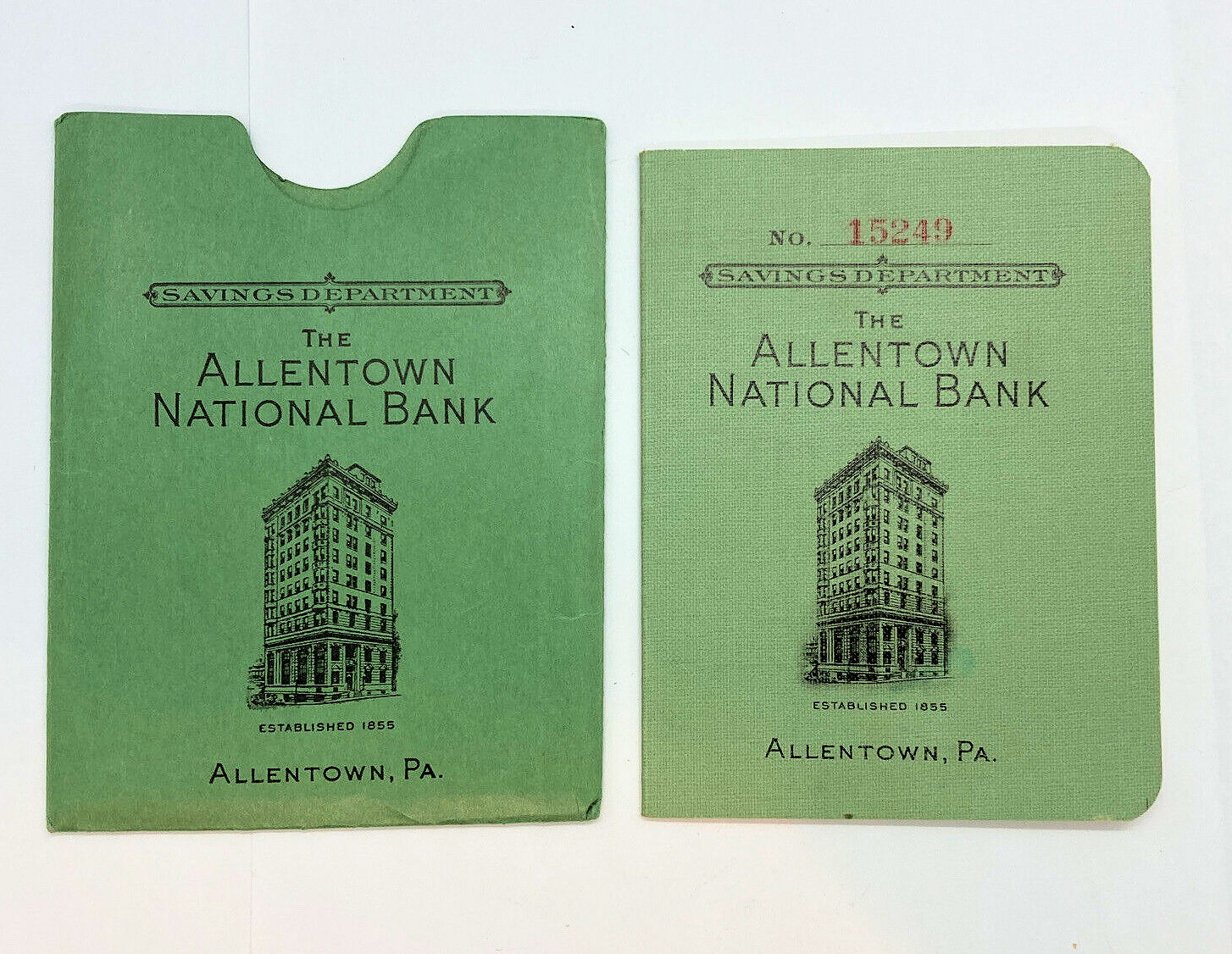
The other half of the operation was savings, and the mechanism was the same one that made the lending work.
Money went in by payroll deduction. A member signed a card specifying an amount per pay period, and from then on the money never arrived in their hands – it went from the employer straight into the share account, continuously, without any further decision being made by anybody.
That is the single most effective savings mechanism ever devised for a household with no surplus, and it works for one reason: it removes the moment of choice. Saving requires a person to decline to spend money they are holding, repeatedly, which almost nobody manages. Saving money that never reaches them requires one signature, once.
Alongside it ran the seasonal clubs – a Christmas account, a vacation account, a tax account – which were the same arrangement with a target and a payout date, and which members used precisely because the money was awkward to get at before the date.
None of that required a credit union. Any institution could have offered it, and banks did. But the credit union was inside the workplace, the payroll department was down the corridor, and the person who signed you up was somebody you worked with – which meant the take-up was a different order of magnitude.
The Twist: The Restriction Was the Product
Credit unions are not a historical curiosity. They are large, numerous, and hold a great deal of American household money, and they still return their surplus to members rather than to outside shareholders – which remains a real structural advantage and shows up in rates.
But the original proposition was not primarily about ownership. It was about information.
A lender that knows where you work, what your department is doing, how long you have been there, what your supervisor thinks and whether you pay people back can lend to somebody with no credit file and no collateral, because it is not guessing. It has the data a credit score was invented to approximate, in a form no score can capture, for free, as a by-product of everybody being in the same building.
That is why the common bond existed. Not as a restriction on who deserved membership, but as the mechanism that generated the lender’s advantage.
Take the bond away – serve a whole region, several unrelated employers, anybody who lives in six counties – and the information goes with it. A credit union serving a metropolitan area knows exactly what a bank knows about an applicant, which is a credit file and a set of documents, and must lend the same way a bank does, which it largely now does.
So the institution kept its structure and lost its superpower. The dividend is still real and the rates are still frequently better. But the thing a workplace credit union could do that nothing else could – lend a few hundred dollars to a man with no file, on the strength of twelve years of showing up, decided by three colleagues in an evening meeting – is not something a regional institution can do, and nothing has taken it on.
The people who most needed that are still there. The room in the corner of the plant is not.
Like our content? Follow us for more.