In 1964 a clean folded square of cloth went into an American pocket every morning as automatically as keys and change, and a dresser drawer held a pressed stack of them.
They were boiled, ironed and folded. They carried an embroidered initial, which was how anybody’s found their way back to the right drawer. Children were sent to school with one and in many schools it was checked. And it did about a dozen jobs that had nothing to do with a nose – spectacles, a hot handle, a scraped knee, broken glass, somebody else’s tears.
Here are twelve things every household used one for, and what replaced each.
1. Everybody Owned Several and Carrying One Was Part of Getting Dressed
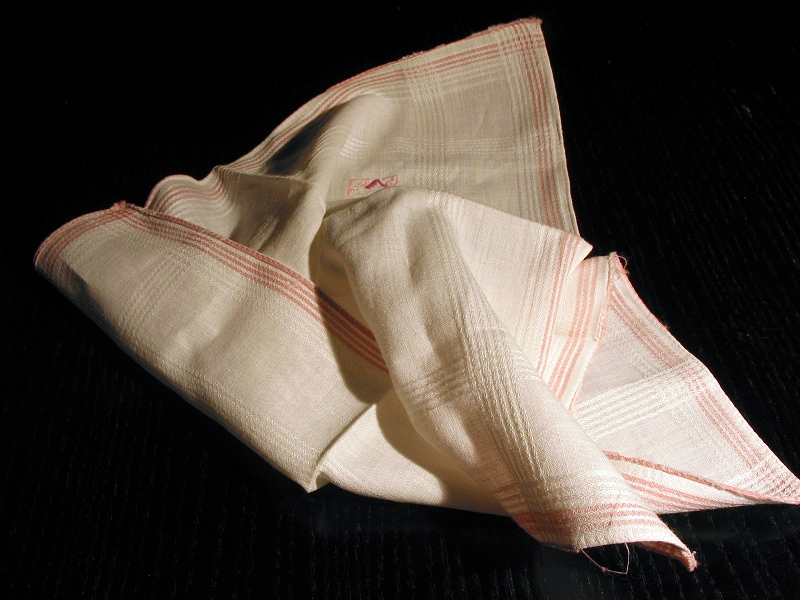
A clean folded square of cloth went into a pocket or a handbag every morning alongside keys and change, as an automatic part of leaving the house, and a household kept a drawer of them.
A packet of disposable tissues carried by some people and not by others, with no social expectation attached and no equivalent drawer in any house.
The automatic quality is the thing to notice. Nobody decided each morning whether today needed one. It was the same category of action as putting on shoes, which means a person who found themselves without one felt genuinely unequipped.
Like our content? Follow us for more.
2. There Were Two Entirely Different Kinds
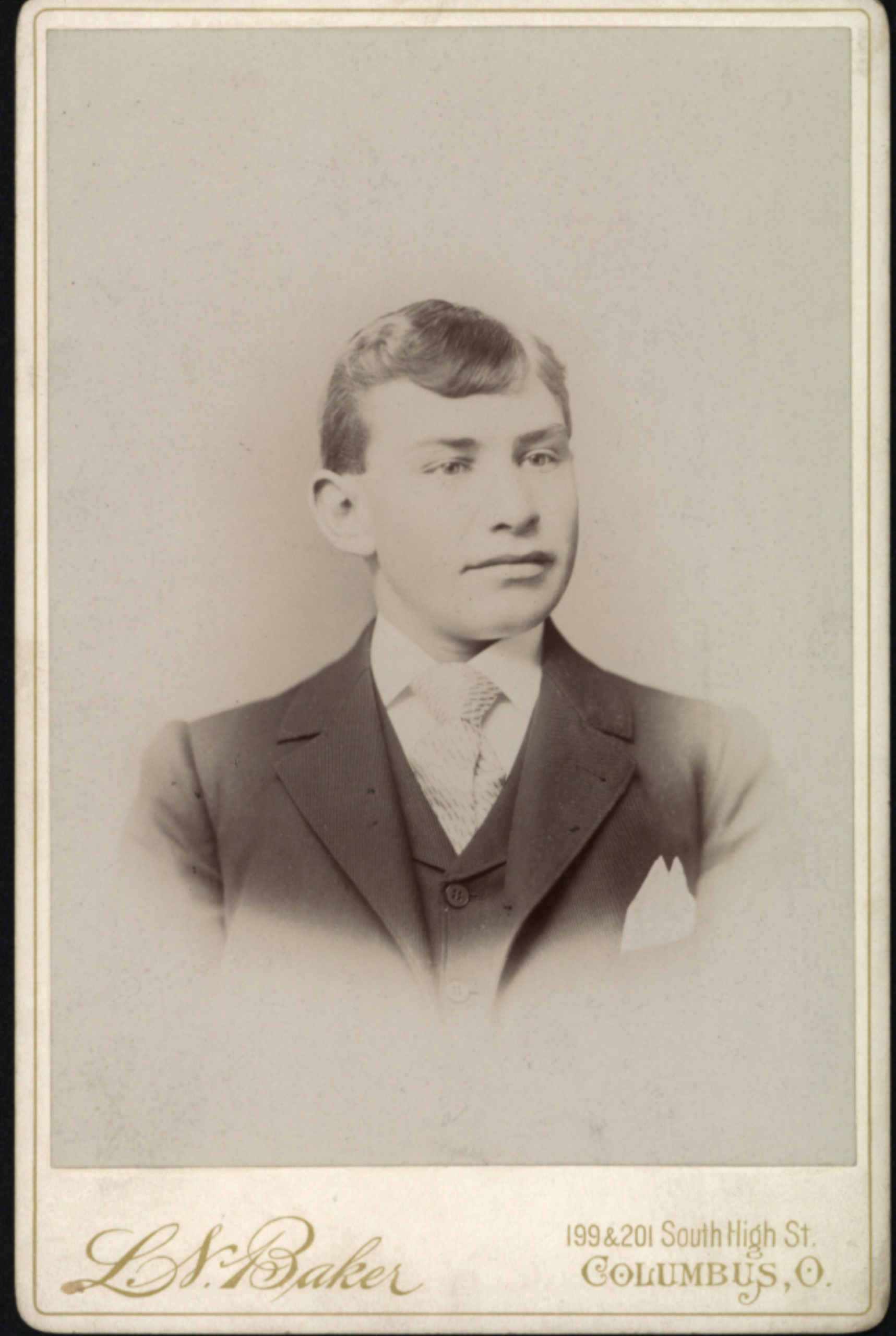
The working handkerchief was plain cotton or linen, white, and went in a trouser or coat pocket for use. The display one was finer, often coloured or patterned, and went in a breast pocket to be seen and never touched.
The pocket square survives in formal menswear purely as decoration, with no functional counterpart in the same outfit – so half the system remains and the half that did the work is gone.
Confusing the two was a recognisable error. Using the breast pocket one was a small social mistake, and offering it to somebody else was worse, because the whole point of it was that it was clean and had never been used for anything.
3. They Were Boiled, Starched and Ironed
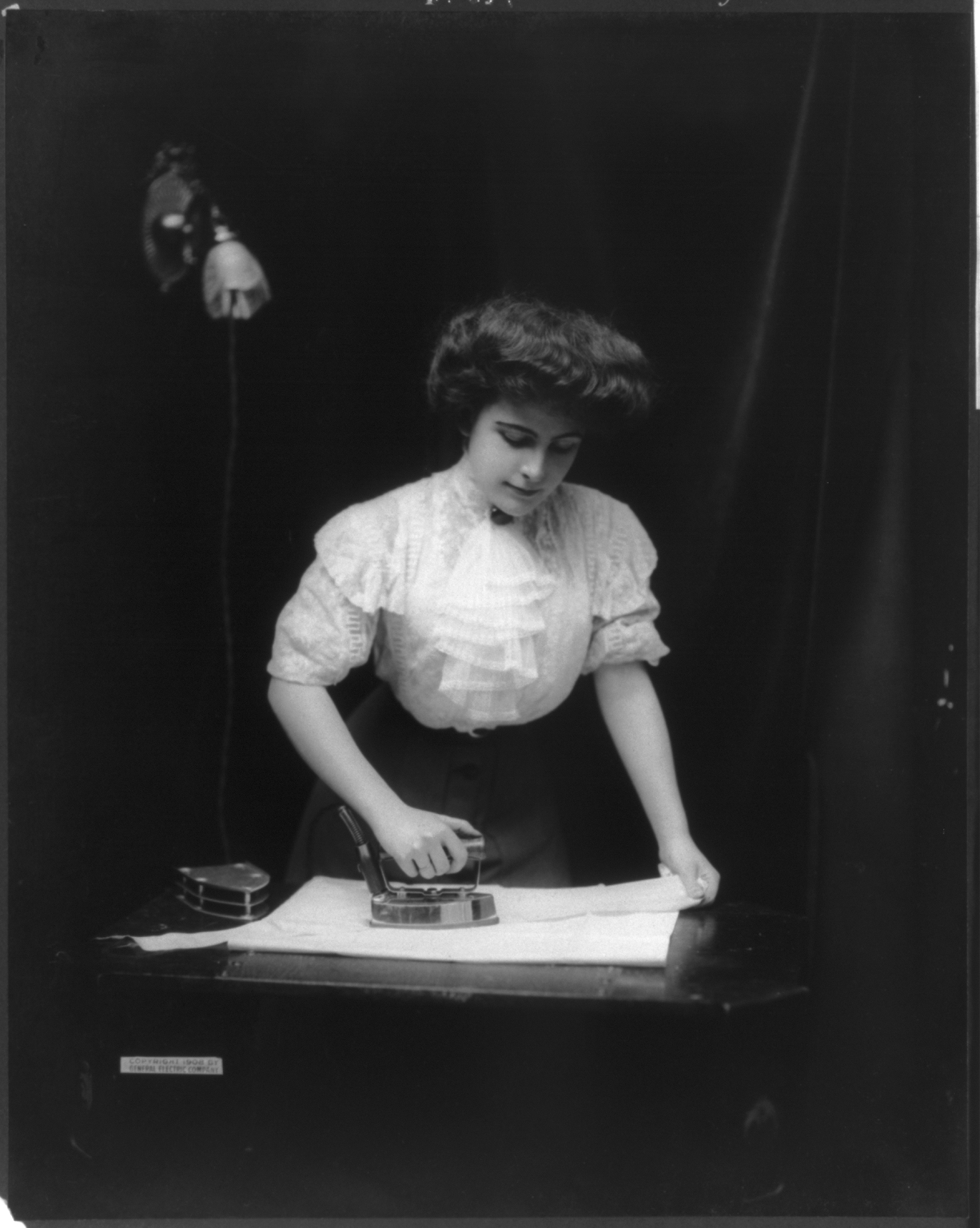
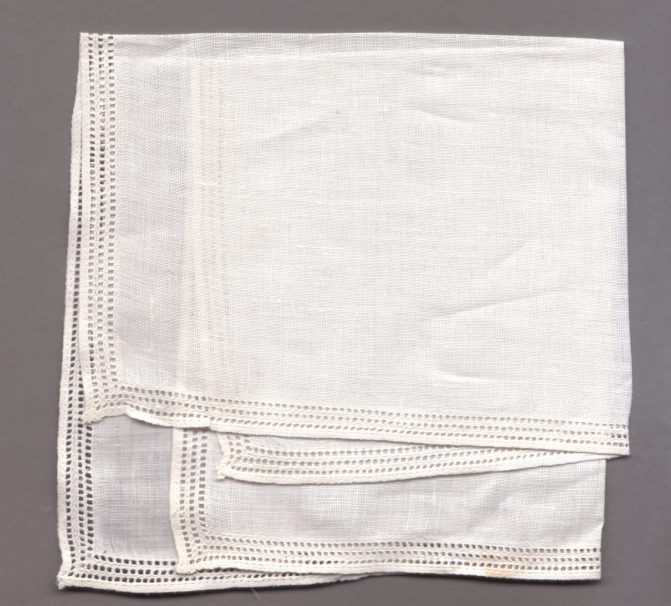
Handkerchiefs went through the household wash with everything else, were frequently boiled, and were then ironed flat and folded into squares – producing a stack of pressed cloth in a dresser drawer.
Nothing, obviously. The entire laundering, pressing and folding operation disappeared along with the object, and it is the part that people now find hardest to contemplate.
The ironing is what makes the modern reaction so strong, and it is worth understanding what it accomplished. Boiling and pressing a cotton square is a thorough treatment, which is precisely why the practice was considered acceptable for as long as it was.
4. They Were Monogrammed and Given as Presents
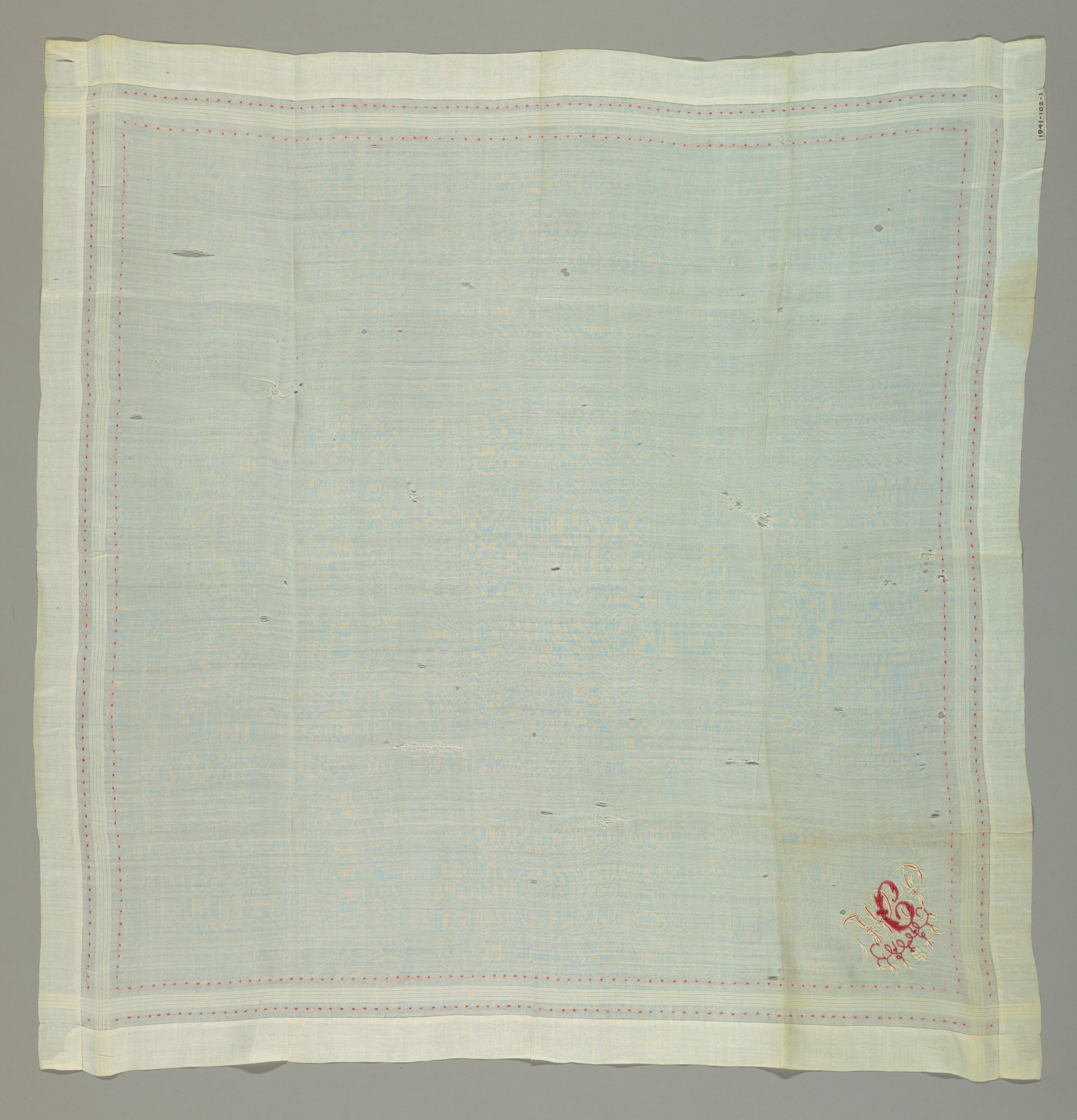
A handkerchief was embroidered with its owner’s initial, frequently by hand, and boxed sets were a standard gift – the default present for a man from somebody who did not know him well.
Nothing. The category of inexpensive, universally acceptable, slightly impersonal gift has not been refilled, which is why gift-giving to acquaintances is now harder than it was.
The monogram had a practical function behind the decoration. In a household washing dozens of identical white squares, an initial is the only way anybody’s returns to the right drawer – so the ornament was also the sorting system.
5. Children Were Sent to School With One and It Was Checked
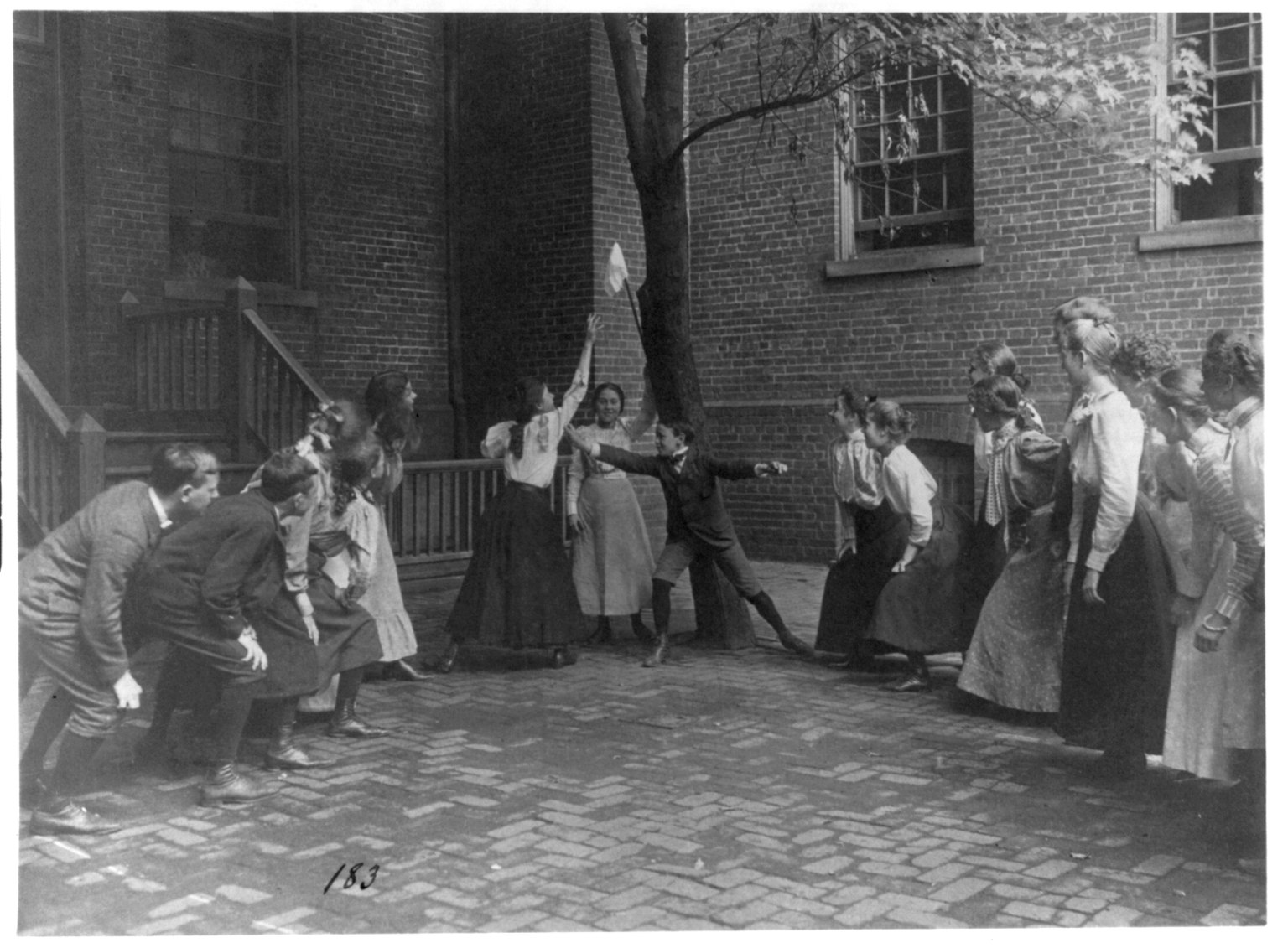
A clean handkerchief was part of a child’s school equipment, inspected at home and in many schools checked at the start of the day along with hands and fingernails.
Tissue boxes supplied by classrooms and parents, with the responsibility moved from the individual child to the room.
The inspection tells you how the object was understood. It was not a convenience but an obligation – a child without one was improperly turned out, and the checking existed to make that a matter of routine rather than of reminder.
6. It Did a Dozen Jobs That Had Nothing to Do With a Nose
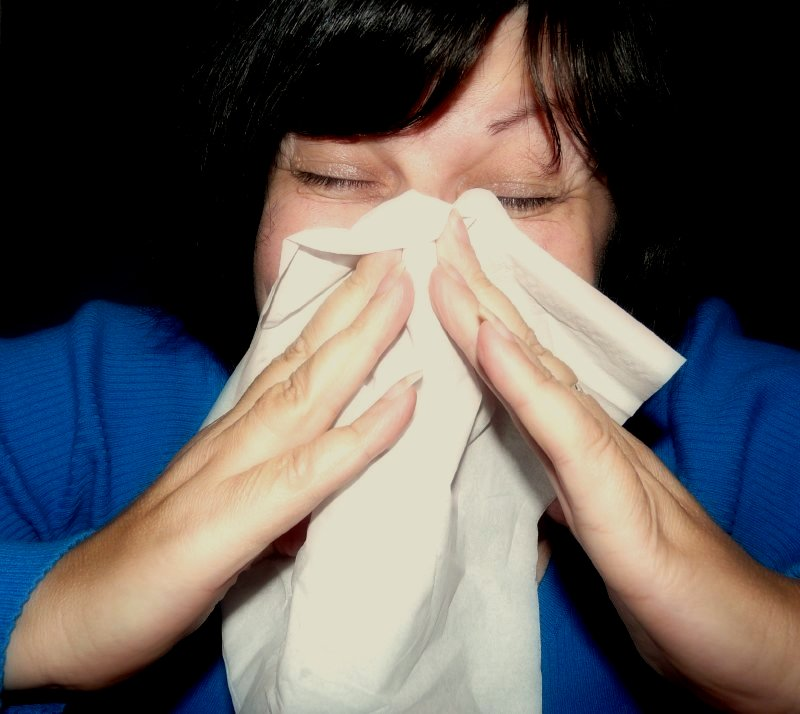
The cloth was used to wipe a child’s face, clean spectacles, polish a shoe, hold something hot, wrap something fragile, mop a brow, pick up broken glass, cover a cough, dry tears and bandage a cut.
Nothing in particular. Each of those jobs now either goes undone, waits for a specific product, or is handled with whatever is nearest – because no single thing is carried that can do any of them.
This is the function that was never replaced and it is the reason people who grew up with one still miss it. A square of cloth in a pocket is a general-purpose tool, and a tissue is a single-purpose consumable – so the replacement covered one of twelve uses and the other eleven simply stopped.
7. Men’s and Women’s Were Different Objects
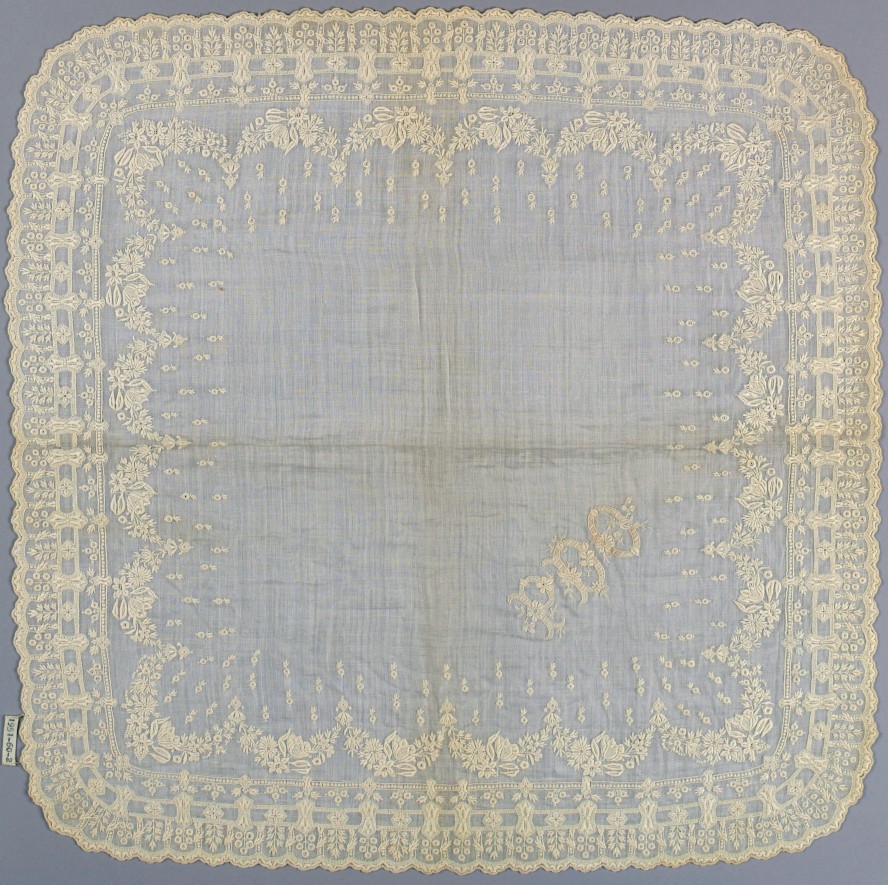
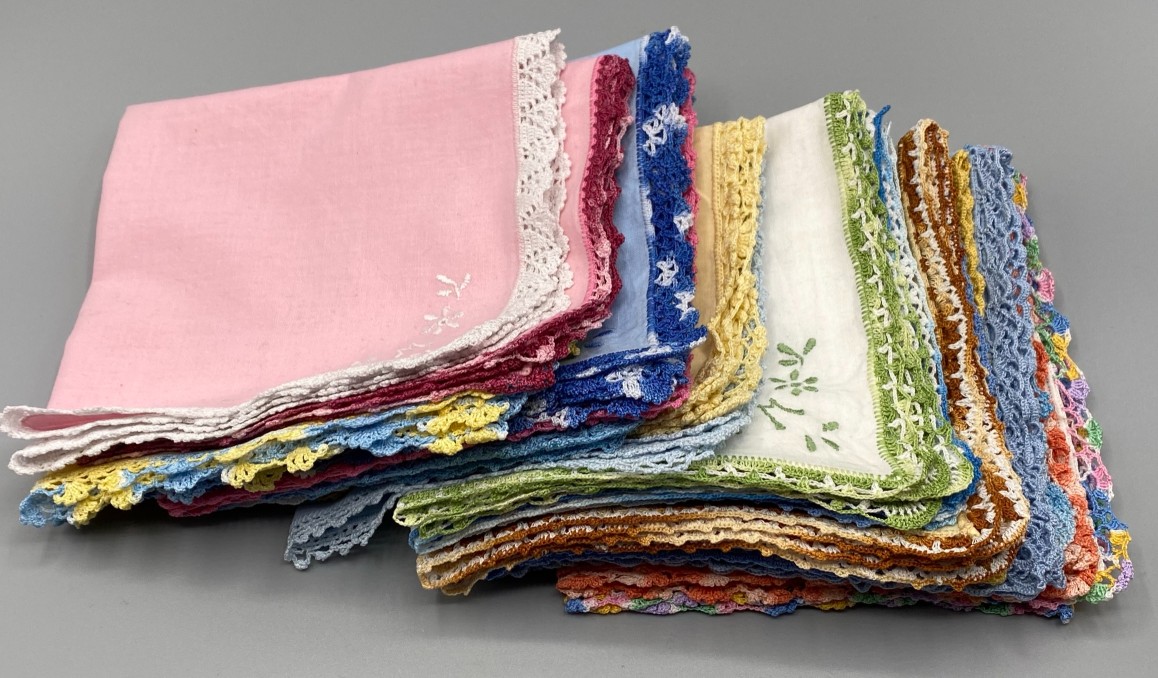
A man’s was large, plain and white, sized to be useful. A woman’s was small, fine, often edged with lace or embroidery, carried in a handbag or tucked in a sleeve, and was closer to an accessory than a tool.
No distinction, because the object is gone – with the tissue arriving in one form for everybody and the decorative tradition surviving only in antique and collectable form.
The size difference was functional rather than symbolic. A large square can do all twelve jobs above and a small fine one can do about three, which tells you something fairly direct about what each was expected to be used for.
8. It Was the Standard Instrument of Public Emotion
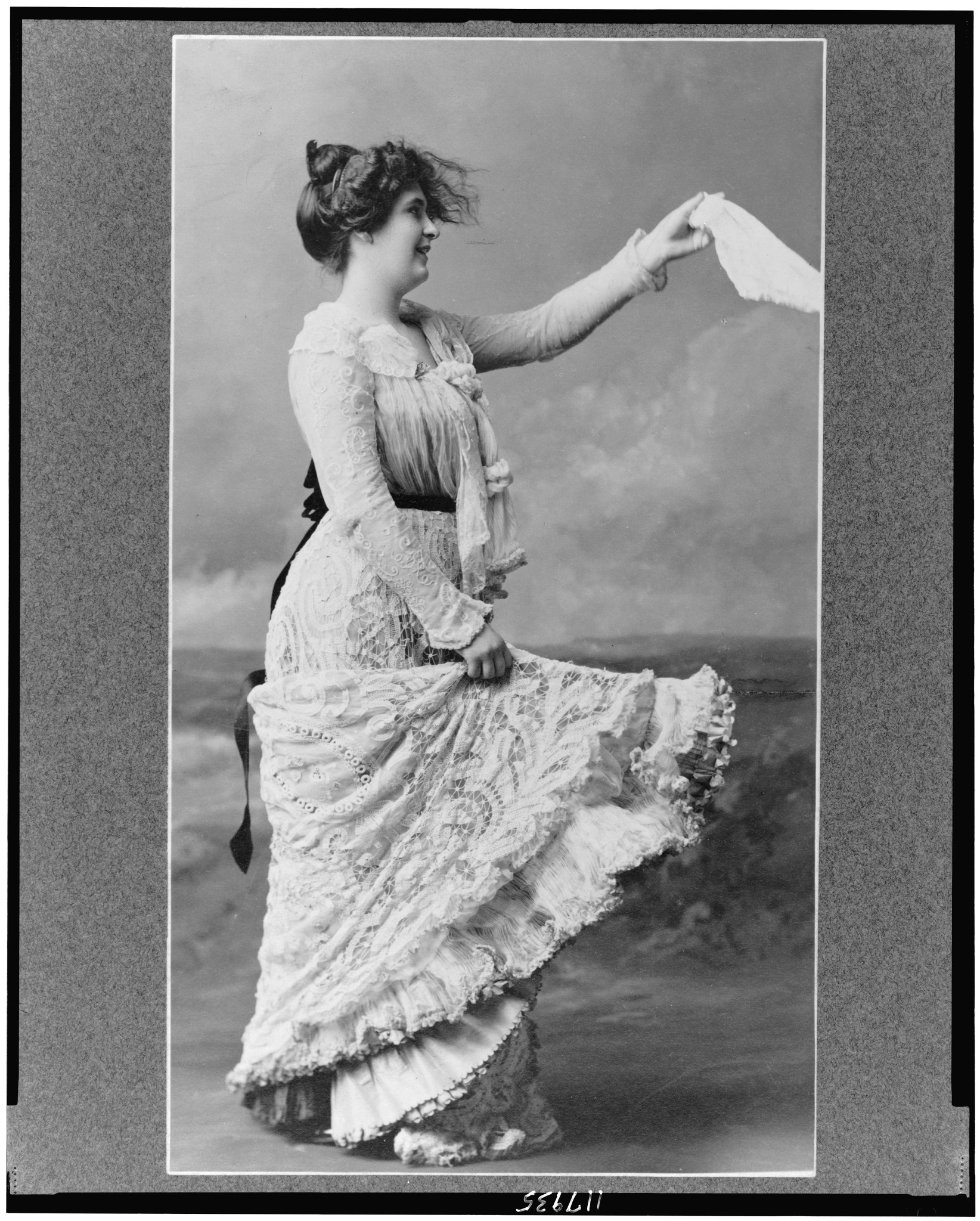
At funerals, weddings, departures and partings, the handkerchief was the thing people held, pressed to their eyes, waved from platforms and gave to somebody else who needed it – a prop with a recognised role.
Tissues, which do the same job and carry none of the same meaning, since a disposable paper square cannot be given, kept, returned or remembered.
The giving is what the replacement cannot do. Handing somebody your own handkerchief at a funeral was a small act with real weight, and the object came back later, laundered, which extended the moment into a second one days afterward.
9. Soldiers, Nurses and Travellers Carried More Than One
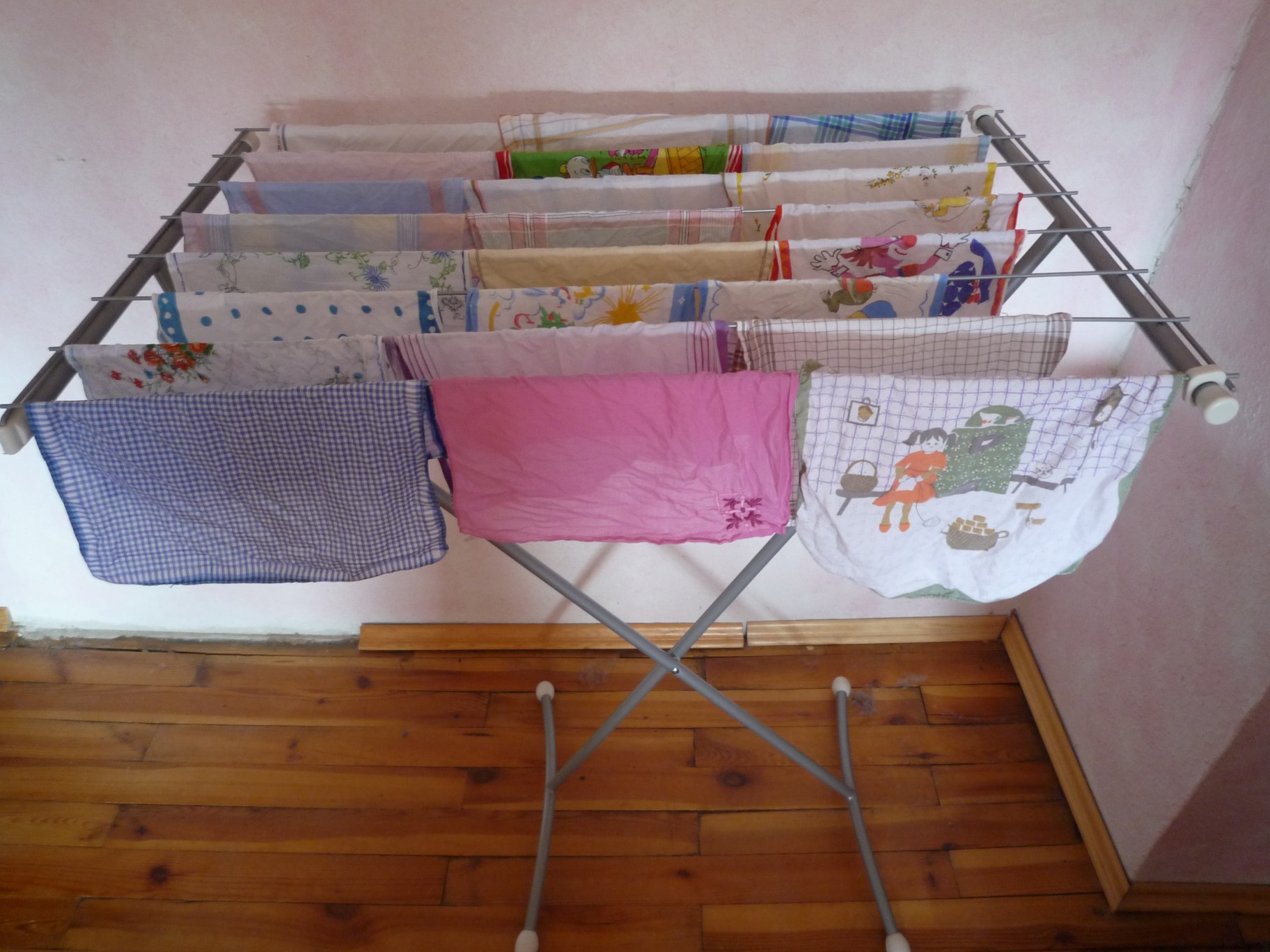
Anybody whose work or journey took them away from a laundry carried several, because one clean square is a day’s supply and a bag of them is a week’s – which made the count a practical calculation.
A packet in a bag, replaced when empty, with no counting and no planning involved at all.
The arithmetic of a reusable item is completely different from that of a disposable one, and it shows up everywhere in how people packed. Six handkerchiefs is a week; a box of tissues is a few days and then a shop – which is a better system and a less portable one.
10. The Breast Pocket One Was Folded to a Pattern
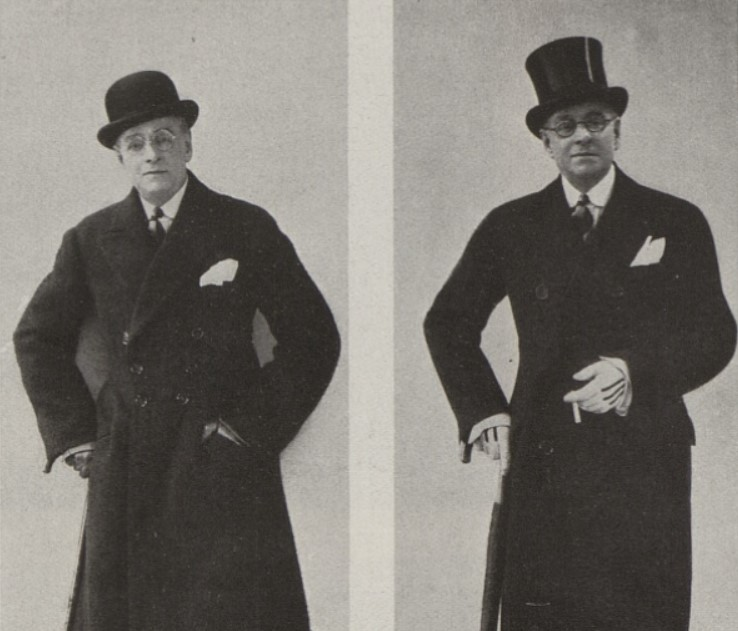
The display handkerchief was arranged in a specific way – a flat edge, a single point, several points, or a loose puff – and the fold was a deliberate choice that men learned and had opinions about.
The same folds, in formal menswear, now consulted as instructions rather than known – which is the difference between a living practice and a revived one.
It was the one place in a man’s outfit where he could make a visible decorative decision, and that is why the folds proliferated. Everything else he wore was prescribed, so the small piece of cloth in his breast pocket carried more expressive weight than its size suggests.
11. The Replacement Was Sold on a Hygiene Argument
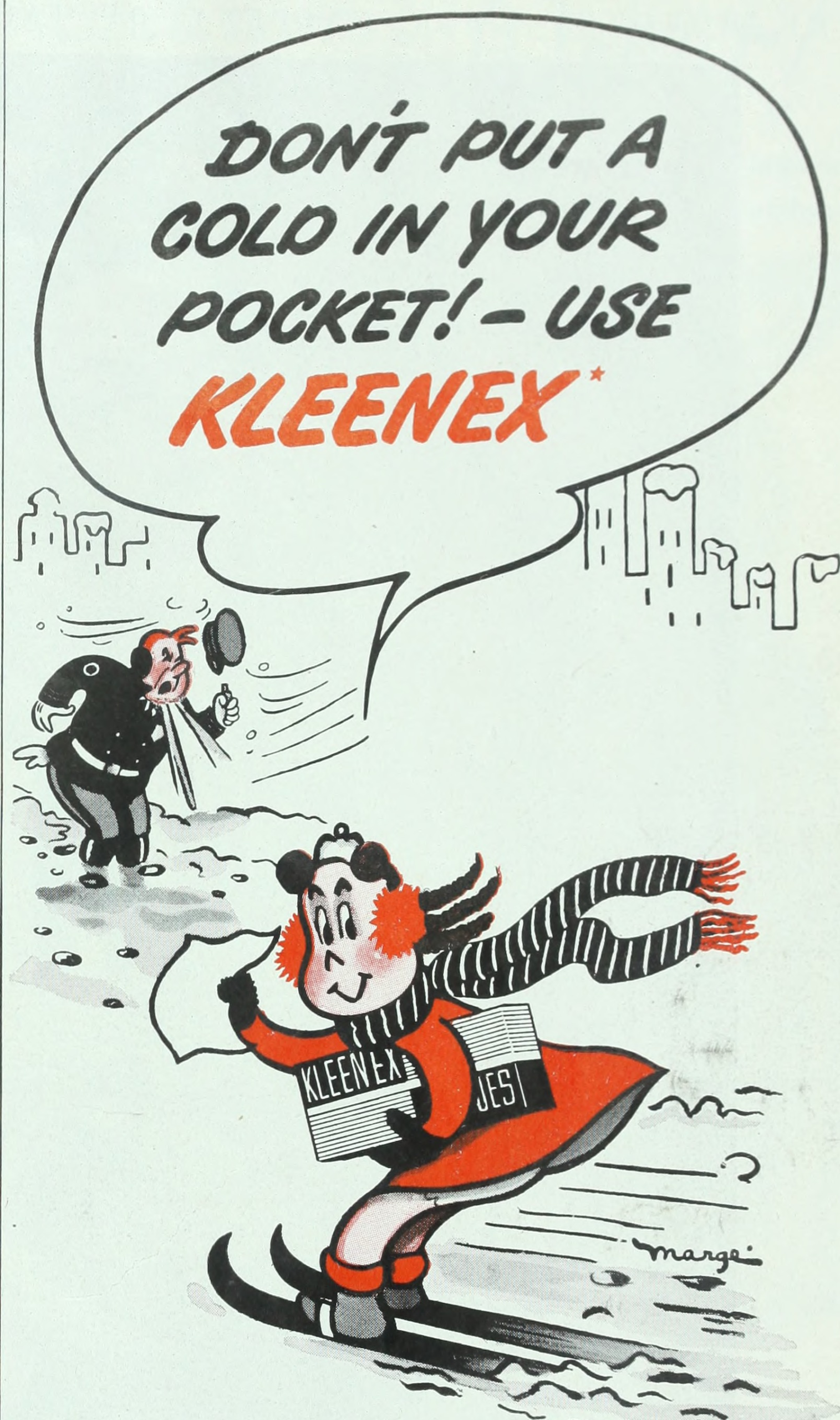
Disposable paper tissues were marketed specifically against the handkerchief, on the explicit grounds that a cloth used and returned to a pocket is kept rather than discarded – and the argument was made directly and repeatedly.
Complete acceptance of that argument, to the point where the original practice now strikes most people as obviously unacceptable without anybody having to explain why.
Which is a notable piece of persuasion, whatever one concludes about the underlying question. A universal object with centuries of use behind it was displaced within a few decades largely by an argument about hygiene, and the argument was commercial in origin as well as medical.
12. Then One Object Split in Two and Only Half Was Replaced
The handkerchief was a laundered, pressed, monogrammed square of cloth that everybody carried, that did a dozen unrelated jobs, that was given as a gift and handed to a crying stranger, and that came back clean.
A disposable tissue, which does one of those jobs better than the cloth ever did – and a purely decorative pocket square, which does none of them at all.
Which is the honest shape of what happened. The object had two halves: a hygiene function and a general-purpose one. The hygiene half was replaced, convincingly and on an argument most people now accept without thinking. The other half – the tool in the pocket that cleaned spectacles, wrapped things, held hot handles, polished shoes and got handed to somebody at a funeral and returned laundered a week later – had no successor at all, because nobody was selling one. So eleven of the twelve uses did not migrate to a new product. They stopped. And the only trace left of the whole system is a folded piece of coloured silk in a breast pocket, which is the half that never did anything, sitting in a pocket originally cut to hold the half that did.
Eleven of the Twelve Uses Just Stopped
The usual story about the handkerchief is a story about hygiene, and it is broadly correct as far as it goes.
Disposable paper tissues were sold against the cloth handkerchief deliberately and explicitly, on the argument that a square used and then returned to a pocket is kept rather than thrown away. That argument was made directly, repeatedly and commercially, and it won so completely that the original practice now strikes most people as self-evidently unacceptable without their ever having thought it through. A universal object with centuries behind it was displaced in a few decades by a persuasive case about germs, and the case was a sales case as well as a medical one.
What that story misses is that the handkerchief was doing two entirely separate jobs, and only one of them was replaced.
Look at the list again. The cloth cleaned spectacles. It held a hot pan handle. It wiped a child’s face. It polished a shoe before an interview. It picked up broken glass. It wrapped something fragile for a journey. It covered a cough. It mopped a brow. It bandaged a cut until something better arrived. It dried somebody else’s tears at a funeral, got handed over, and came back laundered a week later as a second small transaction.
That is a general-purpose tool. It happens to be made of cloth, it fits in a pocket, it costs almost nothing, and it can be cleaned and used again indefinitely.
A tissue replaces exactly one item on that list. It is better at that one item than the cloth ever was. And it is useless for the other eleven, because a disposable paper square cannot be laundered, cannot be given to somebody, cannot hold anything hot, cannot polish anything, and cannot be relied on to be in your pocket in six months.
So the other eleven uses did not transfer to a successor product. They were not reassigned. They simply stopped happening, one at a time, without anybody noticing, because there was no commercial interest in replacing them and no obvious moment at which their absence became a problem.
Which is why people who grew up with one still miss it and usually cannot say what for. The thing they are missing is not the hygiene function – nobody misses that. It is the general-purpose square of cloth that was always there, which has no modern equivalent and which no product category covers.
And the last piece of the story is almost too neat. What survives is the pocket square: a folded piece of silk in a breast pocket, arranged to a pattern, that cannot be used for anything. That was always the decorative half of the system, the one that never did a job.
It is still there, in a pocket that was originally cut to hold the half that did.
If you carried one, you know your mother ironed them, and you know which initial was on them.
And you know you handed one to somebody once, and got it back clean.
Like our content? Follow us for more.