The kit came in a box, and the box was opened on the kitchen table on a Saturday.
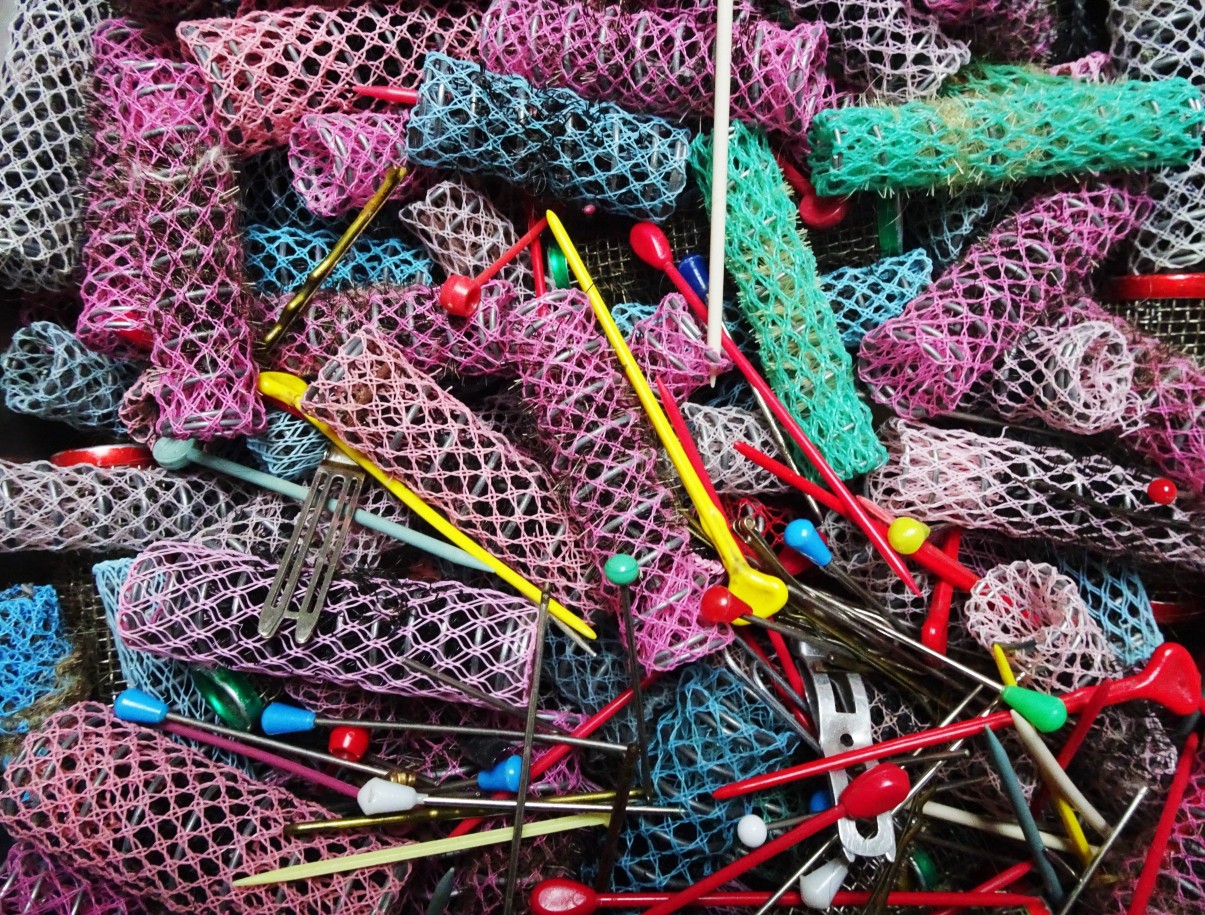
Inside were plastic rods in two or three sizes, a sheet of tissue end papers, a bottle of waving lotion, a bottle of neutraliser, a plastic cap, a comb and a folded instruction sheet with a diagram on it. And then for two hours the kitchen smelled like nothing else in the world, and the smell was still faintly in the house on Tuesday.
What the Chemistry Is Actually Doing
The permanent wave is a genuinely clever piece of applied chemistry, and understanding it explains both the smell and the risk.
Hair is mostly keratin, a protein, and the shape of a hair is held by chemical links between the protein chains. The important ones for this purpose are bridges formed between sulphur atoms on adjacent chains. Those bridges are strong, they are what makes hair springy rather than limp, and they hold the hair in whatever shape it grew in.
A permanent wave works in two steps. First a reducing agent – a thiol compound – breaks those sulphur bridges. The hair becomes temporarily soft and takes the shape of whatever it is wrapped around. Then an oxidising neutraliser re-forms the bridges, but now between different partners, locking the hair into the new shape.
That is why it is called permanent. The curl does not wash out, because the hair is physically re-bonded. It grows out, which is a different thing entirely, and is why a perm has a visible line at the roots after two months.
And the smell is the thiol. Sulphur-containing compounds of that family are detectable by the human nose at extraordinarily low concentrations – which is a property evolution supplied for good reasons – so a small amount in a kitchen produces a smell that fills a house and stays in soft furnishings.
Like our content? Follow us for more.
The Home Kit Was a Genuine Mass-Market Breakthrough
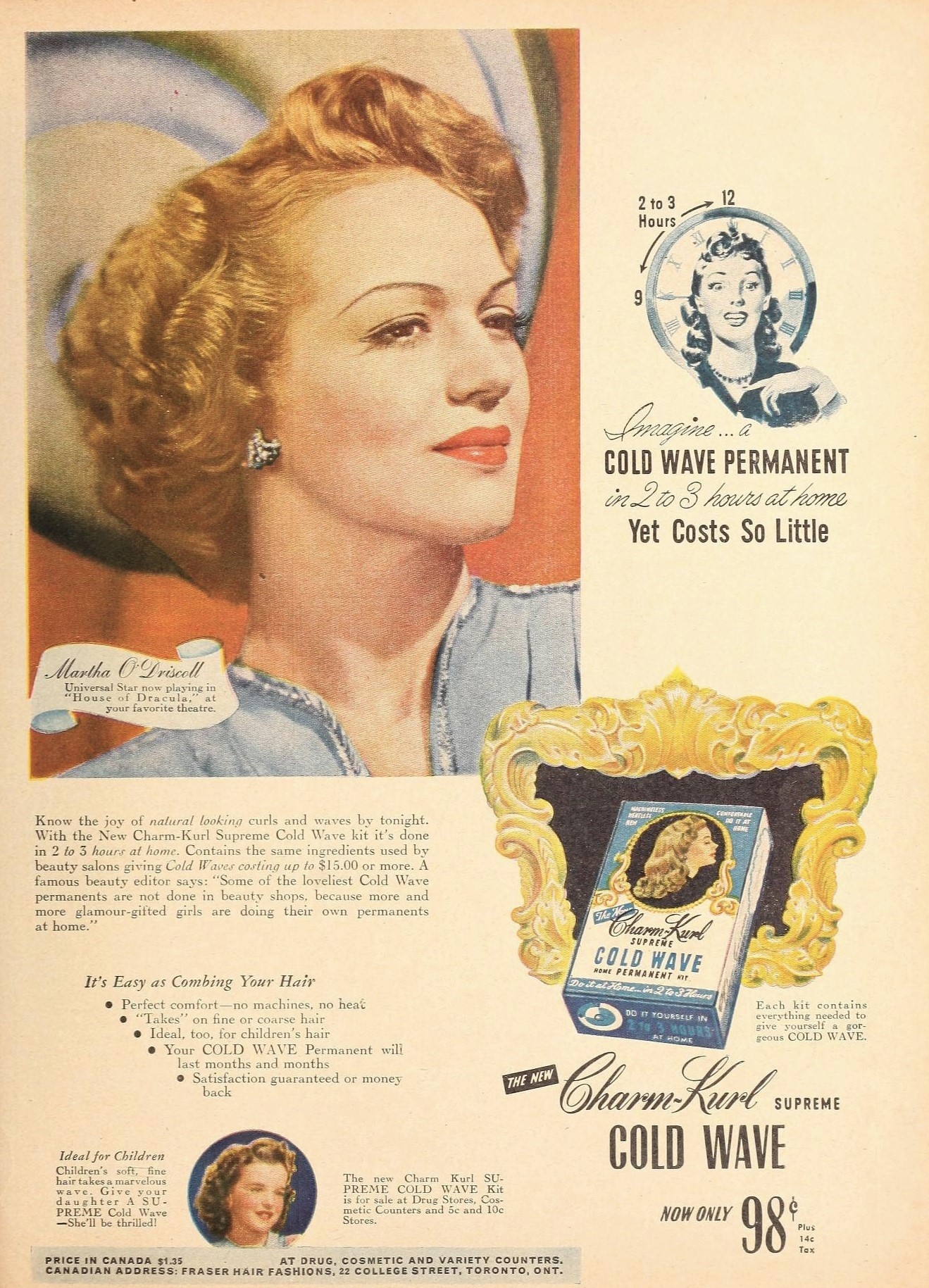
Before the home kit, a permanent wave was a salon procedure, and in its earliest form an alarming one involving heat and electricity.
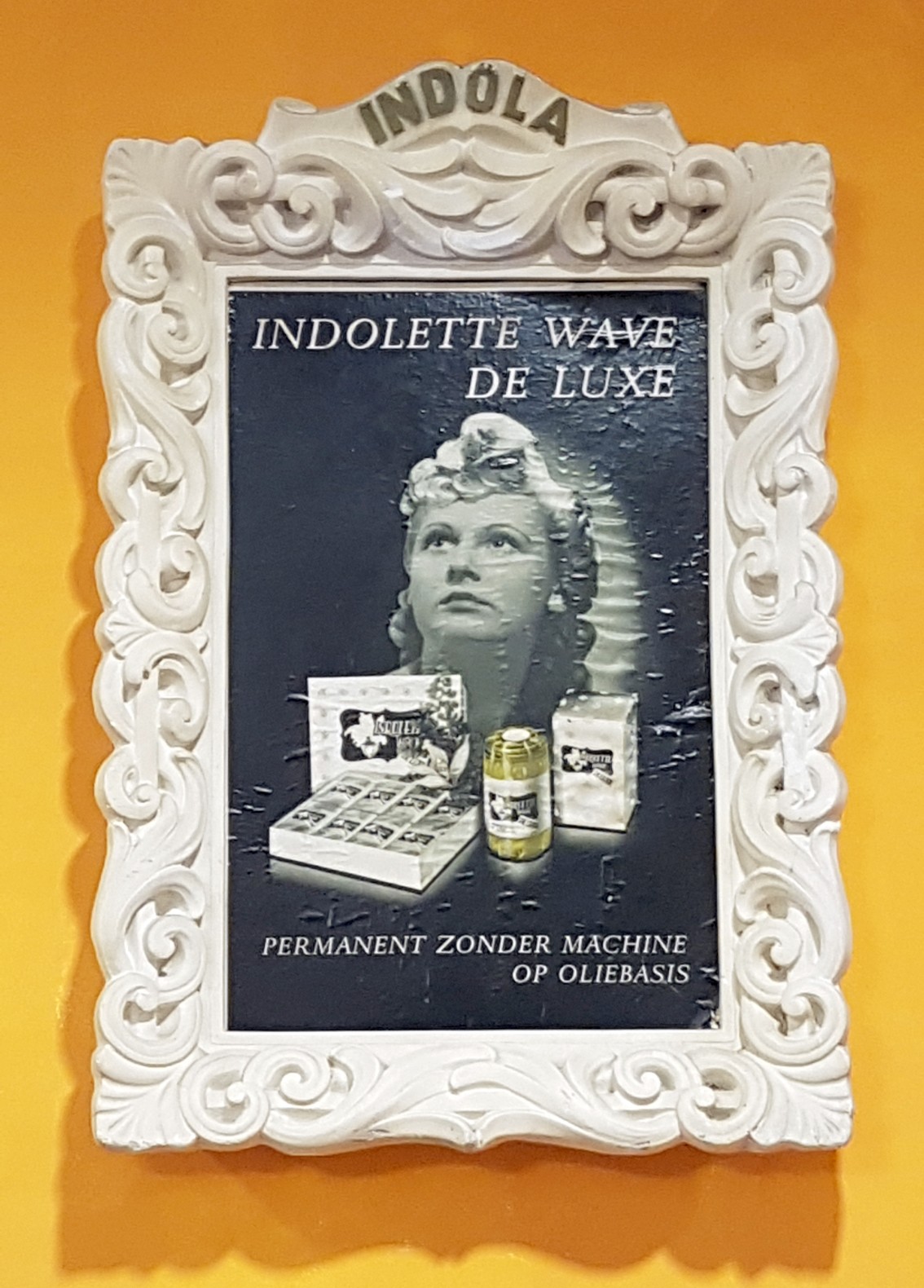
What made it domestic was cold waving – a formulation that worked chemically at room temperature, with no machine, no heat and no electrical connection. Once that existed, the whole thing could be packaged: measured bottles, the right rods, printed instructions and a price a household could manage.
That is a significant piece of consumer history and it is worth stating plainly. A professional service costing a day’s wages became a product costing a fraction of that, performed at home, which put a fashionable hairstyle within reach of women who had never been able to afford one. The marketing of the period leaned hard on exactly that, and it was not a false claim.
It Was Done to You by Somebody Who Loved You and Was Not Trained
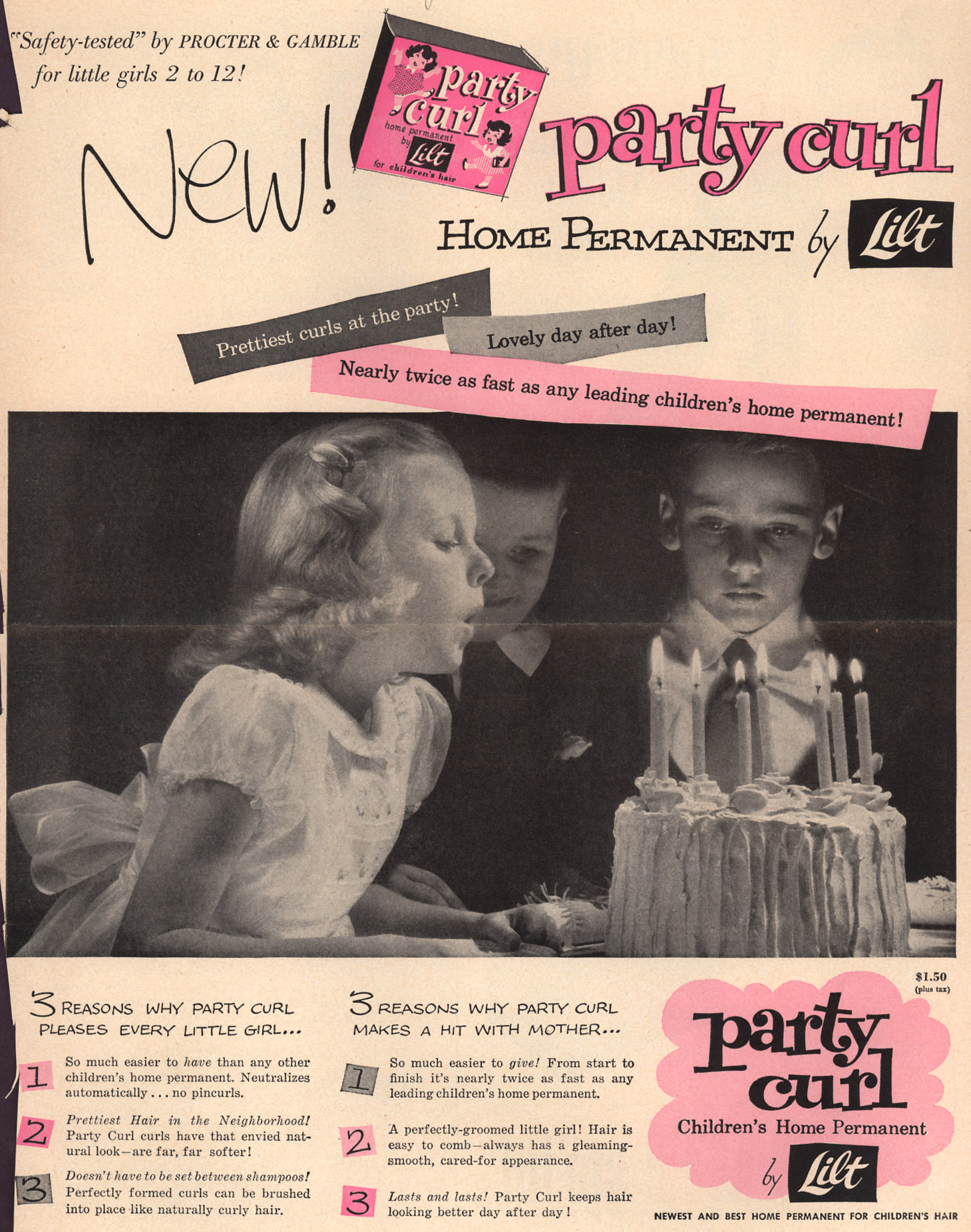
The social arrangement is the part everybody remembers.
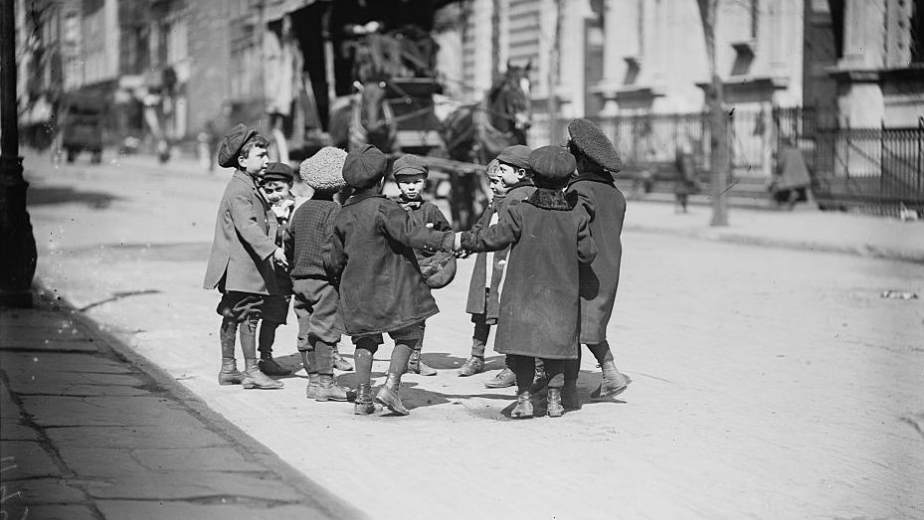
Home perms were done by mothers to daughters, by sisters to each other, by neighbours across a kitchen table, by one woman in a street who was known to be good at it. It took two or three hours, it required somebody else’s hands, and it put two people in close physical contact for an entire afternoon with nothing to do but talk.
Which is why the accounts of this are so consistent and so warm, even from people who hated the result. The perm is remembered as a conversation as much as a hairstyle – a long afternoon of being worked on, in a kitchen, with the radio going, by somebody who was concentrating hard on your behalf.
It was also, frequently, the first time a girl was treated as somebody whose appearance was a serious matter, which is its own kind of occasion.
Everything That Could Go Wrong Was Irreversible

And here is the problem that eventually moved the whole thing back into salons.
Every variable mattered. How tightly the hair was wound determined the curl and, if overdone, broke it. How long the lotion stayed on determined how completely the bridges were broken – too short and nothing happened, too long and the hair’s structure was damaged past recovery. Hair that had been coloured, or previously permed, or was fine, or had been treated with anything, behaved differently from the hair the instructions assumed.
None of that is correctable afterwards. You cannot un-perm hair. If it came out too tight it stayed too tight for months. If the hair was over-processed it was damaged until it was cut off. If the neutraliser was applied unevenly, half the head held and half did not, permanently.
So an unskilled person was making a series of timed, irreversible decisions about somebody else’s appearance, in a kitchen, from a leaflet – and the failures were highly visible, lasted for months and had to be gone to school with.
The Instruction Sheet Was Doing an Impossible Job
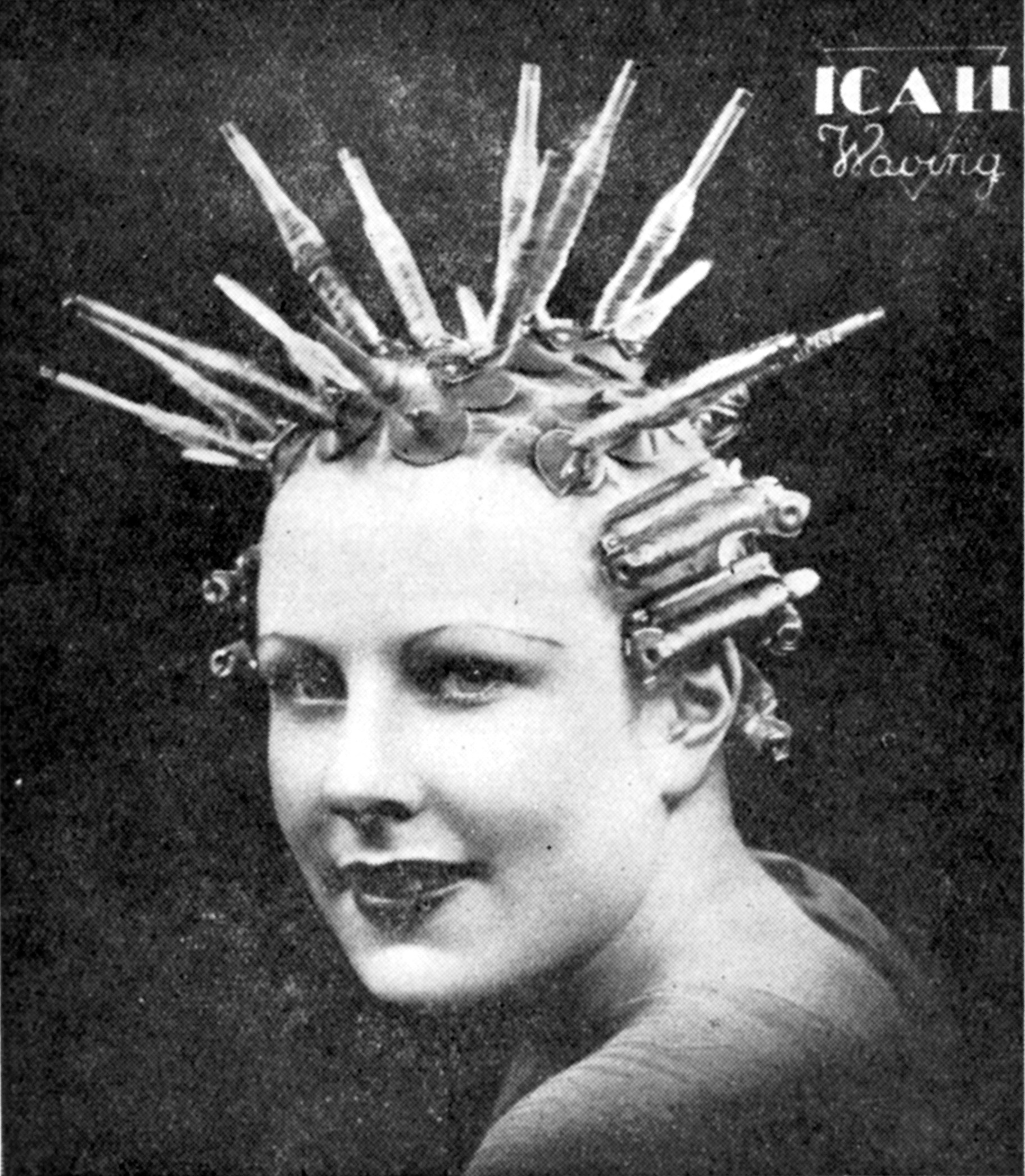
The printed leaflet in the box is a small masterpiece of trying to cover every case with no information about the customer.
It gave sectioning diagrams, winding directions, rod placements for different styles, timing tables, and a test – unwind one rod partway and look at whether the wave has formed – which is genuinely how professionals judge it and which requires knowing what you are looking at.
It also carried a long list of conditions under which you should not proceed, and warnings about the lotion and the eyes, and a patch test recommendation that almost nobody did.
The gap between what the sheet asked and what an untrained person in a kitchen could reliably deliver is the whole story of the product. The instructions were not wrong. They were simply asking a householder to make professional judgements with no professional reference points, and the manufacturer knew it, which is why the warnings were there.
The Afternoon Had a Shape and Everybody Remembers the Order
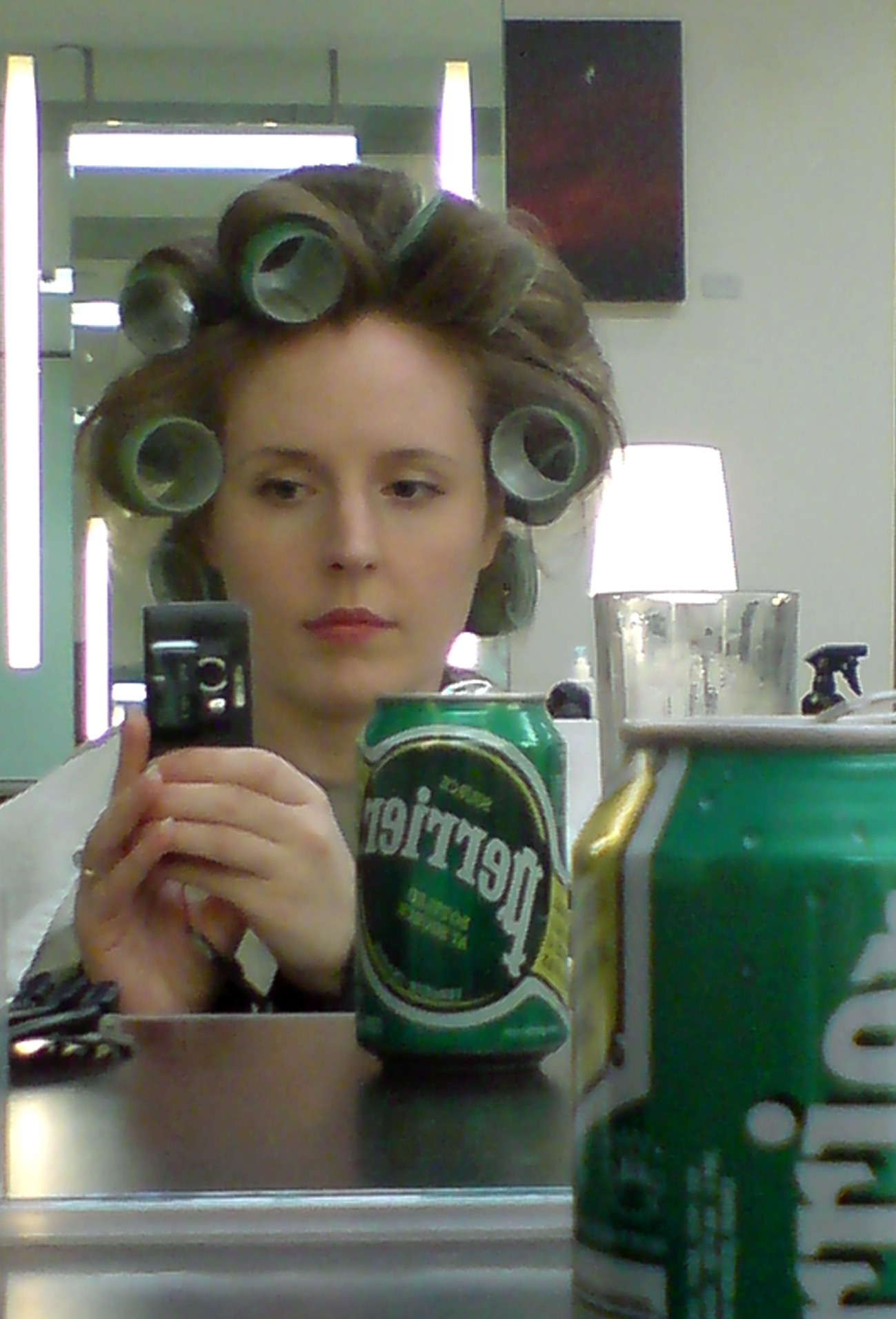
The procedure took two or three hours and it ran in a fixed sequence, which is why accounts of it are so uniform.
The hair was washed first and towelled, because the process needs clean hair with nothing on it. Then it was sectioned and combed out. Then the winding, which is the long part: a small section lifted, a tissue end paper folded over the ends so they do not buckle, and the whole section rolled onto a rod down to the scalp and secured – repeated fifty or sixty times, working around the head in an order the diagram specified.
Then the lotion, applied rod by rod, and the plastic cap over everything. Then the waiting, with a timer or a clock, during which nothing could be done and nobody could leave.
Then the test, the rinse, the neutraliser, more waiting, the final rinse, and the unwinding – which is the moment the whole afternoon resolves into a result that cannot be altered.
And then the verdict, delivered by the person it had been done to, in front of the person who had done it, which is the part nobody in those kitchens has forgotten.
It Was Cheap and That Was the Whole Argument
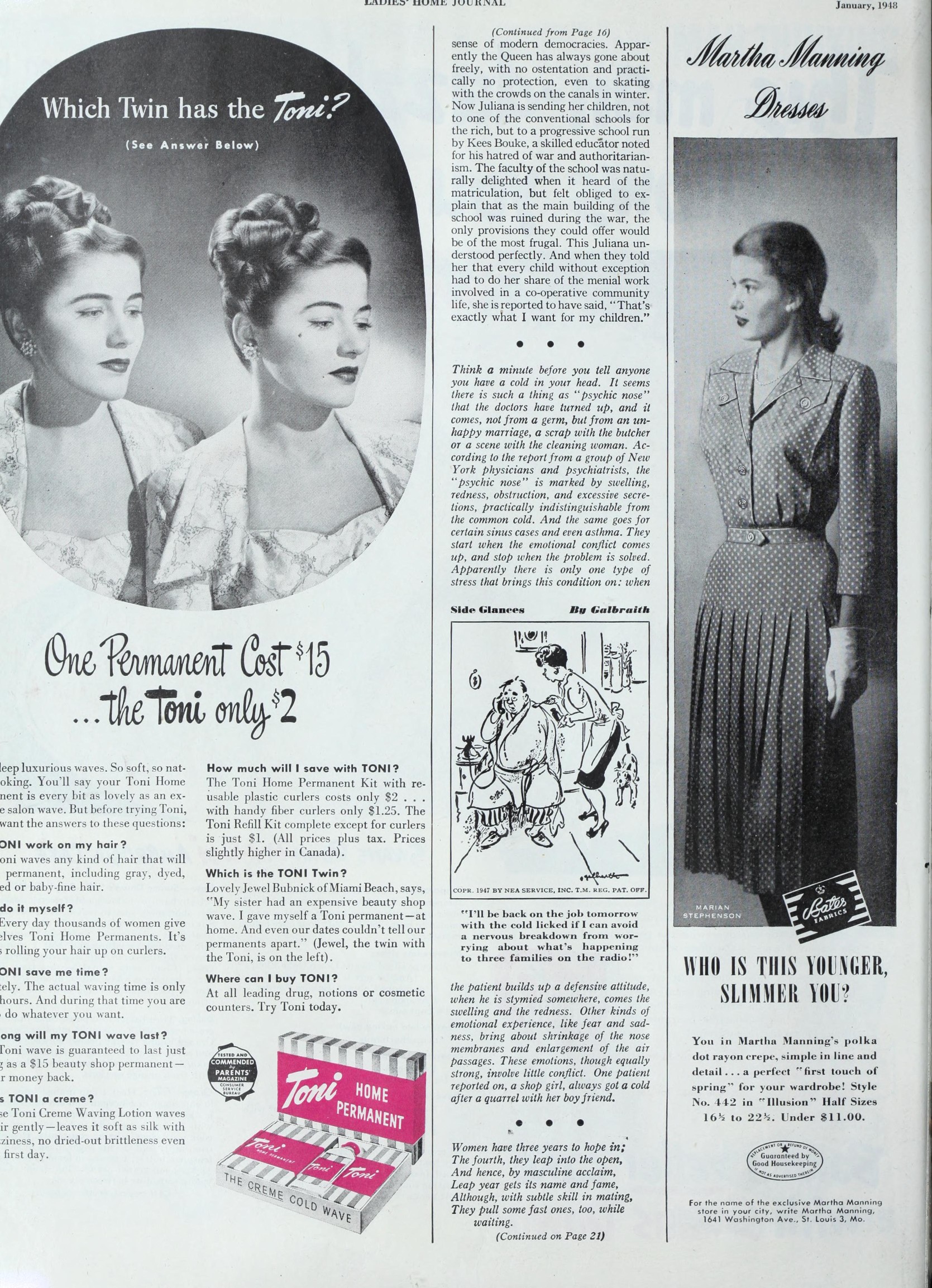
The economics are worth stating because they explain the product’s enormous reach.
A salon permanent wave was a significant sum – a meaningful fraction of a week’s household money – and it had to be repeated every few months as the curl grew out. For a family running on one wage with several daughters, that was not a recurring expense anybody was going to approve.
The home kit cost a small multiple of a loaf of bread, did one head, and could be bought with grocery money without a discussion. A household with three girls could do all three in an afternoon for less than one salon visit, and did.
Which made it one of those products that is genuinely levelling rather than merely cheap. The hairstyle in the magazine and the hairstyle in a small town on a modest income became, for the first time, approximately the same hairstyle – achieved badly in a lot of cases, at a kitchen table, by somebody’s mother reading a leaflet.
The Twist: The Chemistry Did Not Change, the Labour Moved
The thing that is easy to assume is that permanent waving was replaced by something better. It was not.
The chemistry used in a salon today to put a permanent wave in somebody’s hair is the same chemistry. A reducing agent breaks the sulphur bridges, the hair is wrapped, an oxidising neutraliser re-forms them. There are gentler formulations, better conditioners, variations using different reducing agents and a thermal process used for certain styles – but the mechanism in the bottle is the mechanism from 1955, and it still smells the same, which anybody who walks past a salon door can confirm.
So nothing was superseded. Two other things happened.
The first is that the hairstyles went. Set curls, uniform waves and the whole architecture of a styled head gave way across the 1970s and 1980s to cuts designed around how hair actually falls, blow-drying, and later to a general preference for texture over set shape. The permanent wave is a technology for imposing a shape, and the demand for imposed shapes collapsed.
The second is that the irreversibility won. A product whose failures cannot be fixed, last for months and are worn on the front of somebody’s head is a product that migrates to professionals as soon as households can afford professionals – and across those same decades, they increasingly could.
Which leaves the smell as the thing that actually survived, and it survived in the right place. It is still in salons, doing the same job, applied by somebody who has been trained to judge the timing.
And it is gone from kitchens, which is where the memory is – because almost nobody now has ever sat at a kitchen table for three hours while their mother wound their hair onto plastic rods and read a leaflet out loud.
Like our content? Follow us for more.