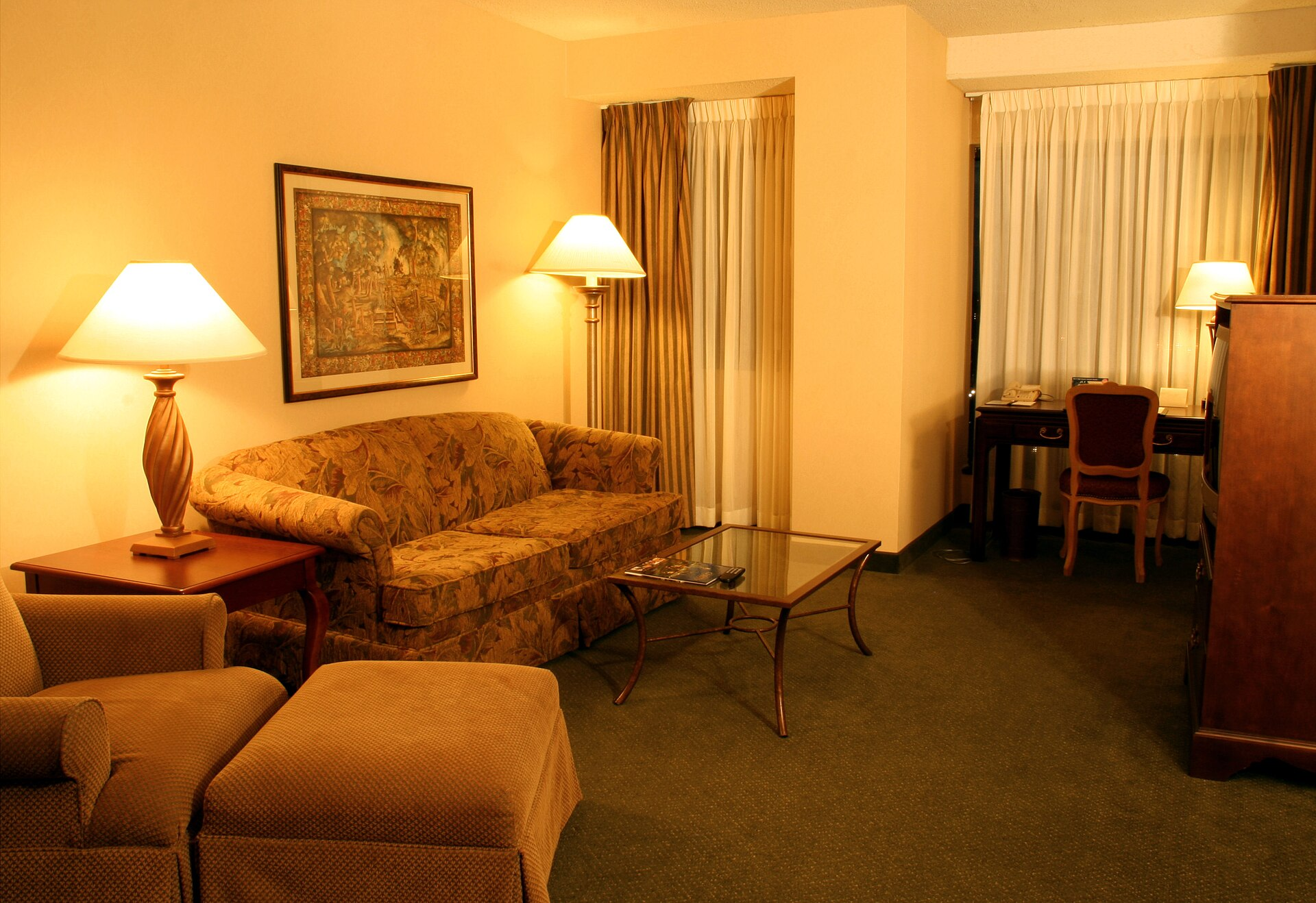
The American living room of 1975 had a look and feel all its own, a warm, slightly groovy blend of earth tones, wood paneling, and furniture built to last. It was the heart of the home, where families gathered to watch a handful of TV channels, flip through the encyclopedia, or simply talk. Many of the things that filled it have since vanished or been replaced by sleeker, smaller technology. Looking back at them is a trip down memory lane for anyone who grew up in that era. Here are fifteen things nearly every American living room had in 1975, counted down one by one.
1. The Console Television
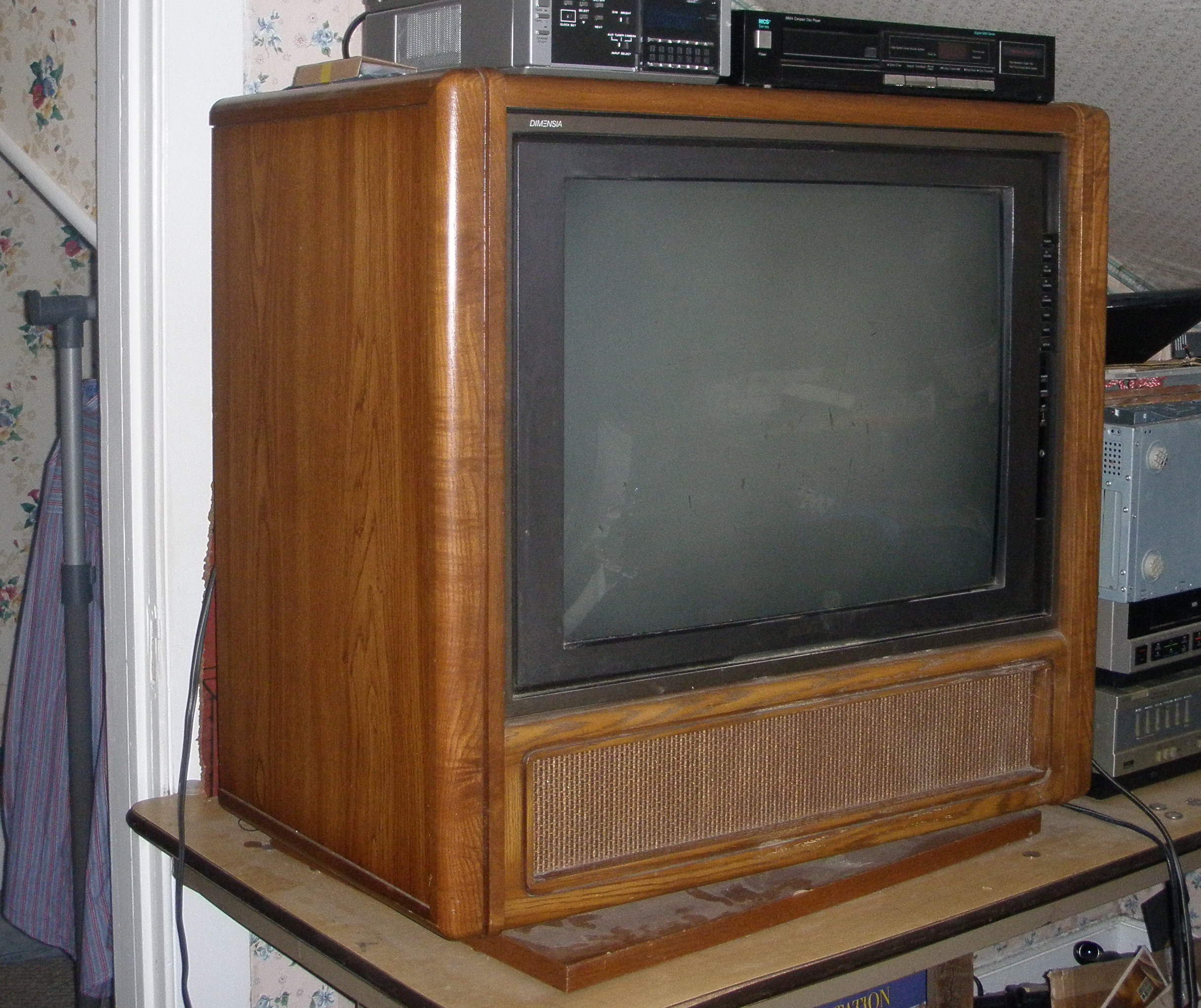
The centerpiece of the room was a massive console TV, a wooden cabinet housing a relatively small screen. Far more furniture than electronics, it anchored the whole space.
In 1975, the television was a major piece of furniture, a heavy wooden console that sat directly on the floor and often stretched several feet wide. The actual screen was modest, framed by acres of wood-grain cabinetry, and the set typically pulled in only a handful of channels. Families gathered around it each evening, and changing the channel meant getting up and turning a dial. The console TV was the undisputed focal point of the 1975 living room, a far cry from today’s slim, wall-mounted flat screens.
Like our content? Follow us for more.
2. Wood Paneling on the Walls
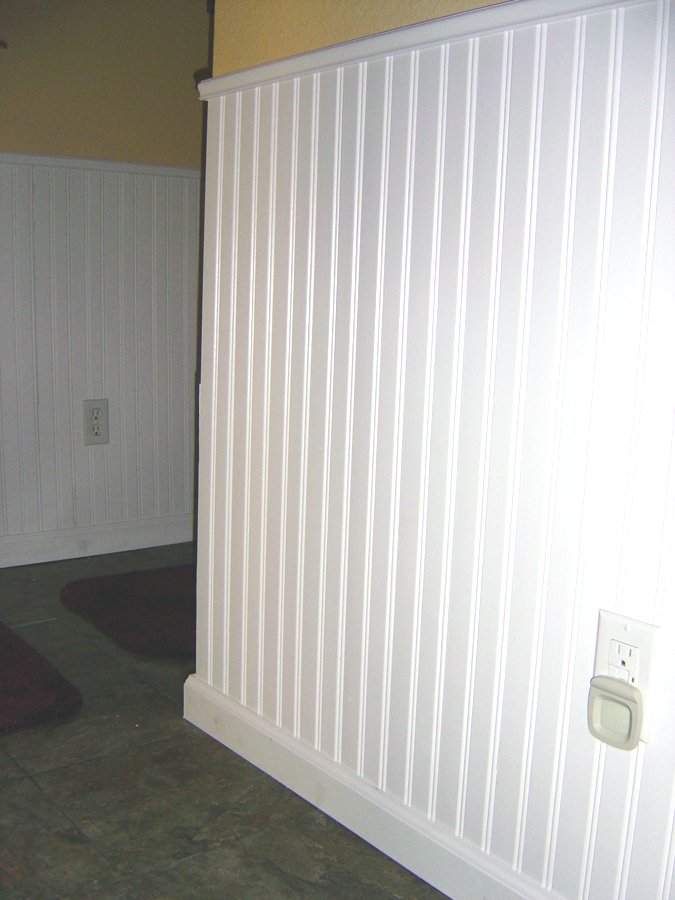
Warm wood paneling covered the walls of countless living rooms, giving the room a cozy, den-like feel. It was the defining wall treatment of the era.
Few things say “1975 living room” like wood paneling. Whether real wood or a budget-friendly faux version, the warm brown panels lined walls across America, lending rooms a snug, lodge-like atmosphere. It paired perfectly with the era’s earth-tone palette and was a popular do-it-yourself upgrade. Over the decades, paneling fell out of favor as lighter, brighter walls took over, but for anyone who grew up in the ’70s, those wood-grain walls are an instant and powerful memory of home.
3. Shag Carpet
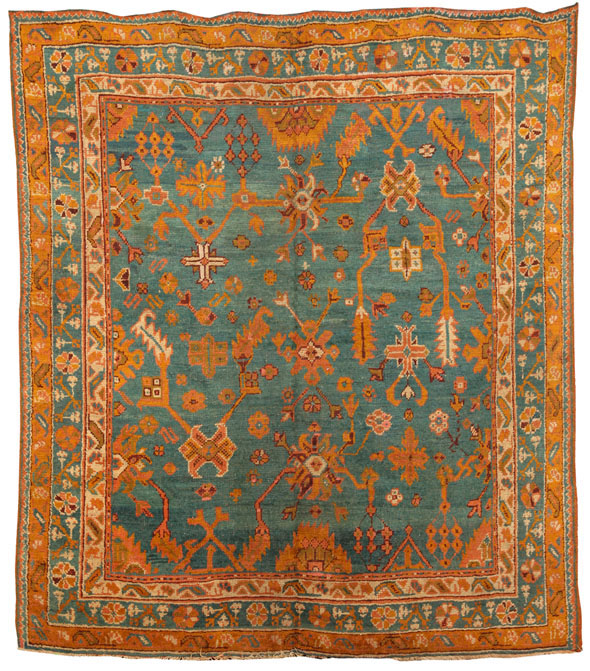
Thick, plush shag carpet, often in gold, orange, or avocado green, covered the floor. Deep enough to lose a toy in, it was the height of ’70s comfort.
Shag carpet was everywhere in 1975, its long, soft fibers in fashionable earth tones turning the living room floor into a cozy landscape. It felt wonderful underfoot but was famously tricky to vacuum, and special rakes existed just to fluff it back up. Gold, harvest orange, and avocado green were favorite shades. Shag carpet has become one of the most iconic, and most fondly remembered, hallmarks of 1970s home style, instantly transporting anyone who sees it back to the decade.
4. The Rotary Telephone
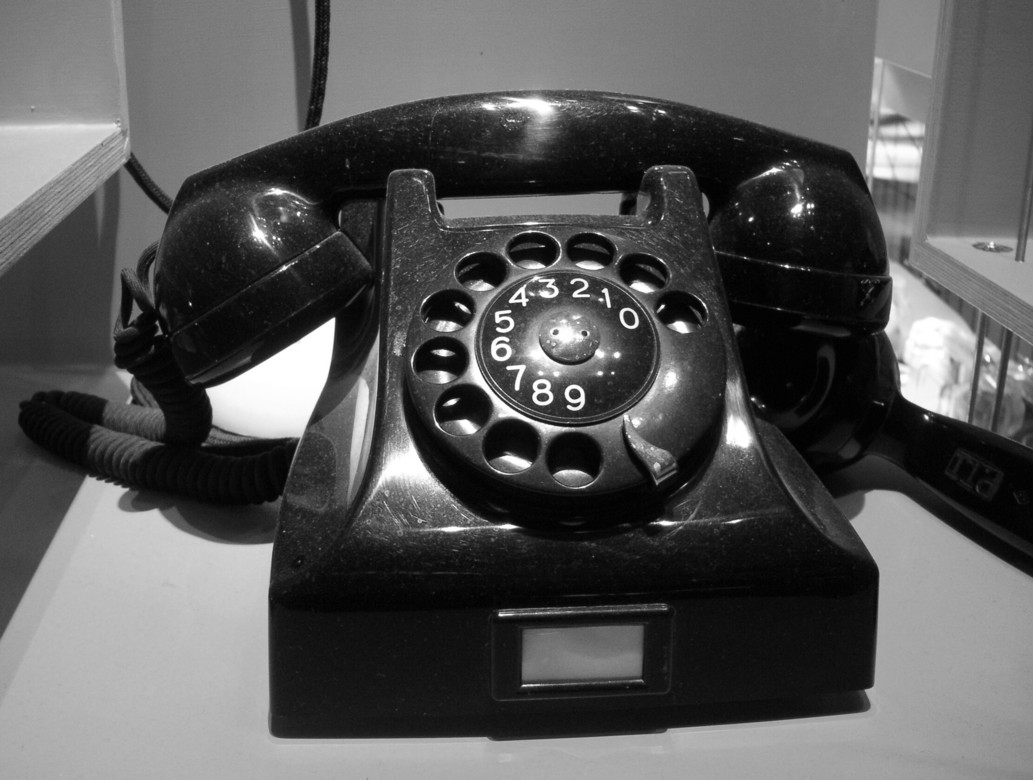
A rotary phone sat on a side table or hung on the wall, its spinning dial and curly cord familiar to all. It was the family’s single line to the outside world.
In 1975, the household phone was a rotary model, usually with a long, curly cord that let you pace around while talking. Dialing meant spinning the numbered dial and waiting for it to click back, and a single phone often served the whole family. There was no caller ID, no voicemail, just a ring and a guess at who it might be. The rotary phone is a beloved relic of the era, a reminder of when one shared line connected an entire household.
5. Macramé Plant Hangers and Houseplants
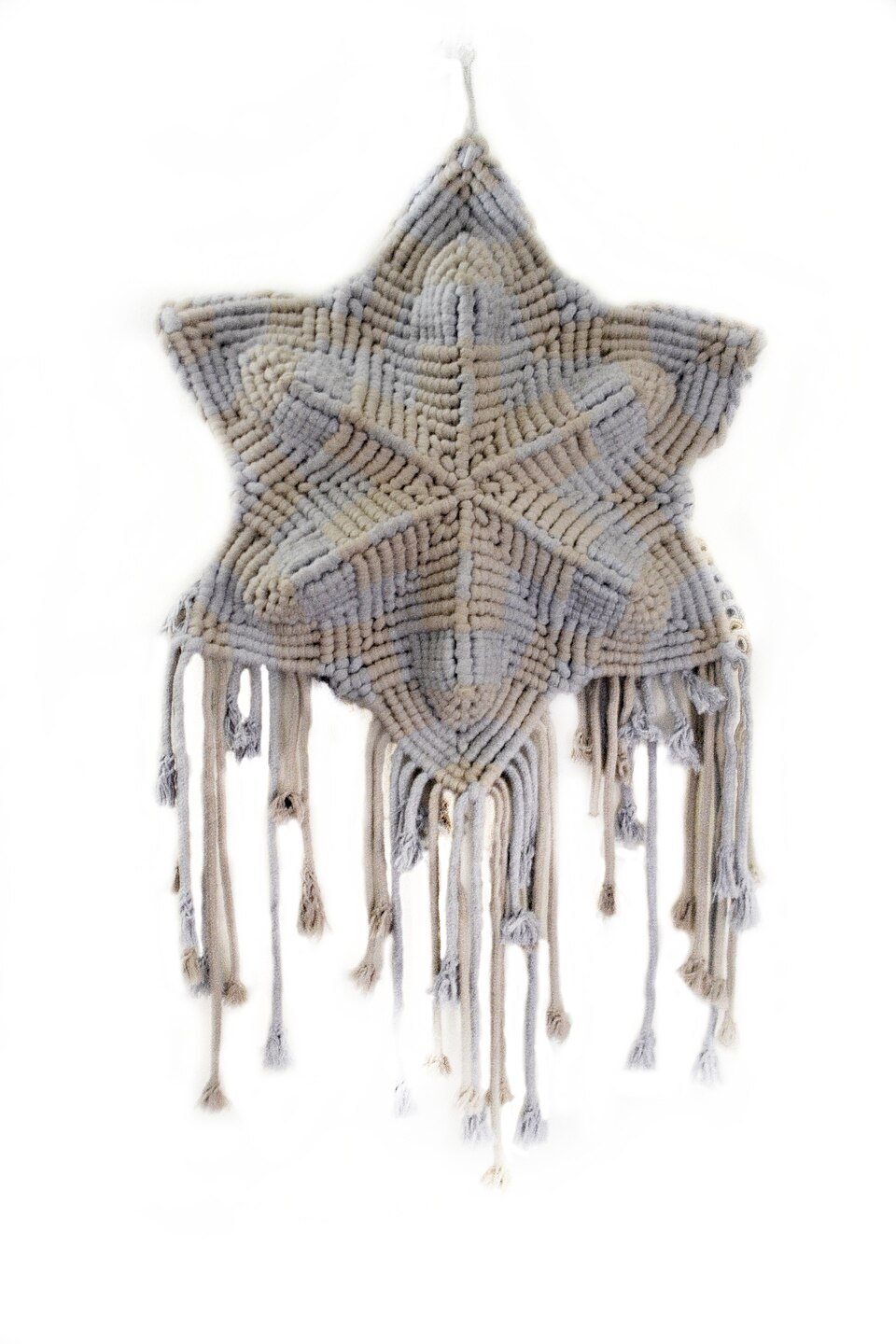
Leafy houseplants in macramé hangers dangled from the ceiling and filled corners, bringing a touch of nature indoors. Greenery was a key part of the look.
The 1975 living room loved its greenery, with spider plants, ferns, and pothos spilling from knotted macramé hangers suspended from the ceiling, and larger plants standing in decorative pots. The handmade macramé, all knots and beads, was a craze of the era. Combined with the earthy color scheme, the abundant plants gave rooms a relaxed, nature-loving vibe. Macramé plant hangers and a jungle of houseplants are a quintessential ’70s touch that’s even seen revivals in recent years.
6. The Hi-Fi Stereo Console
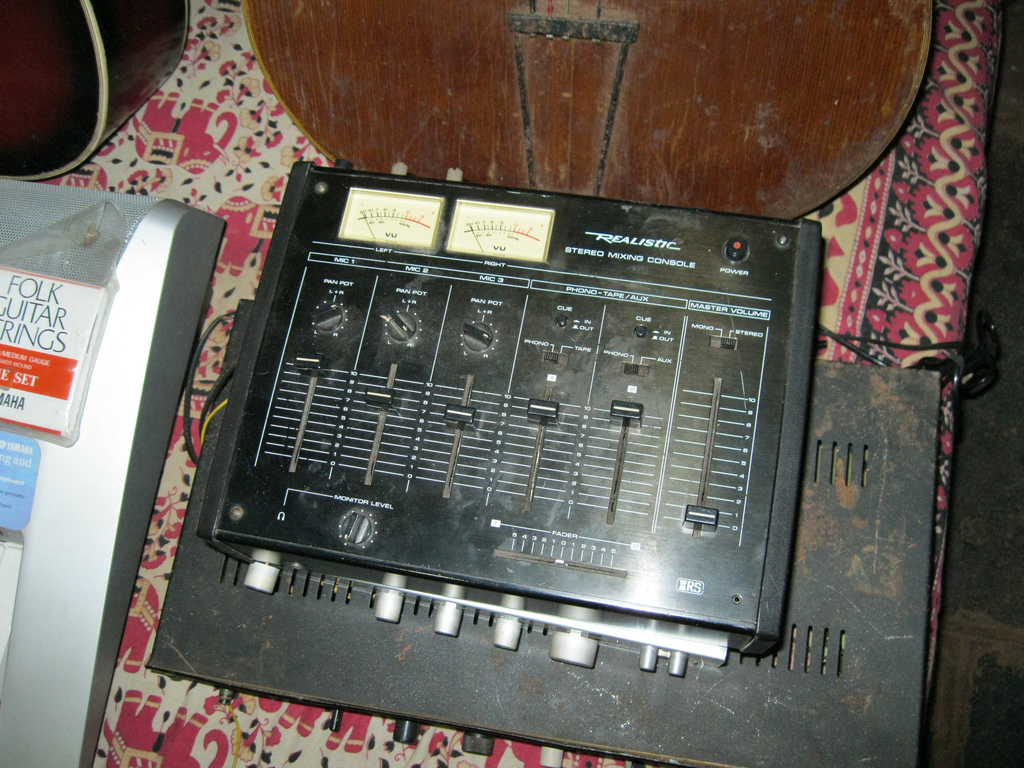
A long, low stereo console housed the record player, radio, and speakers all in one wooden cabinet. It was the family’s home entertainment hub for music.
Before compact stereo systems, many living rooms featured a hi-fi console, a handsome piece of furniture combining a turntable, radio tuner, and built-in speakers under a lift-up lid. Records were stacked nearby, and the whole family gathered to listen. Like the TV, it doubled as a sideboard, often topped with framed photos or a decorative lamp. The stereo console was the soundtrack-maker of the 1975 home, a stylish centerpiece for the era’s love of vinyl records.
7. The TV Antenna or “Rabbit Ears”
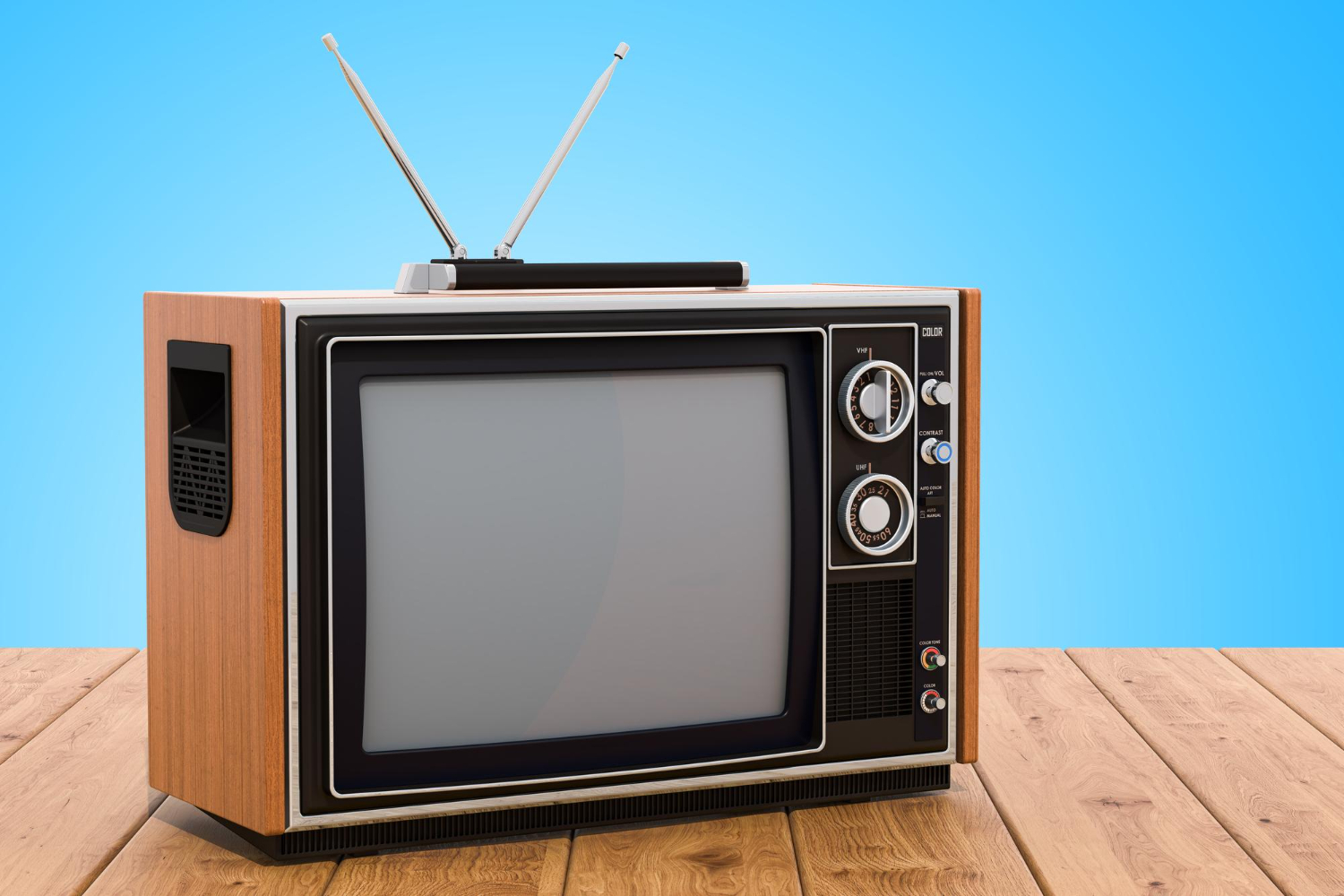
Perched atop the television, a pair of telescoping “rabbit ears” antennas pulled in the broadcast channels. Adjusting them for a clear picture was a household ritual.
In the days before cable, the television relied on an antenna to receive its few channels, and the most familiar was the set of “rabbit ears” perched on top of the TV. Getting a clear picture often meant fiddling with the antennas, sometimes wrapping them in foil, or holding them at just the right angle. It was a familiar family struggle. The rabbit-ear antenna is a fondly remembered symbol of 1970s television, back when a good picture took a bit of effort.
8. Heavy Drapes and Sheers
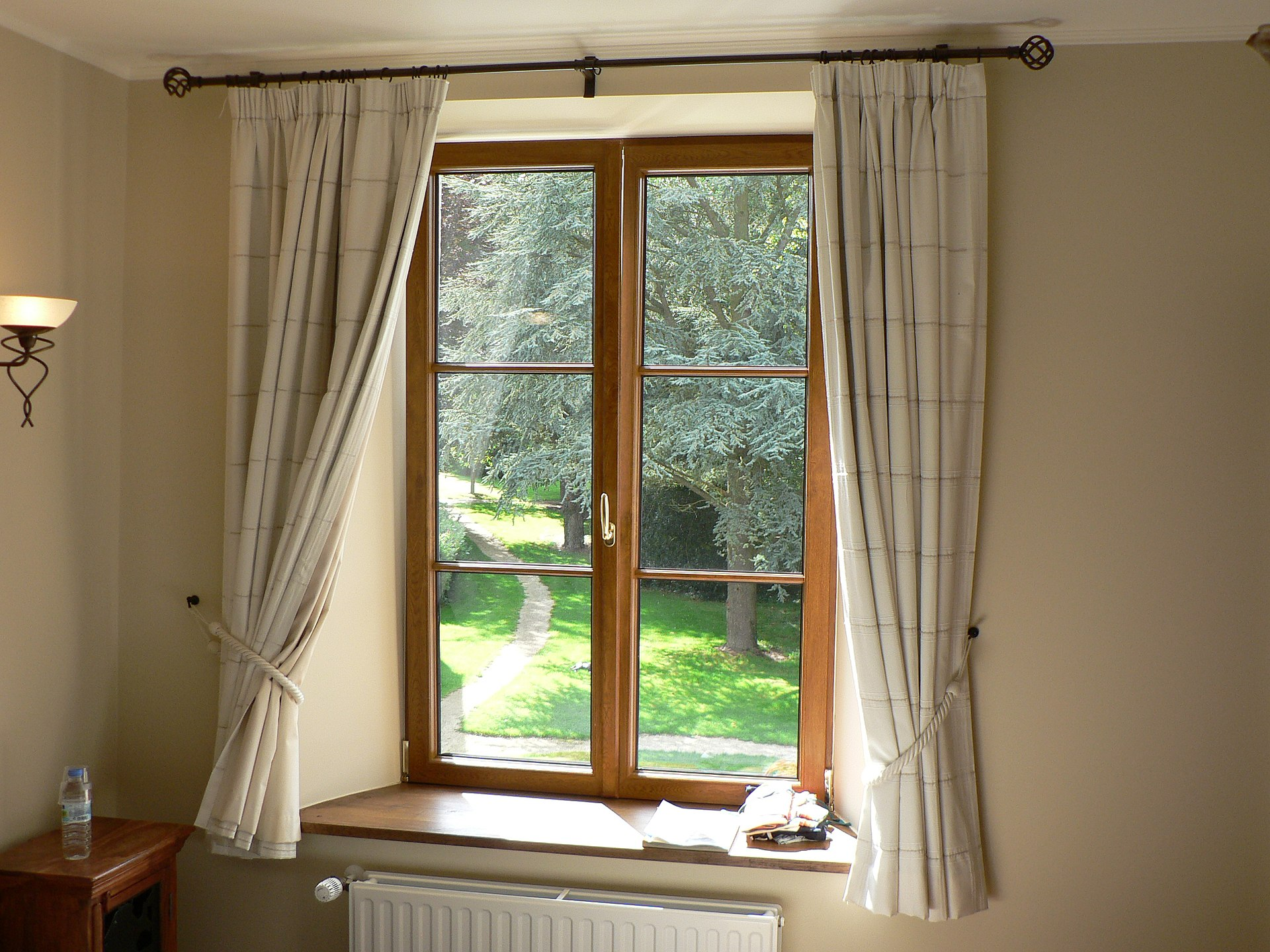
Thick, floor-length drapes, often in bold patterns or earth tones, framed the windows, usually layered over sheer curtains. They set the room’s mood.
The windows of a 1975 living room were typically dressed in heavy, full-length drapes, frequently in the era’s signature gold, orange, brown, or bold geometric patterns, layered over lightweight sheer curtains. Drawn shut, they gave the room a cozy, enclosed feel; opened, the sheers softened the daylight. Coordinating with the carpet and furniture, the drapes were a key decorating element. These substantial, patterned window treatments are a distinctive part of the remembered look of the 1970s home.
9. The Encyclopedia Set
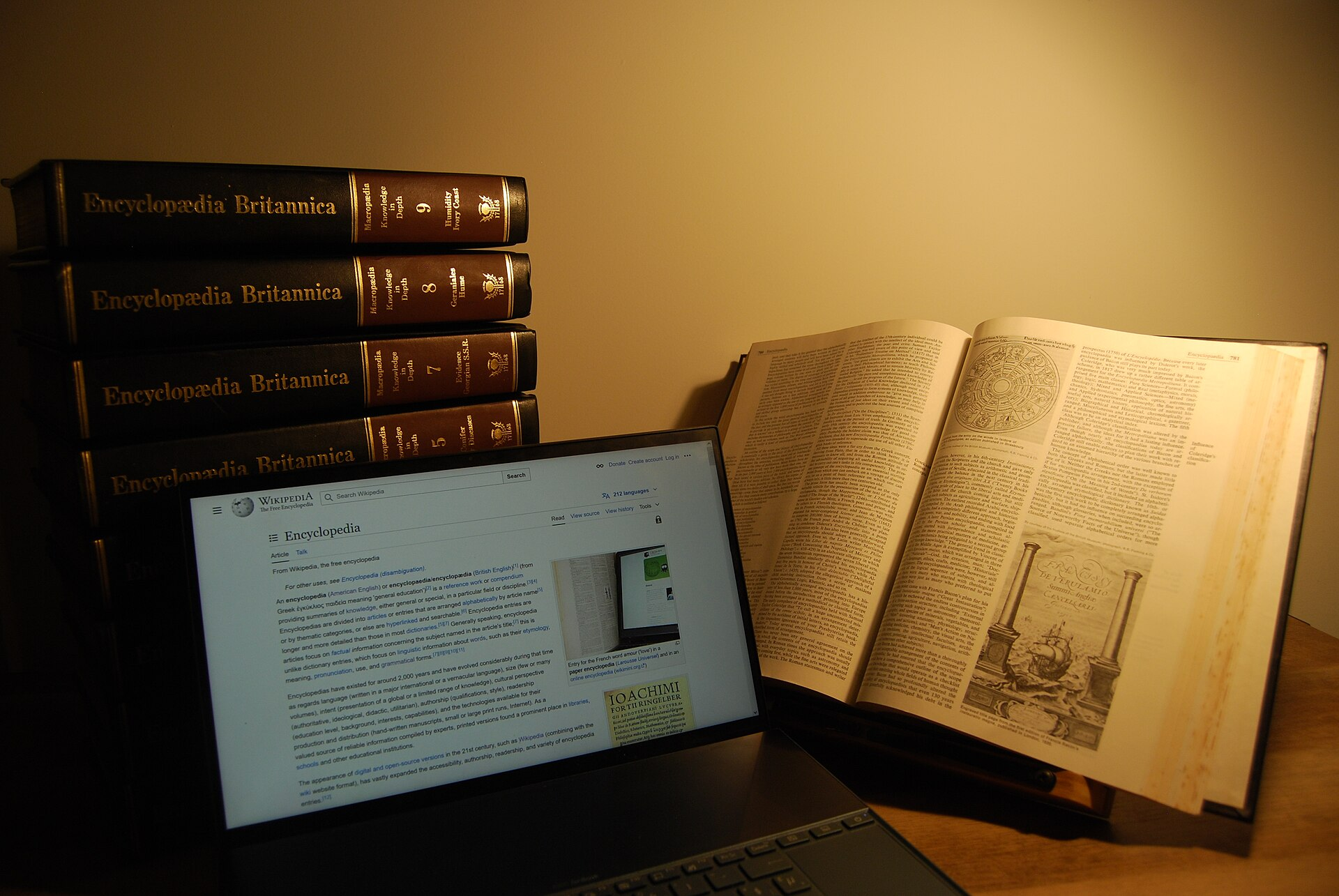
A full set of encyclopedias lined a shelf or sat in a special bookcase, the family’s go-to source for any question. It represented knowledge close at hand.
Long before the internet, many living rooms held a proud row of matching encyclopedia volumes, often sold door-to-door and paid off over time. When a child had a school report or a family debate needed settling, those books were the answer. They were both a reference tool and a status symbol of a household that valued learning. The encyclopedia set is a nostalgic reminder of how families once looked things up, an entire library captured in a single shelf.
10. Tchotchkes and Knickknack Shelves
Shelves and tabletops displayed an array of figurines, souvenirs, and decorative odds and ends. These little treasures gave the room personality.
The 1975 living room was rarely minimalist. Shelves, mantels, and side tables were home to collections of knickknacks: ceramic figurines, vacation souvenirs, decorative plates, and assorted little treasures. Often there was a dedicated knickknack shelf or curio cabinet to show them off. Each piece had a story, and together they made the room feel personal and lived-in. These cherished tchotchkes are a warm, familiar detail of the era’s homes, where displaying mementos was part of the decor.
11. The Afghan Throw Blanket
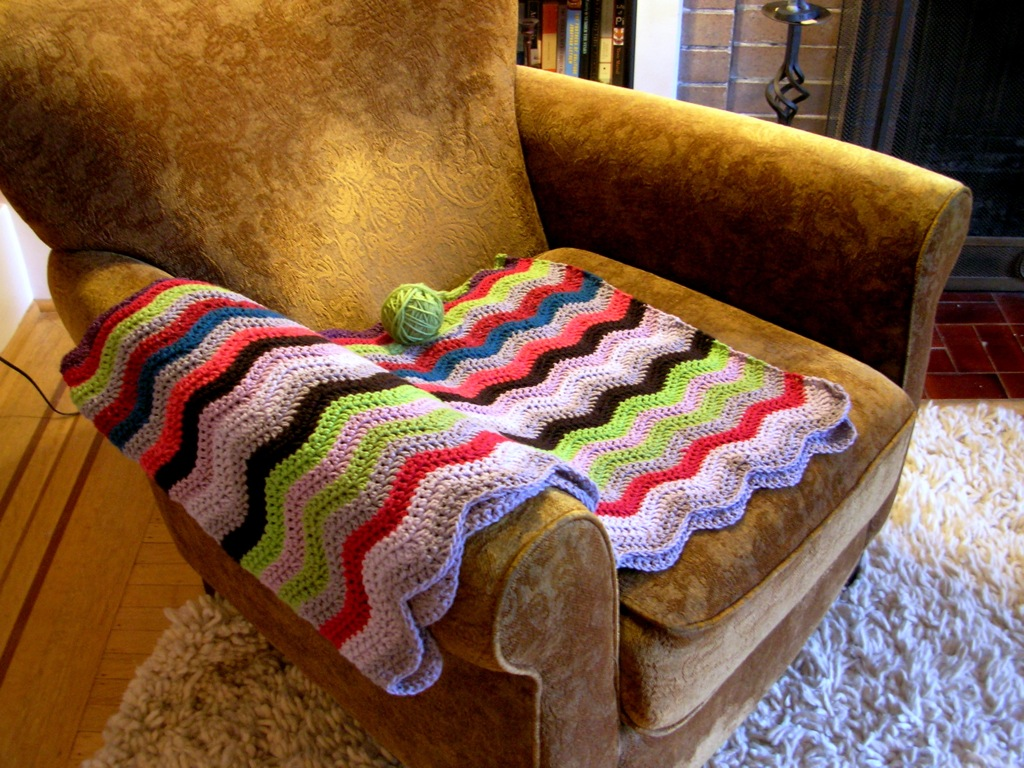
A colorful crocheted afghan was draped over the back of the sofa, ready to warm anyone who settled in. Often handmade, it added homespun charm.
Few living rooms were complete without an afghan, the crocheted or knitted throw blanket, frequently in the era’s bold zigzag or granny-square patterns, draped over the couch. Many were lovingly handmade by a grandmother or aunt, making them treasured family items. They were grabbed for chilly evenings of TV watching and added a cozy, handcrafted touch to the room. The afghan throw is a heartwarming staple of the 1975 living room, equal parts decoration and comfort.
12. Heavy Glass Ashtrays

Substantial glass or ceramic ashtrays sat on coffee tables and side tables, reflecting an era when indoor smoking was common. They were ordinary fixtures then.
In 1975, smoking indoors was widespread, and the living room reflected it, with heavy glass or ceramic ashtrays placed on coffee tables and stands for residents and guests alike. Some were quite decorative, treated almost as accent pieces. As attitudes toward indoor smoking changed dramatically in the decades since, these once-ubiquitous ashtrays largely disappeared from homes. Their former presence is a striking reminder of just how much everyday habits, and living rooms, have changed since the 1970s.
13. The Coffee Table with Magazines
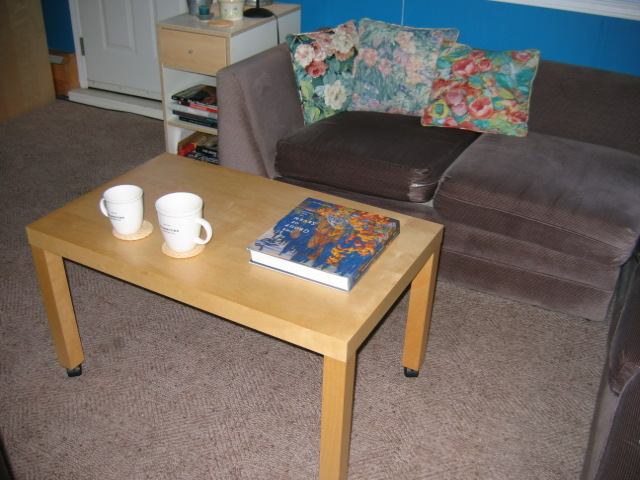
A low coffee table anchored the seating area, its surface fanned with magazines and the TV guide. It was the room’s central gathering surface.
Every 1975 living room had a coffee table at the center of the seating arrangement, typically topped with a fan of magazines, the weekly TV listings, a candy dish, and perhaps a decorative ashtray. It was where drinks were set, feet were occasionally propped, and the family’s reading material lived. Sturdy and often wood-toned to match the room, it was a hardworking centerpiece. The magazine-strewn coffee table is a familiar, homey detail of the era’s living spaces.
14. Wall-to-Wall Family Photos and Mirror Tiles
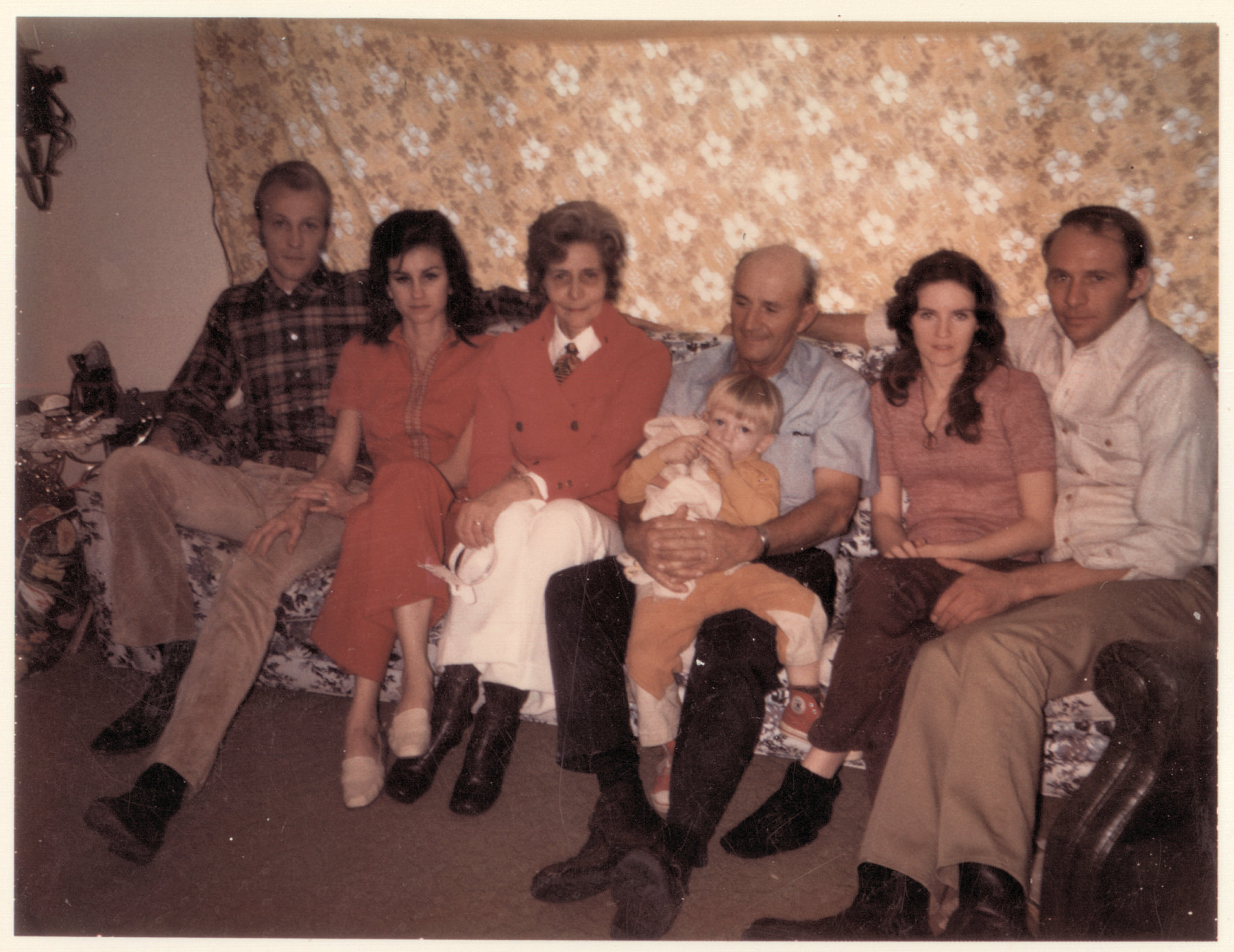
Walls were adorned with framed family photos, and reflective mirror tiles were a trendy accent. Together they personalized and brightened the space.
The living room walls of 1975 told the family’s story, covered with framed portraits, school pictures, and snapshots arranged in groupings. A popular decorating trend of the era was reflective mirror tiles, sometimes with gold veining, applied to a wall to add light and a touch of glamour. Together these elements made the room feel personal and current. Family photo walls and mirrored accents are a nostalgic signature of ’70s decorating, capturing both sentiment and style.
15. The Recliner Armchair
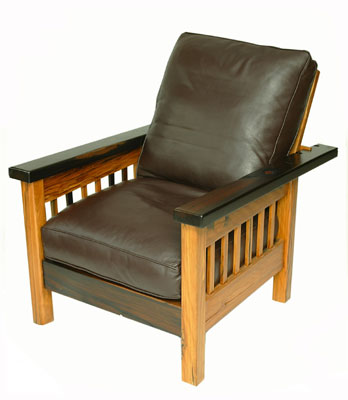
A big, comfortable recliner held pride of place, often claimed as a particular family member’s chair. It was the throne of the living room.
No 1975 living room was complete without a roomy reclining armchair, frequently upholstered in earth-tone vinyl or fabric, positioned for the best view of the console TV. It was often unofficially “claimed” by the head of the household, and woe to anyone who took the favorite chair. Kicking back with the footrest up for an evening of television was a cherished routine. The recliner is a beloved fixture of the era’s living rooms, the most comfortable seat in the house.
A Room Frozen in Time
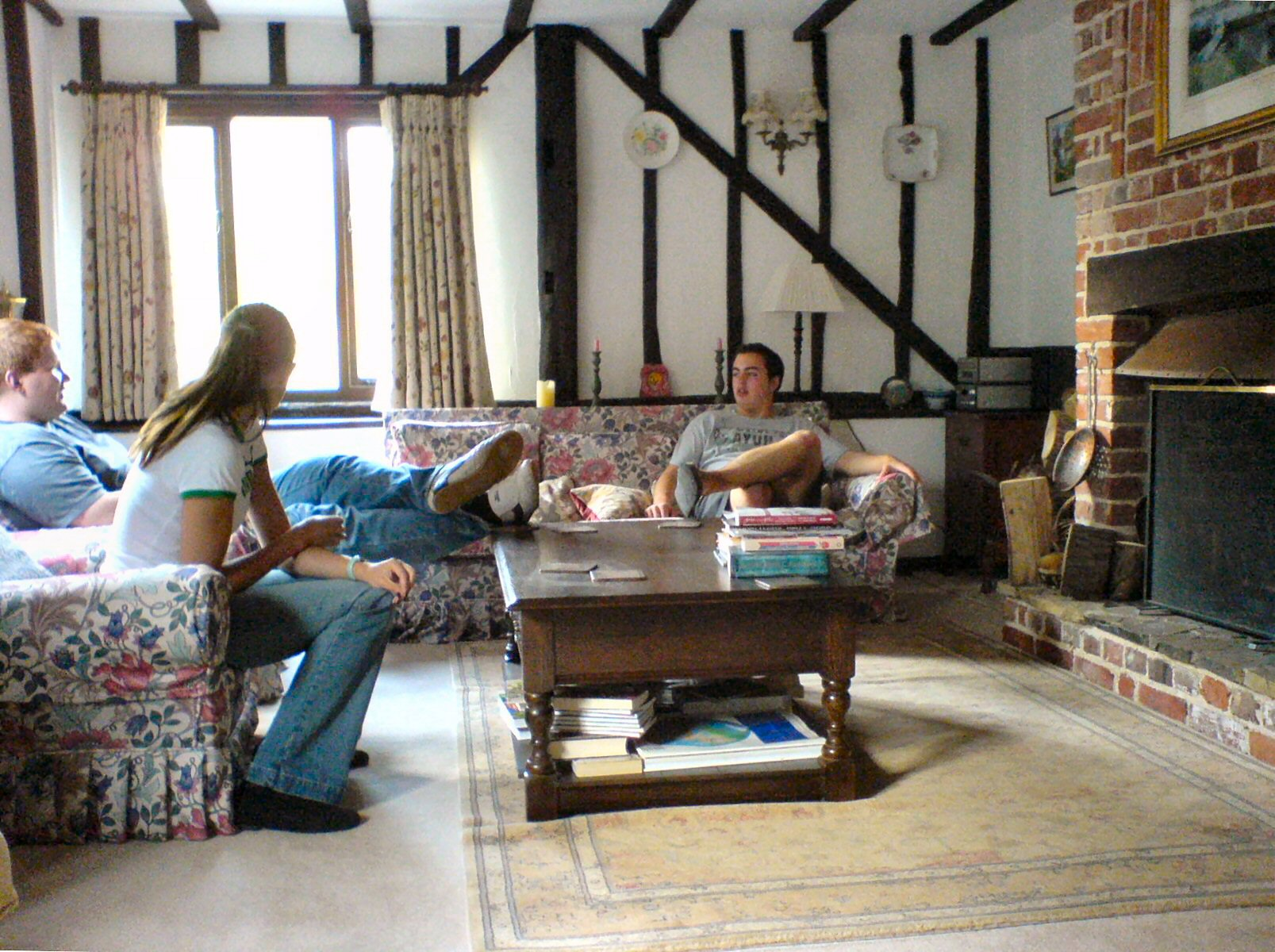
Taken together, these fifteen things capture the unmistakable character of the American living room in 1975, a warm, lived-in space of wood paneling, shag carpet, and a console TV at its heart. It was a room built for family togetherness, where a few channels, a stack of records, and a comfortable recliner provided the evening’s entertainment.
So much has changed since then. The bulky console TV gave way to flat screens, the rotary phone to smartphones, and the encyclopedia set to the internet. Yet for those who grew up in that era, the 1975 living room remains a powerful and cozy memory, a snapshot of family life in a particular moment. Looking back at these features is a reminder of how home, technology, and daily life have transformed, and of the simple comforts that defined an unforgettable decade.
Like our content? Follow us for more.