In 1974 an empty glass soda bottle was money. It carried a deposit of two or five cents, it could be found in any ditch, and it could be exchanged for coins at a store counter by a person of any age with no questions asked.
The bottle was worth more than the drink had been, which is why bottlers wanted it back. Returned bottles were washed in hot caustic and refilled twenty or thirty times. The bottling city was embossed in the base. And children collected them from ditches, lots and under the bleachers as a genuine source of income.
Here are fifteen things every kid did with returnable soda bottles in 1974, and what happened to each of them.
Like our content? Follow us for more.
1. The Deposit Was Real Money and You Could Feel It
A soft drink bottle carried a deposit – commonly two cents, later a nickel – paid when you bought the drink and refunded when you brought the empty back. It was not a token amount for a child.
Deposit systems in the ten states and territories that have bottle bills, generally at five or ten cents, with the rest of the country having no deposit at all and bottles going into kerbside recycling.
The scale matters for understanding what children did with it. At a time when a candy bar cost a dime and a comic cost a quarter, a handful of returned bottles was a purchase – which made empty glass a currency that an eight-year-old could collect, carry and spend without any adult involvement.
2. The Bottle Was Worth More Than What Was In It
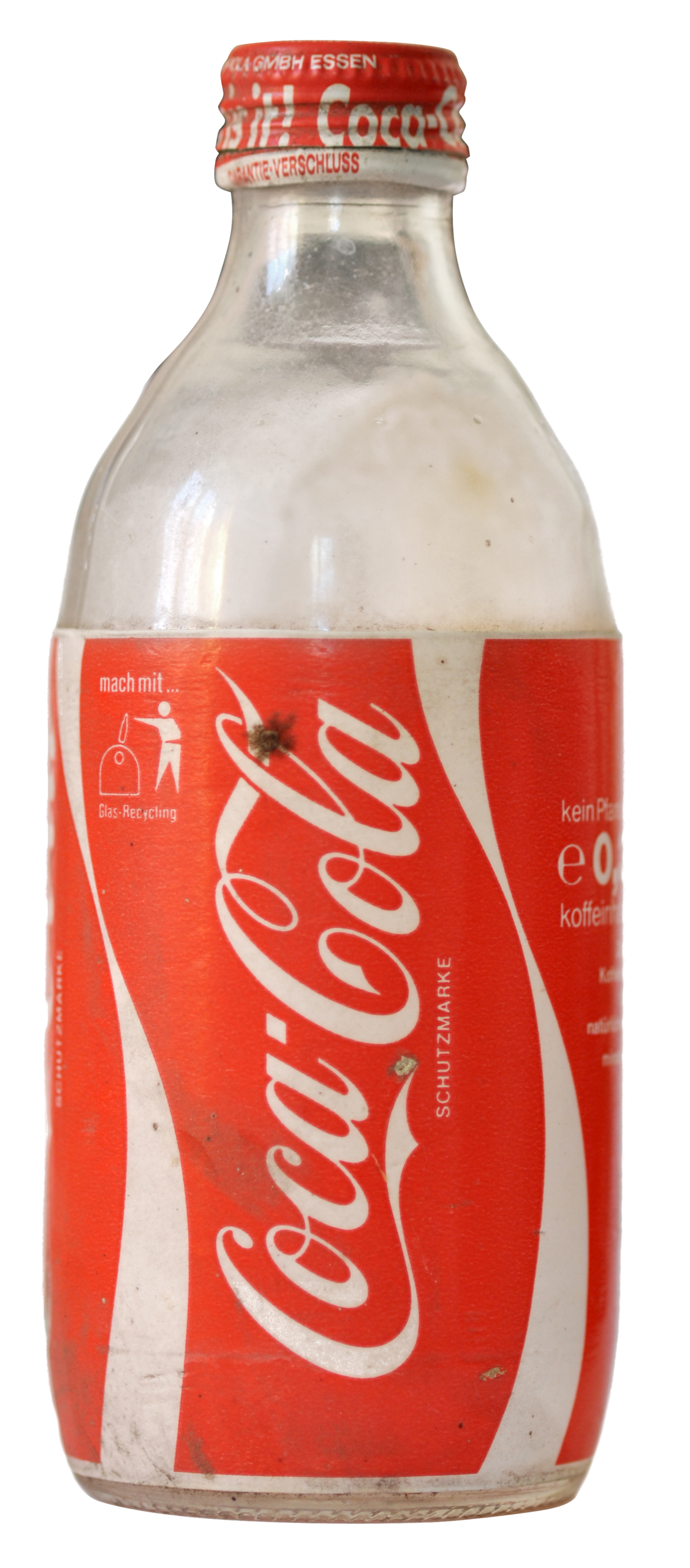
A glass bottle was an expensive manufactured object and the syrup and water inside it was cheap. Bottlers therefore wanted the bottle back, and the deposit existed to make sure it came.
One-way containers – cans and lightweight plastic – which cost a fraction of a returnable glass bottle and are not worth collecting, transporting or washing to use again.
This is the fact that explains the entire system and it is almost always got backwards. The deposit was not an environmental measure or a litter policy. It was a security deposit on a reusable industrial asset, charged by a business that intended to get its property returned, and the environmental benefit was a side effect of the bottler’s balance sheet.
3. The Bottles Were Washed and Refilled, Not Recycled
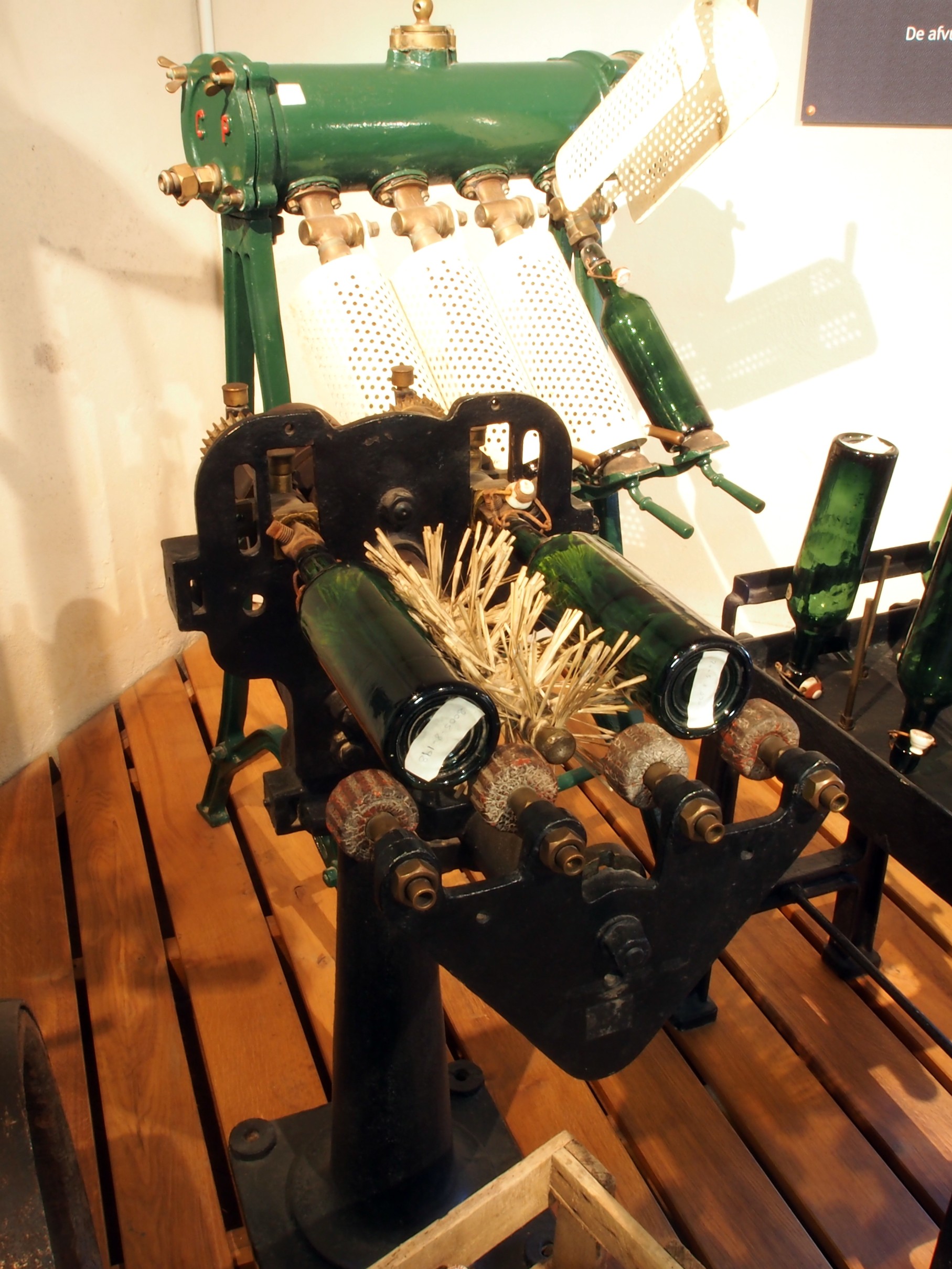
A returned bottle did not go to a furnace to be melted. It went back to the bottling plant, was inspected, washed in hot caustic solution, inspected again, refilled and recapped – and a single bottle could make that trip twenty or thirty times.
Recycling, which melts glass down and makes new containers from it – a genuinely useful process that is nonetheless far more energy-intensive than washing a bottle and using it again.
The refill system was the most efficient packaging arrangement the American drinks trade has ever operated, and it was dismantled for reasons of distribution rather than efficiency. Washing and reusing a container beats melting and reforming it on almost every measure, which is why the system is remembered with a certain amount of regret by people who study packaging.
4. You Could Read Where a Bottle Had Come From
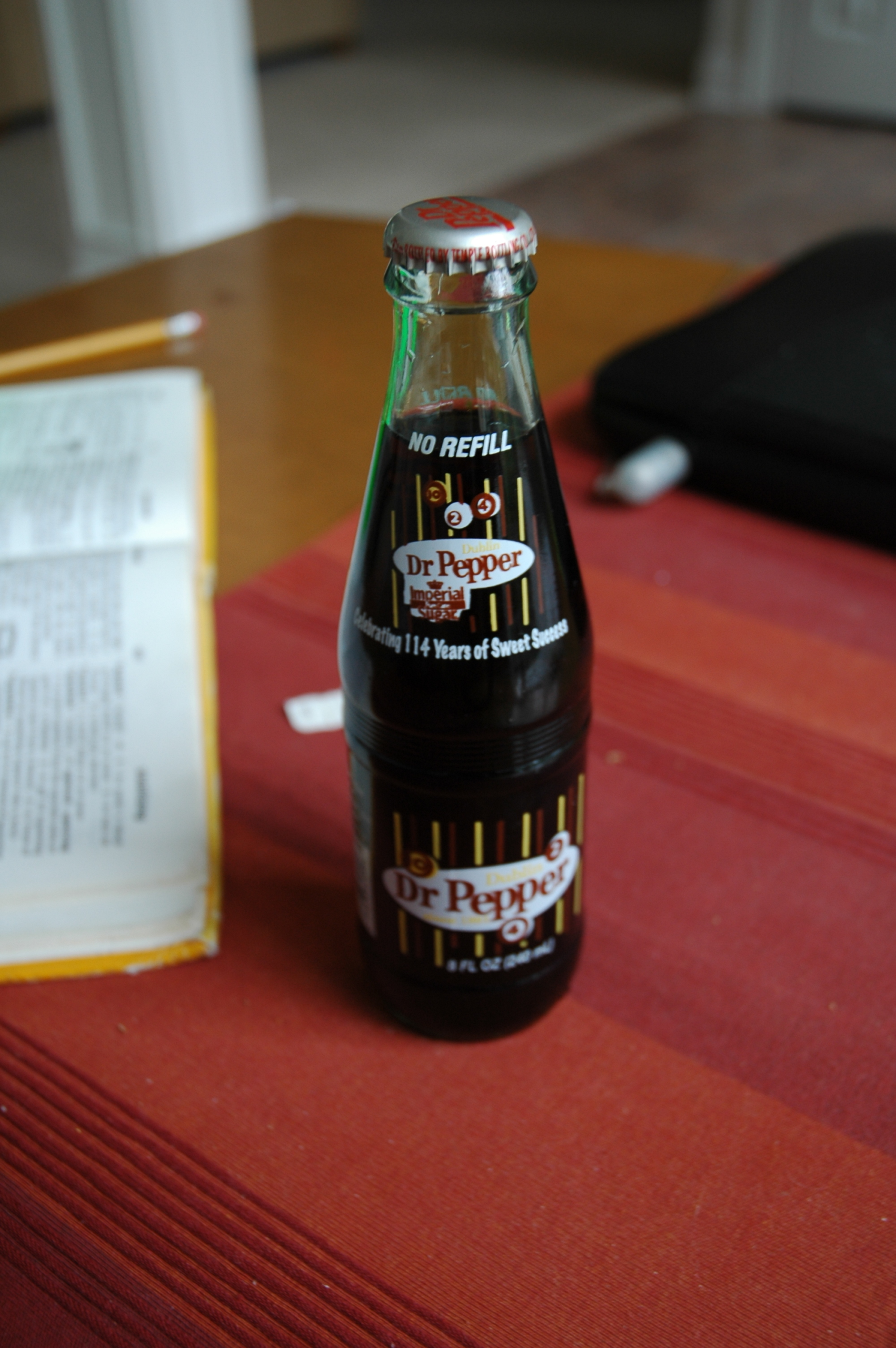
Returnable bottles carried the bottling city embossed in the glass on the base or the heel, because bottles circulated locally and a plant needed to know whose stock it was washing.
Nothing comparable – containers carry batch codes for traceability, not a place name, and they are not going back anywhere.
Children read them constantly, and it is one of the better-remembered small pleasures of the period. A crate of bottles was a geography lesson: most from your own town, several from the next county, and occasionally one from four states away that had travelled in somebody’s car and got returned in the wrong place.
5. You Collected Them From Ditches, Lots and Under Bleachers
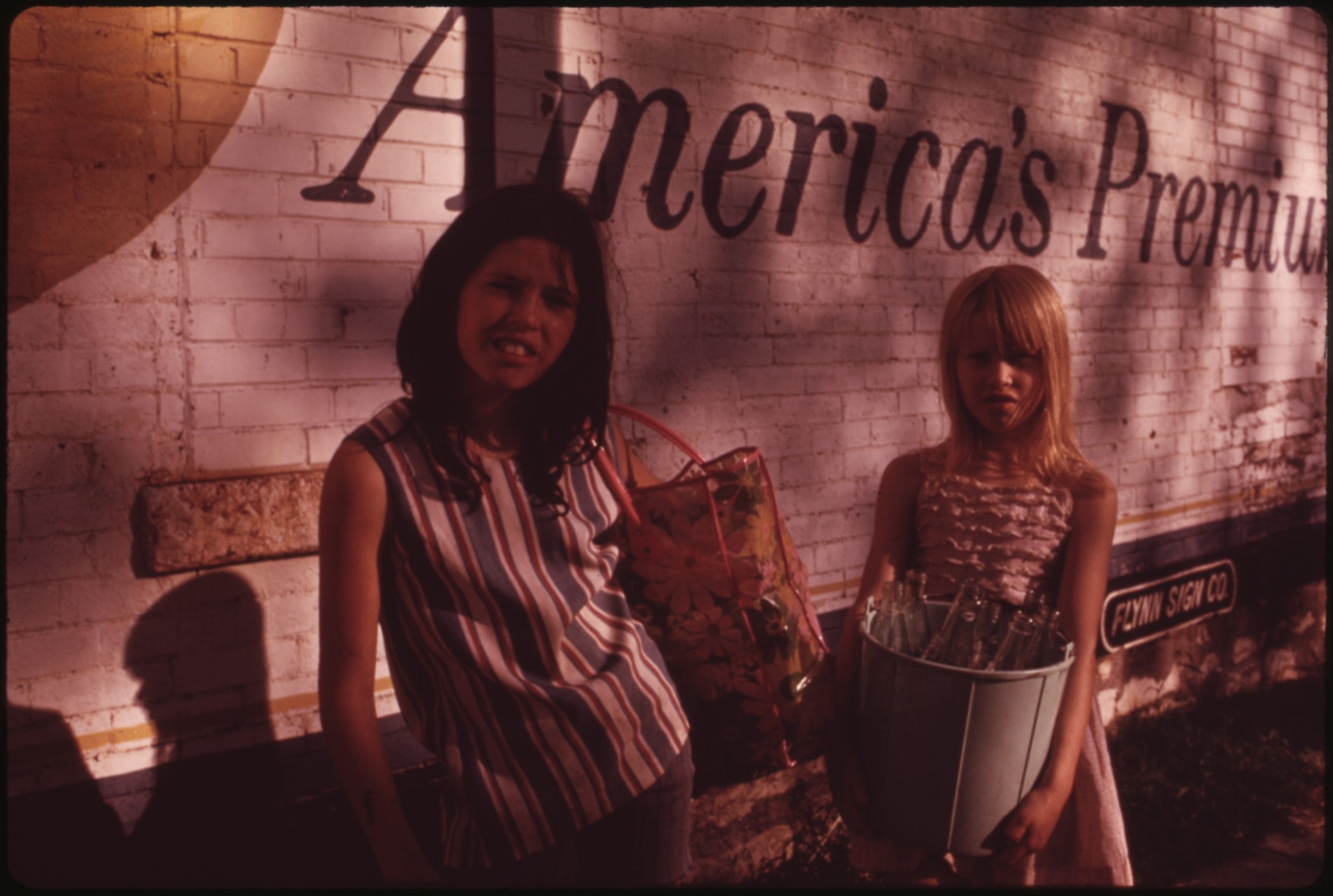
Empty bottles were everywhere – roadside ditches, vacant lots, under the stands at a ball field, behind stores, in creeks – because people discarded them despite the deposit, and children went and got them.
Nothing, because there is no bounty on the litter. Collecting for the deposit was an organised child activity and it functioned simultaneously as a job and as an unpaid litter patrol.
The economics were genuinely attractive at child scale. An afternoon along a roadside produced a real sum, nobody needed permission or a licence, there was no employer and no minimum age – and whole stretches of American roadside were kept clear by nine-year-olds who were working for themselves.
6. The Return Happened at a Counter and Somebody Counted Them
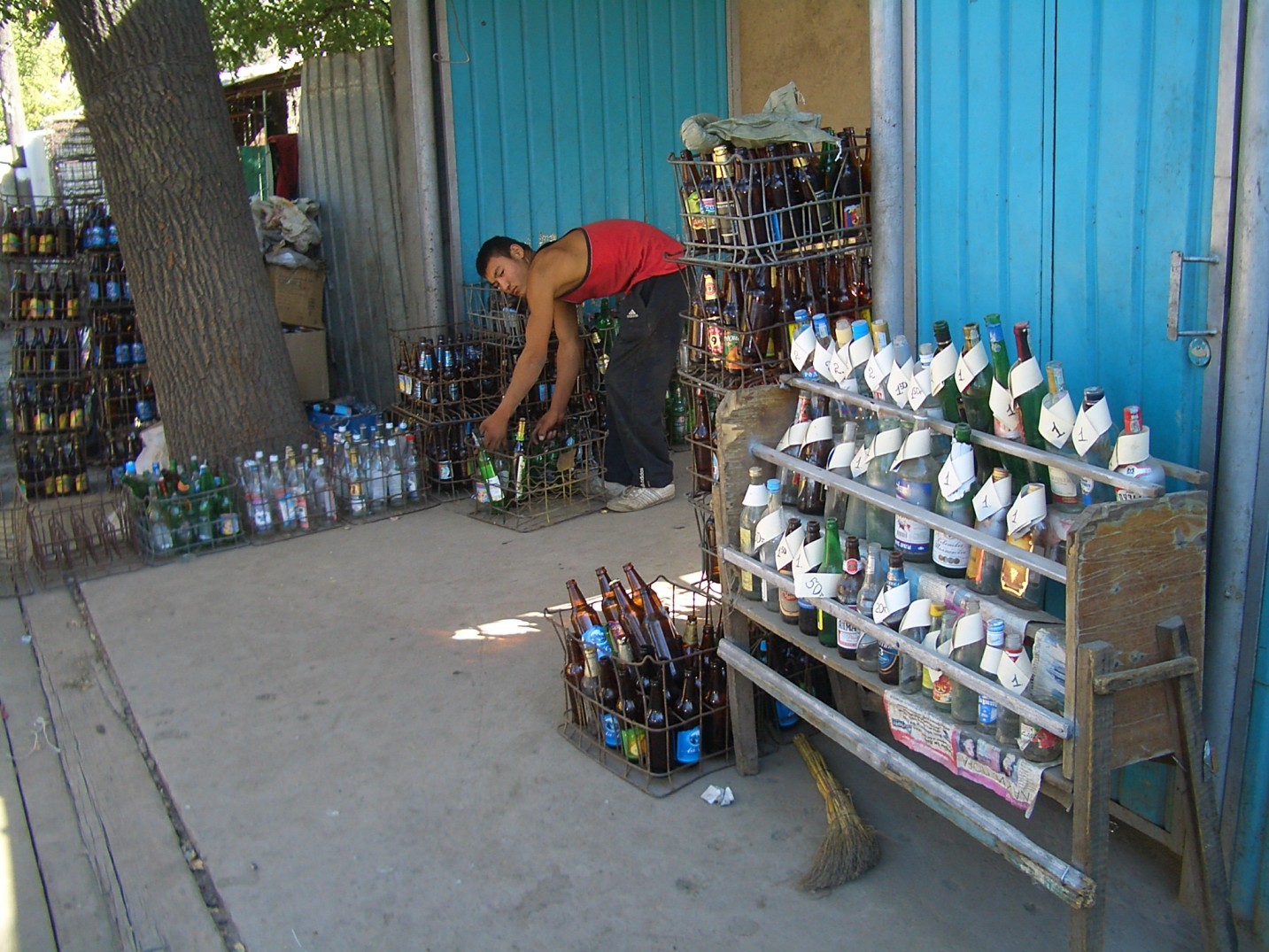
You carried the empties into the store, put them on the counter or handed them over, and a clerk counted them, checked that they were the right brands and sizes, and paid out of the till in coins.
Reverse vending machines that scan a barcode, crush or sort the container and issue a printed voucher – or, in most of the country, nothing at all.
The counting was where the friction was and children learned fast which stores were which. A clerk with a queue behind him and thirty sticky bottles to tally was not pleased to see you, some stores imposed limits, and the sympathetic store two blocks further on was worth the walk.
7. The Crate Was Wooden, Then Plastic, and It Was Heavy
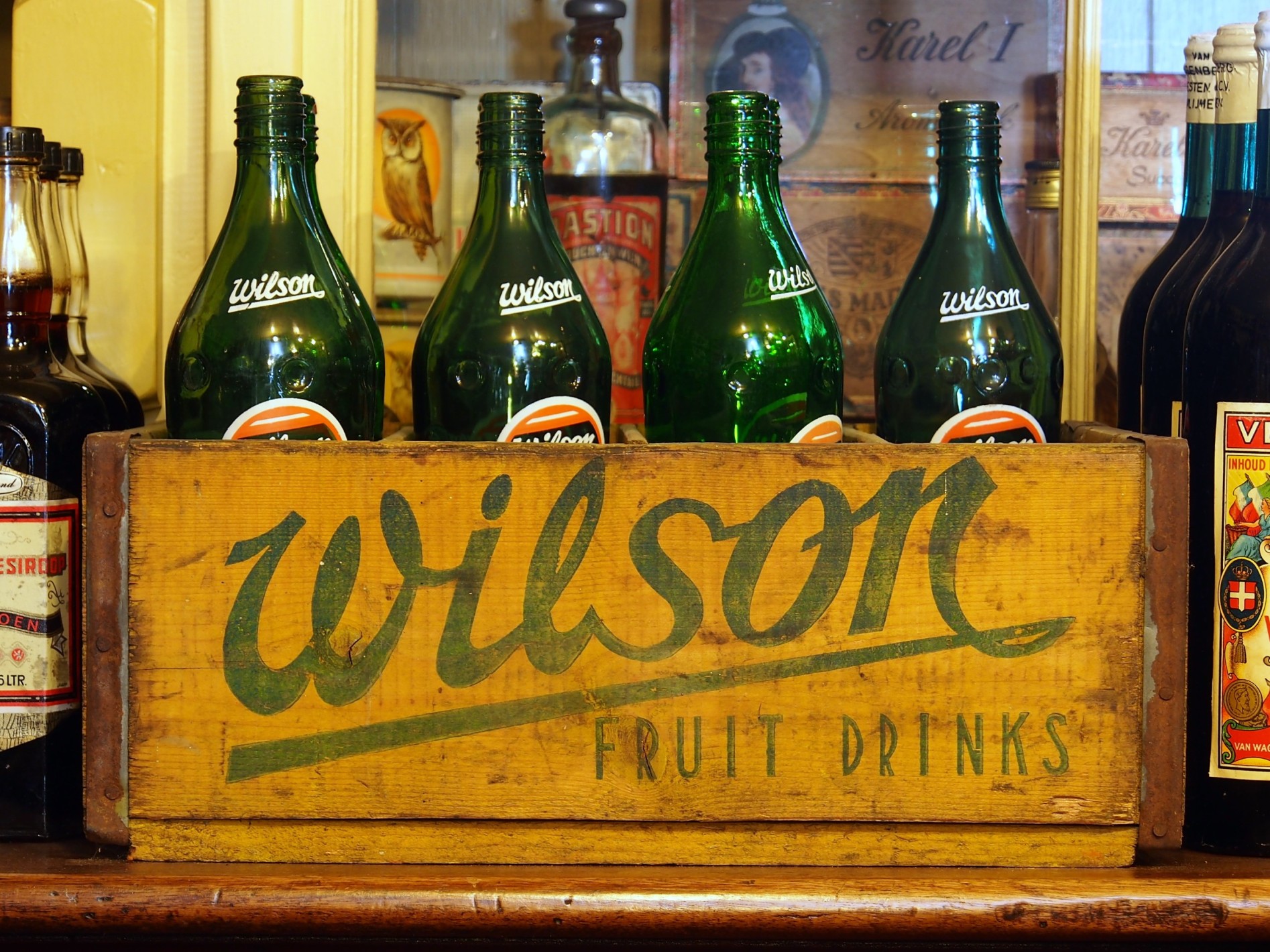
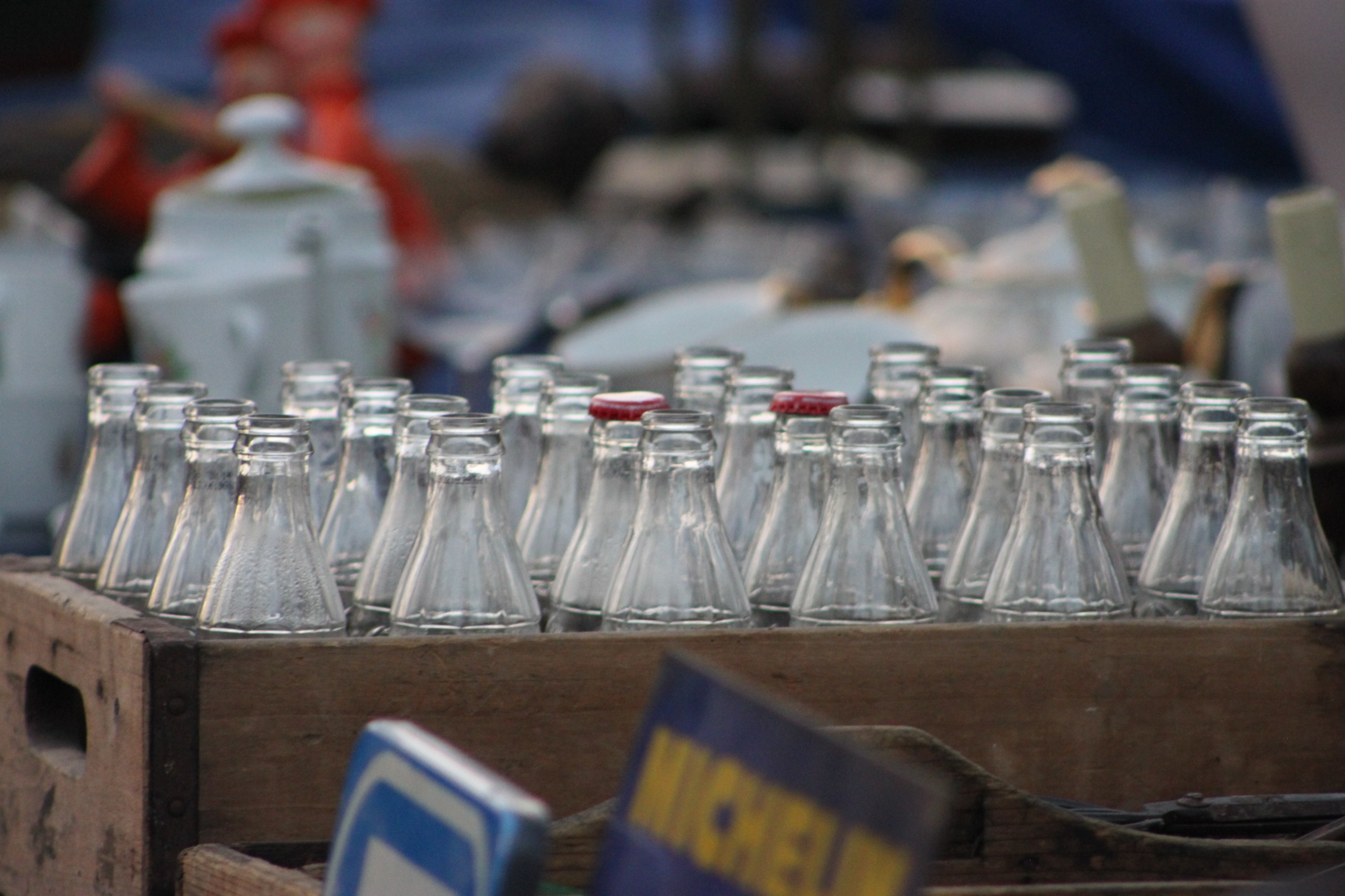
Bottles moved in cases of twenty-four – originally wooden crates with dividers, later moulded plastic – and a full case of returnable glass is a serious weight for an adult, let alone a child.
Cardboard multipacks and shrink-wrapped trays, discarded on opening, weighing a fraction as much and never going back.
Which is why the crate shaped the whole logistics of a household’s soft drinks. You bought a case, it lived in a specific place, it went back to the store on a planned trip in a car, and children were sent to the store with four bottles rather than twenty-four because that is what a child can actually carry.
8. Carrying Them on a Bicycle Was an Engineering Problem
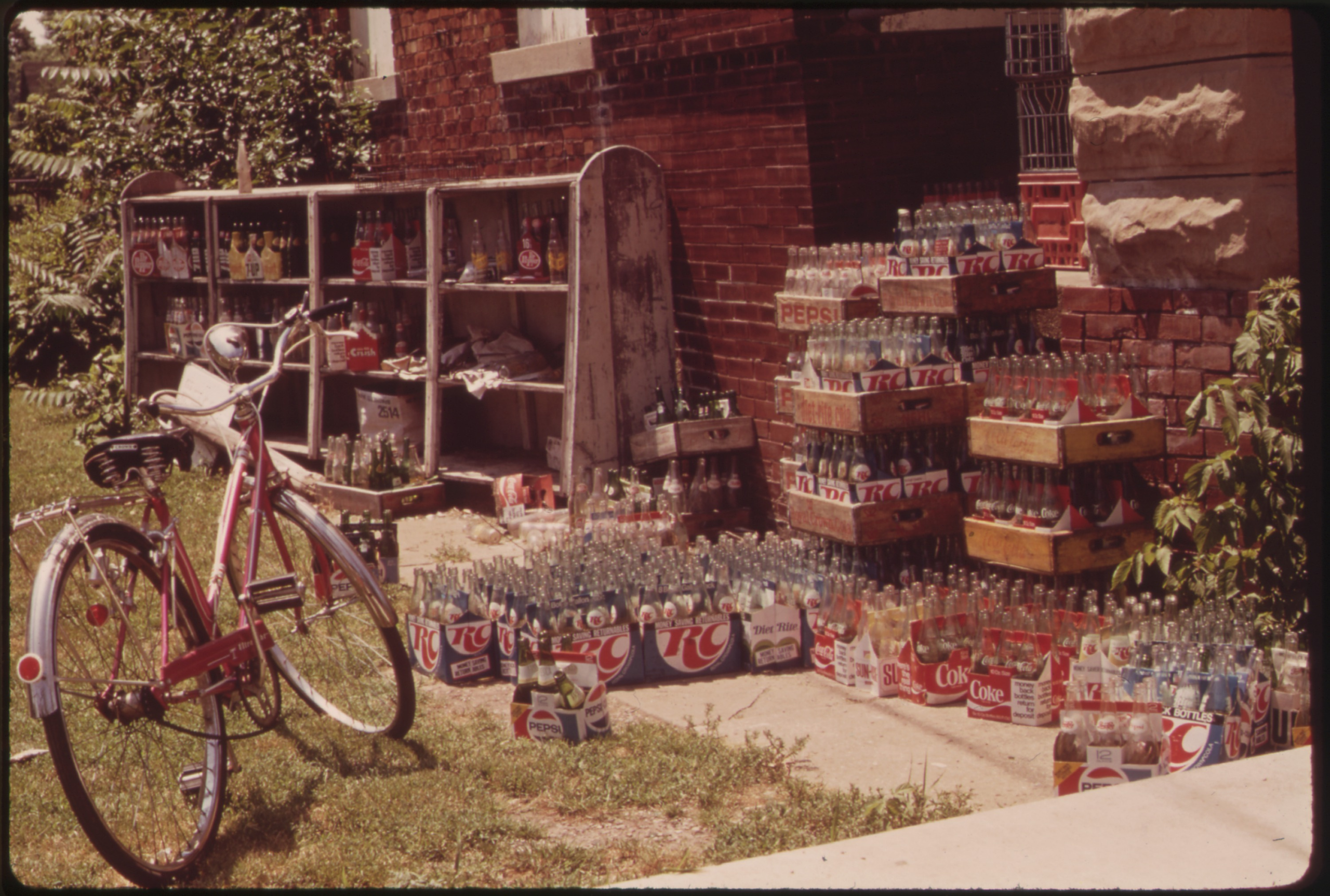
Children transported bottles by bicycle – in a basket, in a bag over the handlebars, in a wagon towed behind, or balanced in an arm while steering with the other hand.
Nothing, because the trip no longer exists. Glass bottles are heavy, awkward, and break when they fall, and every child who did this has a story about the moment they did.
The loss event was the memorable part. A bag giving way, a wheel hitting a kerb, a wagon tipping – and an afternoon’s work in pieces on the pavement, uncollectable, with a deposit value that had just gone to nothing and a mess somebody was going to have to clean up.
9. Empty Bottles Were a Child’s Income and Nobody Regulated It
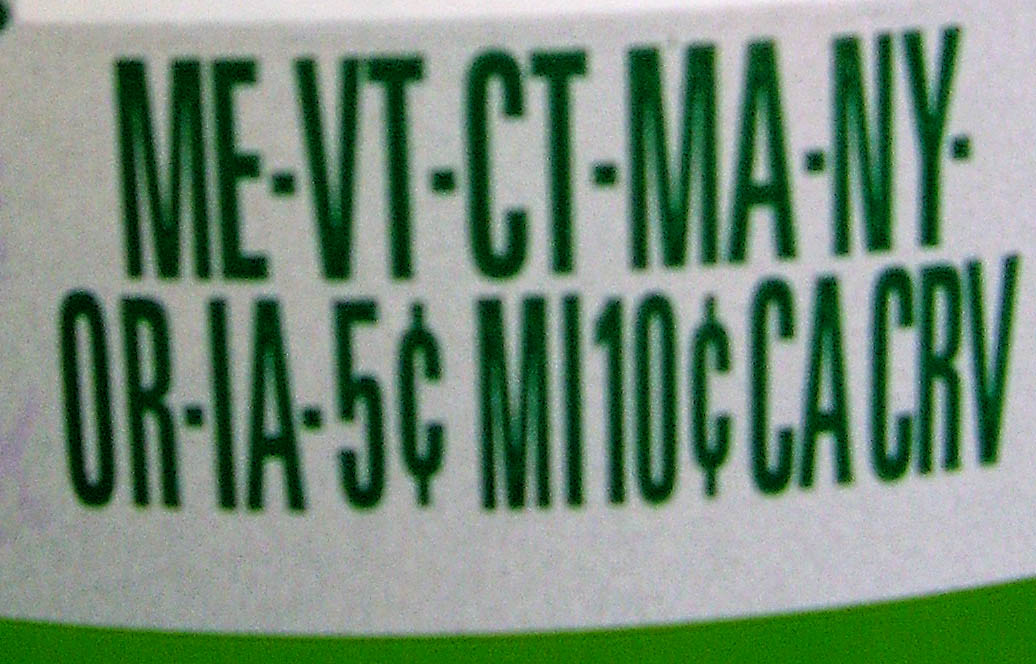
Bottle collecting was unpaid, unsupervised, untaxed, available to anybody of any age, and produced actual money the same day, which made it the most accessible earning activity available to an American child.
Essentially nothing comparable. Earning as a child now generally requires an adult, an arrangement, a schedule and frequently a permit, and almost nothing produces cash the same afternoon.
It is worth being precise about what that offered. A child with no connections, no equipment, no permission and no particular age could decide in the morning to earn money and have it in their hand by evening – which is a kind of economic independence that is now genuinely very difficult for a child to get hold of.
10. Full Bottles Came in Distinct Shapes and You Knew Them by Feel
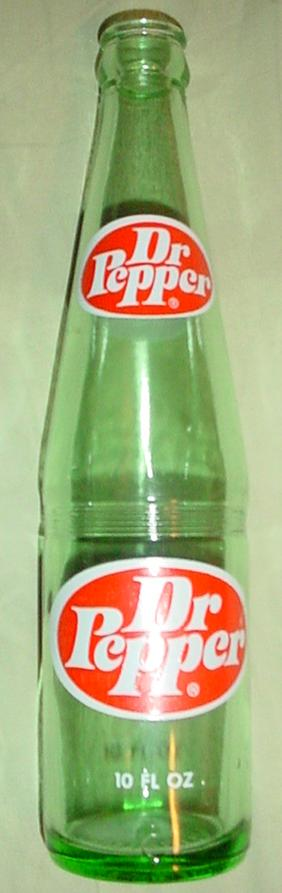
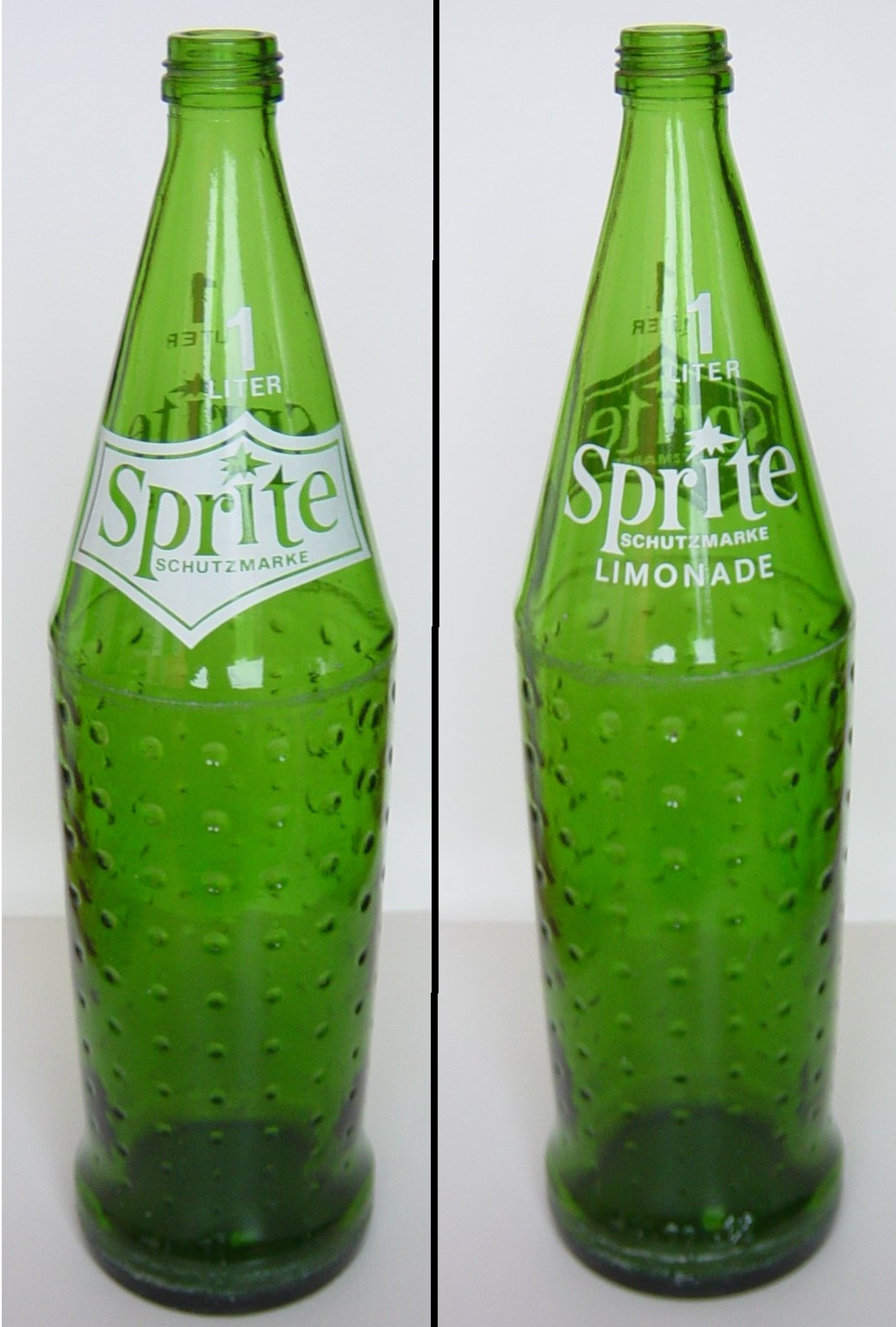
Returnable bottles were brand-specific in shape, colour and embossing, because a bottler’s property had to be identifiable – which produced the heavy, contoured, patterned glass of the period.
Standardised plastic and aluminium with the identity printed on a label or wrapped around the container, where the package is a billboard rather than a piece of registered property.
The distinctiveness was a logistical requirement before it was a design decision. A washing plant sorting mixed returns needed to tell whose bottles were whose at a glance, which is why the shapes are so pronounced – and the result is a generation that can identify a brand from a silhouette in the dark.
11. Stores Did Not Want Them Back and Said So
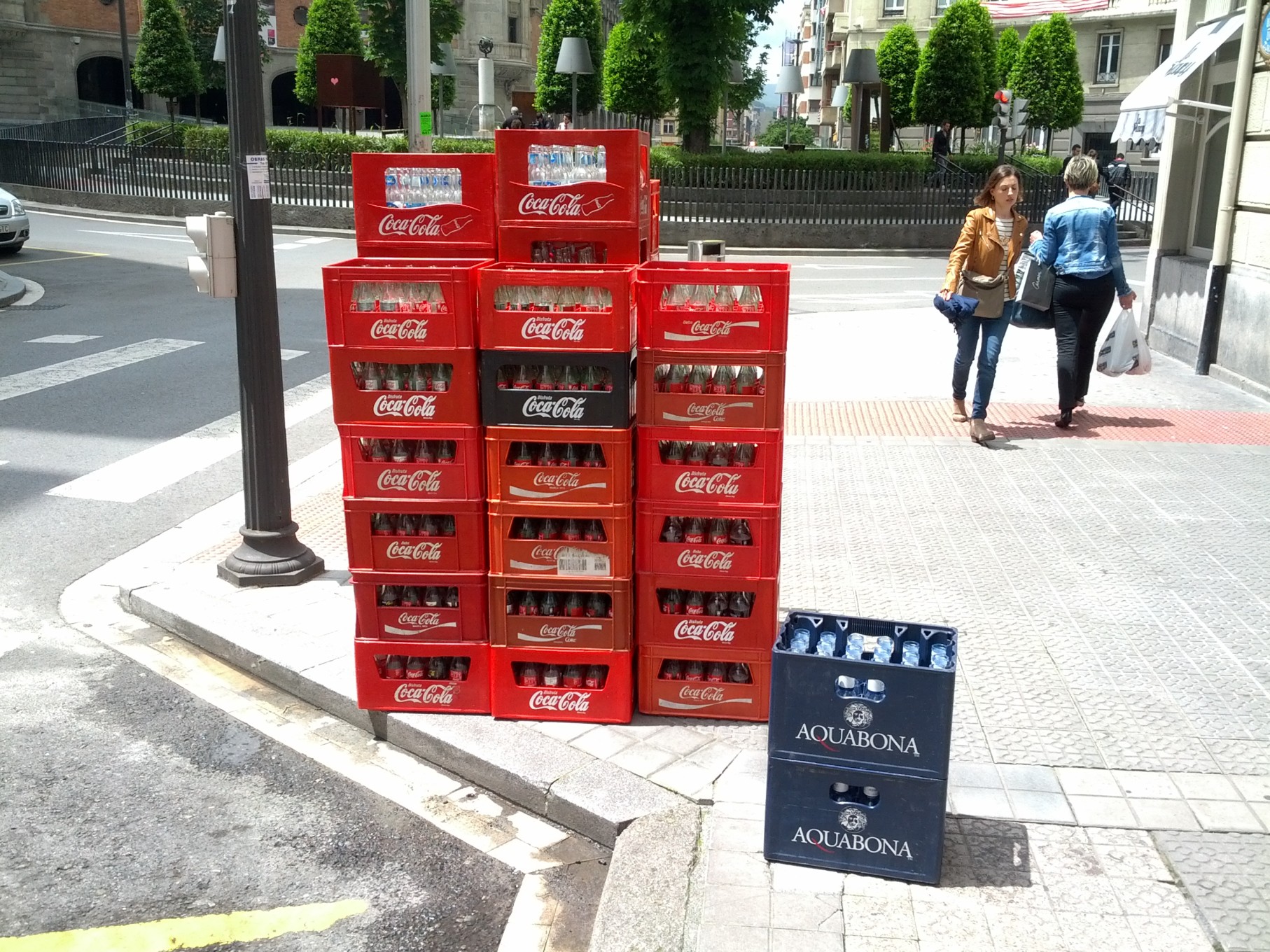
Handling returns cost a retailer space, labour and unpleasantness: a stockroom corner given to empties, a clerk’s time counting them, insects, broken glass and a mess – all for no margin.
The same complaint, which is one of the standing objections to deposit systems from retailers, now largely answered by reverse vending machines that move the handling off the counter.
The retailer’s reluctance was the system’s weak point throughout, and it is why so many children’s accounts involve negotiation. A shop that was obliged to accept returns and had no incentive to be gracious about it produced exactly the behaviour you would expect, and children built mental maps of which counter to approach.
12. Then the One-Way Container Arrived and the Logic Collapsed
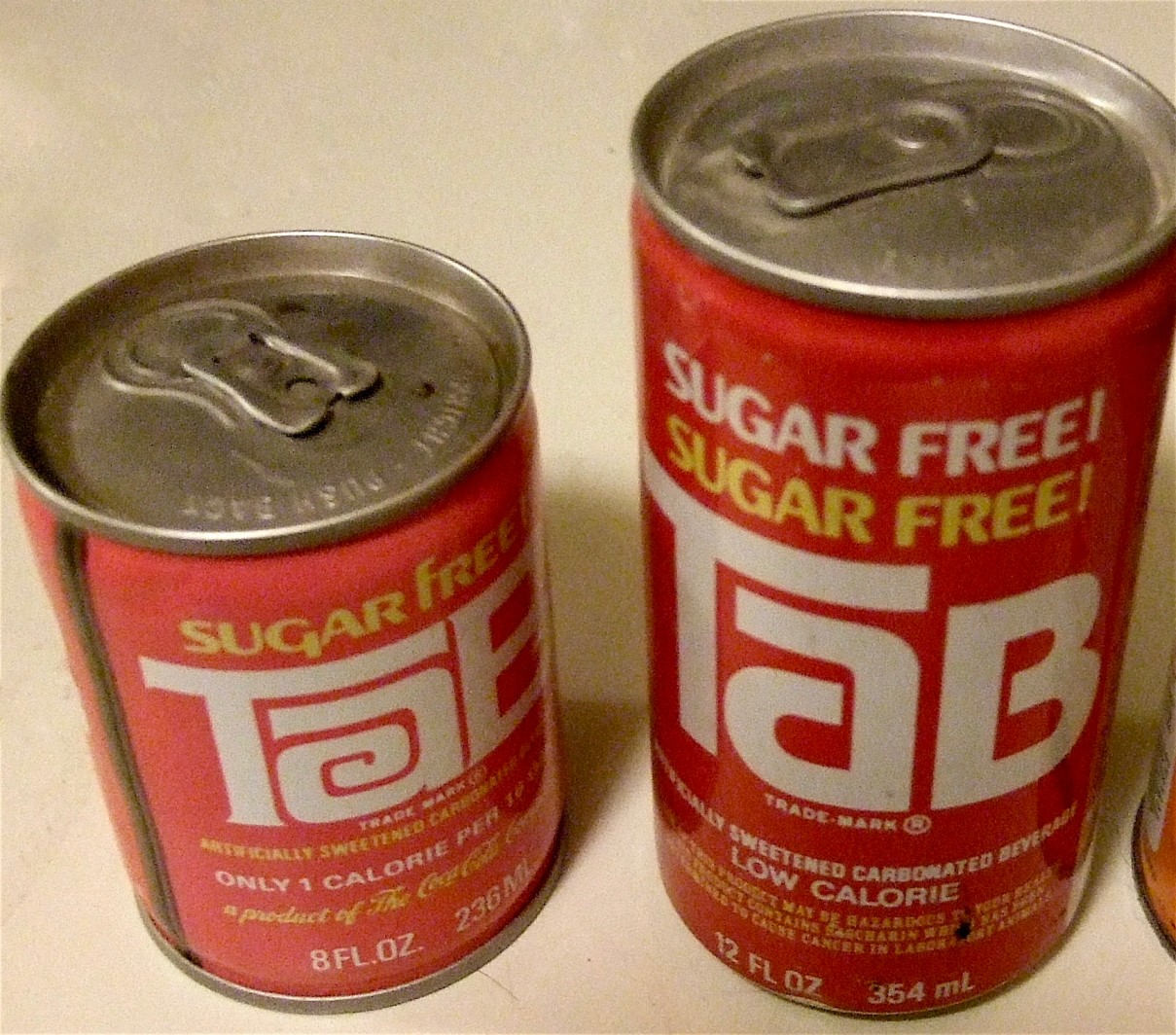
The whole system rested on a bottle being expensive enough to be worth retrieving, washing and refilling – which meant heavy glass, local bottling and short delivery radiuses.
Cans from the 1960s and plastic from the 1970s, which are light, cheap and unbreakable, allowing centralised production, long-distance shipping and single use – and which destroyed the economic case for ever getting a container back.
Once the container cost less to make than to collect, wash and refill, no bottler had a reason to want it returned – and the deposit, which had been a rational business measure, became pointless from the bottler’s side. The refillable system did not lose on environmental grounds. It lost to lightness and to distance.
13. Then the Deposit Came Back as a Litter Law Instead
With no business reason to charge a deposit, containers stopped being returned at all, and American roadsides, parks and verges filled with discarded cans and bottles on a scale that became a visible public issue.
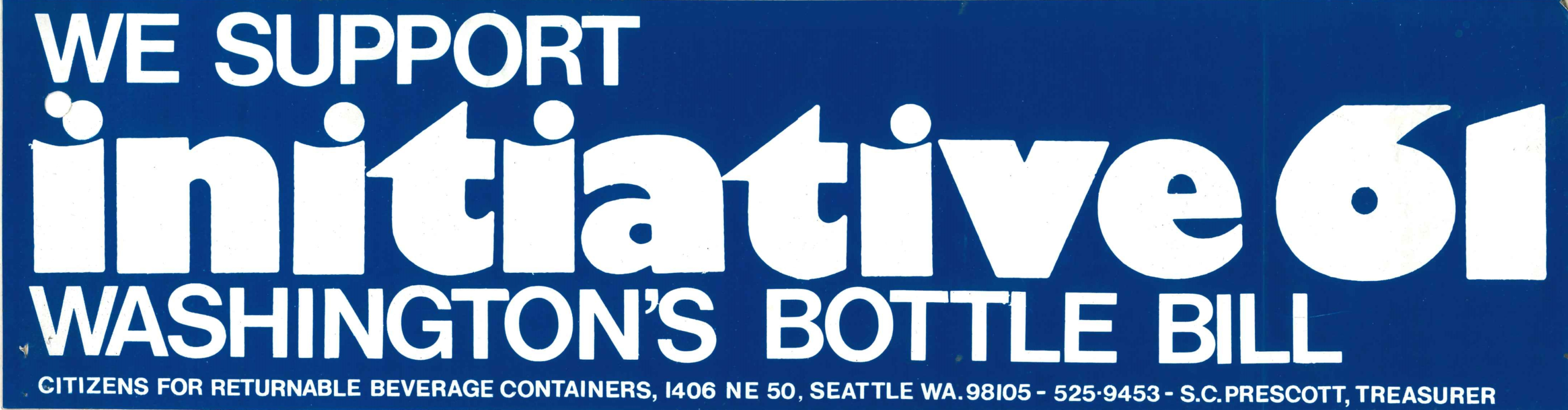
Beginning with a single state in 1971 and spreading to around ten states and one territory, deposit legislation re-imposed a refundable charge by law – not to get the container back to a bottler, but to put a price on littering it.
Which means the same nickel now does something completely different. In 1974 a deposit was collateral on an asset a company wanted back. Under a bottle bill it is a bounty on litter, paid by the purchaser, redeemable by anybody – which is why the cans along a highway in a deposit state get picked up and the ones in a state without a bill stay where they are.
14. The Collecting Did Not Stop, It Changed Who Was Doing It
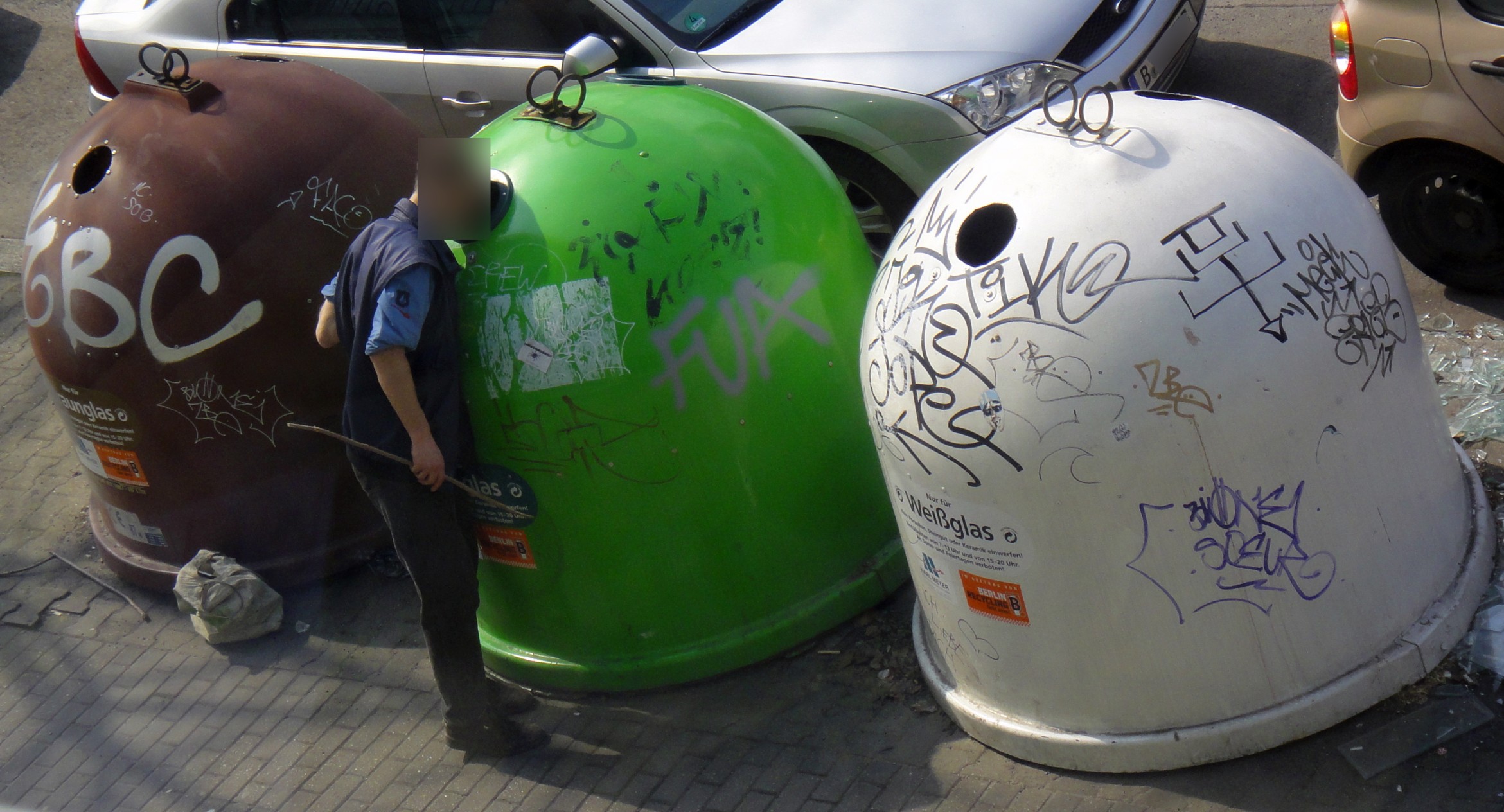
In 1974 the people walking a roadside for deposits were overwhelmingly children, working for pocket money, for an afternoon, on a whim.
In deposit states the work is substantially done by adults for whom it is income rather than pocket money, frequently in difficult circumstances, and it is a recognised feature of the system rather than an incidental one.
That shift is the uncomfortable part of this story and it should not be left out. The same activity, at a higher rate per container, is now a subsistence occupation for some people rather than a child’s enterprise – which is a straightforward consequence of who needs five cents badly enough to walk a mile for a bag of them.
15. What Actually Ended Was the Child’s Own Economy
All of it rested on an object that was simultaneously litter, currency and industrial property – worth money to a company, findable by anybody, redeemable at a counter by a person of any age for cash on the spot.
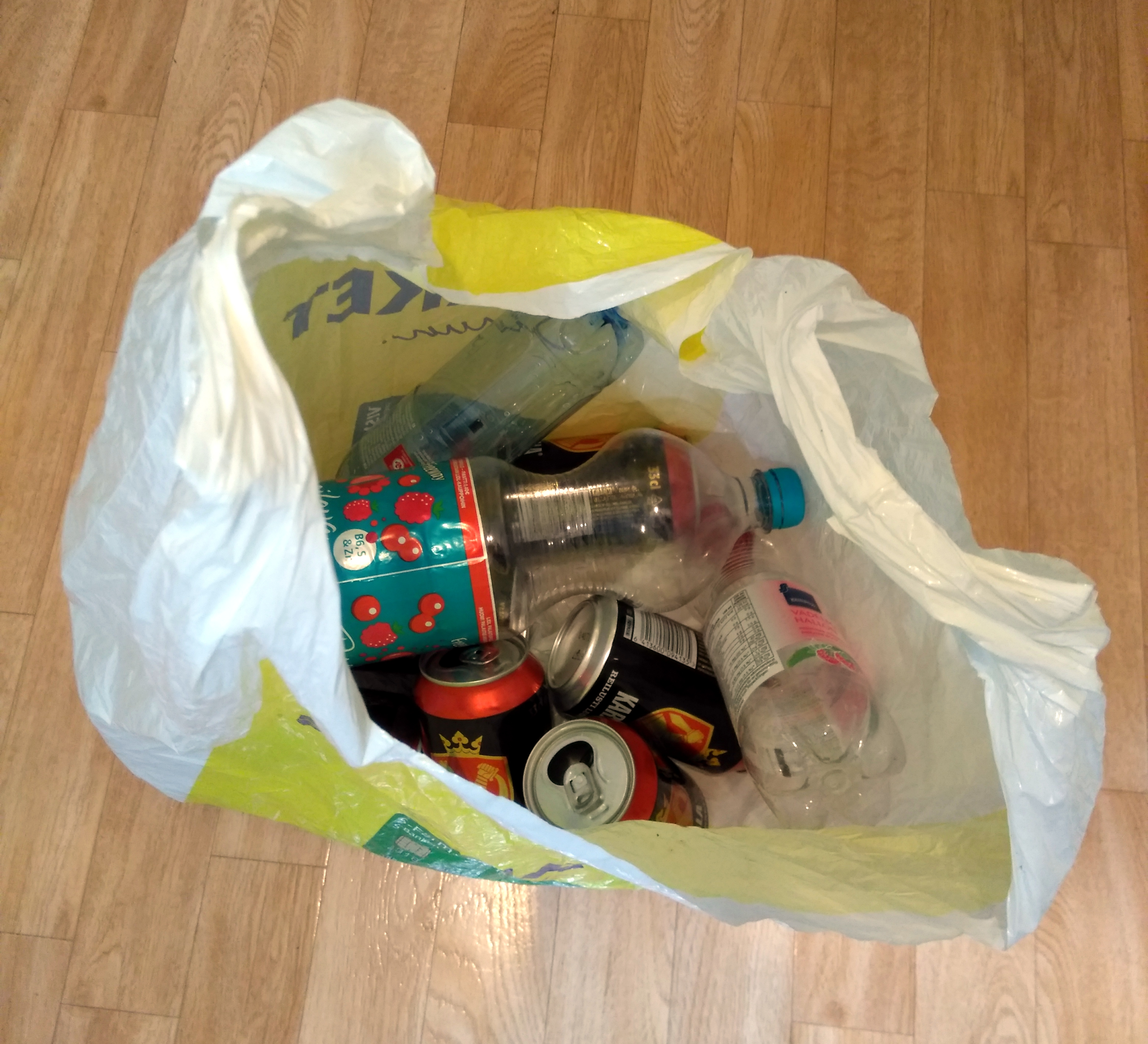
Containers that are worth nothing in most of the country, worth a few cents in some of it, redeemable by machine, and collected either by municipal trucks or by adults for whom it is work.
The packaging history is interesting and the children’s part is the thing that is genuinely gone. For about forty years an American child had access to an income stream requiring no adult, no permission, no equipment, no age and no arrangement – just the knowledge that a ditch contained money and the willingness to walk along it. That is not a small thing to have lost, and nothing has replaced it. The modern equivalent of a child wanting five dollars by Saturday is a child asking an adult, which is a completely different transaction and teaches a completely different lesson.
It Was Never About the Environment, in Either Direction
The returnable bottle gets told as an environmental story in both directions, and neither version is right.
The nostalgic version says the old system was greener and we foolishly abandoned it. The dismissive version says the deposit was always a consumer tax dressed up as virtue. Both miss what was actually going on, which is simpler and more interesting.
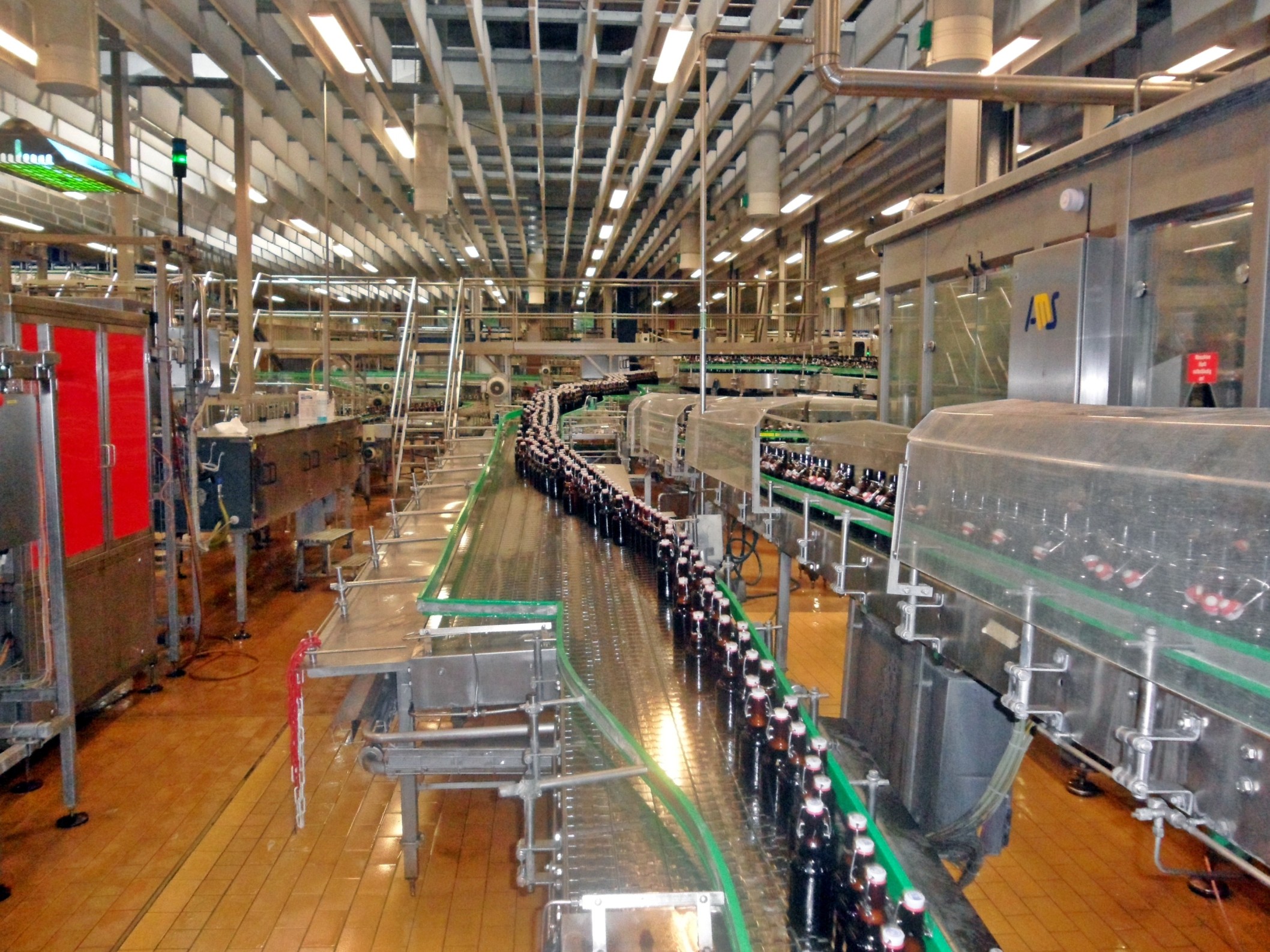
In 1974 the deposit was collateral. A heavy glass bottle was an expensive manufactured object, the syrup and carbonated water inside it was cheap, and the bottler owned the bottle and wanted it back. The deposit existed to make sure it came back, exactly as a deposit on a keg or a gas cylinder does. The refill loop – inspect, wash in hot caustic, inspect, refill, recap, twenty or thirty times – was an efficient industrial process operated for cost reasons by companies with no environmental programme whatsoever.
The environmental benefit was real and entirely incidental. It happened to be the case that the cheapest way to package a soft drink was also, by a wide margin, the least wasteful.
Then cans arrived in the 1960s and plastic in the 1970s, and both were light, cheap and unbreakable. That changed the arithmetic completely: a container that costs less to manufacture than to collect, transport, wash and refill is not worth retrieving, and a light container can be shipped much further, which allowed centralised production and killed the local bottling plant and its short delivery radius.
So the refillable bottle did not lose on environmental grounds. It lost to lightness and to distance, and the deposit lost its purpose at the same moment, because no bottler wanted the container any more.
Containers then stopped coming back, and American roadsides filled up visibly enough to become a public issue – which is why, from a single state in 1971, deposit legislation re-created the charge by law.
That is the part worth understanding. The nickel is still there in about ten states, and it is doing a completely different job. It is no longer a security deposit on company property. It is a bounty on litter, paid by the buyer and redeemable by anybody, which is why cans get picked off a highway verge in a deposit state and stay there in a state without one.
And the people picking them up are not children any more. At five or ten cents a container, walking a roadside is income rather than pocket money, and in deposit states it is substantially done by adults in difficult circumstances. That is a direct consequence of who needs the money badly enough.
Which leaves the thing that genuinely ended, and it is not the packaging. For roughly forty years an American child could decide in the morning to earn money and have cash in their hand by evening – no adult, no permission, no equipment, no age, no arrangement, just a ditch and a willingness to walk along it.
Nothing has replaced that. A child who wants five dollars by Saturday now asks somebody for it.
If you did this, you knew which store would take them and which clerk would sigh.
And you remember the sound of a bag of bottles going over on a bicycle, because it happened at least once.
Like our content? Follow us for more.