The bookmobile came on a Thursday and parked by the feed store for ninety minutes, and if you were not there in that window you waited two weeks. I have thought about that arrangement a great deal since, because it is the only library I have ever used where the scarcity was the point. You could not browse at leisure, you could not come back tomorrow, and the entire collection available to you was whatever was on board that afternoon.
It Existed Because Building Branches Was Impossible
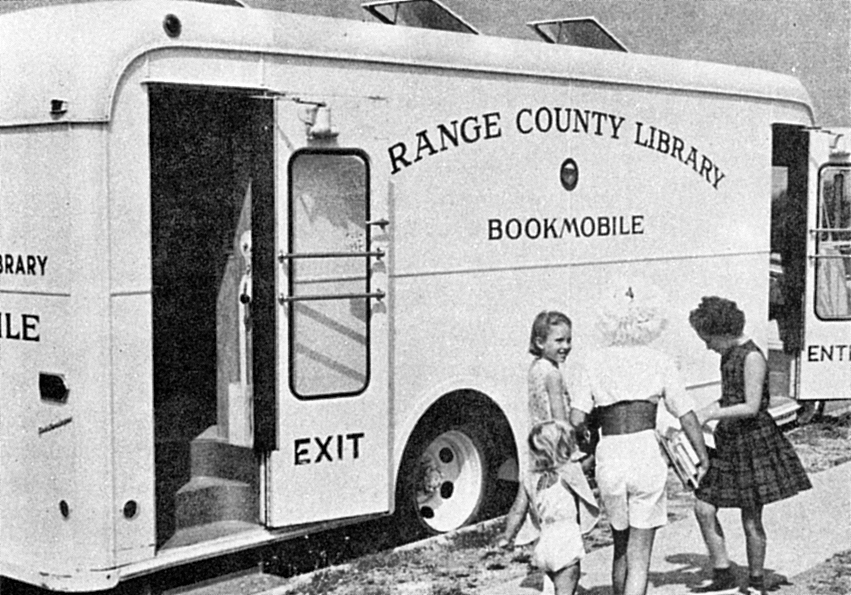
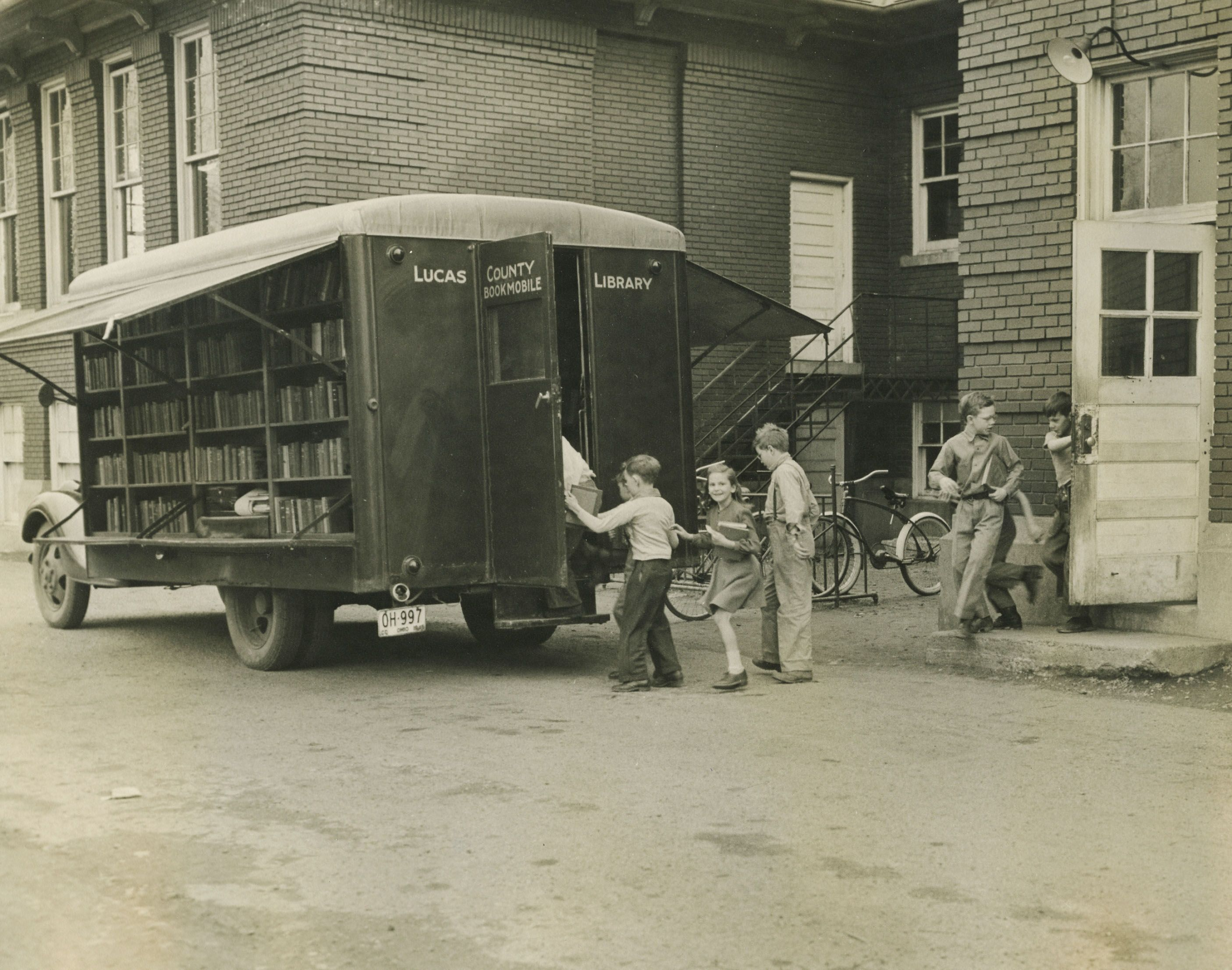
Start with the arithmetic, because the bookmobile is a solution to a cost problem rather than a charming idea. A library building needs land, construction, heating, a collection and staff, permanently, in one place.
For a rural county with people scattered across hundreds of square miles, that is unaffordable several times over. One vehicle, one librarian and one collection that moves is a fraction of the cost of even a single branch – and it reaches twenty communities instead of one.
Like our content? Follow us for more.
The Schedule Was the Whole Service
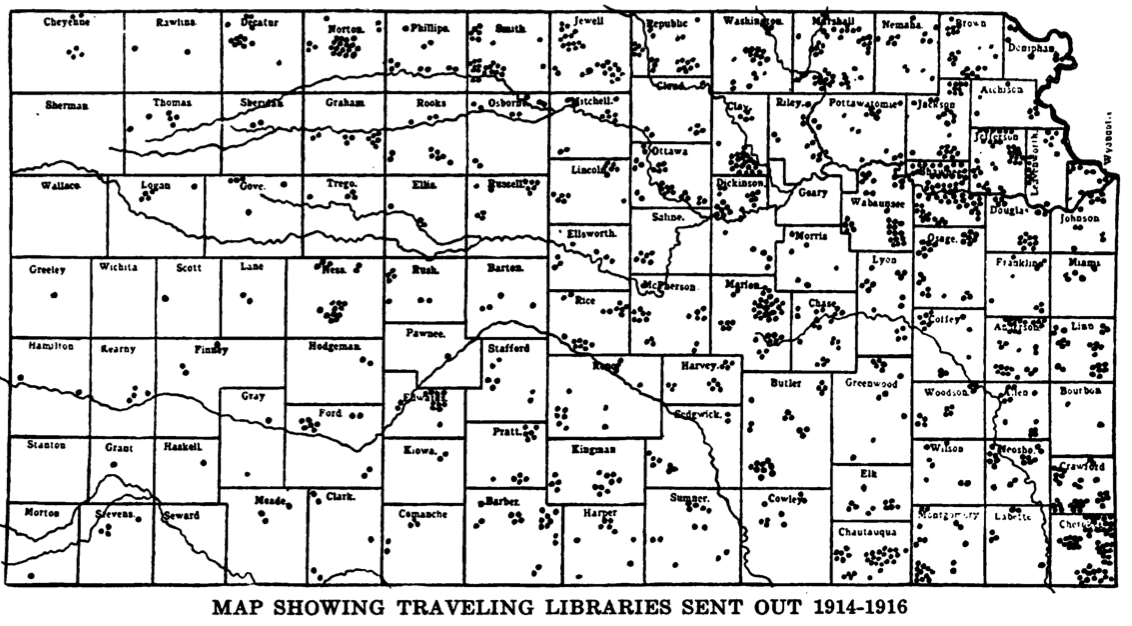
A bookmobile is useless unless people know exactly when it will be where, so the timetable was published, fixed and adhered to with something close to religious seriousness.
Everything depended on that reliability. A stop missed once teaches a community not to turn up, and a route that loses its audience has no reason to exist – so the schedule was the product as much as the books were.
The Stop Was Wherever People Already Were
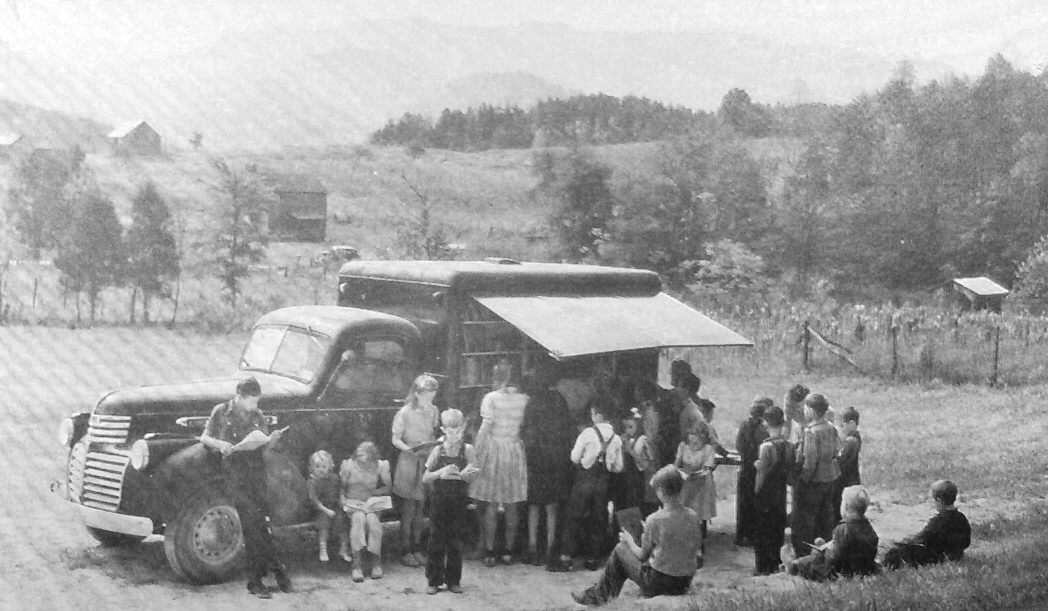
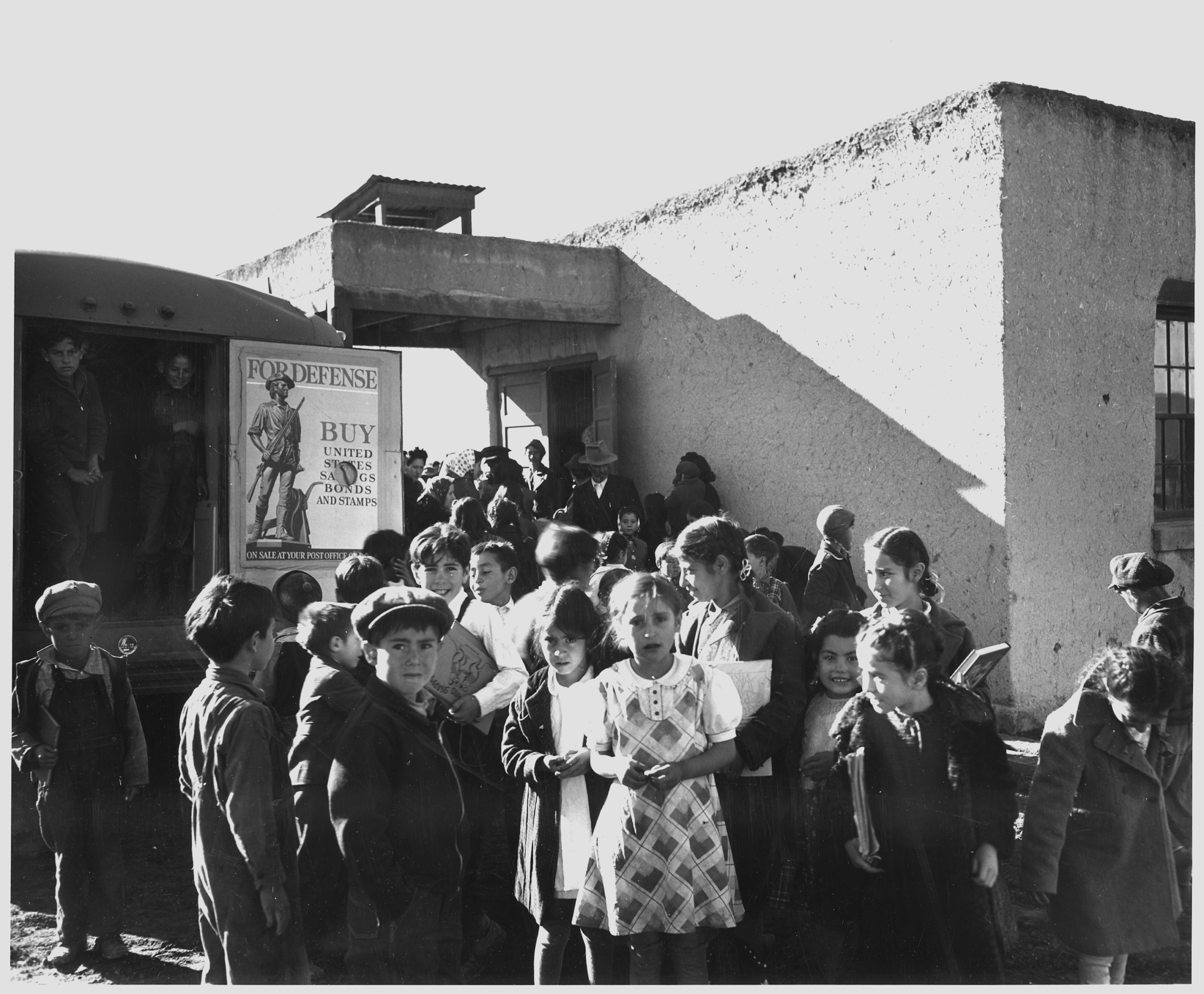
Vehicles parked at schools, churches, crossroads stores, grain elevators and post offices rather than anywhere purpose-built.
The siting logic is sound and entirely practical. A stop works if people are passing anyway, so the route was drawn through the places a community already converged on – which means the bookmobile attached itself to existing habits rather than asking anybody to form a new one.
The Collection Was Chosen for You, and That Changed What You Read
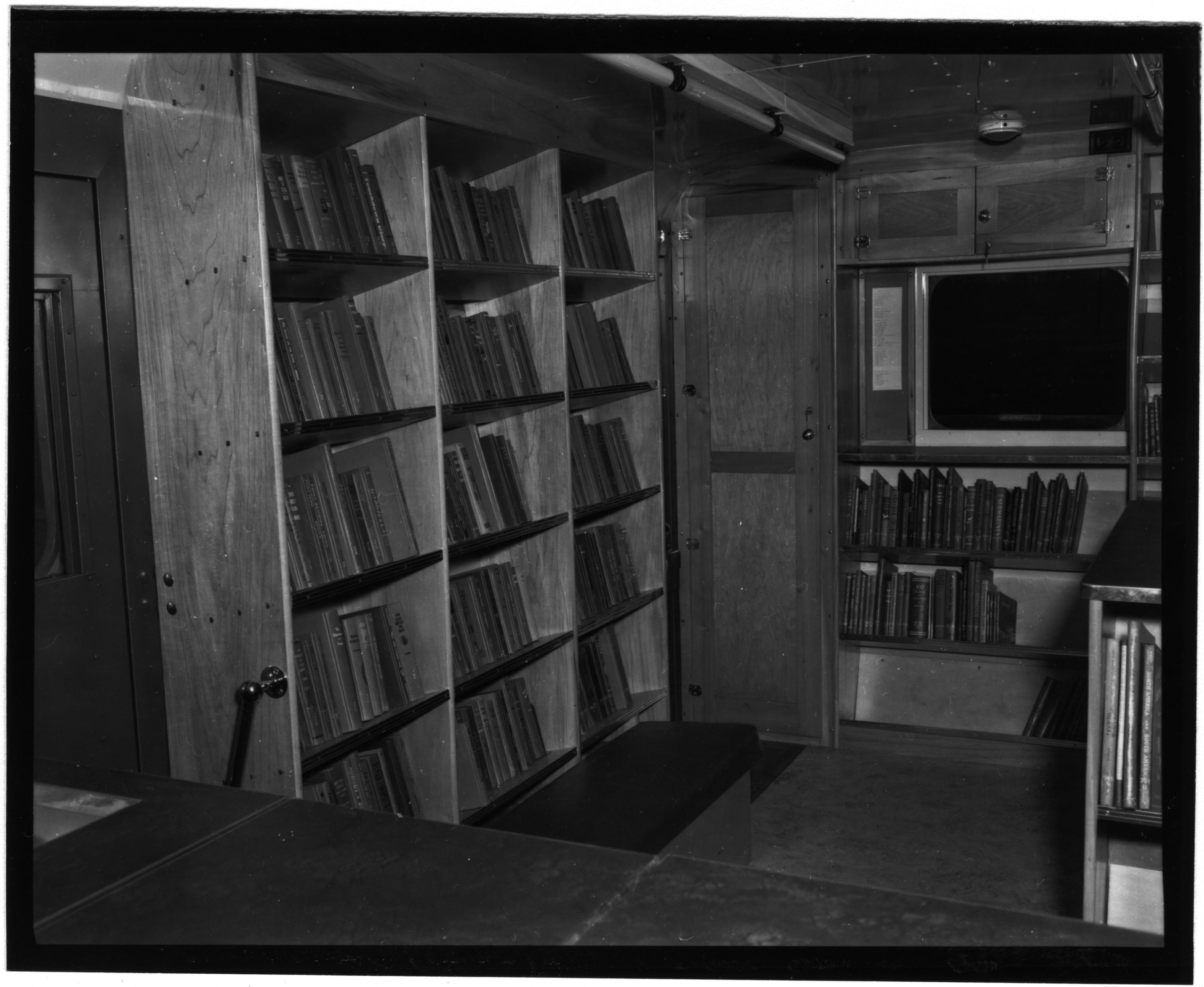
A vehicle holds a few thousand volumes at most, selected by a librarian for a route rather than for an individual.
Which is the most interesting consequence of the whole arrangement. A browsing reader in a large library follows their own preferences and narrows; a reader facing two shelves takes what is there, which means bookmobile users routinely read outside anything they would have chosen.
Requests Were Taken on One Visit and Filled on the Next
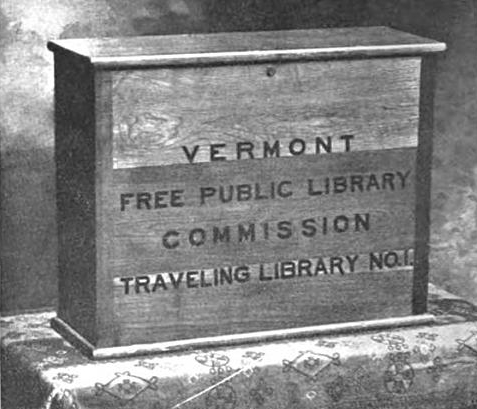
If a book was not on board, you asked, and it came in a fortnight from the main collection.
The two-week loop is the compensating mechanism for a small stock, and it worked. The vehicle is a delivery system as much as a lending one, which means the effective collection was the entire county’s holdings with a delay attached rather than the three thousand books in front of you.
The Limit on How Many You Could Take Was the Real Constraint
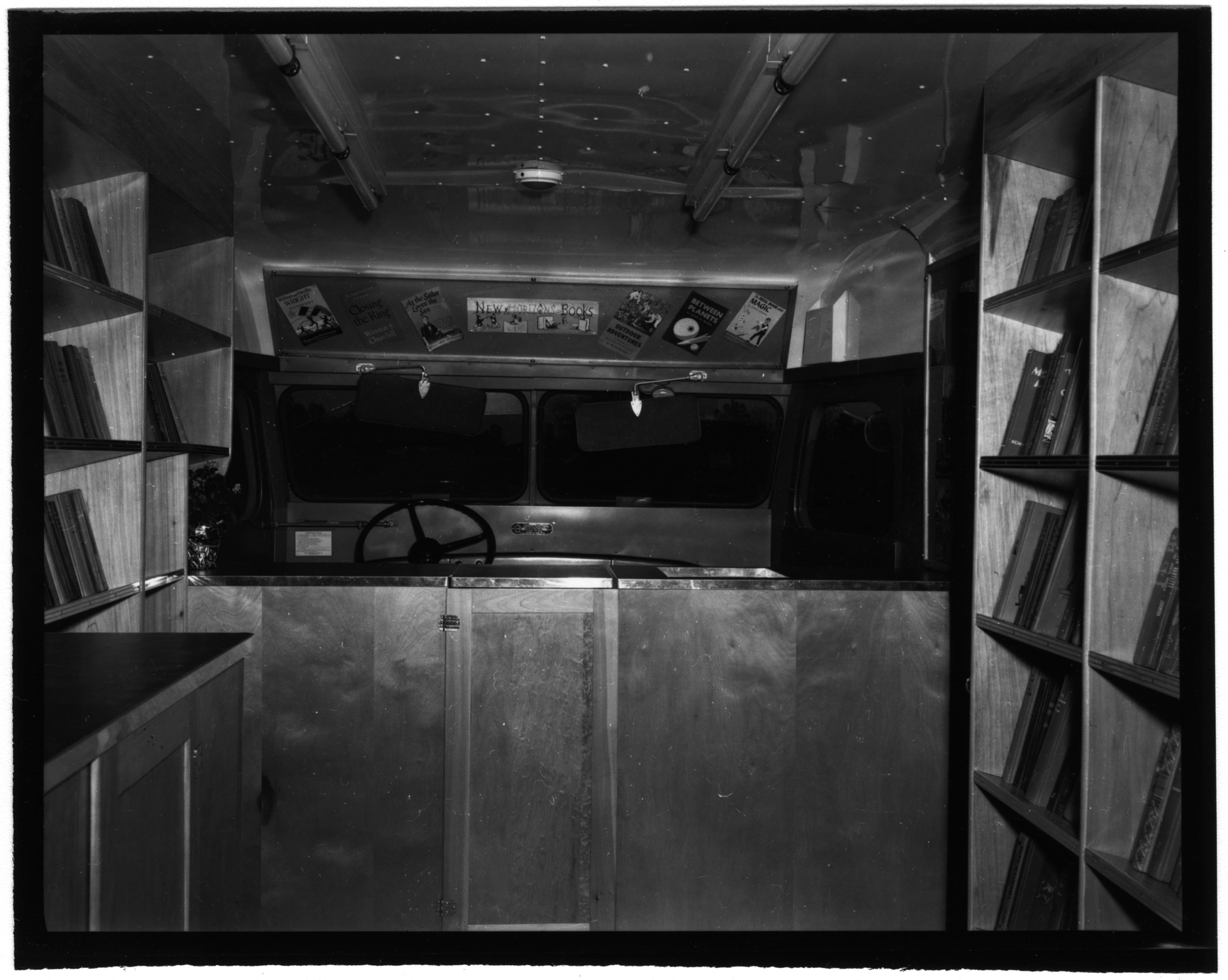
Borrowing limits exist everywhere, and on a bookmobile the number mattered in a way it does not in a building.
A library you can visit on Saturday makes a four-book limit a mild inconvenience. A vehicle that returns in fourteen days makes the same limit a hard ration: whatever you take has to last a fortnight, and running out means two weeks with nothing. So children learned to choose a mix – something long to last, something short in case the long one failed, and something safe they already knew they liked.
That is a genuine piece of planning under scarcity, performed by nine-year-olds, and it is the opposite of how anybody uses a collection they can return to at will.
The Librarian Knew Every Borrower by Name
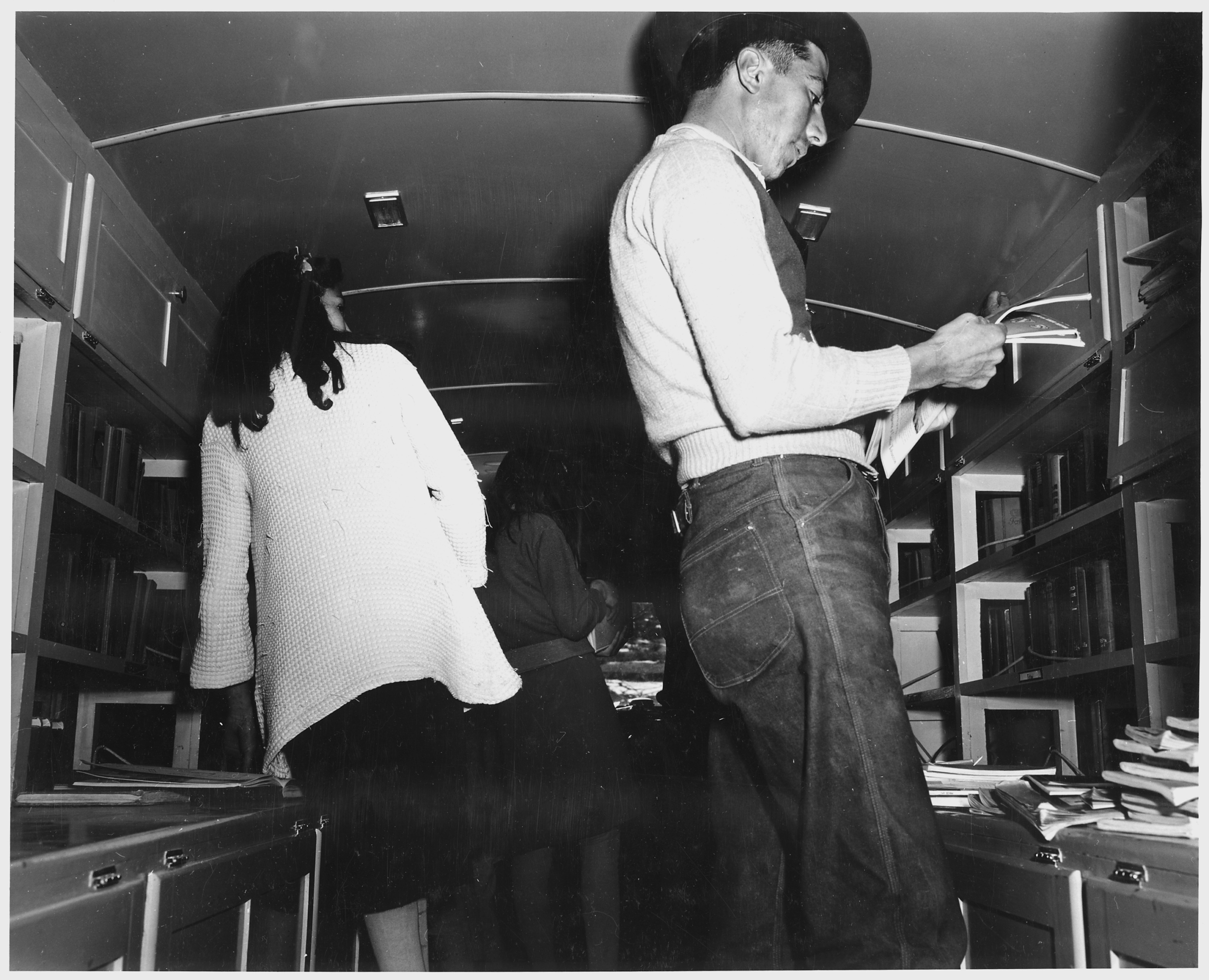
One person serving the same forty families fortnightly for years develops an exact knowledge of who reads what.
That produced a kind of service no large library can offer. A librarian who remembers that you finished a series last month and has pulled the next one before you arrive is doing something no catalogue does, and it depended entirely on the route being small and consistent.
Children Were the Primary Users and Everybody Knew It
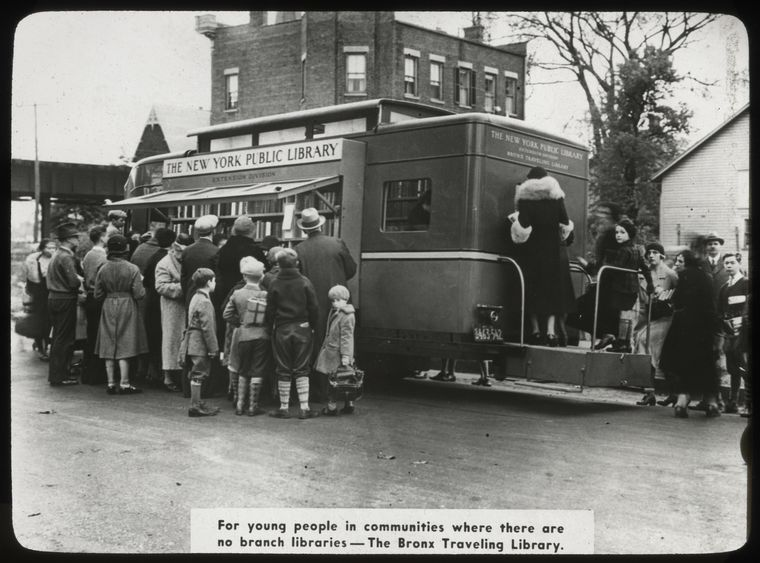
The majority of borrowers were children, and the stock, the stops and the scheduling reflected that directly.
The reason is simple access. An adult can drive to a town library on a Saturday and a child cannot, so a vehicle that arrives within walking distance of a rural school is the only library a great many children ever had – and the service was built around that fact.
The Space Inside Was Brutally Tight
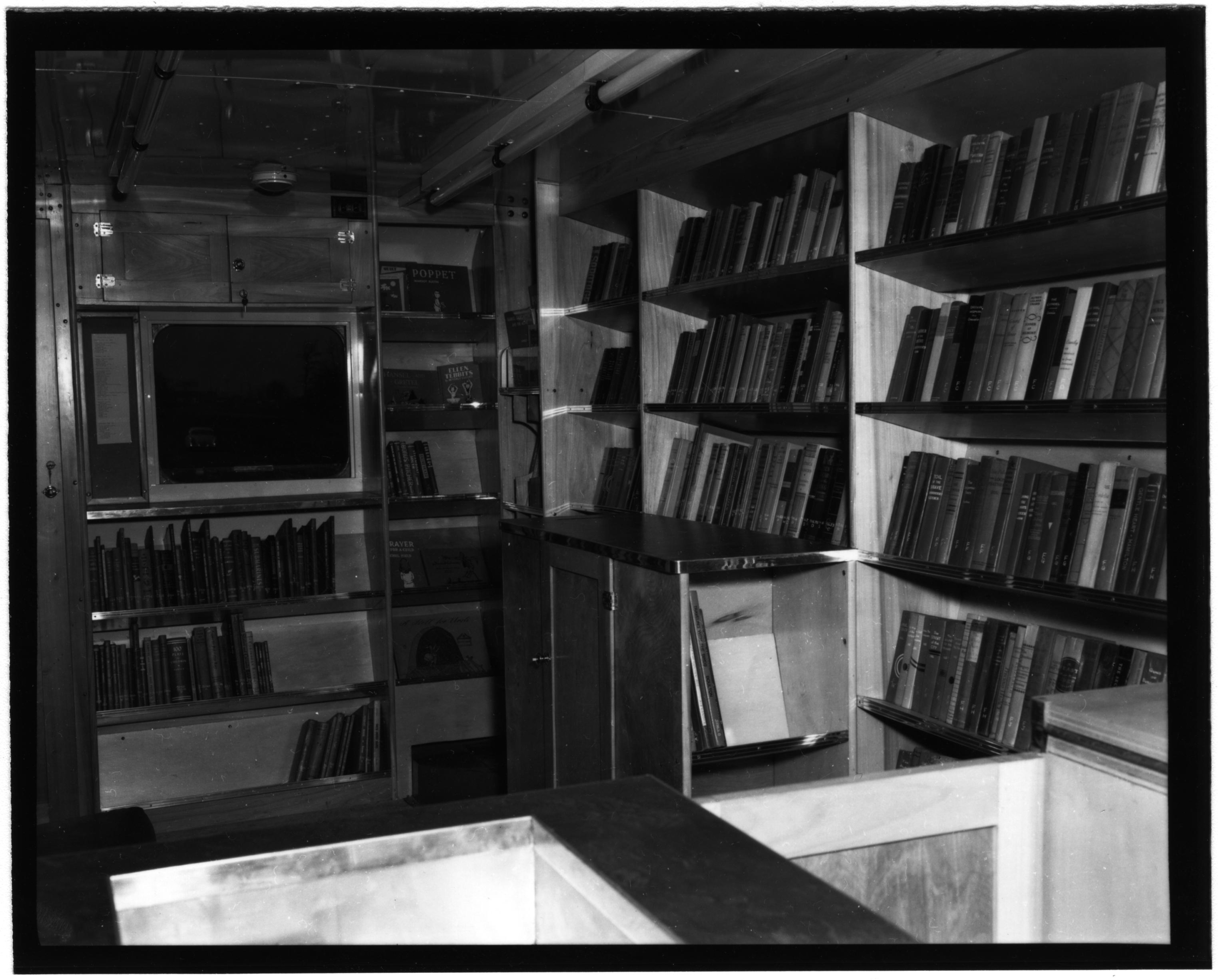
An aisle wide enough for one person, shelves on both sides, a desk at one end, and a queue of people waiting on the steps.
The physical constraint shaped the visit completely. Three people inside at once is a crowd, so browsing had to be quick, decisive and conducted with somebody waiting – which is the opposite of how a library is supposed to feel.
Weather Decided Whether It Came At All
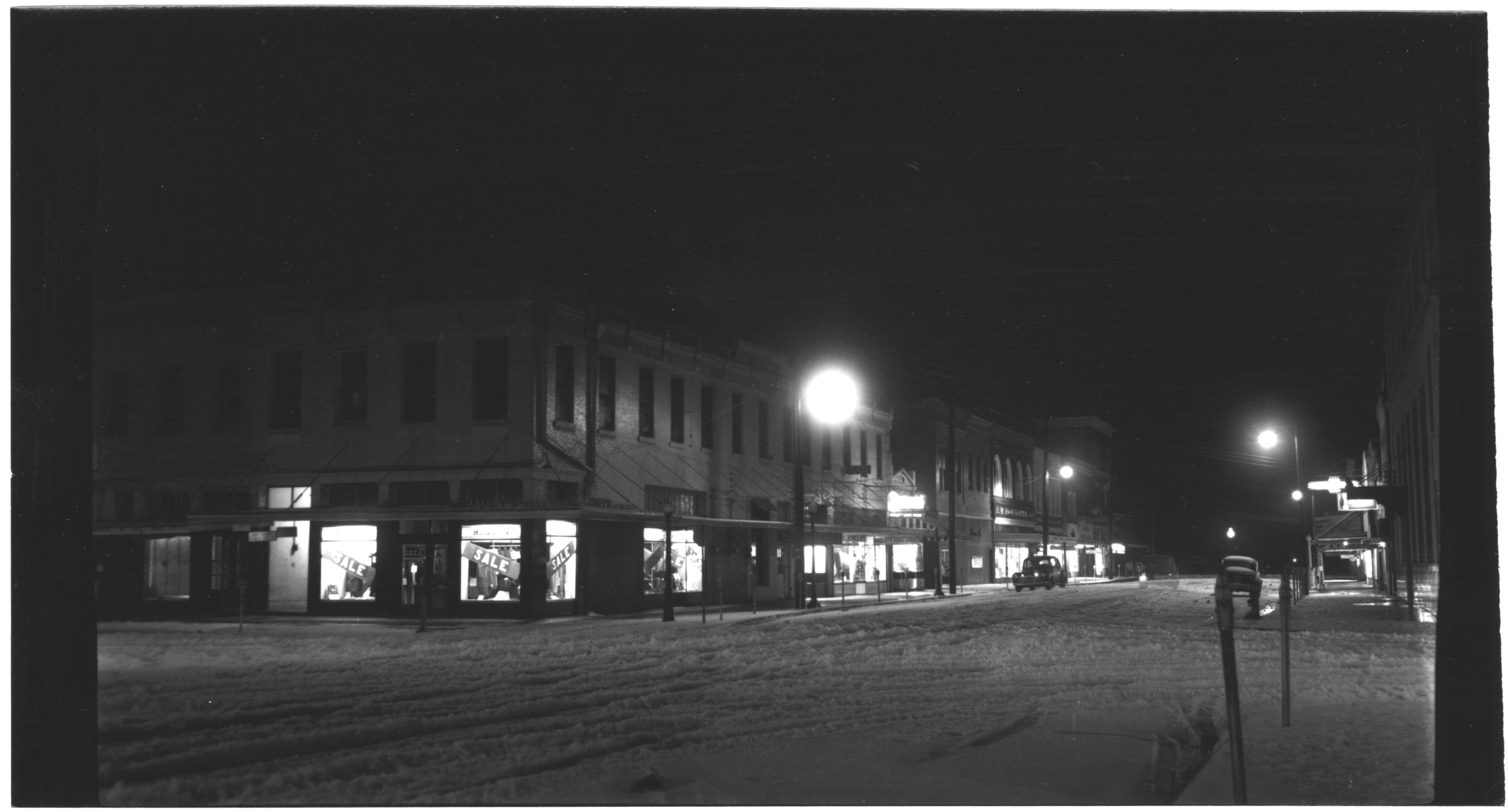
Snow, flooding, mud and ice could close a route, and a cancelled stop meant a four-week gap rather than a two-week one.
The vulnerability is worth naming because it fell on exactly the people with no alternative. A town with a library building loses nothing when the roads are bad; a bookmobile community loses its only access, in the season when it is most likely to want something to read.
The Vehicles Were Converted, Not Built
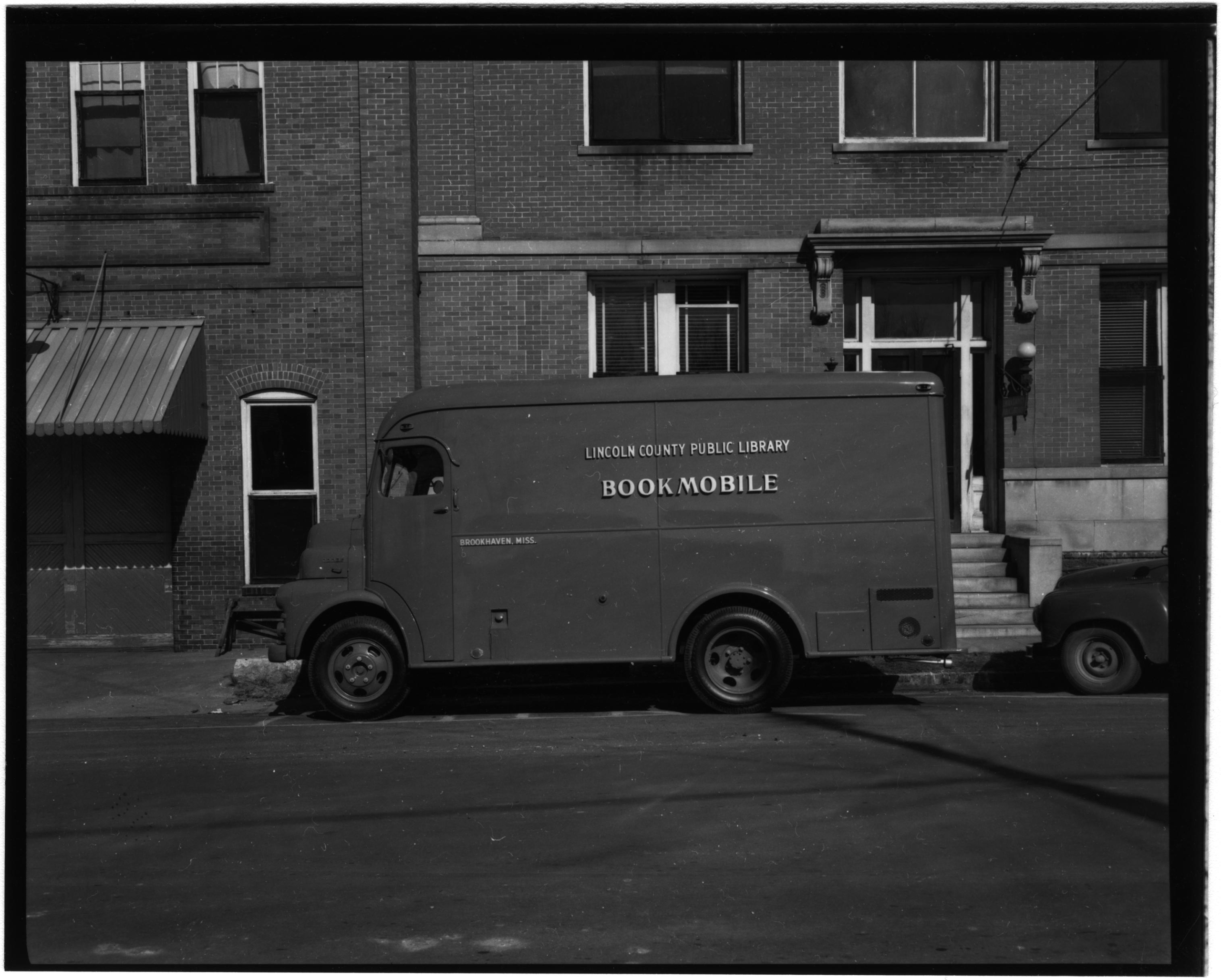
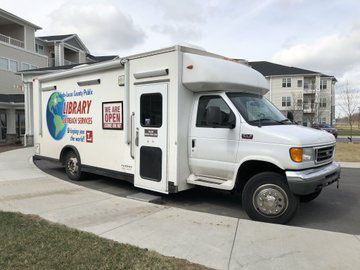
Buses, delivery trucks and trailers were fitted out with shelving, which produced an enormous variety of arrangements and a great many mechanical problems.
A converted vehicle carrying several tons of books is working hard, and breakdowns were routine. So the service depended not just on a librarian but on somebody capable of keeping an elderly heavily loaded vehicle running over bad roads in all weather.
Books Came Back in a Condition That Told You Something
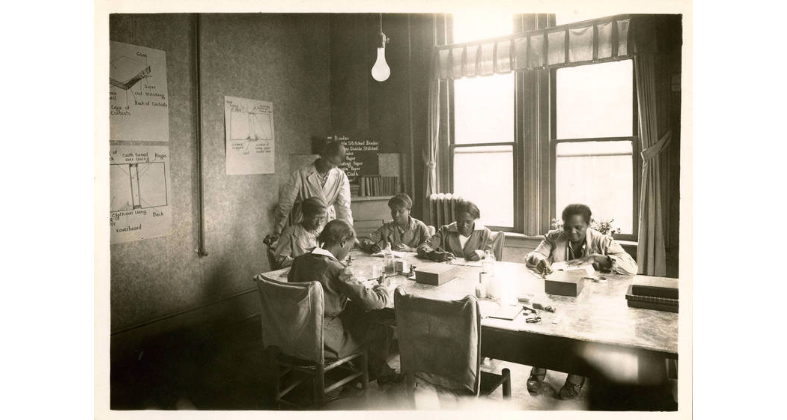
Returns arrived sunburned, rain-marked, read in barns and kitchens, and that wear was the evidence the service was working.
A pristine collection means nobody is using it. Librarians running these routes understood that a battered book is a successful book, and the replacement of worn stock was a budget line rather than a failure.
Overdue Books Were Handled Differently Out Here
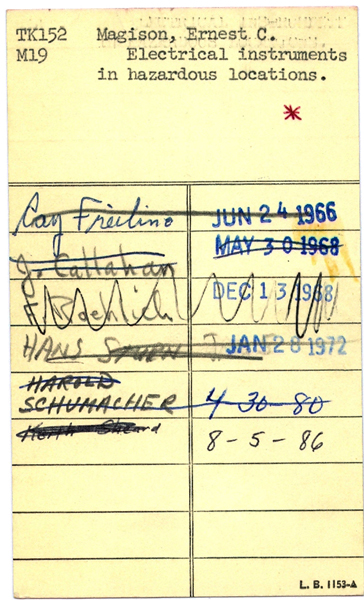
A fine system assumes a borrower can come back and pay, which is not true when the lender arrives fortnightly and the borrower may have missed a stop through no fault of their own.
So enforcement was generally pragmatic. The point was circulation rather than compliance, and a librarian who alienated a family over a late book lost that family permanently, with no other branch for them to use.
It Reached People Who Had Never Used a Library at All
For households with no library tradition, no transport and no money, a vehicle arriving at the end of the road removed every barrier at once.
That is the service’s real achievement and it should be stated plainly. The obstacle was almost never interest – it was distance, cost and unfamiliarity, and a bookmobile dissolves all three by turning up where somebody already is.
The Service Was Often Aimed at Adults Too and Missed Them
Working adults were frequently unable to reach a stop scheduled in the middle of a weekday, which skewed the readership even further toward children.
The timing problem was structural and largely unsolved. A route has to visit many stops in a working day, so most stops happen when most adults are at work – and evening and weekend routes were expensive and comparatively rare.
The Vehicle Doubled as Everything Else the County Could Fit In
A route that reaches isolated households is valuable to more than a library, so bookmobiles frequently carried other things as well.
Notices, forms, information about services, sometimes films or recordings, and whatever else an authority needed to put in front of scattered people went aboard – because the marginal cost of adding a shelf to a vehicle already making the trip is almost nothing. It is the same reasoning that put eggs and butter on a milk route.
Which also means the stop was a small civic event rather than purely a library visit, and that is part of why it drew the numbers it did.
Then Roads, Cars and Consolidation Made Branches Possible
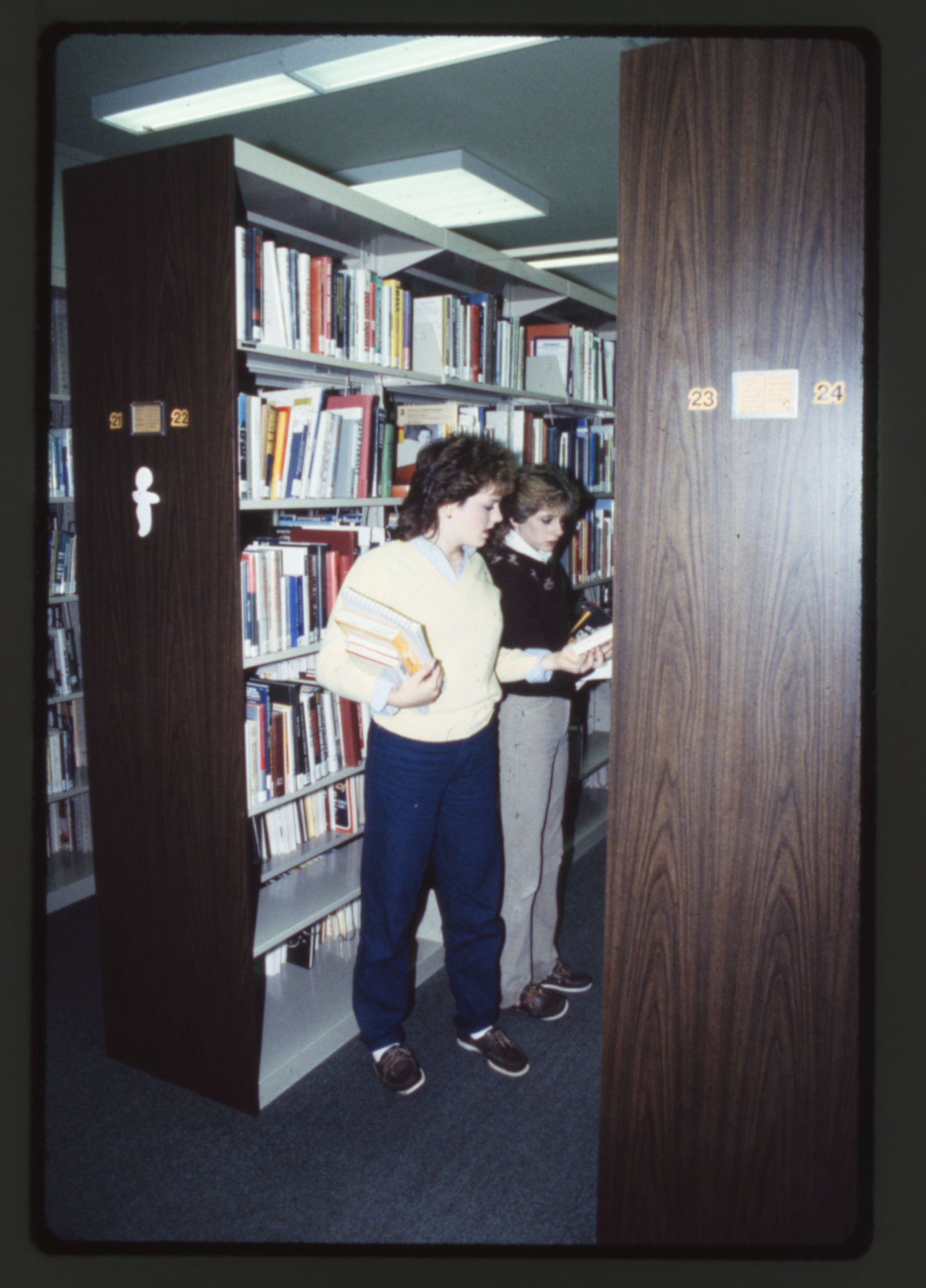
Better roads and near-universal car ownership meant a family could reach a town library, and school districts consolidating put real libraries inside schools.
This is the decisive change and it is a success rather than a loss. The bookmobile existed because people could not reach books; once they could, a fixed collection with longer hours and more stock beat a vehicle with two shelves and ninety minutes.
And the Vehicles Went Where the Need Still Was
The honest ending is that bookmobiles did not disappear – they narrowed. They kept running to the places where the original problem persisted.
Which is the most useful thing to understand about them. The service was never nostalgic or picturesque; it was a cost-engineered answer to distance, and it survives precisely where distance still defeats a building. What ended in most of the country was not the idea but the condition that produced it – and a child standing at a crossroads waiting for a vehicle to arrive with everything they were going to read for the next fortnight is an image of scarcity rather than of charm.
Like our content? Follow us for more.