

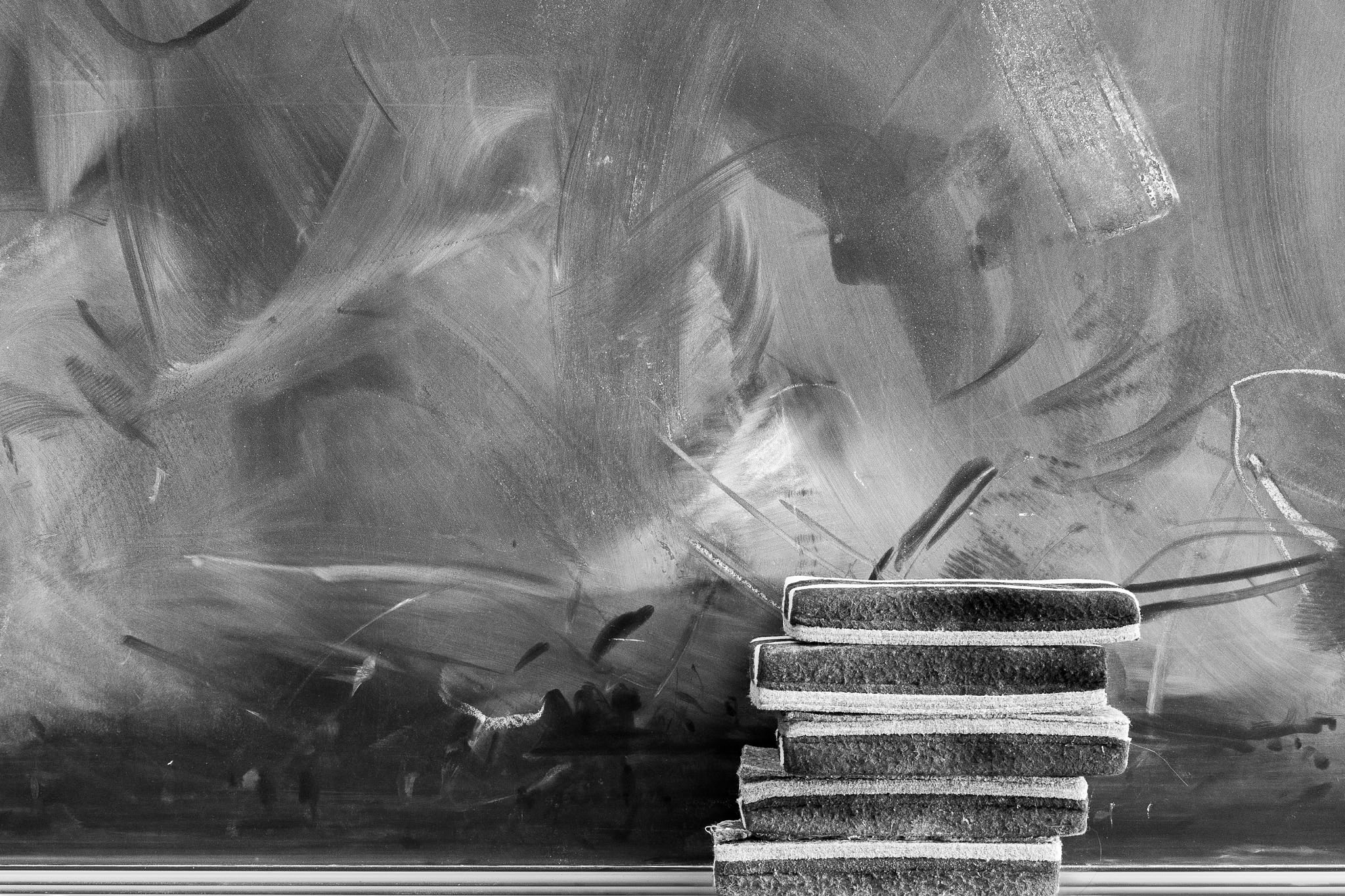
In 1966 a substantial part of the school day was transcription. A school had one copy of anything, one person who knew it and thirty children who needed it, with no means of duplication – which produces exactly this arrangement and no obvious alternative. So whole afternoons were spent reproducing text by hand, and the children doing it experienced that as the normal content of education rather than as a workaround for a shortage of paper. Here are sixteen things every kid remembers about copying off the blackboard in 1966, and how photocopiers ended all of it.
1. Most of the School Day Was Transcription
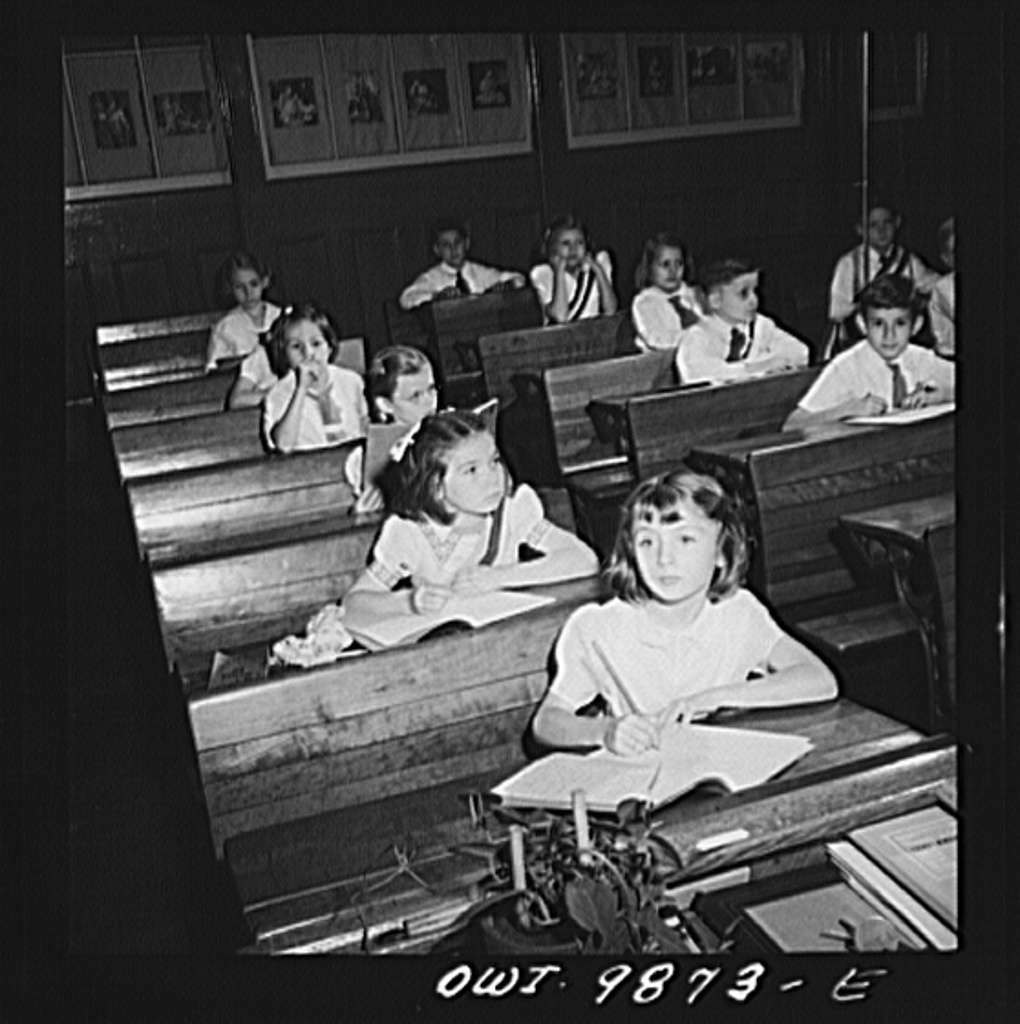
A substantial proportion of lesson time consisted of children copying material from a board into an exercise book.
The method existed because of what a school had. One copy of anything, one person who knew it and thirty children who needed it, with no means of duplication, produces exactly this arrangement and no obvious alternative.
Nobody described it as teaching and nobody described it as anything else. Whole afternoons were spent reproducing text by hand, which the children involved experienced as the normal content of education rather than as a workaround for a shortage of paper.
Like our content? Follow us for more.
2. You Were Always Behind
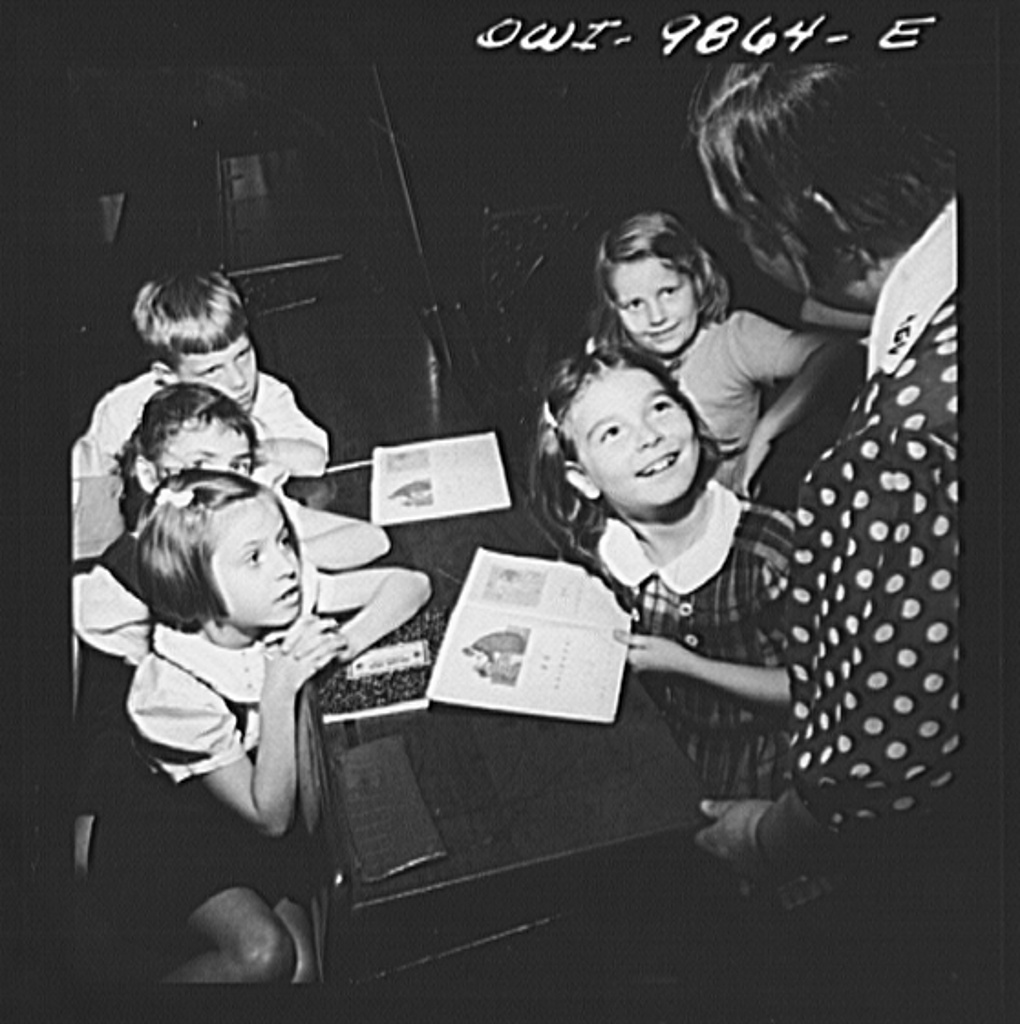
The board filled faster than any child could copy, which meant the task was conducted permanently in arrears.
The mismatch was structural. An adult writing with their arm and a child writing with a pencil they can barely control operate at completely different speeds, and nobody adjusted for the difference.
That produced a continuous low-grade panic. The experience of copying was the experience of being behind, catching up slightly and being behind again, for the whole duration of a lesson.
3. It Was Erased Before Everybody Had Finished
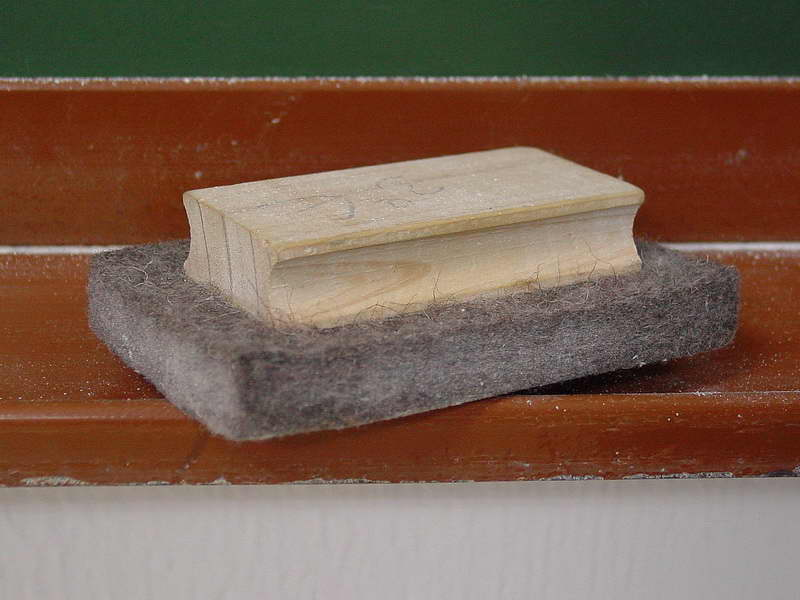
The board was cleared on the teacher’s schedule rather than on the class’s, and the slowest children lost whatever was still unwritten.
The timing was a judgement call made from the front. A teacher watching thirty heads cannot tell who has finished, and most of them cleared when the majority appeared done, which left a minority with incomplete notes.
Those children had no recourse. Asking for it to be put back was possible in theory and rarely attempted, and the standard solution was to borrow from a neighbour afterwards and copy their version instead.
4. Copying From the Person Next to You Propagated Every Error
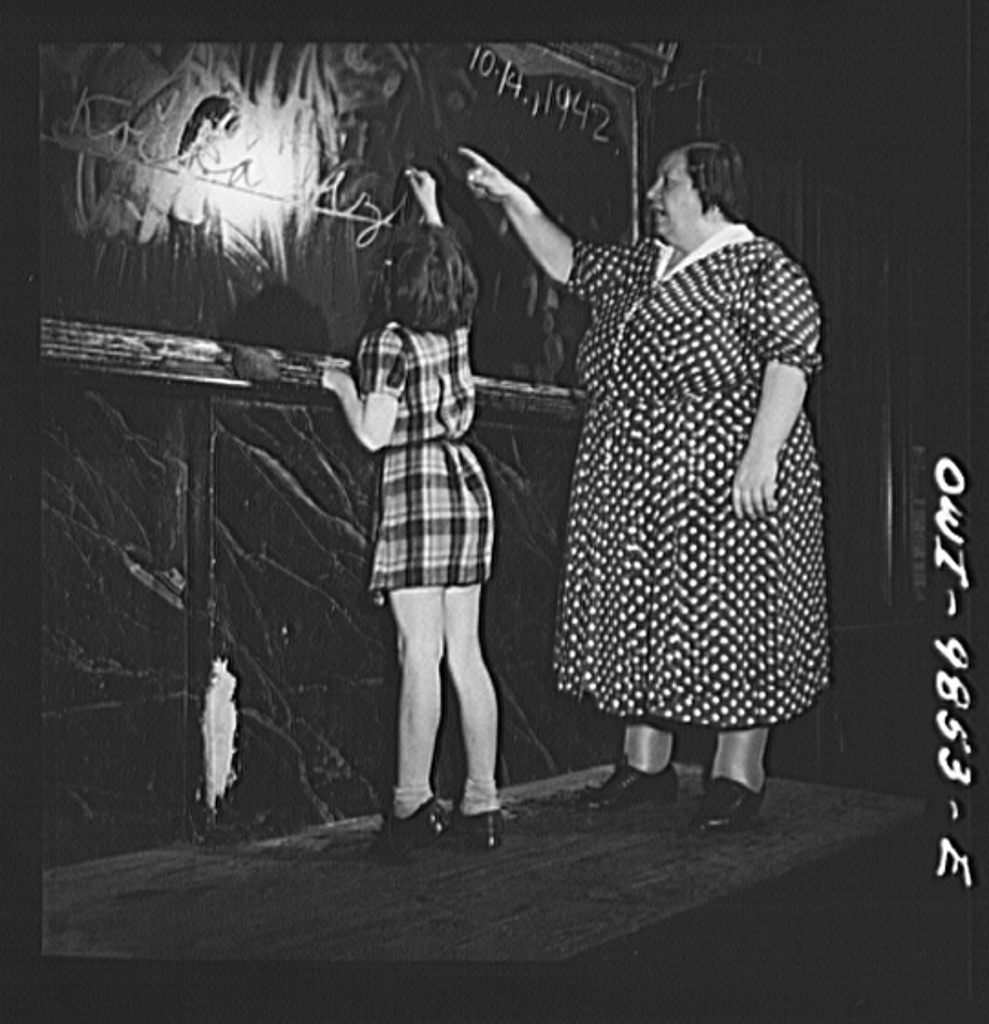
A child who had missed material took it from whoever was nearest, which meant one mistake reproduced itself across a row.
The mechanism is obvious in retrospect. An error copied once is an error copied again by the next person to fall behind, and nobody checked against the original because the original had been erased.
Teachers found whole rows with identical mistakes. The discovery was made at marking, the explanation was never investigated, and the row concerned was generally assumed to have been copying rather than to have been catching up.
5. The Handwriting Suffered and Was Marked Anyway
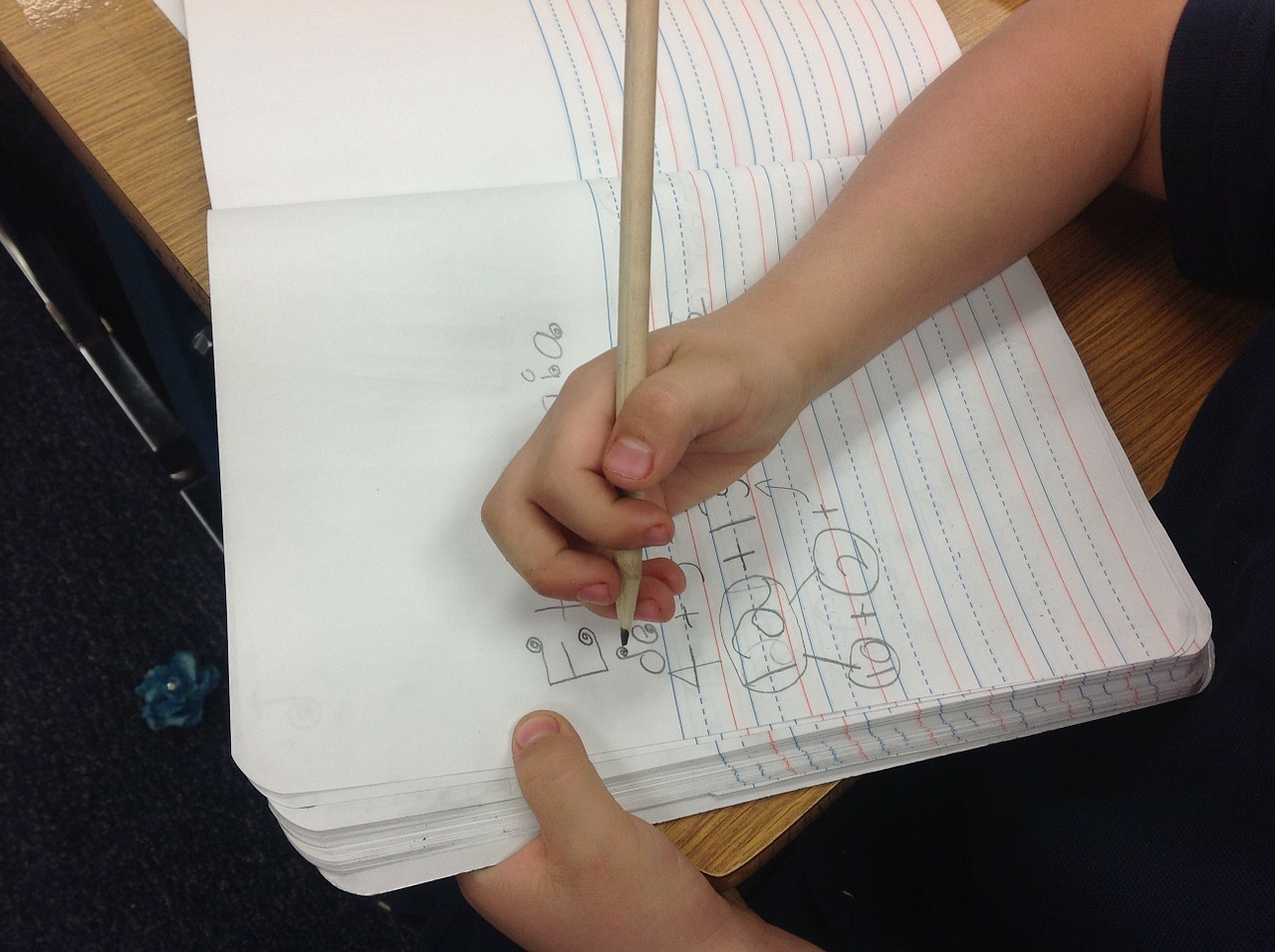
Writing at speed produces bad writing, and the same work was assessed for neatness regardless.
The two requirements were in direct conflict and nobody acknowledged it. A child cannot keep up with a board and produce careful script simultaneously, which meant every piece of copied work was a compromise between two things being demanded at once.
Children resolved it by choosing. Some kept up and were marked down for the writing, some wrote carefully and did not finish, and which strategy a child adopted said a good deal about what they had worked out about their teacher.
6. Abbreviations Were Invented Independently by Everybody
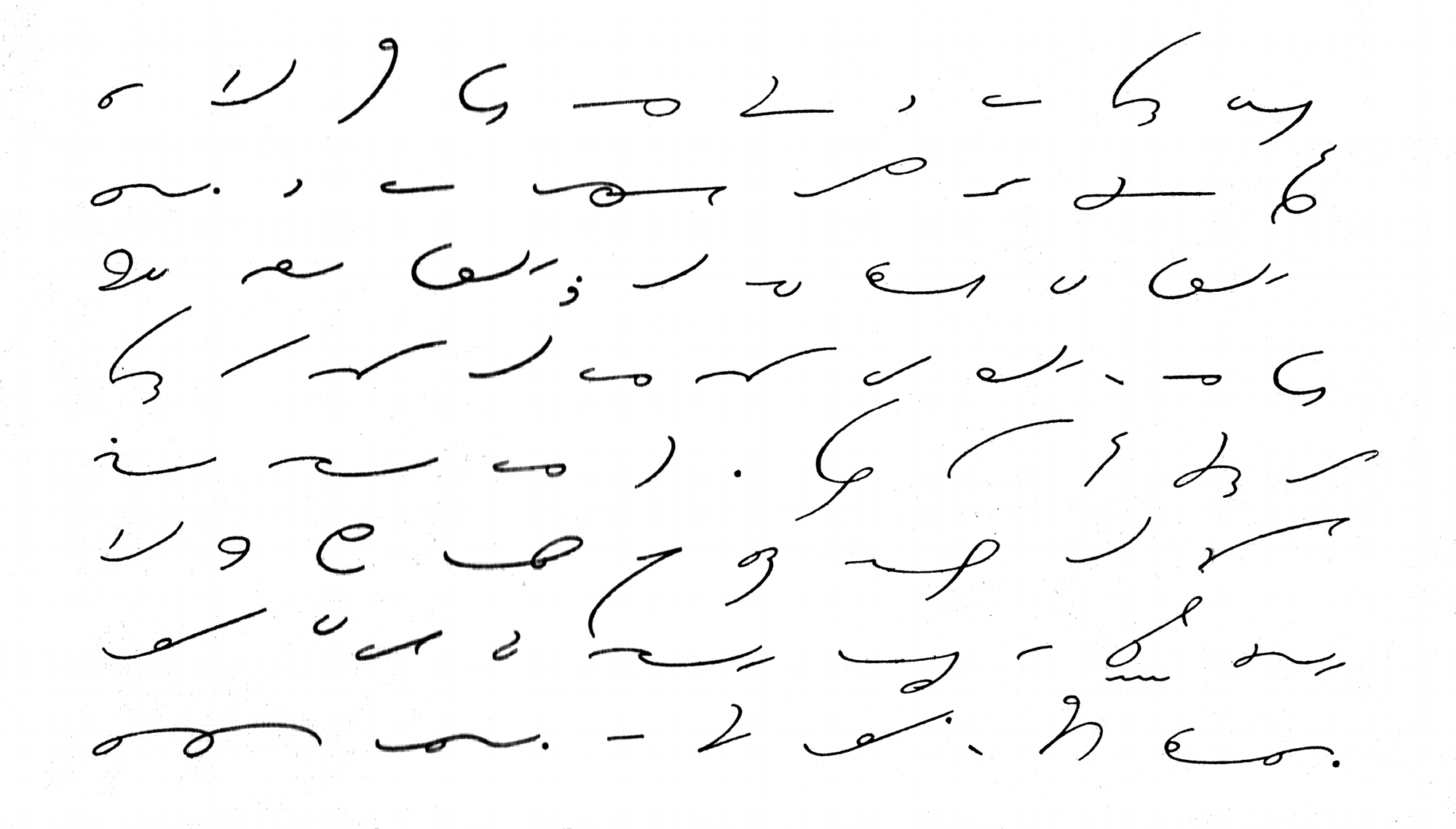
Children who could not keep up shortened words, and the systems they developed were personal and undocumented.
The invention was pure necessity. A child losing ground will compress whatever they can, and since nobody had taught shorthand, each of them built their own from scratch over a term or two.
That made the books unreadable to anybody else. A child’s own abbreviations were perfectly clear to them and opaque to a teacher marking them, which produced an argument neither party could win.
7. Where You Sat Decided How Hard It Was
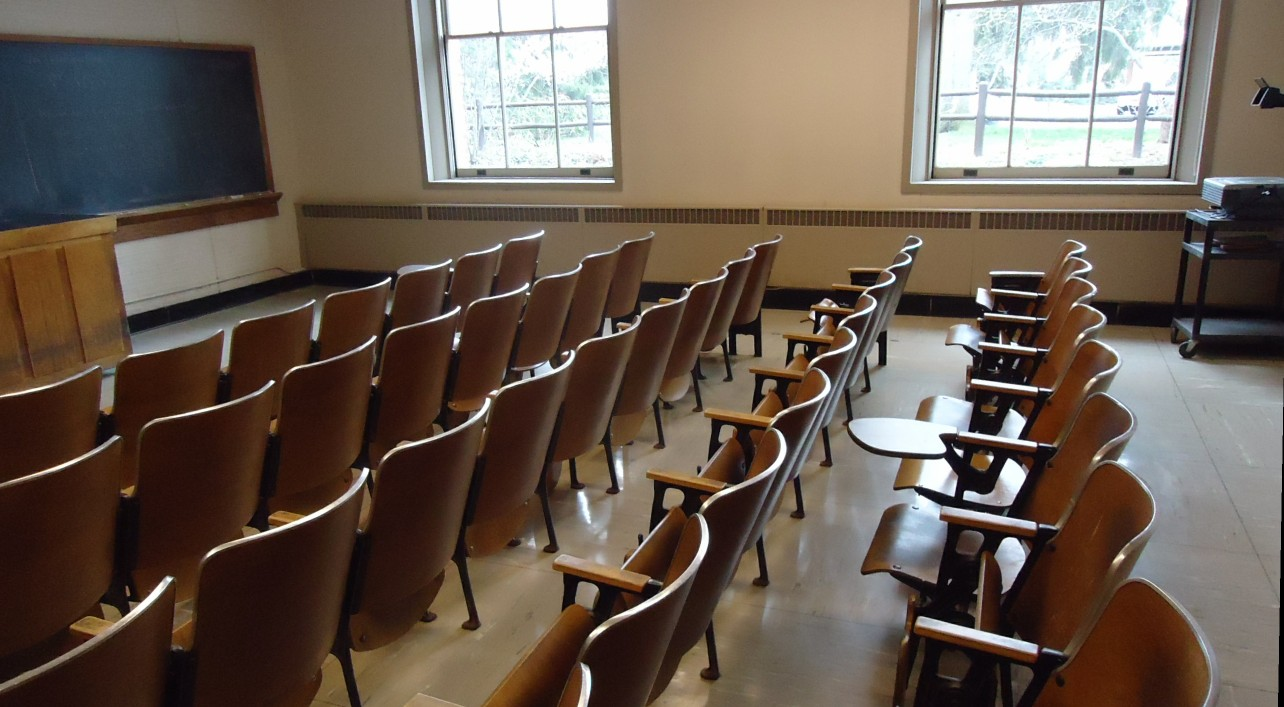
The angle to the board varied across a room, and children at the sides were reading at a slant all day.
The geometry was nobody’s fault and was never corrected. A flat surface viewed from thirty degrees is harder to read than one viewed straight on, and the children at the ends of rows were doing a measurably different task from the ones in the middle.
Seating was fixed and allocated. A child who found it difficult from their position had no mechanism for saying so, and the possibility that the seat rather than the child was the problem occurred to very few people.
8. The Light Across the Board Was Frequently Wrong
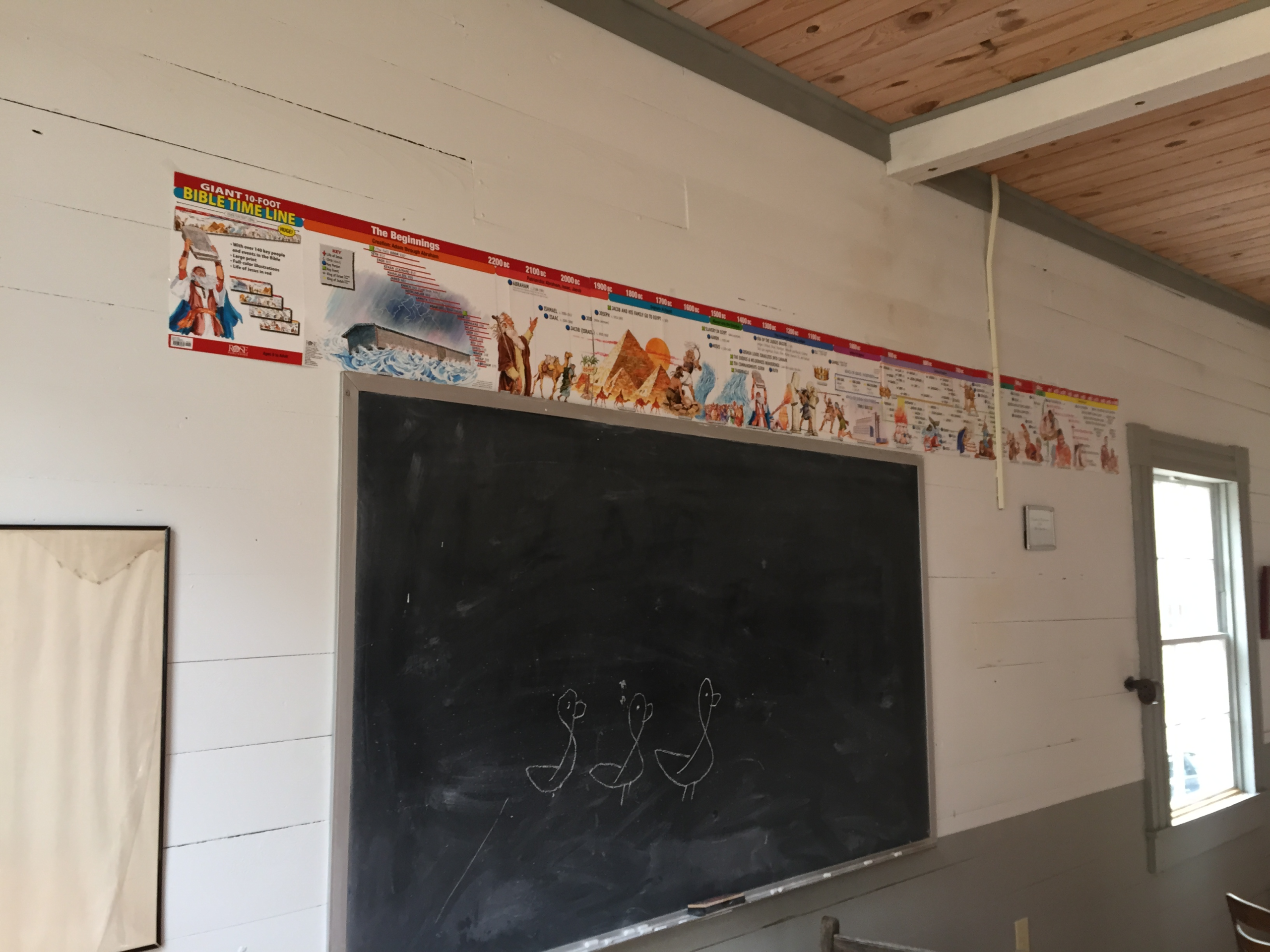
Sun on a board, or a lamp in the wrong place, made parts of it unreadable from parts of the room.
The problem moved during the day. A classroom with windows on one side has a board that is legible in the morning and partially obliterated in the afternoon, which meant the difficulty depended on the hour as well as the seat.
Blinds were adjusted and never solved it. The standard response was to move something and carry on, and the children who still could not read it simply copied from their neighbours.
9. The Dust Was Everywhere and Nobody Thought About It
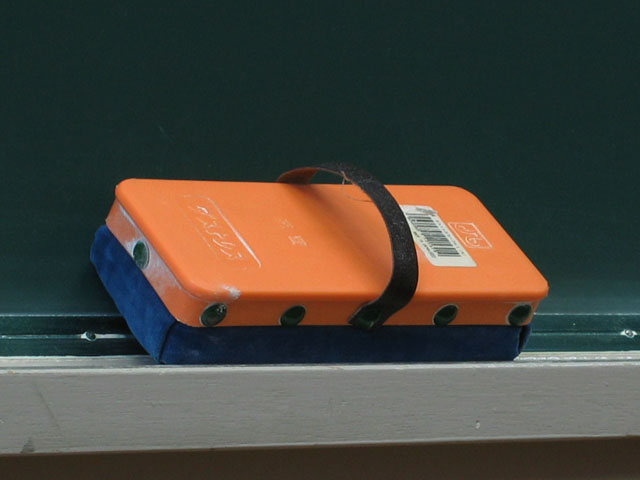
Writing and erasing produced a continuous fine dust that settled on everything in the room.
The quantity was considerable over a day. A board written on and cleared a dozen times puts a measurable amount of material into the air of an enclosed room, and the period gave the matter no attention whatever.
Modern classrooms are better in this respect and the change needs no defending. Nothing here is a claim about anybody’s health; the point is simply that the conditions were not considered and now are.
10. The Writing Sloped and Everybody Copied the Slope
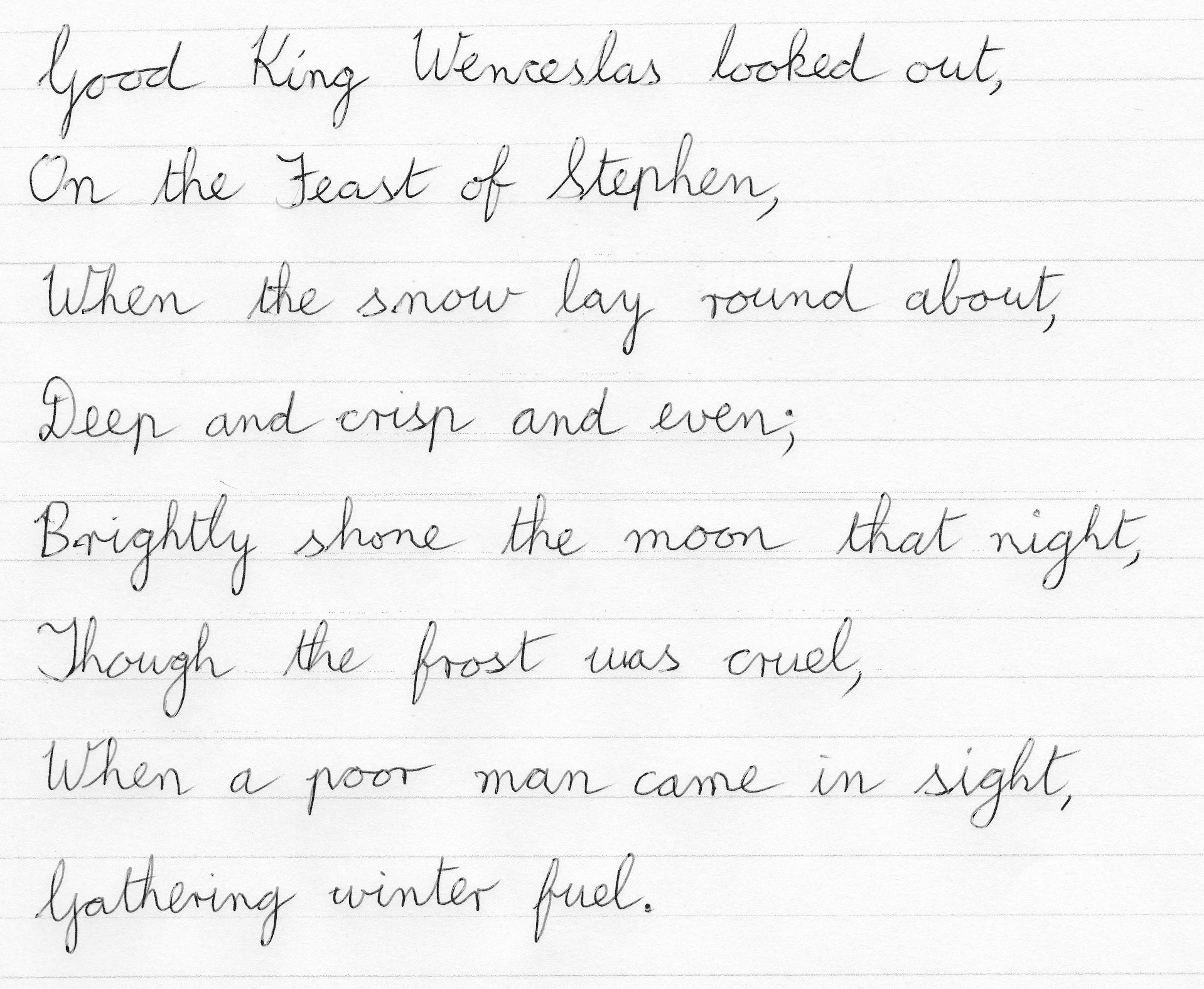
A teacher writing across a board drifts downwards, and children reproduced the drift in their books.
The cause is mechanical. An arm moving horizontally at shoulder height falls slightly, which means long lines on a board are never level, and a child copying line by line inherits the angle without noticing.
Exercise books from that period show it clearly. Pages of steadily descending text are the signature of material taken from a board rather than from print, and almost nobody at the time knew why their own writing did it.
11. Numbers and Letters Got Confused at Distance

Several characters are nearly identical at the back of a room, and the resulting errors were the child’s fault.
The ambiguity was never acknowledged. A particular pair of characters, written quickly in chalk, read at fifteen feet, are genuinely indistinguishable, and children who guessed wrong were marked wrong.
Nobody tested whether anybody could read it. The question of legibility from the back of the room was not something a school of that period investigated, and the children at the back absorbed the consequences.
12. Finishing Early Was Worse Than Finishing Late
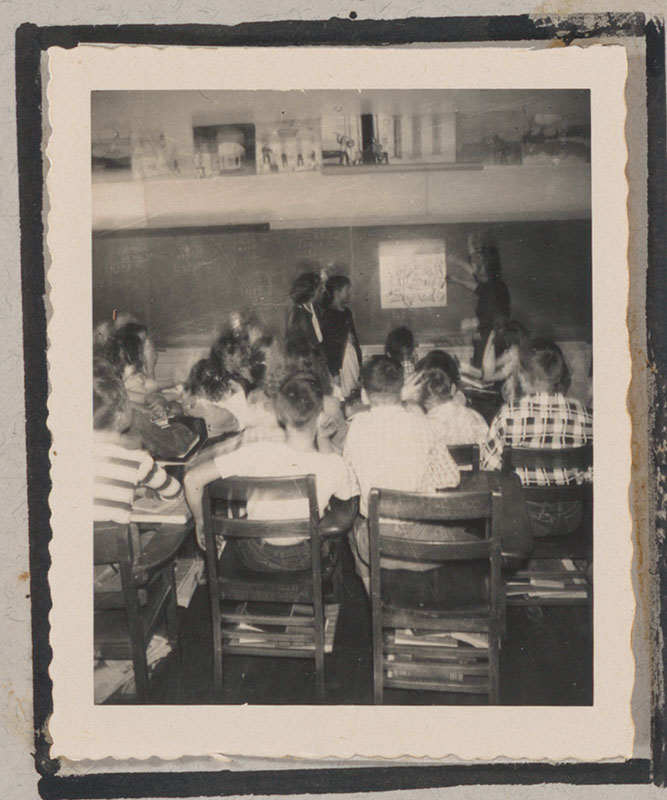
A child who kept up had nothing to do and was not permitted to do anything, which was its own punishment.
The arrangement left no provision for speed. A class copying at thirty different rates has no activity for whoever finishes first, and the instruction was always to sit quietly, which a child of nine experiences as considerably worse than working.
Those children read ahead instead. The commonest use of that time was copying material that had not been set yet, which produced the odd situation of children being ahead of a lesson that had not happened.
13. The Exercise Book Was the Only Record and It Was Fragile
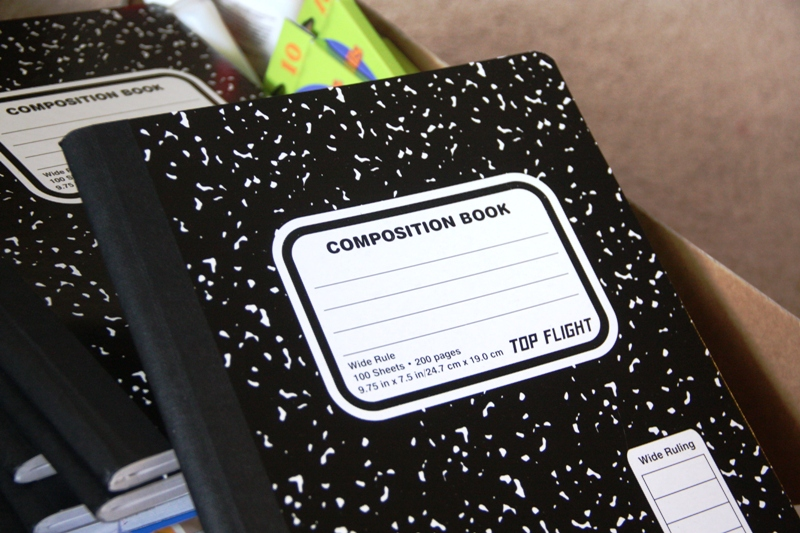
Everything a child had was in one handwritten book, with no copy anywhere.
The vulnerability was total. A book lost, damaged or left somewhere took a term’s work with it, and there was no means of recovering any of it because the board had been erased daily for months.
Children understood the risk. The care taken over those books, and the specific panic of not being able to find one, is remembered by people who have lost considerably more valuable things since.
14. Being Asked to Write on the Board Was a Different World
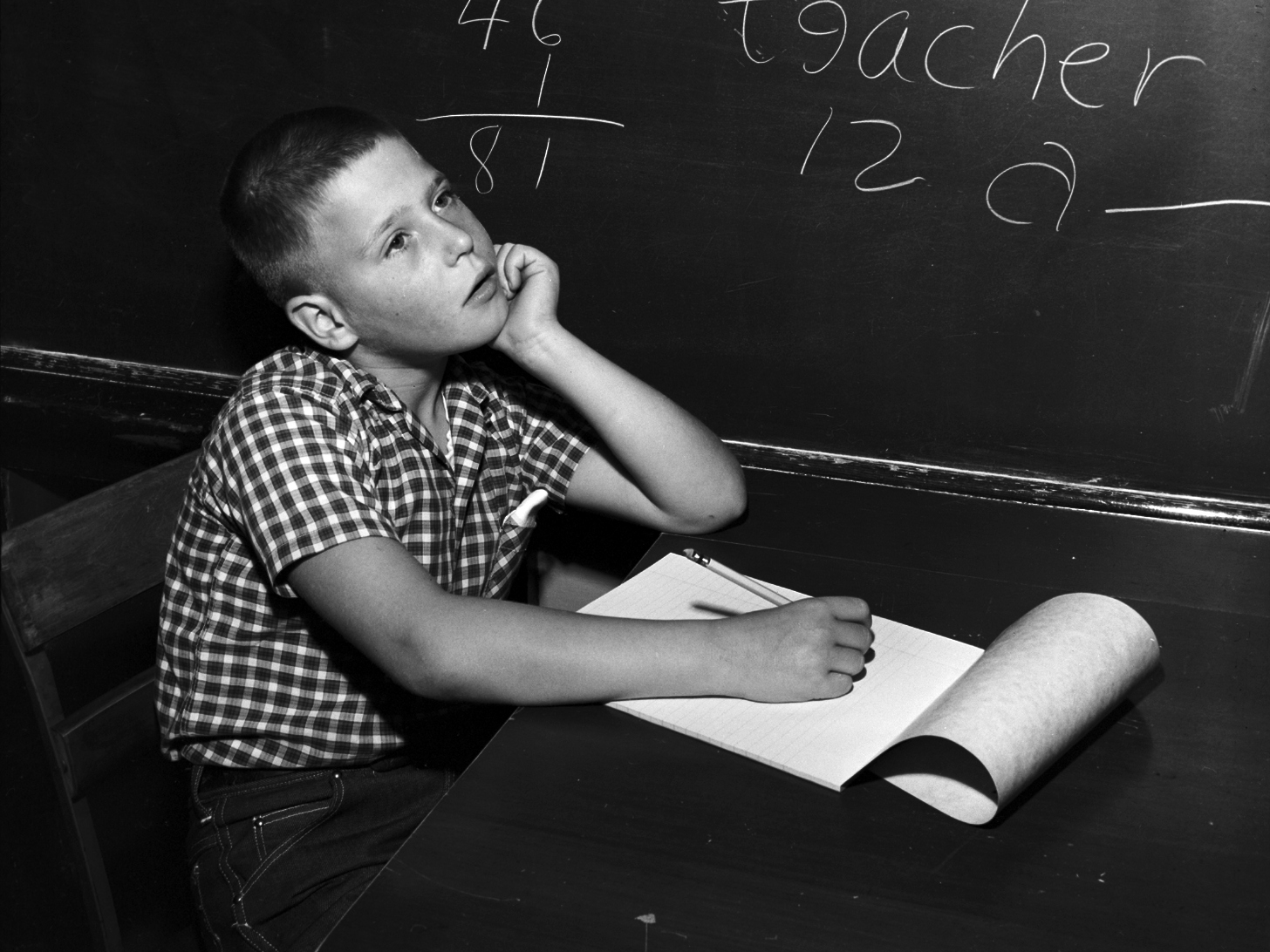
A child sent to the front to write became, briefly, the person everybody else was copying from.
The reversal was the whole experience. Standing where the teacher stood, producing material thirty people were transcribing, is an inversion of the normal arrangement and it lasted about ninety seconds.
It was also technically difficult. Writing on a vertical surface, at that scale, with an implement nobody had practised with, in front of an audience, produced results children were embarrassed by for years afterwards.
15. The Board Was Washed Down Once Lessons Were Over and That Was a Job
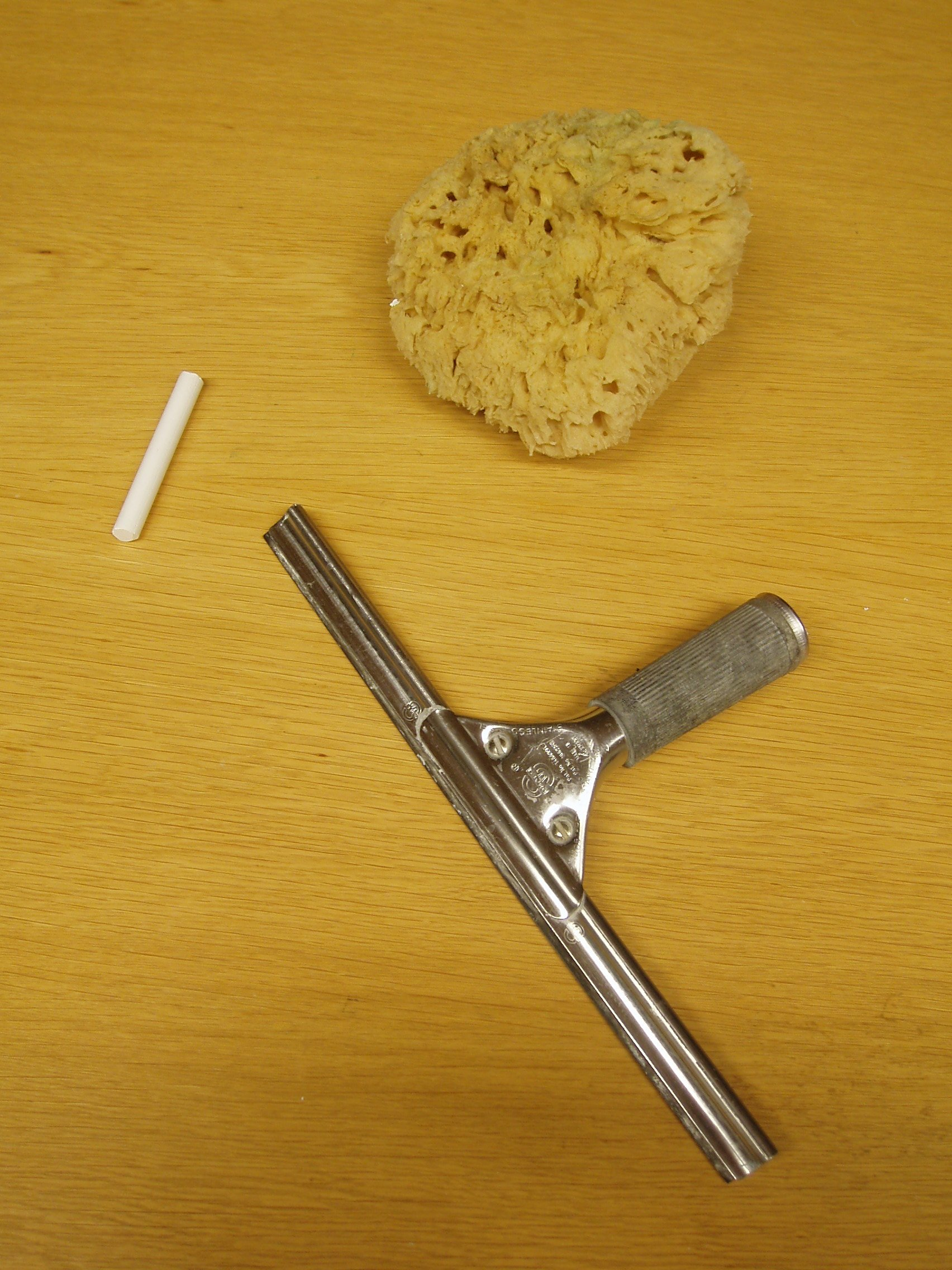
Somebody had to wash it down, and the job was given to a child as a privilege.
The delegation was practical and read as status. A board had to be cleared properly once a day, the task required no skill, and giving it to a child solved a problem and conferred a distinction simultaneously.
Who got it was watched closely. The selection changed, was never announced and was followed by the whole class with the same attention they gave to every other unexplained ranking in the room.
16. Then Nothing Needed Copying Any More
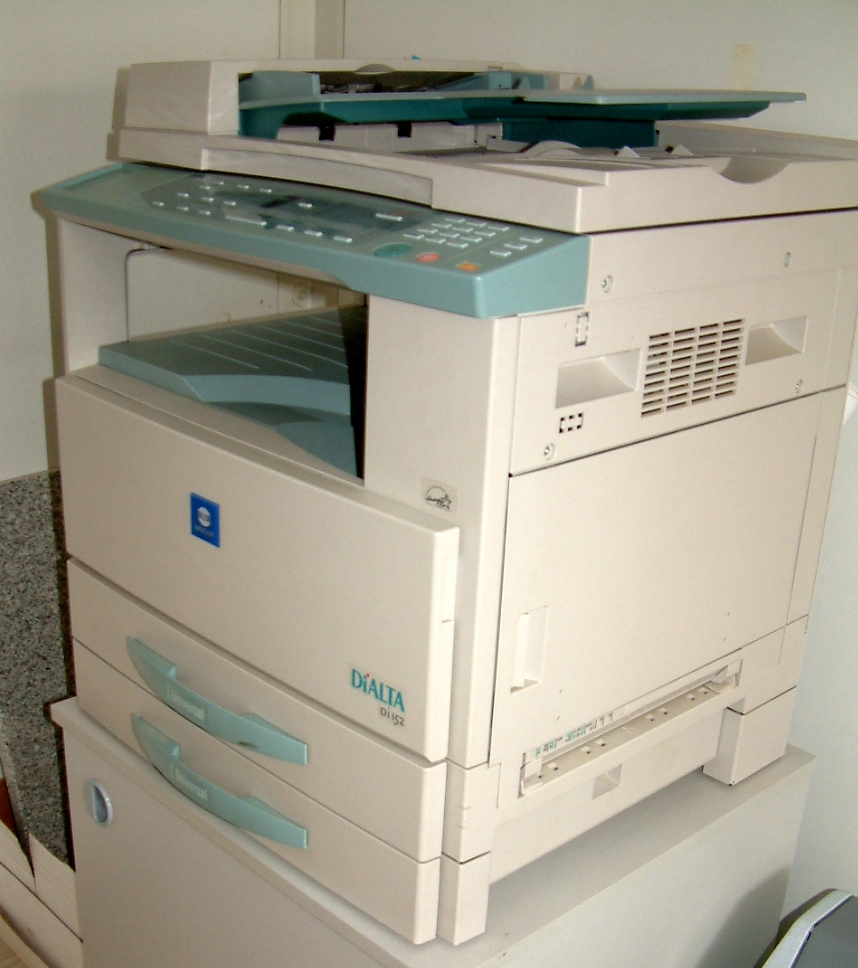
Photocopied handouts, printed worksheets, projectors, textbooks for every child and eventually screens removed transcription from the school day entirely.
Every part of that is an improvement. A child who is given the material does not spend an afternoon reproducing it by hand, cannot fall behind a board, cannot lose a term’s work in one book and is not marked down for writing produced at somebody else’s speed.
What went with it is a room of thirty people writing at once. A board filling faster than anybody could follow, erased before the slowest had finished, copied along a row until the errors were identical, abbreviated in systems nobody else could read, sloping downwards for reasons nobody knew, and preserved in a single fragile book with no copy anywhere.
Why It Was Harder Than It Looked
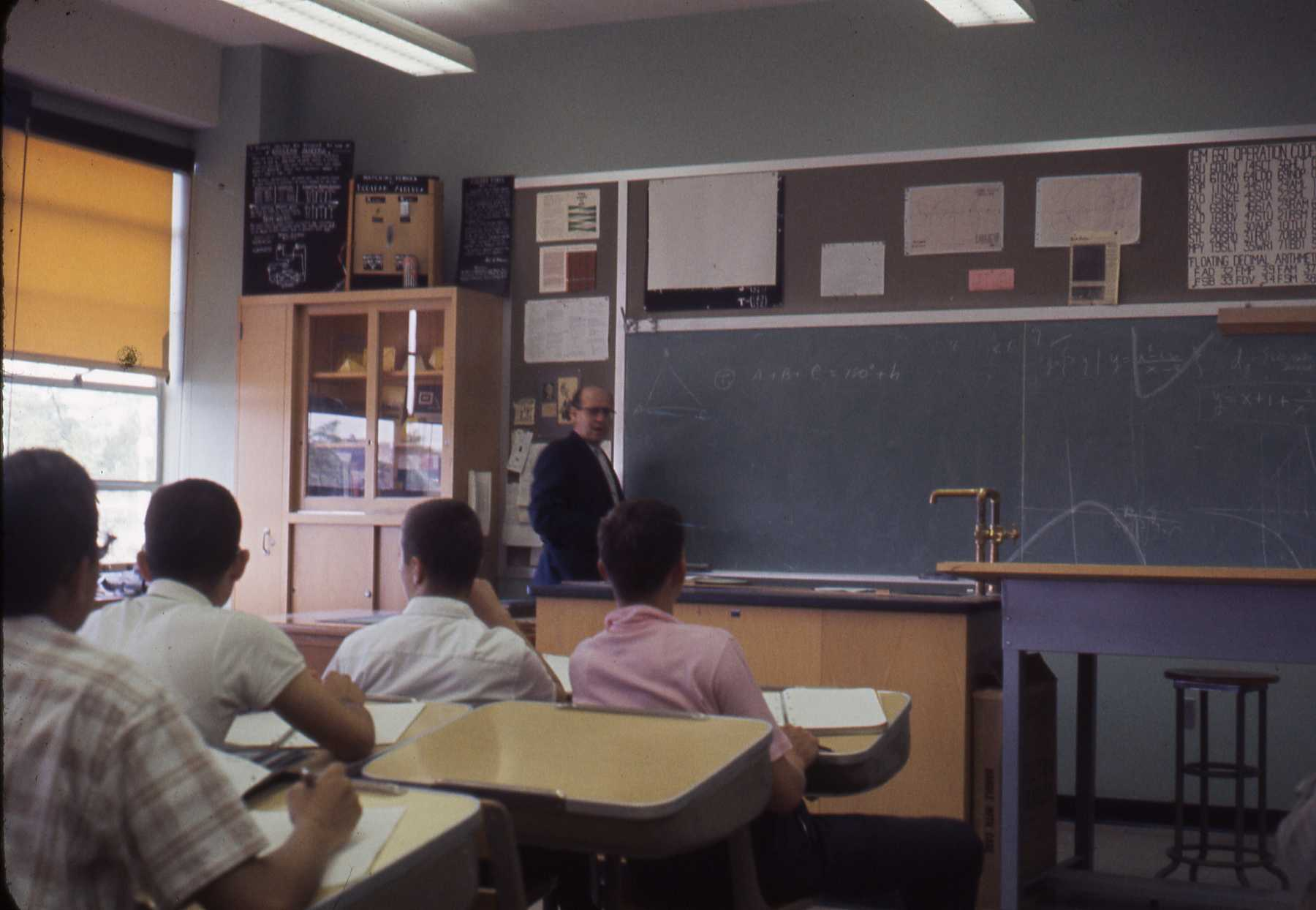
Read in order, the sixteen come back to a single mismatch: an adult writing with their arm and a child writing with a pencil they can barely control operate at completely different speeds, and nobody adjusted for the difference. That produced the permanent state of being behind, the clearing of the board before the slowest had finished, and the standard remedy of borrowing from a neighbour – which propagated every error along a row, because the original had already been erased and nobody could check against it.
Three things made it harder still and none of them was the child’s doing. The seat, because a flat surface viewed from thirty degrees is harder to read than one viewed straight on, and the possibility that the position rather than the pupil was the problem occurred to very few people. The light, which moved during the day, so a board legible in the morning was partly obliterated by the afternoon. And the characters themselves, several of which are genuinely indistinguishable in chalk at fifteen feet – an ambiguity nobody acknowledged and nobody tested, with the consequences absorbed entirely by the children at the back.
Two demands were also in direct conflict. A child cannot keep up with a board and produce careful script at the same time, and the same work was marked for neatness regardless. Which way a child resolved that – keeping up and losing marks, or writing well and not finishing – said a good deal about what they had worked out about their teacher.
Every part of the change is an improvement. A child who is handed the material does not spend an afternoon reproducing it, cannot fall behind a board, cannot lose a term’s work in a single book with no copy anywhere, and is not marked down for handwriting produced at somebody else’s speed. The dust is worth one plain note too: the period gave it no attention, modern classrooms are better in that respect, and nothing above is a claim about anybody’s health.
What went with it is a room of thirty people writing at once – a board filling faster than anybody could follow, errors copied along a row until they were identical, abbreviations nobody else could read, and lines sloping downwards for a reason almost nobody knew.
Like our content? Follow us for more.
