
Various specific grocery store items that defined American kitchens through the 2000s have substantially disappeared from current store shelves. Some discontinued products had substantial cultural significance. Others were everyday items that consumers didn’t realize had vanished until they tried to find them again. The cumulative disappearances trace to specific business decisions, changing consumer preferences, regulatory changes, supply chain economics, and various other factors. Walking through what’s actually gone reveals substantial transformation in American food retail across approximately one decade.
The American grocery store landscape has substantially transformed across the 2010s through various specific product discontinuations, brand consolidations, and shelf-space reallocation decisions that have substantially affected what consumers can actually purchase. Various specific items that consumers assumed would always be available have substantially disappeared. The cumulative changes reflect substantial American food retail evolution that mainstream discussions don’t typically emphasize despite affecting essentially every American consumer who shops at grocery stores.
The Hostess Bankruptcy Era Effect
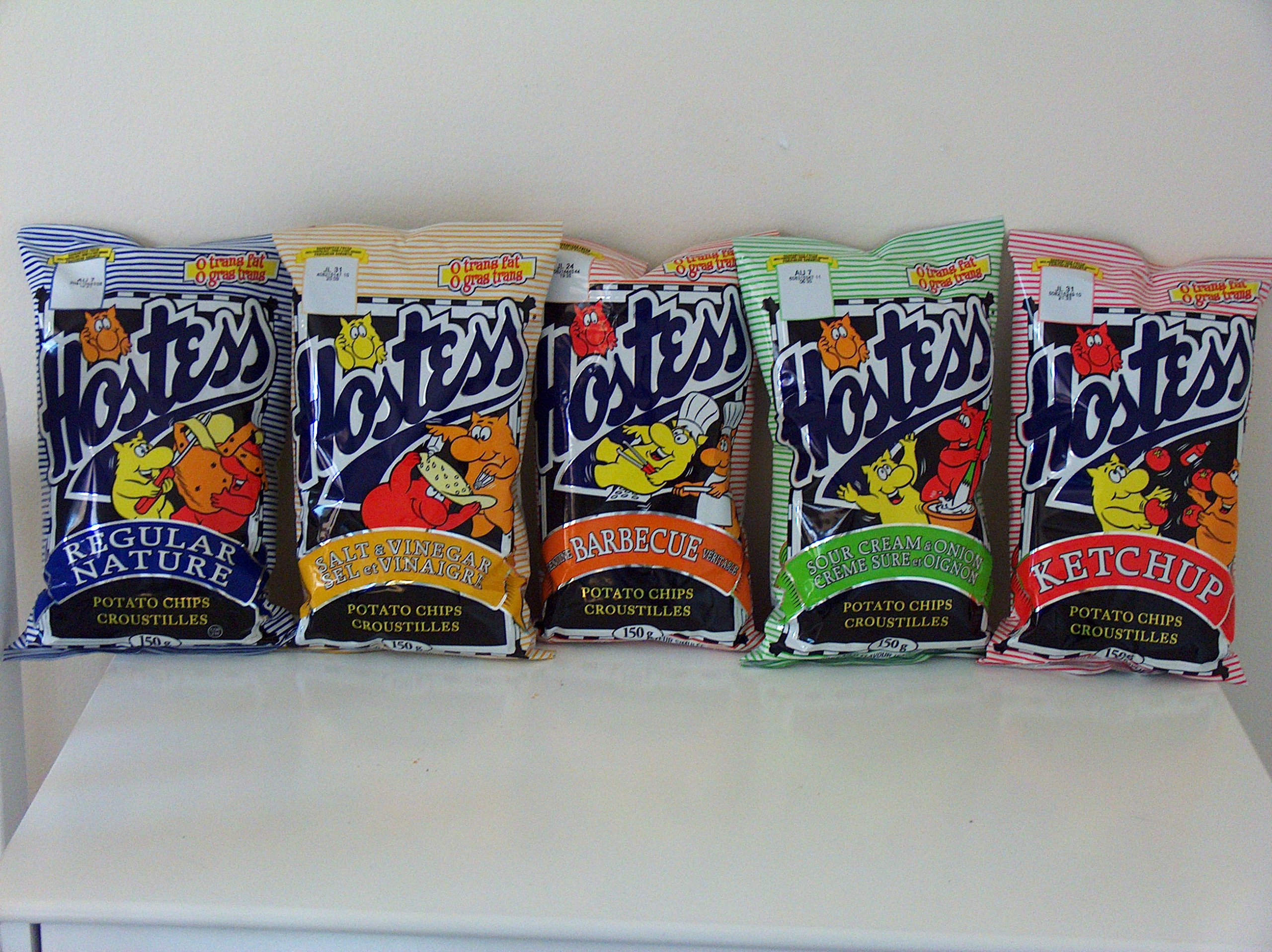
Hostess Brands filed for bankruptcy in 2012 and ceased operations briefly before being purchased and restarted in 2013. The cumulative bankruptcy substantially affected various Hostess products despite eventual brand revival. Specific items that disappeared during the cumulative transition: Twinkies, Ding Dongs, Ho Hos, various other classic Hostess products were temporarily unavailable during 2012-2013. The cumulative absence lasted approximately 6-8 months for most products.
Some specific Hostess products didn’t return after the cumulative restart. Various smaller Hostess brands (Wonder Bread under various ownership, various other items) experienced substantial supply disruptions. The cumulative event was substantial American food cultural moment despite eventual most-product restoration. Various American consumers experienced the cumulative Twinkie shortage as substantial cultural event with various nostalgic implications. The cumulative restart preserved most major Hostess products but with various subtle changes in recipes, packaging, and various other elements.
The Discontinued Flavors
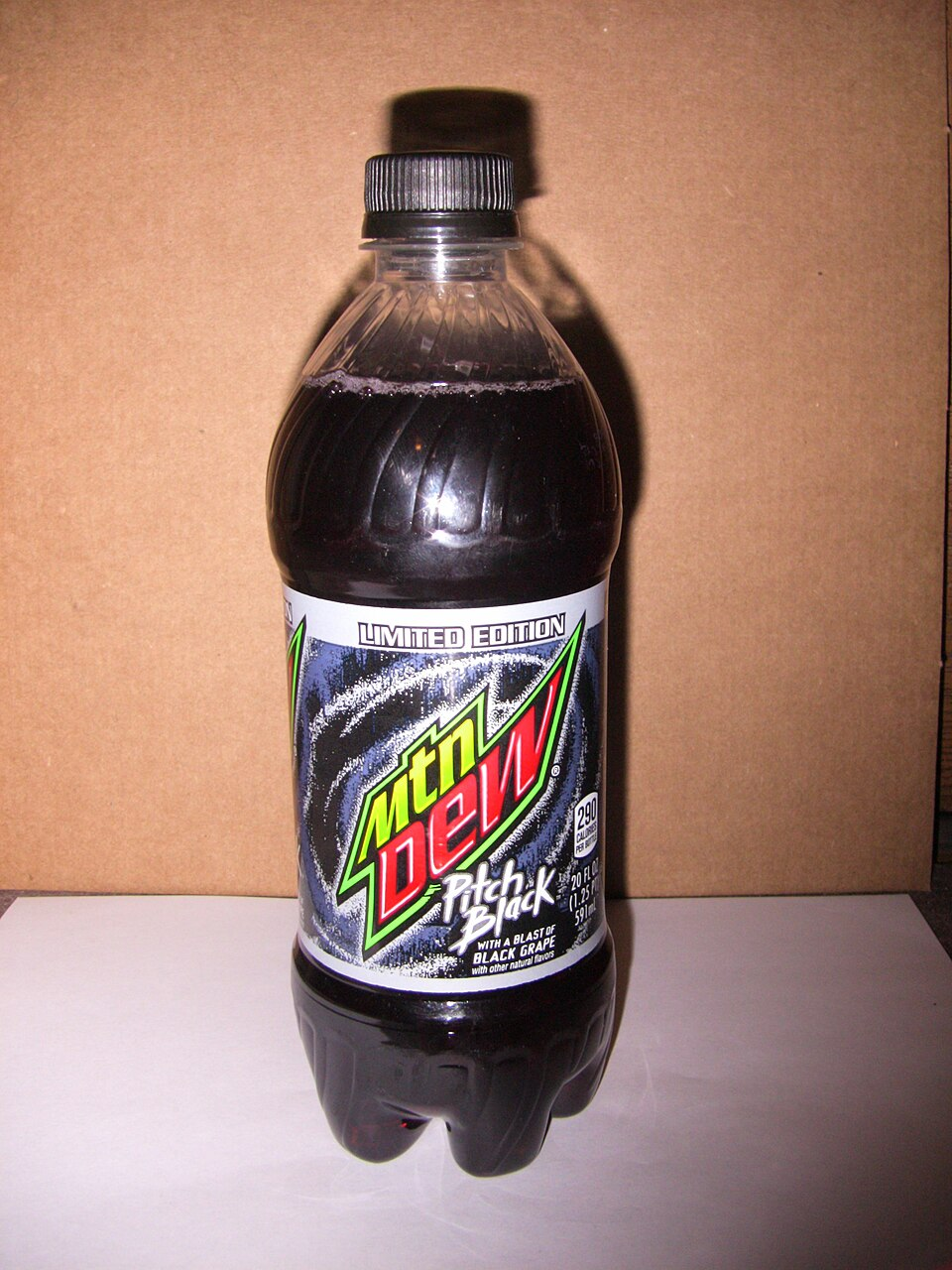
Various specific product flavors were discontinued across the 2010s without substantial public announcement. Mountain Dew Pitch Black (discontinued multiple times with various reintroductions). Coca-Cola Vanilla original formulation (replaced by various reformulations). Various specific Doritos flavors (3D Doritos eliminated, various seasonal flavors discontinued). Various specific Pop-Tarts varieties. Various specific cereal varieties. Specific seasonal items that didn’t return after specific years.
The cumulative discontinuations typically reflected specific sales analysis showing inadequate volume to justify continued production. Various seasonal flavors faced specific decisions during annual planning cycles. The cumulative pattern eliminated various items that maintained substantial cult followings despite inadequate mass-market sales. Various consumers actively campaign for specific discontinued items through social media, but most discontinuations are essentially permanent decisions that consumer demand cannot reverse without substantial documented mass-market opportunity.
The Bread Industry Changes
The American bread industry experienced substantial transformation across the 2010s. Wonder Bread underwent multiple ownership changes during and after the Hostess bankruptcy. Various specific bread brands experienced substantial market share changes. Specific bread varieties (specific Pepperidge Farm products, various Sara Lee items, various other brands) saw discontinuations. The cumulative bread industry transformation substantially affected what specific bread products consumers could find on shelves.
The cumulative changes reflected various factors. Health-conscious consumer trends shifted demand toward whole-grain and specialty breads while reducing demand for traditional white bread varieties. Specific store-brand alternatives substantially competed with traditional brand products. Various supply chain economics affected specific product viability. The cumulative result: bread aisles look substantially different in 2026 than they did in 2010, despite serving similar basic consumer function. Various specific bread products that consumers remember from earlier periods no longer exist in identical form.
The Specific Cookie Varieties
Various specific cookie products disappeared across the 2010s. Specific Pepperidge Farm varieties, various Keebler discontinuations, specific Nabisco eliminations, and various other brand-specific cookie changes substantially affected cookie aisle inventory. The cumulative changes reflected business decisions that mainstream consumers didn’t substantially recognize until specifically attempting to find specific products that had been discontinued.
Various specific cookies that disappeared had substantial cultural significance for specific consumer groups. Specific products with multi-decade market presence sometimes face discontinuation despite substantial sales because corporate strategy decisions favor specific brand consolidation or recipe modernization. The cumulative pattern across cookie products mirrors broader food industry consolidation patterns that have substantially reduced product variety in various categories. American cookie aisle inventory in 2026 substantially differs from 2010 inventory despite serving similar basic consumer function.
The Frozen Food Aisle Changes

Frozen food aisles experienced substantial transformation across the 2010s. Various specific frozen meal brands disappeared or substantially reformulated their offerings. Specific frozen vegetable preparations (specific brand varieties, particular preparations) were discontinued. Various specific frozen dessert items experienced changes. The cumulative frozen aisle changes reflected substantial consumer preference shifts away from traditional frozen meal formats toward fresh alternatives and various other options.
The cumulative changes were partly driven by changing consumer eating patterns. Various millennials and younger consumers substantially reduced frozen meal consumption compared to previous generations. The cumulative demand reduction enabled various product discontinuations and shelf space reallocations. Various brands specifically introduced new frozen products targeting health-conscious consumers, but specific traditional frozen meals substantially decreased in availability. The cumulative result: frozen aisles look substantially different in 2026 than 2010 despite occupying similar grocery store space.
The Yogurt Section Transformation

The American yogurt section experienced one of the most substantial 2010s grocery transformations. Greek yogurt, which barely existed in American grocery stores in 2010, became substantial portion of yogurt category by 2015. Specific Greek yogurt brands (Chobani, Fage, various others) substantially expanded market share. Traditional yogurt brands (Yoplait, various others) substantially modified their products or lost market share. The cumulative yogurt category transformation was substantially among the most dramatic 2010s grocery category changes.
Various specific traditional yogurt products experienced discontinuation as a result. Specific Yoplait varieties were eliminated. Various other traditional yogurt formats decreased availability. Specific French-style yogurts, Australian-style yogurts, and various other variations emerged. The cumulative yogurt section in 2026 substantially differs from 2010 in essentially every dimension — brands, styles, flavors, packaging, and various other characteristics. Various American consumers who haven’t recently shopped for yogurt are substantially surprised by current yogurt selection compared to 2010 patterns.
The Soft Drink Reformulations

Various major soft drinks experienced substantial reformulations across the 2010s. Specific drinks substituted high-fructose corn syrup with cane sugar in various markets. Specific drinks were reformulated to reduce sugar or use specific alternative sweeteners. Specific drinks underwent specific flavor adjustments that affected cumulative consumer experience.
The cumulative reformulations typically didn’t receive substantial public announcement. Many consumers experienced subtle flavor differences from familiar products without specifically understanding what had changed. Various specific reformulations were responses to changing consumer preferences regarding sugar content and ingredient transparency. Other reformulations reflected specific supply chain economics or regulatory considerations. The cumulative result: even traditional soft drinks that appear identical to 2010 versions may taste substantially different due to specific reformulation history that mainstream consumers don’t typically track.
The Healthy-Reformulation Wave

A specific 2010s trend involved substantial product reformulations to reduce sugar, salt, trans fats, and various other components associated with negative health effects. Specific products underwent specific changes: various cereals reduced sugar content, various snack foods eliminated trans fats, various processed foods reduced sodium, and various other specific changes. The cumulative reformulations affected essentially every grocery store category.
The cumulative reformulations typically improved health metrics but often substantially affected taste characteristics. Various consumers specifically prefer original versions of reformulated products. Various other consumers welcome the cumulative health improvements. The cumulative result represents substantial American food industry transformation across approximately one decade — specific products that maintain identical names and similar packaging frequently contain substantially different ingredients and produce substantially different consumer experiences compared to 2010 versions.
The Snack Aisle Specifically
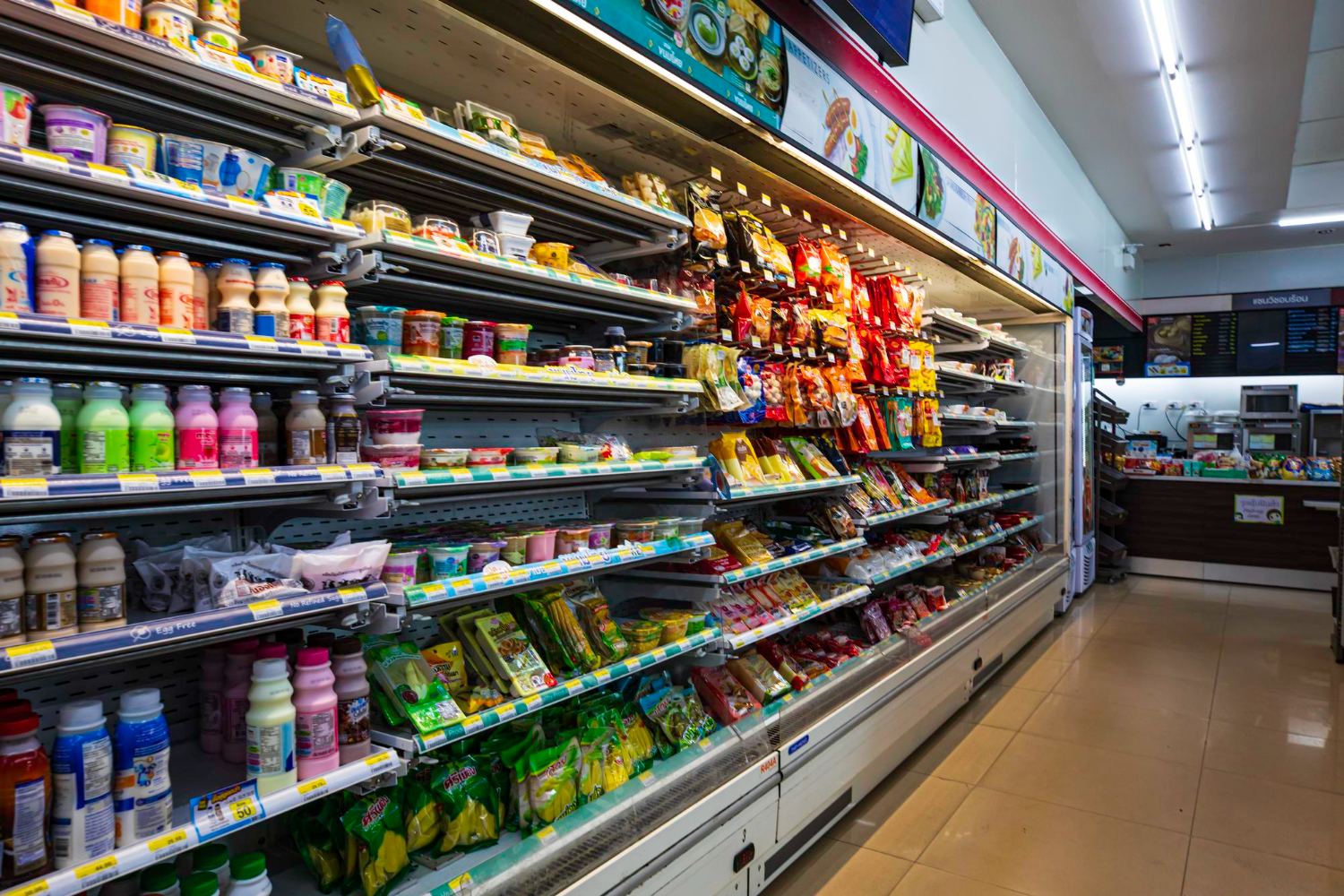
The American snack aisle experienced substantial transformation across the 2010s. Various specific chip varieties (specific Doritos flavors, specific Lay’s varieties, specific Pringles flavors) were discontinued or reformulated. Various specific candy products underwent specific changes. Various specific snack items disappeared entirely. The cumulative snack aisle inventory in 2026 substantially differs from 2010 selection.
The cumulative changes reflected specific business strategy decisions plus changing consumer preferences. Various snack brands substantially expanded with new flavors and formats while discontinuing specific traditional varieties. Various specific seasonal snacks reduced availability or changed substantially. The cumulative pattern across snack categories mirrors broader food industry trends toward specific brand consolidation, flavor experimentation in trendy directions, and various other strategic shifts. American snack aisle shopping in 2026 produces substantially different experience compared to 2010 patterns despite similar basic function.
What This Transformation Actually Reveals

The 2010s American grocery store transformation represents specific aspect of substantial food industry evolution across approximately one decade. The cumulative changes reflect specific corporate decisions, changing consumer preferences, regulatory pressures, supply chain economics, and various other factors that combined to substantially modify what American consumers can actually purchase. Various specific products that consumers expected to always be available substantially disappeared. Various other products underwent reformulations that mainstream consumers didn’t recognize as substantial changes. The cumulative result: American grocery stores in 2026 substantially differ from 2010 versions despite serving similar basic function. Whether the changes represent progress or loss depends on specific values about what grocery stores should provide. Various health-improvement reformulations probably represent genuine improvements. Various product discontinuations probably represent specific losses for consumers who valued the discontinued products. The cumulative net effect is substantially mixed rather than uniformly positive or negative. The cumulative pattern will continue across coming decades as American food industry continues evolving in response to various market and regulatory factors. Specific grocery store inventory in 2036 will likely substantially differ from current 2026 inventory just as 2026 differs substantially from 2010 versions. Various consumers experience these cumulative changes as substantial personal cultural moments when they realize specific familiar products no longer exist in identical form.