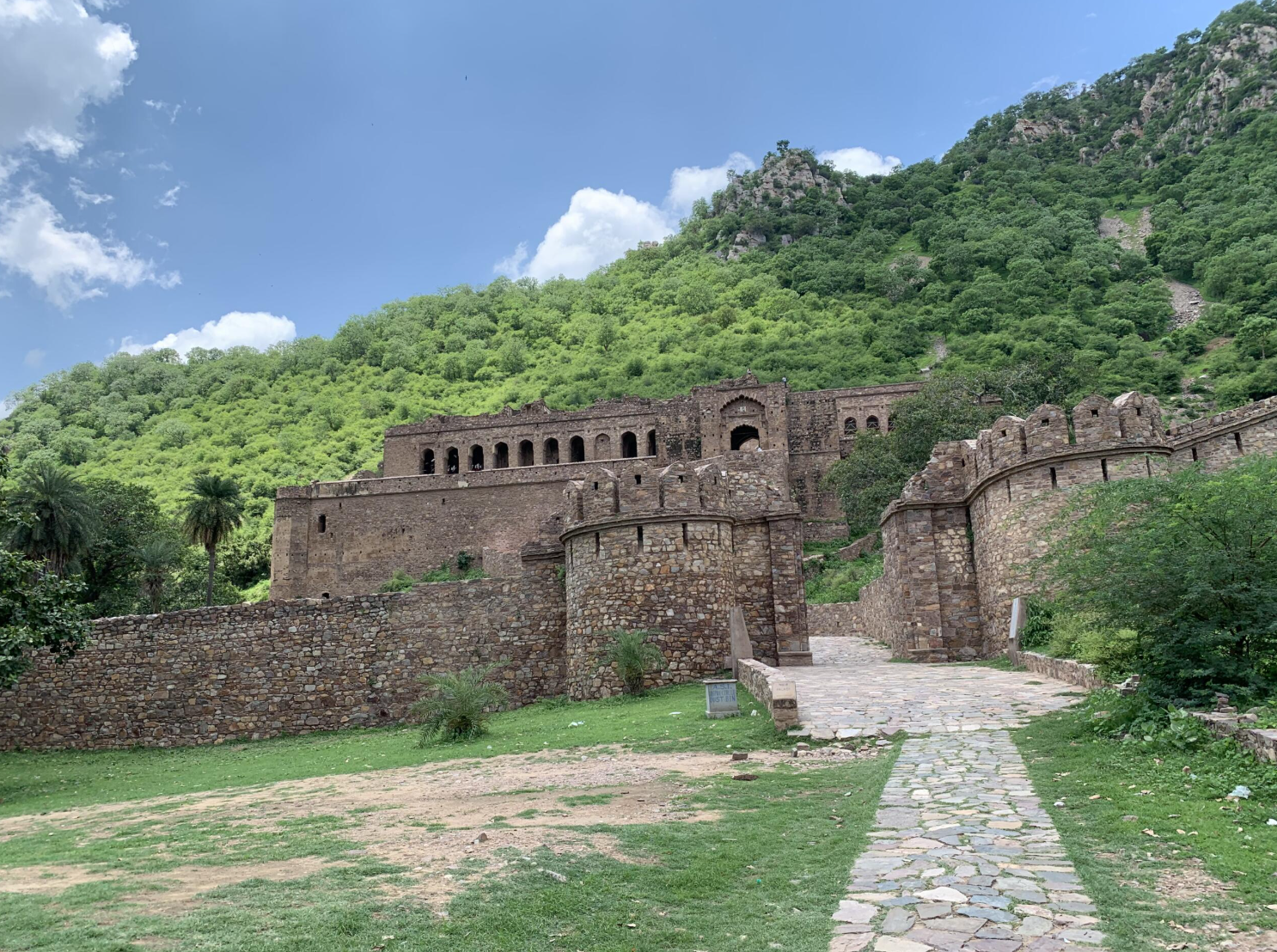
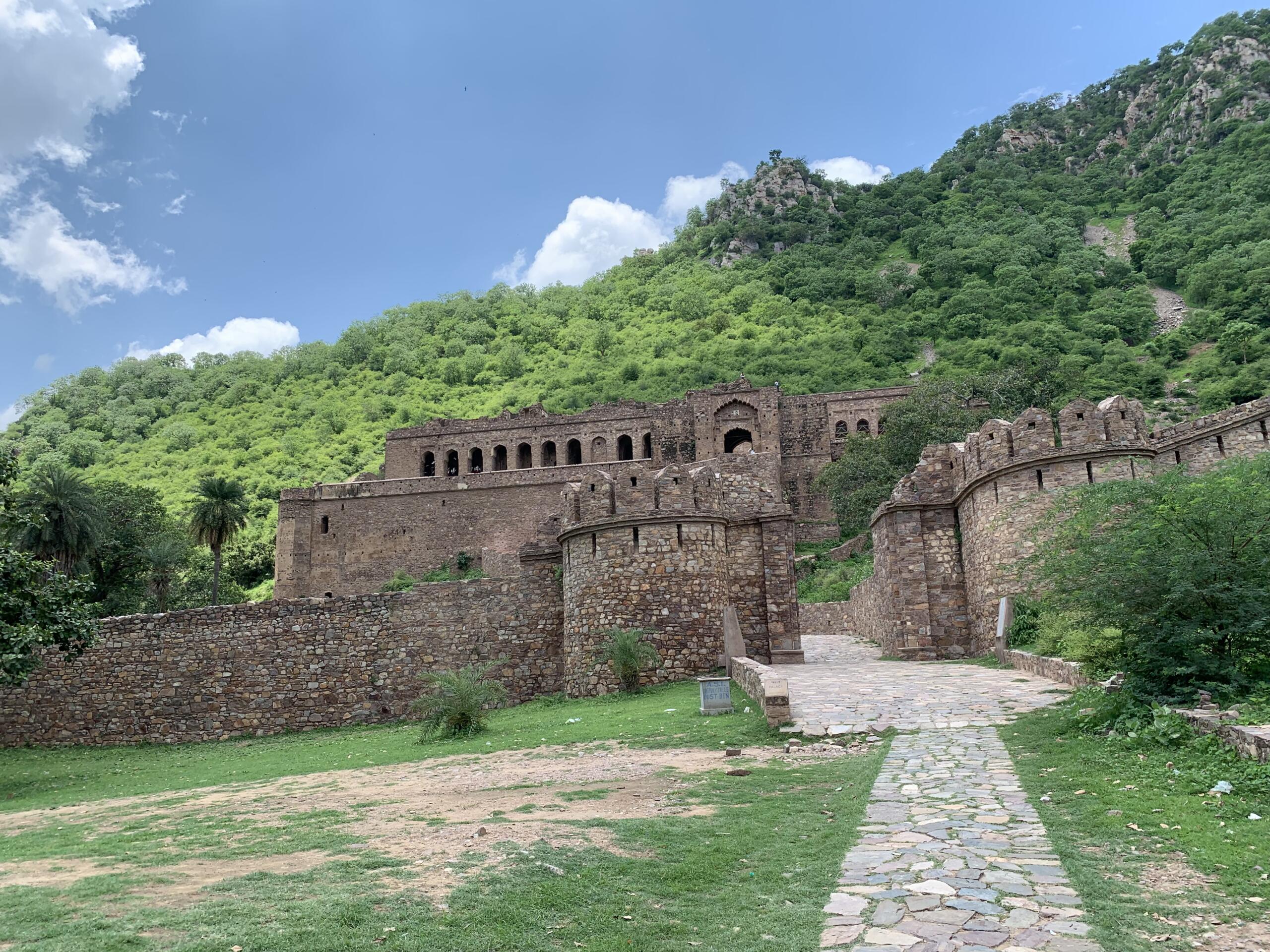
Bhangarh Fort, in Rajasthan, is the only place in India where the Archaeological Survey of India has posted an official sign forbidding entry between sunset and sunrise. The local legends about why are competing curses; the historical record tells a more complicated story.
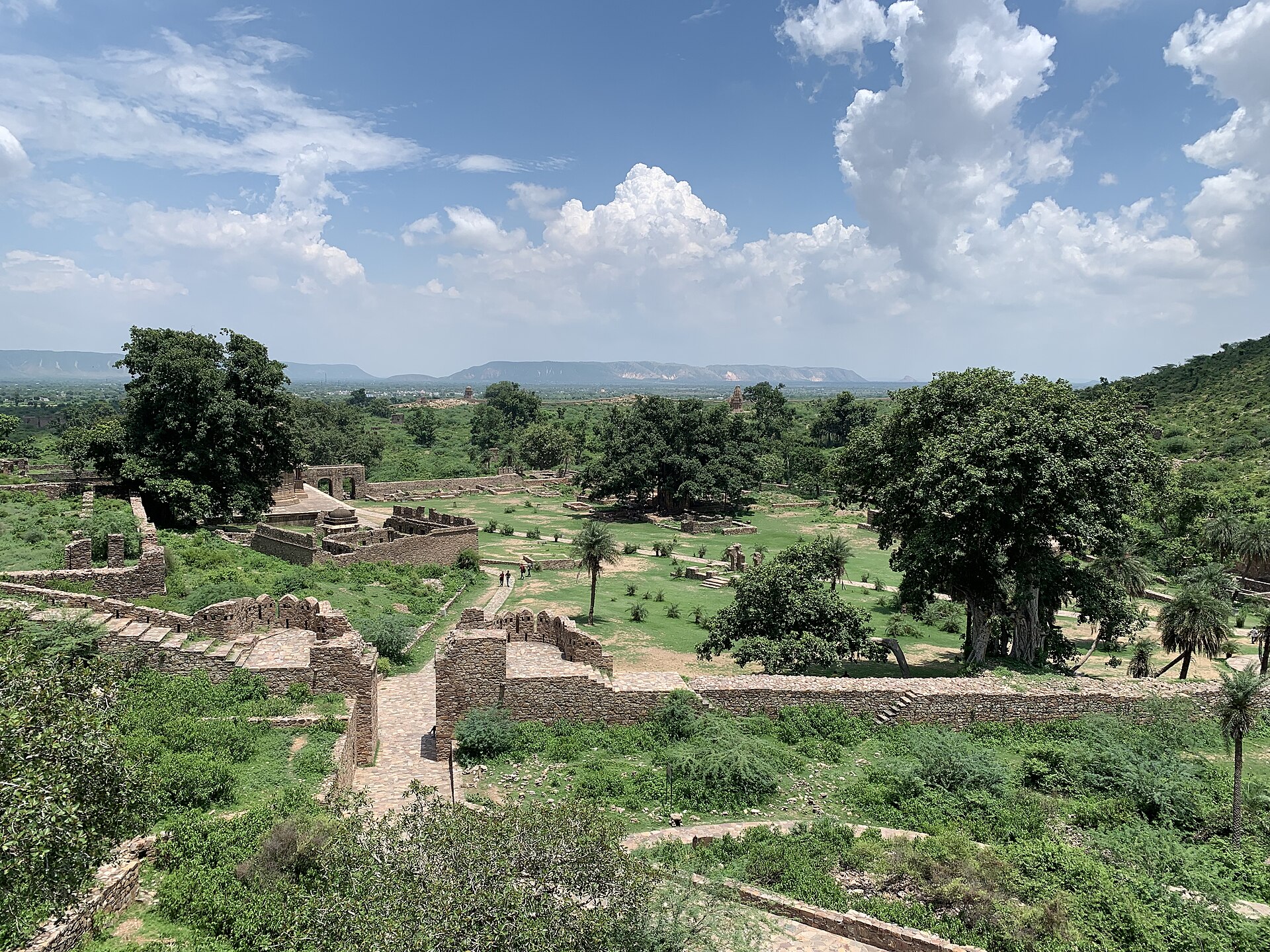
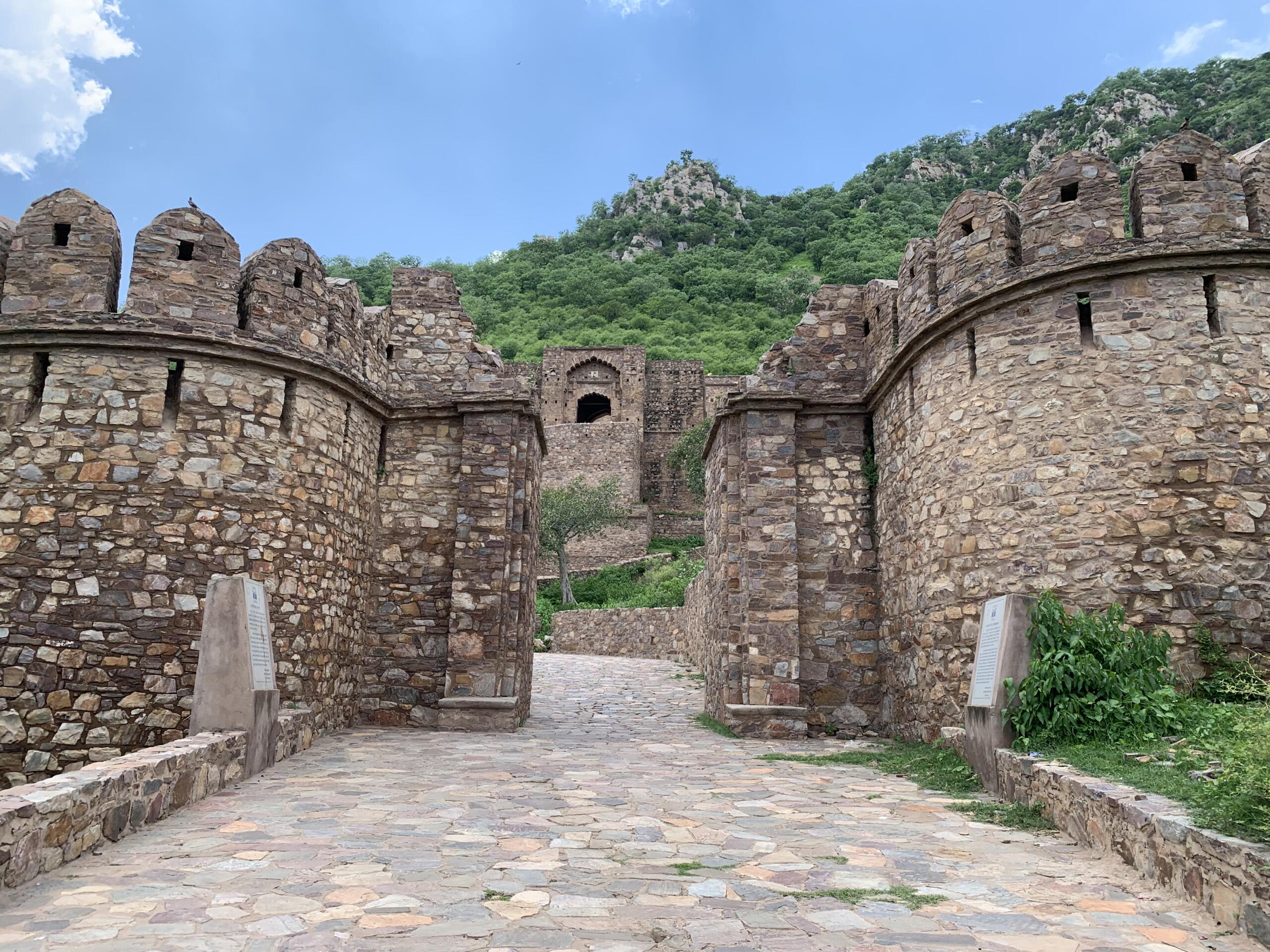
About 53 miles east of Jaipur in Rajasthan, India, where the Aravalli Hills give way to the dry plains of northern India, the ruins of a 16th-century fortress complex sprawl across approximately 100 acres at the base of a mountainside. By any architectural measure, it’s a major Rajput-era heritage site.
It’s also officially forbidden to enter after dark.
1: The official sign at the entrance
At the entrance to Bhangarh Fort, the Archaeological Survey of India has posted a sign in Hindi that reads, in approximate English translation: “Entering the borders of Bhangarh before sunrise and after sunset is strictly prohibited. Legal action would be taken against those who do not follow these instructions.” This is the only place in India where the ASI has posted such a sign. Other historical sites have closing hours, but no others have an explicit legal prohibition on after-dark entry. Bhangarh is what’s locally referred to as “India’s only legally haunted place.”
2: A 100-acre abandoned city
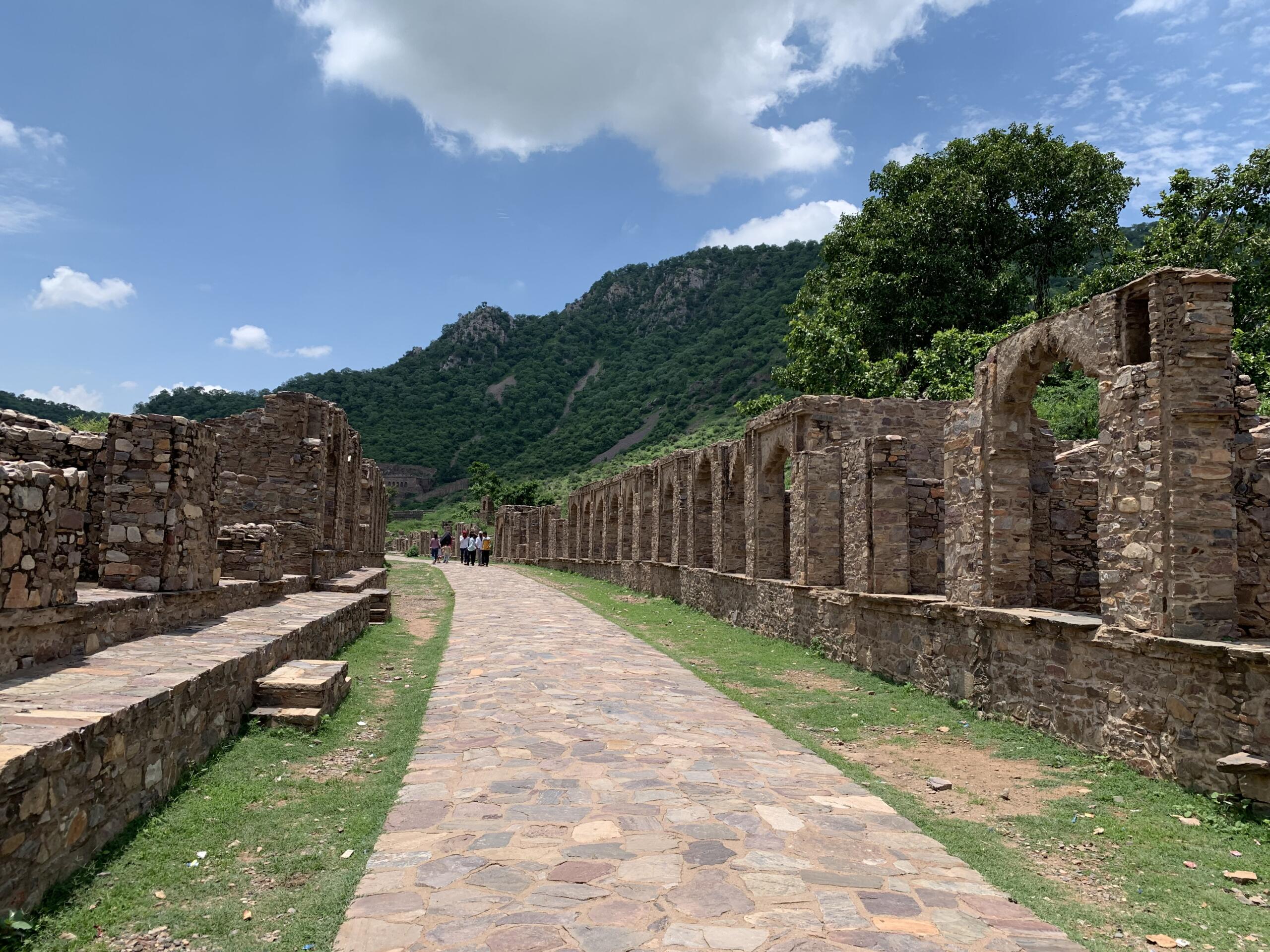
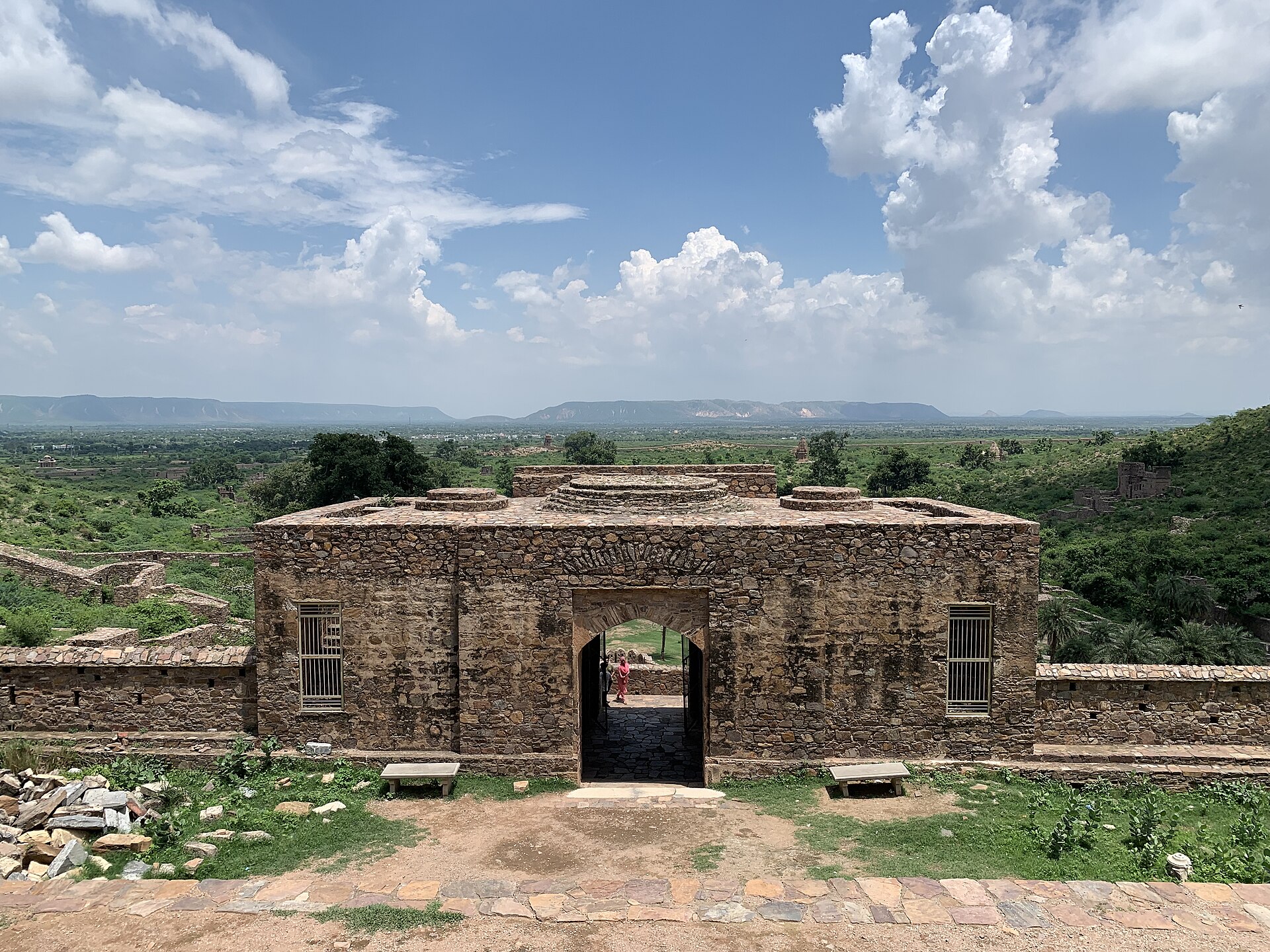
The complex includes a fort, a palace, multiple Hindu temples, an ancient bazaar, residential havelis (mansions), and the surrounding boundary walls. The fort was built in 1573 by Raja Bhagwant Das of Amber, who gave it as a princely seat to his son Madho Singh I. Madho Singh’s brother was Man Singh I — the Mughal general who served Emperor Akbar and became one of the most powerful Rajput nobles of the era. Bhangarh was a significant Rajput court for several generations, with the population reportedly reaching approximately 10,000 at its peak.
3: The first curse — the sorcerer’s revenge
There are two main competing legends about why Bhangarh was abandoned. According to the most-told version, Princess Ratnavati of Bhangarh was extraordinarily beautiful, with many suitors. A powerful sorcerer (tantrik) named Singhia became obsessed with her and decided to win her using black magic. Knowing the princess’s maid was buying perfume for her at the market, Singhia cast a spell on a bottle of attar (perfume) — a spell that would cause Ratnavati to fall hopelessly in love with him as soon as she applied it.
4: The boulder that crushed him
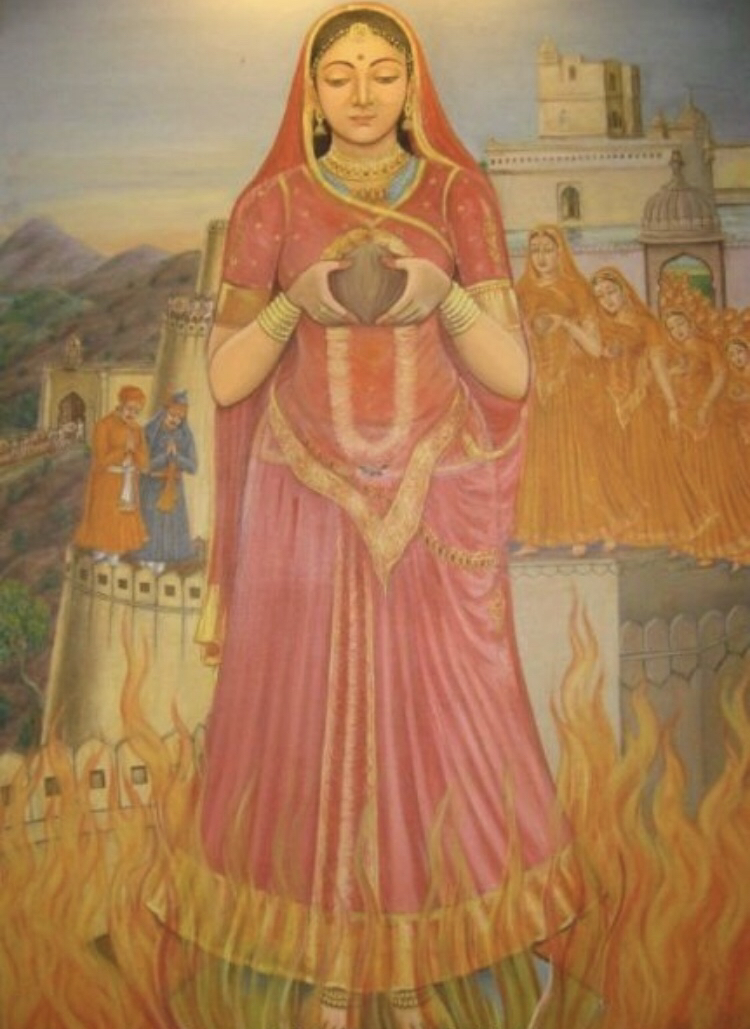
But Ratnavati, who was herself trained in magic, sensed the trickery. Before applying the perfume, she threw the bottle onto a large boulder. The enchanted boulder began rolling and crushed Singhia to death. Before he died, the sorcerer cursed the entire kingdom of Bhangarh — the inhabitants would die, the city would fall, and no soul would ever again be reborn within its boundaries. Shortly after the curse was uttered, war broke out between Bhangarh and a neighboring kingdom. The princess died in the fighting. The city fell.
5: The second curse — the broken covenant
A different version traces the curse to a Hindu holy man named Guru Balu Nath, who lived as an ascetic on the hilltop where the fort would later be built. When the local king Madho Singh sought permission to build the fort on the holy man’s land, the ascetic granted permission on one condition: the shadow of the fort must never reach Balu Nath’s meditation spot. Madho Singh agreed. The original fort was built within the agreed limits. But a successor — the ambitious King Ajab Singh — extended the fort vertically. The taller fort cast a shadow that reached Balu Nath’s hilltop. The ascetic, betrayed, cursed the entire fort and city. Famine followed. The population fled.
6: What actually happened, historically
The historical record of Bhangarh’s abandonment is significantly less dramatic than either legend. The decline appears to have happened gradually rather than suddenly, driven by political and economic factors. Madho Singh I’s descendants faced multiple succession conflicts that weakened the kingdom over generations. A devastating regional famine in 1783 caused mass starvation across Rajasthan. Bhangarh was one of many settlements that lost a significant portion of its population during the famine. In the early 1800s, the Bhangarh region was absorbed into the larger Alwar State, accelerating the decline.
7: Why the ASI actually posted the sign
The Archaeological Survey of India’s prohibition on after-dark entry has a documented administrative history that combines safety concerns, preservation issues, and acknowledgment of local cultural beliefs. The fort’s structures have deteriorated significantly over four centuries. Many sections are unstable, with risk of collapse. The site has no electric lighting, making after-dark navigation genuinely dangerous. The surrounding area is part of the Sariska Tiger Reserve, with confirmed populations of leopards, wild boar, and other potentially dangerous wildlife. Multiple unexplained deaths and disappearances have been documented at the site over the decades.
8: The temples within
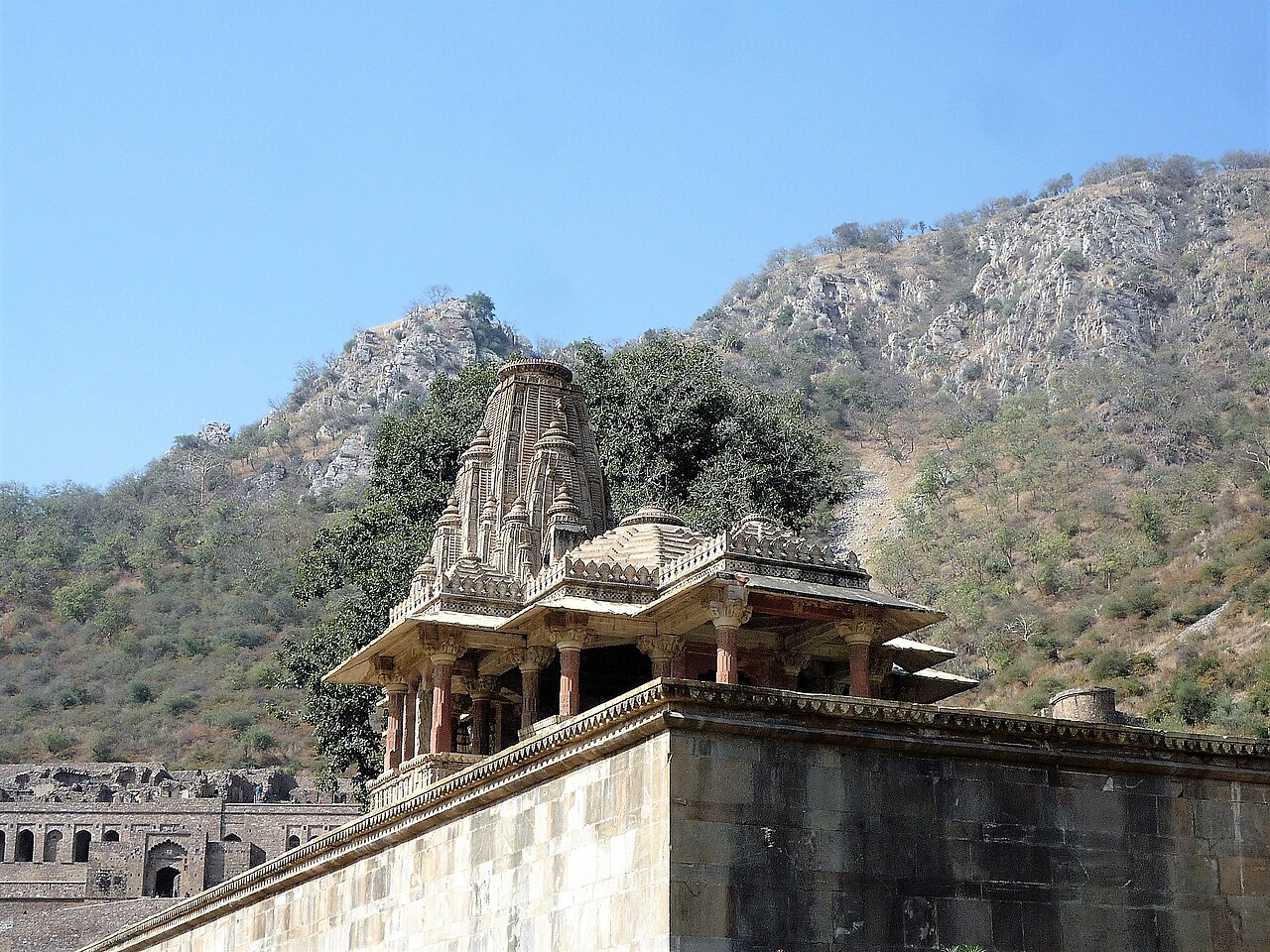
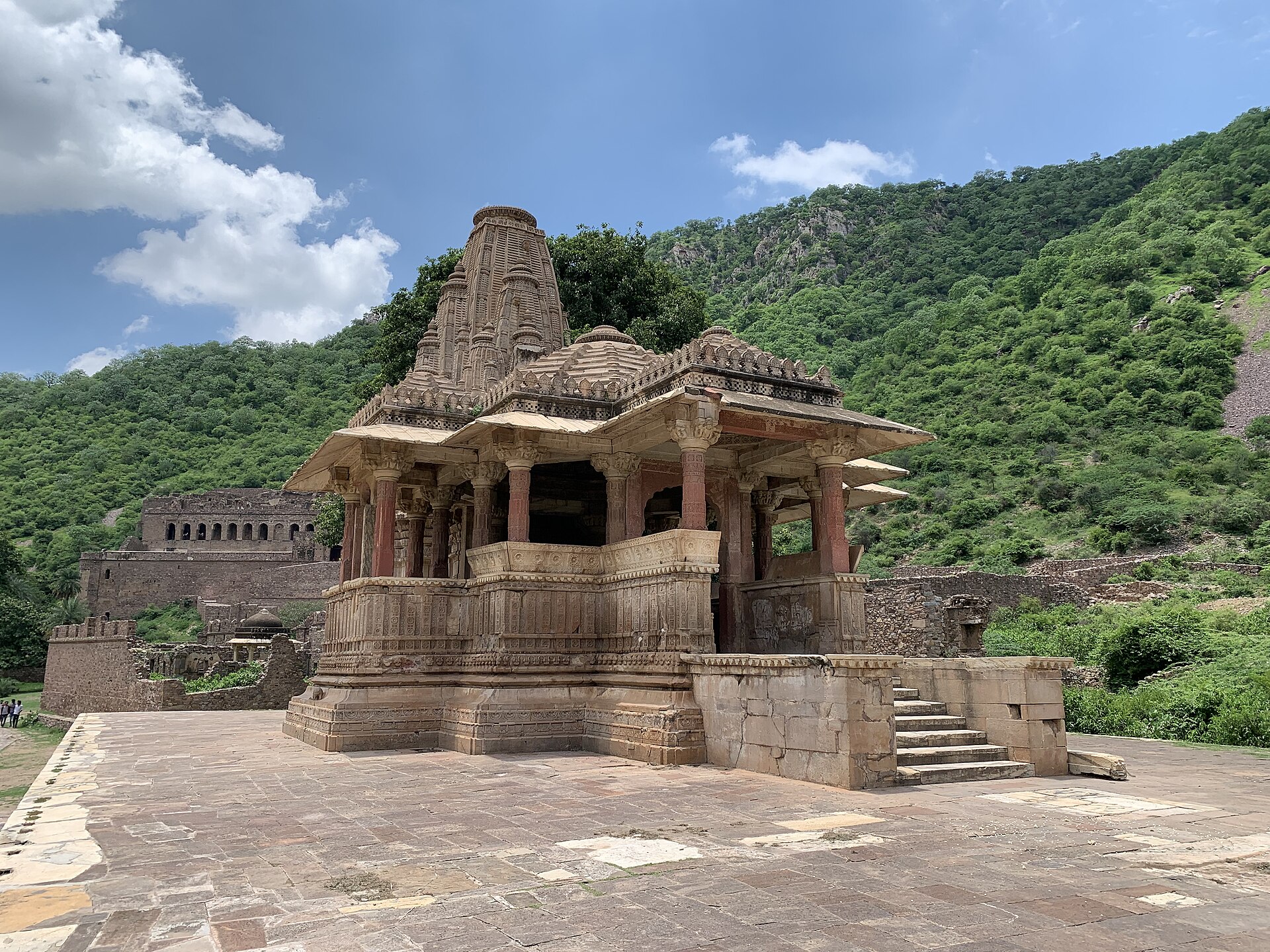
For tourists who visit during permitted hours (sunrise to sunset), Bhangarh is genuinely impressive as an architectural site. The complex includes multiple Hindu temples — the Someshwar Temple (dedicated to Shiva), the Mangla Devi Temple, the Keshav Rai Temple, and others. The temples remain partially intact and contain notable Hindu iconography. The Someshwar Temple has a sacred water tank that, according to local belief, holds healing properties. The temples and their sculptures predate most of the abandonment legends.
9: The two tombs
Within the fort complex are two tombs that anchor the two competing legends. The Tantrik’s tomb sits on a small hill near the fort, traditionally identified as the tomb of the cursed sorcerer from Legend 1. Guru Balu Nath’s tomb is a separate tomb structure within the fort complex, identified as the burial place of the ascetic from Legend 2. Both tombs are visited by tourists and treated as significant markers of the local oral tradition, regardless of whether visitors believe the legends literally.
10: What visitors actually report
Many visitors report what they describe as “an unusual vibe” or “feeling of unease” while exploring the fort during daylight hours. Whether this represents genuine paranormal activity, the suggestive power of the legends, or simply the natural eeriness of a 400-year-old abandoned fortress is impossible to determine objectively. The fort guards and ASI personnel who work at the site daily generally deny seeing or experiencing anything unusual. They tell visitors the legends because tourists ask, but treat the place as just another archaeological monument.
11: How to actually visit
The site is officially open from 6 AM to 6 PM. Entry is currently free for all visitors (Indian and foreign). Video cameras are permitted with a small fee (around 25 INR). Photography with phone cameras is unrestricted. The nearest major city is Jaipur, approximately 78 km from Bhangarh. The nearest railway station is Bandikui (about 24 km from the fort). Best time to visit is September through February. There are no hotels at Bhangarh itself — the nearest are in Alwar (about 50 km away).
12: A masterclass in cultural memory
Bhangarh is a useful case study in how cultural memory works. The actual historical events — succession disputes, famine, political reorganization, and gradual abandonment — were complex and difficult to make narratively satisfying. The local response was to distill those events into memorable supernatural stories that explained the desolation in dramatically resonant ways. The “haunted” label has become, paradoxically, a major preservation tool for the site. The ASI’s prohibition on night entry protects against vandalism. The ghost stories draw tourists, providing economic support for local guides and small businesses.
13: A place where boundaries remain intact
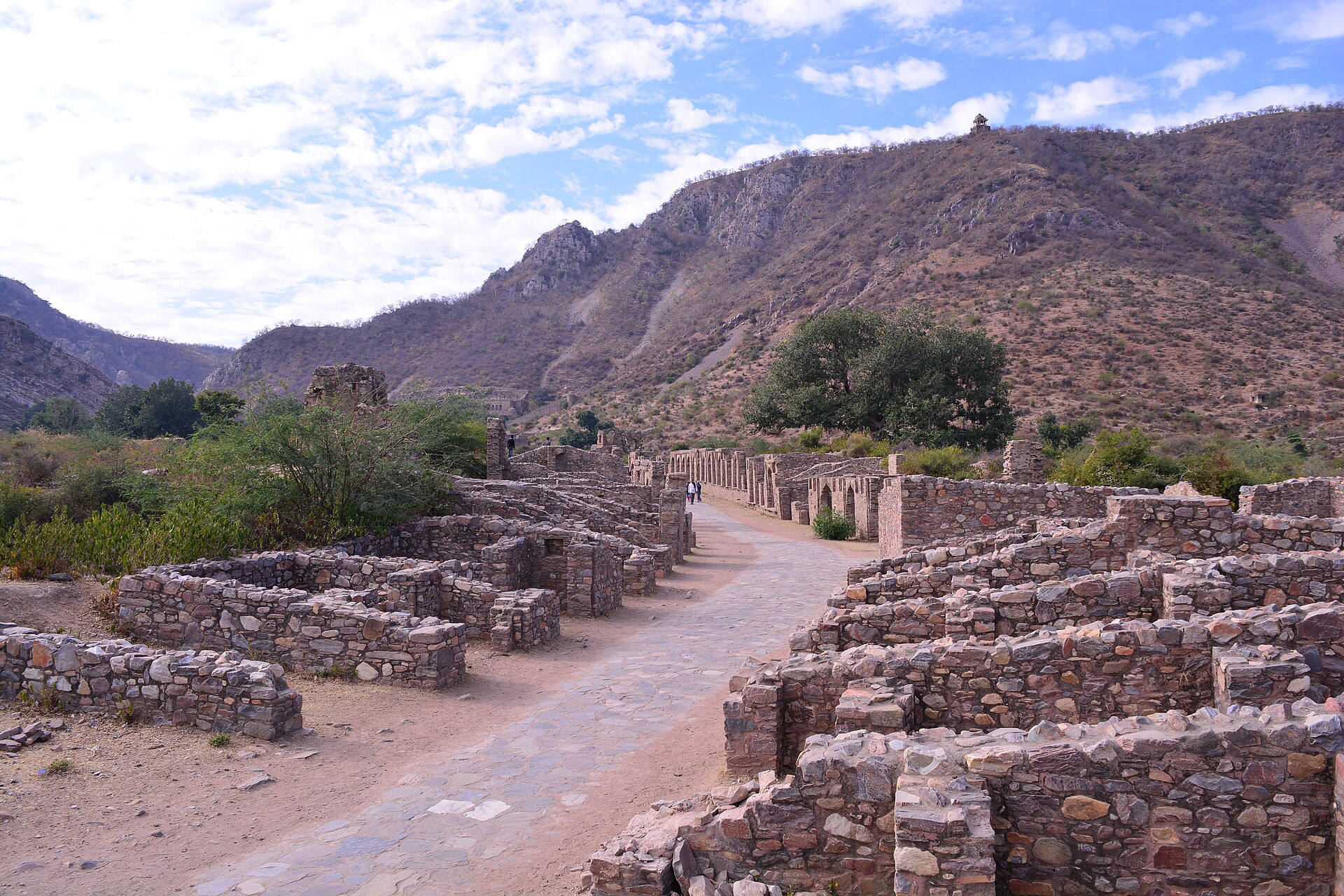
Walking through Bhangarh as the sun moves toward the horizon — knowing you have to leave before it sets, knowing the fort has been here for 450 years, knowing that thousands of people once lived in the now-empty bazaars and havelis — produces an experience that’s neither purely historical nor purely supernatural. It’s the kind of layered encounter with a place that very few destinations actually offer. You won’t see ghosts at Bhangarh. But you will see something that, in its own way, is just as unusual: a place where India has formally acknowledged that some boundaries between the rational and the cultural are best left intact.