In 1962 one caller in a neighbourhood was different from all the others: he arrived offering money rather than asking for it. A person at a door wanting to be paid is of no interest to anybody under twelve, and a person arriving with coins for things nobody wanted is a completely different proposition. He was also the only adult a child of that period could do business with – initiate a transaction, conduct it and conclude it themselves. Here are sixteen things every American kid remembers about the scrap man in 1962, and why no neighborhood sees any of it anymore.
1. He Was Buying Rather Than Selling and That Made Him Unique
Every other caller in a neighbourhood wanted money from a household, and this one arrived offering it.
The reversal is the whole reason children paid attention. A person at a door asking to be paid is of no interest to anybody under twelve; a person arriving with coins, for things nobody wanted, is a completely different proposition.
It also made him the only adult a child could do business with. Nothing else available to a child of that period involved a transaction they could initiate, conduct and conclude themselves, which is why the arrangement is remembered so vividly.
Like our content? Follow us for more.
2. You Heard Him Before You Saw Him

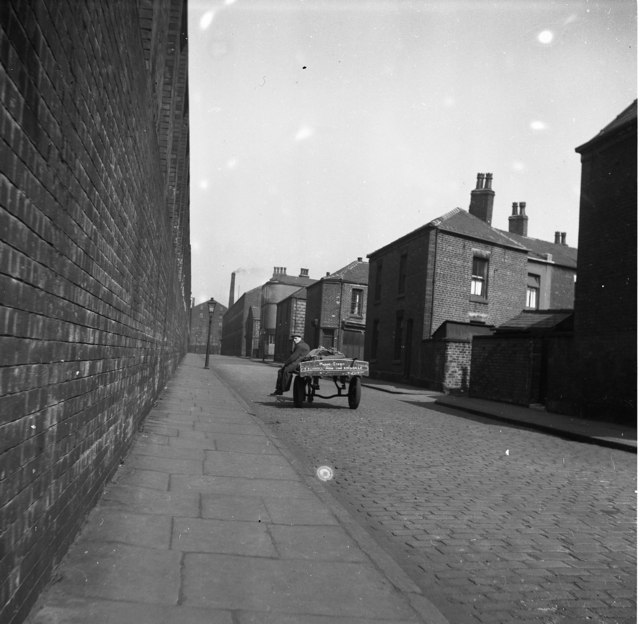
The approach was announced by sound – a call, a bell, the vehicle itself – from several streets away.
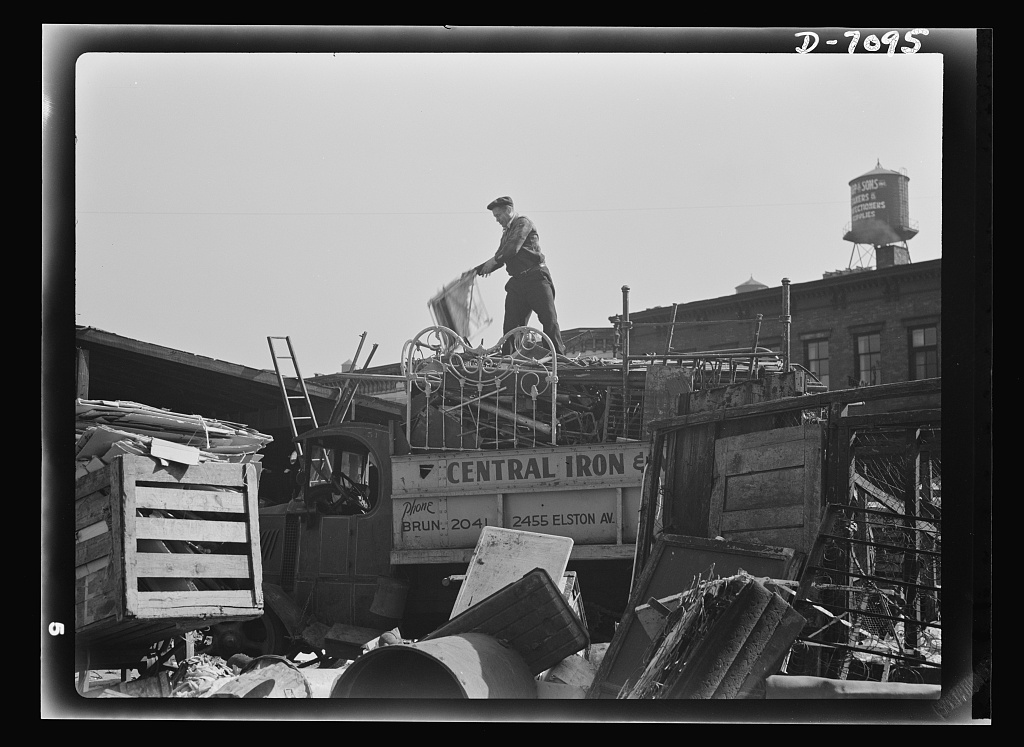
The warning was deliberate and necessary. A collector who arrived silently got nothing, because the material he wanted was in sheds, cellars and back yards and took several minutes to assemble, so the announcement had to precede the arrival.
Children were the alarm system. The sound was identified first by whoever was outside, and the information travelled through a neighbourhood considerably faster than the vehicle did.
3. The Call Itself Was Unintelligible and Everybody Understood It
Whatever was being shouted had worn down over years into a sound that no longer contained recognisable words.
The erosion was inevitable. A phrase repeated several hundred times a day for years becomes a noise, and the people hearing it did not need the words because they already knew what the noise meant.
Children imitated it constantly. Reproducing the call was a standard piece of neighbourhood mimicry, performed badly, and a considerable number of people can still approximate the one from their own street.
4. What He Would Take Was Specific and Not Obvious
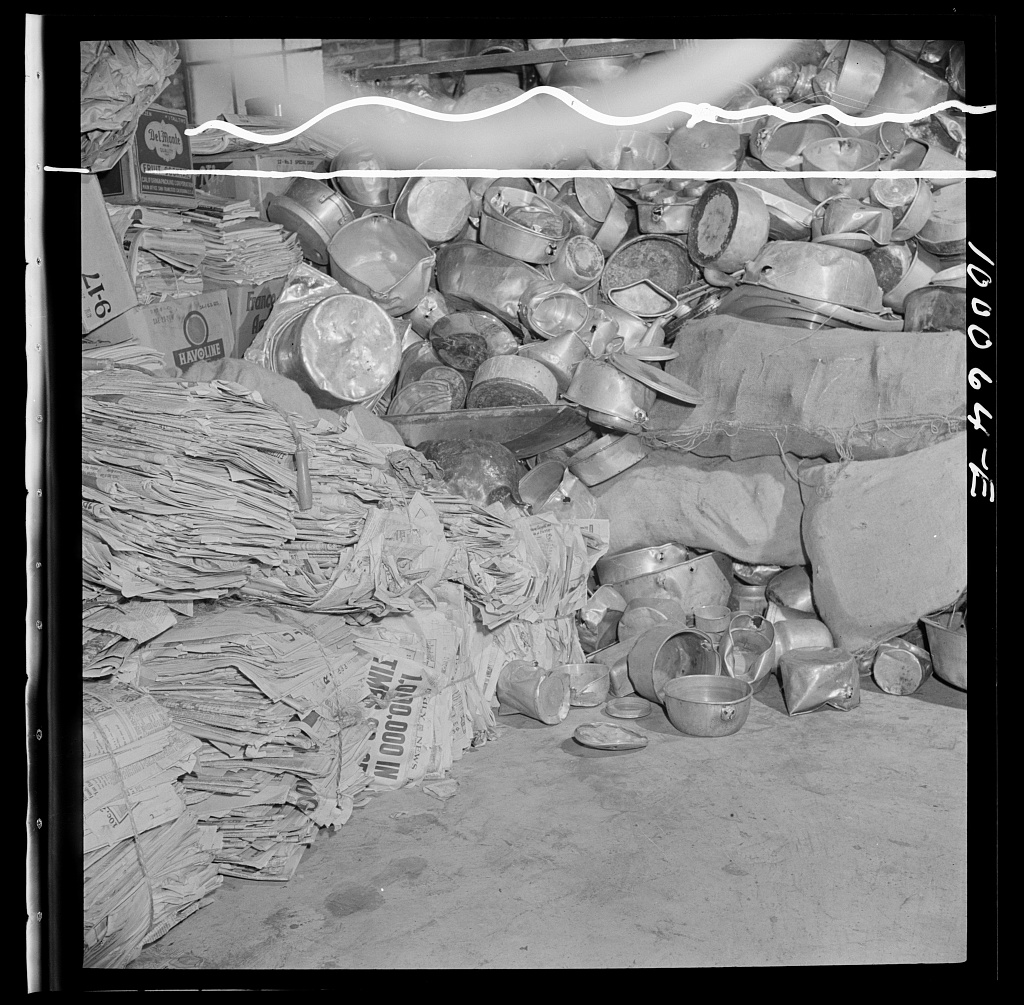
Certain materials were wanted and others were refused, and the distinction was commercial rather than apparent.
The logic was entirely about resale. A collector took what he could sell on by weight and declined everything else, which meant two objects that looked equally like rubbish to a child had completely different standing.
Children learned the list by being turned down. Arriving with something worthless, having carried it a hundred yards, is how the education happened, and it only had to happen twice.
There was also no way of knowing when he would next appear. A collector working several neighbourhoods on no stated schedule might return in a fortnight or in three months, which meant a child who missed one visit had no idea whether the next chance was close or distant, and nobody they could ask.
5. Weight Was Everything and Children Had None of It
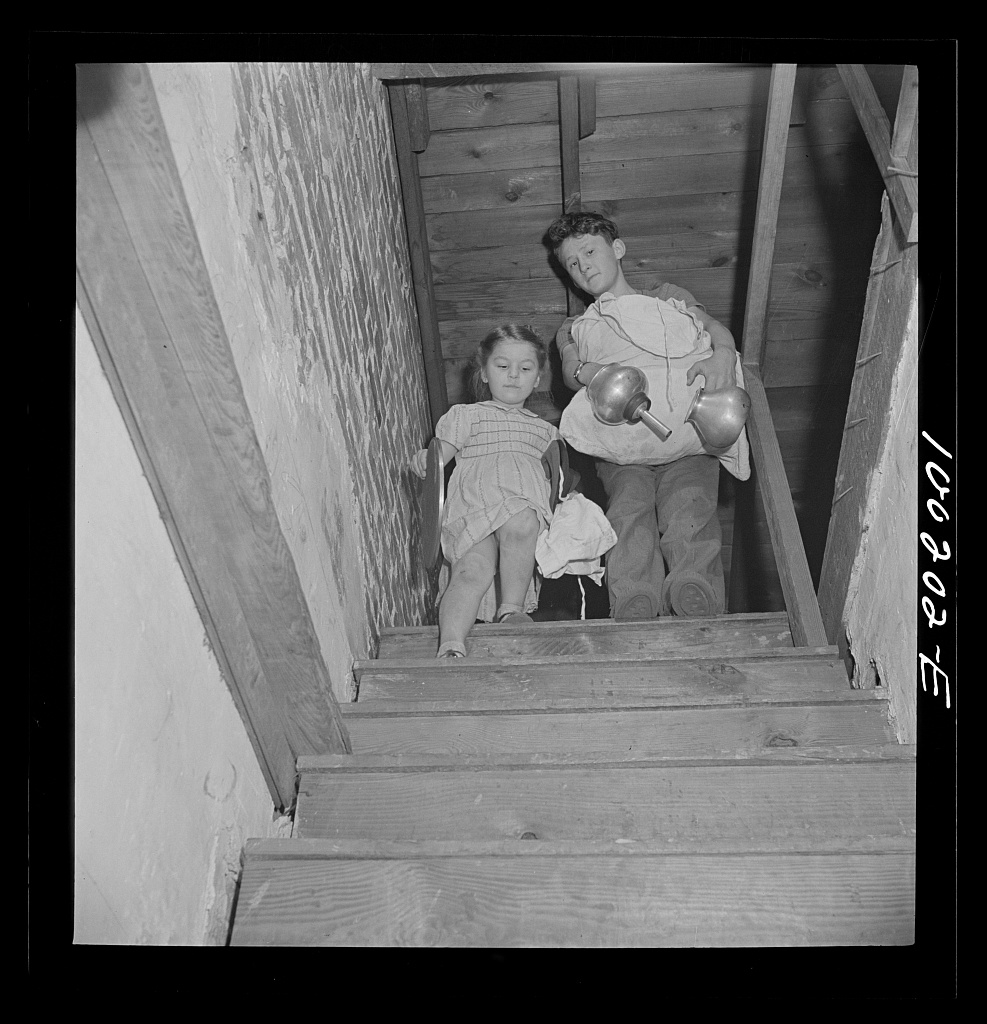
The transaction was by weight, which meant a child’s contribution was almost always too small to be worth anything.
The arithmetic was brutal and honest. A quantity a child can carry is a quantity worth very little, and the collector had no reason to pretend otherwise, which meant most of these dealings concluded in a trivial sum.
The sum was not the point and everybody involved knew it. A collector who handed a coin to a child for a near-worthless armful was conducting a piece of public relations with the household behind that child.
6. The Scales Were the Centre of the Whole Operation
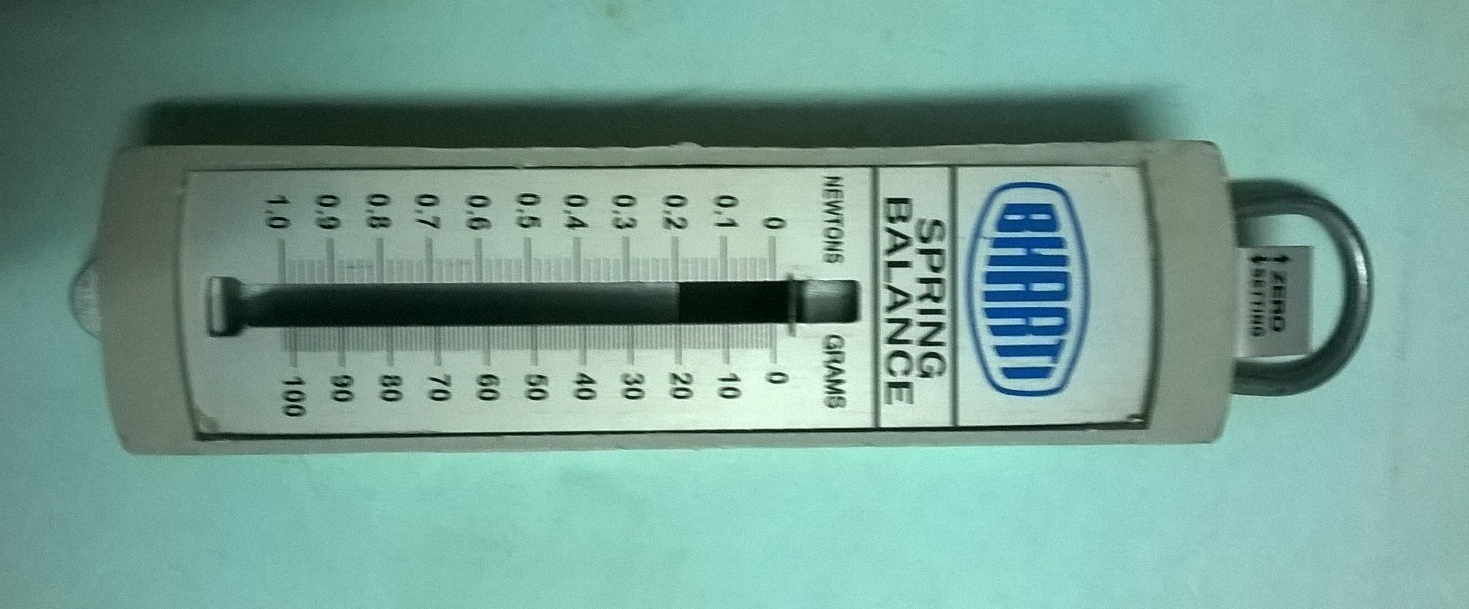
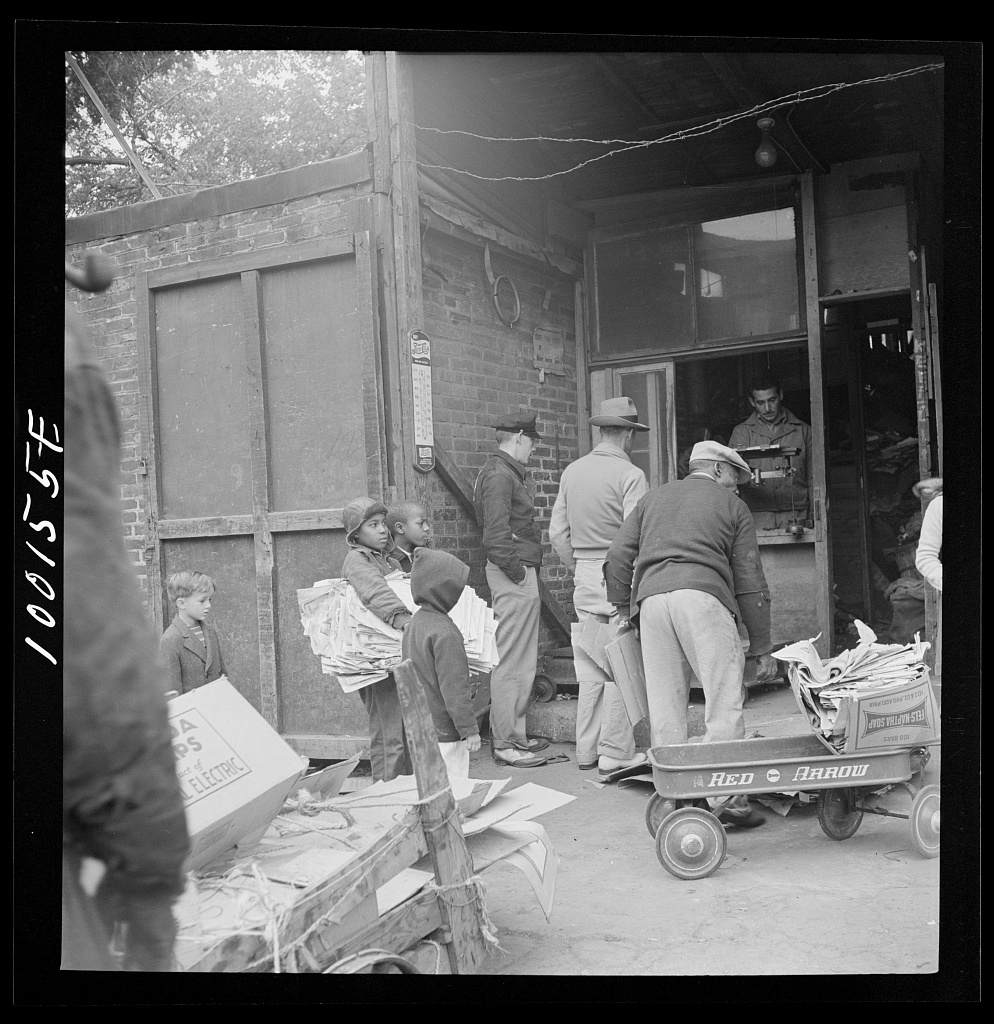
A balance or a spring scale travelled with the vehicle and every transaction was settled on it in public.
The visibility mattered. A weighing conducted in front of the person selling is a weighing they can dispute, and the whole arrangement depended on both parties being able to see the same number.
Children watched it with total attention. The scale was the one piece of apparatus in the entire neighbourhood whose operation a child could follow completely, and the moment of reading it was the point of the exercise.
7. Haggling Happened and Children Were Hopeless at It
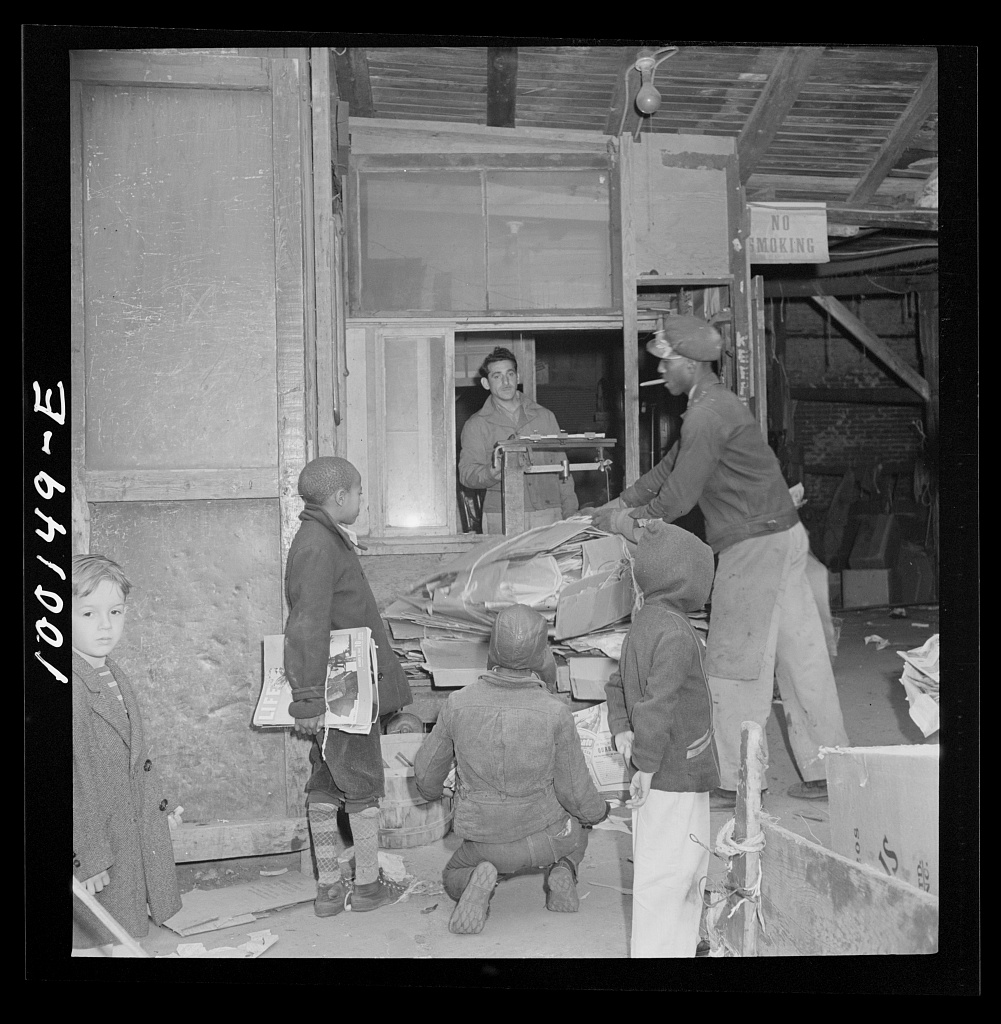
The price was negotiable in principle, and a child had no idea that this was the case.
The asymmetry was complete. An adult selling knew roughly what the material was worth and a child did not, which meant the child accepted the first figure offered every single time, having not understood that a figure could be anything other than final.
Watching an adult negotiate was the education. A child who saw a neighbour argue successfully about a price had learned something about the world that no adult had set out to teach them.
8. The Vehicle Was the Most Interesting Thing on the Street
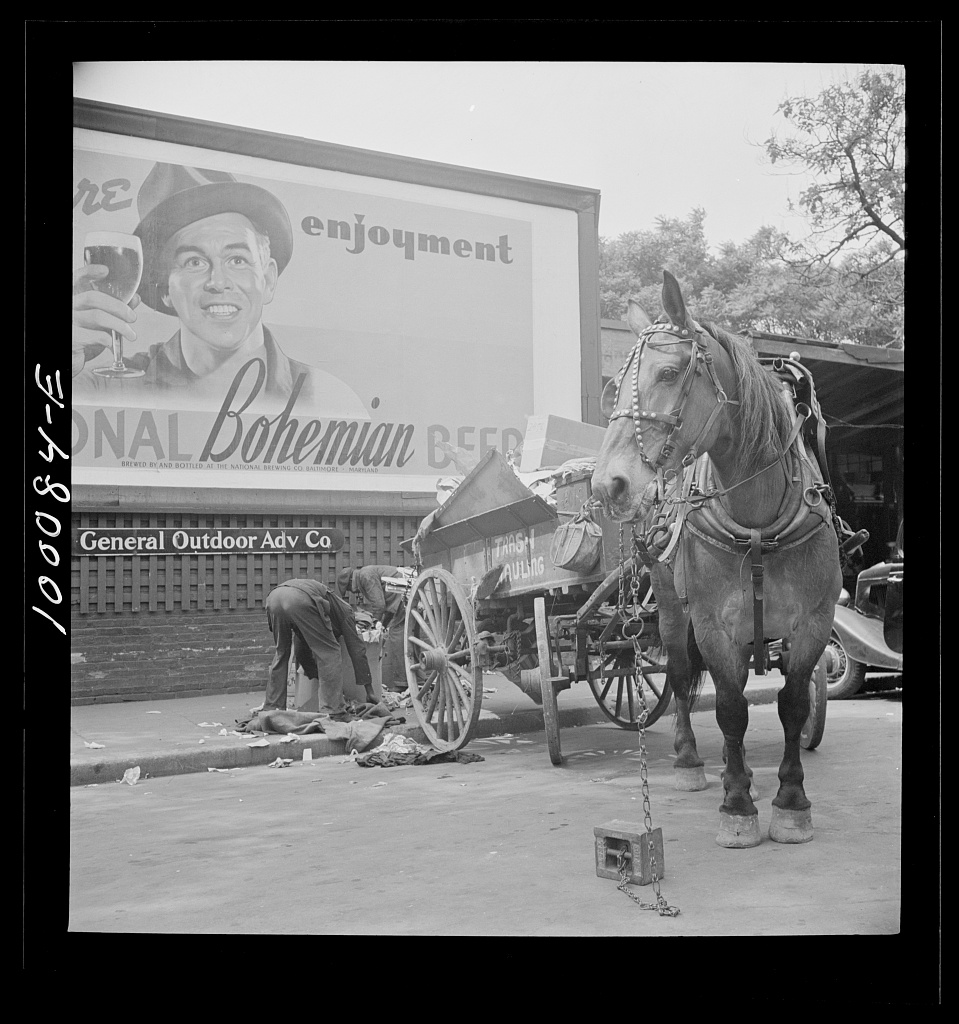
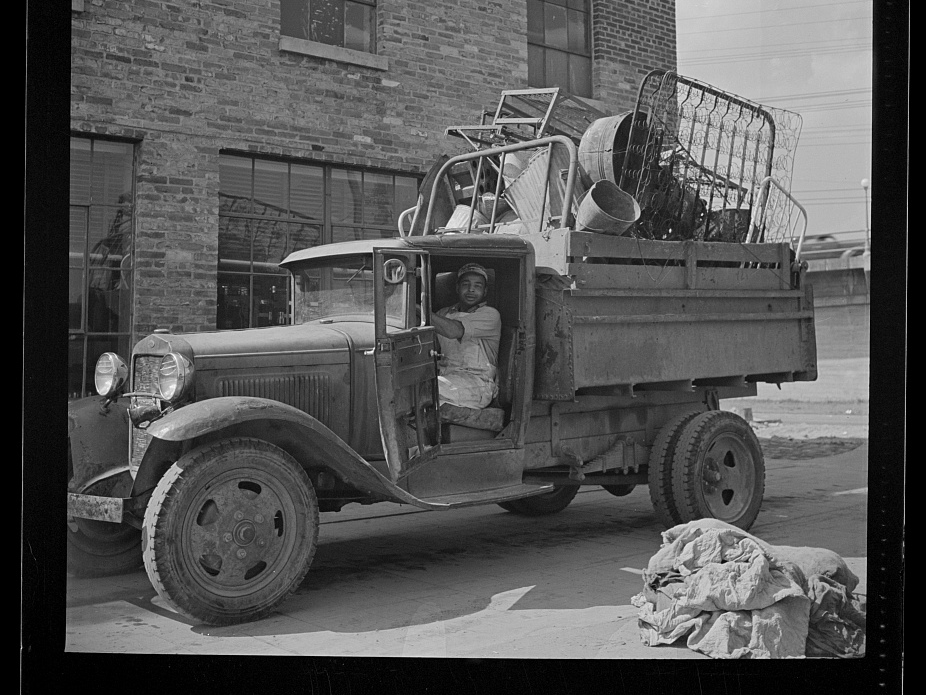
Whatever he arrived in was loaded, unsorted and completely unlike anything else in a residential neighbourhood.
The contrast explains the attraction. A street of identical houses containing identical contents is interrupted by a vehicle carrying an unsorted accumulation of other people’s discarded property, which is genuinely the most interesting thing a child will see that week.
Looking was permitted and touching was not. The rule was enforced by the collector himself rather than by anybody’s parents, and it was the one boundary in the whole arrangement.
The whole thing was also over very quickly. A stop lasted a few minutes at most, which meant a child who had not assembled their material in advance watched the vehicle leave with everything still in a shed, and that happened to almost everybody at least once.
9. Everything on It Had Come From Somebody’s House
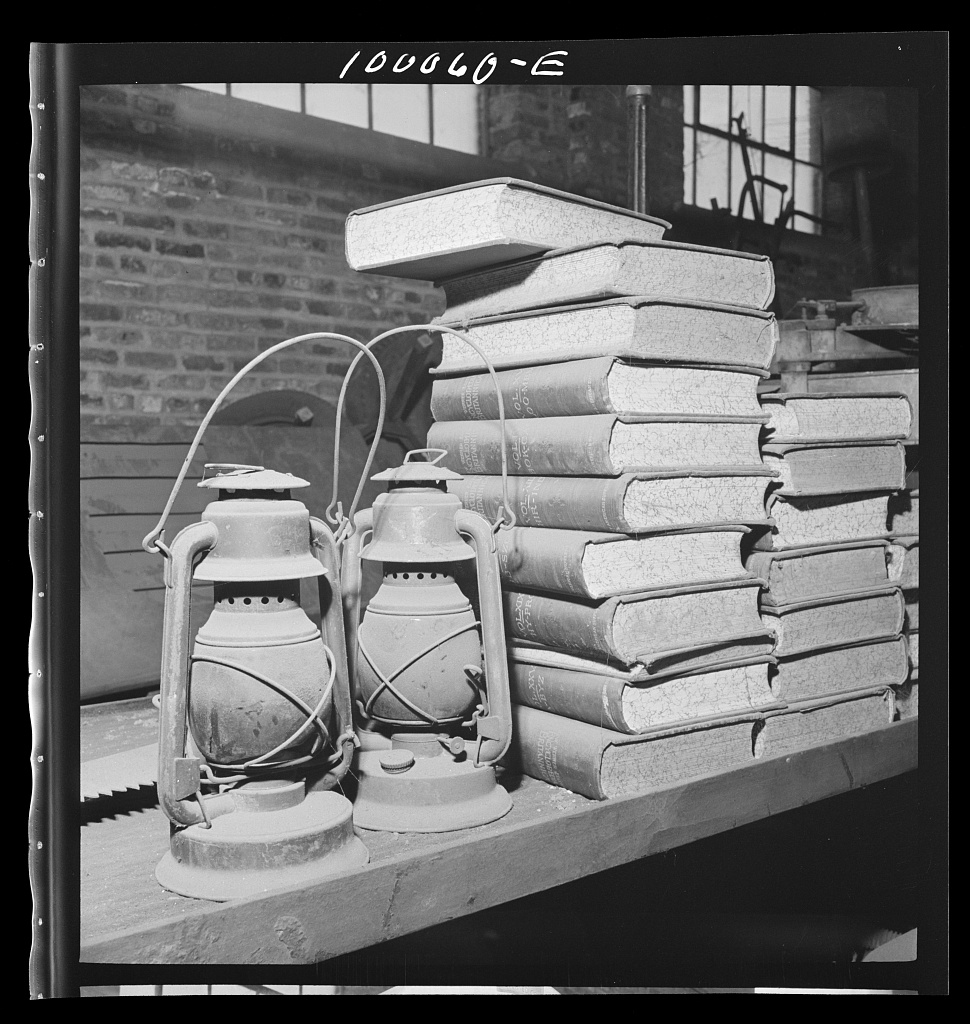
The load was a record of what a neighbourhood had given up, and children read it as such.
The inference was easy to make and quietly interesting. An object on that vehicle had been in a house, had been owned by somebody and had been decided against, which is a sequence children had not previously had occasion to think about.
Occasionally something was recognised. A child who identified an item from a house they knew had acquired a piece of information about that household, and the recognition was reported to other children immediately.
10. Buying Something Back Was Occasionally Possible
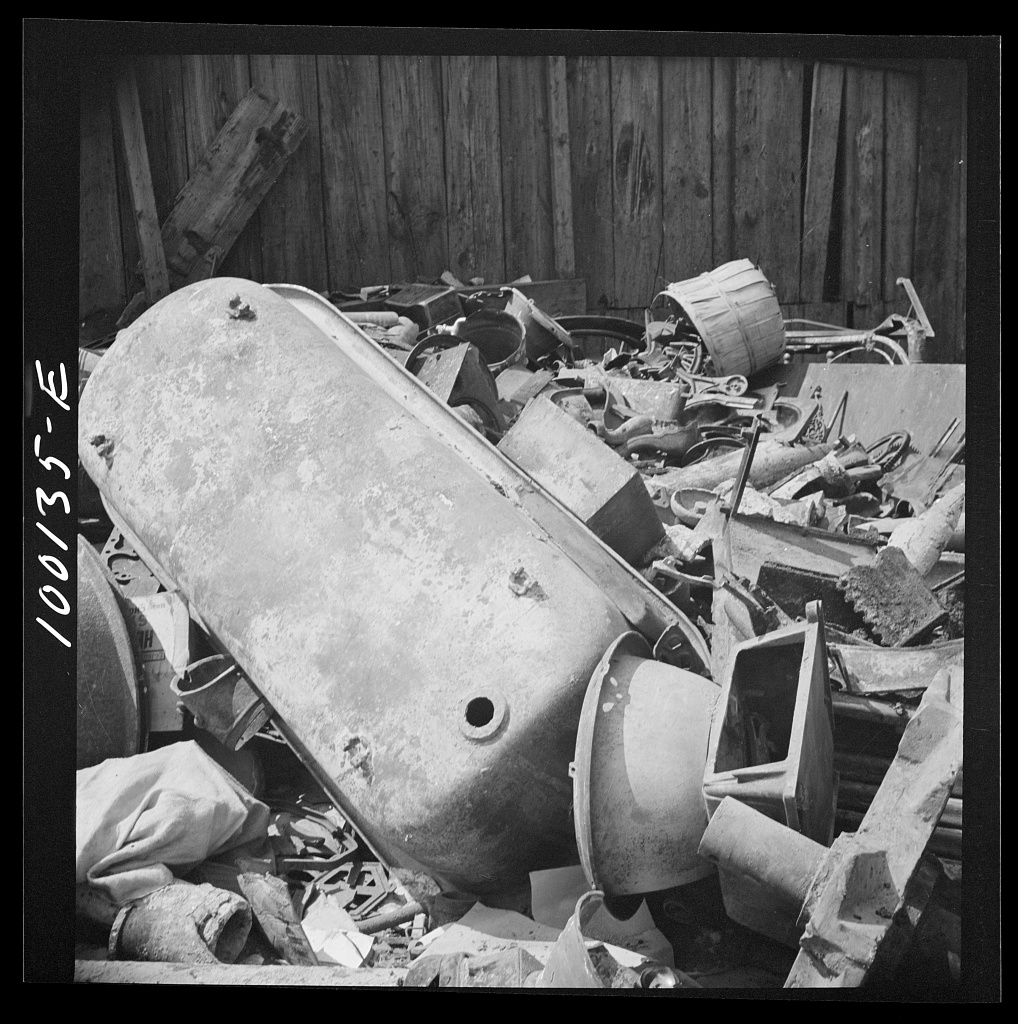
The vehicle was also a shop if you had the money and the collector was in the mood.
The trade ran in both directions. A collector who had taken something from one street would sell it on another if somebody asked, which meant objects circulated around a neighbourhood for years without ever being new.
Children almost never had the money. The possibility existed, was understood and was acted on by very few, which made the handful of successful purchases legendary among the children who witnessed them.
11. Households Saved Things Up for Weeks
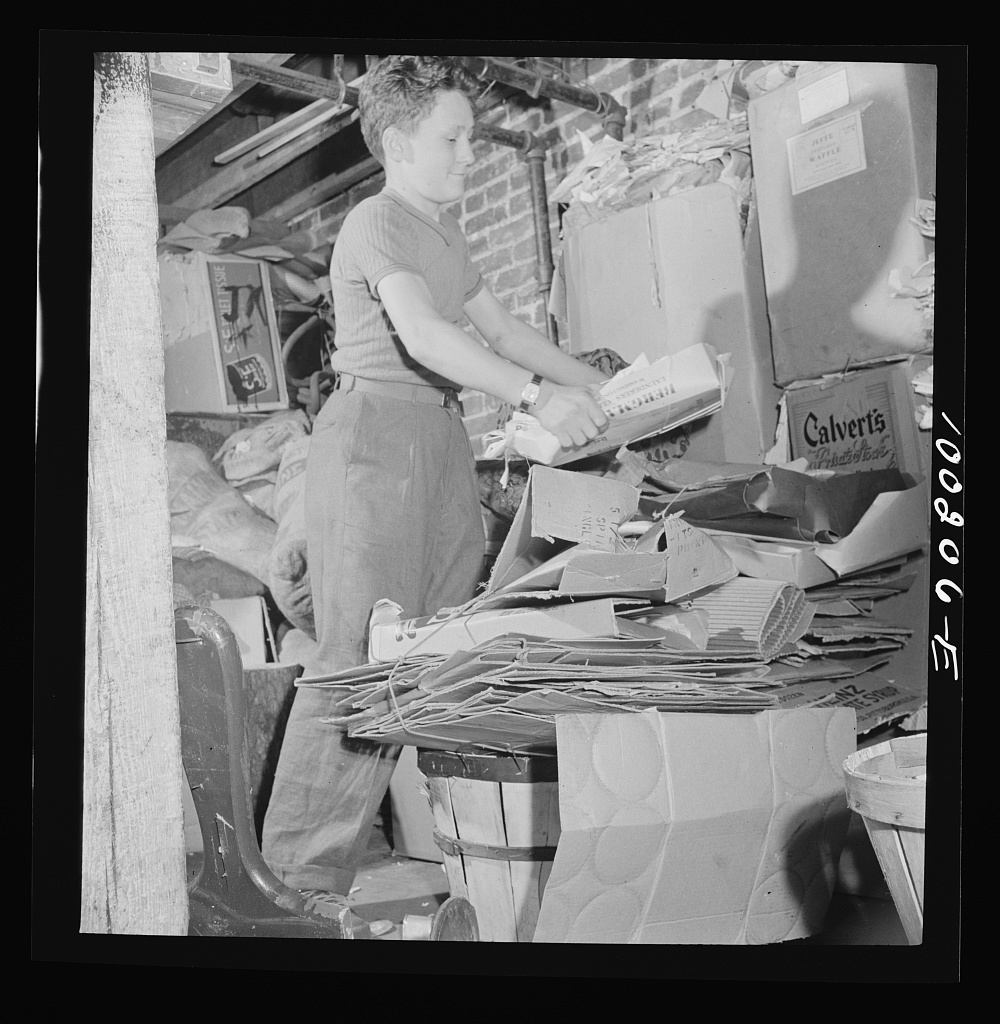
Because the collection was irregular, material accumulated in a specific place until he came.
The storage was a consequence of the schedule. A collector on no fixed timetable means a household cannot plan, so anything saleable went into a corner of a shed or a yard and stayed there until the sound arrived.
That pile was the household’s bank. A quantity of material with a known approximate value, held against the next visit, is a form of saving, and a great many households of the period operated one without ever calling it that.
12. The Negotiation Was Conducted in Front of the Neighbours
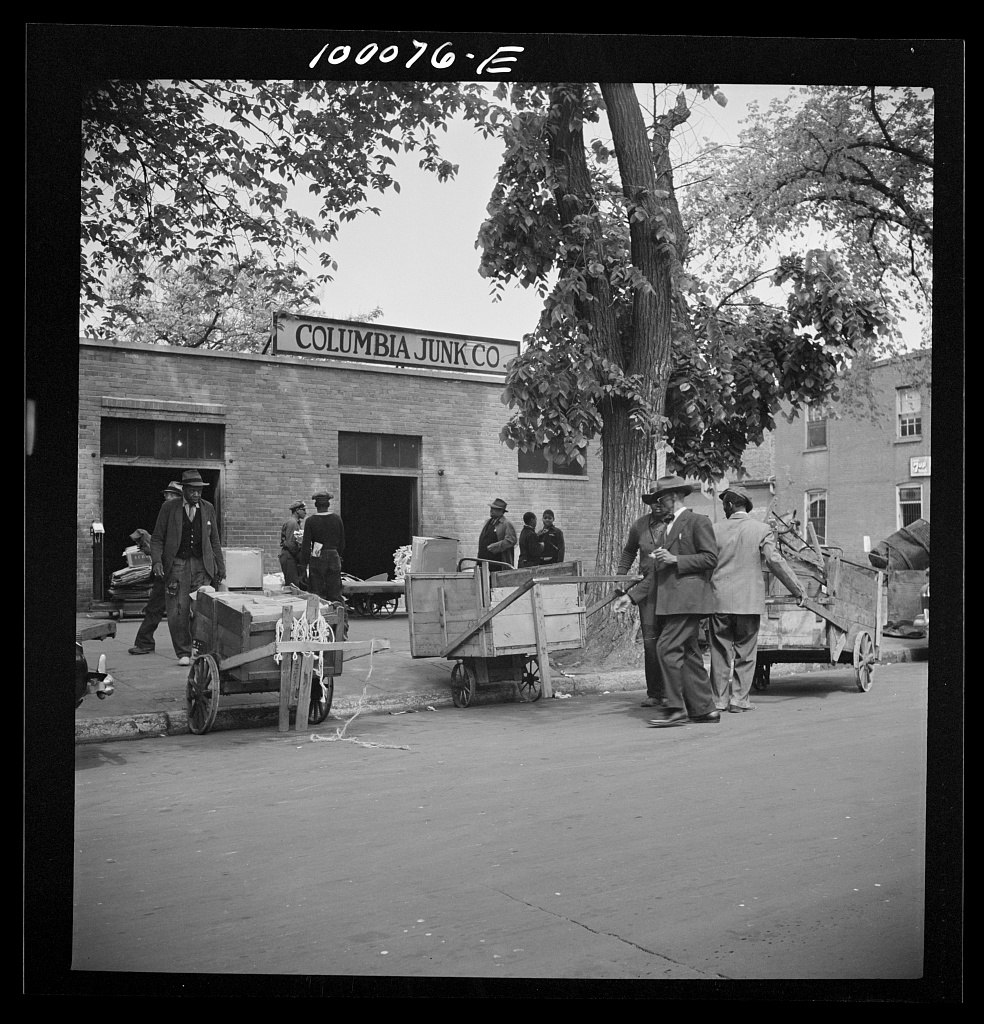
The whole transaction happened in the street, audibly, with everybody able to watch.
The publicity was unavoidable and informative. A neighbourhood that could hear what each household sold and what they got for it had a certain amount of information about each other that nobody had volunteered.
Children registered all of it. What came out of which house, and how much it was worth, was absorbed by the children present and discussed among them in terms no adult would have used.
13. He Knew Every Child in the Area by Sight
A person working the same streets for years recognised all of them and remembered who had sold him what.
The familiarity was commercial as much as friendly. A collector who knew which households produced material, and which children would bring it out, was operating an informal route list held entirely in his head.
The recognition mattered to children enormously. Being known by name by an adult who was not a relative, a teacher or a neighbour was rare, and the children it happened to remember the specific feeling of it.
14. The Money Went Straight Into Something Specific
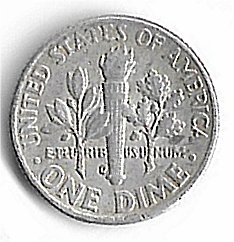
A coin obtained this way was never saved, and children had a plan for it before the transaction concluded.
The immediacy was a function of the amount. A sum too small to be worth keeping is a sum that gets spent that afternoon, which meant the entire proceeds of these dealings were converted into something within the hour.
The thing bought was rarely remembered. People recall the weighing, the coin and the walk afterwards with great clarity and frequently cannot say what they spent it on.
15. Adults Were Faintly Embarrassed by the Whole Business
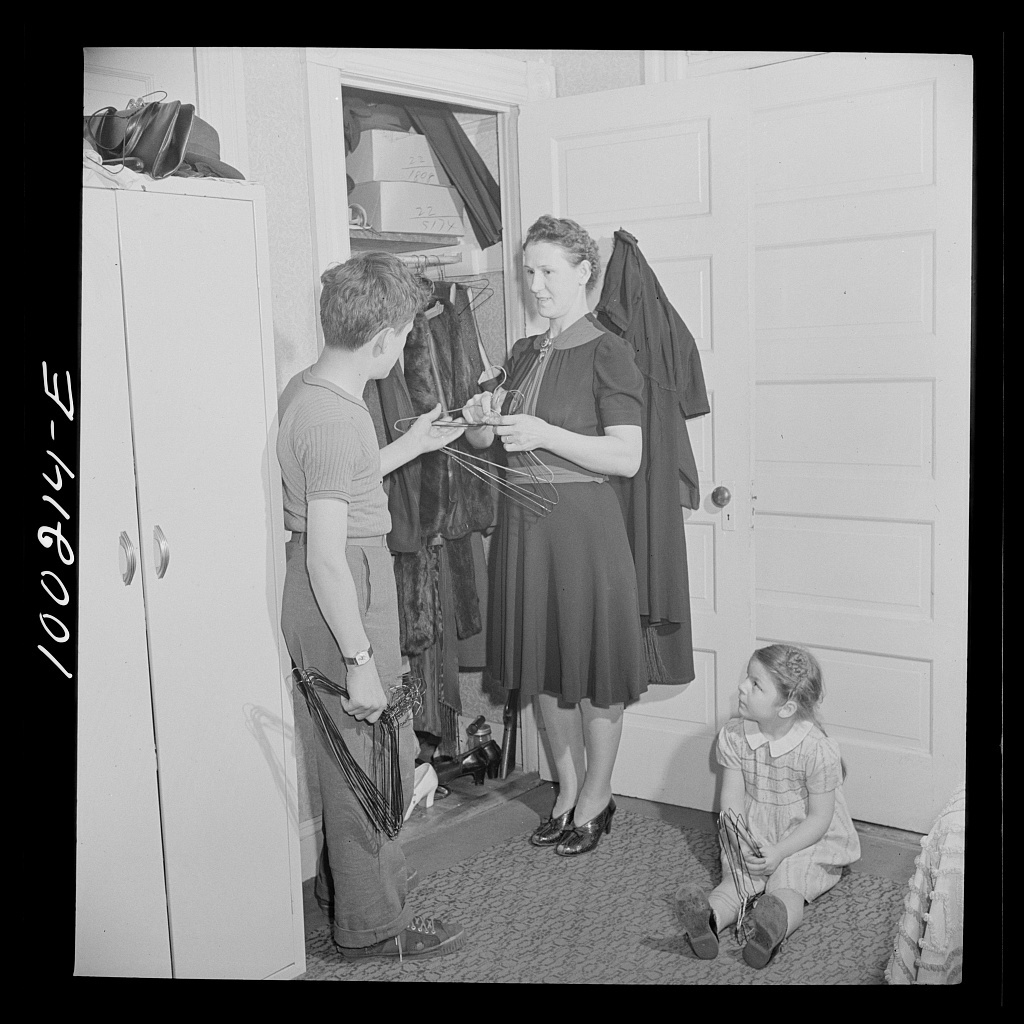
A household selling its scrap to a man with a vehicle occupied an awkward position, and children did not notice at the time.
The discomfort was about appearances. A transaction conducted in the street, over material a household had been storing, with a sum discussed in public, sat uneasily with a period that cared a great deal about how things looked.
That is probably why it ended as quietly as it did. Nobody announced the end of the practice, and no household of the period appears to have regretted it.
The arrangements also varied street by street. Some neighbourhoods had one collector who had worked them for twenty years and some had several in competition, and a child’s entire sense of how the business operated depended on which of those two situations they happened to grow up in.
16. Then the Material Stopped Being Worth Collecting

Municipal collection, changed material values, different packaging and the end of the itinerant trades removed both the man and the reason for him.
Most of that change is plainly sensible. Material is now collected systematically rather than by whoever happened to come down a street, and nothing here is an argument for the older arrangement.
What went with it is the only adult a child could do business with. A sound identified from three streets away, a scale read in public, a figure accepted without knowing it could be argued with, a coin too small to keep, and a vehicle loaded with everything a neighbourhood had decided it did not want.
Why Children Paid So Much Attention
Read in order, the sixteen come back to the reversal in the first item. Every other adult who came down a street wanted something from the household; this one was buying. That single fact made him interesting to children, and it made the whole encounter a transaction rather than an errand – the only one a child of that period could run from start to finish on their own account.
The mechanics were honest in a way children were not used to. Everything went by weight, which meant a child’s armful was worth almost nothing and the collector had no reason to pretend otherwise. The scale settled it in public, in front of both parties and anybody passing, which made it the one piece of apparatus in the neighbourhood whose operation a child could follow completely. And the price was negotiable, which children did not know: they accepted the first figure every time, not having understood that a figure could be anything other than final. Watching a neighbour argue successfully about one was an education nobody had set out to give them.
The load itself was the other attraction. A street of identical houses containing identical contents, interrupted by a vehicle carrying an unsorted accumulation of other people’s discarded property, is genuinely the most interesting thing a child will see that week – and every object on it had been in a house, had been owned by somebody and had been decided against, which is a sequence children had not previously had occasion to think about.
Most of the change is plainly sensible. Material is now collected systematically rather than by whoever happened to come down a street on no particular schedule, and nothing above is an argument for the older arrangement.
What went with it is the only adult a child could do business with: a sound identified from three streets away, a scale read in public, a figure accepted without knowing it could be argued with, a coin too small to be worth keeping, and a vehicle loaded with everything a neighbourhood had decided it did not want.
Like our content? Follow us for more.