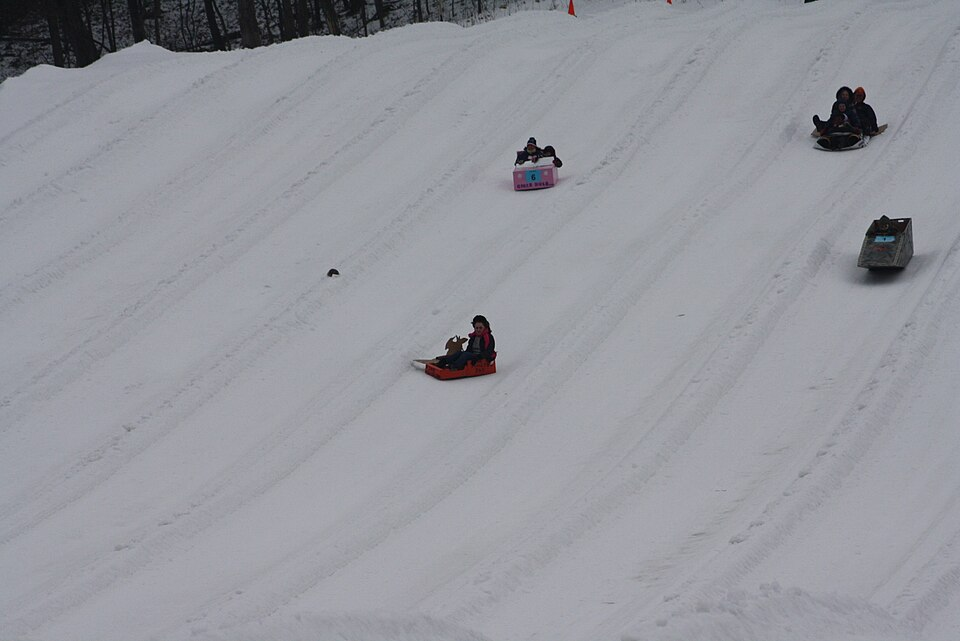
In 1966 almost nobody on the hill had an actual sled. Proper equipment existed, cost money and was owned by a small minority; everybody else arrived with a tray, a board or a sheet of whatever would slide, repurposed that afternoon from what a household had lying about. That is the part most often misremembered – the subject is recalled as being about sleds and was overwhelmingly about things taken out of kitchens by children who had never owned anything designed for the purpose. Here are sixteen things every kid remembers about sledding on whatever they had in 1966, and why no hill allows any of it now.
1. Almost Nobody Had an Actual Sled
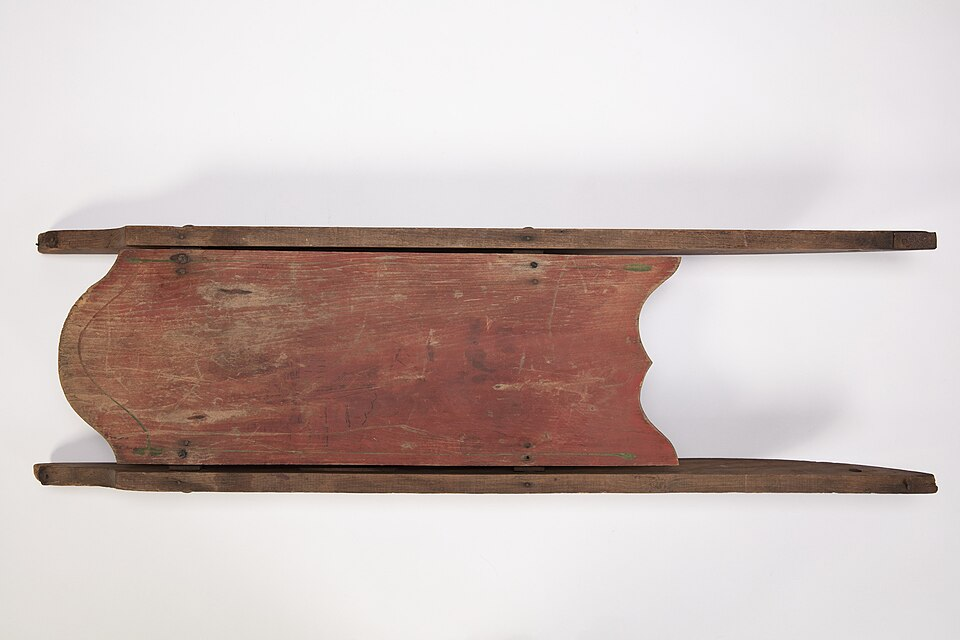
Proper equipment existed, cost money and was owned by a small minority, and everybody else used something else entirely.
The improvisation was the norm rather than the exception. A hill full of children in 1966 contained two or three manufactured sleds and a dozen objects that had been repurposed that afternoon from whatever a household had lying about.
That is the part most often misremembered. The subject is remembered as being about sleds and was overwhelmingly about trays, boards and sheets of whatever would slide, used by children who had never owned anything designed for the purpose.
Like our content? Follow us for more.
2. What Slid and What Did Not Was Discovered by Trial
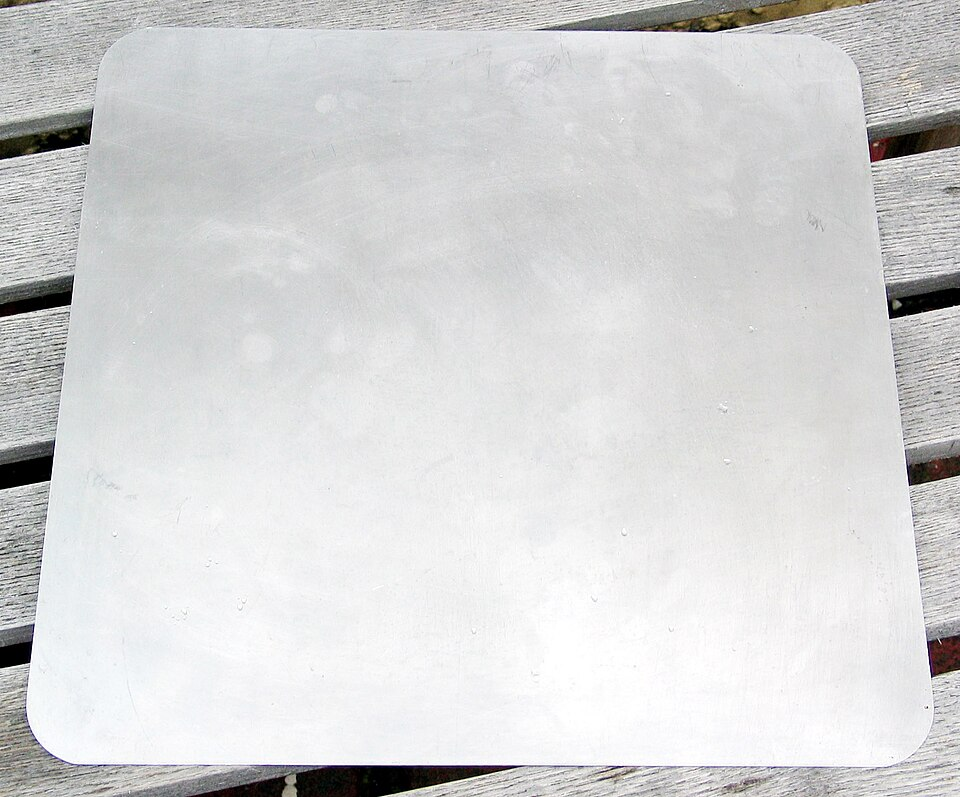
Children tested everything available, and the results were counterintuitive and learned the hard way.
The variable was the underside rather than the shape. Anything smooth and rigid worked, anything flexible folded under load and stopped, and a surface that looked slippery indoors frequently did nothing at all on snow.
The successful objects were hoarded. A thing that had been found to work was kept somewhere specific until the following winter, and in a great many households that object never went back to whatever it had been for.
3. The Best Ones Were Household Property and Were Missed
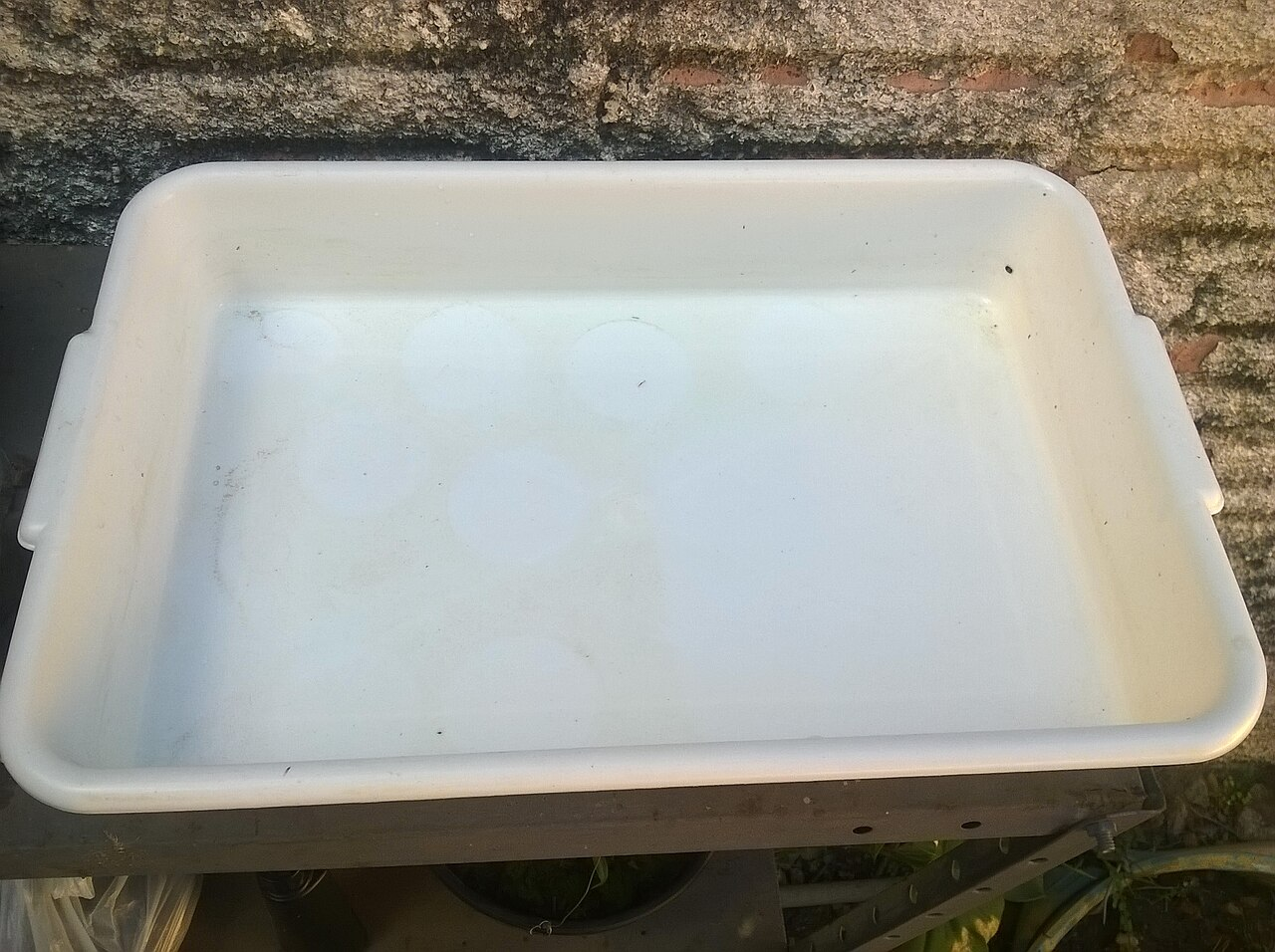
Whatever worked best had a function indoors, and taking it outside had consequences that arrived later.
The conflict was unavoidable. The flat, rigid, smooth objects in a house are all things somebody uses for something, and a child who had found the ideal one had by definition removed it from its purpose.
The item frequently did not survive. A household object used as a sled for one afternoon came back bent, scraped or cracked, and the discovery was made in a kitchen some days afterwards.
4. There Was Exactly One Hill and Everybody Used It
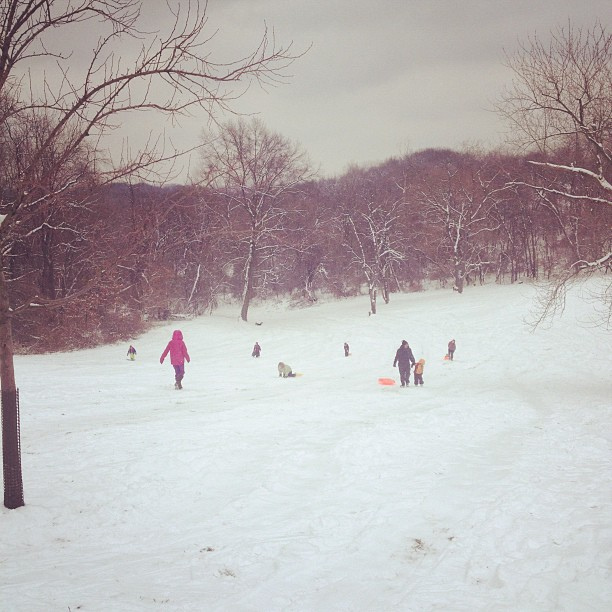
A neighbourhood had a single usable slope, and the entire child population of the area went to it.
The scarcity was geographical. Suitable ground needs the right gradient, enough length, no obstruction and no road at the bottom, and most neighbourhoods contained at most one place satisfying all of that.
That made the hill a social institution. Children who never otherwise met were on it together, the hierarchy was visible, and the knowledge of where it was passed between children with no adult involvement at all.
5. The Walk Back Up Was Most of the Afternoon
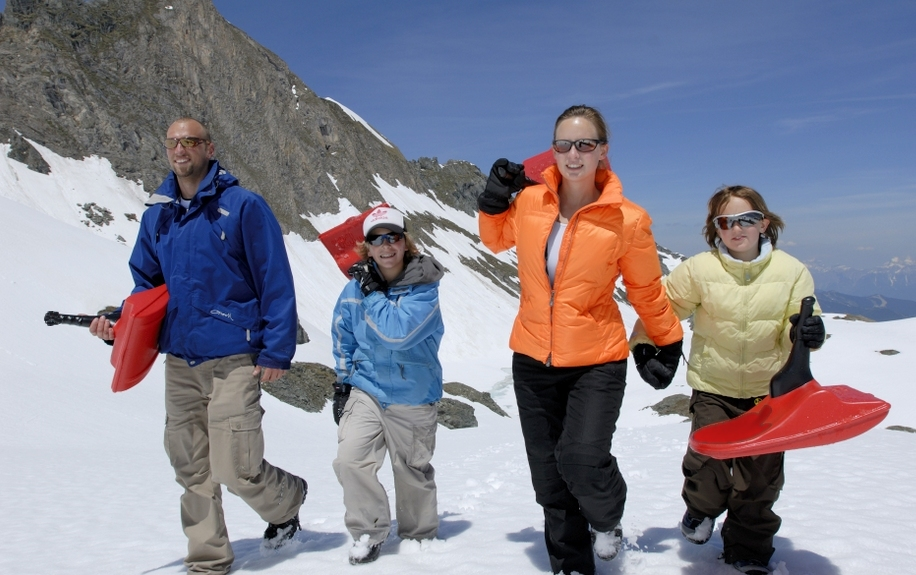
A run lasted a few seconds and the climb took several minutes, which means the activity was almost entirely uphill walking.
The ratio is the thing nobody mentions. The proportion of the afternoon spent sliding was a tiny fraction of the proportion spent trudging, and children accepted that exchange without ever remarking on it.
The climb was also where everything happened. Conversation, negotiation, argument and the whole social business of the hill took place on the way up, because that was where everybody was for most of the time.
6. You Had to Climb Up the Side and Nobody Policed It
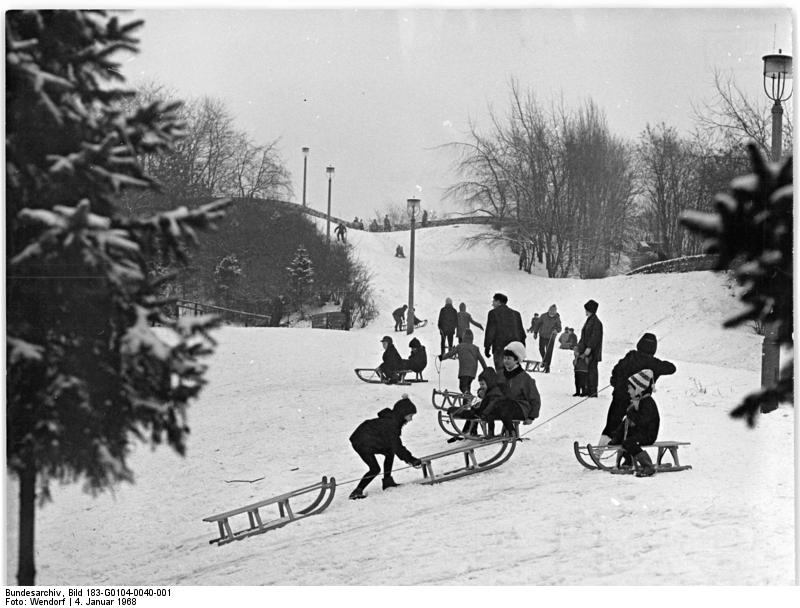
The convention was to walk up the edge rather than the track, and it was maintained entirely by children.
The rule existed for obvious reasons. A person walking up the middle both ruins the surface and occupies the path of whatever is coming down, and the hill’s users enforced that between themselves because no adult was present to do it.
Breaking it was dealt with immediately. A child walking up the track was shouted at by everybody simultaneously, which is a remarkably efficient enforcement mechanism and required no authority whatever.
7. The Track Got Faster All Afternoon and Then Dangerous
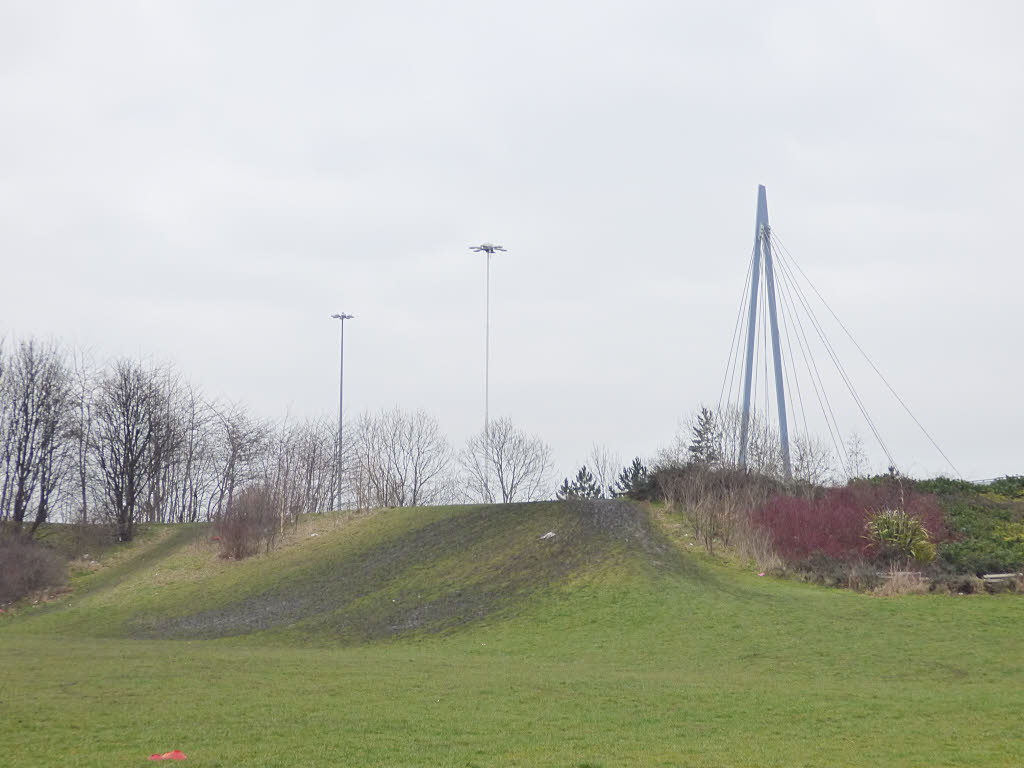
Repeated use compressed and polished the surface, which made each run faster than the last.
The progression was physical and nobody was managing it. Snow compacted by a hundred passes becomes considerably harder and slicker than fresh snow, which means the hill at four o’clock was a different and much faster proposition than the same hill at one.
That is the point at which present-day caution is plainly right. A surface that keeps accelerating, used by children with no means of steering or stopping, is a genuine hazard, the standards of the period did not address it, and nothing in this piece describes how anybody should use any slope.
8. Steering Was Not Available and Stopping Was Worse
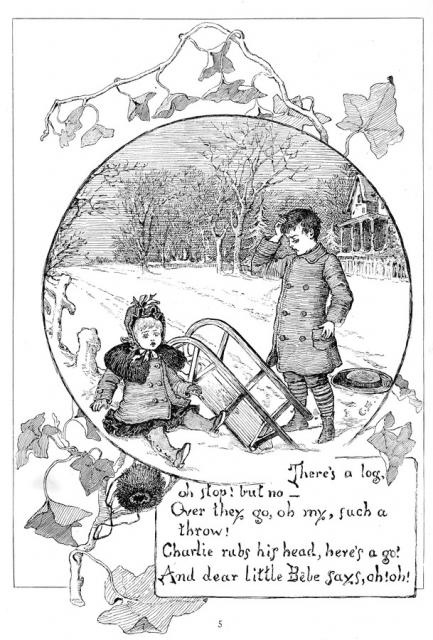
Improvised equipment goes where the track goes, and the only way to stop was to fall off deliberately.
The absence of control was total. A tray or a board has no mechanism for altering direction and no brake of any kind, which means the entire run was determined by the first second of it.
Children treated dismounting as a technique. Rolling off at the bottom, on purpose, was the standard conclusion to every run, and it was practised and refined by everybody who used the hill.
9. What Was at the Bottom Decided Whether It Was Safe
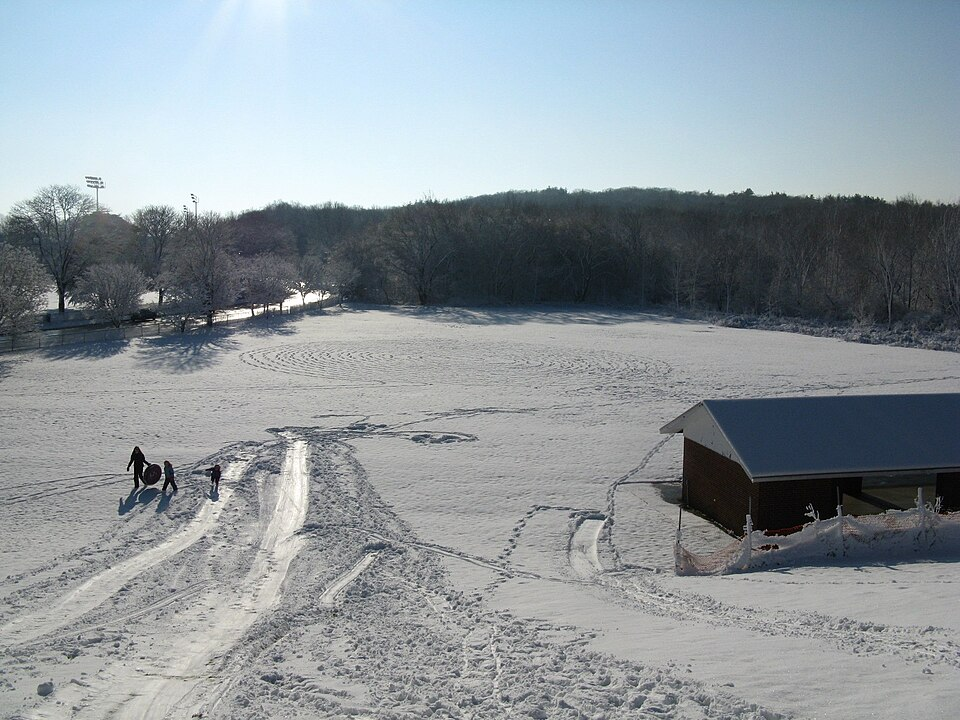
Every hill had a run-out, and what was in it was the single most important fact about the whole site.
That is where the serious risk in the subject sits and it is stated plainly. A slope ending in a road, a fence or water is not a slope anybody should have been using, children of the period used them anyway, and the reasons for present-day caution about exactly this are not in dispute.
Everything about how this is handled now is better. Nothing in this piece should be read as describing where anybody ought to sled or what any child should be allowed to do on a slope.
10. Nobody Wore Anything Protective and Nobody Thought About It
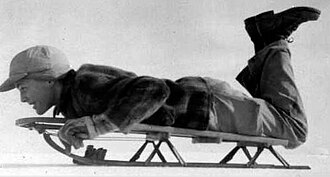
The question of equipment beyond clothing did not arise in any household in the country.
The absence was not negligence so much as ignorance. Protective equipment for this activity did not exist in ordinary households, was not discussed and was not available, which is a description of what was known rather than of anybody’s choices.
Present-day practice is better and needs no defending. The reasons for current thinking about children and head protection are well established, and nothing here is a recommendation about anything.
11. Two to a Sled Was Standard and Made Everything Worse
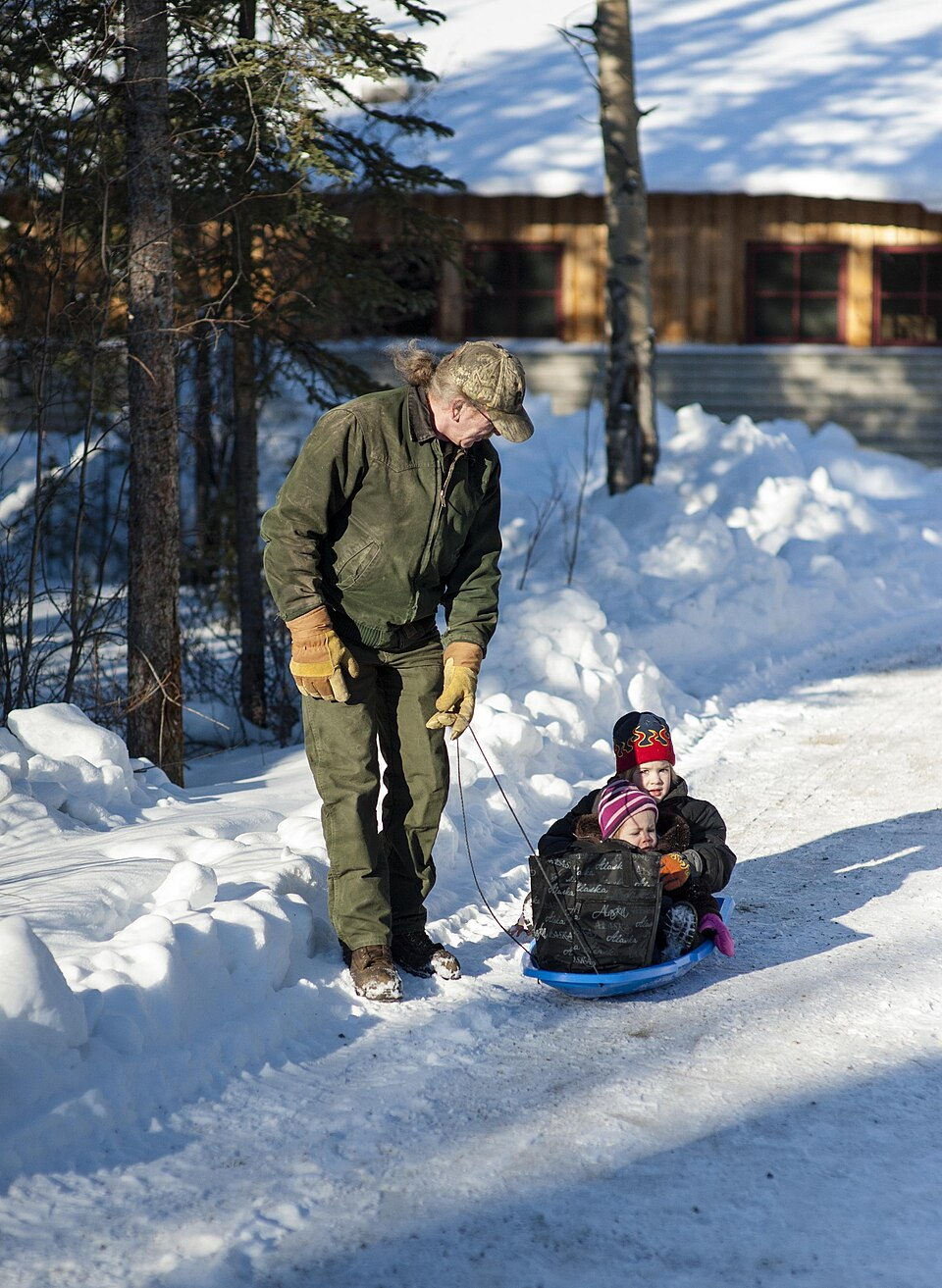
Children rode in pairs whenever the object was large enough, which added weight, speed and complications.
The mathematics were against them. More mass goes faster, two people cannot dismount simultaneously, and the person at the back has no view of anything, all of which made the standard configuration the worst available one.
It happened anyway because of the queue. A hill with more children than equipment produces doubling up by necessity, and the arithmetic of waiting determined the practice rather than anybody’s judgement.
12. The Equipment Was Shared With Whoever Asked
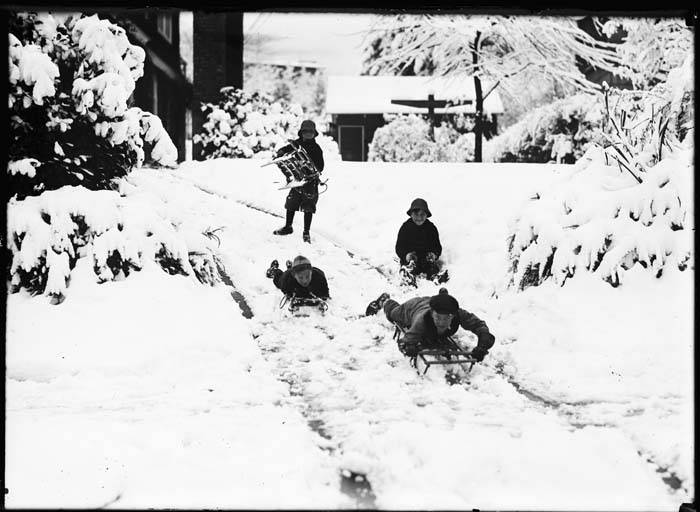
A child who owned something that slid lent it out continuously, and the arrangement was not optional.
The social pressure was considerable. A hill of twenty children and four usable objects produces an expectation of sharing that nobody could resist, and a child who refused was simply excluded from everything else.
Owners got the fewest runs. The child who had brought the best object spent most of the afternoon watching other people use it, which is a specific injustice that a number of people still remember.
13. Everybody Was Soaked Through Within an Hour
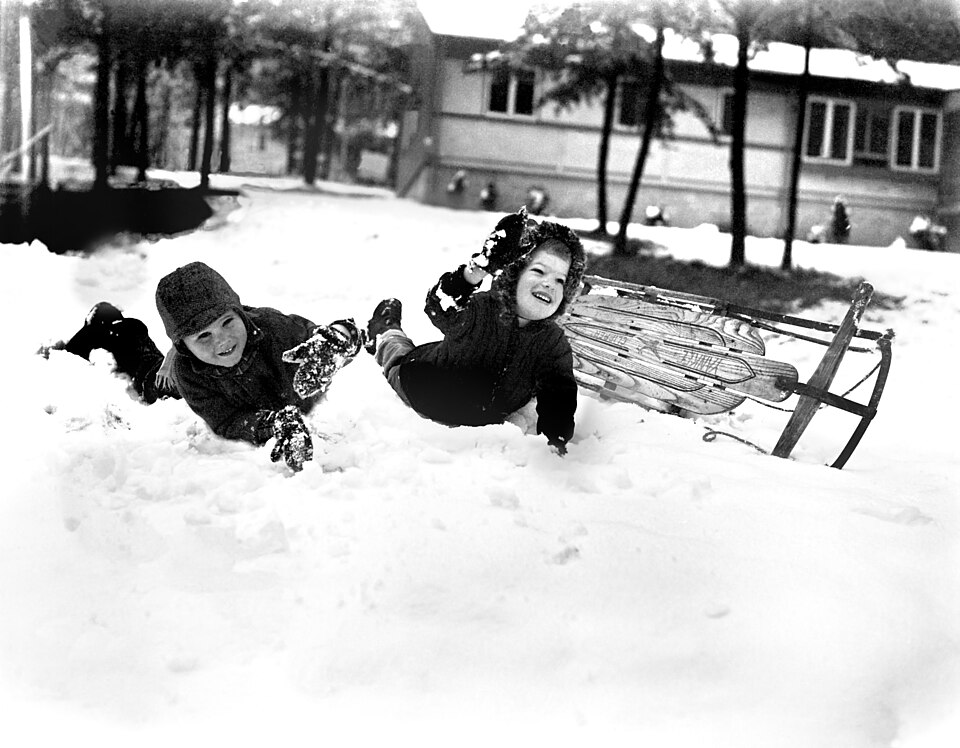
Clothing of the period was not waterproof, and the activity involves sitting in snow repeatedly.
The failure was in the materials. Wool and cotton absorb everything they touch and then hold it, which means a child an hour into the afternoon was wearing several pounds of water and was going to be cold for the rest of it.
Nobody went home over it. The condition was accepted as the price of the afternoon, and the standard outcome was a child arriving home in a state that produced a specific and entirely predictable reaction.
14. It Went On Until It Was Completely Dark
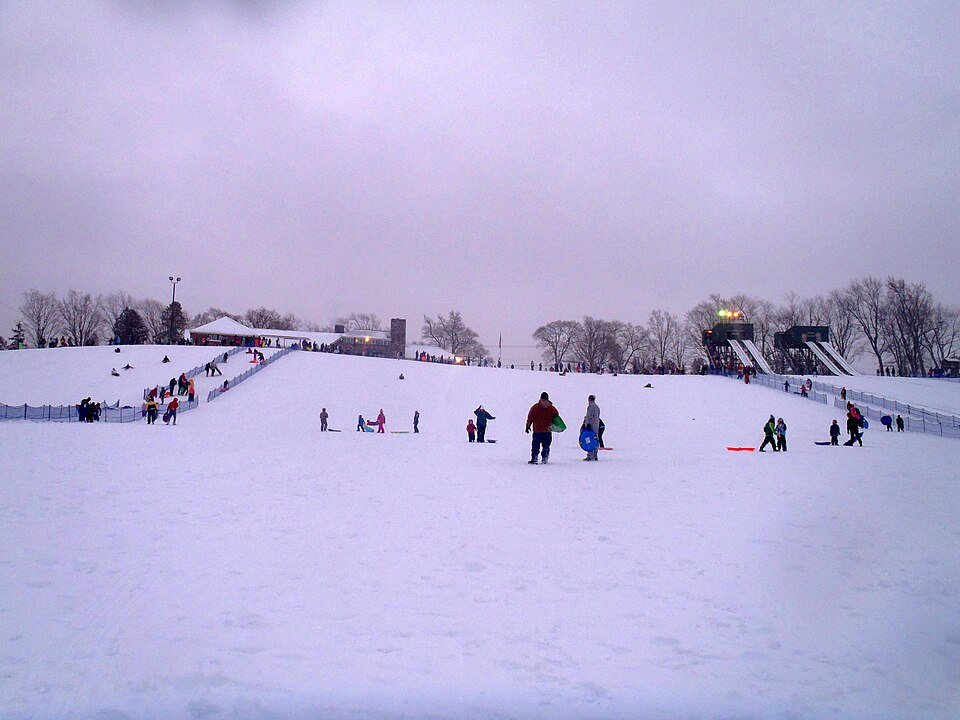
The afternoon ended when visibility did, which in midwinter was considerably earlier than anybody wanted.
The ending was imposed rather than chosen. Nobody left a hill voluntarily, which meant the activity continued until the track could no longer be seen, and the last few runs were conducted in conditions that would not be accepted now.
Getting home afterwards was its own event. A group of soaked children walking back in the dark, carrying household objects, is the standard conclusion to this whole subject.
15. The Objects Were Returned to the House and Pretended About
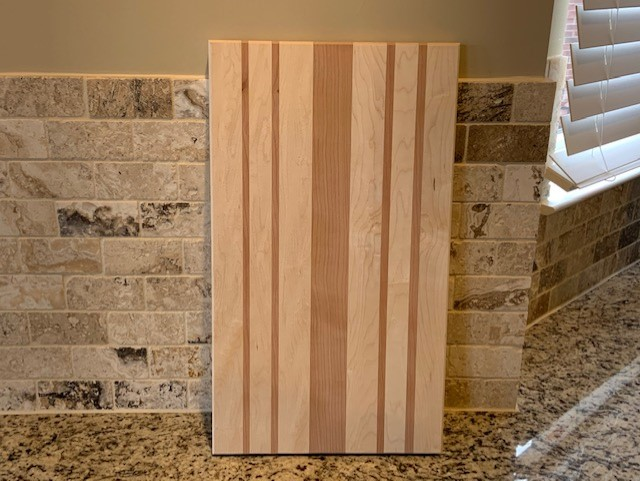
Whatever had been borrowed went back where it came from, in whatever condition, with no explanation offered.
The concealment was universal and unsuccessful. A damaged item replaced quietly in a cupboard is discovered the next time somebody needs it, which was generally within a week, and the connection was always made correctly.
The reckoning was mild. Most households treated it as predictable rather than as an offence, which suggests a certain amount of institutional memory about what their own children were likely to have done.
16. Then the Hill Stopped Being Somewhere Children Went Alone
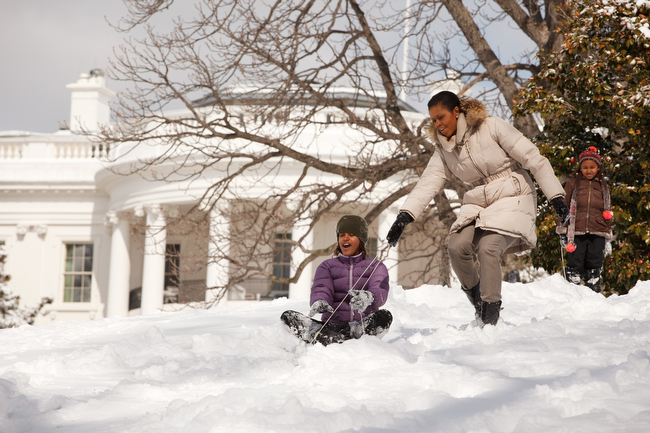
Proper equipment, better clothing, far more supervision, restricted access to some slopes and considerably more thought about what is at the bottom of a hill reshaped the whole business.
Every part of that is an improvement. Children now use equipment designed for the purpose, in clothing that keeps them dry, on slopes somebody has assessed, with adults present, and all of that is plainly better than a board on an unmanaged track in the dark.
What went with it is an afternoon that was ninety per cent walking. One hill the whole neighbourhood shared, a convention about climbing up the side enforced by twenty children shouting at once, an object taken from a kitchen that never went back to being what it was, and a run of about six seconds that everybody queued twenty minutes for.
The Afternoon Was Mostly Uphill
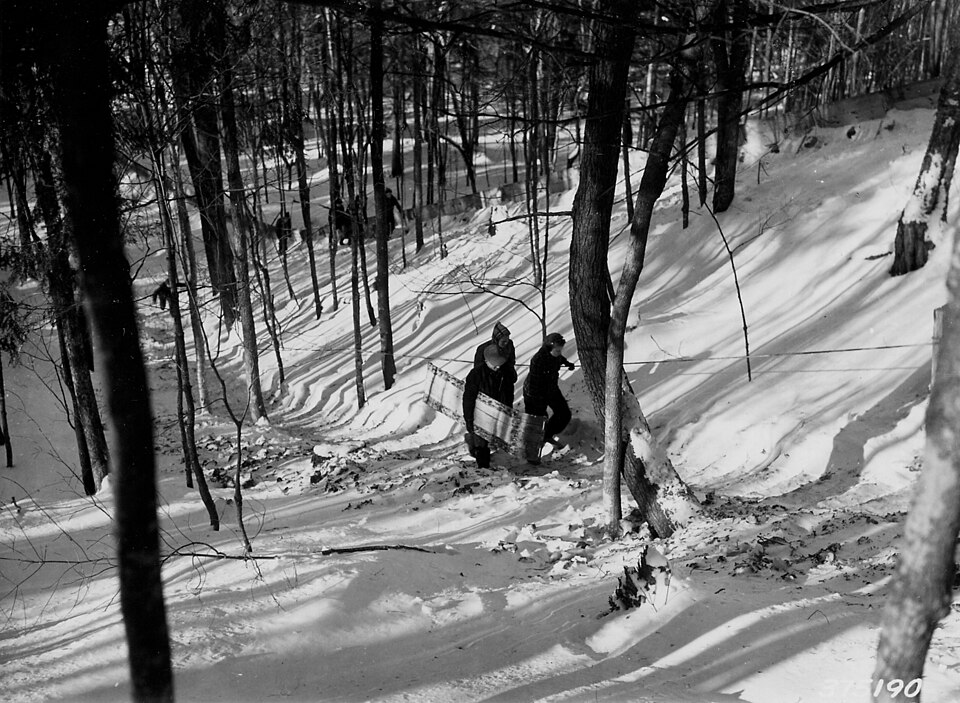
Read in order, the sixteen describe an activity whose arithmetic nobody ever remarks on. A run lasted a few seconds and the climb took several minutes, which means the afternoon was almost entirely walking – and the climb was where everything actually happened, because that is where everybody was for most of the time. Conversation, negotiation and the whole social business of the hill took place going up.
Two conventions ran the place and no adult maintained either. Climbing up the side rather than the track, because a person in the middle both ruins the surface and occupies the path of whatever is coming down – enforced by everybody shouting at once, which turns out to be remarkably efficient and requires no authority at all. And sharing, which was not optional: a hill of twenty children and four usable objects produces an expectation nobody could resist, with the result that whoever had brought the best thing spent most of the afternoon watching other people use it.
The equipment question ran through everything. The objects that worked best were the flat, rigid, smooth ones, which in a house are all things somebody uses for something – so a child who had found the ideal one had by definition removed it from its purpose, and it frequently came back bent, scraped or cracked, to be discovered in a kitchen some days later.
Three things here are stated plainly as endorsements of present practice. The track got faster all afternoon, because snow compacted by a hundred passes is harder and slicker than fresh snow – and a surface that keeps accelerating, used by children with no means of steering or stopping, is a genuine hazard the period did not address. What was at the bottom was the single most important fact about any site, and a slope ending in a road, a fence or water is not one anybody should have been using. And nothing protective was worn by anybody, which reflected what was known rather than anybody’s choices; current thinking about children and head protection is well established. Nothing above should be read as describing where anybody ought to sled or what any child should be allowed to do on a slope.
What went with it is an afternoon that was ninety per cent walking, for a run of about six seconds that everybody queued twenty minutes for.
Like our content? Follow us for more.