A cinema was a building that did one thing, at times somebody else decided, and you either got there or you did not. Here are twelve things anyone who went regularly will recognise.
1. Finding Out What Was On From the Newspaper
Listings were printed in the local paper, with times, and planning required the paper, a pen and a decision made well in advance.
If you missed the listing you missed the film. The newspaper listing is the cinema ritual that made going out a research task.
Like our content? Follow us for more.
2. The Queue Outside
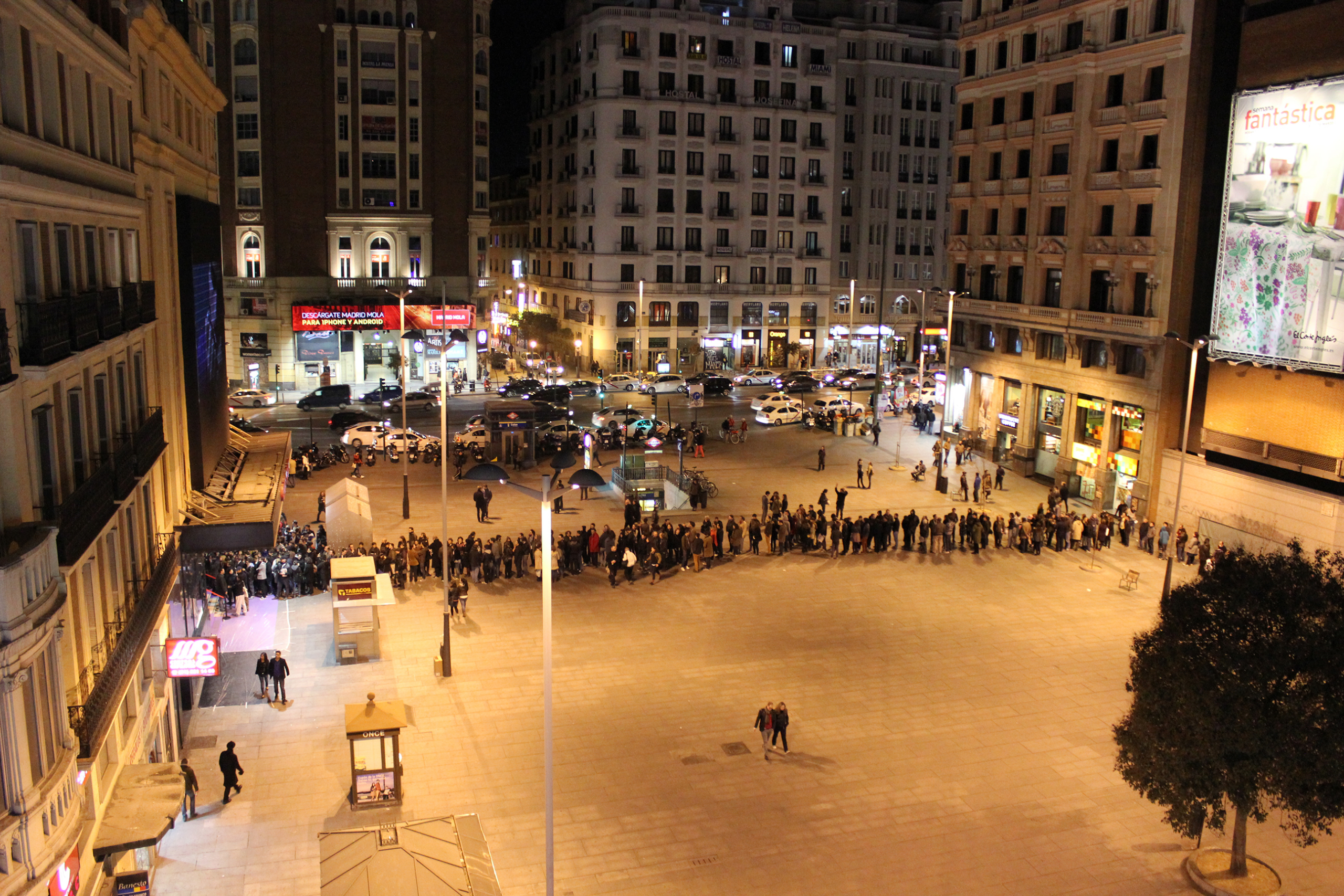
Tickets were bought at the door on the day, which meant queuing on the pavement in whatever weather was happening, sometimes for a considerable time.
A sold-out sign meant going home. The queue outside is the cinema experience that started before the building did.
3. The Person in the Booth
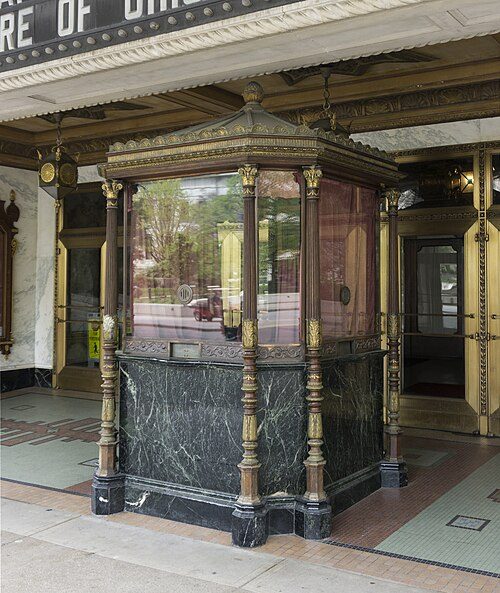
Tickets came from a small glass kiosk with a person inside it, who tore or stamped them and handed them back with change.
The booth was almost always at the front and almost always occupied by the same person. The ticket booth is the cinema fixture that no longer exists anywhere.
4. Deciding How to Spend the Rest of the Money
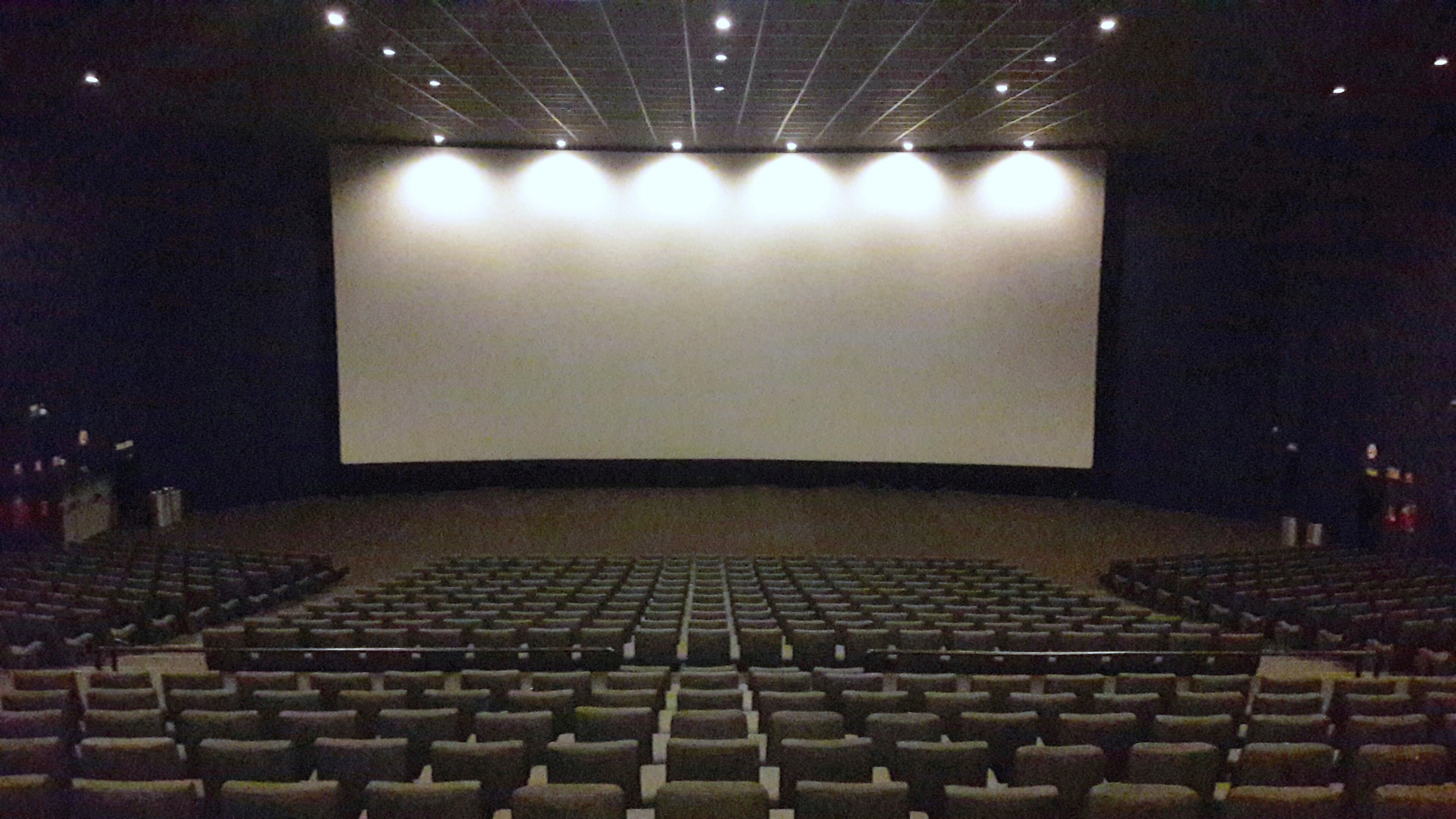
Whatever remained after the ticket had to cover the interval, and the calculation was made in the foyer under time pressure.
The wrong choice was regretted for the entire second half. Spending the rest is the cinema decision made in a hurry and remembered afterwards.
5. Being Shown to Your Seat by Torchlight
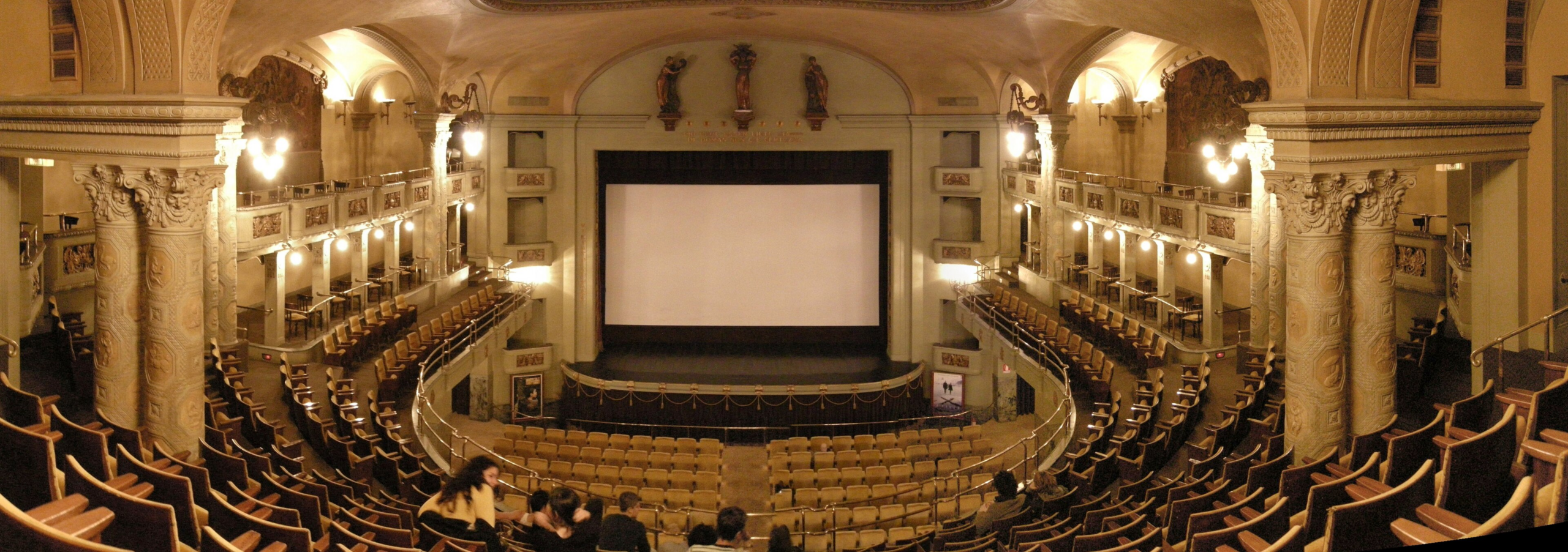
An usher with a torch walked latecomers down the aisle and indicated a seat, which was a service and also mildly humiliating.
Everyone already seated watched. Being shown to your seat is the cinema courtesy that came with an audience.
6. The Adverts, the Trailers and the Second Feature
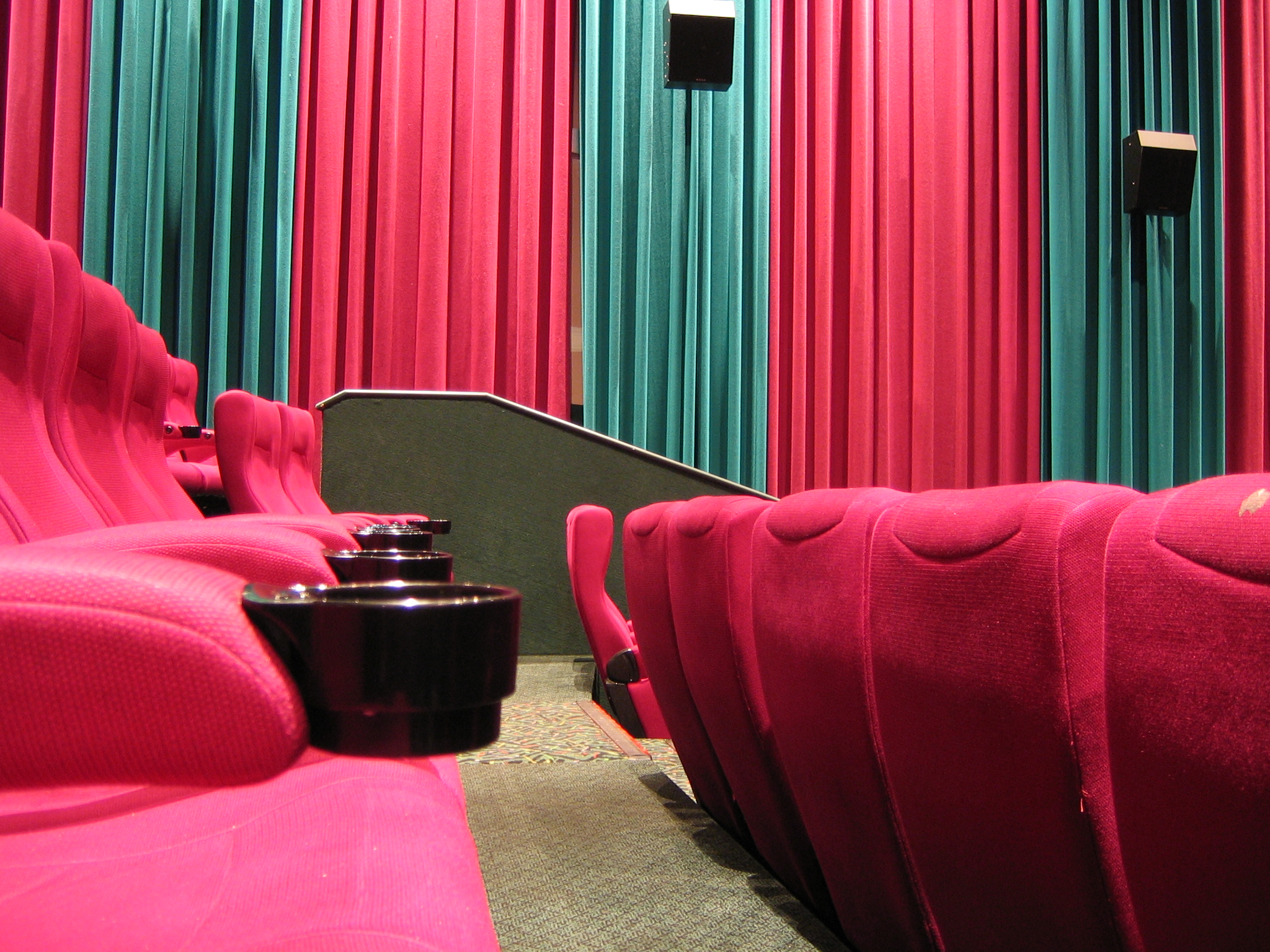
A screening was a programme rather than a film – local advertising, trailers, sometimes a short and sometimes a whole second feature before the main event.
You saw things you had not chosen to see. The programme is the cinema format that gave you far more than you paid for.
7. The Interval
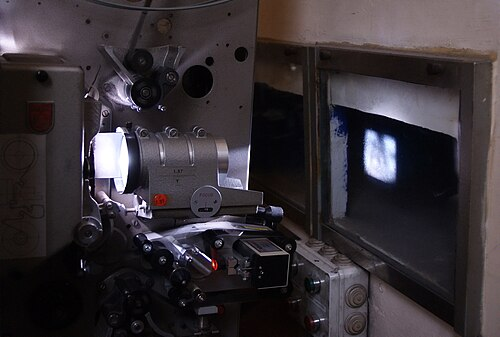
The lights came up partway through, an attendant appeared at the front with a tray, and the film simply waited.
Nobody found this strange. The interval is the cinema convention that would be unthinkable now.
8. The Cigarette Smoke in the Beam

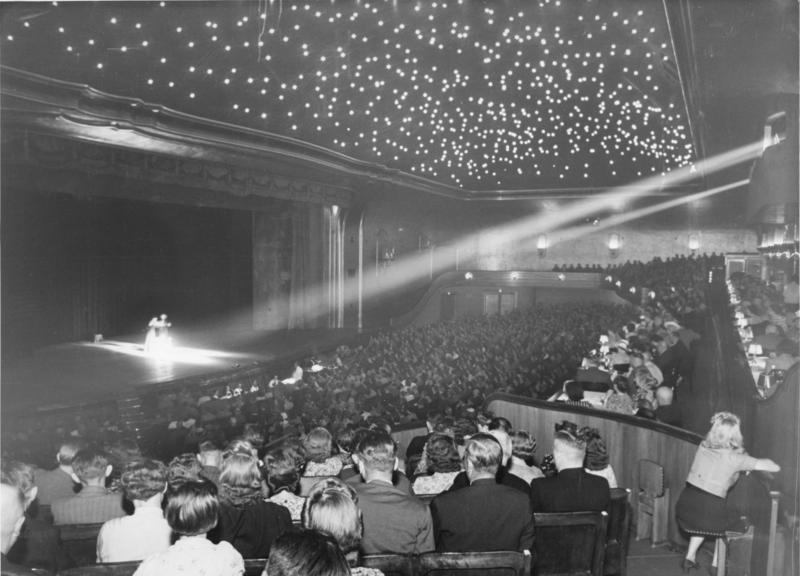
For a long period the projector beam was clearly visible because the air was full of smoke, which everyone accepted as part of the room.
Watching the beam was an occupation in itself. The visible beam is the cinema detail that dates a memory precisely.
9. The Seats and Their Condition
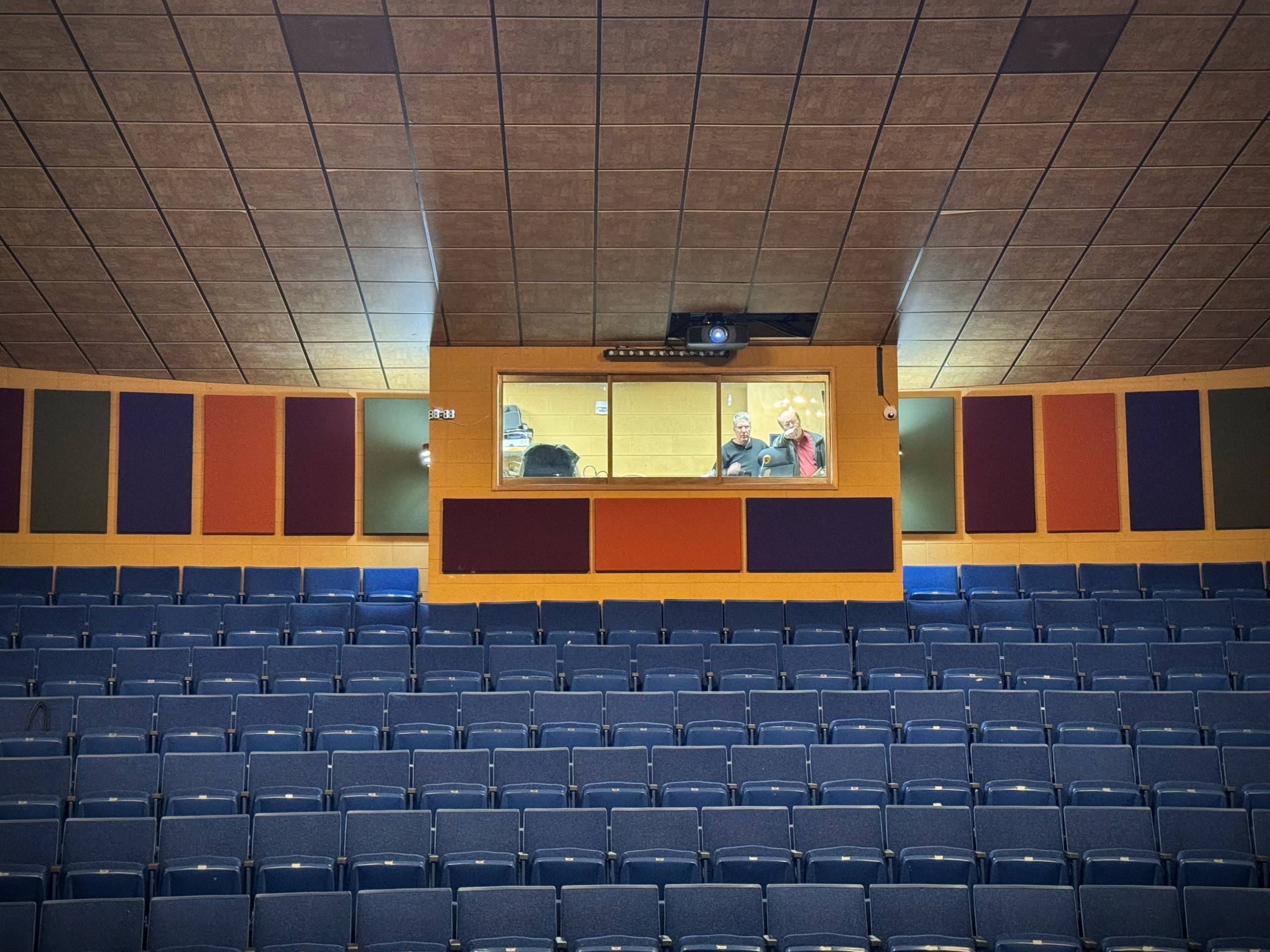
Fold-down seats of variable reliability, some with springs gone, some that folded up while you were in them, and a general policy of moving if you got a bad one.
The best seats were known and contested. The seats are the cinema furniture everyone assessed on arrival.
10. The Saturday Screening for Children
Many cinemas ran a dedicated morning or afternoon session for children, which was loud, chaotic and supervised by whoever was working that shift.
Behaviour was not comparable to an evening audience. The Saturday screening is the cinema session that belonged entirely to children.
11. Arriving Partway Through and Staying

Because programmes ran continuously, people arrived mid-film, watched to the end, then watched the beginning of the next showing until they reached the point they came in.
The phrase for it was leaving where you came in. Continuous programmes are the cinema arrangement that let you watch a film backwards.
12. The Walk Home Afterwards
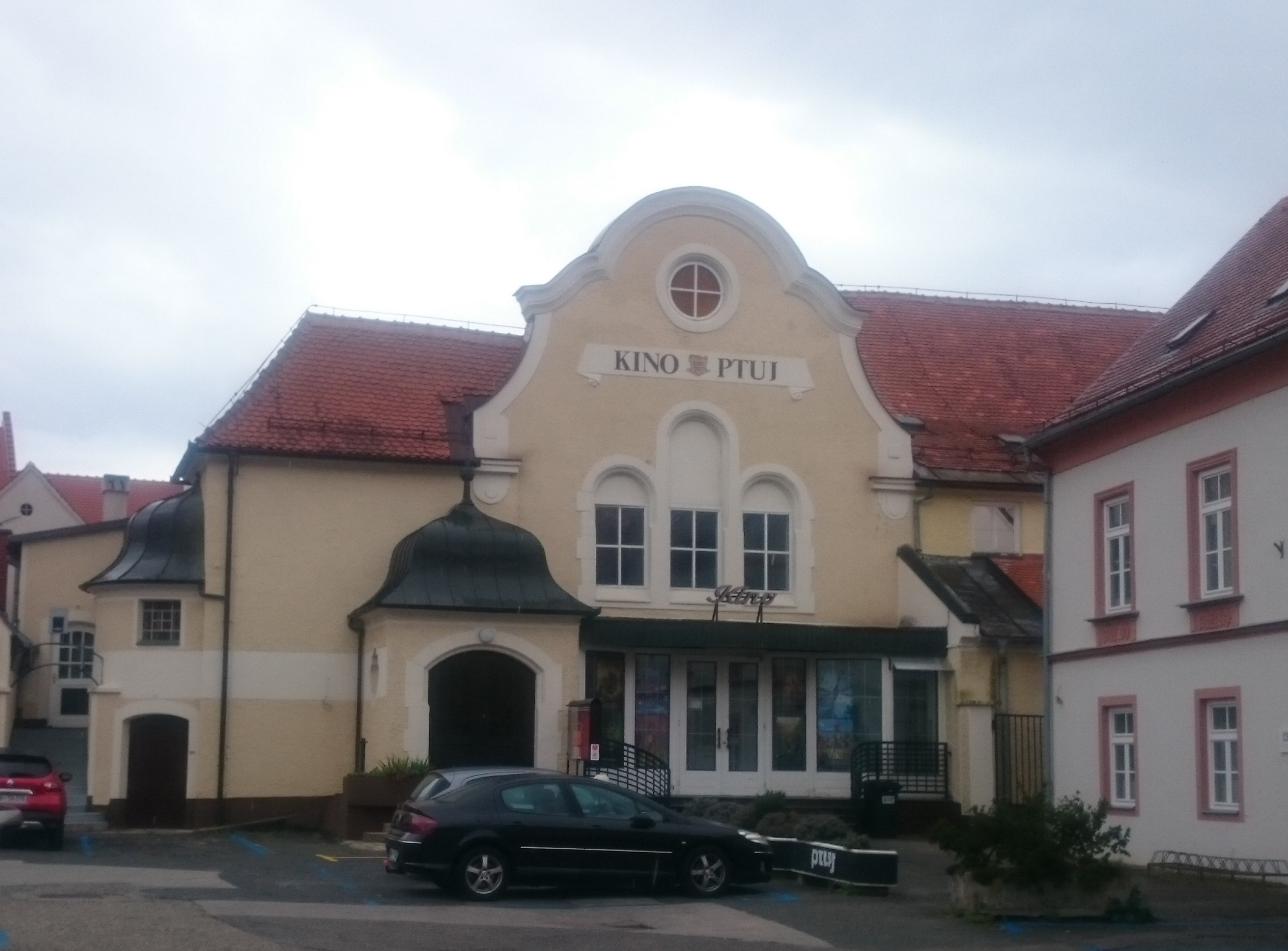
Coming out into daylight or darkness after two hours somewhere else produced a specific disorientation, and the film was discussed the entire way home.
That conversation was a substantial part of the experience. The walk home is the cinema aftermath that no one has replicated at home.
One Screen, One Chance
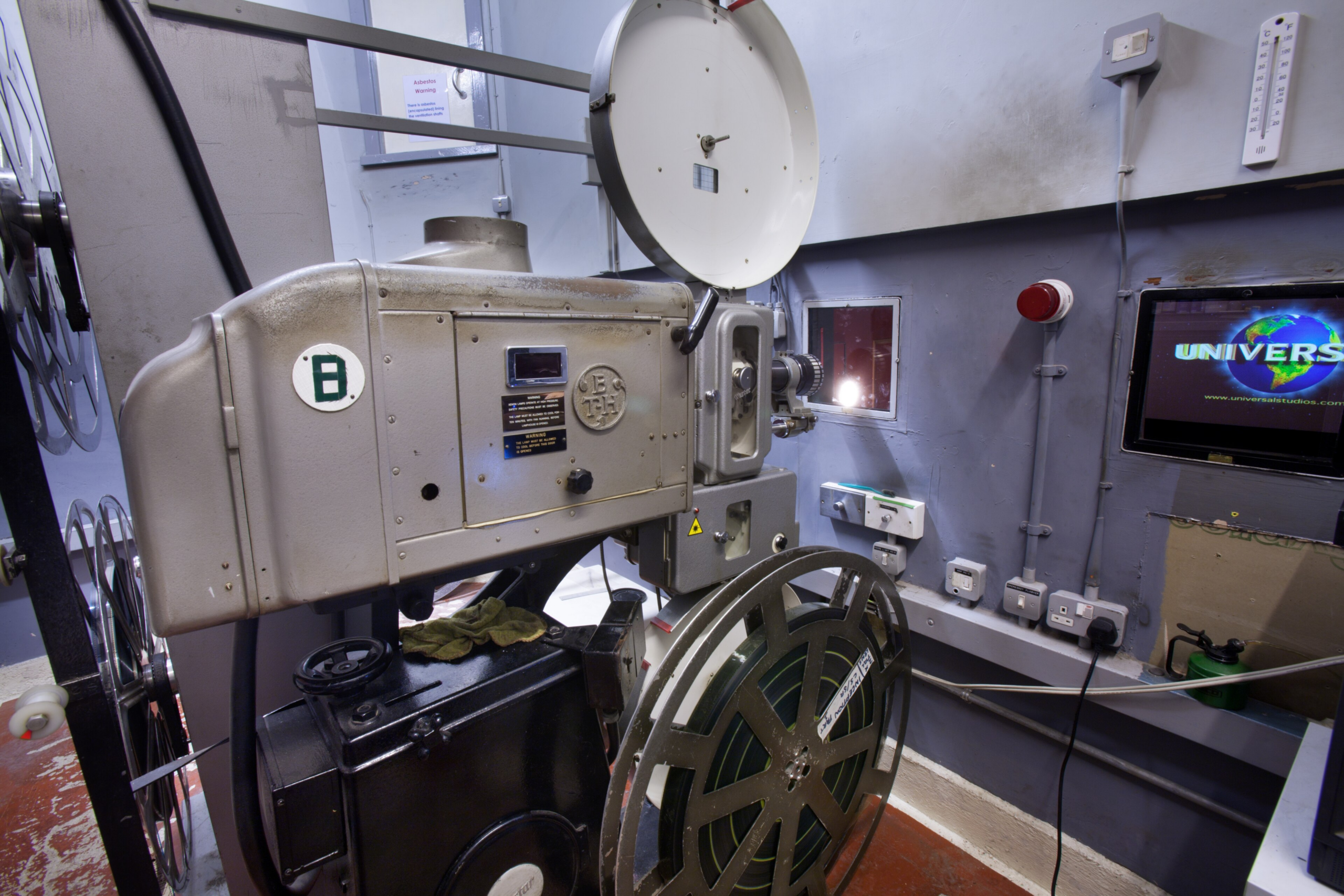
Everything about the old cinema followed from scarcity. One screen, one programme, fixed times, no way to see it again – which made attending a decision rather than a default.
Watching at home is better in almost every measurable way, and something specific went with the change. A film you could not pause, in a dark room full of strangers who had all made the same effort to be there, on one evening that would not come again, was watched differently – and most people who remember it can still name the film they saw last.
Like our content? Follow us for more.