The question worth asking on any open plain is what is stopping the trees, because something is. Here are seventeen answers.
1. The Rainfall Squeeze
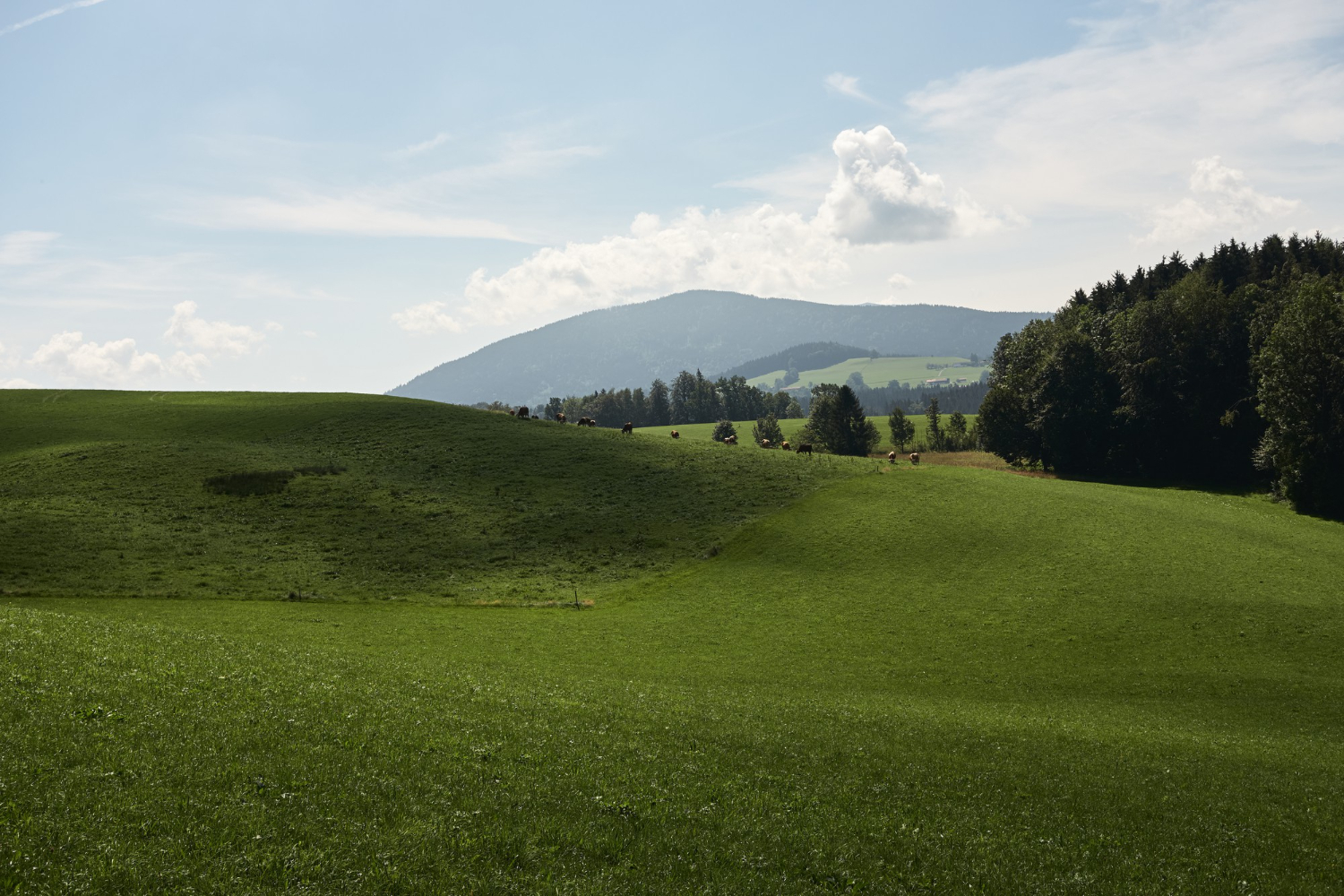
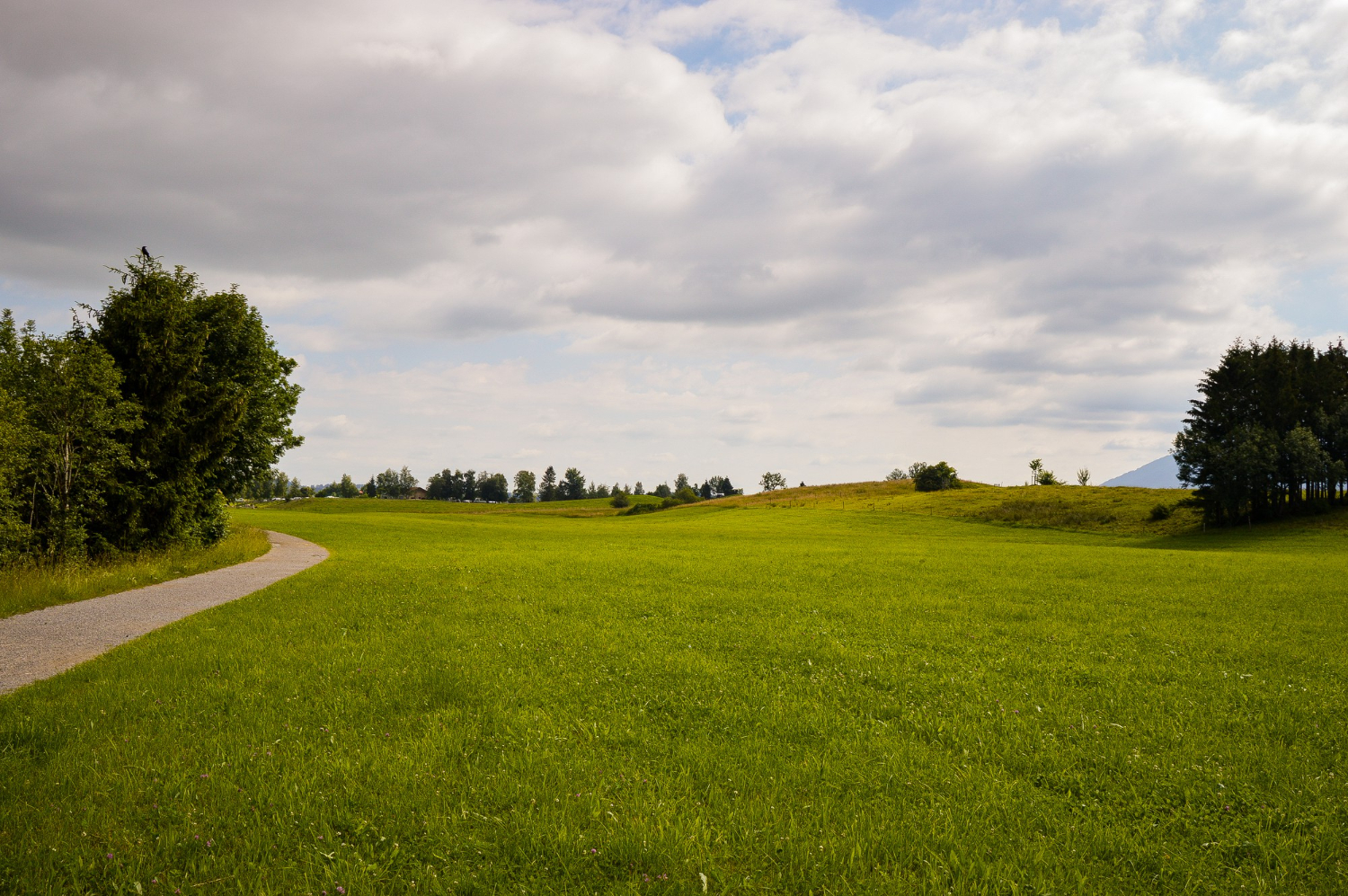
The basic temperate grassland occupies a narrow band where rainfall is too low to support forest and too high to produce desert – a squeeze rather than a preference.
Move either way and the vegetation changes entirely. The rainfall grassland is the landscape defined by being between two other things.
Like our content? Follow us for more.
2. The Grass That Grows From the Bottom
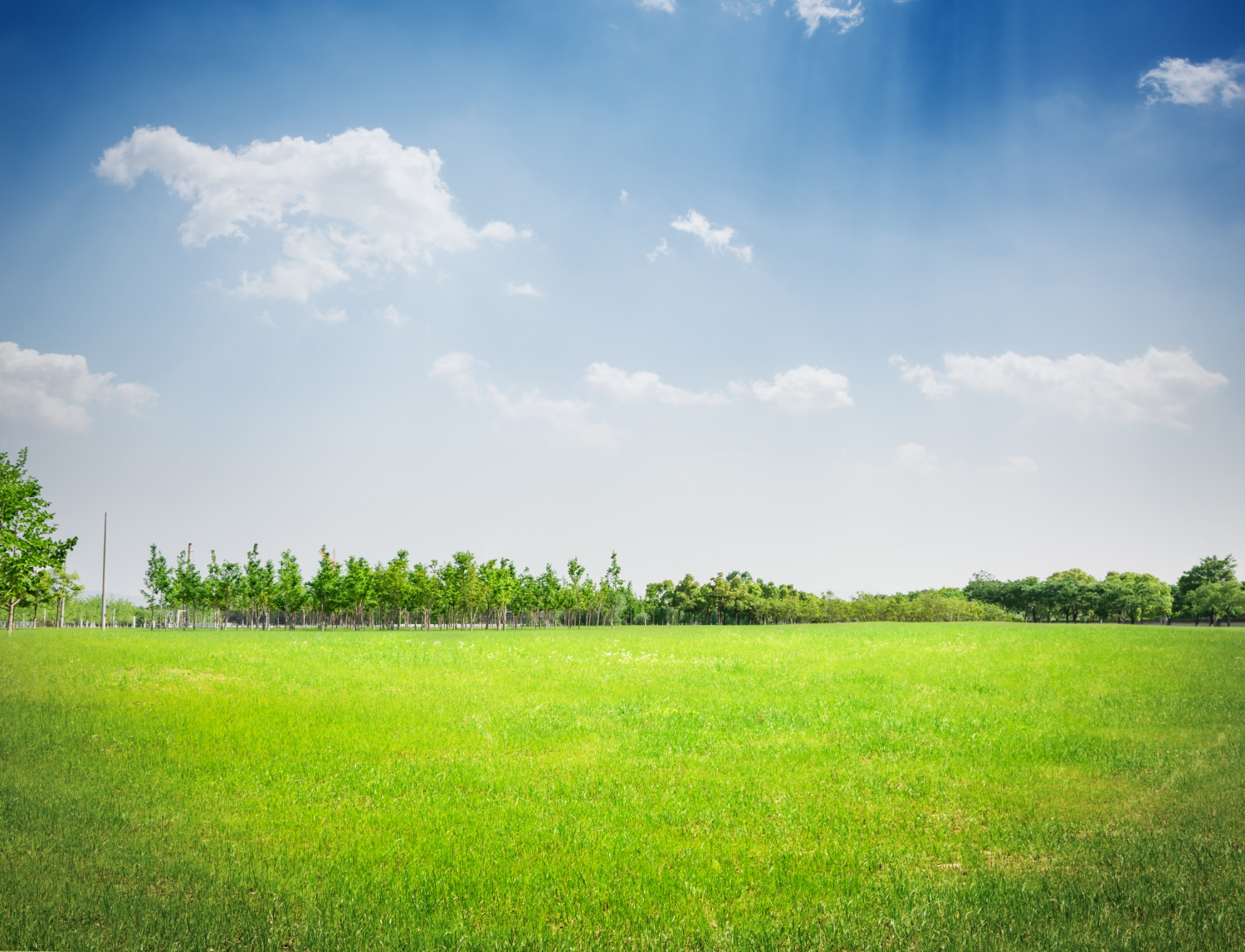
Grasses grow from the base of the leaf rather than the tip, so removing the top does not stop growth – which is why grass survives grazing, cutting and burning while most plants do not.
That single anatomical detail is why grasslands exist at all. Basal growth is the property that lets grass win where nothing else can.
3. The Fire-Maintained Savanna
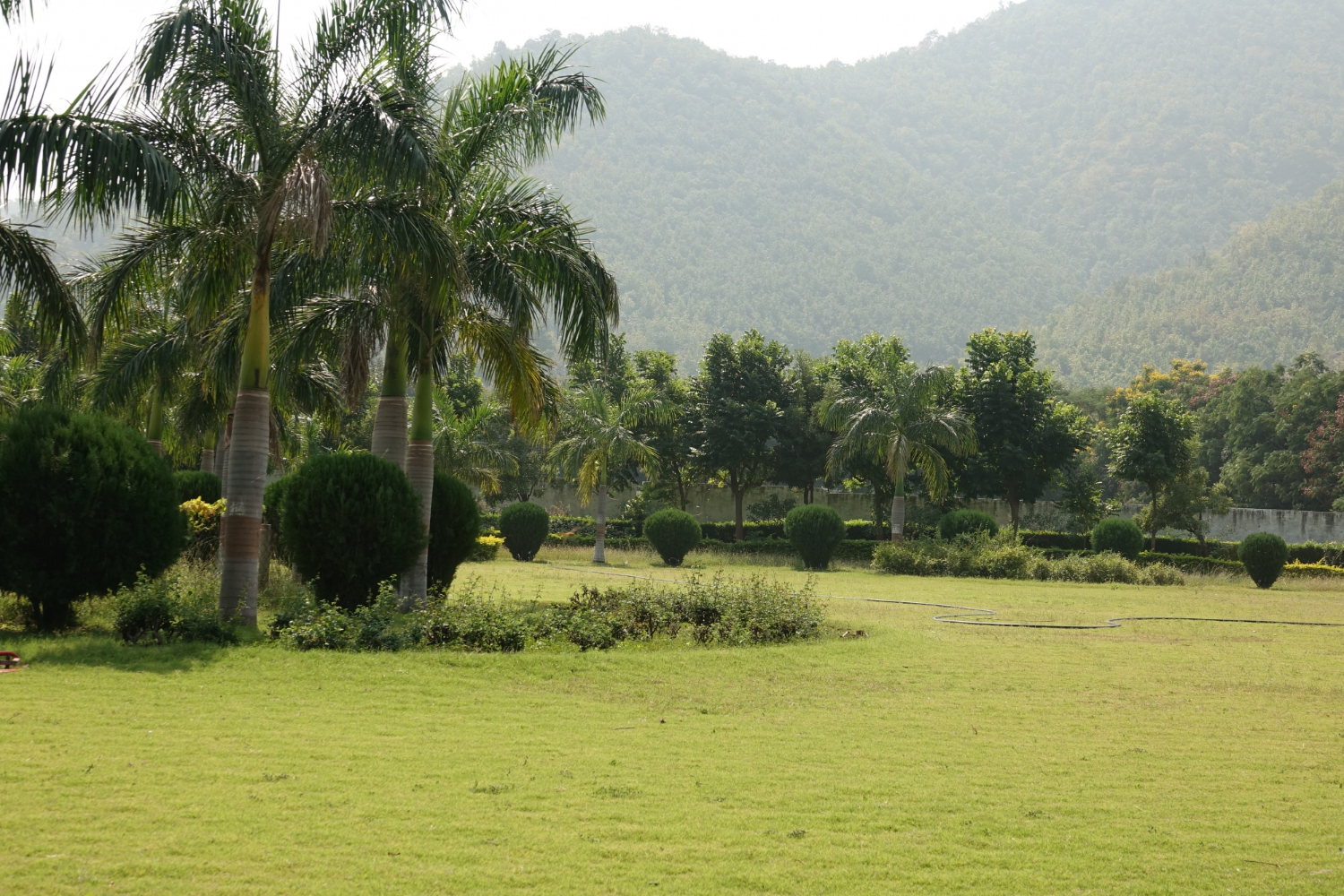
Tropical grassland with scattered trees is held open by seasonal fire, which kills tree seedlings while established grasses regrow from their roots within weeks.
Suppress the fire and the woodland closes in. The fire grassland is the landscape maintained by burning rather than by drought.
4. The Grazing-Maintained Plain
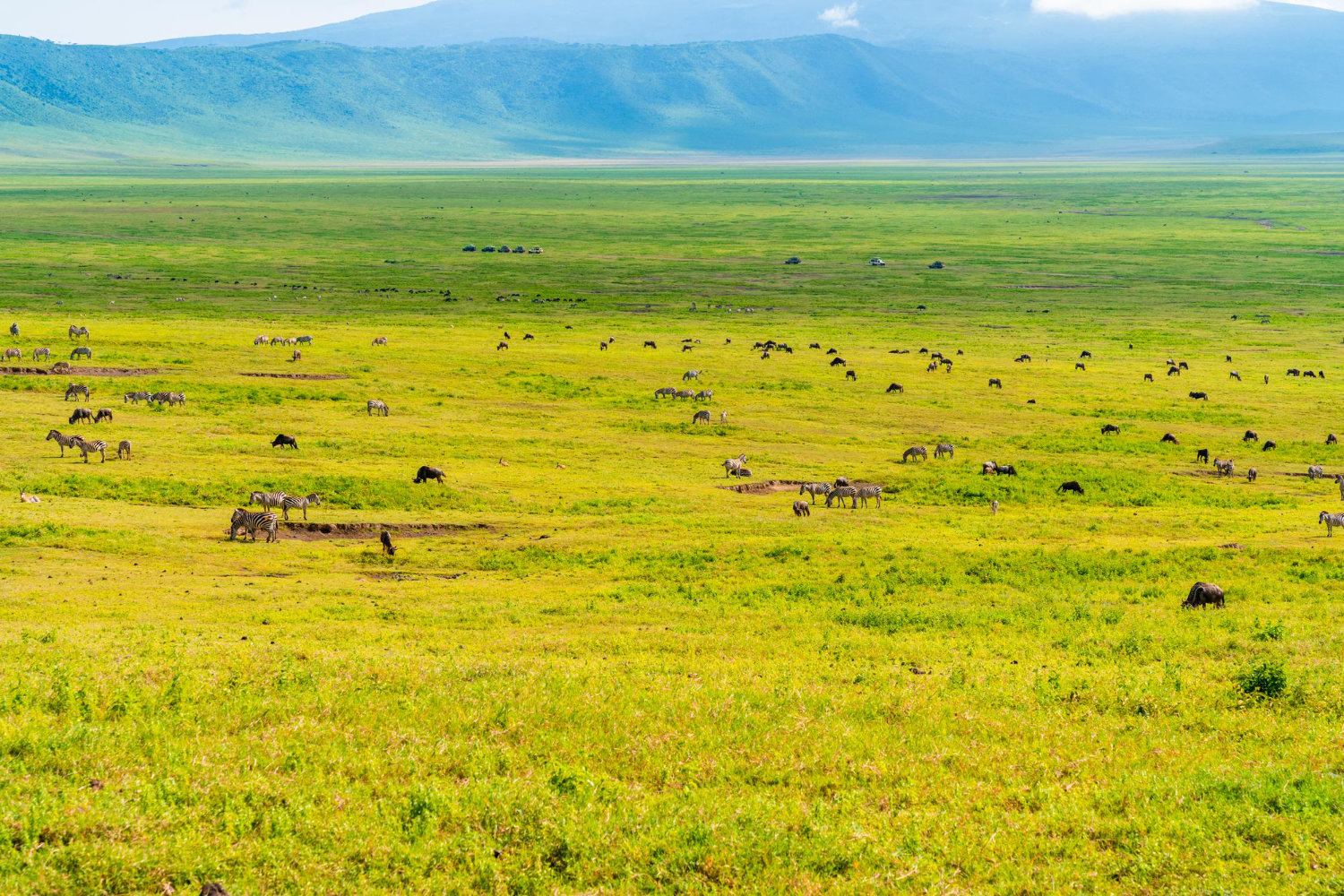
Where large herbivores are present in numbers, their feeding removes woody seedlings continuously and the grassland persists on ground that would otherwise support trees.
Remove the animals and scrub appears. The grazing grassland is the landscape held open by appetite.
5. The Soil Nobody Expected
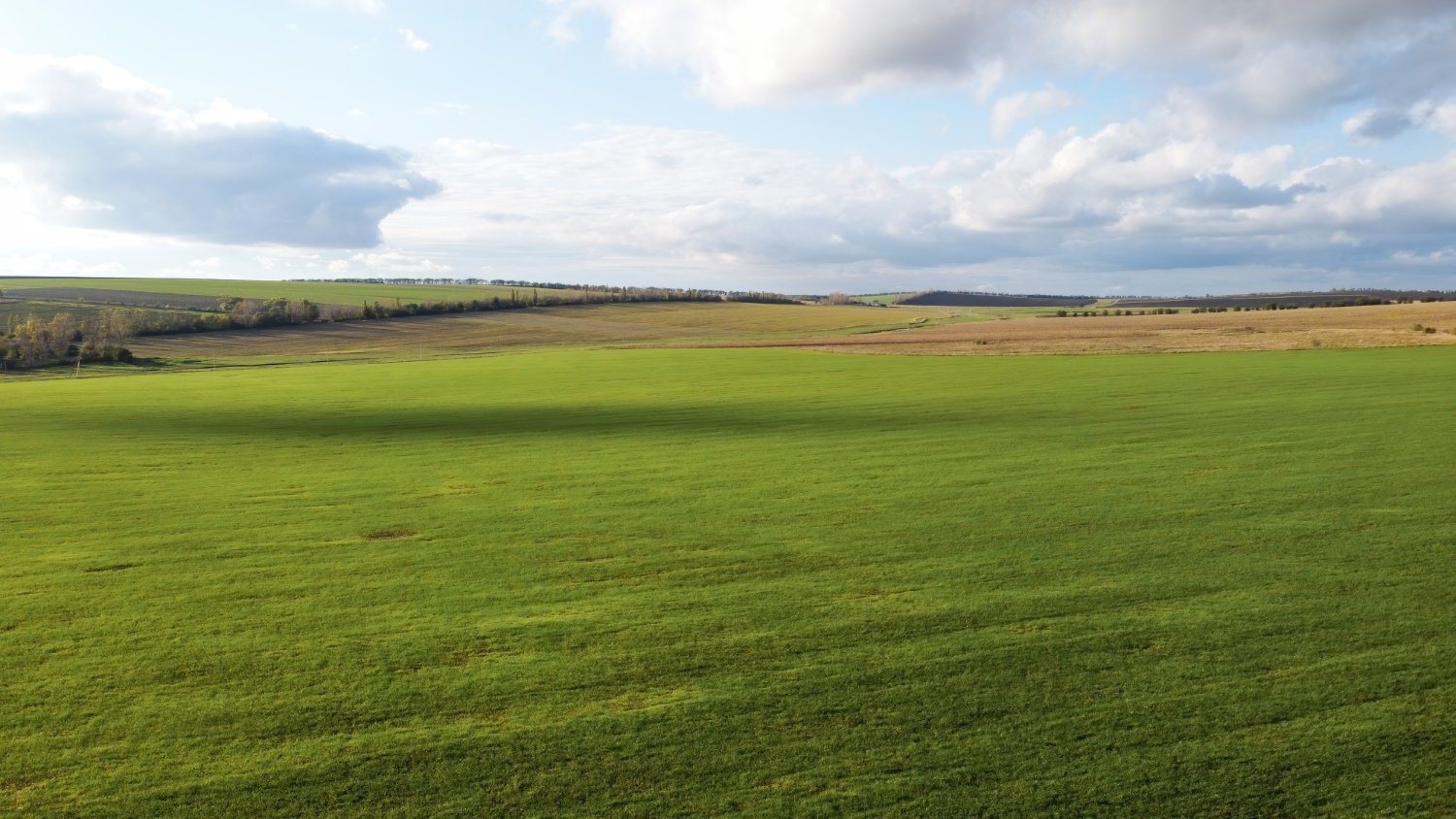
Temperate grassland soils are among the deepest and most fertile anywhere, built over millennia by grass roots dying and decomposing underground rather than by leaf litter above.
That fertility is why so much of it is now farmland. Deep grassland soil is the resource the grass spent thousands of years making.
6. The Steppe as a Corridor
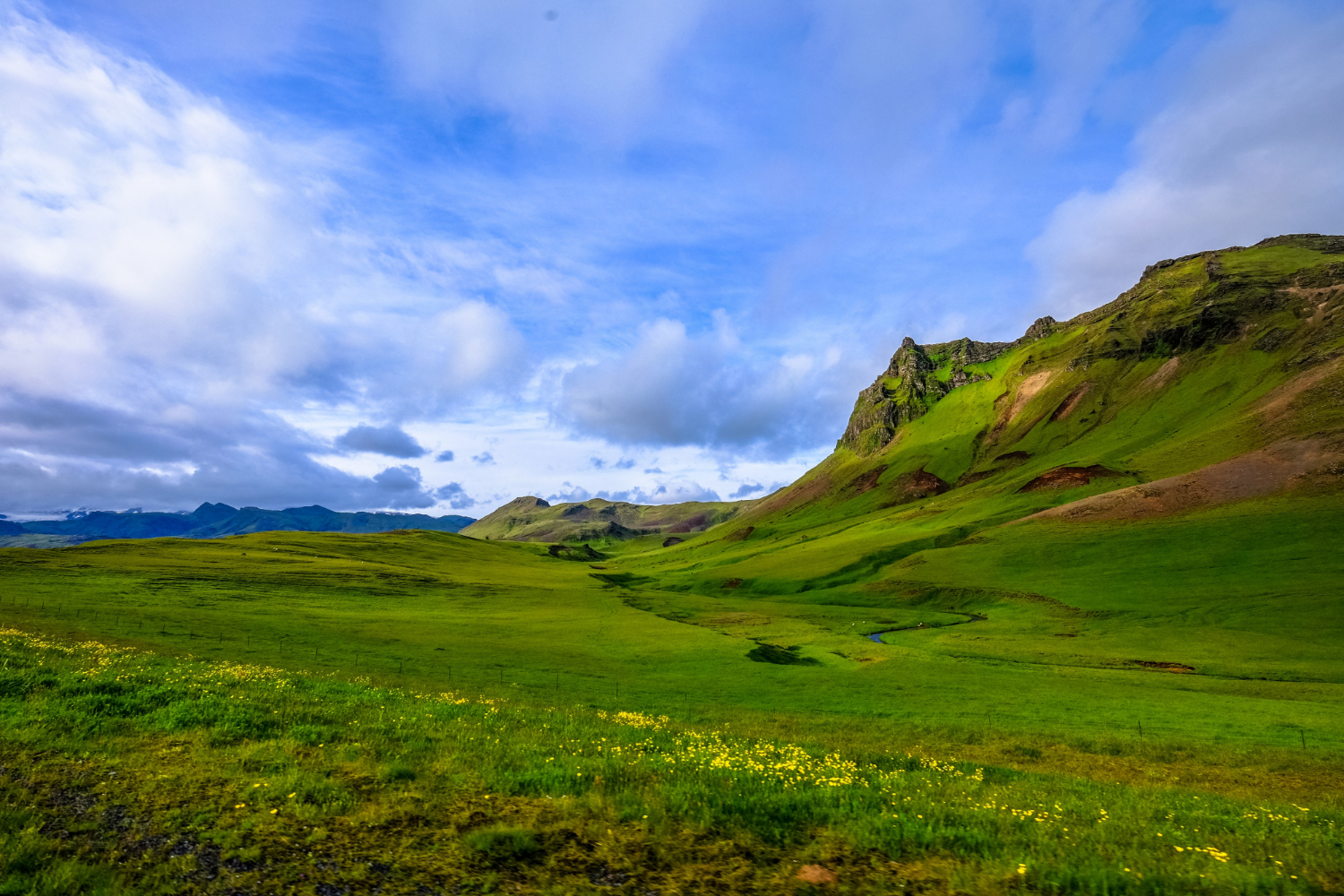
A continuous belt of grassland runs across an enormous span of a continent, and for millennia it functioned as a route rather than a barrier, carrying movement east and west.
Everything travelled along it. The steppe is the grassland that worked as a road.
7. The Grassland Above the Treeline
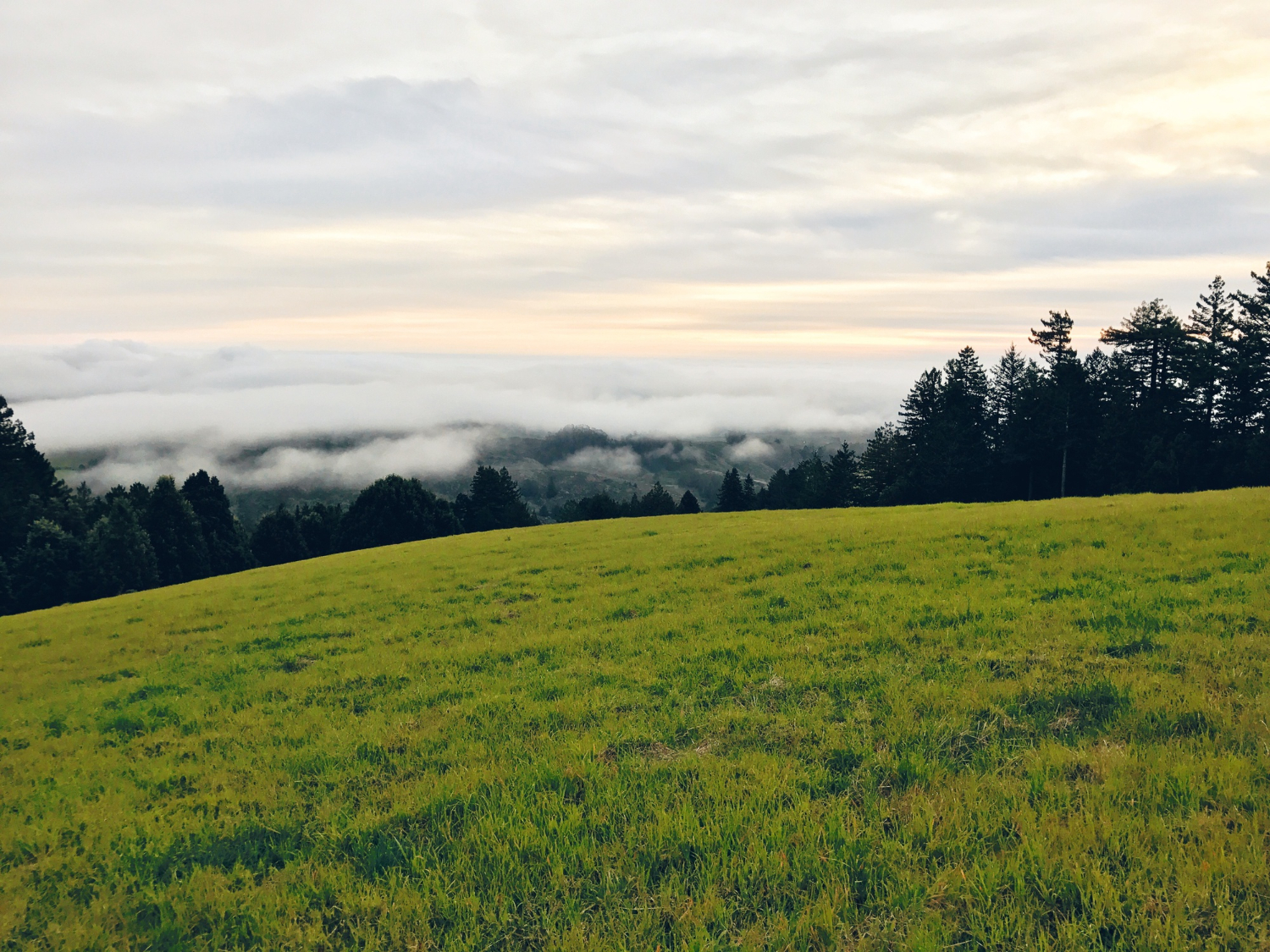
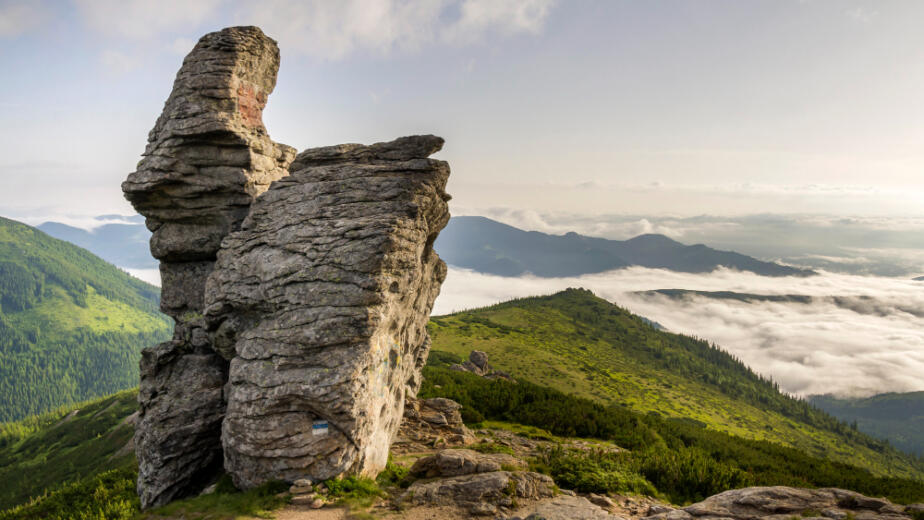
At altitude, cold and wind prevent tree growth entirely, producing grassland on mountains for reasons that have nothing to do with rainfall.
It sits above forest rather than beside it. High-altitude grassland is the version where elevation does the work.
8. The Grassland People Made
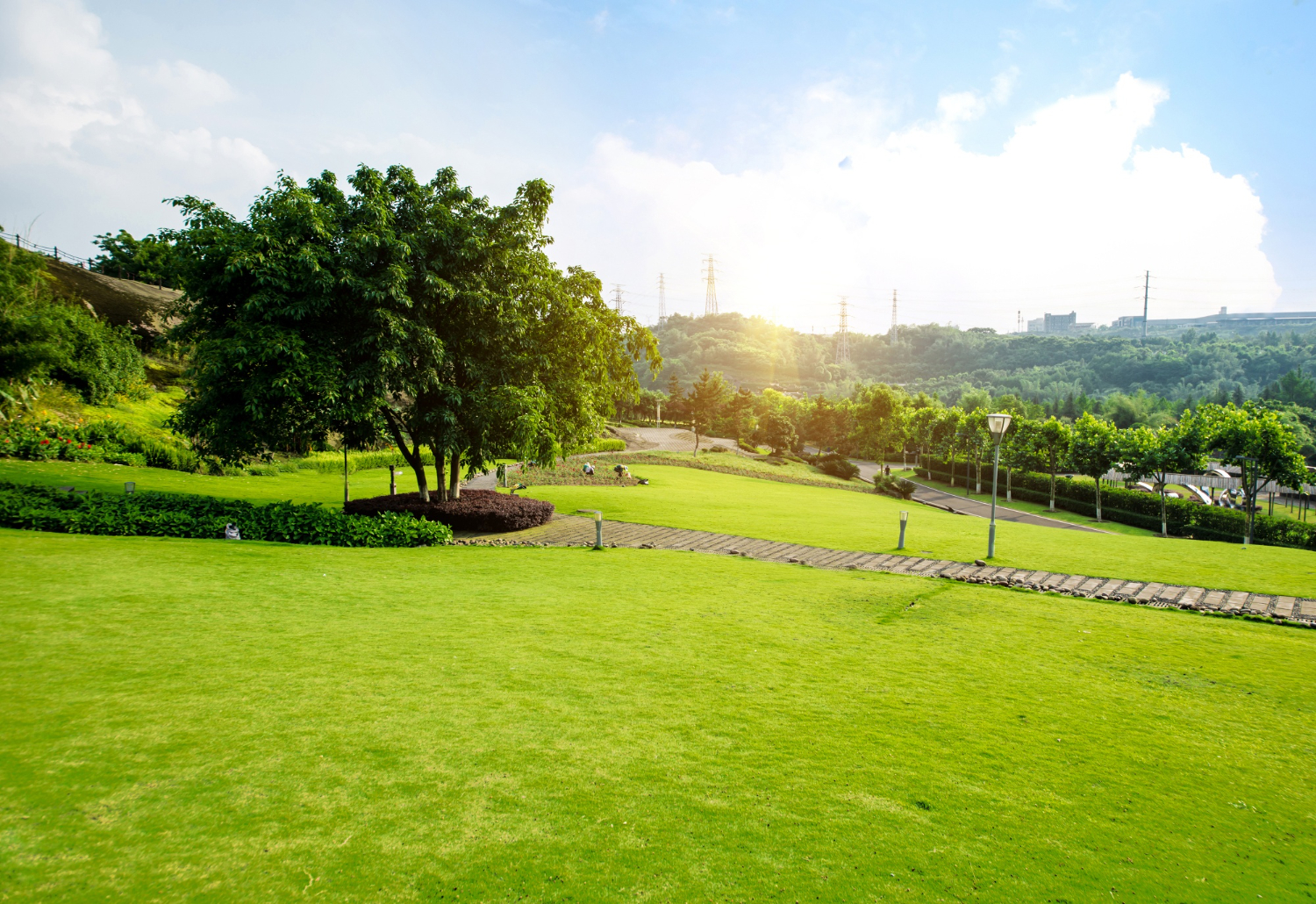
A substantial proportion of open grassland worldwide is maintained by human burning and pasturing over very long periods, and is neither natural nor recent.
Some has been managed this way for thousands of years. Managed grassland is the landscape that is a human artefact and looks like wilderness.
9. The Seasonally Flooded Plain
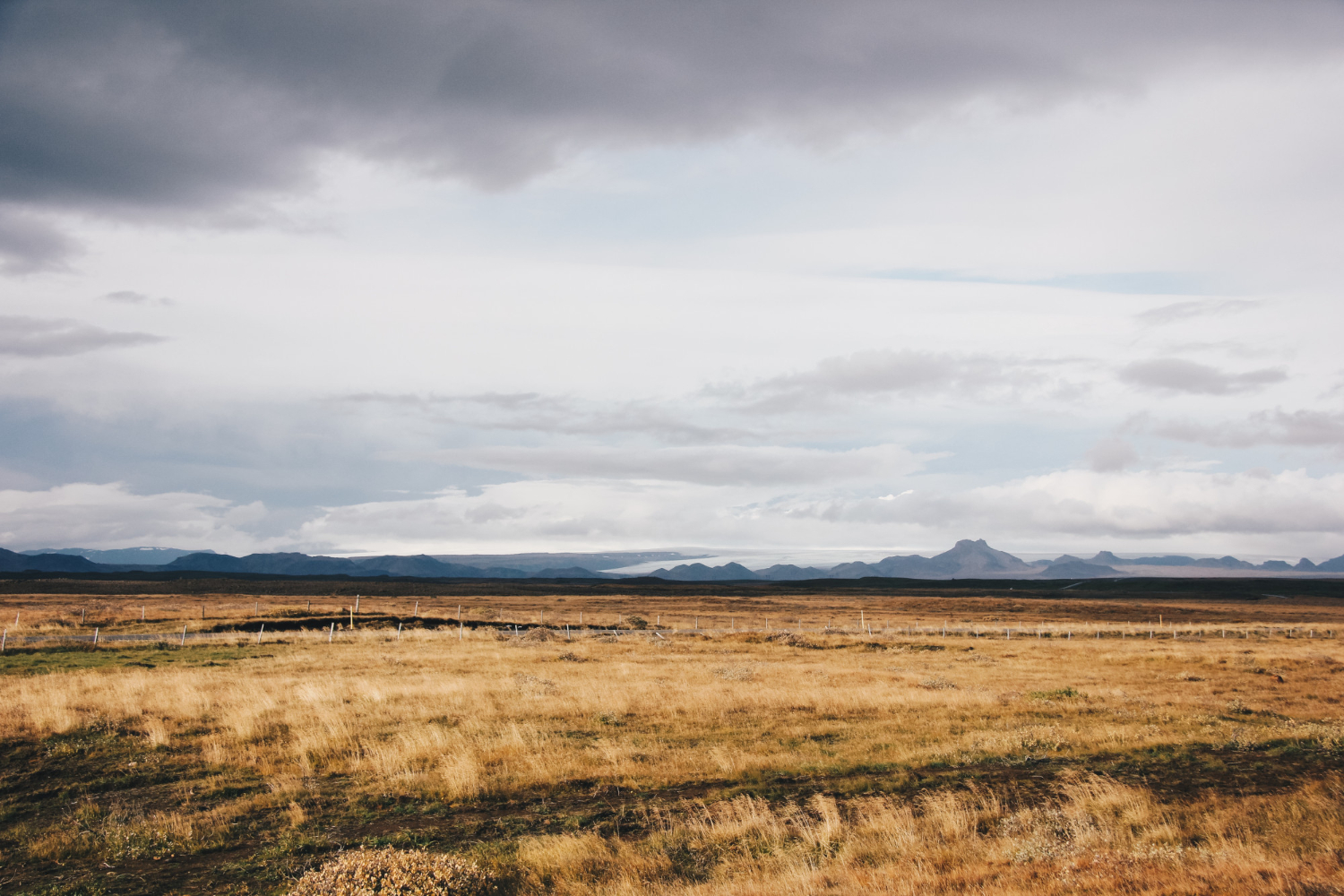
Some grasslands are underwater for part of the year, which excludes trees as effectively as drought and produces a completely different landscape between seasons.
Arriving at the wrong time shows you the wrong place. Flooded grassland is the version whose character depends on the month.
10. The Small-Scale Diversity Record
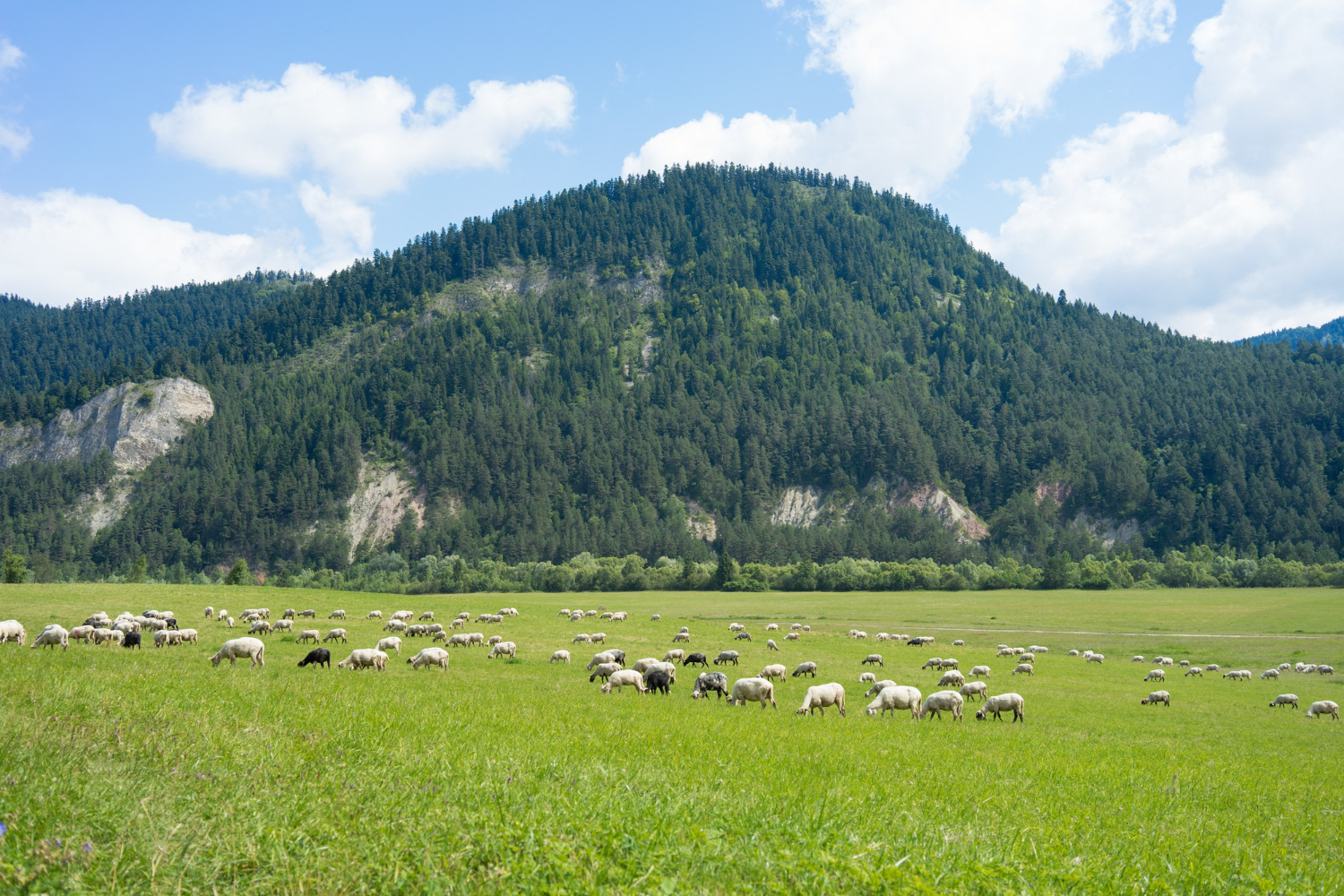
Certain grasslands hold more plant species per square metre than any other habitat on Earth, which surprises people expecting monotony.
The diversity is at ground level and invisible from any distance. Species-rich grassland is the landscape that looks empty and is not.
11. The Wind
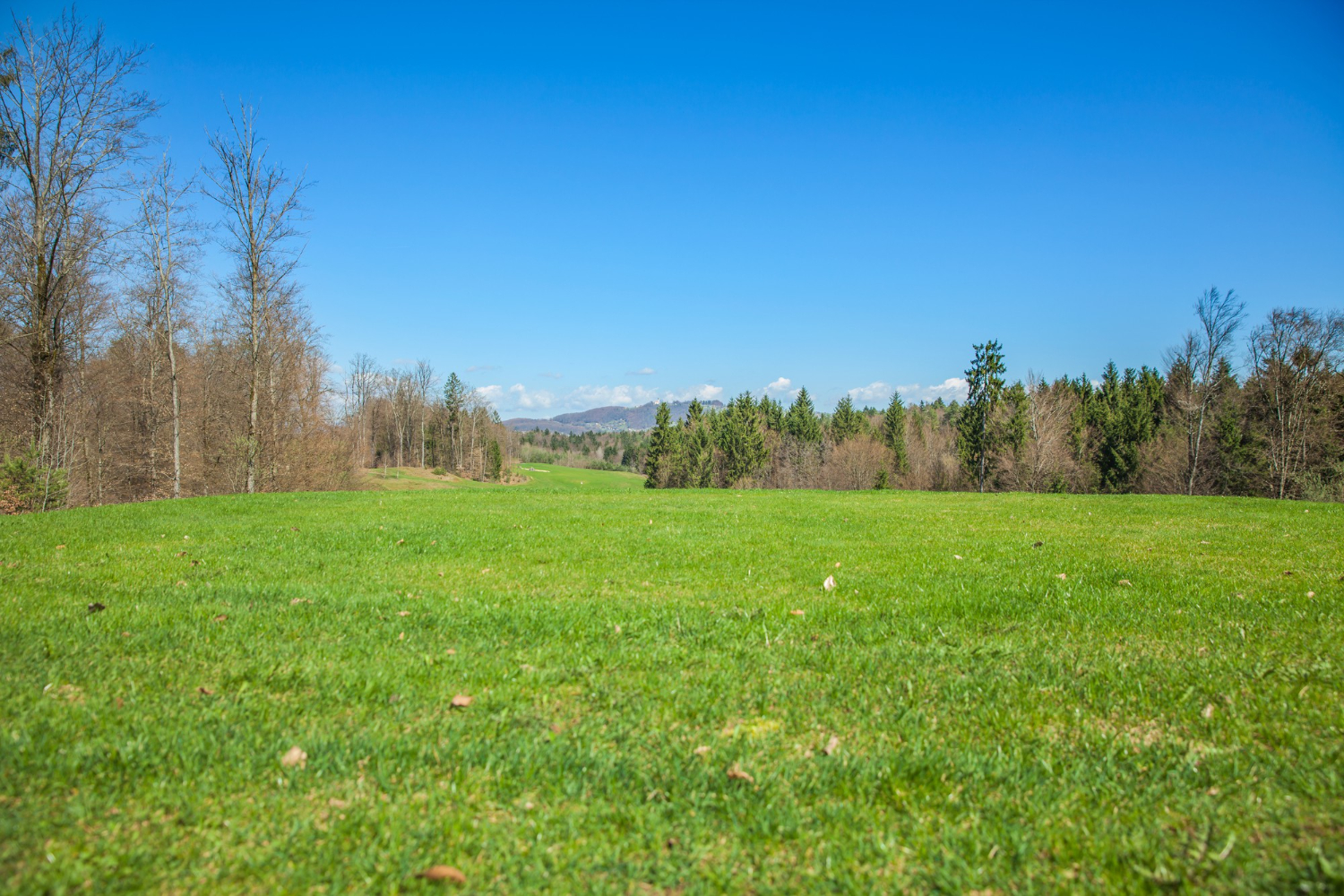
Open ground with nothing to interrupt it means constant wind, which shapes everything – the vegetation, the buildings, the shelter belts and the experience of standing in it.
It is the dominant sensory fact of every grassland. Wind is the grassland condition nobody mentions and nobody forgets.
12. The Migration Route
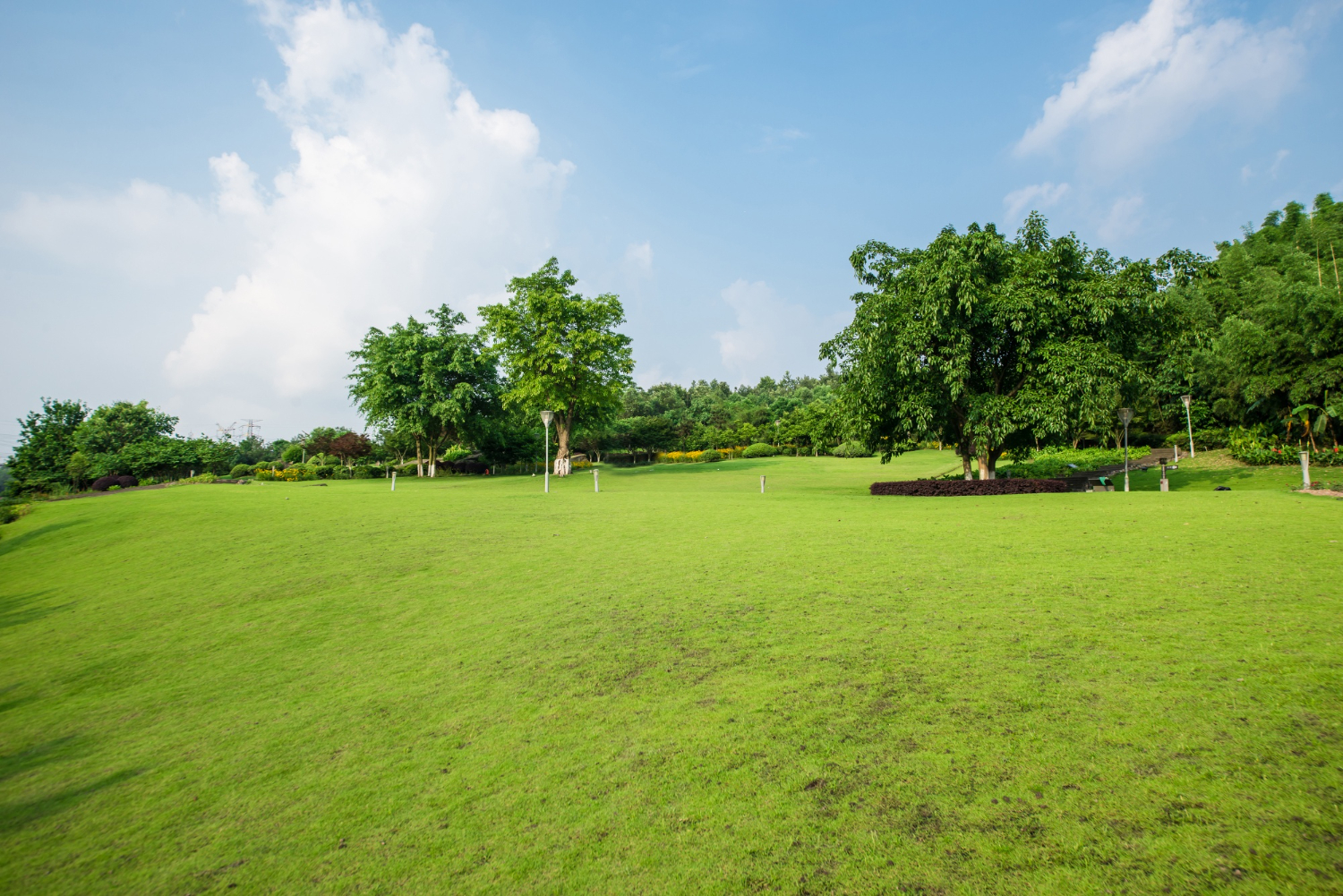
Grasslands support seasonal movement of enormous numbers of animals following rainfall and new growth, so the same landscape holds vast herds and almost nothing depending on the week.
Timing determines entirely what is there. Migration grassland is the landscape whose population is seasonal.
14. The Absence of Shelter
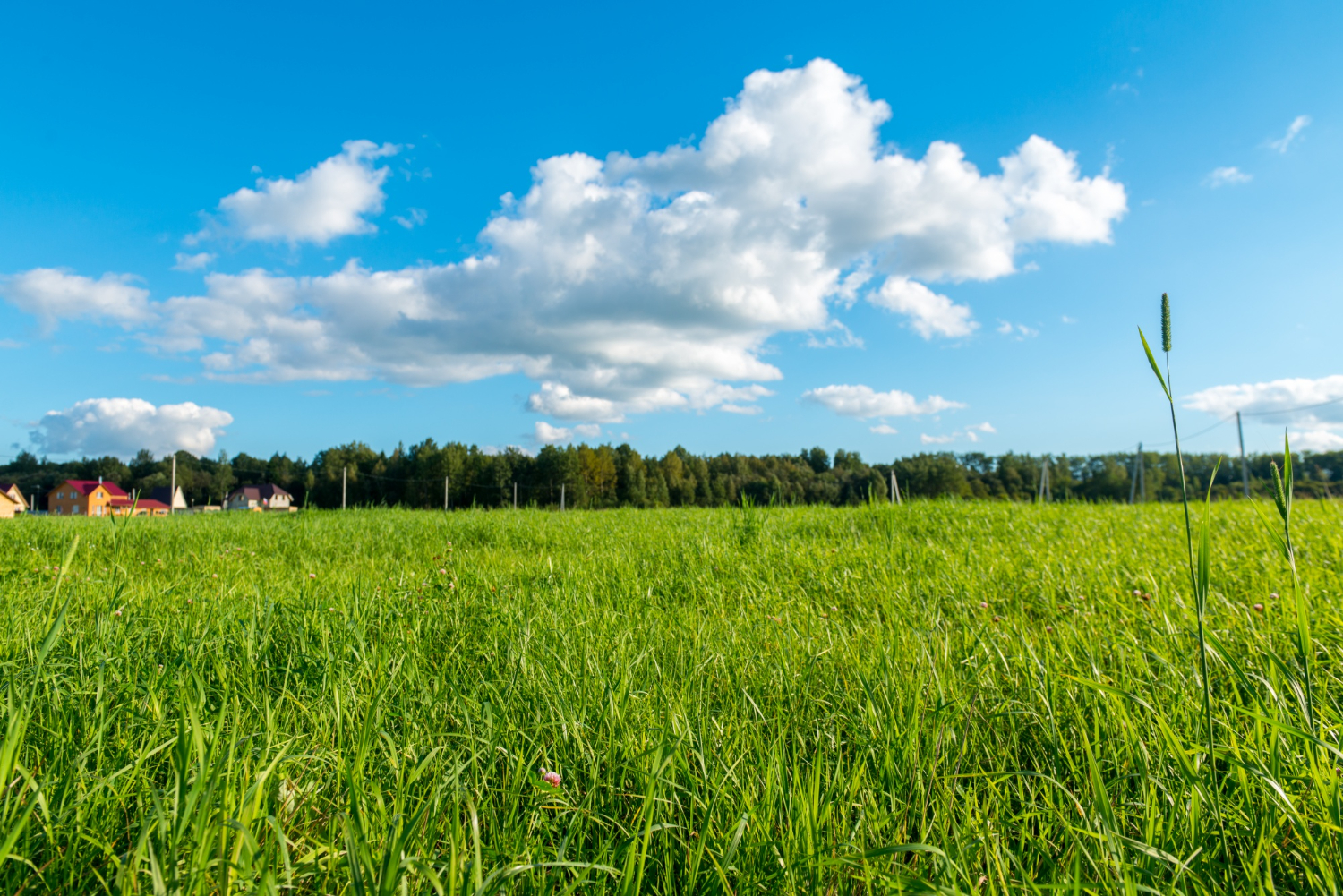
Nowhere to hide, nowhere to shade and nowhere to shelter changes how people live on grassland, which is why settlements cluster at water and why portable dwellings developed there.
The architecture is a response to exposure. Shelterless grassland is the landscape that shaped the buildings on it.
15. The Grassland With Termite Architecture
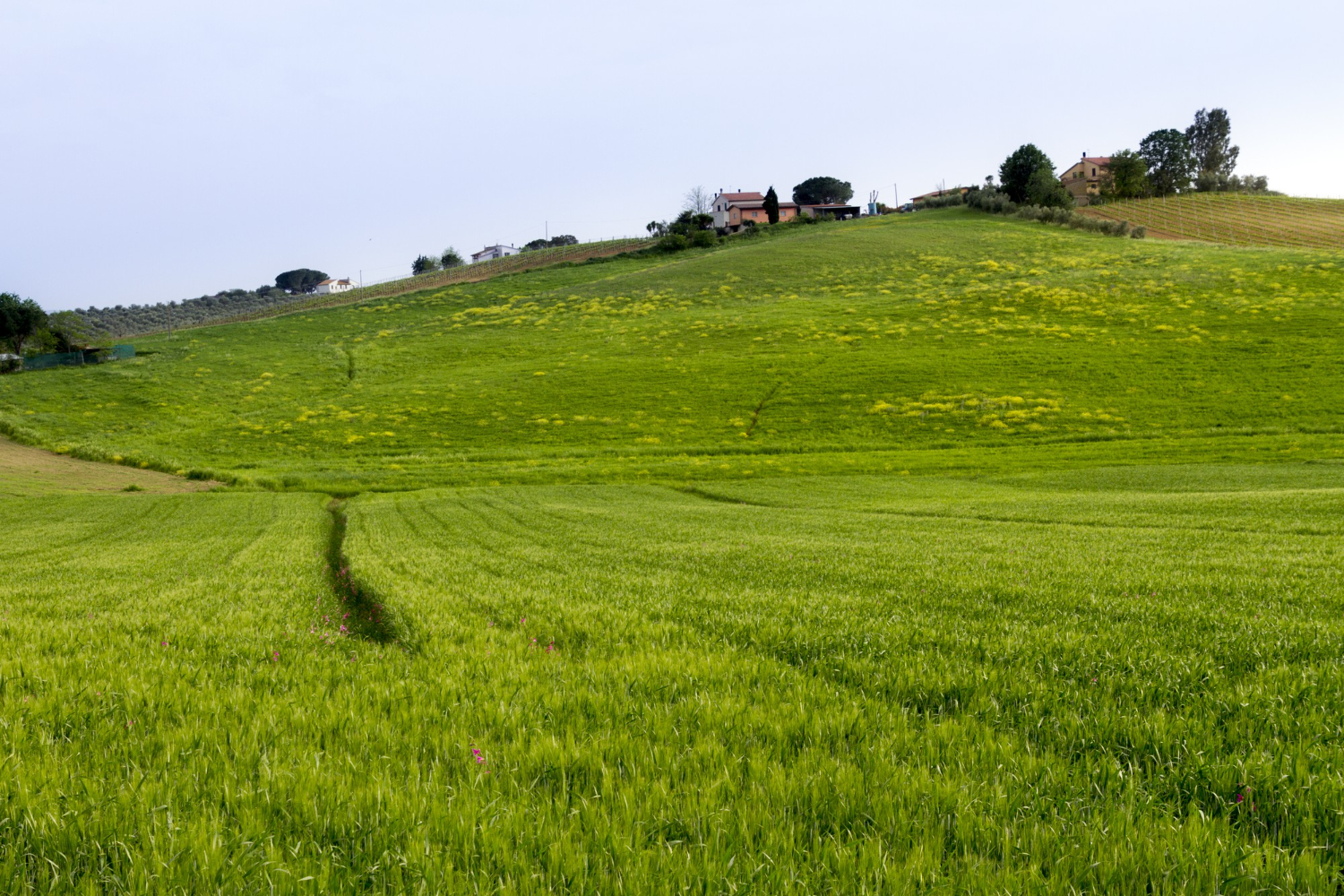
In some tropical grasslands the most visible structures are built by insects, and the mounds alter drainage, soil and vegetation around them enough to be visible from the air.
The landscape pattern is biological rather than geological. Mound grassland is the plain patterned by something very small.
16. The Long-Grass and Short-Grass Division
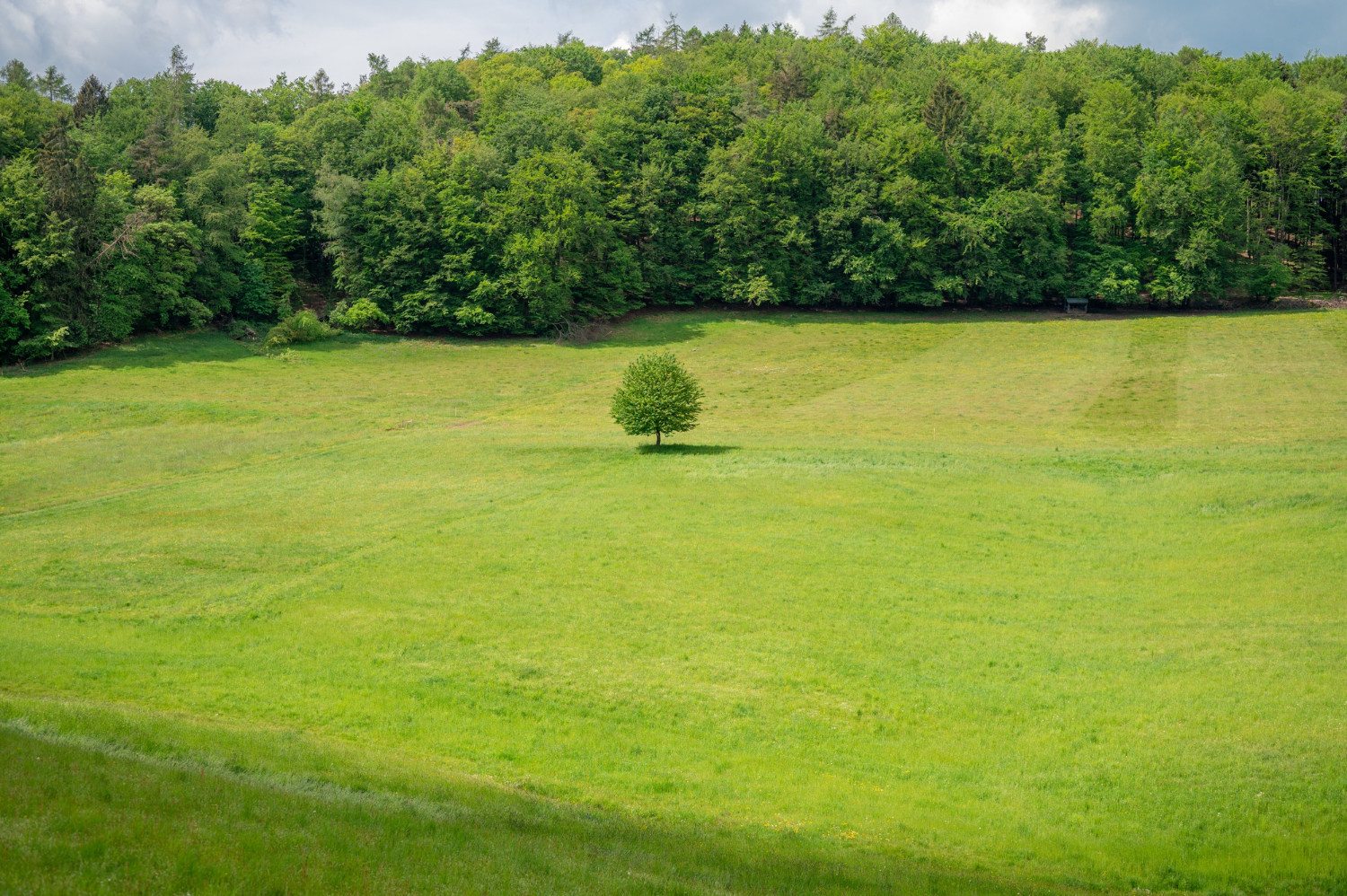
Rainfall gradients across a single grassland produce tall dense growth at the wetter end and low sparse growth at the drier end, with everything between.
The same landscape name covers two quite different places. The grass-height gradient is the variation that a single word conceals.
17. The Grassland That Was Forest
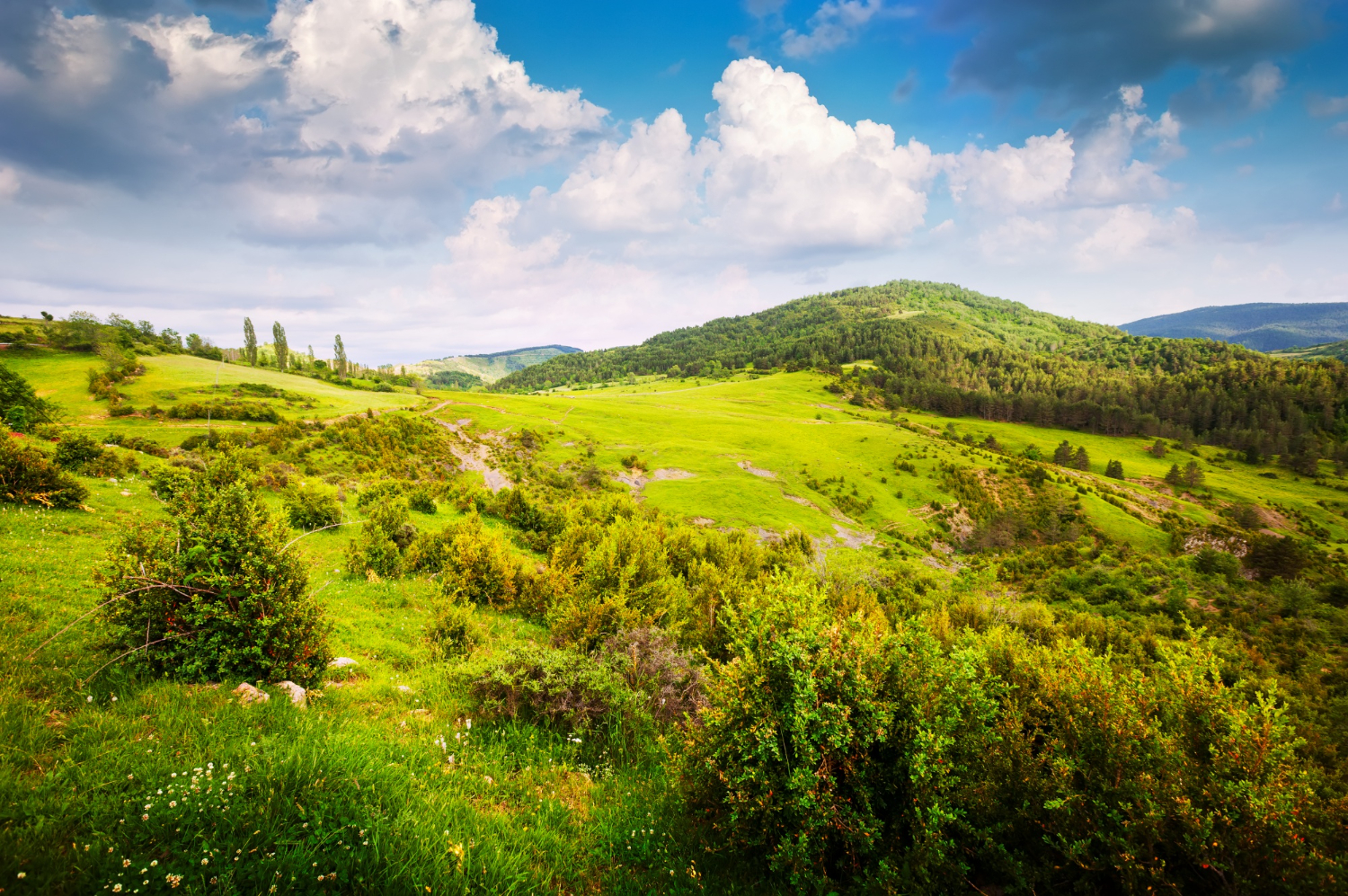
Some open country is recent, cleared within historical memory and now maintained by grazing, and the evidence survives in place names, boundary trees and soil.
It looks ancient and is not. Cleared grassland is the landscape whose age is younger than its appearance.
Something Is Stopping the Trees
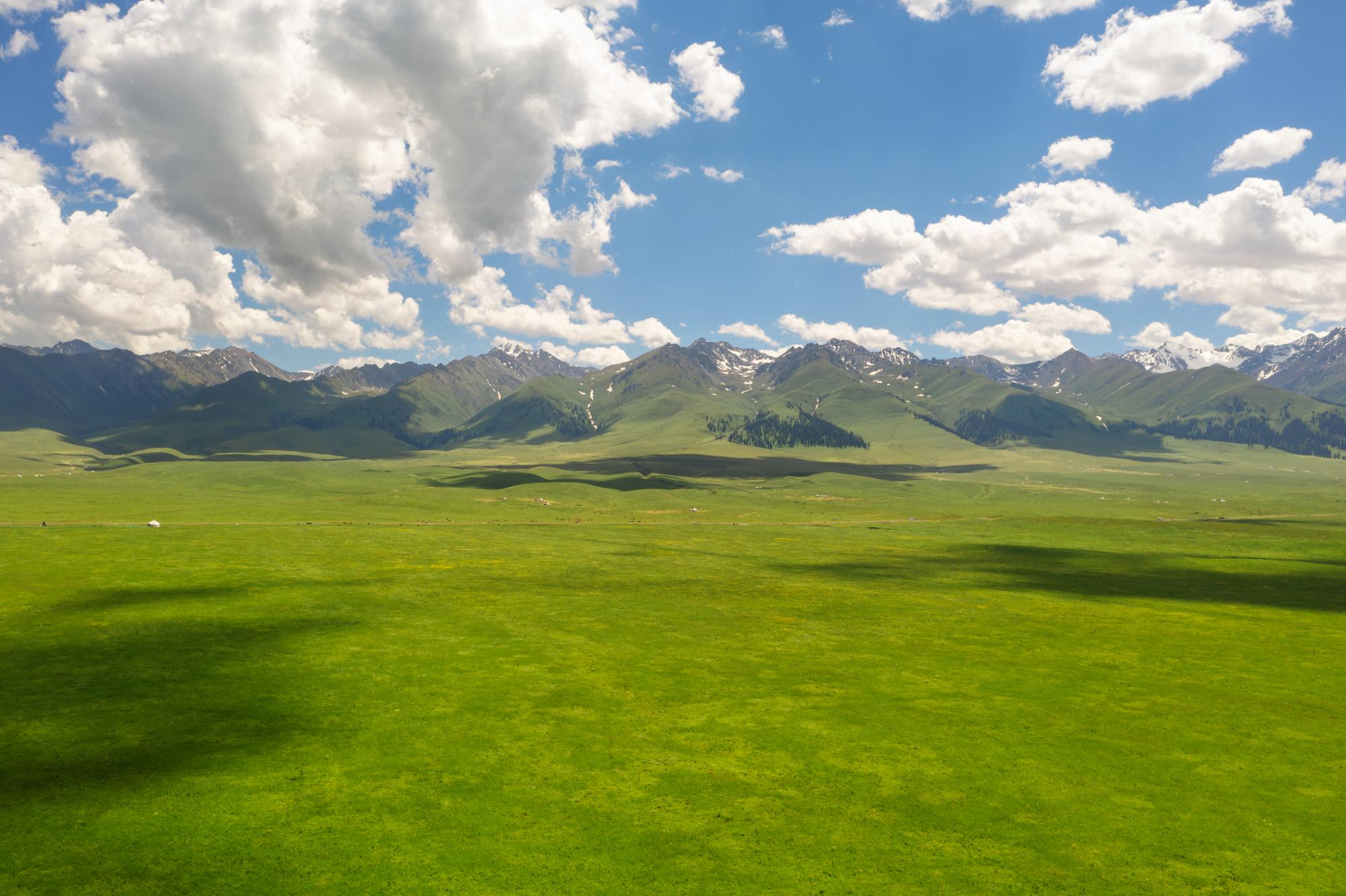
Rainfall, fire, grazing, altitude, flooding or people. Every open landscape on this list is held open by one of them, and the interesting question in any grassland is which.
Practical notes: grassland is exposed in every sense – no shade, no shelter, no landmarks, and weather visible from a very long way off and arriving faster than expected. Distances are deceptive because there is nothing to judge them against. Carry water, tell somebody your route, and treat a landscape with no features as harder to navigate rather than easier.
Like our content? Follow us for more.