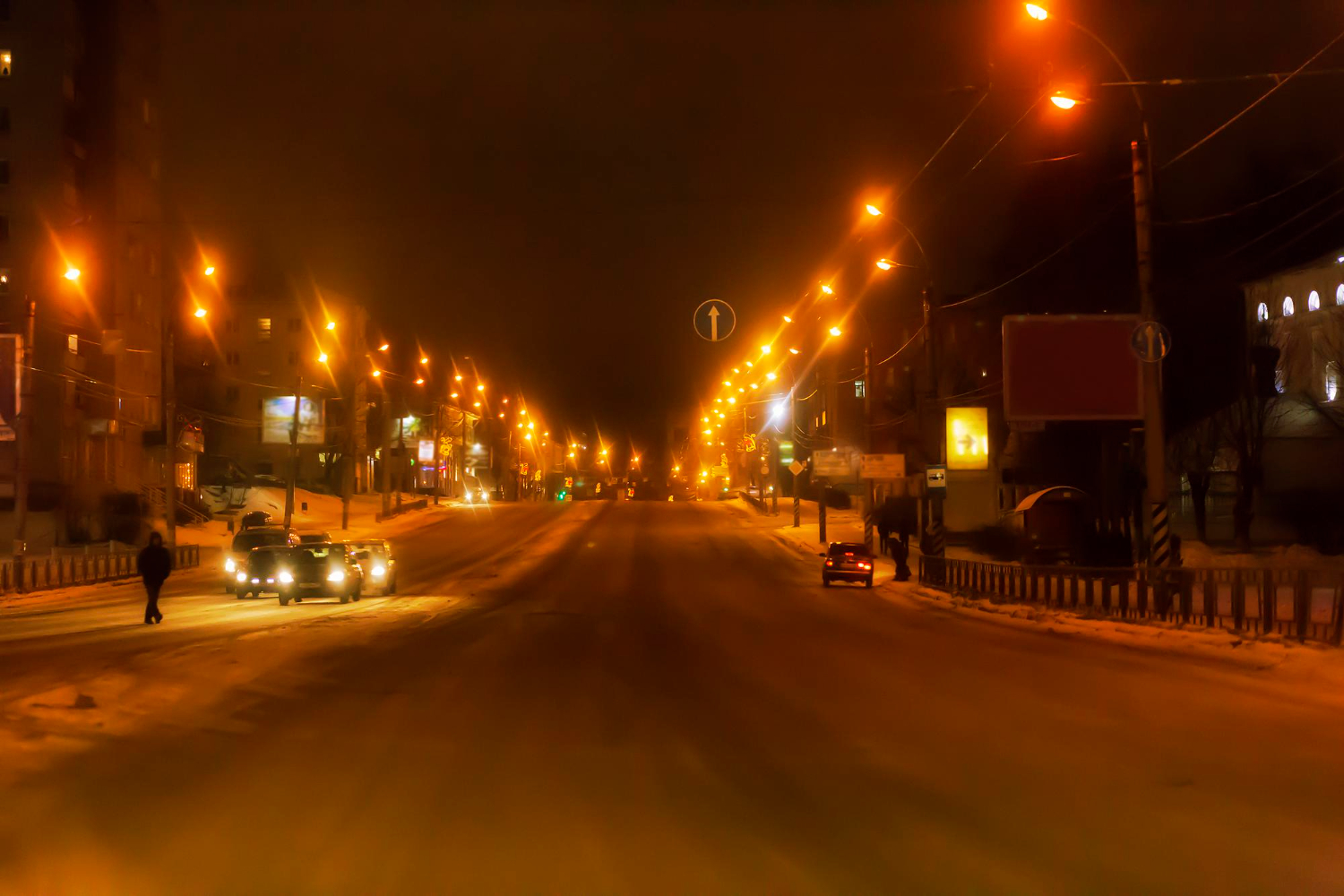
The useful reframing is that an evening is not a shorter day. Different things are open, different people are out, and the place behaves differently – which means daytime tactics mostly do not transfer. Here are ten that do.
1. Go Back to Somewhere You Saw in Daylight

A street, square or waterfront you walked through during the day is a substantially different place after dark, and you already know how to get there and what is around it.
The familiarity is what lets you notice the difference. Returning at night is the tactic that costs no research at all.
Like our content? Follow us for more.
2. Find Out What People Do Here in the Evening

Every place has an evening habit – a walk at a particular hour, a square that fills, a street that becomes busy – and it is rarely the thing marketed to visitors.
Ask anybody working where you are staying what happens in the evening. Finding the local habit is the question that produces the best answer of the trip.
3. Take the Transport Somewhere and Walk Back

Riding out a few stops and walking back covers ground you would never have chosen, at a pace that lets you see it, with a route that cannot get lost.
The return journey is the whole point. Riding out and walking back is the method that turns transport into a tour.
4. Sit Somewhere for an Hour
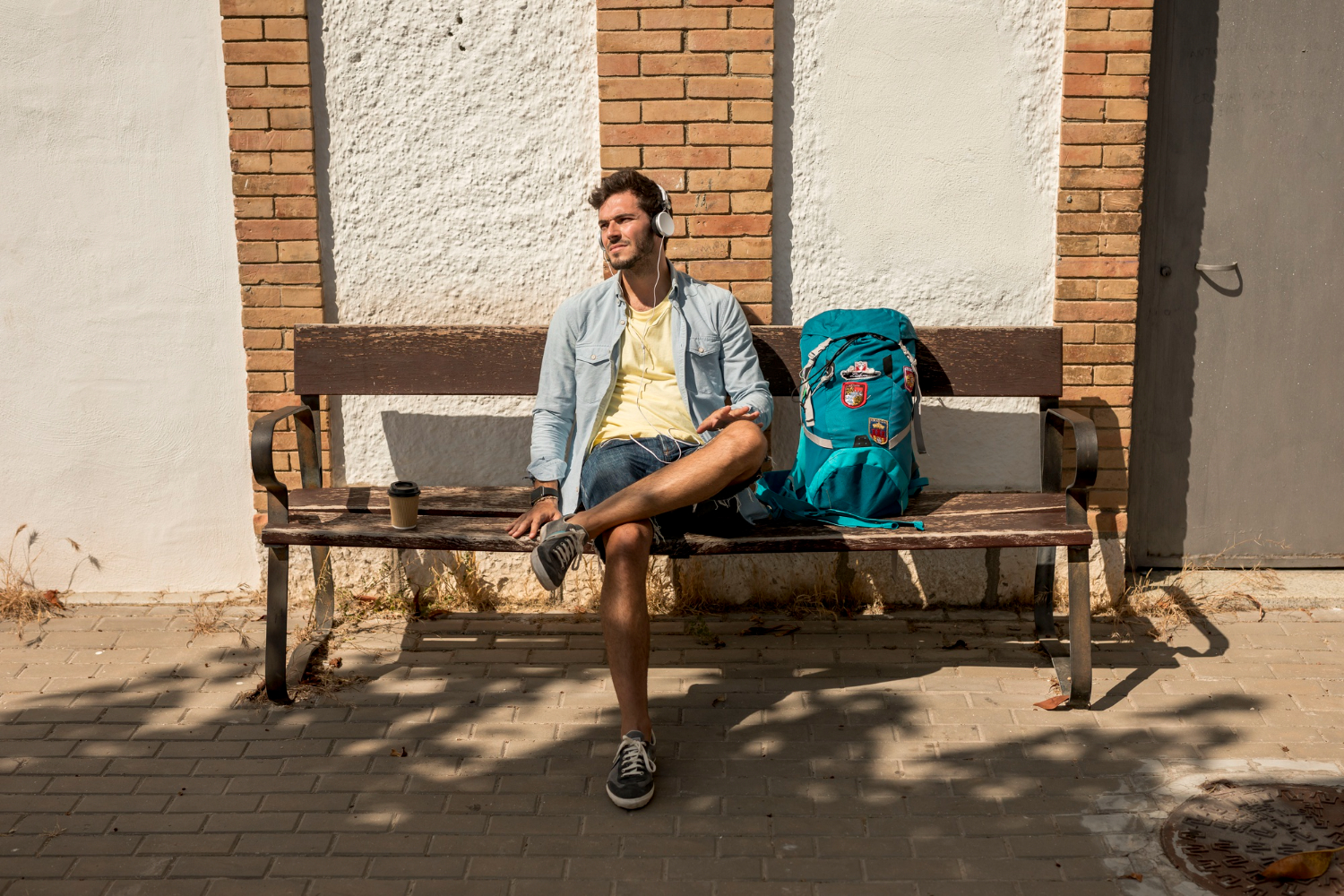
Choosing one spot – a square, a bench, a cafe table – and staying long enough to watch a whole cycle of people arrive and leave shows you more than covering three neighbourhoods.
Most visitors never stay anywhere long enough for this. Sitting still is the tactic that requires patience rather than planning.
5. Eat Late Rather Than Early
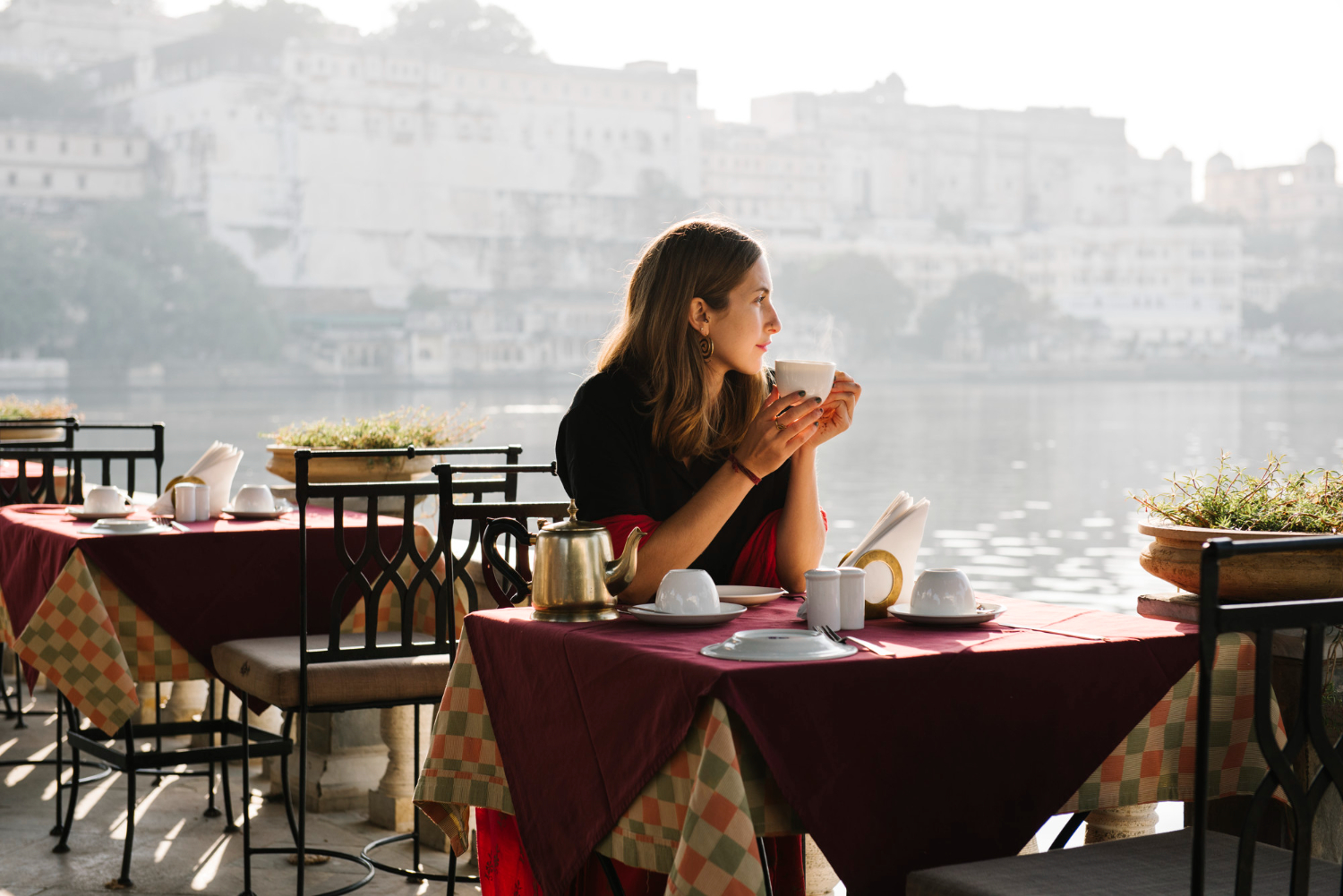
In a great many places the evening meal happens substantially later than visitors expect, and arriving at the local hour means a full room rather than an empty one.
Eating at your usual time frequently means eating alone. Adjusting the hour is the single change that most improves an evening out.
6. Go to Something You Would Not Go to at Home
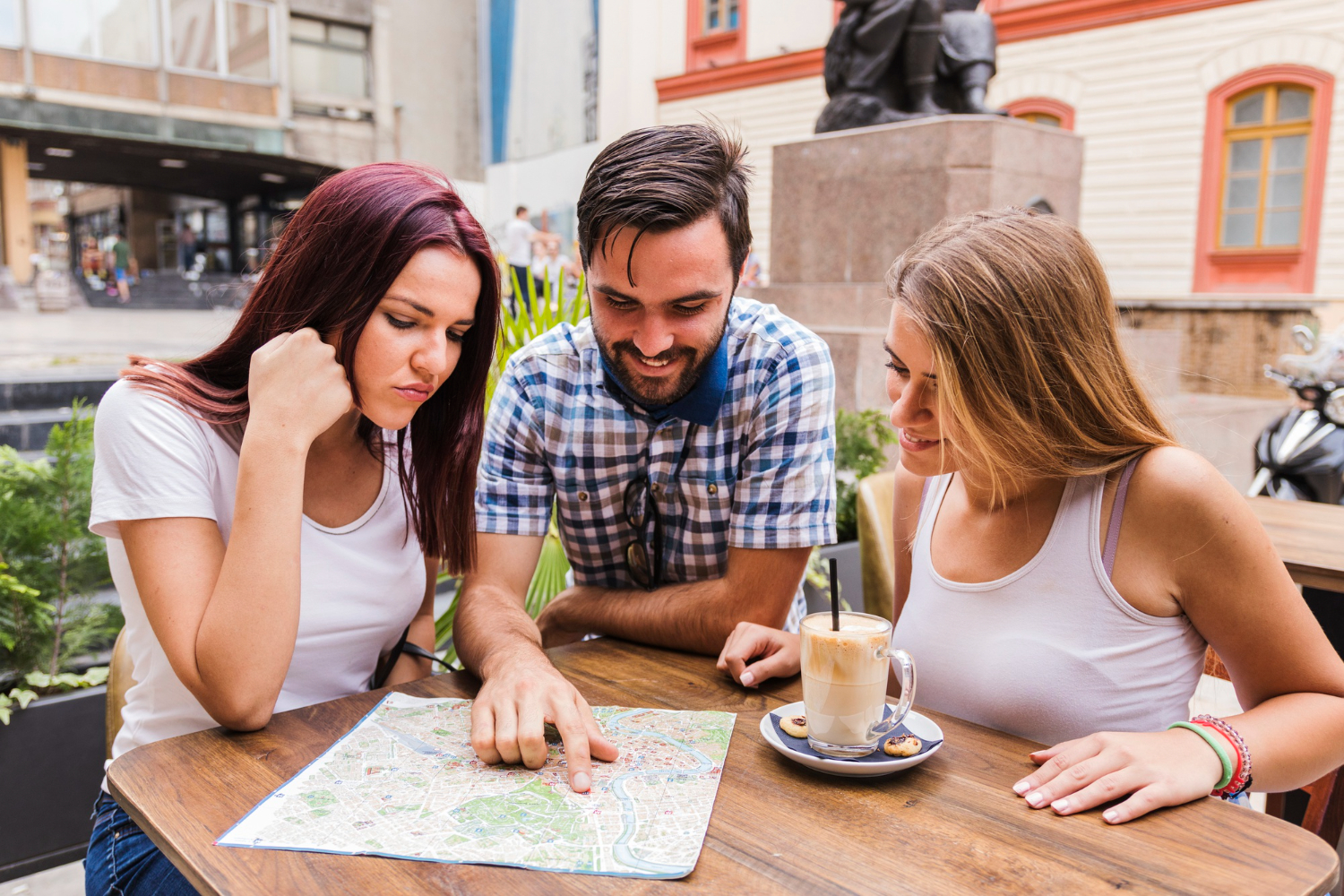
A local match, a rehearsal, a market, a service, a competition, a screening in a language you do not speak – the content matters far less than being somewhere with people who are there for their own reasons.
You are the only person who finds it unusual. Going to something ordinary is the evening choice that produces the best stories.
7. Walk a Single Street End to End

Picking one long street and following it the whole way, rather than wandering, gives an evening a shape and takes you through several neighbourhoods in sequence.
You see how a place changes rather than sampling it. Walking one street is the structure that stops an evening becoming aimless.
8. Find the High Point or the Water
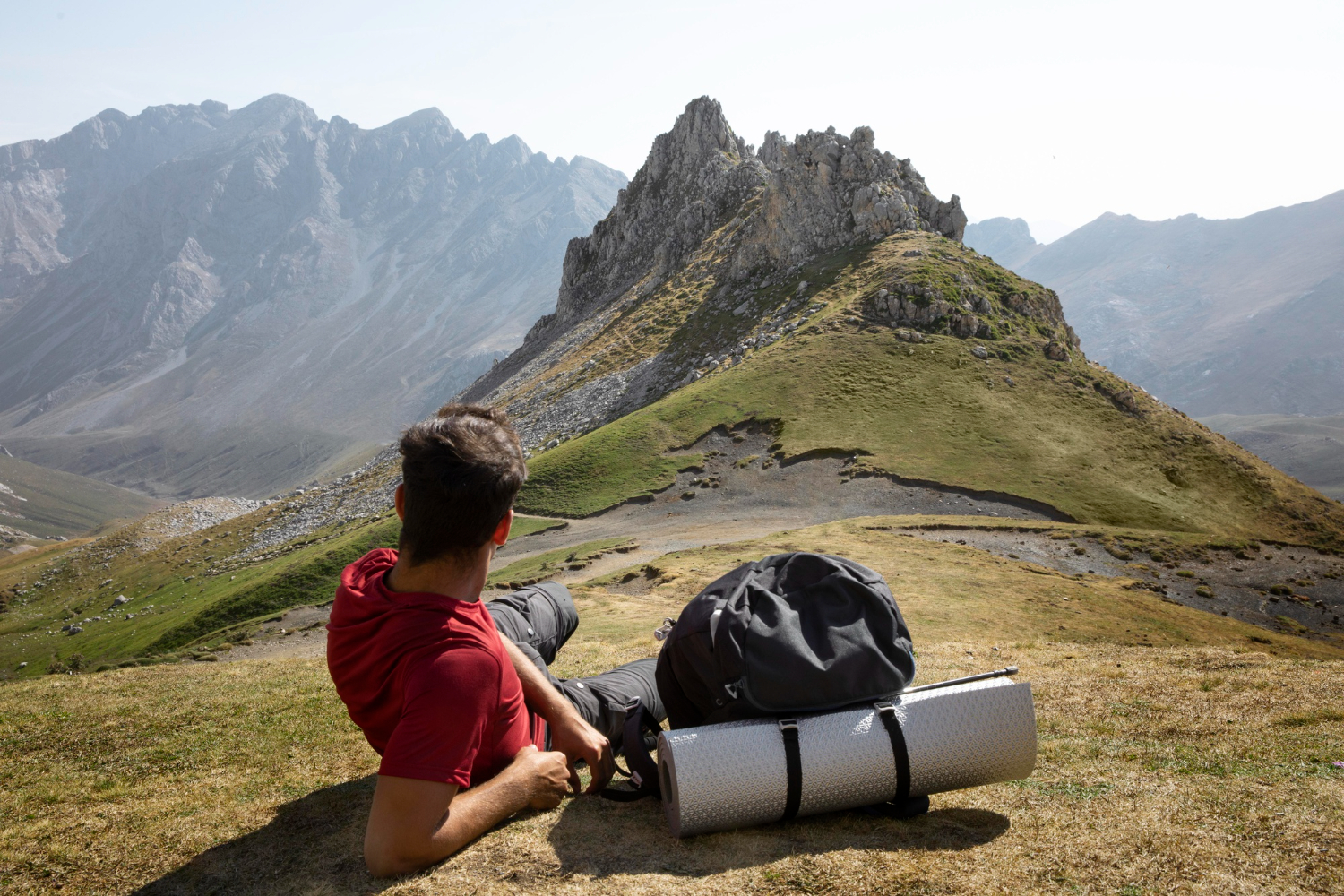
Almost every place has somewhere elevated or somewhere at the water edge, and both are generally at their best in the evening and busy with locals rather than visitors.
It is also the cheapest thing available. Height or water is the evening destination that is reliable almost everywhere.
9. Establish How You Are Getting Back Before You Set Out

Late transport differs sharply from daytime service, with lines stopping early, reduced frequency and replacement routes, and finding out afterwards is the standard evening failure.
Two minutes at the start prevents a long walk at the end. Knowing the route back is the practical step that makes everything else relaxed.
10. Accept That Some Evenings Are for Doing Nothing

A trip does not require every evening to be used, and an early night after a long day is frequently the decision that makes the following day good.
Nobody records this and everybody needs it. Doing nothing deliberately is the evening choice that is not a failure.
The Part of the Day With No Timetable
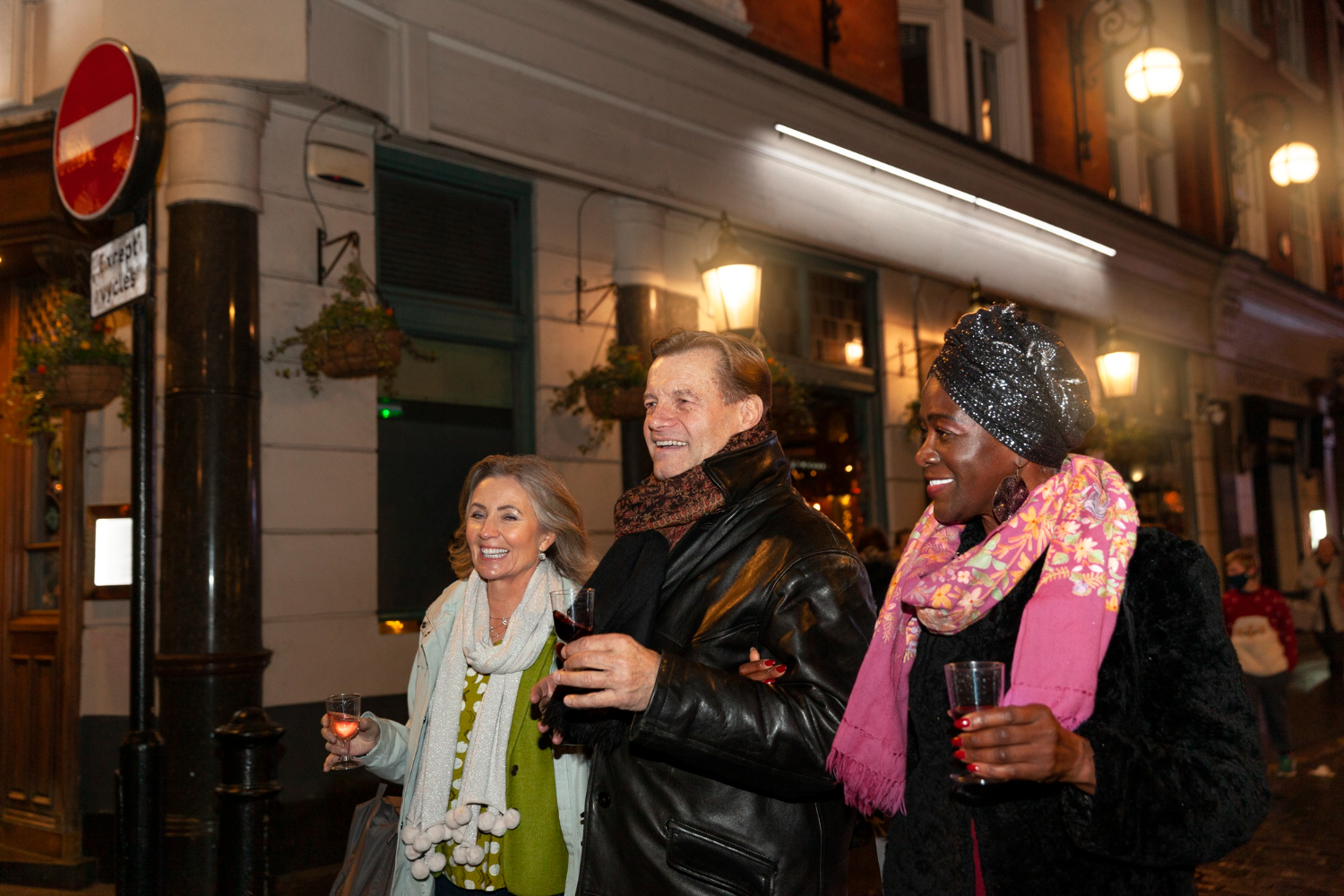
An evening has no opening hours to organise it, which is why it needs a decision rather than a plan – and almost every good one comes from going somewhere ordinary and staying long enough to watch it.
The thing worth remembering is that the evening is when a place is being itself. The daytime belongs partly to visitors because that is when the visitable things are open. After dark, most of what is happening is people who live there doing what they do anyway – and the best evenings are generally the ones spent watching that rather than looking for something arranged.
Like our content? Follow us for more.