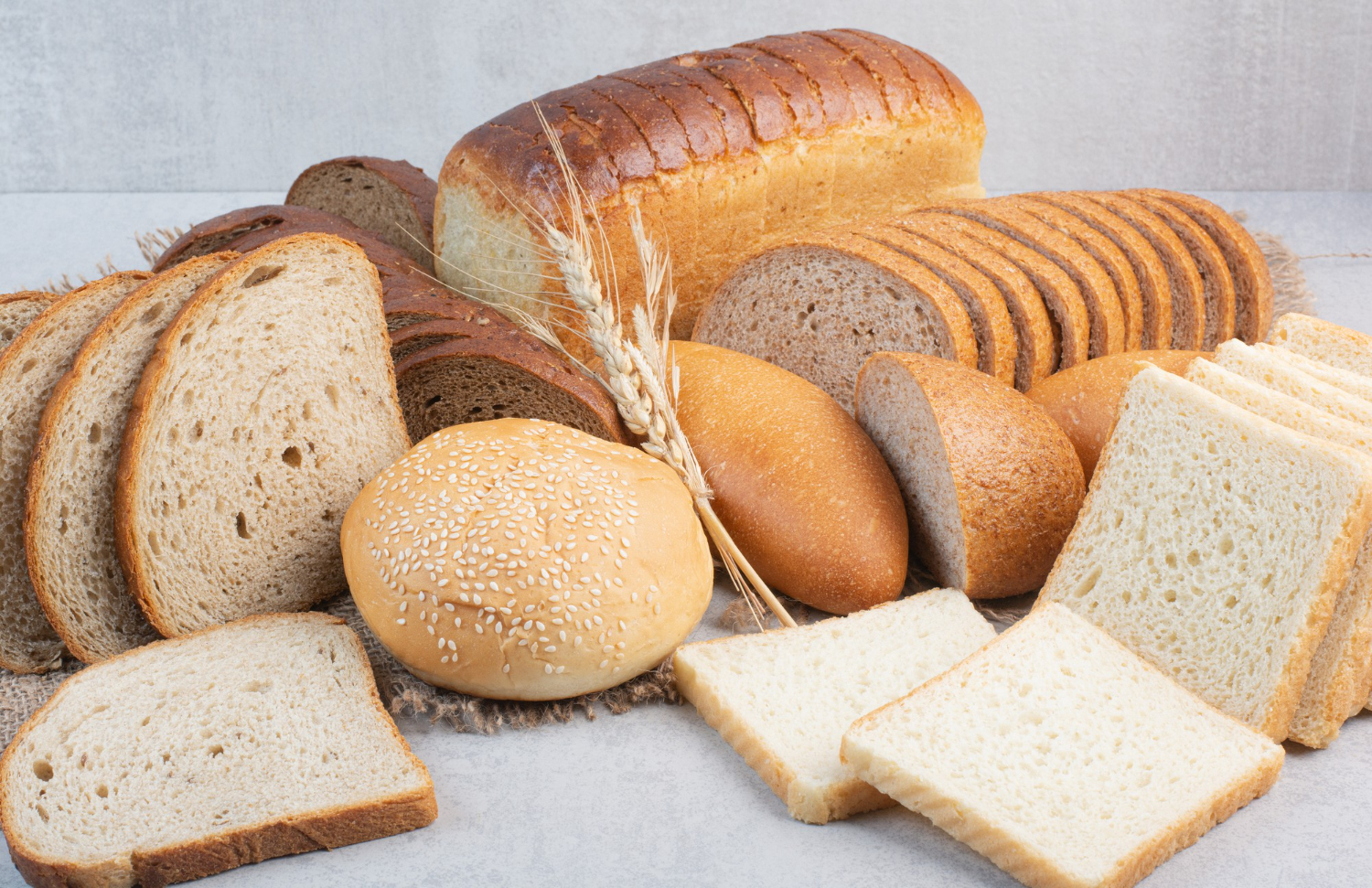
The useful frame is that bread is a foam with a solid structure. Something has to make the gas, something has to trap it, and something has to set around it before it escapes. Here are fifteen.
1. Gluten Does Not Exist in Flour
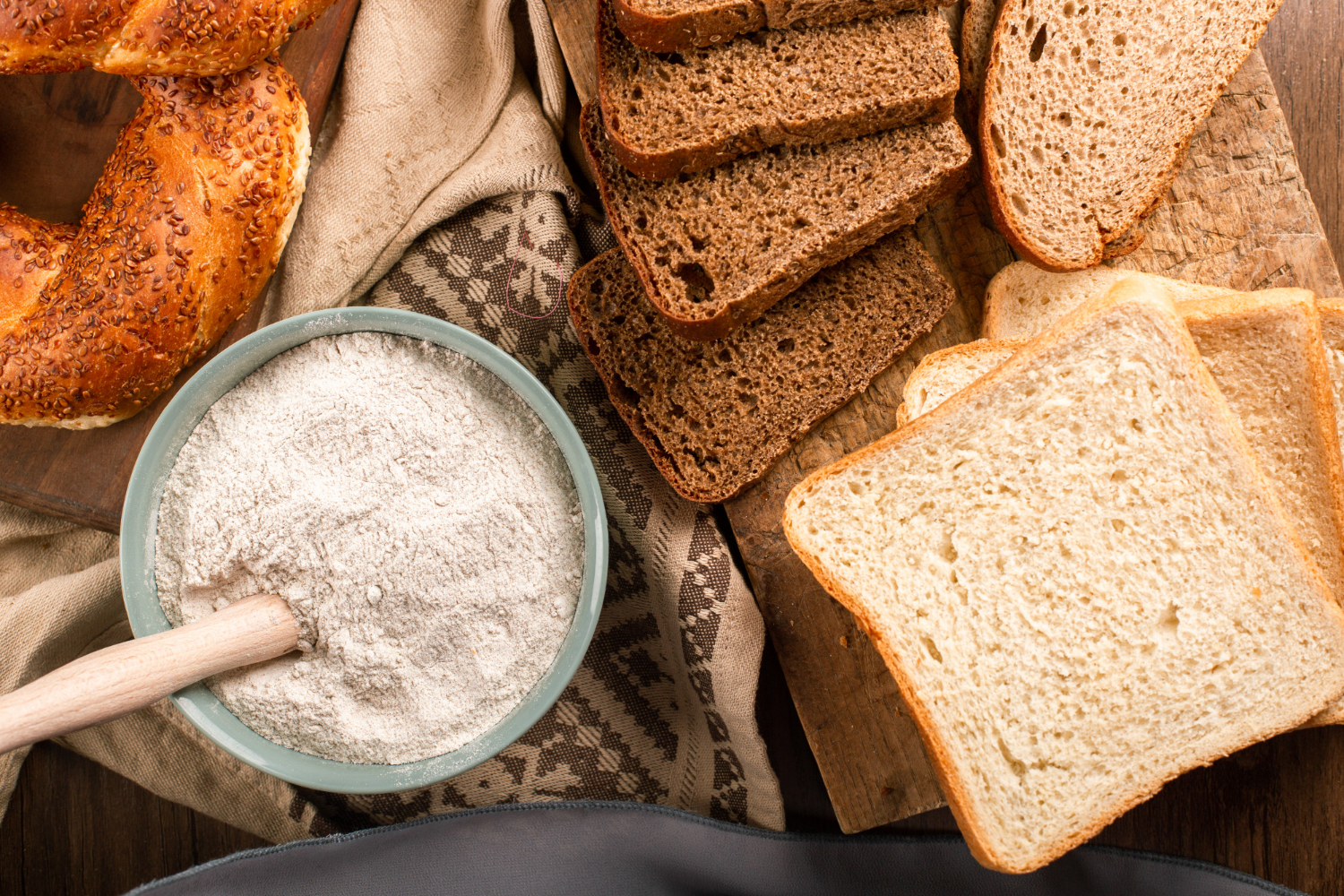
Two separate proteins are present in dry flour and do nothing. Only when water is added do they hydrate, link together and form the elastic network the whole process depends on.
Nothing has been added; something has been assembled. Network formation is the first event and it requires only water.
Like our content? Follow us for more.
2. Working It Organises the Network
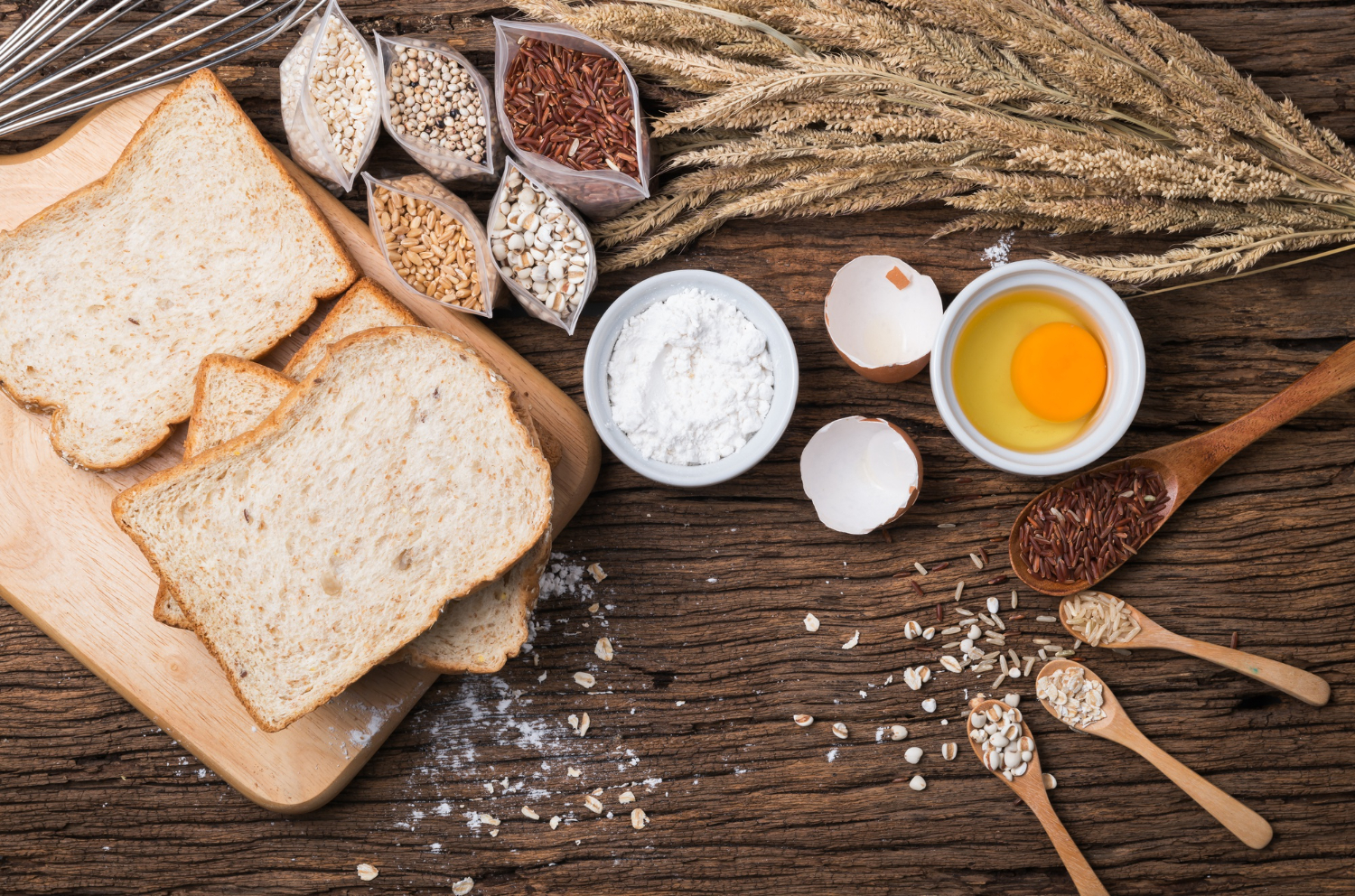
Kneading stretches and folds the dough, aligning the protein strands into an organised structure that is far stronger and more extensible than an unworked one.
You can feel the change under your hands. Mechanical development is what kneading is actually accomplishing.
3. Time Does the Same Job
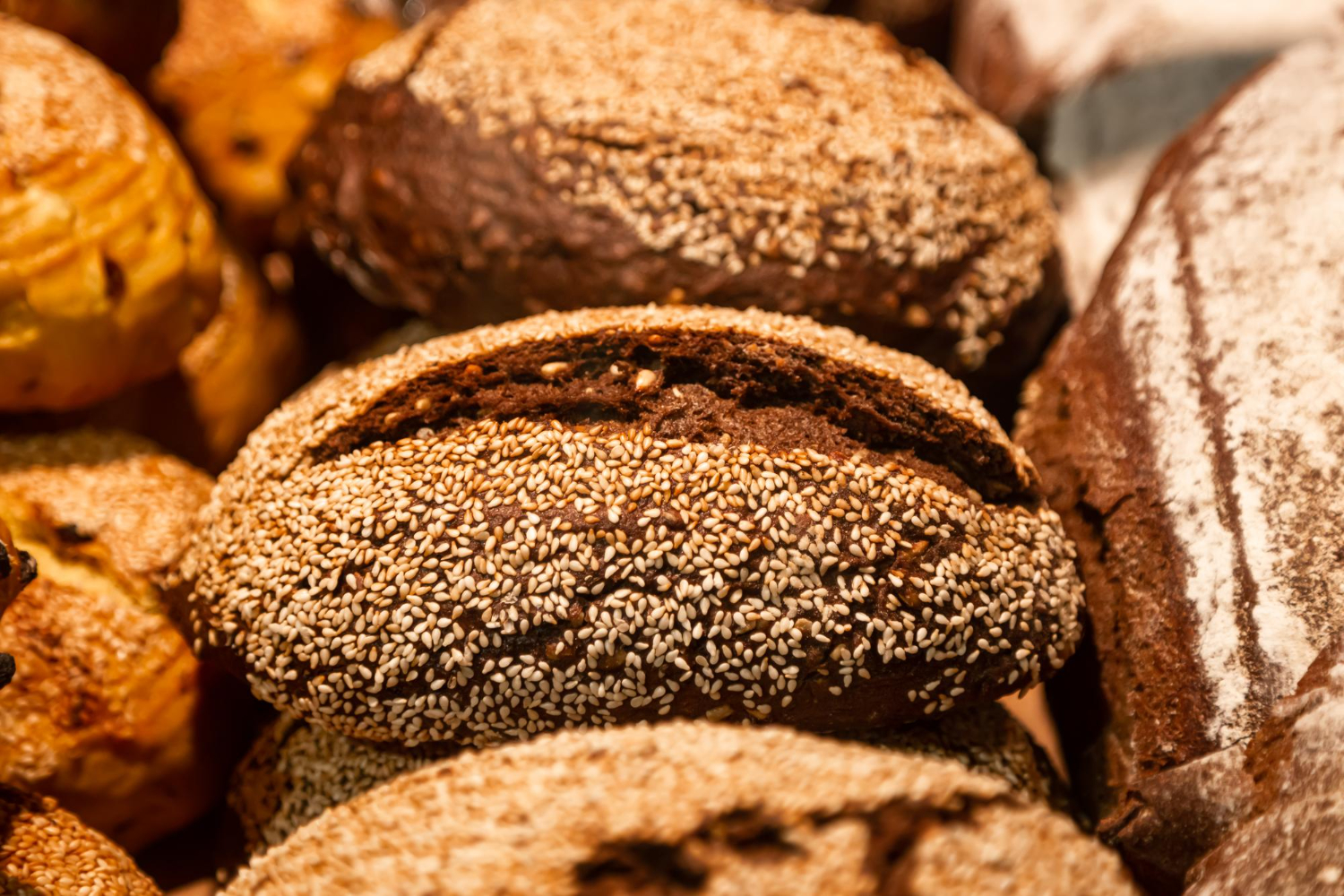
Left alone for long enough, the network forms and organises itself without any working at all, which is why some traditions use very long rests instead of effort.
Both routes reach the same place. Time substitution is the technique that replaces labour with patience.
4. The Yeast Is Producing Gas, Not Bubbles
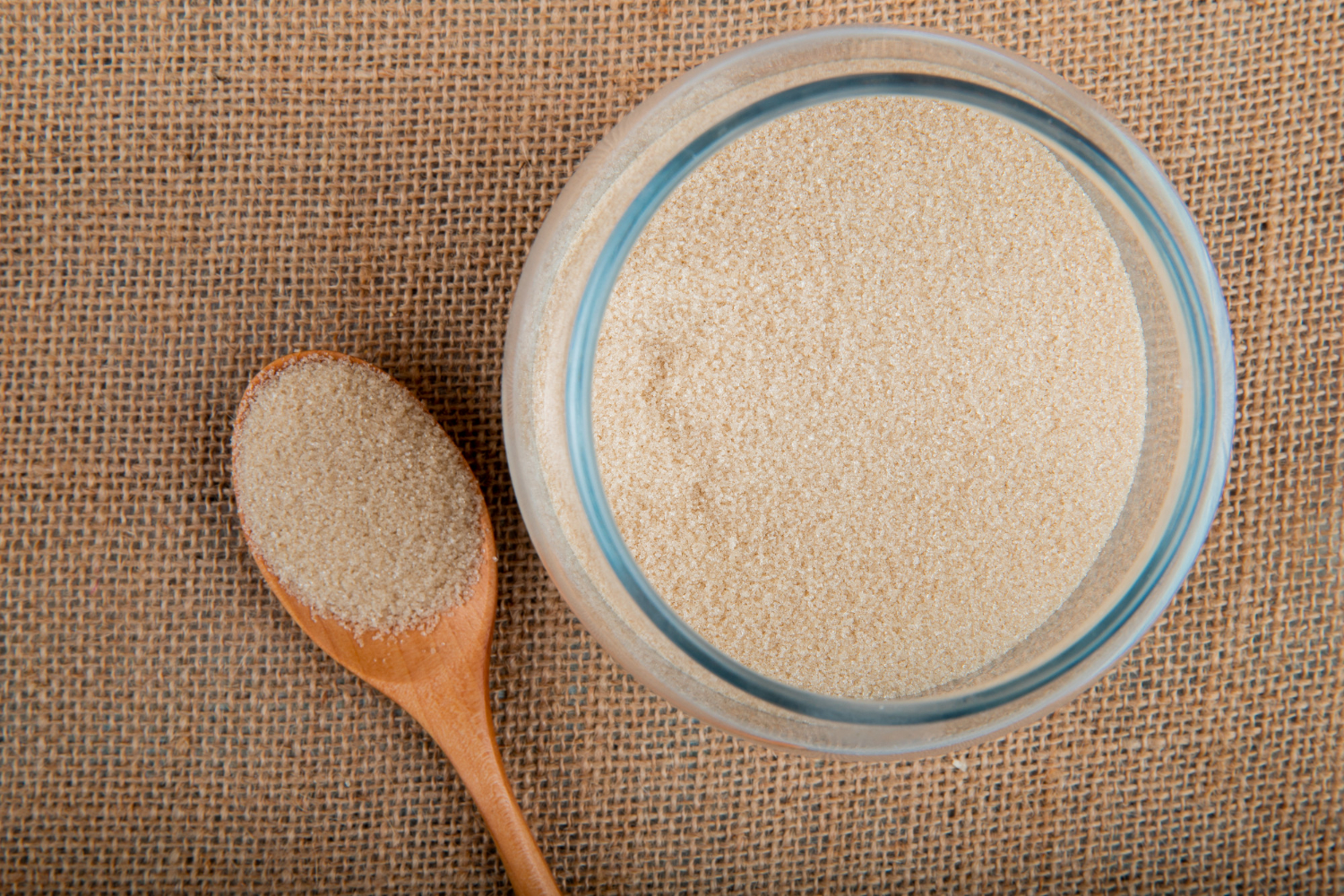
Fermentation generates carbon dioxide which dissolves into the dough and then migrates into whatever gas pockets already exist, expanding them.
It does not create bubbles from nothing. Gas migration is why the initial mixing determines where the holes end up.
5. The Network Traps It
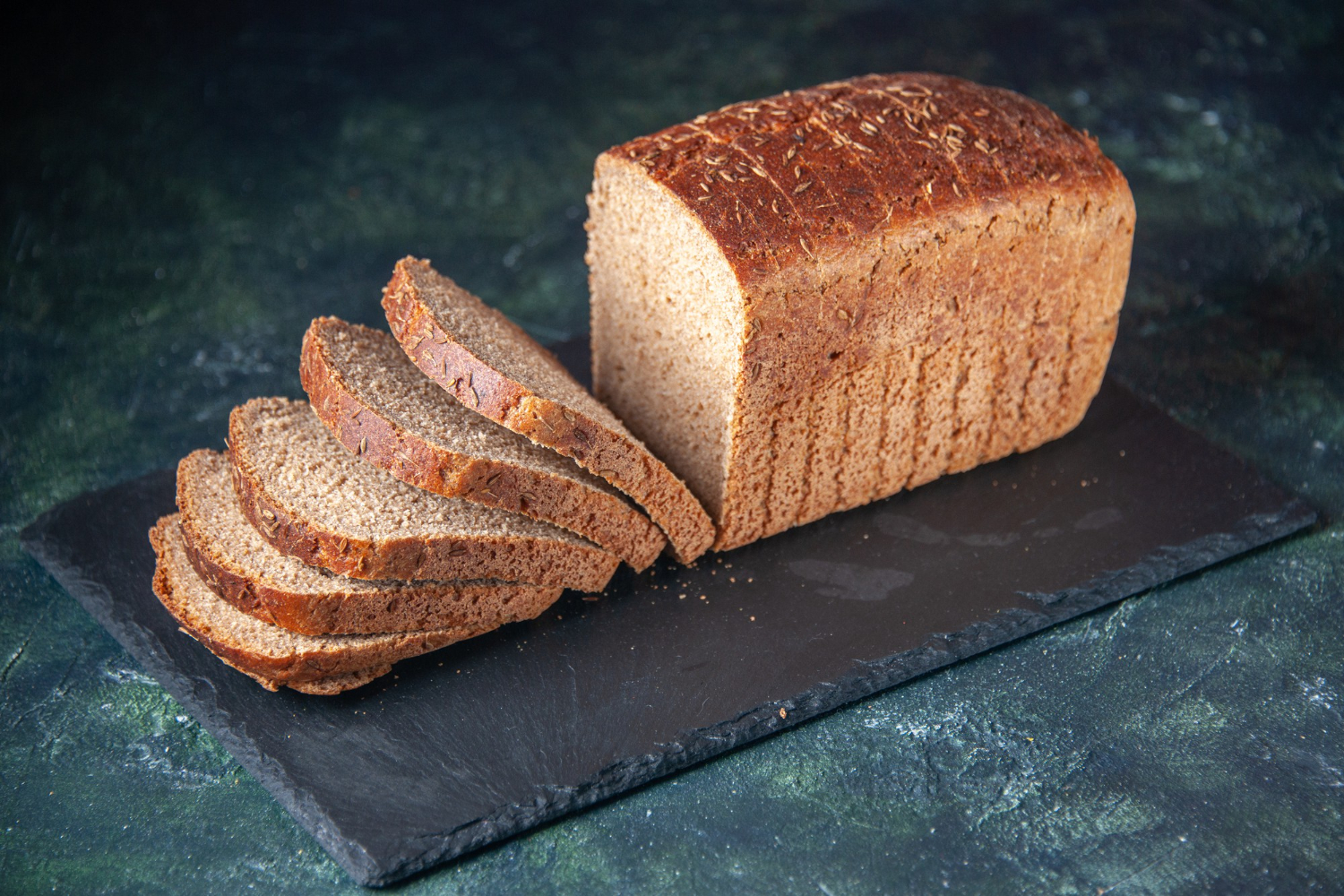
A dough without an organised protein structure allows gas to escape, which is why flours low in these proteins cannot produce a tall risen loaf on their own.
The gas and the structure are separate requirements. Gas retention is the second half of the rising problem.
6. Wetter Dough Makes Bigger Holes
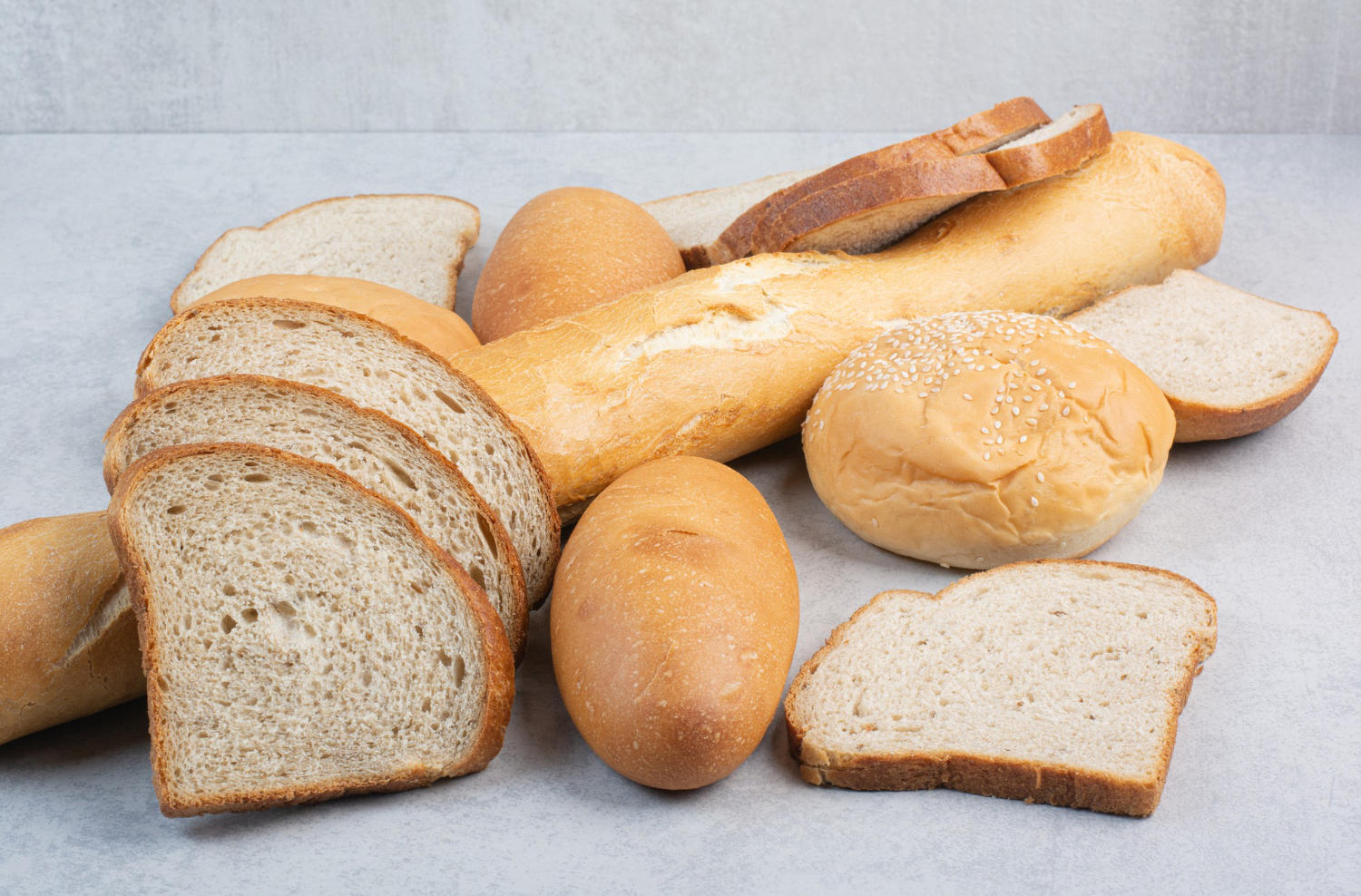
Higher water content produces a slacker dough in which gas pockets merge and expand more freely, giving an open irregular crumb; drier dough gives a tight even one.
Neither is superior and they suit different breads. Hydration level is the variable that determines what the inside looks like.
7. Salt Slows It Down and Toughens It Up
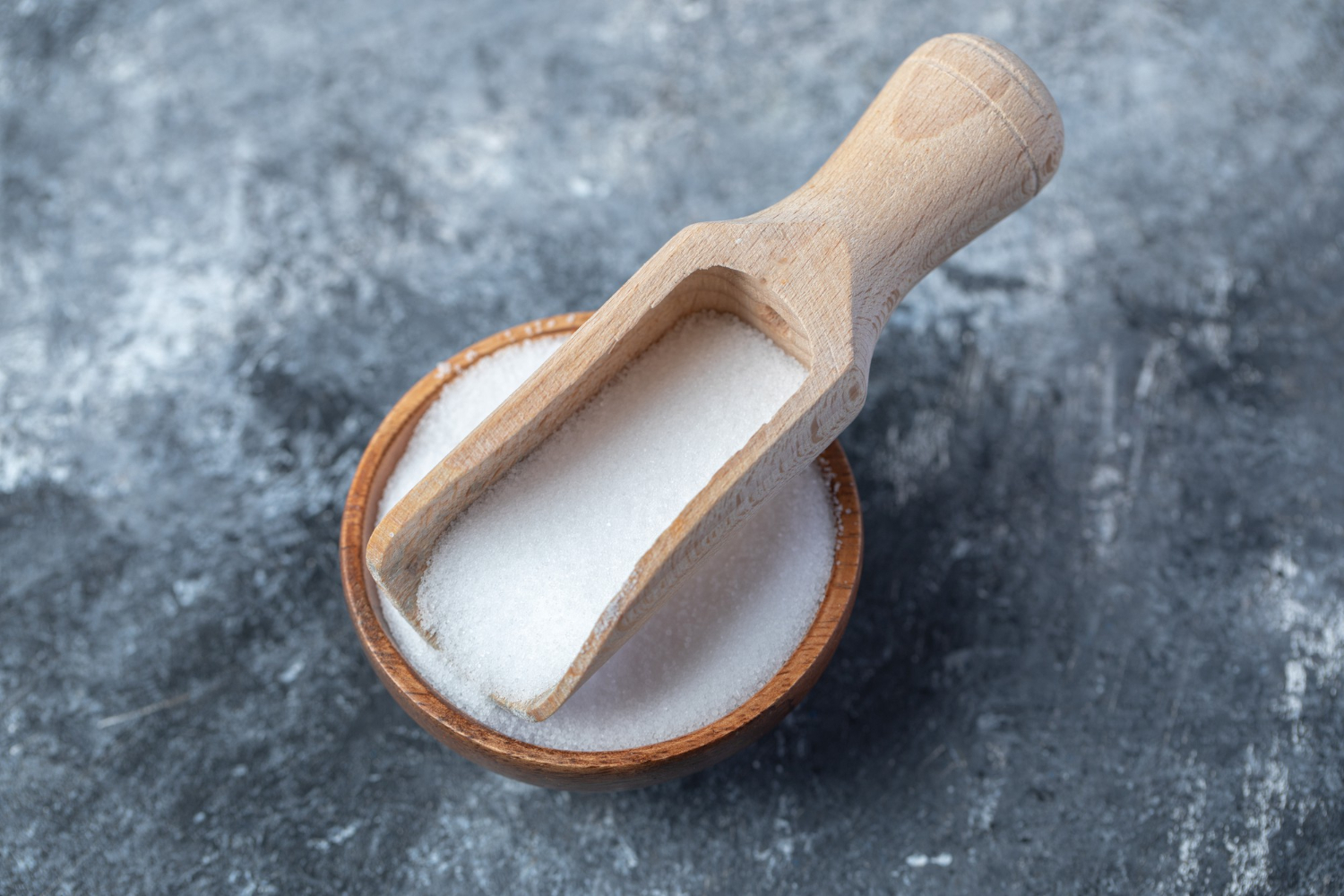
Salt strengthens the protein network and simultaneously restrains fermentation, so a dough without it rises too quickly and collapses into a weak structure.
Bread made without salt differs in texture rather than only in taste. Salt is performing two structural jobs at once.
8. Temperature Sets the Clock
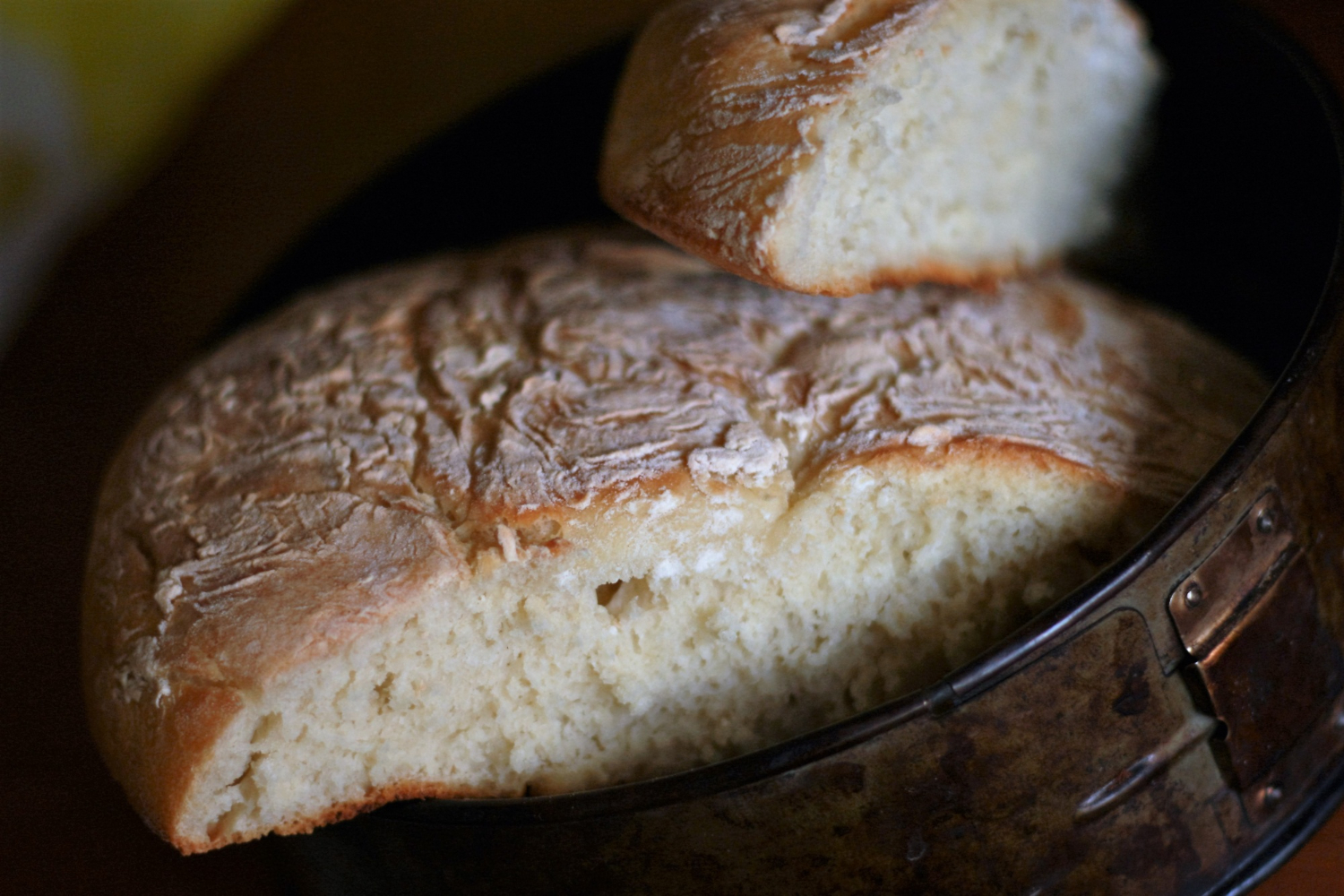
Fermentation runs faster when warm and slower when cold, which means any stated time is an approximation and the dough itself is the only reliable indicator.
A cold kitchen doubles everything. Temperature dependence is why baking times are unreliable across households.
9. Cold Fermentation Changes the Flavour
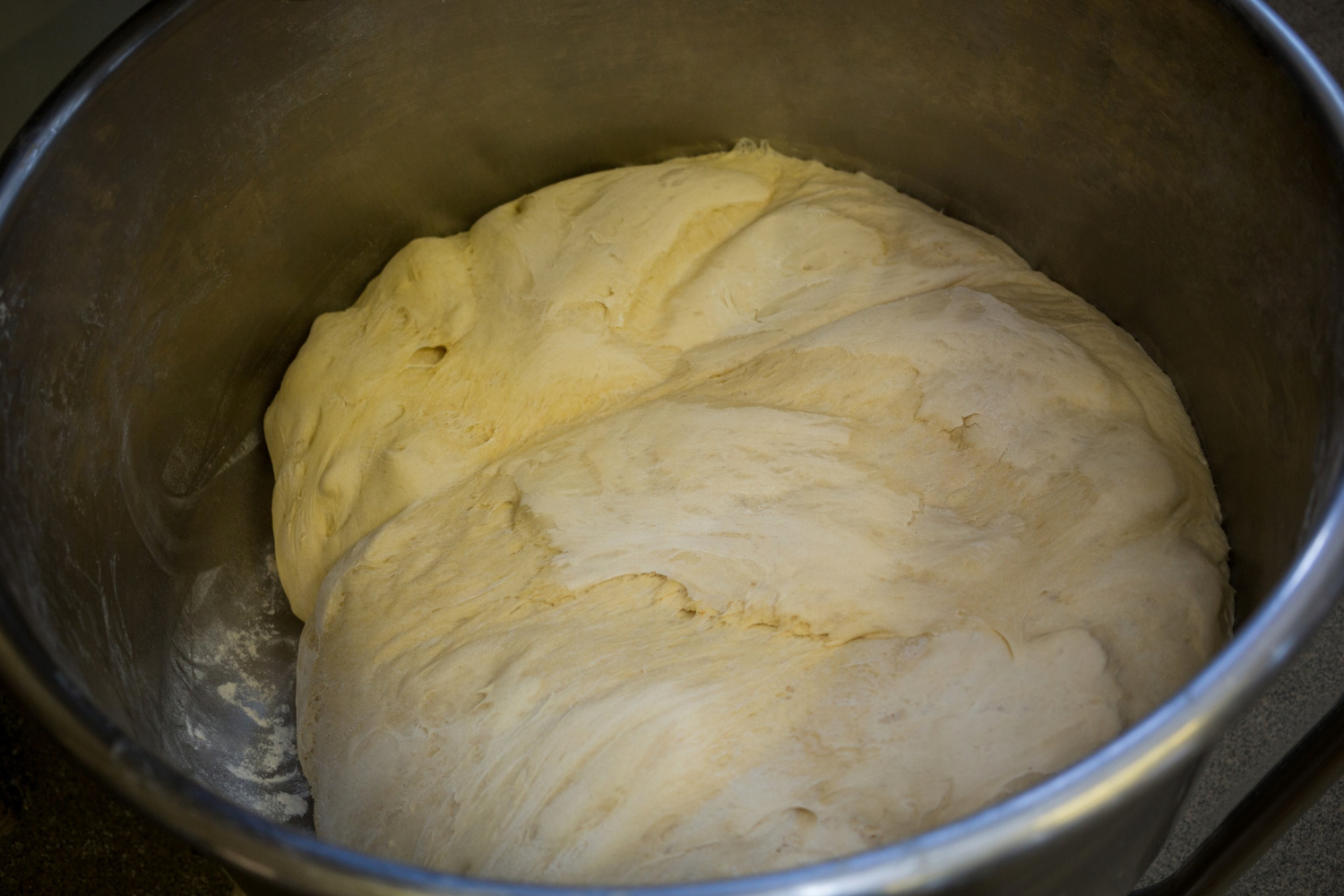
Slowing fermentation by chilling allows flavour-producing processes to continue while gas production slows, developing a more complex result over a long period.
It is a flavour technique rather than a scheduling convenience. Cold retardation is the method that trades time for taste.
10. Shaping Puts Tension on the Surface
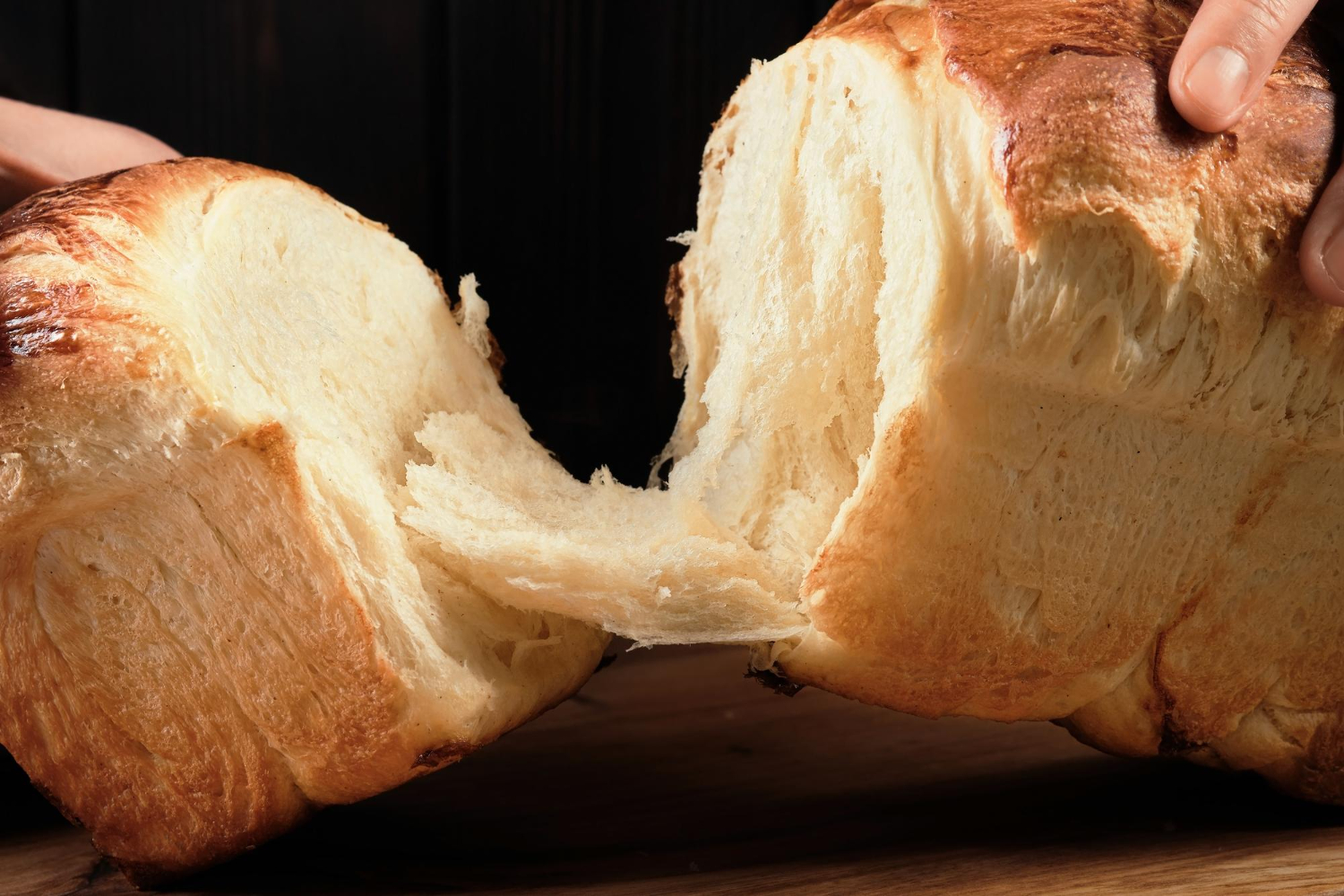
Forming the loaf stretches the outer layer into a taut skin, which holds the shape and directs expansion upward rather than outward in the oven.
A poorly shaped loaf spreads. Surface tension is the mechanical purpose of shaping.
11. Steam Delays the Crust
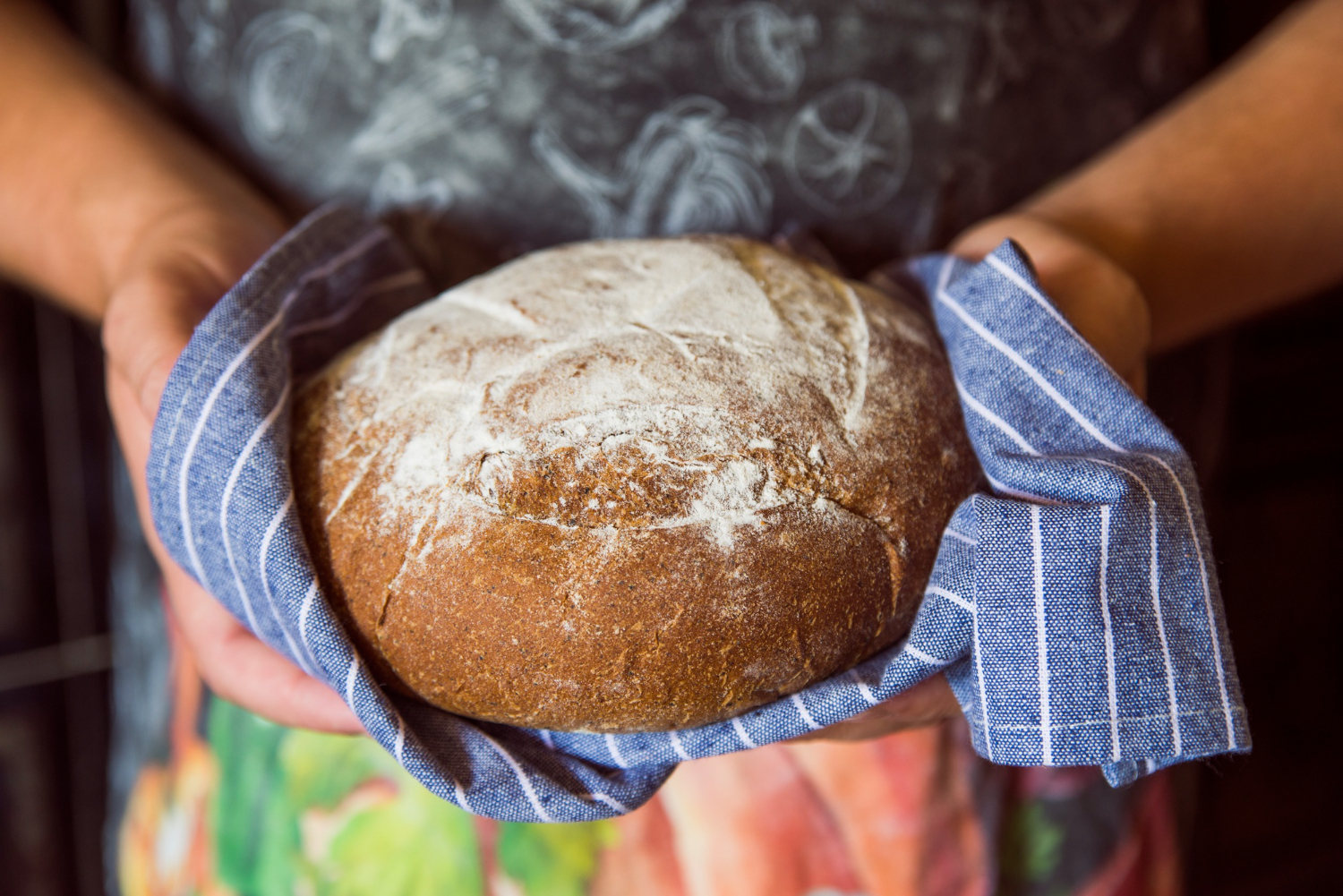
Moisture in the early oven keeps the surface flexible, so the loaf can continue expanding before a rigid crust forms and stops it.
Without it the outside sets too early and restricts the rise. Early steam is the intervention that buys expansion time.
12. The Last Rise Happens in the Oven
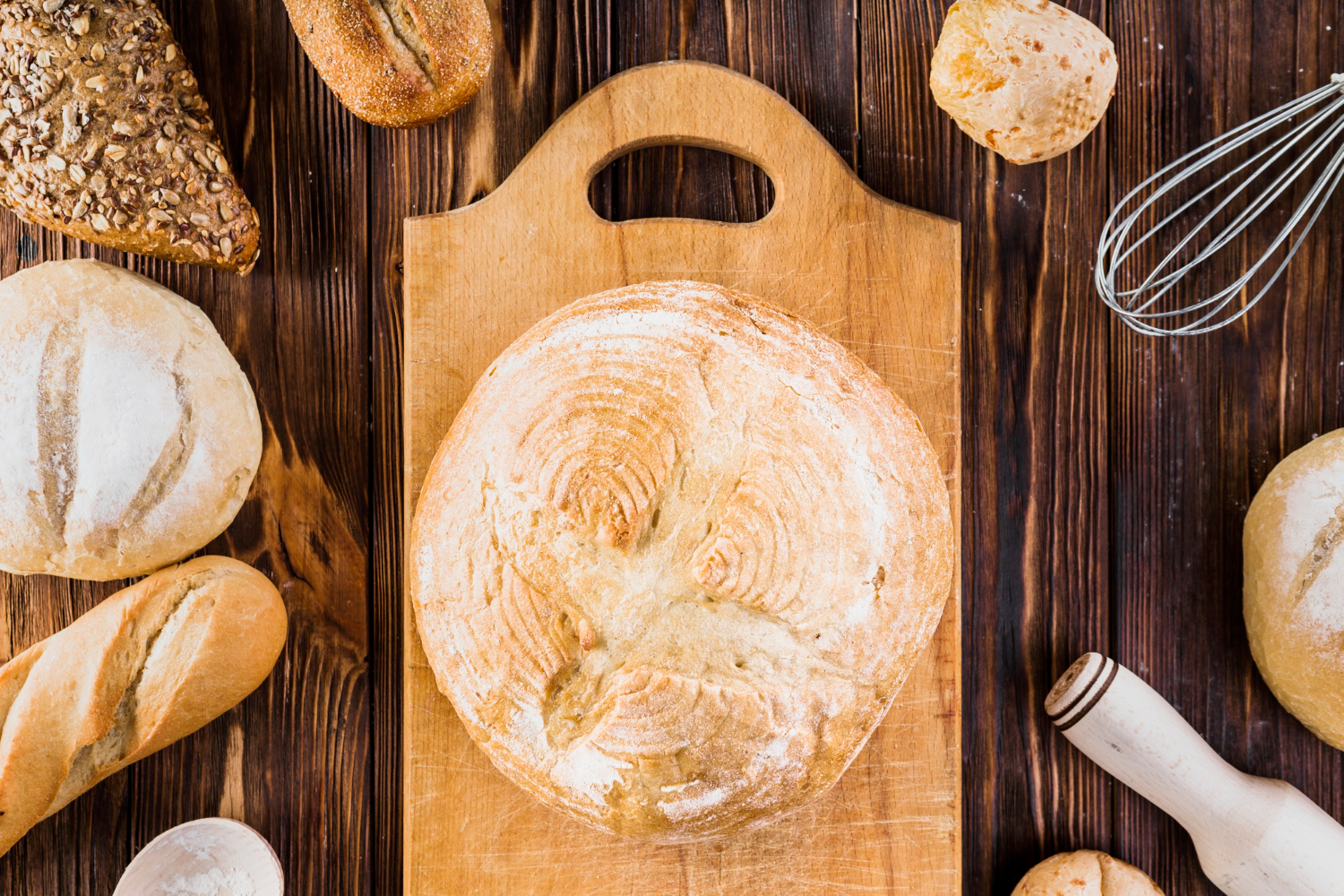
Heat causes trapped gas to expand rapidly and drives the yeast into a final burst of activity before the temperature ends it, producing a substantial increase in volume in the first minutes.
Most of the visible rise happens after the door closes. Oven spring is the stage that determines the final height.
13. Then the Structure Sets
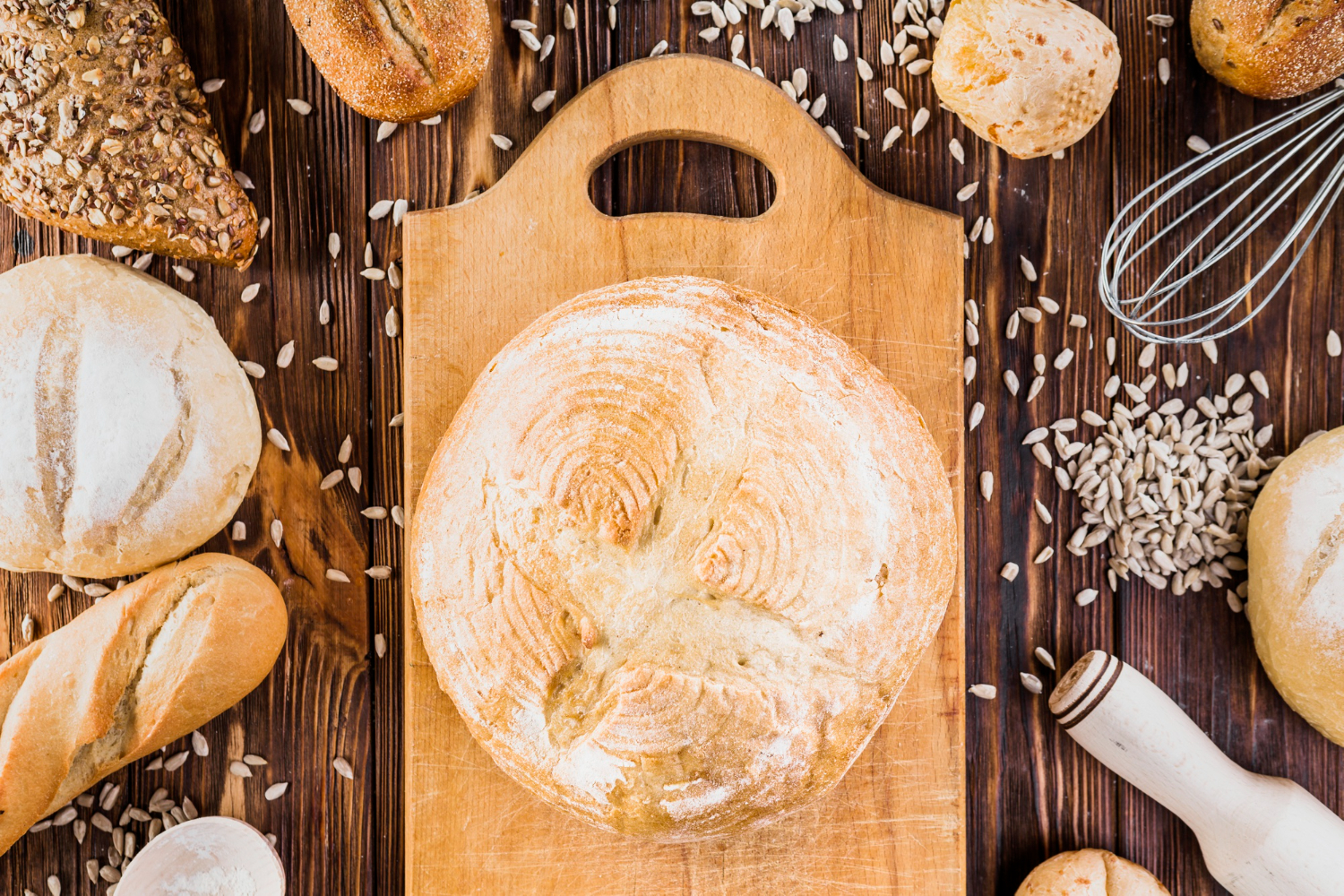
Proteins coagulate and starches absorb water and swell, converting a stretchy gas-filled foam into a solid that holds its shape permanently.
The foam becomes a structure. Setting is the irreversible stage that makes it bread rather than dough.
14. The Crust Is a Reaction
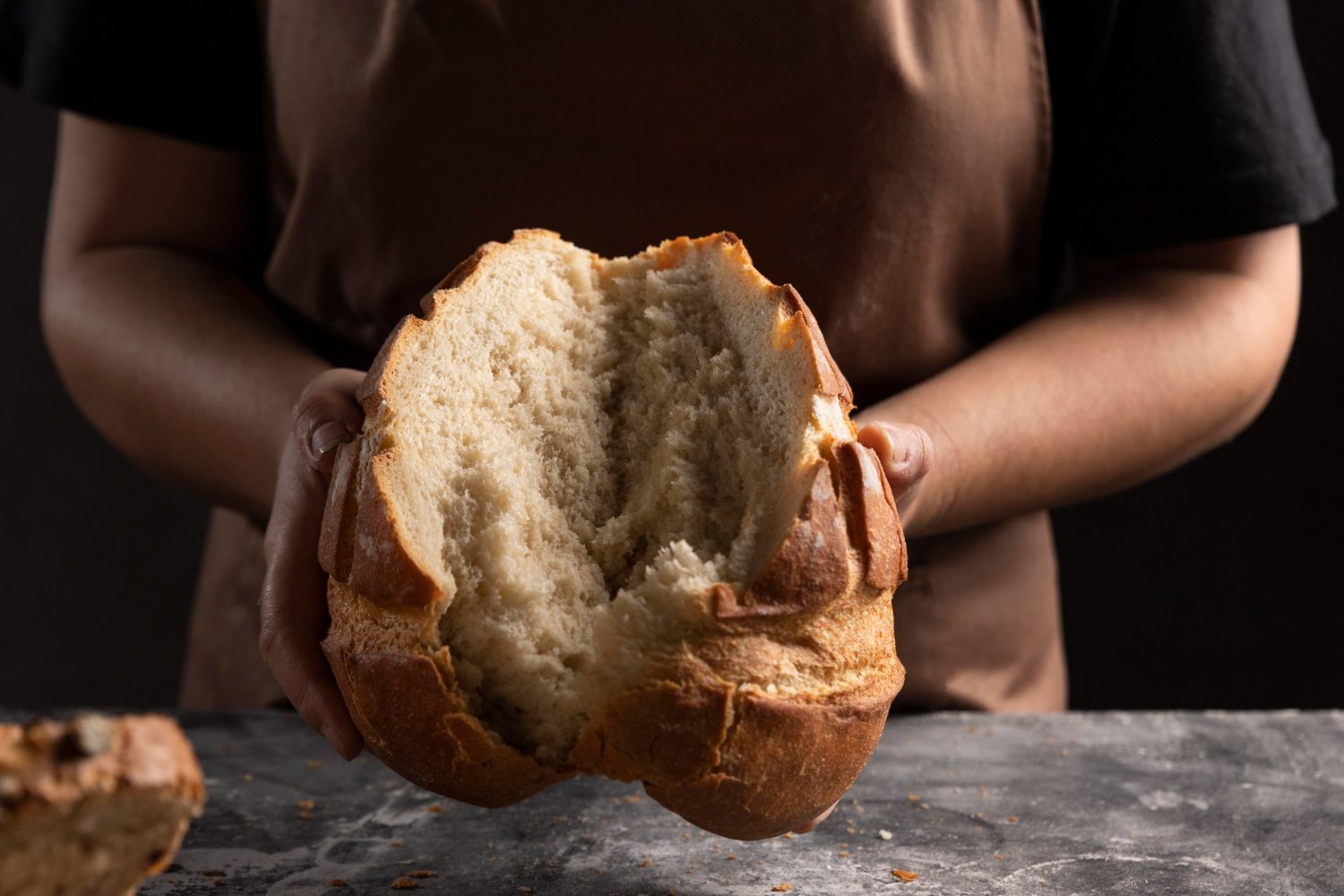
Colour and flavour in the crust come from sugars and proteins reacting at high temperature, producing compounds that are absent from the interior entirely.
The inside never gets hot enough for it. Crust chemistry is why the outside tastes nothing like the middle.
15. Staling Is Not Drying Out
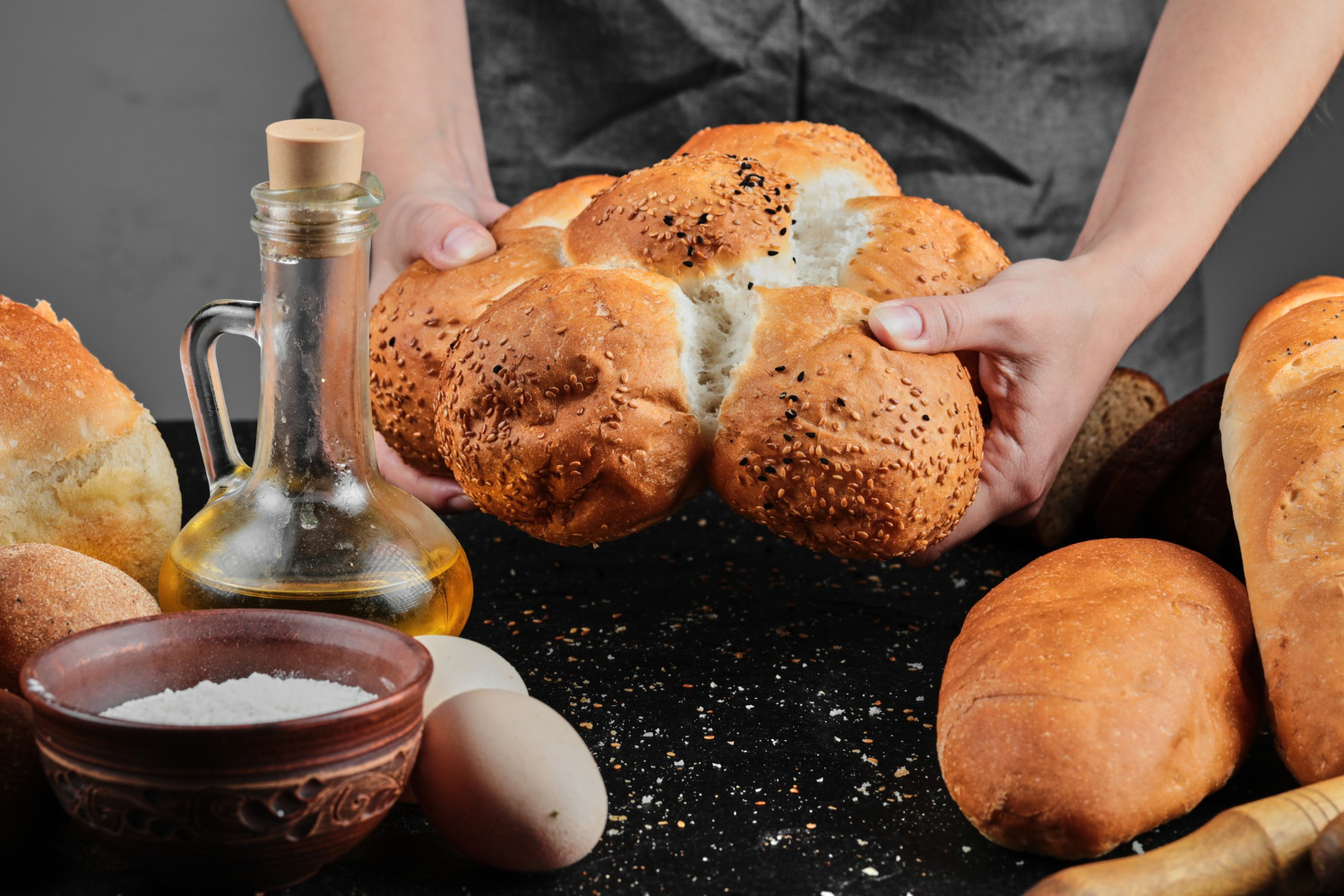
Bread going firm is starch molecules reorganising into a more ordered structure over time, which is a physical change and happens even in a sealed bag.
Warming a loaf briefly reverses it temporarily. Starch reorganisation is the process people consistently mistake for moisture loss.
A Foam That Sets
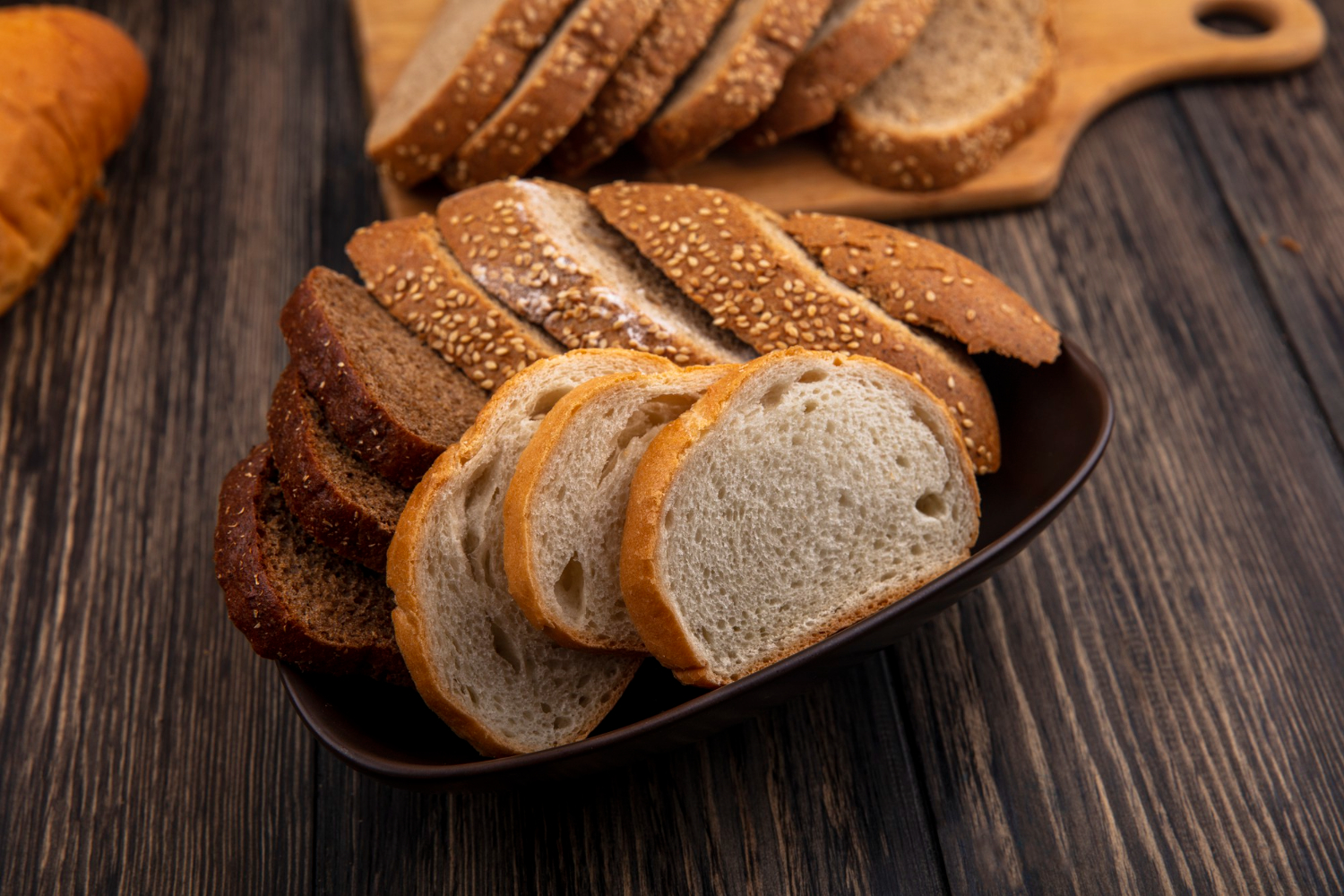
Make a network, organise it, produce gas, trap the gas, expand it with heat, and set the structure before it escapes – and every difference between one loaf and another is a variation on one of those.
The item most worth knowing is the last. Bread firming up is not water leaving; it is starch reorganising into a tighter arrangement, which is why sealed bread still goes hard and why a few minutes of gentle warmth makes a day-old loaf briefly good again.
Like our content? Follow us for more.