The Medal of Honor represents the pinnacle of American valor, yet the gold star often casts a long, somber shadow over the lives of those who wear it. For many recipients, the transition from the adrenaline of the battlefield to the quietude of civilian life is not a triumphant return, but the start of a grueling new conflict. Whether battling physical infirmity, systemic prejudice, or the psychological weight of “hero” status, these men discovered that the costs of bravery are rarely paid in full on the front lines. To understand their legacy in 2026, we must look past the citations and acknowledge the deeply human struggles that followed their moments of extraordinary courage.
The Heroic Fall Of Alvin York
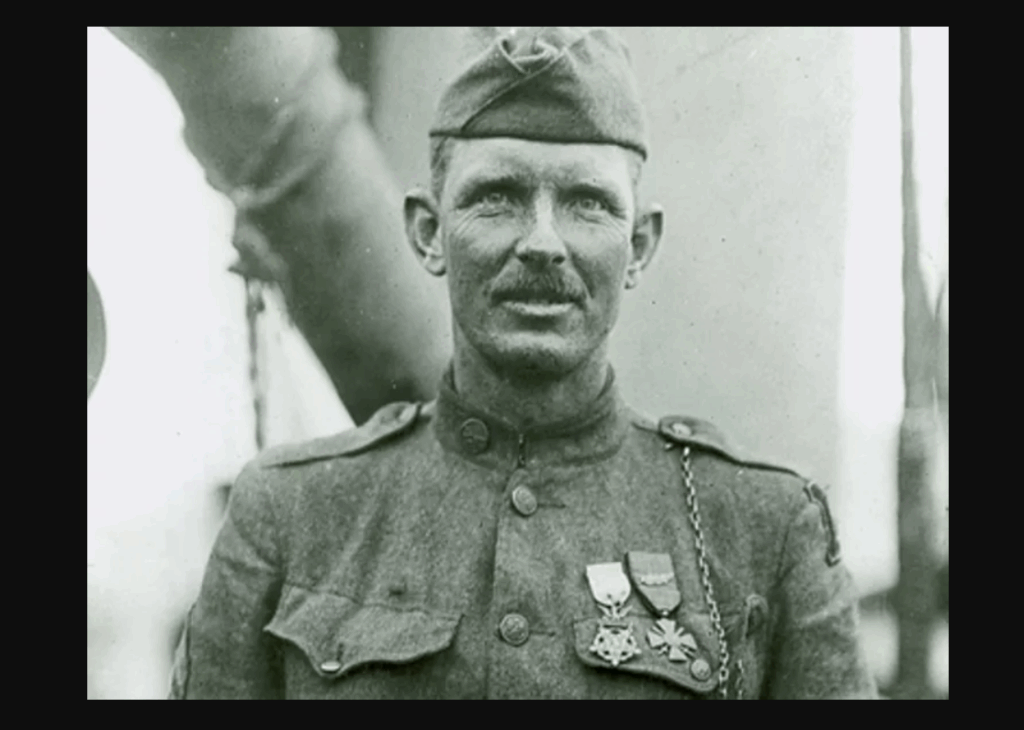
Alvin York returned from the trenches of World War I as the quintessential American hero, but the fame that followed became a gilded cage. While he used his platform to fund education in rural Tennessee, his personal life was a relentless cycle of financial instability and mounting debt. York struggled to reconcile his pacifist roots with his status as a “killing machine” in the eyes of the public. By the time he passed in 1964, he had suffered through years of health decline and bankruptcy, a reminder that society often celebrates the soldier while neglecting the man beneath the uniform.
Tragic Twilight Of Audie Murphy
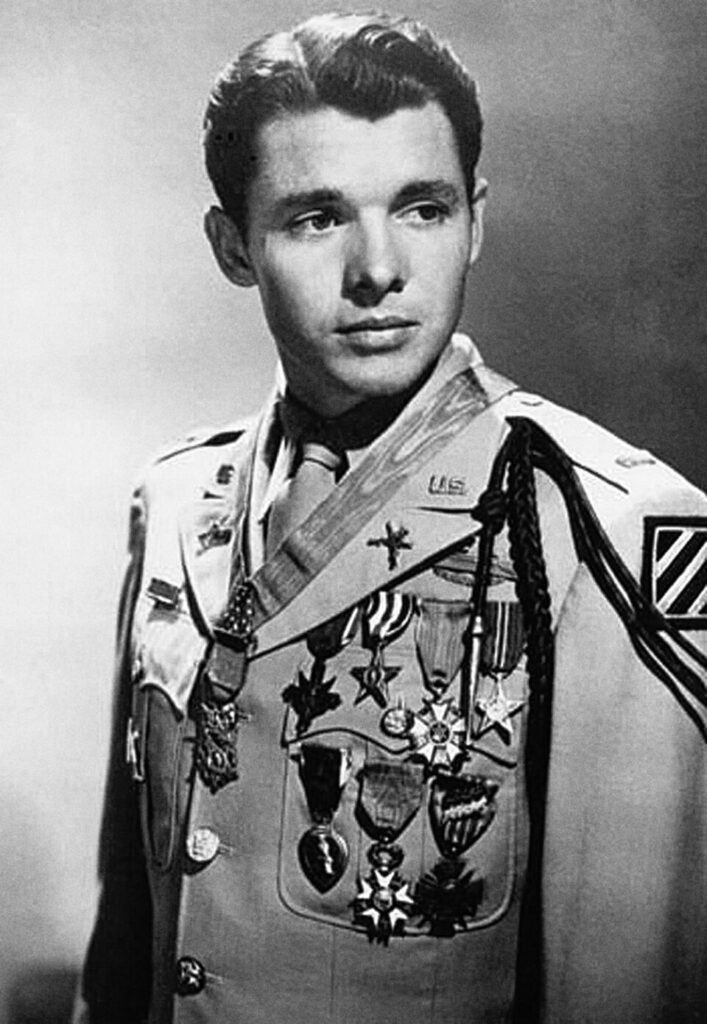
Audie Murphy was the most decorated soldier of World War II, a feat that propelled him to Hollywood stardom. However, Murphy was a man living in two worlds: the glamorous sets of Western films and the dark reality of what we now recognize as severe PTSD. He famously slept with a loaded pistol under his pillow and struggled with an addiction to sleeping pills to quell his chronic insomnia. His death in a 1971 plane crash at age 45 ended a life that had been defined by a desperate, silent search for the peace he had lost in the woods of France.
Douglas Munro’s Last Sacrifice
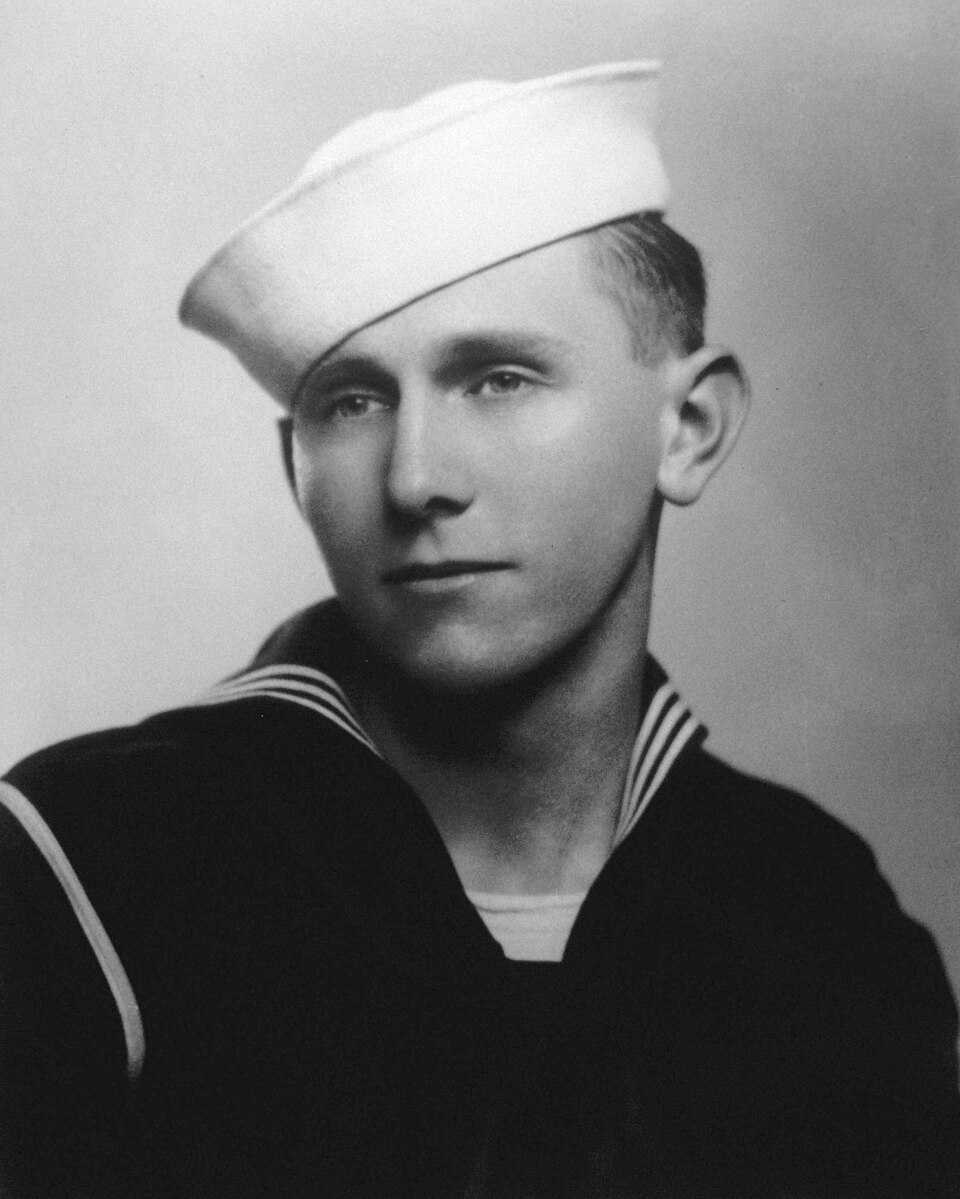
Douglas Munro remains the only member of the U.S. Coast Guard to receive the Medal of Honor, earned by using his Higgins boat as a literal shield to save 500 Marines at Guadalcanal. Unlike others on this list, Munro never had to face the “tragedy of the return” because his life ended at age 22 during his heroic act. The tragedy of Munro lies in the brevity of his existence; he was a young man whose entire future was traded for a single afternoon of selfless grit, leaving his family to carry the weight of his absence for decades.
Michael P. Murphy’s Unyielding Valor
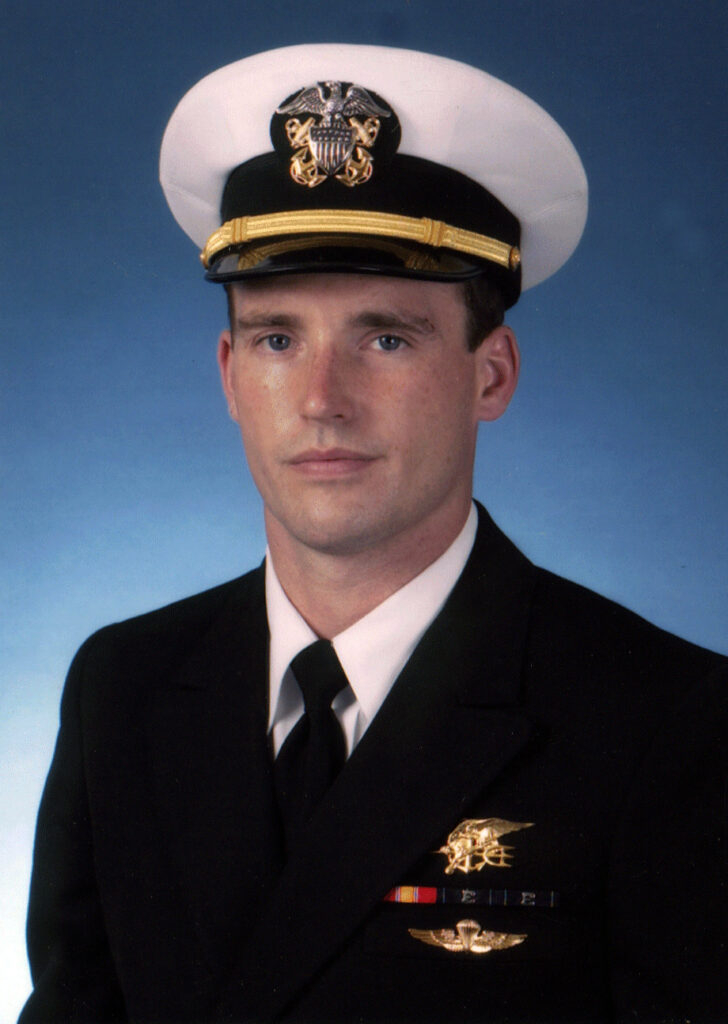
Lieutenant Michael P. Murphy’s actions during Operation Red Wings in Afghanistan, climbing into the open under direct fire to call for support for his team, are legendary. His story is often framed by his death, but the true depth of his character was found in his intellectual and ethical rigor. He was a man who accepted the “Medal of Honor” fate long before he stepped onto that ridge, driven by a philosophy of self-sacrifice that remains a cornerstone of SEAL training today. His loss was a profound blow to a generation of special operators who viewed him as the moral North Star of their community.
Desmond Doss: Battle’s End, Life’s Struggle
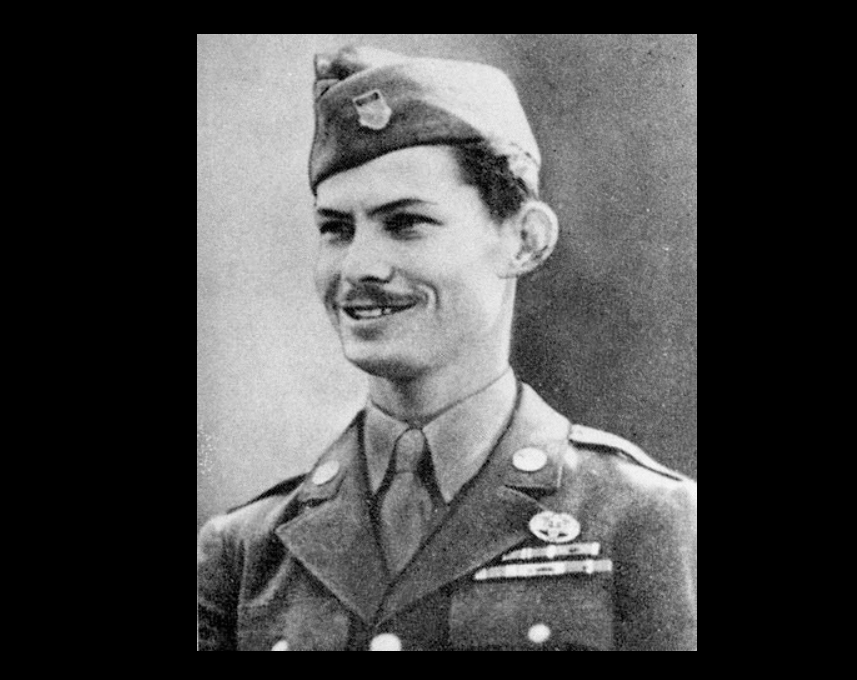
Desmond Doss famously saved 75 men at Hacksaw Ridge without ever touching a weapon. While he survived the war, the war nearly broke his body. Doss contracted tuberculosis during his service in the Pacific, a disease that cost him a lung and five ribs. He spent five years in and out of hospitals and was left functionally disabled for much of his adult life. For Doss, the Medal of Honor was not a trophy of war, but a symbol of a lifetime spent enduring physical agony as a direct result of his refusal to compromise his faith.
Roy Benavidez: Survived Battle, Lost To Illness

Roy Benavidez’s “six hours in hell” in Vietnam left him with over 30 shrapnel and bayonet wounds; he was so badly injured he was placed in a body bag before he spat in a doctor’s face to show he was alive. Though he survived, his post-war life was a constant struggle against the long-term effects of his injuries and a later diagnosis of diabetes. Benavidez became a tireless advocate for veterans, particularly after the government attempted to cut off his disability benefits in the 1980s. He proved that for some, the fight for dignity is just as arduous as the fight for survival.
John Basilone: From Fame To Fatal Frontlines
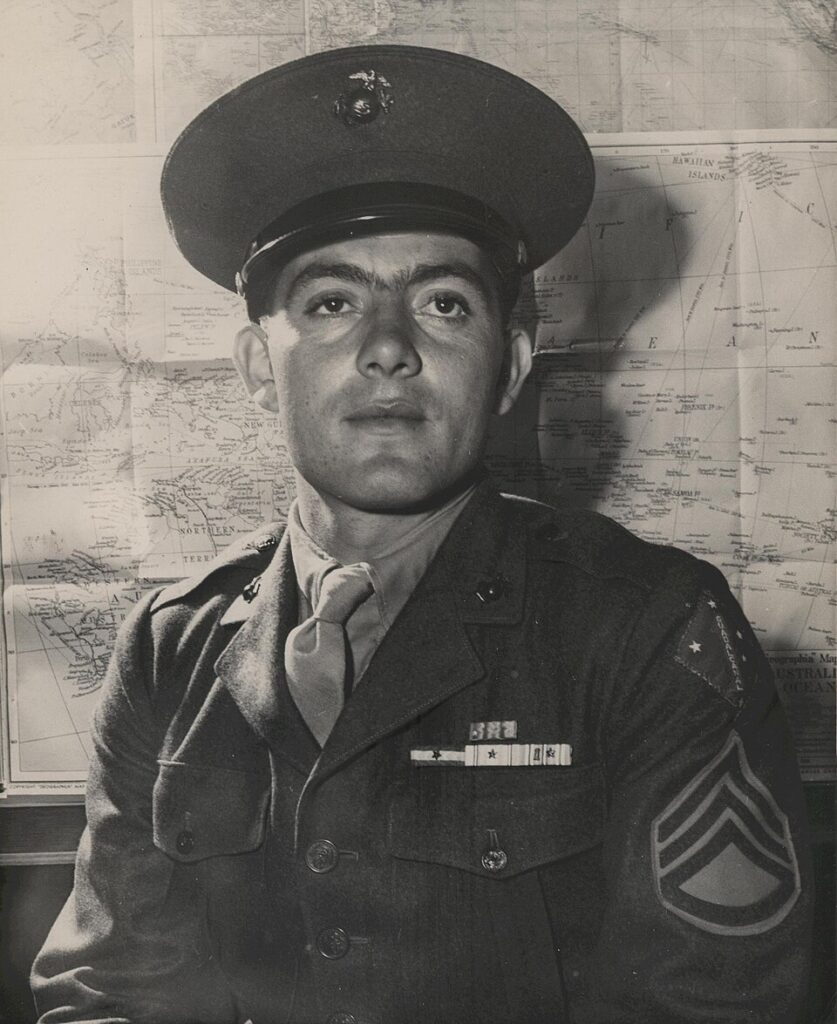
“Manila John” Basilone was a national celebrity after his heroics on Guadalcanal, but he found the life of a war-bond salesman intolerable while his fellow Marines were still fighting. Despite being offered a safe commission stateside, he requested a return to combat. He was killed in action on Iwo Jima in 1945, just hours after landing. Basilone’s story is a tragic testament to the “warrior’s paradox”, the reality that for some heroes, the only place they feel truly alive is the very place that eventually claims them.
The Sorrowful Fate Of Danny Dietz
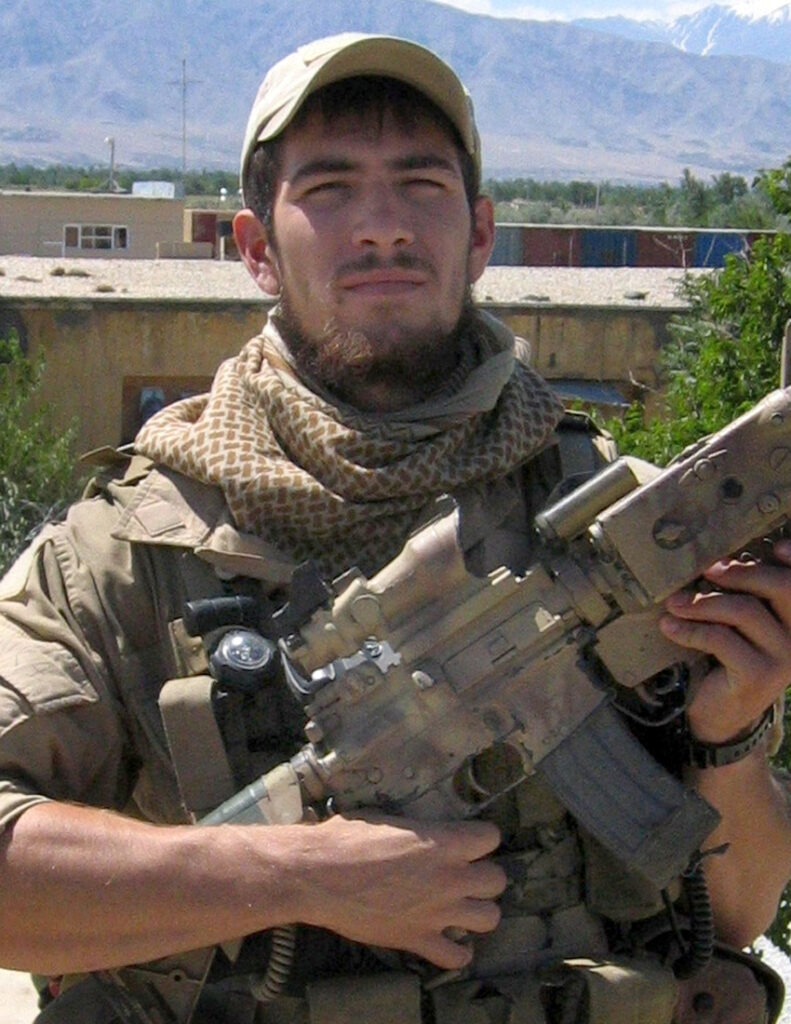
Communication Sergeant Danny Dietz was a cornerstone of the four-man SEAL team during Operation Red Wings in 2005. His story is one of the most harrowing examples of “valor in extremis”; despite suffering multiple gunshot wounds to his hands and torso, Dietz continued to operate his radio and return fire to protect his teammates. The tragedy of Dietz lies in the sheer brutality of the environment; he fought until his body literally could not sustain the effort, eventually succumbing to his wounds on the jagged slopes of the Hindu Kush. His fate serves as a stark reminder that even the highest level of elite training and individual bravery cannot always overcome the chaotic and ruthless indifference of the battlefield.
Peter Tomich’s Brave Yet Fleeting Victory
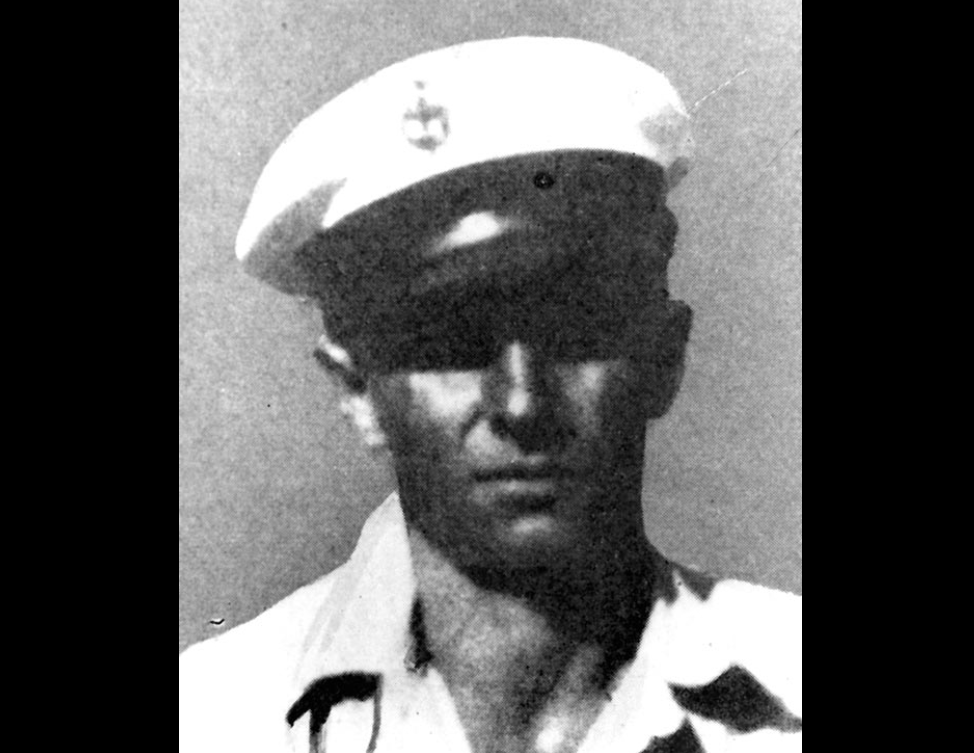
Chief Watertender Peter Tomich’s heroism occurred in the scorching, oil-slicked bowels of the USS Utah during the attack on Pearl Harbor. As the ship began to capsize after being struck by Japanese torpedoes, Tomich didn’t run for the exit. Instead, he stayed at his post in the engineering plant, manually securing the boilers to prevent a massive explosion that would have killed hundreds of sailors trapped below deck. He sacrificed his only chance at escape to buy his shipmates time to live. Because he was an immigrant with no known family at the time, his Medal of Honor remained unclaimed for 65 years, a poignant symbol of a hero whose ultimate victory was as fleeting as it was selfless.
Edward A. Carter Jr.: Bravery And Betrayal
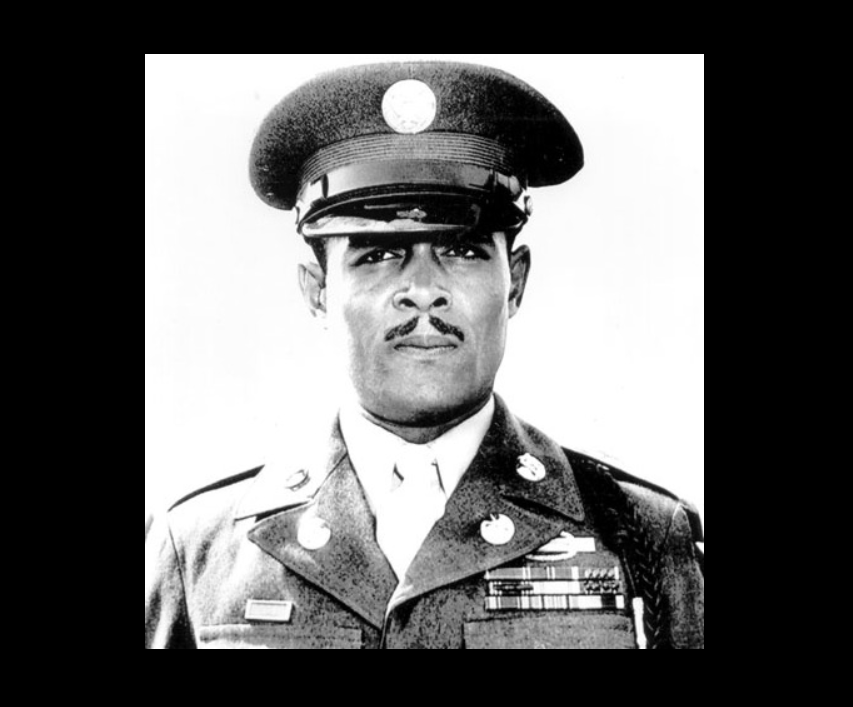
Staff Sergeant Edward A. Carter Jr. was a Black hero of World War II who single-handedly neutralized a German squad despite being shot five times. However, he returned to a country that viewed his skin color with more suspicion than his medal with respect. Due to his prior service in the Spanish Civil War, he was wrongly suspected of communist sympathies and barred from re-enlisting in 1949. Carter died at 47, heartbroken and unacknowledged by the military hierarchy. It took until 1997 for the U.S. government to rectify this injustice and posthumously award him the Medal of Honor he had earned 52 years earlier.