
A Saturday morning in 1978 had a rhythm that almost no American family follows today. Kids woke before their parents to watch the network cartoon block. Dad drove to the Sears for parts. Mom went to the grocery store before noon because the store would close at six. The newspaper hit the porch. The lawn got mowed. Bowling league met at 9. None of it happened by accident — it was the structure of the American weekend, built on retail hours, network programming, and a household economy that has since dissolved entirely.
1. Cartoons from 7 a.m. to Noon

The Big Three networks — ABC, CBS, NBC — each ran solid five-hour Saturday morning cartoon blocks beginning around 7 a.m. and ending around noon. In 1978, the ABC lineup included “Super Friends” with the Justice League, “Scooby-Doo, Where Are You!” reruns, and the “Bugs Bunny/Road Runner Hour” with the Warner Bros. classic shorts. CBS ran “Fat Albert and the Cosby Kids,” “The All-New Popeye Hour,” and “Tarzan, Lord of the Jungle.” NBC ran “The Pink Panther Show” and Hanna-Barbera’s “Godzilla.” Saturday morning was the largest reliable children’s broadcasting audience in American history, peaking at roughly 20 million viewers per network per Saturday. Each network ran its programming live, with no on-demand option and no recording capability for most households until the VCR became common in the mid-1980s. By 2014, all three networks had dropped their cartoon blocks entirely — CBS ended its block in 2013, NBC transitioned to an educational programming requirement in 2014, and ABC kept Saturday cartoons until 2012. The Saturday morning American kid’s TV ritual is now entirely streaming, individual, and untethered from the clock.
2. Cereal in Front of the TV

Tony the Tiger, Sugar Bear, Snap-Crackle-Pop, Toucan Sam, Captain Crunch, the Trix Rabbit. The cereal companies bought the Saturday morning cartoon blocks specifically to advertise to the captive children’s audience watching them. The economics were straightforward: a 30-second cereal spot during the Saturday morning block in 1978 cost roughly $20,000 and reached an average of 8 million children directly. The FCC’s Children’s Television Act of 1990, signed by President George H.W. Bush, limited advertising during children’s programming to 10.5 minutes per hour on weekends and required broadcasters to air educational programming. The act gutted the economics that had made the Saturday cartoon block profitable. Within a decade, networks had begun cutting their cartoon blocks back, and the cereal companies shifted their advertising budgets to streaming platforms and YouTube. The cereal aisles in American supermarkets still exist. The captive Saturday morning audience that justified the original spending does not.
3. The Newspaper Hit the Porch

A Saturday paper in 1978 was thick with content — the sports section, the comics, the classifieds, the real estate listings, the TV Guide weekly insert, the grocery store coupon flyers, and the entertainment section with movie show times. Most American homes received the paper from a neighborhood kid running a paper route — typically a boy aged 10 to 15, paid roughly $50 per month to deliver 80 to 120 papers. Pew Research Center data shows that U.S. weekday print newspaper circulation peaked in 1984 at approximately 63.3 million daily papers, then declined steadily through the 1990s and 2000s and is now under 20 million as of 2024. The paper route as a teenage job has essentially disappeared — most newspapers now use adult contractors who deliver by car, and the bicycle-based delivery model of 1978 is gone. The Sunday paper still arrives at some homes, but Saturday print circulation has fallen the fastest of any day of the week.
4. Schoolhouse Rock Between Shows
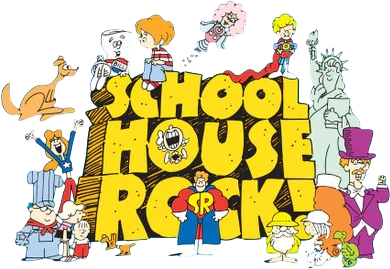
“I’m Just a Bill,” “Conjunction Junction,” “Three Is a Magic Number,” “The Great American Melting Pot,” and “Interplanet Janet” ran between ABC’s Saturday morning cartoons starting in January 1973. The series was conceived by advertising executive David McCall after he noticed his son could memorize song lyrics but struggled with multiplication tables. McCall hired composer Bob Dorough to put math, grammar, history, and science into animated three-minute songs. Generations of Americans learned the preamble of the U.S. Constitution from “The Preamble,” learned multiplication from “Multiplication Rock,” and learned the function of conjunctions from “Conjunction Junction.” The series ended its original run in 1985, made brief returns in the 1990s when ABC briefly revived it, and has now been out of network rotation for over twenty years. The songs are still on YouTube, where they have collectively accumulated hundreds of millions of views. The shared cultural literacy that came from every kid in America watching the same three-minute lesson on the same Saturday morning is gone.
5. The Trip to Sears
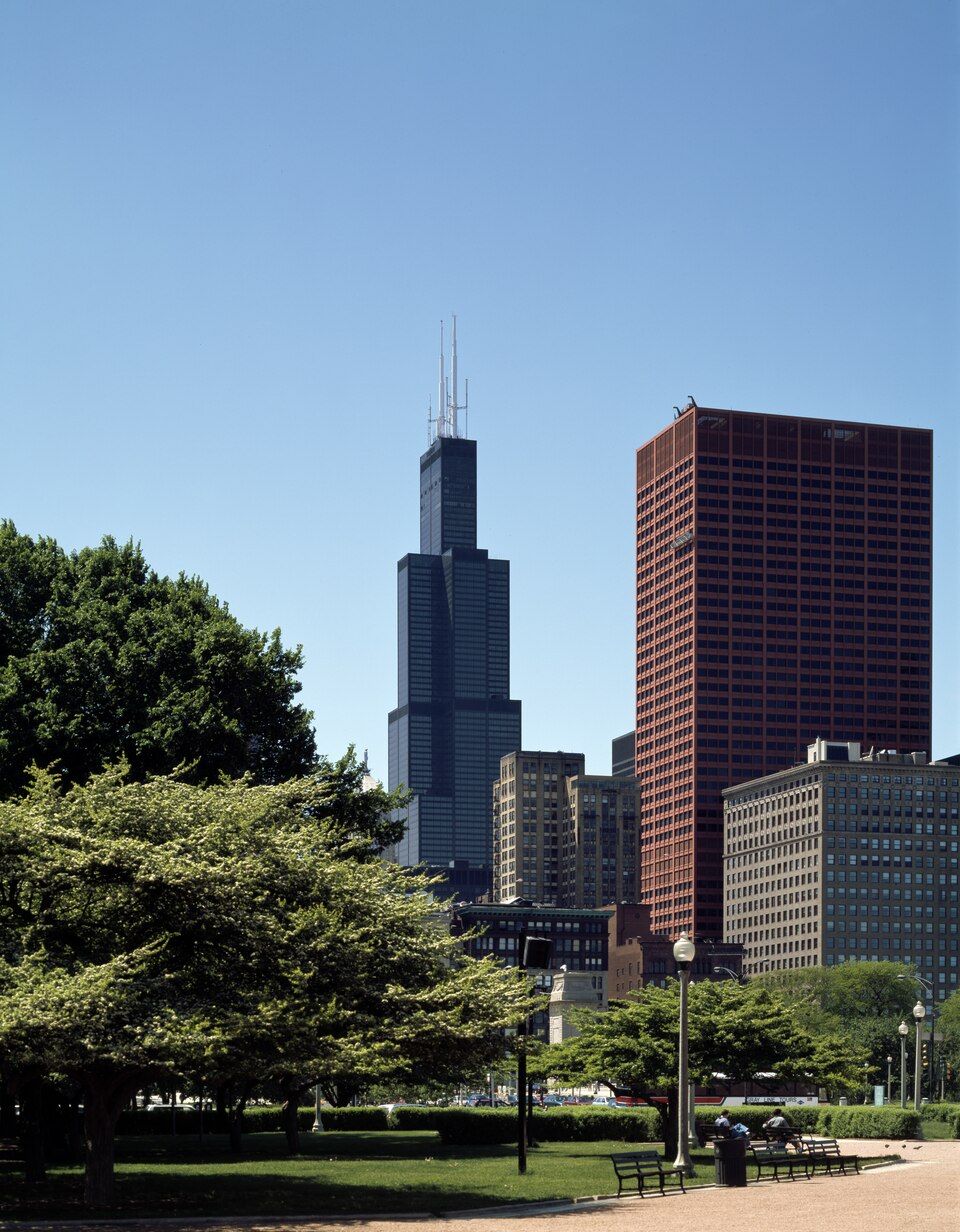
In 1978, Sears Roebuck and Company operated over 800 full-line stores across the United States, plus thousands of smaller catalog stores in rural towns. The Saturday morning trip to Sears for hardware, paint, kids’ clothes, a Craftsman tool, or appliance parts was a fixture of suburban American life. Sears was the country’s largest retailer for most of the 20th century, and the Sears Tower in Chicago — completed in 1973 and the tallest building in the world for 25 years — was a visible monument to that dominance. Sears Holdings filed for bankruptcy in October 2018, after years of declining sales and failed strategic pivots. As of early 2026, fewer than ten full-line Sears stores remain in the United States, with all of them owned by the post-bankruptcy reorganization entity Transformco. The Saturday morning Sears run, which had been a routine of American suburban life for over a century, is essentially gone. The Sears catalog stopped publishing in 1993. The Craftsman tool brand was sold to Stanley Black & Decker in 2017.
6. The Grocery Store Closed at Six

Most American grocery stores in 1978 closed at 6 p.m. on Saturdays and stayed closed all day Sunday — a holdover from state and local Blue Laws that had governed retail hours since the 19th century. Many states required all retail to close on Sundays well into the 1970s and 1980s. Mom did the family grocery run on Saturday morning by necessity, not preference. The structure forced a Saturday morning rhythm: cereal, cartoons, get dressed by 9, get to the A&P or the Piggly Wiggly or the Safeway by 10, be home by noon to unload. Walmart’s 24-hour expansion in the 1990s, the gradual repeal of state Blue Laws (Connecticut was one of the last to fully repeal, in 2003), and the rise of online grocery delivery through Amazon Fresh, Instacart, Walmart+, and Whole Foods delivery have made the Saturday morning grocery run a personal preference rather than a structural requirement. Most major American supermarket chains now operate 6 a.m. to midnight, seven days a week.
7. The Gas Station Attendant

Self-service gasoline pumps existed in 1978 but were not yet universal. New Jersey and Oregon still prohibited self-service entirely as a matter of state law, and many other states had only recently legalized it. In most American states, the Saturday morning fill-up included a uniformed gas station attendant who pumped the gas, washed the windshield with a squeegee, checked the oil dipstick, and accepted cash or a station charge card. The Texaco, Esso, Shell, Gulf, and Sinclair stations all maintained full-service islands alongside the newer self-service options through the 1980s. Oregon repealed its prohibition on self-service in House Bill 2426, signed in August 2023, after decades of debate. New Jersey remains the only state in the country where it is illegal for drivers to pump their own gas. The Saturday morning fill-up with the attendant in the green Esso uniform, who knew your name and your car, is an experience that is now confined to New Jersey, a handful of nostalgic full-service stations in other states, and family memory.
8. The Saturday Matinee
A Saturday morning matinee at the local single-screen theater in 1978 cost approximately $1.50 for children and $2.50 for adults. Parents dropped kids off at the theater around 11 a.m. for a double feature that ran until about 1:30 — typically a Disney re-release, a Looney Tunes compilation, and a feature film. The National Association of Theatre Owners reported approximately 17,000 single-screen theaters operating in the U.S. in 1978, most of them locally owned. By 2024, fewer than 1,000 single-screen theaters remained operational in the entire country. The multiplex theaters that began appearing in shopping malls in the mid-1970s slowly displaced the single-screen neighborhood theaters through the 1980s and 1990s, and the rise of cable, then VCRs, then DVDs, then streaming services finally finished the transition. The Saturday matinee as a parental drop-off ritual no longer exists in most American towns — the few remaining single-screen theaters survive mostly as art houses, historic venues, or college-town novelties.
9. The Saturday Bank Visit

American banks in 1978 closed at noon on Saturdays, and many closed at 1 p.m. on Fridays after a long workweek. Saturday morning was check-cashing time, deposit-slip time, the line at the teller window with paper passbooks and signature cards. The teller knew your account by name. The vault was open for safe deposit boxes. The advent of ATMs in the 1980s — Citibank deployed the first major U.S. ATM network in 1977 — direct deposit in the 1990s, online banking in the 2000s, and mobile banking through smartphones in the 2010s has steadily emptied bank lobbies. Many regional and community banks no longer keep Saturday hours at all, and the Saturday banking ritual that anchored American suburban morning routines has effectively disappeared. The Federal Reserve has documented a 40% decline in physical bank branch visits since 2012. The next generation of American adults will likely never wait in a Saturday-morning teller line.
10. The Bowling Alley League

Saturday morning bowling leagues — youth leagues, mixed adult leagues, senior leagues — were an American Saturday standard in 1978. American bowling alleys numbered over 9,000 at their peak in the late 1970s, and the United States Bowling Congress reported peak league membership of over 8 million participants in 1980. The decline since then has been steep. By 2024, fewer than 3,500 bowling alleys remained operational in the United States, and USBC membership had fallen to under 1.5 million. The reasons are multiple: dropped corporate sponsorships, the closure of urban bowling alleys for real estate redevelopment, competing weekend activities for kids, and the broader cultural shift away from organized team sports for adults. The famous Saturday morning youth league — kids in matching shirts, plastic shoes, the bumpers up for the under-tens, the snack bar serving microwave burgers and frozen pizza — survives in some communities but is no longer a national American Saturday morning ritual.
11. The Atari in the Living Room
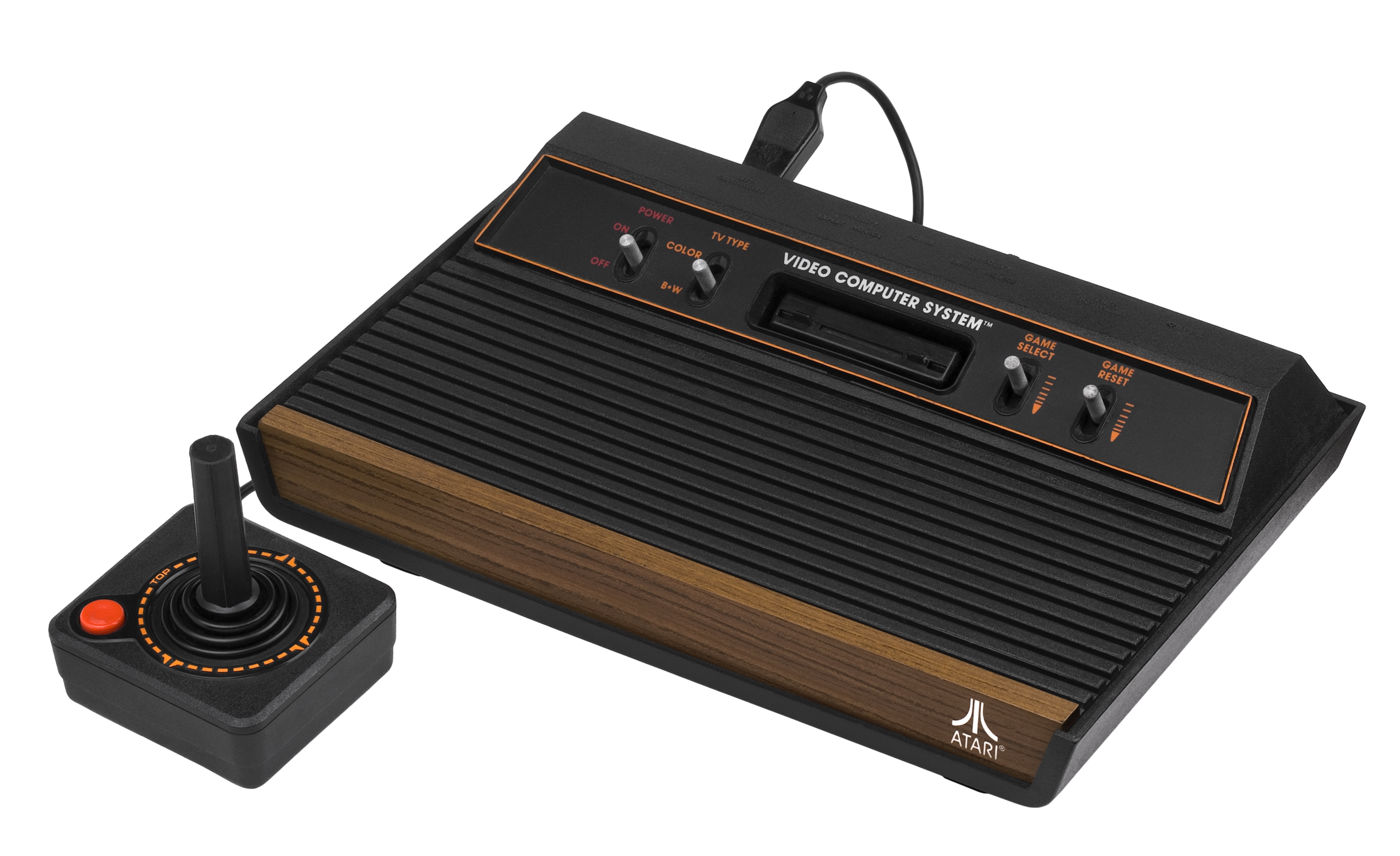
The Atari 2600 launched in September 1977, and by Saturday morning of 1978 it had become the first home video game system many American kids encountered. Combat, Space Invaders, Asteroids, Adventure, Pitfall. The 2600 sold approximately 30 million units total over its production run from 1977 to 1992. The cartridge-and-joystick household ritual that started in those 1978 living rooms — kids gathered around the family television, taking turns on the single joystick, the older kid usually winning — evolved into modern gaming as a multi-billion-dollar industry. Today, Americans spend over $100 billion annually on video games. But the family gathered around one television, taking turns, is largely gone. Most American homes now have multiple gaming devices, each with their own user, and the activity that began as a shared Saturday morning living room ritual is now an individual activity that happens on personal phones, tablets, and consoles in private rooms.
12. Why It All Disappeared
The Saturday morning of 1978 was built on three structures that have since dissolved: synchronized broadcast television, restricted retail hours, and single-earner households with predictable weekend rhythms. The cable television expansion of the 1980s broke the broadcast network monopoly. The repeal of state Blue Laws and the deregulation of retail hours through the 1990s broke the synchronized shopping rhythm. The two-earner economy that became the U.S. norm in the 2000s broke the household schedule that depended on one adult being free Saturday morning to run errands. The Saturday morning American family ritual didn’t end in any single moment — it scattered, into streaming platforms with no schedule, into app-based delivery services that brought groceries to the door, into individual activity schedules that no longer align across a household. The cartoon block, the cereal commercial, the paper route, the Sears run, the bank line, the gas attendant — all of it was part of a structure that no longer exists. The structure is gone. What’s left is a generation that remembers it.