

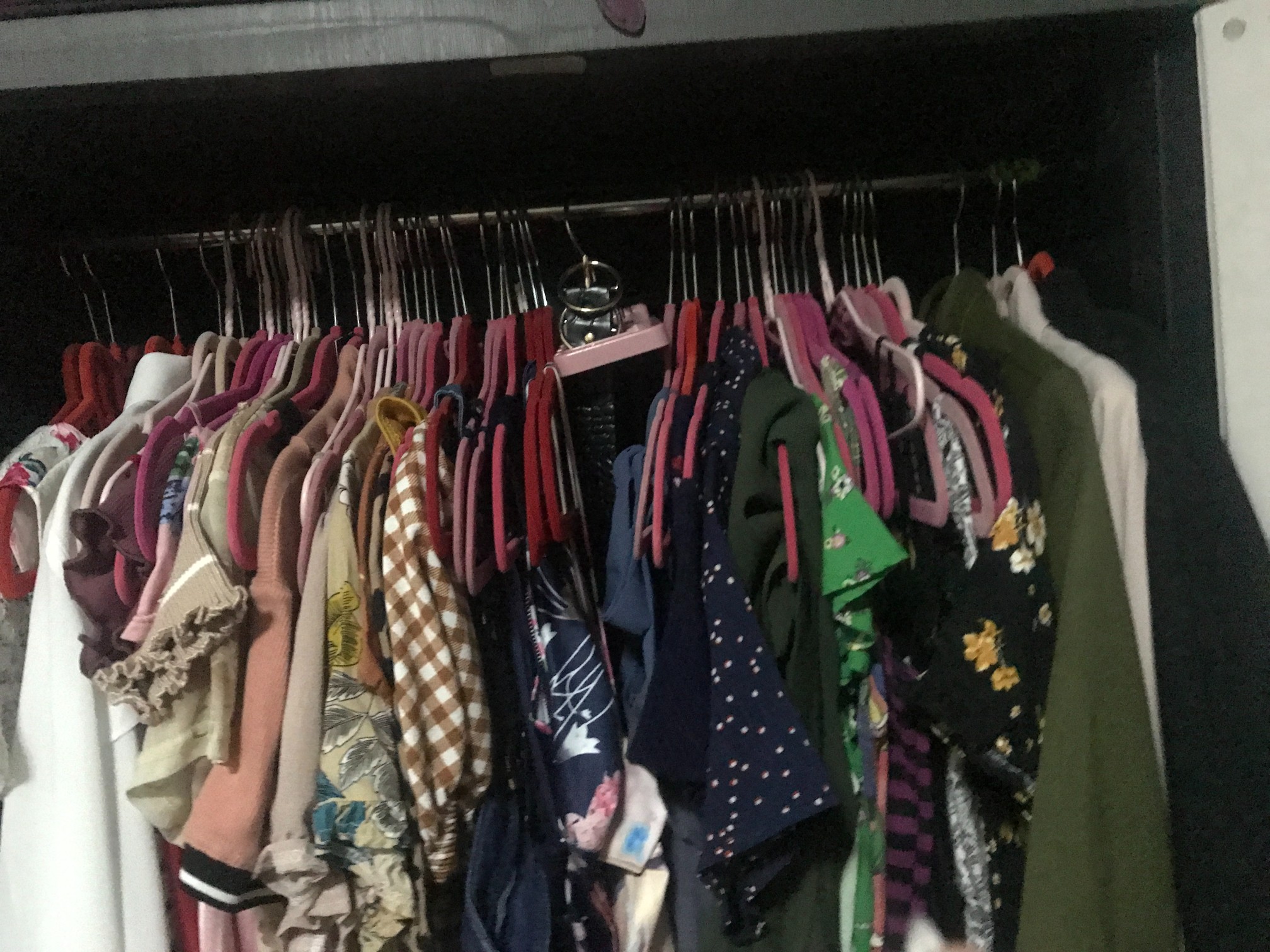
There was a closet somewhere in the house, usually upstairs or in a hall, lined floor to ceiling in unfinished reddish boards, and opening the door released a smell that was unlike anything else in the building.
Winter coats hung in it through the summer. Wool blankets were folded on its shelf. And somebody in the family would tell you, with complete confidence, that the smell was what kept the moths out.
What Is Actually Eating the Clothes
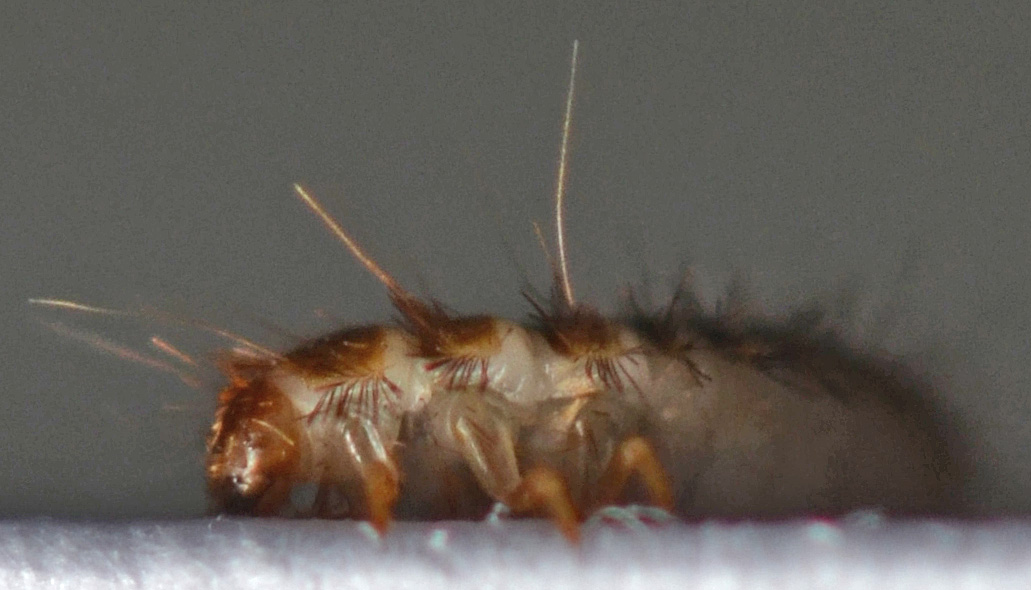
Start with the pest, because the whole arrangement only makes sense once you know what it was for.
Clothes moths are small, they avoid light, and the adults do not eat anything at all. The damage is done entirely by the larvae, which feed on keratin – the protein in wool, fur, feathers, silk and hair. Cotton and linen are not keratin and are not food. Synthetics are not food either.
The larvae prefer material that is soiled, because body oils, perspiration and food residues supply the moisture and nutrients that keratin alone does not. A clean wool coat is a poor meal. The same coat worn through a winter and hung up unwashed is a good one.
They work slowly, in the dark, out of sight, over months – which is why damage appeared not when the garment was in use but when it came out of storage the following autumn with holes in it that nobody had seen arrive.
Like our content? Follow us for more.
What the Cedar Is Doing, Precisely
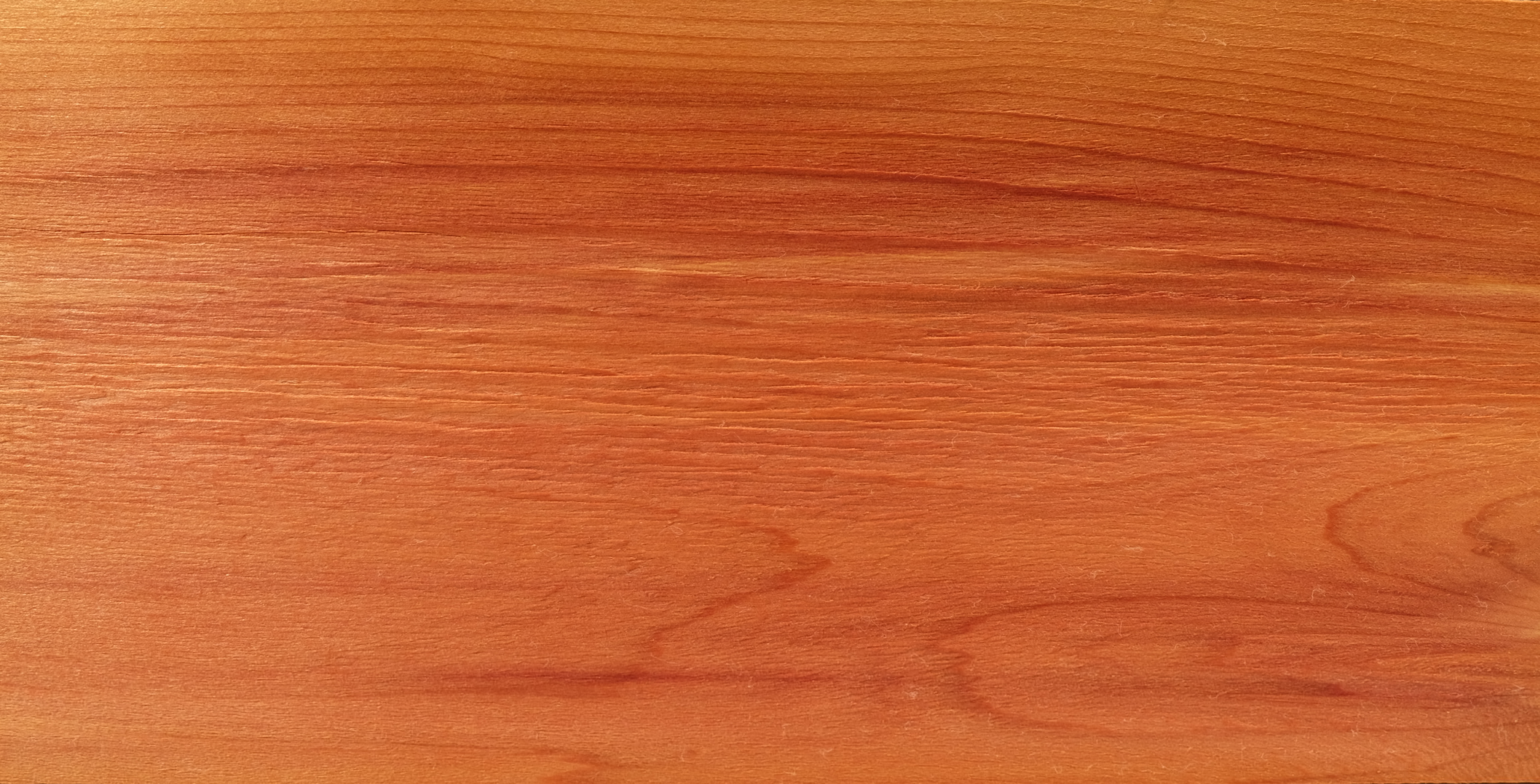
Aromatic eastern red cedar heartwood contains volatile oils, and those oils do have a genuine effect. The question is how much of one.
The established picture is narrower than the folklore. The vapour repels adult moths, discouraging them from laying in the enclosure. In sufficient concentration it can kill very young larvae shortly after hatching. What it does not reliably do is kill established larvae, kill eggs, or kill adults – and an infestation already present in a garment when it goes into the closet is not going to be dealt with by the smell of the walls.
And the concentration matters enormously, which is where the arrangement failed in practice. The effect depends on a high vapour level in a sealed space. A closet that is opened daily, that has a gap under the door, or that is lined with boards sealed under varnish does not hold the vapour and does not reach a useful concentration.
Worse, it fades. The volatile oils at the surface of the wood evaporate and oxidise over a few years, and an old cedar closet that still smells strongly to a human nose can be well below any level that affects an insect. Sanding the surface lightly exposes fresh wood and restores it, which is the one piece of genuine advice that circulated and which almost nobody did.
So the Smell Was Doing Some of the Work and Getting All the Credit
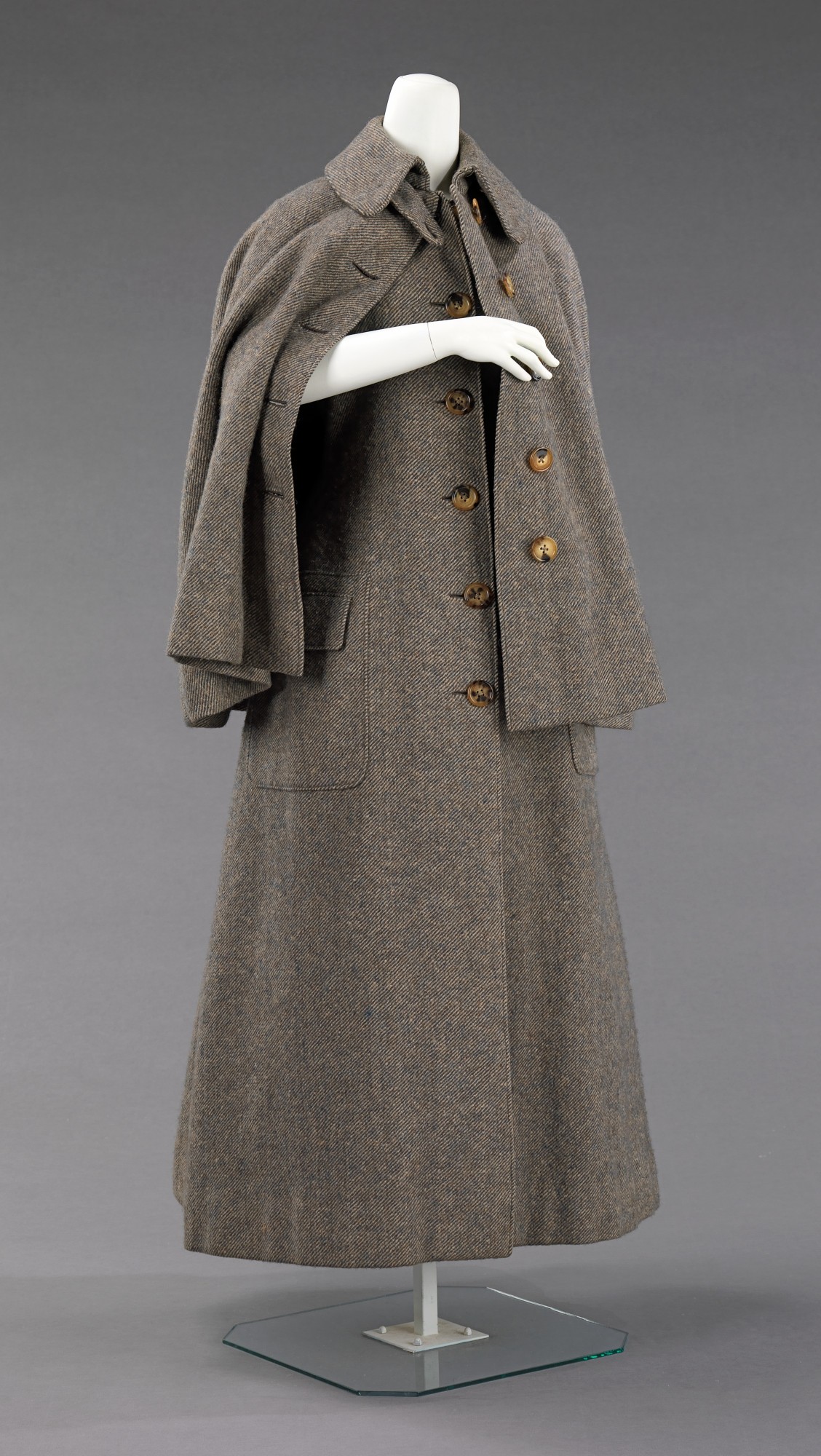
This is the honest version, and it is not a debunking.
Cedar closets did reduce moth damage, and households were right that they helped. But the reduction came mostly from the things around the cedar, not from the cedar.
A cedar closet is a dedicated, enclosed, rarely-opened space that garments go into deliberately, at the end of a season, after being cleaned – because cleaning before storage was the standard instruction and people followed it. That is three effective controls operating at once: the clothes are not soiled, so they are poor food; the space is closed, so adults have limited access; and the garments are inspected on the way in and on the way out.
Any closet would have delivered most of that. The cedar added a real but modest repellent effect, and it added something else that mattered more than anybody admitted – a smell that made the arrangement feel like it was working, which is what kept people doing the parts that actually were.
What Else Was In There, and What It Did

The cedar was rarely alone. The storage closet of this period was a small chemical environment.
There were mothballs, which worked by sublimating into a dense vapour that is lethal to the insect in a sealed container – genuinely effective, and genuinely unpleasant, and the reason a certain generation of stored clothing smelled the way it did for the rest of its life. There were tissue-paper wrappings and garment bags. There were sachets of lavender and other aromatics, which are repellent at best. And there were cardboard boxes and trunks, which were themselves a problem, because cardboard and paper give larvae somewhere to pupate.
The mothball smell and the cedar smell got conflated in memory, and still are. People describing a cedar closet are frequently describing a cedar-lined closet that also contained mothballs, and attributing the whole effect to the wood.
It Was a Kit You Bought at the Lumber Yard
The closet was almost never part of the original house. It was something added, and the way it was sold explains why so many houses have one.
Lumber yards sold aromatic cedar as tongue-and-groove boards in bundles, in short random lengths, priced by the square foot of coverage. You bought enough bundles for the closet you had, nailed them to the existing walls – over the plaster, not instead of it – and worked around the door frame and the shelf. The boards were short and random precisely because they were milled from the small, knotty, awkward heartwood that could not be used for anything else, which is what made the product cheap.
And the instruction, printed on the bundle, was to apply no finish of any kind. No varnish, no paint, no sealer. That was the one rule, because the whole proposition depended on the wood’s surface being open to the air of the closet – and it is also the rule that was most often broken by somebody later who thought the raw wood looked unfinished.
A capable homeowner could line a closet in a Saturday with a hammer and a hand saw, which is exactly the kind of job that spread through a neighbourhood once one person had done it.
The Chest Was the Other Half of the Tradition
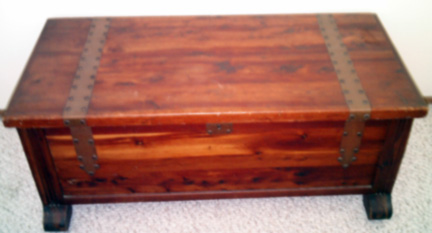
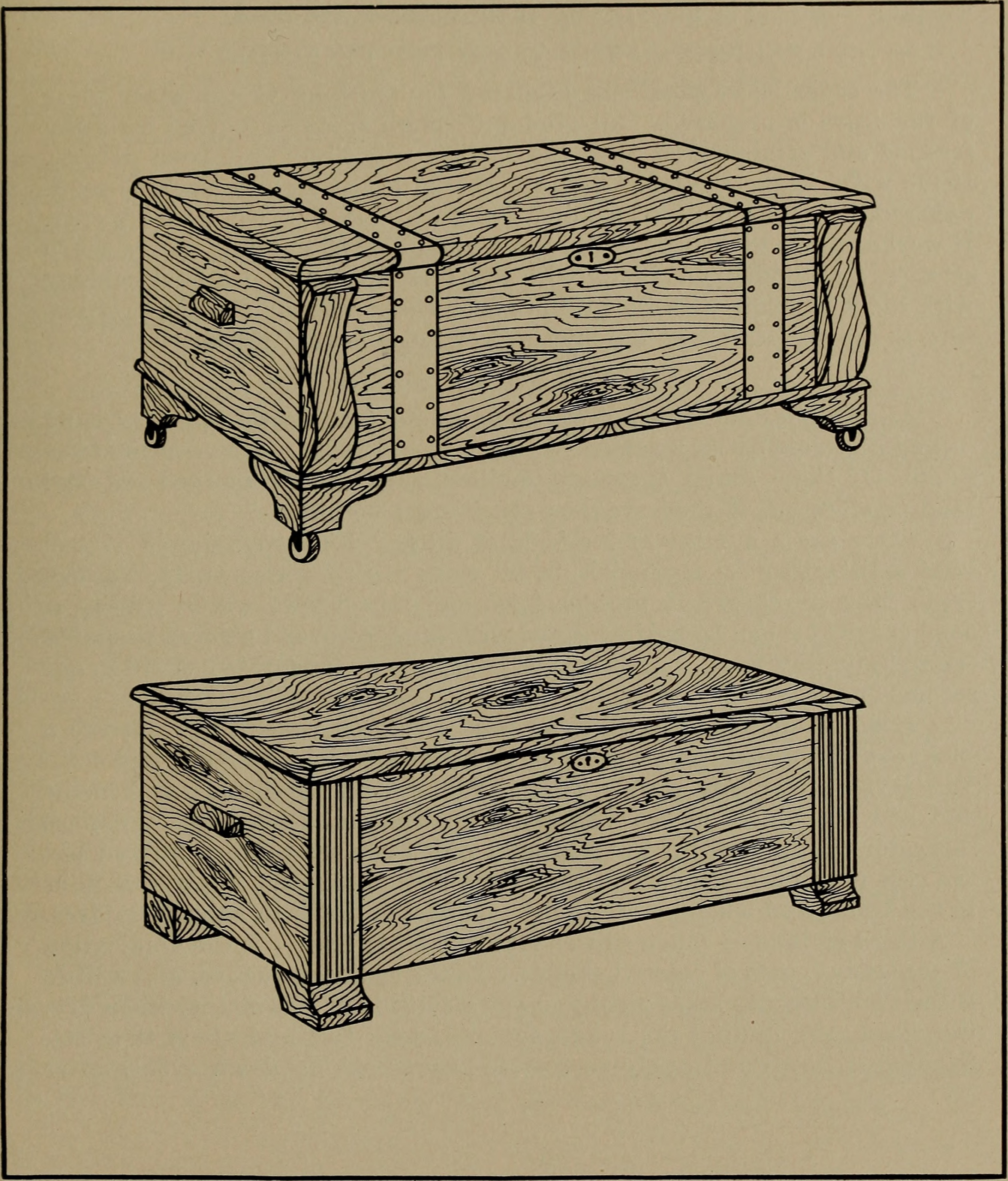
Alongside the closet there was the cedar chest: a lidded wooden box, cedar-lined or solid cedar, usually a substantial and decorative piece of furniture that sat at the foot of a bed or under a window.
It was frequently a significant gift – a milestone present, something handed down, or a purchase made at a wedding – and it carried blankets, quilts, linens and the garments that were not worn but were not disposable either.
The chest had one genuine advantage over the closet, and it is the advantage that matters most: it actually sealed. A heavy lid dropping onto a flat rim with the weight of the lid holding it shut gives a far better enclosure than a closet door with a gap under it. The vapour stayed in, the insects stayed out, and the contents were not disturbed for years at a stretch.
Which means the chest was doing the job properly while the closet was mostly doing it by reputation – and the chests are the ones that survived, because they are furniture and furniture gets kept.
Three Things Made the Closet Unnecessary
The first is the wardrobe itself. Through the second half of the century the share of clothing made from wool collapsed, replaced by cotton and by synthetics – polyester, nylon, acrylic. None of those is keratin and none of them is food for a clothes moth. A household whose clothes are mostly synthetic has very little for the pest to eat, and the problem shrinks in proportion.
The second is climate control. Seasonal storage existed because houses had seasons – an unheated upstairs in February, no cooling in August – and because a wardrobe was split into a winter half and a summer half that could not both be in use. A house held at one temperature all year, with a larger closet, keeps everything accessible all the time. The storage event that the cedar closet existed to serve stopped happening.
The third is cost. A wool overcoat was a significant purchase expected to last a decade or more, and protecting it across a summer was straightforwardly worth doing. Clothing got dramatically cheaper relative to income, and the calculation changed: nobody builds a lined room to protect garments they expect to replace.
The Twist: The Advice That Works Has No Smell
Cedar is still sold for this, in volume – as blocks, hangers, balls, chips, sachets and liners – and it is sold on exactly the proposition that the smell is doing the work.
Which is the inversion worth noticing. The measure that genuinely controls clothes moths is cleaning garments before storage and keeping them in a sealed container, because the larvae need soiled keratin and cannot reach what they cannot get into. That is free, it is undramatic, and it produces no smell at all.
The cedar provides a modest repellent effect that weakens within a few years unless the wood is sanded, and an unmistakable aroma that persuades everybody the problem is handled.
So the thing that worked was retired as unremarkable, and the thing that smelled got a market. A closet lined in cedar is one of the better pieces of domestic woodwork anybody put in an ordinary house, and the houses that still have one mostly use it for the vacuum cleaner.
The smell is still in there. It has outlasted the wool, the seasons, the overcoats and the reason.
Like our content? Follow us for more.

