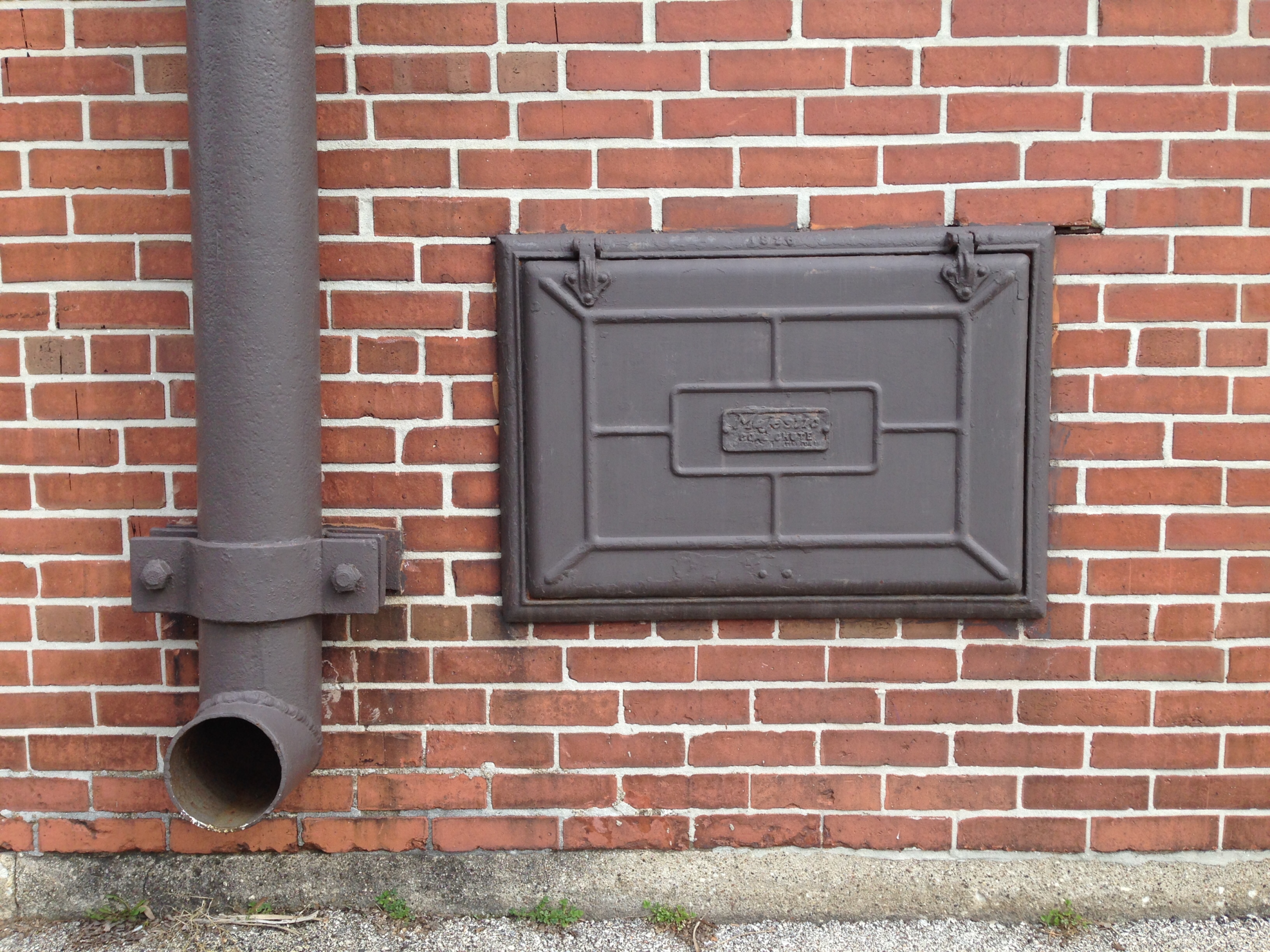
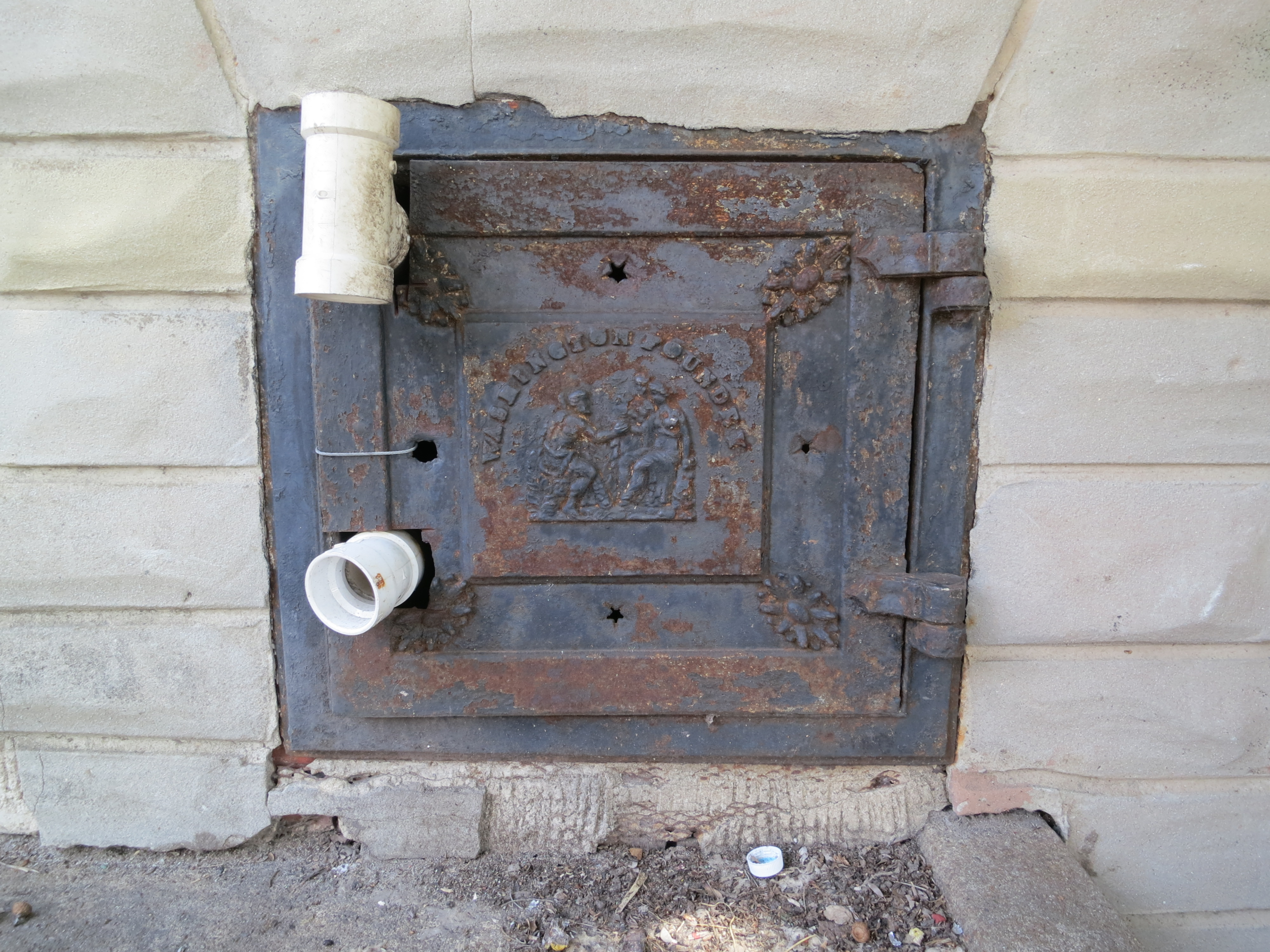
Walk round the outside of an older American house and look low on the foundation wall. There is frequently a small cast iron door, maybe eighteen inches square, hinged at the top or the side, sometimes with a maker’s name on it, usually painted over and rusted shut.
New owners assume it is a crawl space access, or a vent, or something to do with the plumbing.
It is the coal chute, and it is the clearest surviving evidence of something that has entirely disappeared from American domestic life: the fact that a household used to buy its entire winter’s heat at once, in a solid form, by the ton, and have it poured into a room in the basement.
Buying Heat by the Ton Changes a House
Start with the quantity, because it is the thing that explains the architecture.
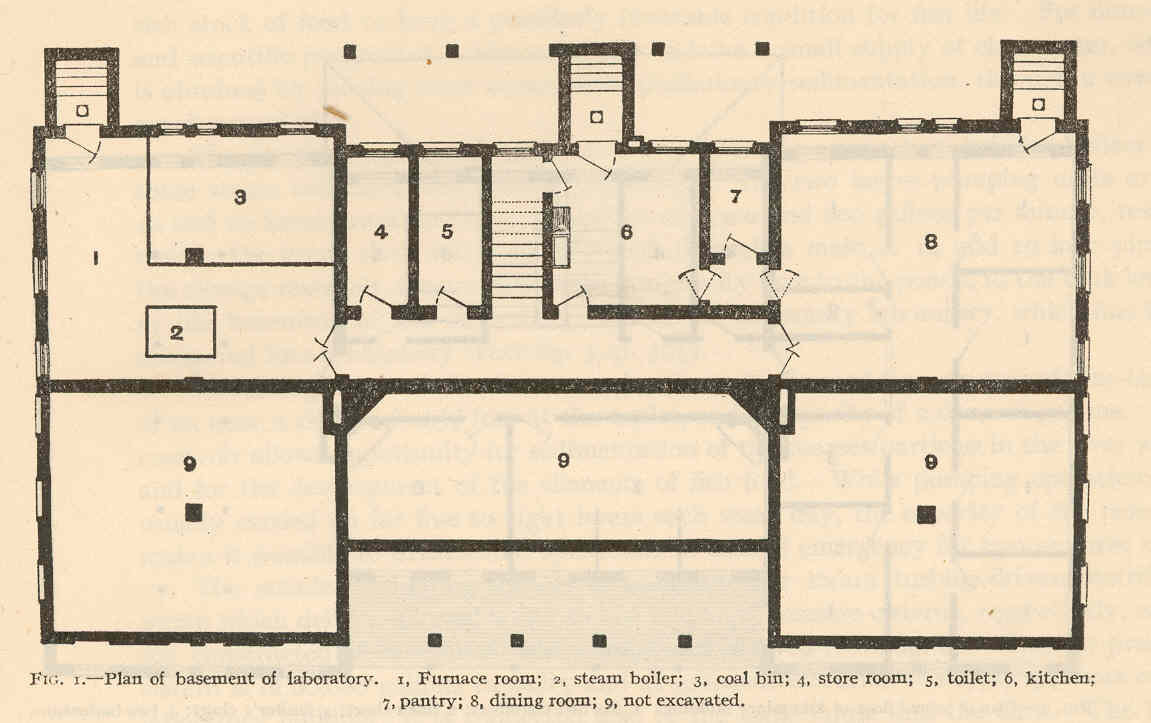
A house heated by coal through a northern winter burns a substantial tonnage of it. That coal has to be somewhere, and it has to be somewhere dry, somewhere the furnace can be fed from, and somewhere that can take a load dumped in all at once.
So the house needed a coal bin: a walled-off section of the basement, frequently of brick or boards, sized to hold a season’s supply, located adjacent to the furnace so that shovelling was a matter of a few steps rather than a journey.
And it needed a way in. Carrying a winter’s coal down a flight of basement stairs in buckets is not a serious proposition, which means there had to be an opening in the exterior wall at or above the level of the bin – and that is the hatch.
The whole arrangement follows from one fact: the fuel is solid, heavy, bought in bulk and stored at home. Change that fact and every piece of it becomes pointless.
Like our content? Follow us for more.
The Delivery Was a Spectacle
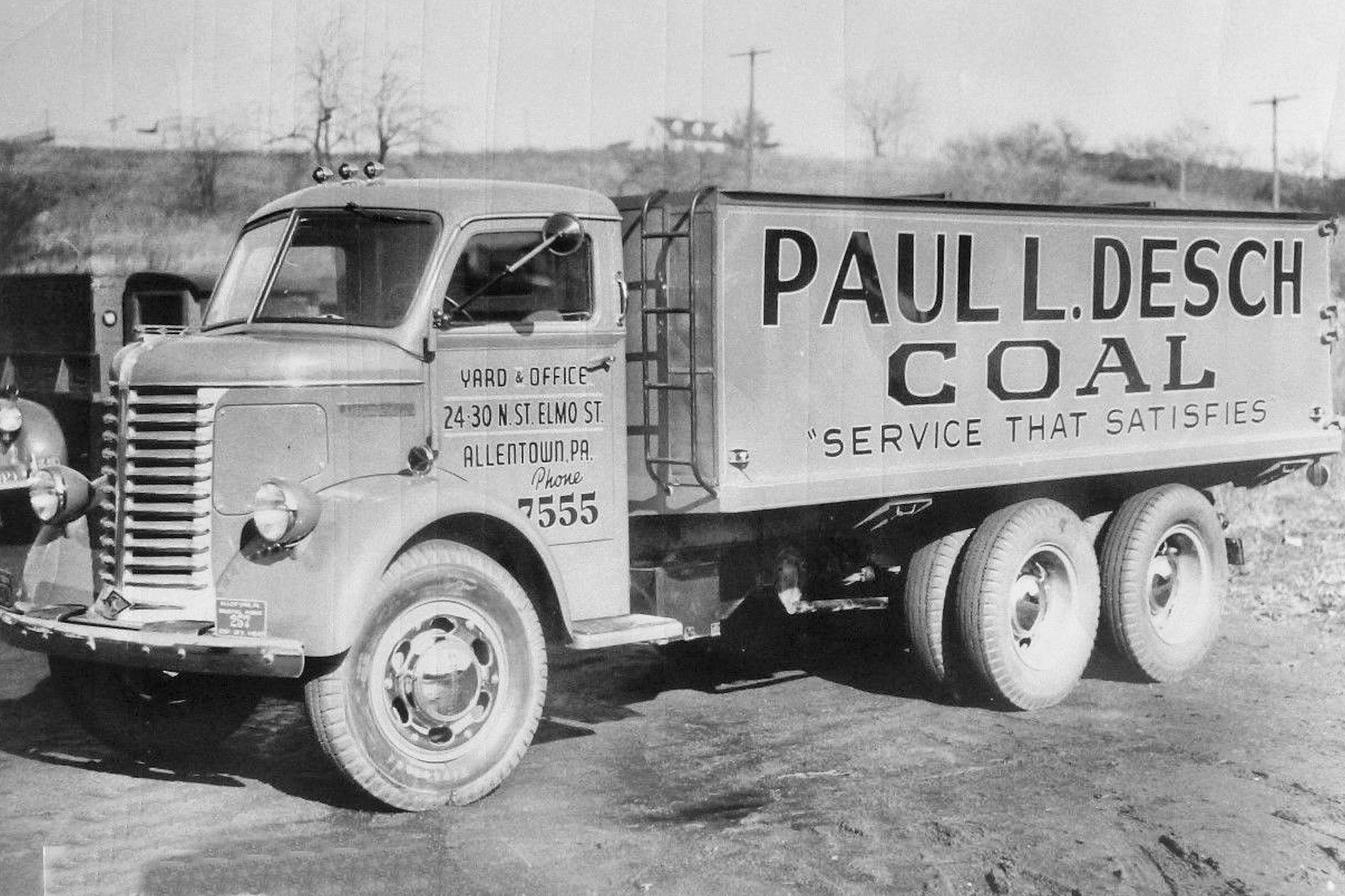
Worth describing properly, because it is the part people remember.
A truck backed up to the house. A metal chute was run from the truck through the open hatch into the bin. And then the load went down it – a roaring, rattling, sustained noise of several tons of coal sliding down sheet metal into a brick room under the house, going on for some minutes, with dust coming out of every gap.
Children watched. Everybody in the house knew it was happening. And the dust got everywhere, which is the detail that comes up in every account – fine black coal dust in the air, on the floor, on the window sills, tracked through the house.
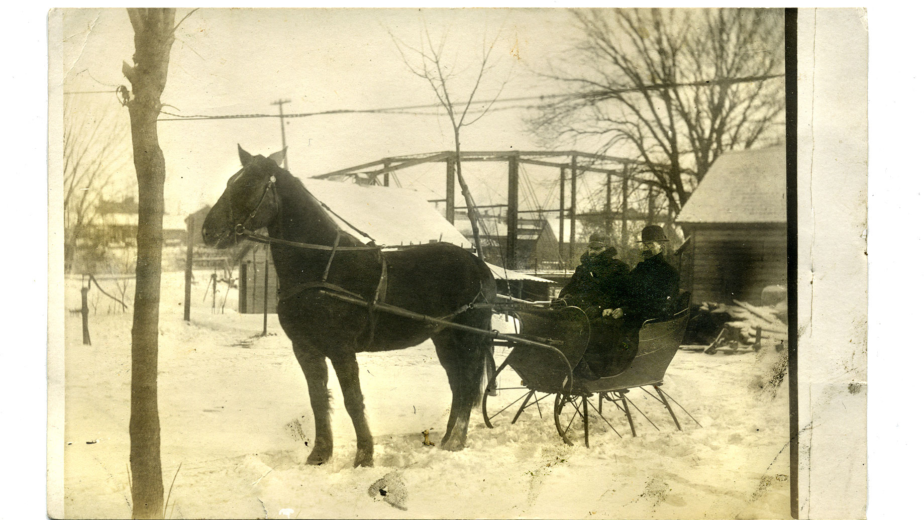
Earlier deliveries were by horse-drawn wagon and bags carried on a man’s back and tipped through the hatch, which is considerably harder work and considerably more coal dust on the man concerned.
The hatch itself was built for this: cast iron because it had to survive repeated impact, low on the wall because coal has to go downhill, and lockable because a basement full of fuel is worth money.
It Was a Serious Household Purchase
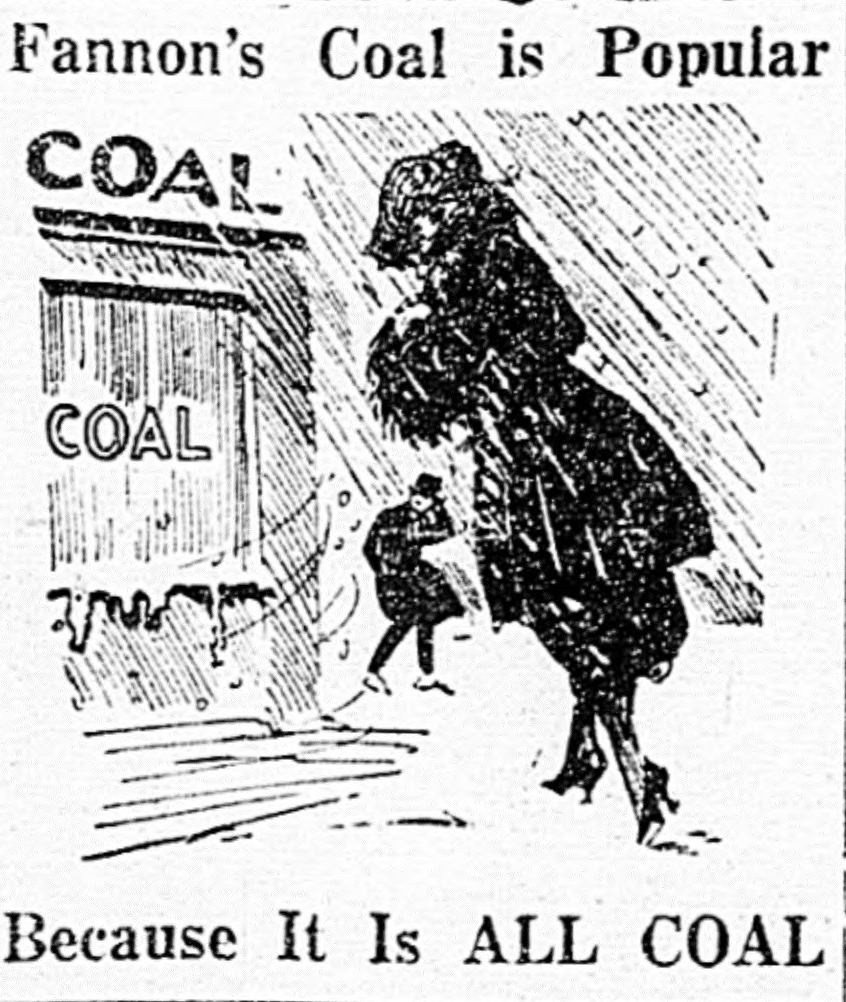
The economics are worth setting out, because they explain how much thought went into it.
Coal came in grades – different sizes and different types, suited to different appliances and burning differently – and a householder had to know which one his furnace or stove wanted. Buying the wrong grade meant a fire that would not draw properly or fuel that burned too fast.
It was bought by weight, and weight was a matter of trust. The dealer weighed the load, and a householder who suspected short weight had very little recourse, which is why dealers’ reputations mattered and why municipal weighing arrangements existed in many places.
And it was bought at the best time rather than when needed. Prices were lower in summer, so a household with the cash and the bin capacity filled up out of season – which is a straightforward piece of commodity trading conducted by ordinary families, and one of the few occasions when having spare money in July translated directly into paying less for warmth in January.
A household without that cash bought in smaller quantities more often, and paid more for it.
Somebody Had to Shovel It Twice a Day
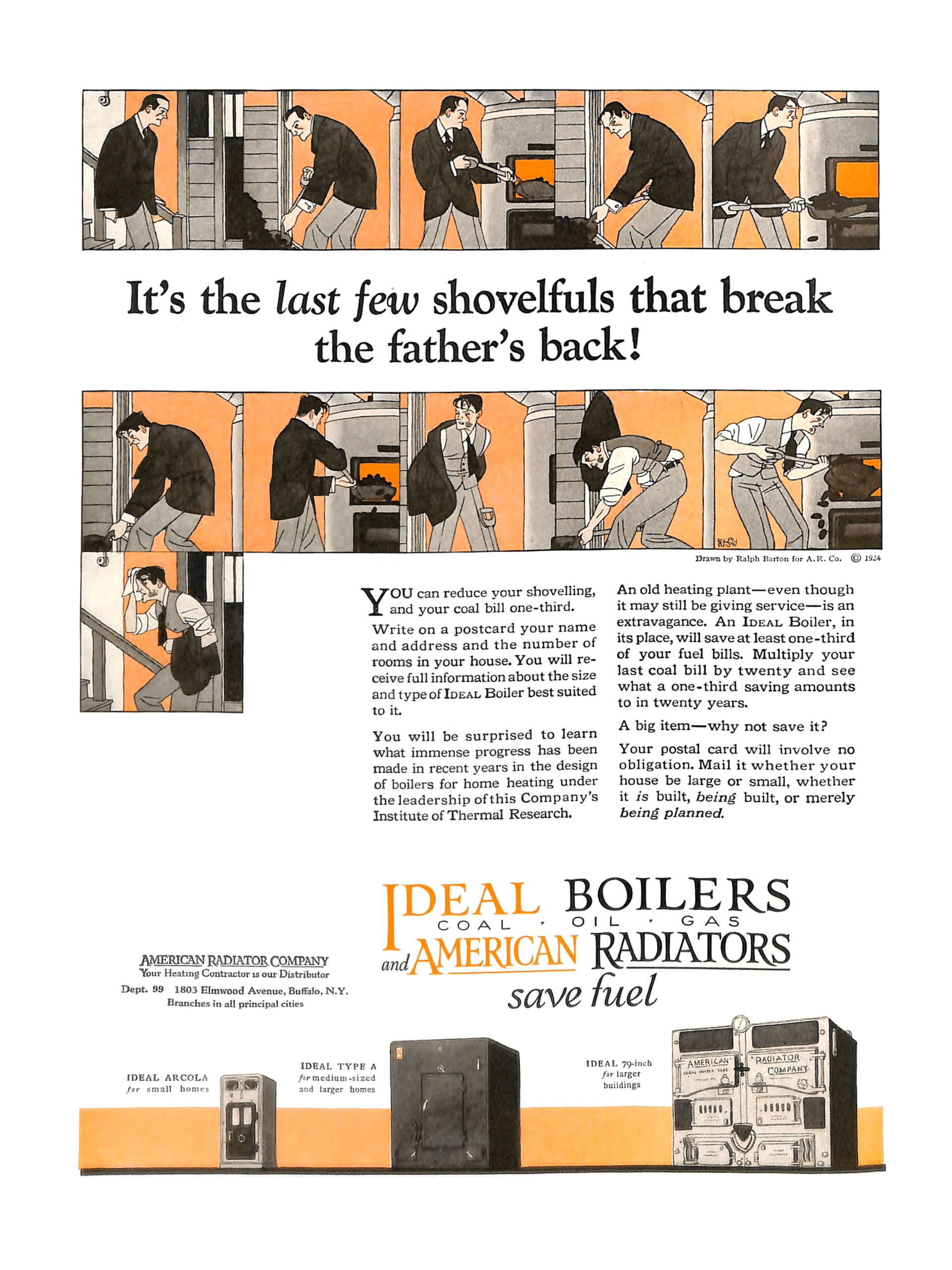
This is the labour, and it is the part the romantic version omits entirely.
A coal furnace does not run itself. It has to be fed, which means shovelling coal from the bin into the firebox – at least morning and evening, and more often in hard weather. The fire has to be banked at night so it survives until morning. The draught has to be adjusted. And the ash has to be shovelled out, carried up and disposed of, which is a second daily job with a second daily mess.
The clinker is the part nobody expects. Coal does not burn to nothing – it leaves a hard fused residue that has to be broken up and removed from the grate, and a furnace that has not been cleared properly will not burn.
So a coal-heated house involved somebody going into the basement twice a day, every day, from October to April, to shovel fuel in and ash out. Usually the same person, and usually without discussion about whose job it was.
The Coal Man Was a Fixture of the Year
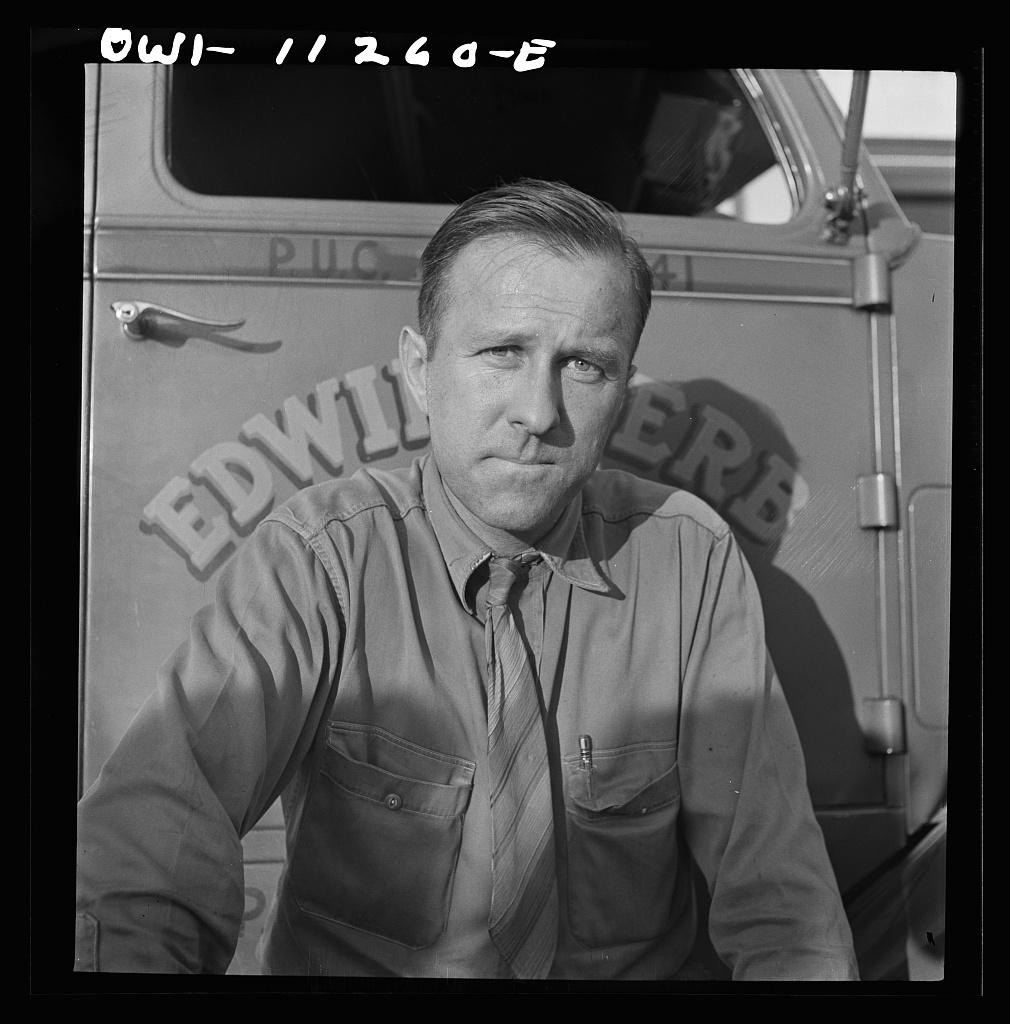
The delivery trade deserves a mention, because it was a recognised occupation with its own character.
Coal men were known, worked a route, and arrived at a household several times a season or once in bulk. The work was physically brutal – carrying bags, running chutes, working in dust – and the dust marked them permanently in a way that was visible and commented on.
They also knew every basement in town, which coal bins leaked, which hatches were broken, which households paid and which did not. A man who delivered fuel to two hundred houses had a map of a community’s circumstances in his head.
And he had the standing that goes with delivering something indispensable in winter. A household on bad terms with its coal dealer in January was in a genuinely poor position.
The Dust Got Into Everything, Permanently
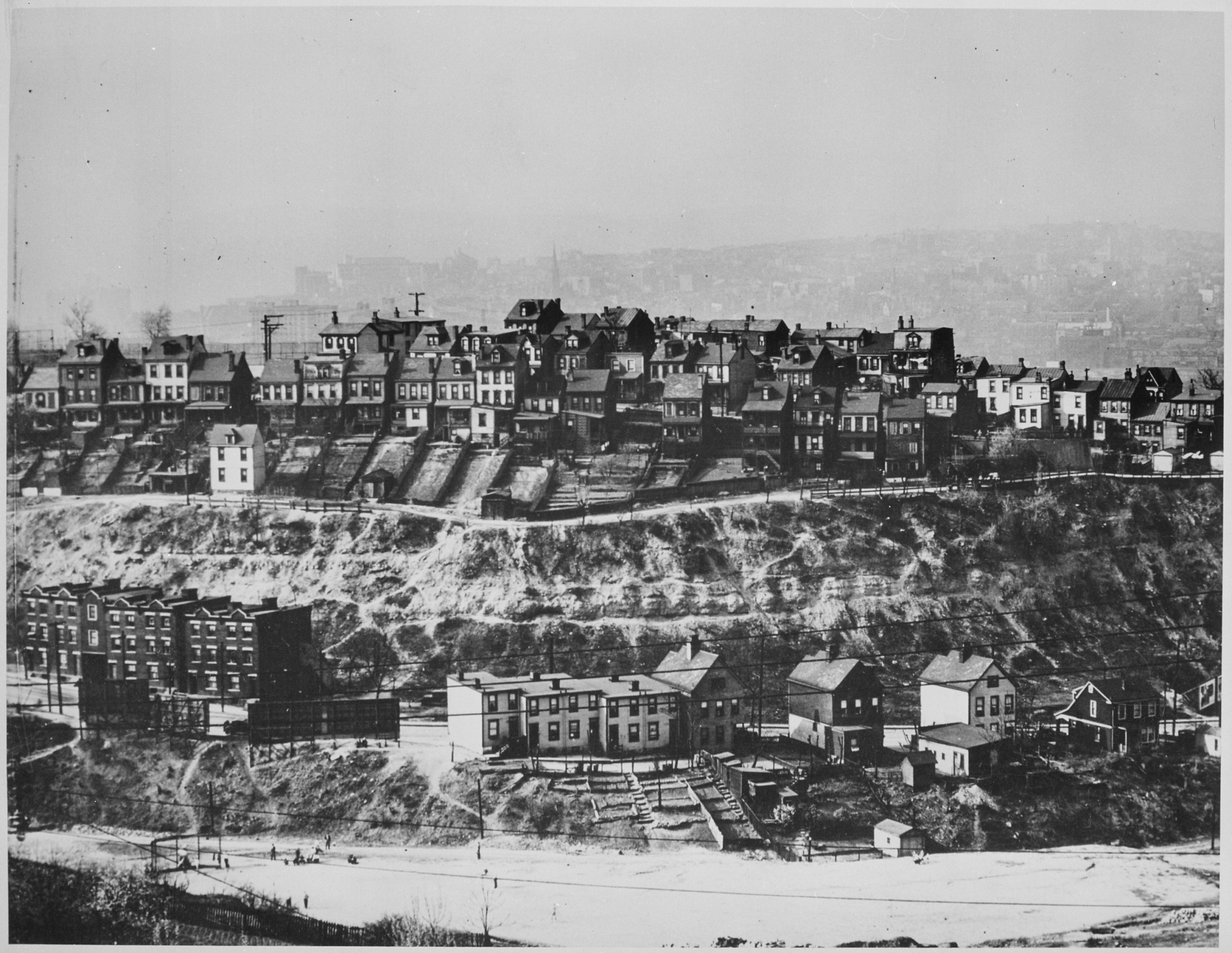
Worth being plain about, because it is the cost that applied to the whole town rather than to one household.
Coal burning produces soot and fine particulate, and a town where every house burned coal had it in the air continuously through the heating season. It settled on everything. It blackened buildings, which is why so much nineteenth-century masonry in American cities was dark until it was cleaned in the later twentieth century. It got into curtains, into washing hung outdoors, onto window sills and into lungs.
That last point is where the honest version has to be careful. The health consequences of heavy coal smoke in populated areas are real and were eventually understood to be serious, which is a large part of why American cities moved against coal heating. This file does not attempt the medical detail, which belongs to the sources that can do it properly.
What is uncontroversial is the dirt, and the dirt was continuous, universal and accepted as a condition of winter.
Then Fuel Started Arriving Through a Pipe
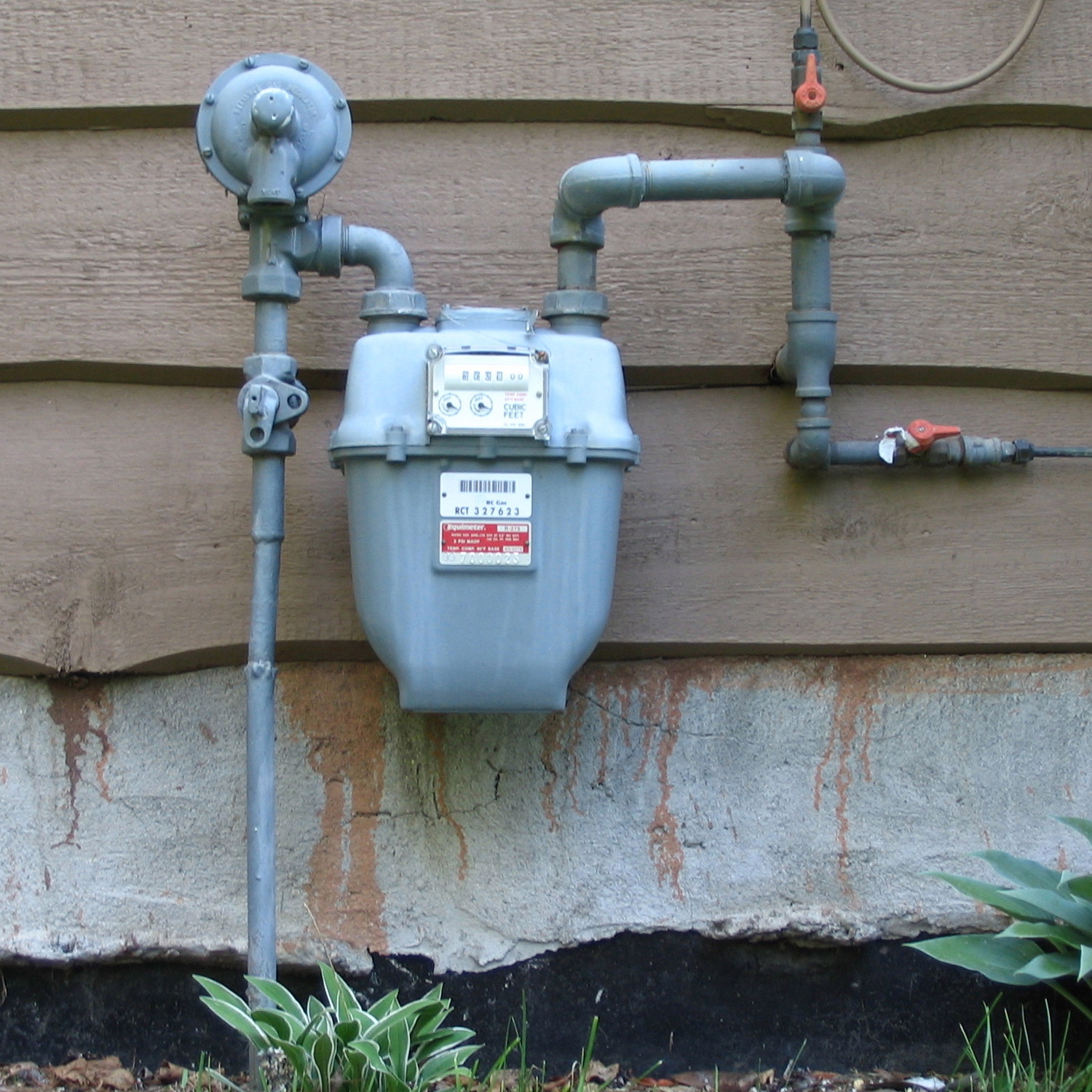
The replacement happened in two stages and both removed the storage problem.
Fuel oil came first in a great many places. It is a liquid, which means it is delivered by hose into a tank rather than by chute into a room, it is fed to the burner automatically, there is no shovelling and no ash, and the storage is a sealed vessel rather than an open bin.
Then natural gas arrived, and gas is the decisive change because it eliminates storage entirely. The fuel arrives continuously through a pipe, in exactly the quantity being used, with no delivery, no tank, no bin, no shovel, no ash, no clinker and no dust.
Which means the householder’s relationship to heat changed completely. Instead of buying a season’s worth as a commodity, in a grade you had to understand, at a price that moved, from a dealer you had to trust, and then handling it twice a day for six months, you set a thermostat and received a bill.
That is one of the largest reductions in ordinary household labour of the whole century, and it is almost never listed among them.
Then the Bin Became Storage and the Hatch Was Sealed
So the basement changed. The coal bin was emptied, swept, and became a workshop, a laundry, a store room or just space – and a great many American basements have a corner with sooty brick, a concrete curb and no obvious purpose, which is where the coal was.
The furnace was replaced, which frequently meant cutting up the old one to get it out, because a coal furnace was assembled in place and does not fit through a door.
And the hatch was sealed. Bricked up, concreted over, or simply screwed shut and painted – because an unused hole in a foundation wall is a way in for water, animals and cold.
Which is why the door is still there. Nobody removes a cast iron frame set into masonry if they can avoid it, so the frame stays and the door stays in it, painted over, as a thing nobody can identify.
What It Tells You When You Find One
Three things, and they are worth having in mind when you look at an old house.
It tells you the house was built to be heated by solid fuel, which means the chimney, the basement layout and probably the room sizes were decided with that in mind.
It tells you roughly where the furnace was, because the bin was next to it and the hatch was next to the bin – so the hatch points at the heating plant.
And it tells you that for several decades somebody in that house went down the stairs twice a day with a shovel, and that once or twice a year a truck backed up outside and poured several tons of winter through that hole in the wall while the dust came up through the floorboards.
Then somebody painted it shut, and a generation later nobody in the house knows what it is.
Like our content? Follow us for more.