In 1964 the first day of school was prepared for across most of August and consumed in a single morning. The clothes had been bought and set aside, the shoes had been fitted in a shop, somebody had written a name on everything that could be lost, and the whole household had been pointing at one date for weeks. What happened when the child actually arrived was mostly lists, seating and procedure – and every part of the day that is remembered now happened either before the bell or in the gaps between the paperwork. Here are sixteen things every American kid did on that one morning in 1964, and why almost none of them survive.
1. The Clothes Were Bought in August and Worn Once Before
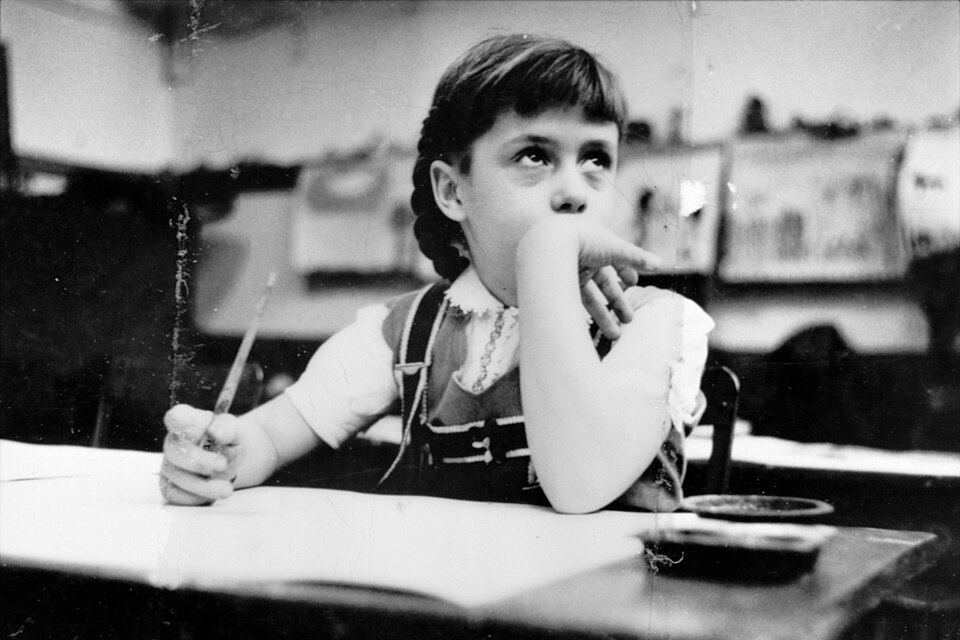
A first-day outfit was assembled weeks in advance, kept aside, and in most households tried on at least once so that nothing needed altering on the morning itself.
The deliberateness is the thing to notice. A household that buys clothes in August for a day in September is treating that day as an occasion rather than a date, and every child in the house understood the difference by the time the bag came out of the wardrobe.
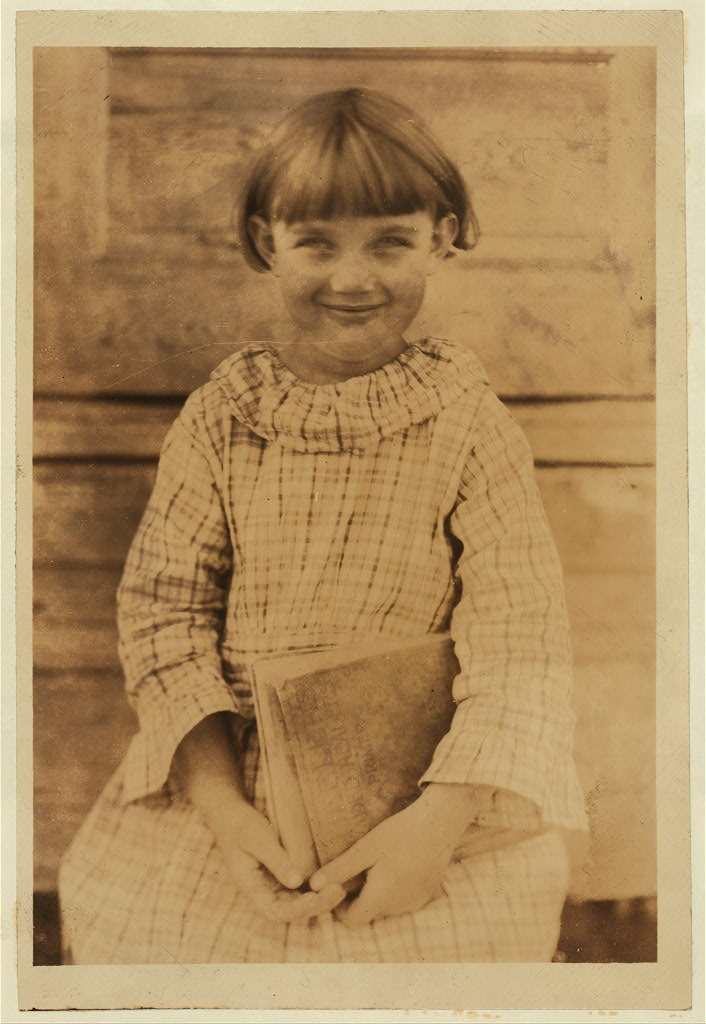
It also meant the clothes were slightly too big. Buying for growth was standard practice, so a great many first-day photographs show children in sleeves that reach past their knuckles, which is not a mistake but a calculation about March.
Like our content? Follow us for more.
2. Shoes Were the Expensive Part and They Hurt
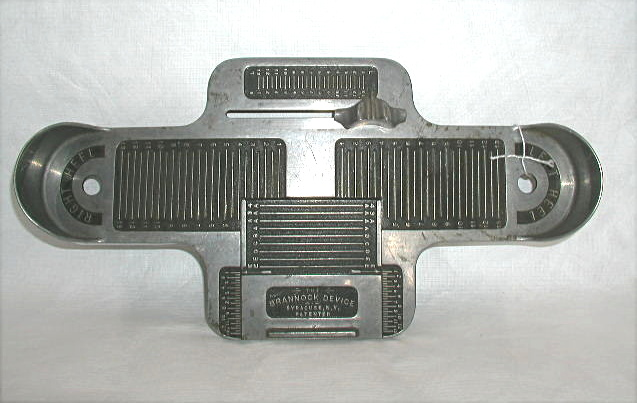
New shoes were bought stiff, fitted with room to grow, and had to be worn for a full day on a hard floor before they gave at all.
Which is why the first day is remembered physically as well as emotionally. Leather that has not been broken in rubs at the heel within an hour, and a child sitting through an afternoon with sore feet is having an experience nobody wrote down but everybody had.
The fitting itself had happened days earlier, in a shop, with somebody pressing a thumb to the end of the shoe. That ritual was as much a part of the return to school as anything that happened in the building.
3. Everything Had Your Name on It Before You Left the House
Name tapes, ink, tags and written labels went onto coats, bags, plimsolls and anything else that could be removed and left somewhere.
The labour behind this is easy to overlook. Somebody sat at a table the previous evening writing a child’s name on every separable object they owned, and did it because an unlabelled item in a school of four hundred children is simply gone.
It was also the first time a child’s name appeared on their possessions as a matter of administration rather than affection. The name went on because the object would otherwise be unidentifiable, which is a different thing from a name written in a book as a gift.
4. You Found Out Which Teacher You Had That Morning
Lists were posted, read out or discovered on arrival, and until that moment the single most important fact about the coming year was unknown.
The suspense was genuine and it had been building all summer. A teacher’s reputation travelled through older siblings and the previous year’s class, so children arrived with a ranking in their heads and a specific result they were hoping for.
That the information arrived publicly made it worse. Finding out in a corridor, surrounded by everybody else finding out at the same time, meant the reaction was witnessed – which is why the moment is remembered so precisely by people who are otherwise vague about the entire year.
5. Where You Sat Was Decided for You and It Mattered
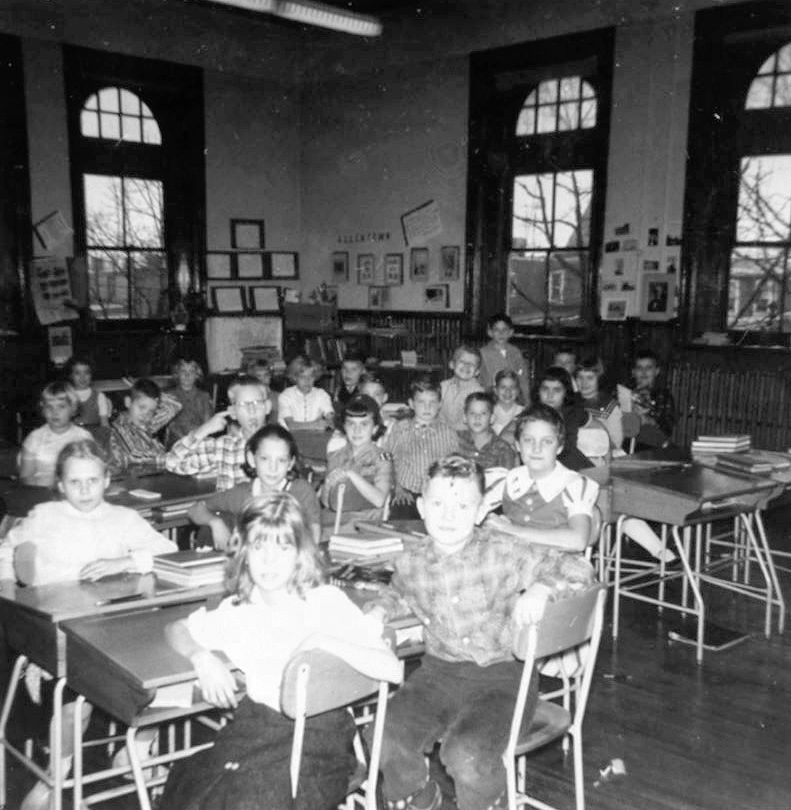
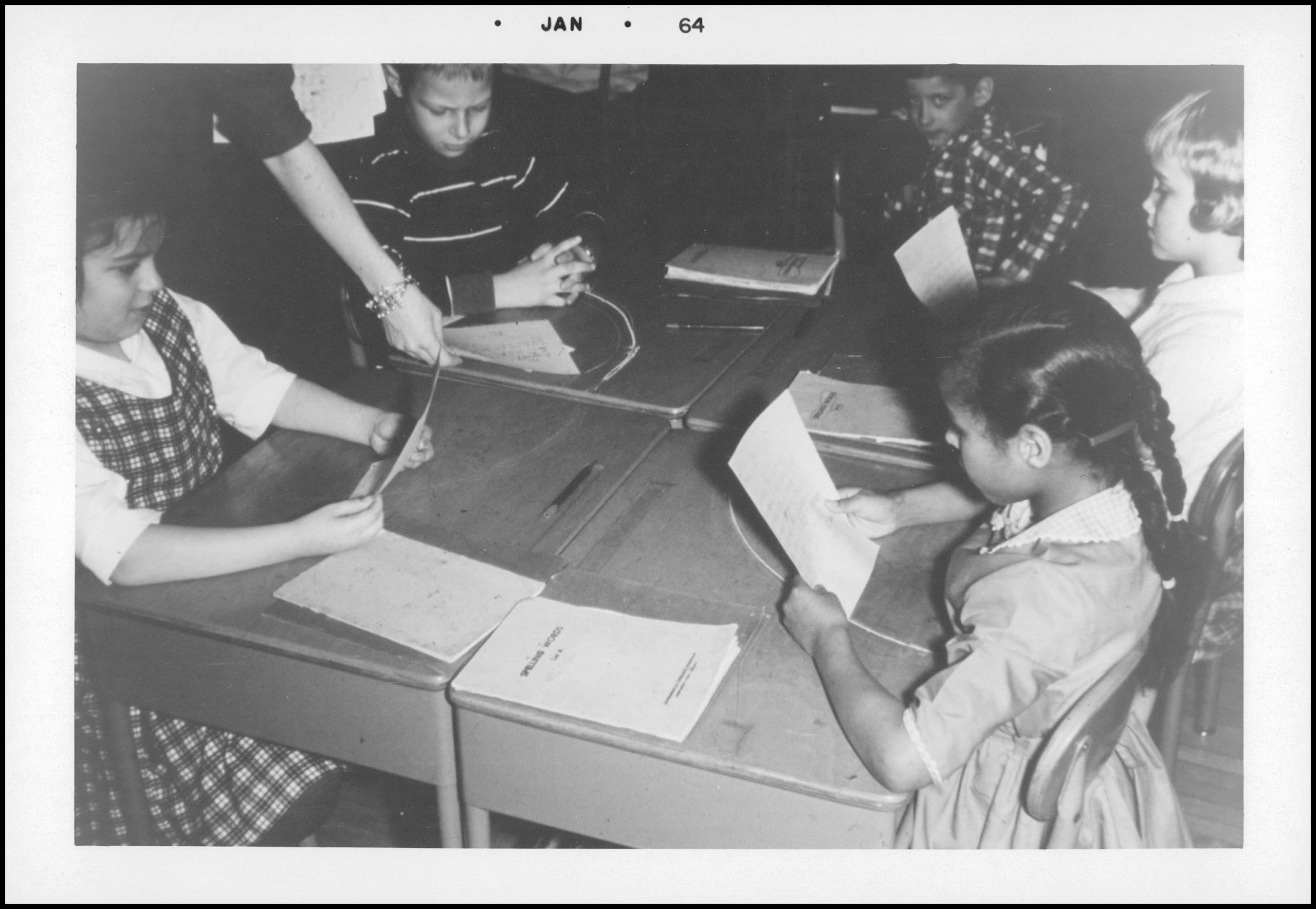
Seating was assigned, often alphabetically, and the arrangement determined who you would spend the year next to.
The consequences were enormous and completely outside anybody’s control. A friendship, an entire year’s experience of a subject and a good deal of what a child learned were all substantially determined by a list drawn up by somebody who had never met them.
Alphabetical seating in particular produced pairings that lasted years. Two children whose surnames happened to be adjacent could end up beside each other through several grades, which is a thin reason for a long association and a very common one.
6. The Room Smelled of Something Specific
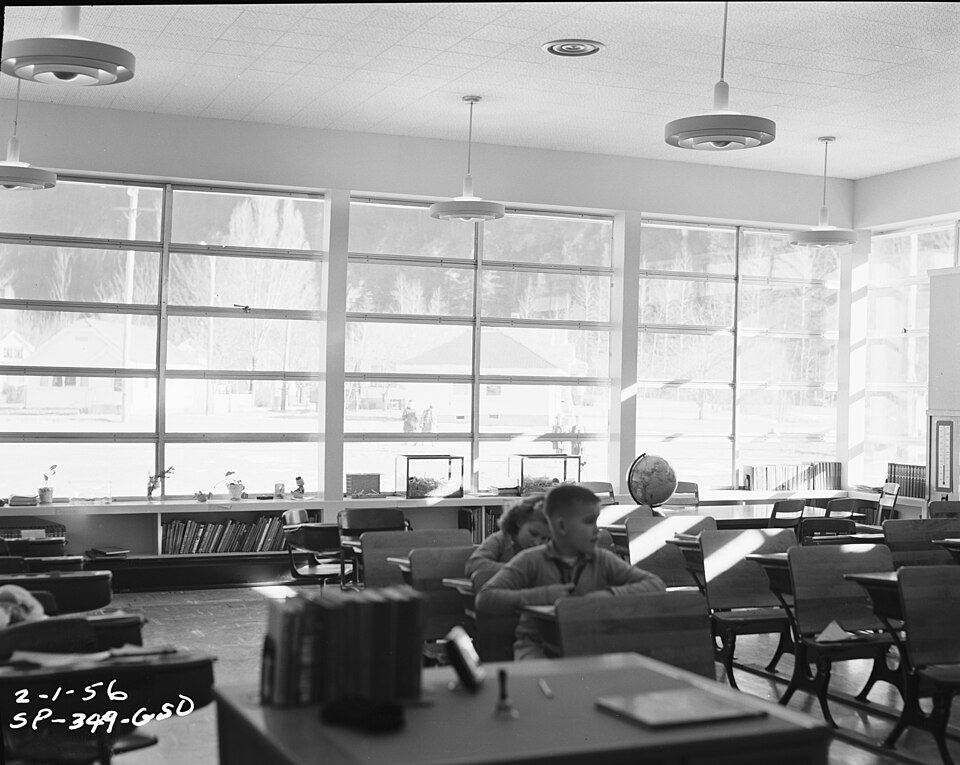
Floors had been done over the summer, the room had been shut up for weeks, and the first breath of it was unmistakable.
Smell is the sense that attaches most firmly to memory, which is why this detail survives in so many accounts when the lessons do not. A room cleaned and sealed for six weeks smells of the cleaning rather than of the children, and only for the first day or two.
By the end of the week it had gone. The room reverted to smelling of chalk, paper and thirty people, and the version of it that existed on that first morning did not return until the following September.
7. Supplies Were Laid Out and Nothing Was Used Yet
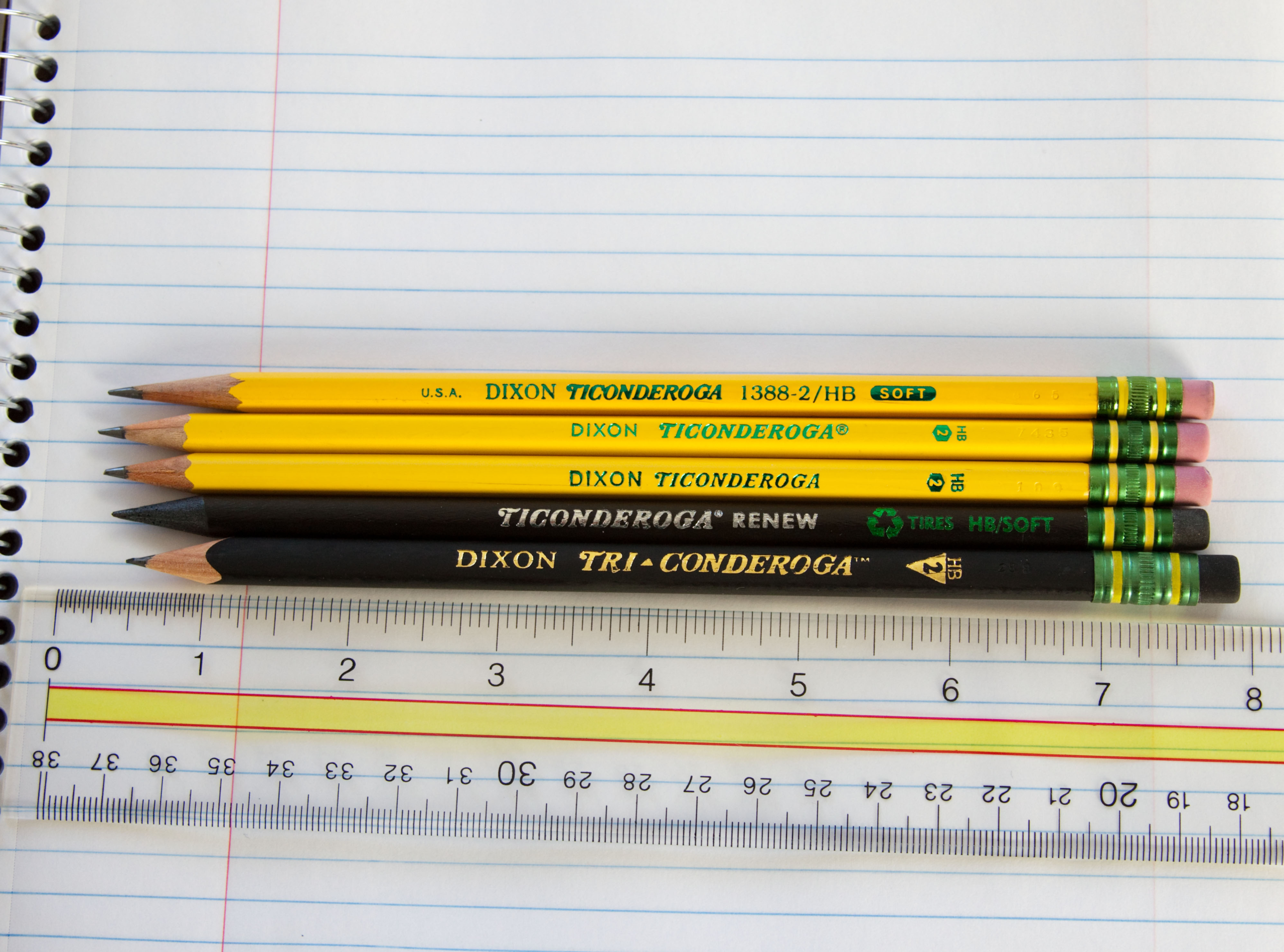
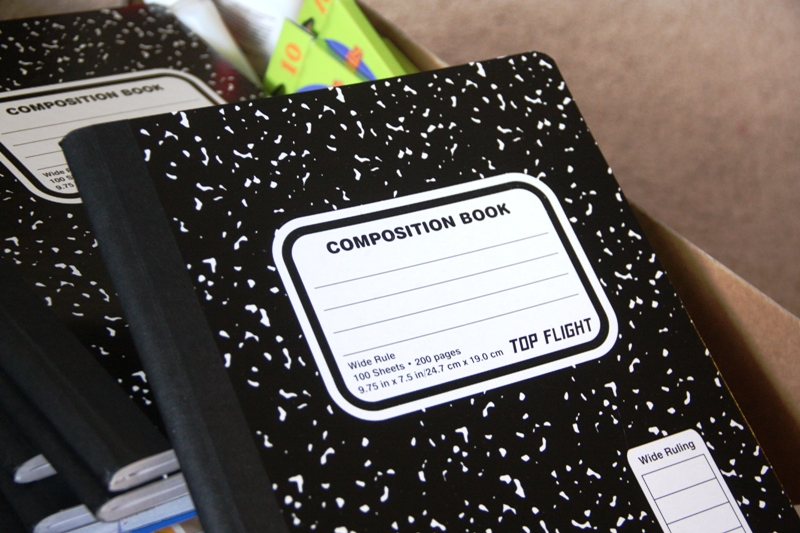
Pencils unsharpened, a rubber unmarked, a ruler without a single scratch and an exercise book with nothing in it.
The pristine state is the point and children were acutely aware of it. For one morning every item a child owned was perfect, and a great deal of effort went into postponing the first mark on anything.
It never lasted past the week. Which is probably why the memory is so strong: the condition being remembered existed for a few hours, was impossible to maintain, and was understood at the time to be temporary even by the person trying to preserve it.
8. The Register Was the First Official Act
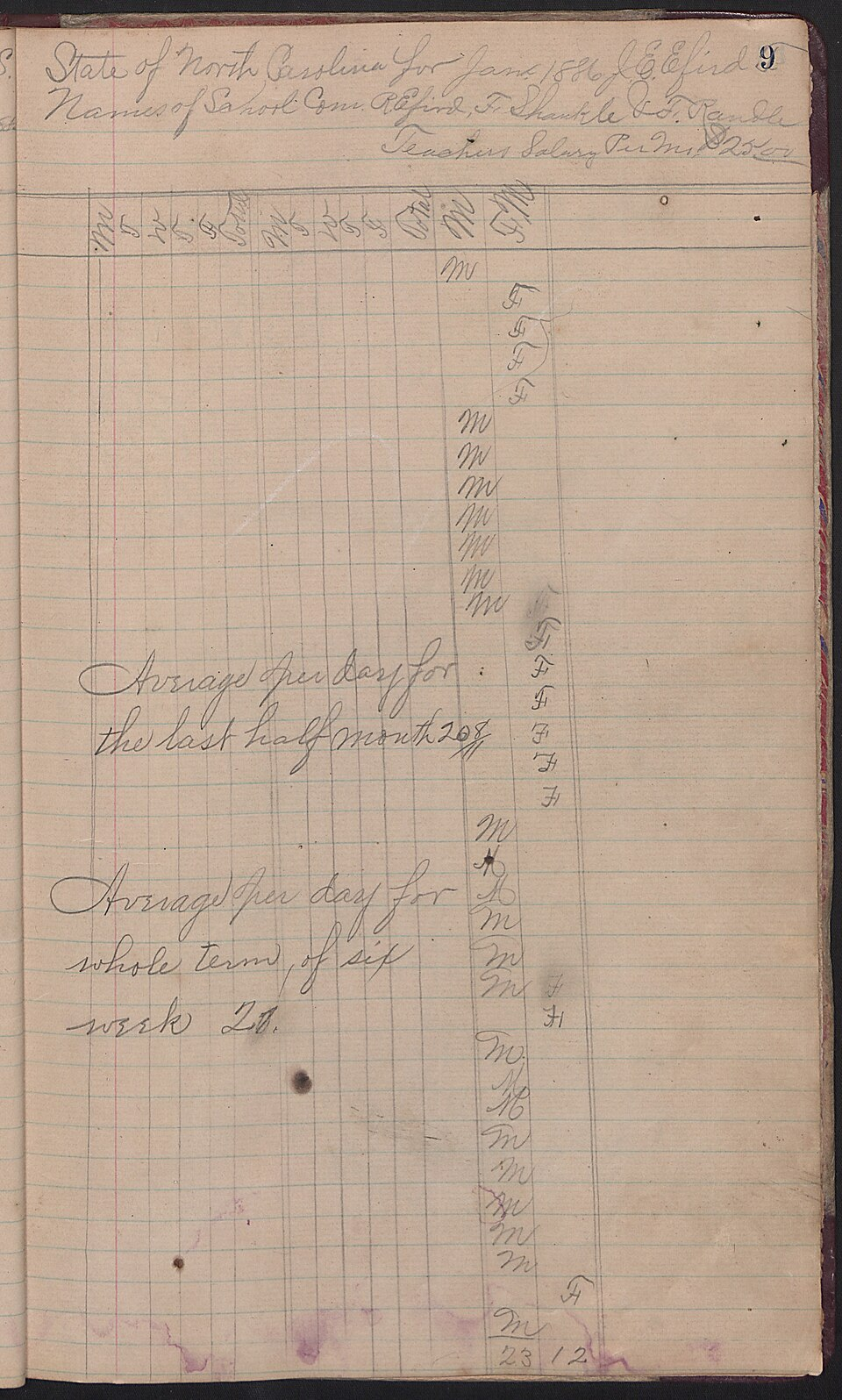
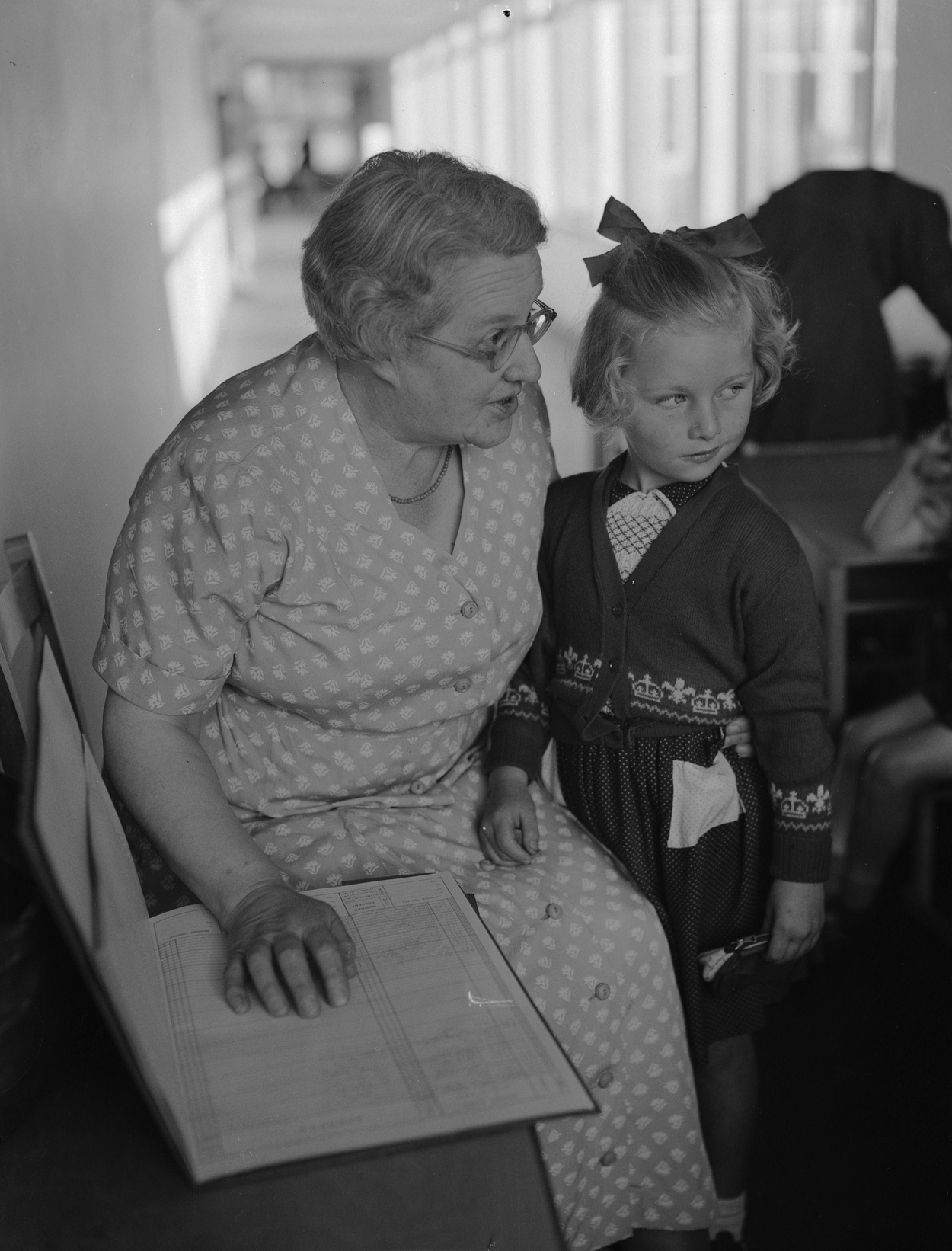
Names were read out in order and each child answered, which for many was the first time they had spoken in the room.
The procedure did more than record attendance. It introduced thirty children to each other by name in about four minutes, established that there was a correct way to respond, and confirmed that the adult at the front held a list with everybody on it.
Mispronounced names were corrected there, in public, once. A child with an unusual name spent that moment deciding whether to correct an adult in front of everybody or to answer to something slightly wrong for a year, and plenty chose the second.
9. You Measured Yourself Against Everybody Else Immediately
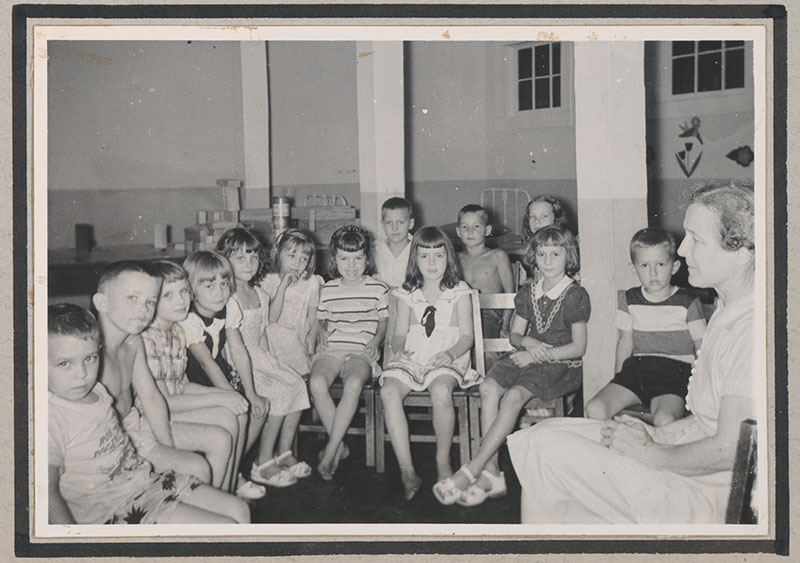
Who had grown, who had not, who had changed over the summer and who looked exactly the same was established within the first ten minutes.
Six weeks is a long time at that age and the differences were visible. A class that separates in July and reassembles in September has, collectively, aged noticeably, and the comparison was conducted silently and thoroughly by everybody present.
It cut both ways. A child who had grown over the summer arrived with an advantage they had done nothing to earn, and a child who had not spent the first morning aware of it without anybody needing to say anything.
10. The Last Year’s Work Came Back Briefly
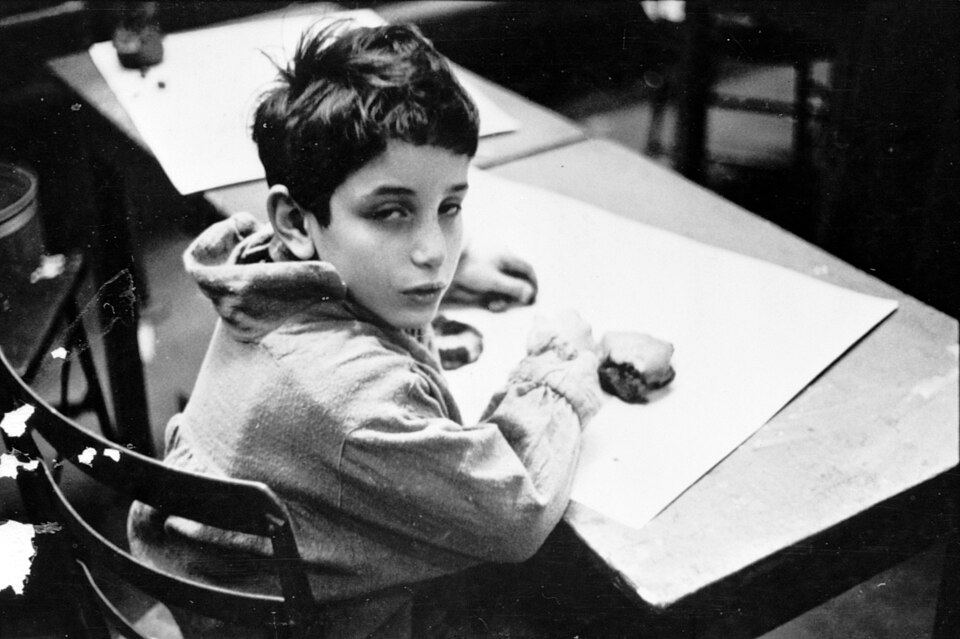
Books, folders and work from the previous class often surfaced on the first day before being handed back or thrown out.
The brief reappearance served a purpose. A child looking at their own handwriting from a year earlier is confronted with evidence of change that nothing else in the day provides, and the reaction is almost always embarrassment.
Then it went. Very little of a child’s work survived the transition between years, which is why the pieces that did – kept by a parent rather than by a school – became disproportionately significant later.
11. New Children Were Identified Within Minutes
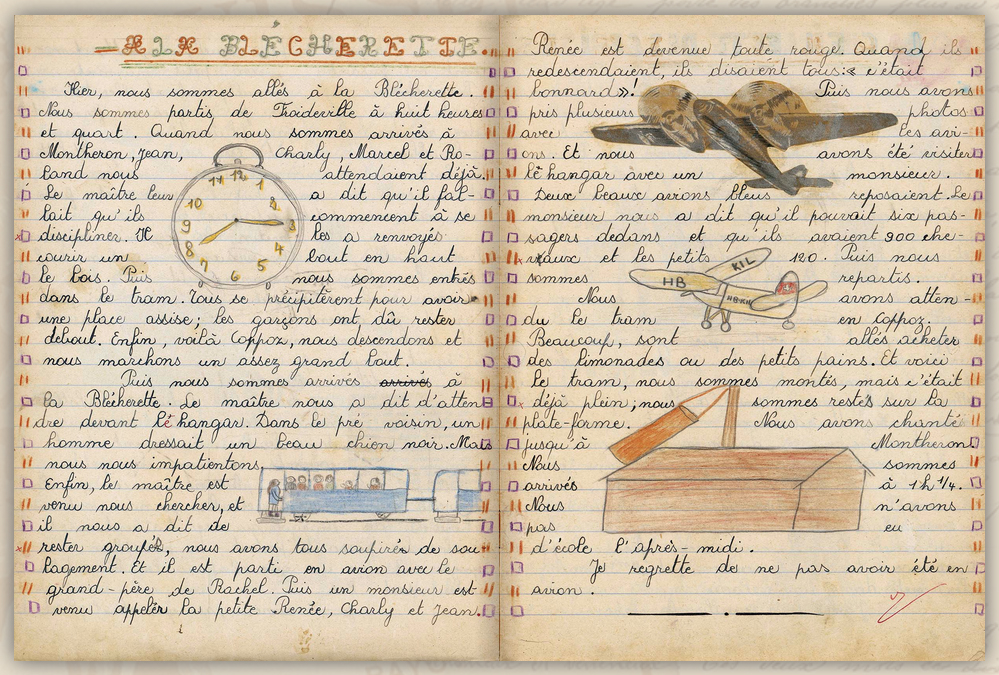
A child who had not been there the previous year was visible immediately and the whole room knew it.
The detection was not malicious; it was structural. In a group that has been together for years, somebody unfamiliar stands out without doing anything, and the first day is the one occasion when arriving new is slightly easier because everybody is slightly unsettled.
How the room handled it varied enormously and depended almost entirely on one or two children. A single pupil who decided to be helpful in the first hour could determine the new child’s entire year, which is a great deal of consequence resting on a small kindness.
12. The Day Was Short and Almost Nothing Was Taught

Lists, rules, seating, books, timetables and procedures filled the hours, and the actual subject matter generally started the following day.
The administrative load was unavoidable and it produced a strange first day. Children arrived prepared for school and spent the day being organised into position for school, which is a different and much less interesting activity.
Everybody understood this and nobody minded. A day without work, in new clothes, with new things, in a room that smelled unusual, is a tolerable way to end a summer even for a child who would rather it had not ended.
13. Lunch Was the First Real Test
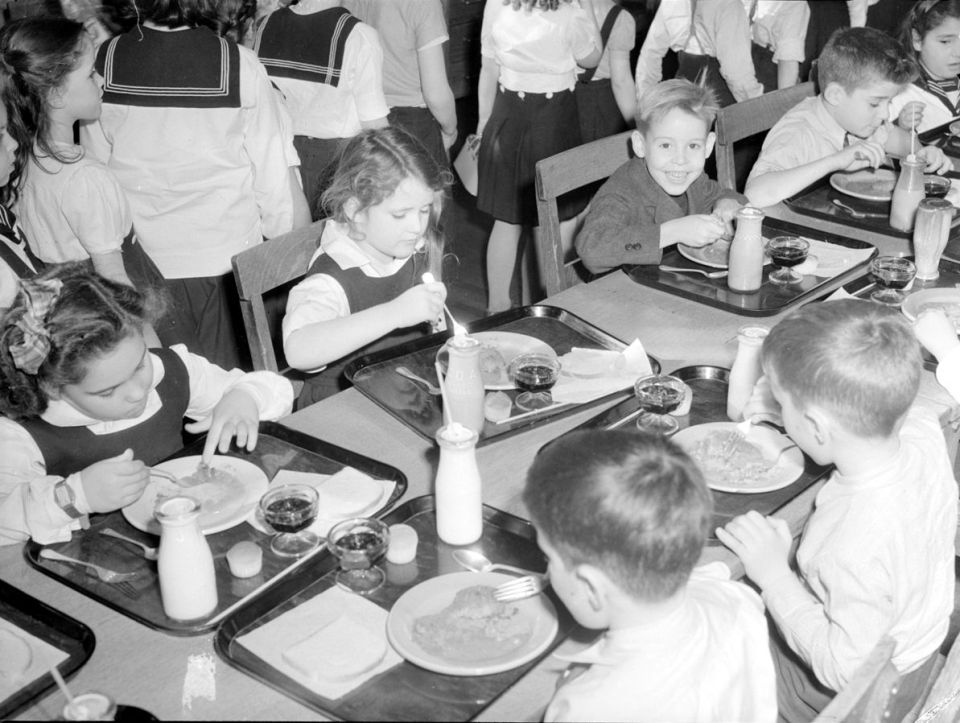
Where to sit, who to sit with and what the arrangement was going to be for the rest of the year were all settled at the first meal.
The social stakes were far higher than anything in the classroom. Seating in a lesson is assigned by an adult; seating at lunch is negotiated by children, and the pattern established on the first day proved remarkably durable.
Which is why the walk into that room with a tray is remembered by so many people as the hardest part of the day. Everything before it had been directed by somebody else, and this was the first moment that required a decision.
14. Older Pupils Were Enormous
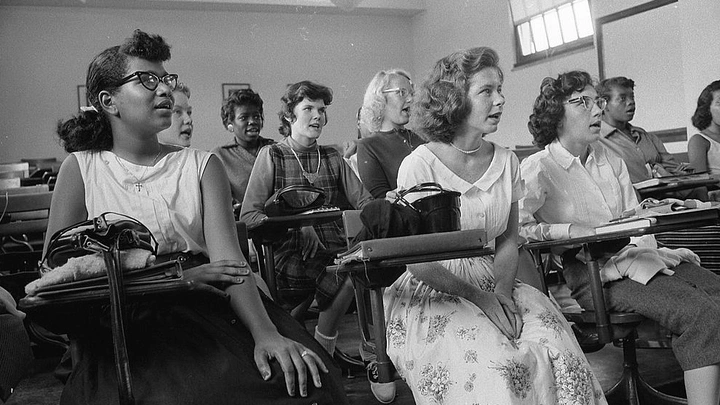
A child moving up a school arrived at the bottom of it, surrounded by people who seemed to belong to a different order of being.
The scale difference at that age is genuinely striking. Three or four years of growth separates the smallest and largest people in a building, and a child at the bottom of that range spends the first week recalibrating what normal size is.
It corrected itself with astonishing speed. Within a fortnight the older pupils had become ordinary, which tells you that the impression was about status and unfamiliarity rather than height.
15. The Photograph Happened Before You Left
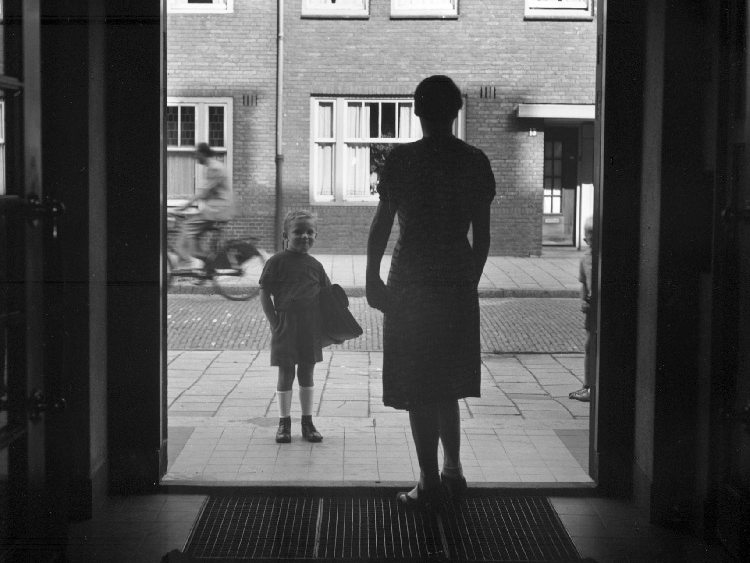
A parent took a picture at the door or in the garden, in the clothes, with the bag, before anybody had gone anywhere.
The convention was close to universal and the reason is simple. That morning was the only moment when everything was new and nothing had happened yet, and a parent photographing it was recording a condition rather than an event.
The pictures are consequently almost identical across decades and households. A child, a front door, a bag that is slightly too large and an expression somewhere between pride and apprehension, taken at the same hour on the same day by millions of people.
16. By the End of the Week It Was Simply School Again
The newness wore off the clothes, the shoes gave, the books got marked and the room stopped smelling of anything in particular.
The speed of the reversion is the most interesting fact about the whole day. An occasion prepared for over six weeks is absorbed into ordinary routine within five days, and almost nothing about the following Monday distinguished it from any Monday in March.
Which is precisely why it was treated as an occasion. The household knew the newness was temporary, and the photograph, the clothes and the labelled possessions were all ways of marking a threshold that would be invisible by the time anybody looked for it.
What the Day Was Actually For
Read in order, the sixteen pieces describe something other than an educational event. Almost nothing was taught, the day was short, and the hours were filled with administration. What was actually taking place was a transition being marked – from a summer with no structure to a year with a great deal of it – and every element that is remembered was part of the marking rather than part of the schooling. The clothes bought in August, the name written on every object, the photograph at the door, the pristine supplies: all of them exist to signal that something has changed. The school’s own contribution was a register, a seating plan and a timetable, which is the institution doing exactly the same thing in its own language.
What has changed is not that the first day stopped mattering. It is that almost every physical marker has gone. Supplies are bought without ceremony, names are rarely written on anything, uniforms and dress codes vary, and very little a child brings into a building is unique enough to label. The photograph survives, because the photograph was always the point – a record of a child at the exact moment before a year began, when the shoes still hurt, the sleeves were still too long, and nothing in the bag had been written in yet.
Like our content? Follow us for more.