In 1964 there were perhaps twenty evenings in the year when it was possible at all, and the window on each of them lasted well under an hour. Children prepared in advance, went out at exactly the right moment, operated in a group that formed without anybody arranging it, and came in when they were called. Almost everything about the season was determined by conditions nobody controlled – the dark, the dates, the hour – which is a very unusual way for a childhood activity to be organised. The whole business was also over almost as soon as it had properly begun. A season measured in evenings rather than months leaves very little room for anybody to get tired of it, which is probably the real reason it is remembered so fondly by people who would struggle to name a single other thing they did on a Tuesday night that summer. Here are sixteen things every American kid did on those evenings in 1964, and what the darkness was actually supplying.
1. The Season Was Short and Everybody Knew the Dates

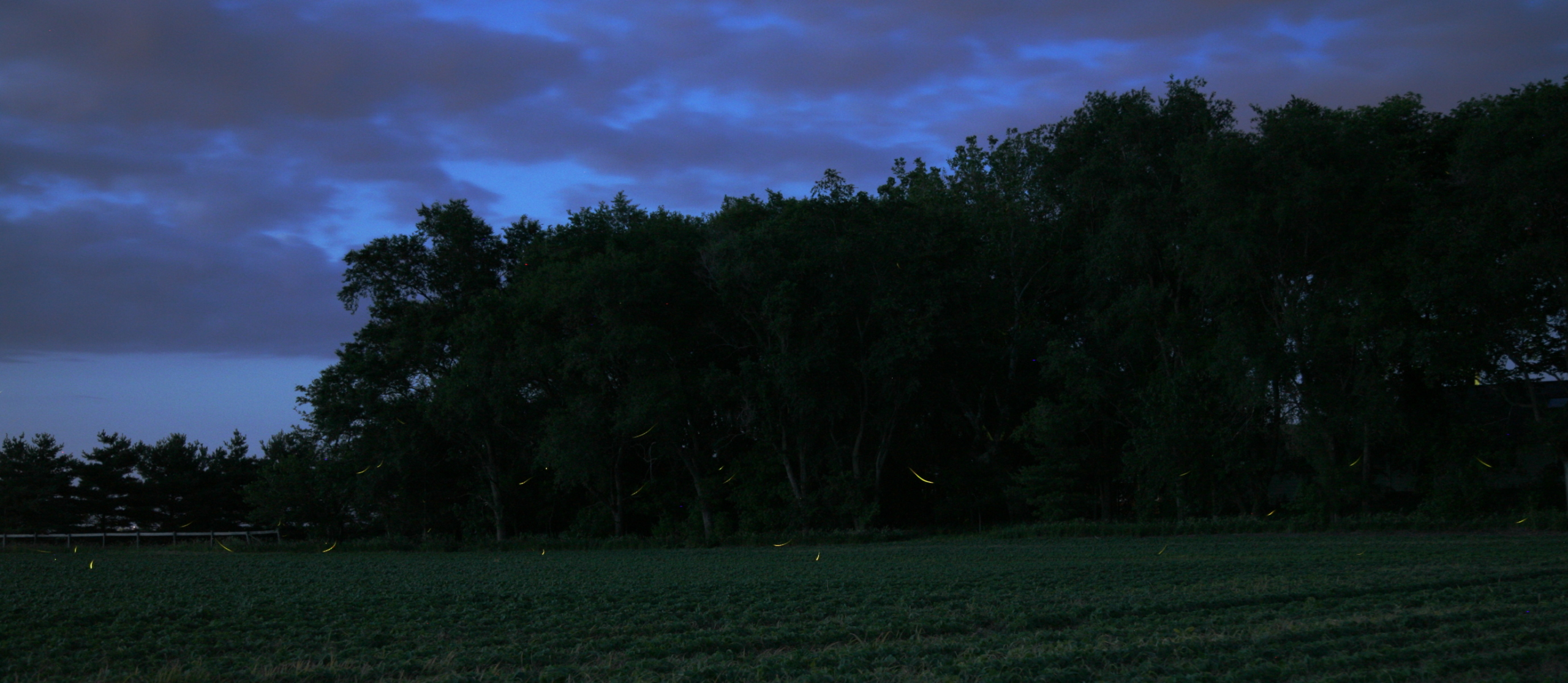
There were a few weeks in the year when it happened at all, and children tracked the beginning of it with real attention.
The brevity is what gave it weight. An activity available on perhaps twenty evenings in a year is treated completely differently from one available whenever you like, and the first sighting of the season was reported through a street within about an hour.
The end was equally noticed. A week when the numbers dropped and then a week when there were none was an unmistakable signal that summer was turning, and children registered it long before any adult mentioned the word autumn.
Like our content? Follow us for more.
2. The Timing Was Narrow and Not Negotiable
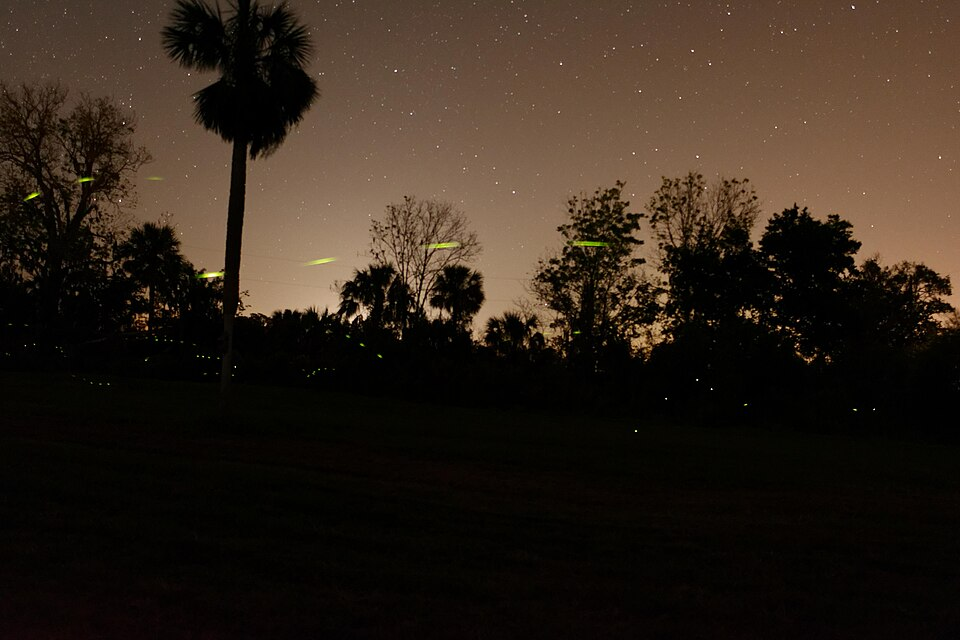
It began at a particular point in the evening and was over within the hour, which meant the whole thing had to be organised around a short window.
The constraint produced a rare kind of punctuality. Children who could not be relied upon to be anywhere at any time were outside and ready at the correct moment, because the alternative was missing it entirely.
It also pushed bedtimes. The window fell at exactly the hour households normally started calling children in, which made the whole season a negotiation conducted nightly between what the sky was doing and what a parent had said.
3. The Jar Was Prepared in Advance
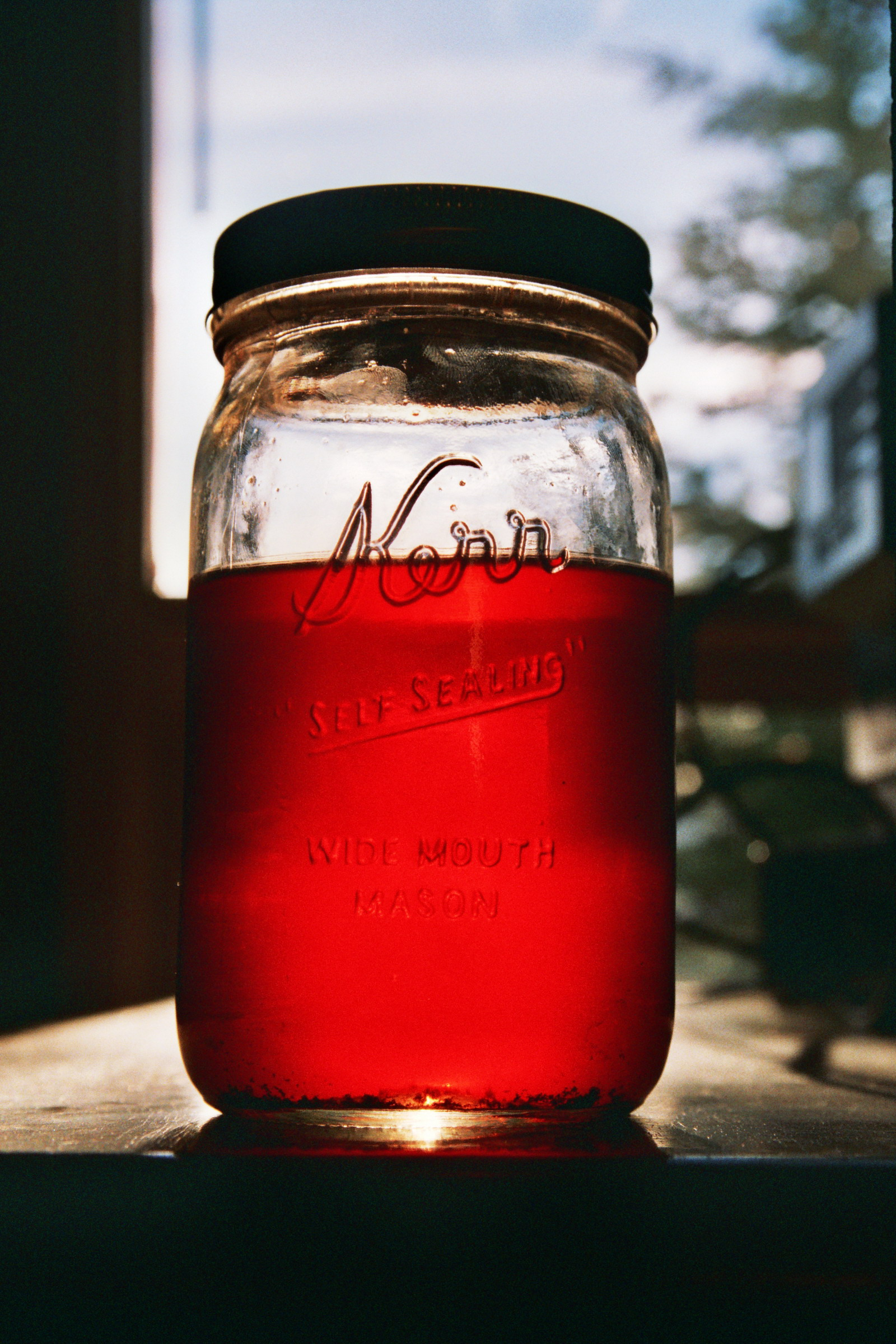
A container was found, cleaned, fitted with a lid and the lid was pierced, usually by an adult, before anybody went out.
The preparation was itself part of the evening. Twenty minutes of getting ready, with a specific object produced and modified for the purpose, turns an activity into an occasion and children treated the jar accordingly.
Grass went in the bottom. Everybody did this and almost nobody could explain why beyond the sense that the inside ought to resemble the outside, which is a reasonable instinct even where the reasoning was never examined.
4. You Had to Learn to See Them Before You Could Catch Them

The flashes are brief, scattered and come from different heights, and a child arriving fresh simply could not track them at first.
The skill was real and took a few evenings to acquire. Picking a single light out of a dark field and predicting where it will next appear is a genuine piece of visual learning, and the difference between a first evening and a fifth was obvious to everybody.
The method everybody arrived at was the same. Watch one, ignore all the others, and move to where it was rather than where it is – which is the same anticipation problem that catching anything requires, learned here before anywhere else.
5. The Cupped Hands Were the Standard Technique

Two hands brought together around a flash, a pause to check whether anything was inside, and then a transfer to the jar.
The method persisted because it worked and because it was gentle enough to be permitted. A net is faster and most households did not supply one, so the entire population of children converged independently on the same solution.
The pause was the best part of the whole thing. A closed pair of hands with a light going on and off between the fingers is a specific and completely unrepeatable experience, and almost everybody who did it remembers that rather than the jar.
6. The Jar Was Never as Good as the Hands

Collected together behind glass, the effect was dimmer and less interesting than a single one in the dark.
The disappointment was universal and nobody adjusted their behaviour because of it. A dozen in a jar should be twelve times better and is in fact considerably worse, because the magic was always in the dark around the light rather than in the light itself.
Children worked this out and kept collecting anyway. The jar was the point of the activity in the way that the score is the point of a game – not the pleasure, but the thing that gives the pleasure a shape.
7. Letting Them Go Was Part of the Ritual

At the end of the evening the lid came off and the contents were released, usually at the insistence of an adult.
The instruction was close to universal and was frequently the child’s first stated obligation towards a living thing. A rule that the creature must be let out before bed is a straightforward piece of moral instruction delivered without a single word of explanation.
Compliance was high and the reason was practical as much as ethical. Everybody had seen what a jar left on a windowsill overnight looked like in the morning, and nobody wanted to be responsible for it twice.
8. It Was the Only Reason Children Were Out After Dark
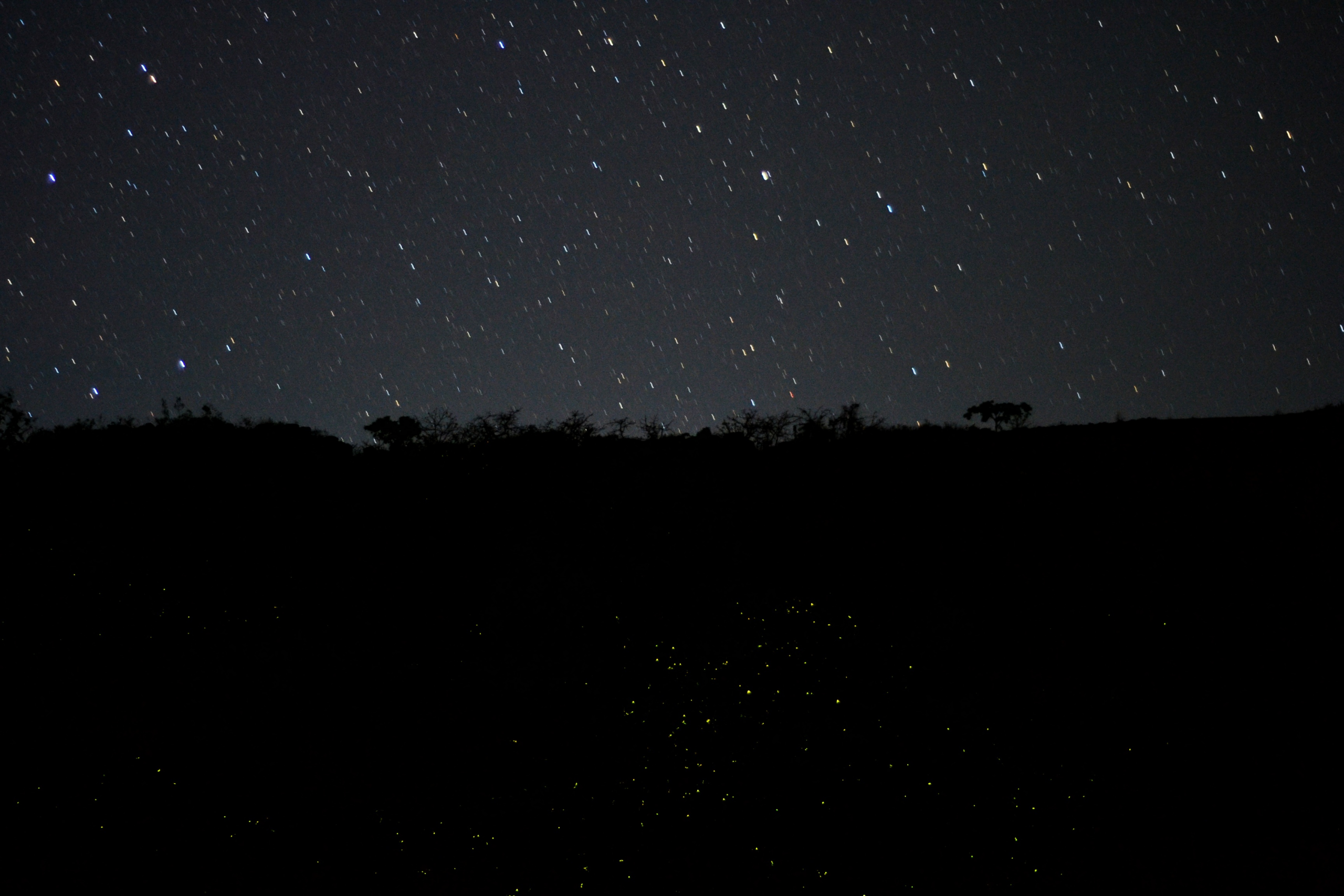
Permission that would never have been granted on any other evening was granted for this.
The exception is the interesting part. A household with firm rules about being indoors after a certain hour suspended them for a seasonal activity, which tells you that the rules were about supervision and visibility rather than about the hour itself.
The darkness was therefore novel. A child outside at an hour they were not normally outside, in a familiar garden that looked entirely different, is having an experience that has nothing to do with the creatures at all.
9. The Whole Street Turned Out at Once
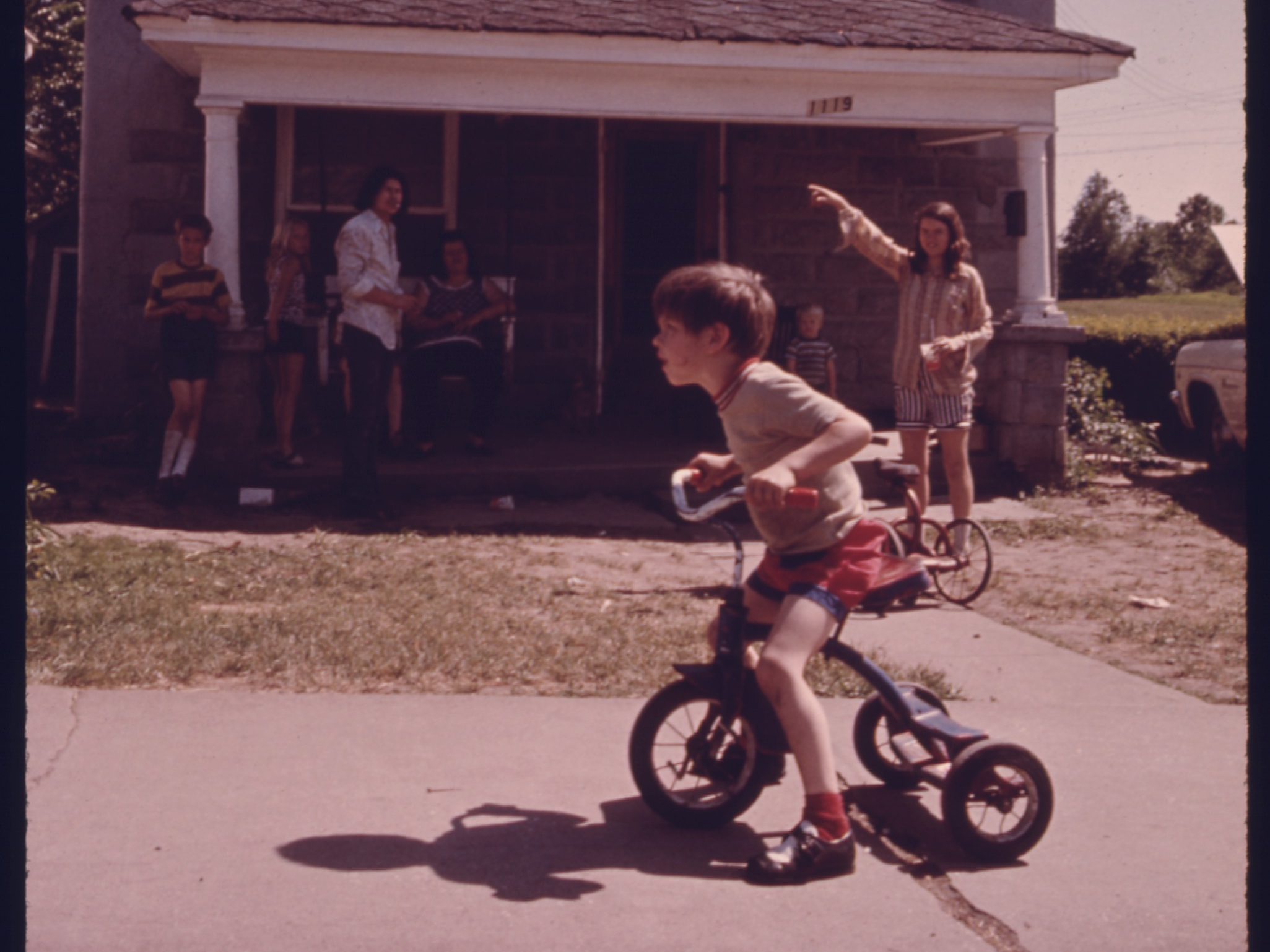
Because the window was narrow and the same for everybody, the children of several households were outside simultaneously without anybody arranging it.
The synchronisation created a social event by accident. Nobody organised an evening gathering; the conditions did it, and the result was a reliable nightly assembly of children who might not otherwise have played together.
It also mixed ages in a way little else did. The activity required no skill a small child lacked and offered nothing a large child could monopolise, so a six-year-old and a twelve-year-old were, for once, doing exactly the same thing with roughly equal success.
10. Adults Came Out Too and Did Not Join In
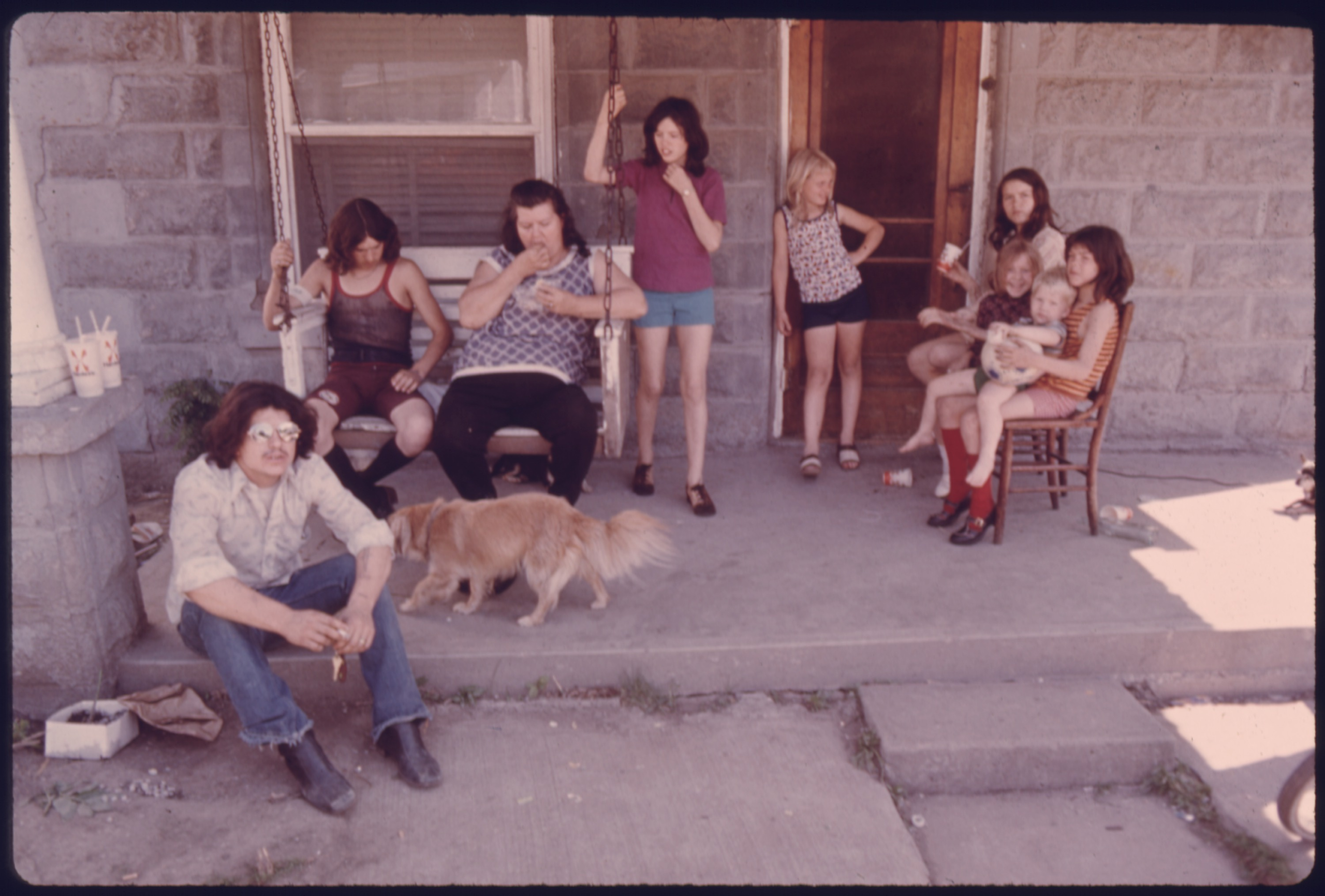
Parents stood on steps and at doors, watching, within calling distance, not participating.
The arrangement was almost ceremonial and it is one of the few recorded instances of adults supervising by simply being present. Nobody was running anything and nobody was playing, and the children were unsupervised in every sense except the one that mattered.
It made the end of the evening gentle. A child called in by somebody who has been standing there the whole time receives a different instruction from one summoned from a window, and the season is remembered as peaceful partly for that reason.
11. You Could Not Do It Alone and Nobody Tried
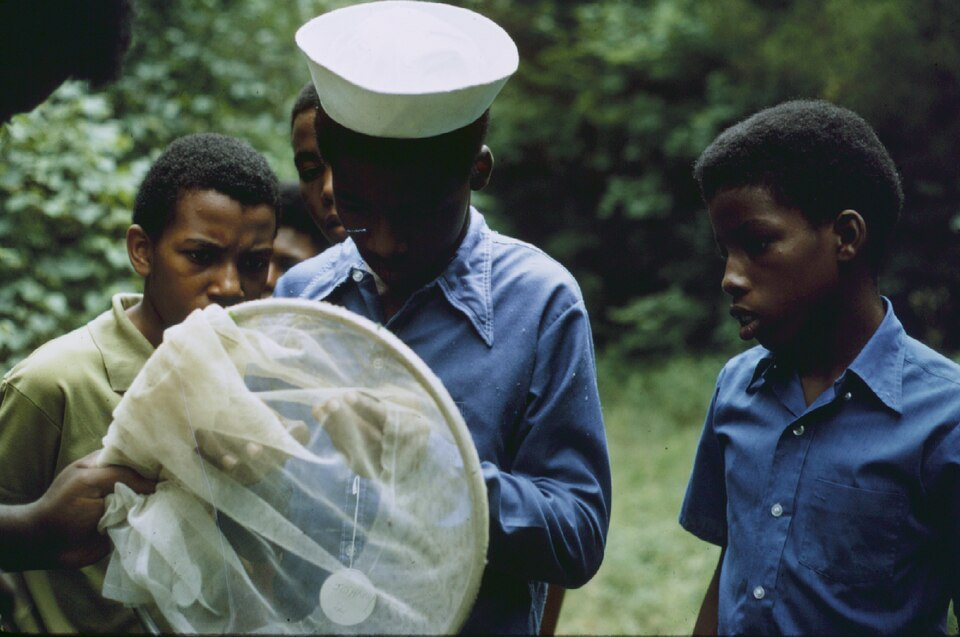
The activity was almost always conducted in a group even though it required no cooperation whatsoever.
The sociability was not functional and that is precisely what makes it interesting. Catching is a solitary task, the results cannot be pooled and there is no advantage to company, yet almost nobody did it by themselves.
What the group supplied was commentary. The value was in reporting, comparing, complaining and announcing, and the catching was the thing that gave everybody something to talk about rather than the reason they were there.
12. Counting Was Compulsory and Always Disputed
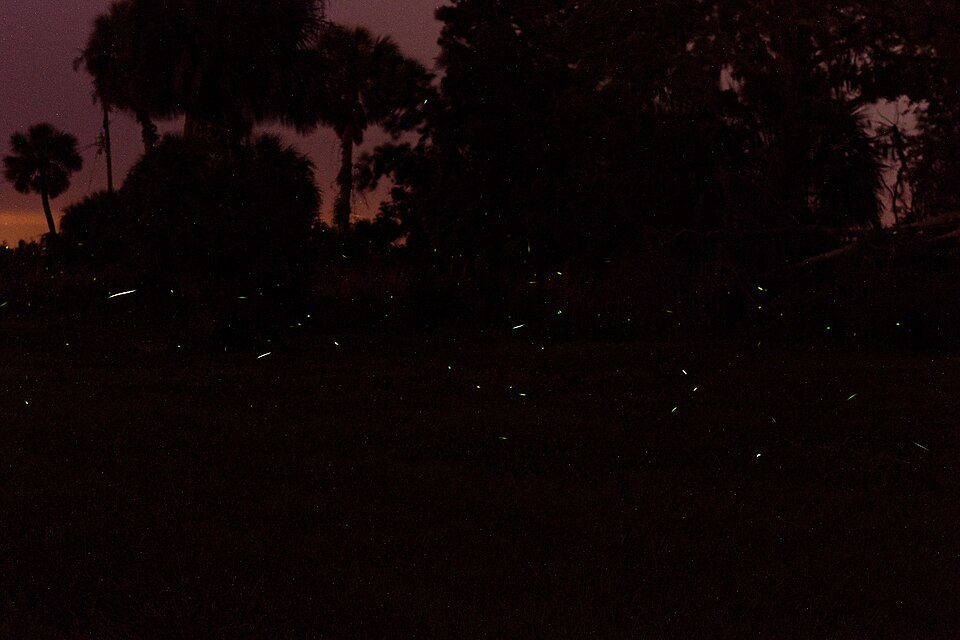
Totals were announced, challenged and revised, and nobody could verify anybody else’s figure.
The unverifiability is what made it work. A claim that cannot be checked in the dark produces exactly the kind of low-stakes argument children enjoy, and the counting mattered enormously for about ninety seconds at the end of each evening.
Nobody kept a running tally. Each evening started at zero, which meant the competition reset nightly and nobody could accumulate an advantage, which is a better design than most organised games manage.
13. The Light Itself Was Never Explained
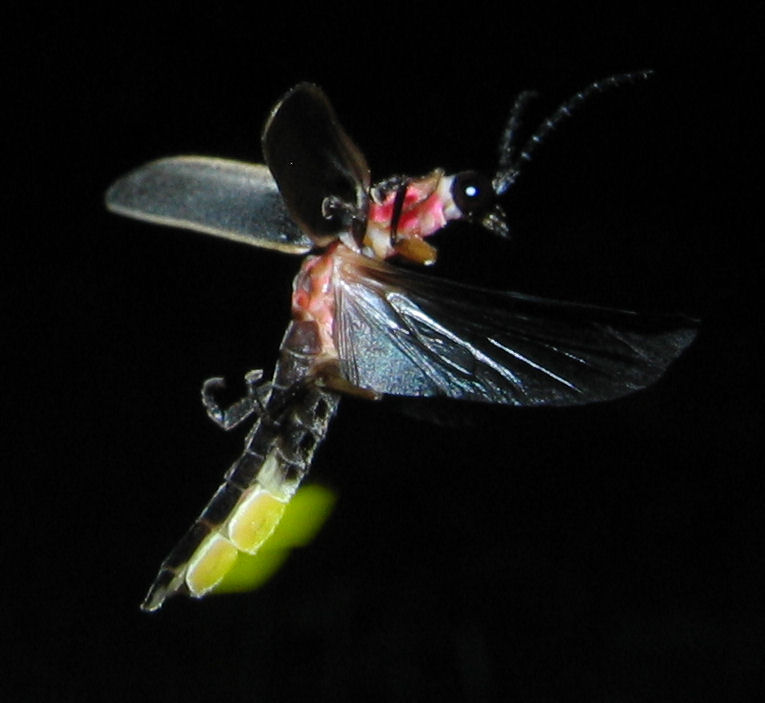
Children knew the creatures made light and almost nobody knew how, and the question was asked less often than it should have been.
The incuriosity is worth noting without judging it. Something encountered every summer from the age of three is simply part of the world, and the things that are always there are the things nobody asks about.
The answers were available. An encyclopaedia in the house or a teacher at school could have supplied an explanation, which makes the gap a matter of nobody thinking to ask rather than nobody being able to find out.
14. The Garden Became a Different Place
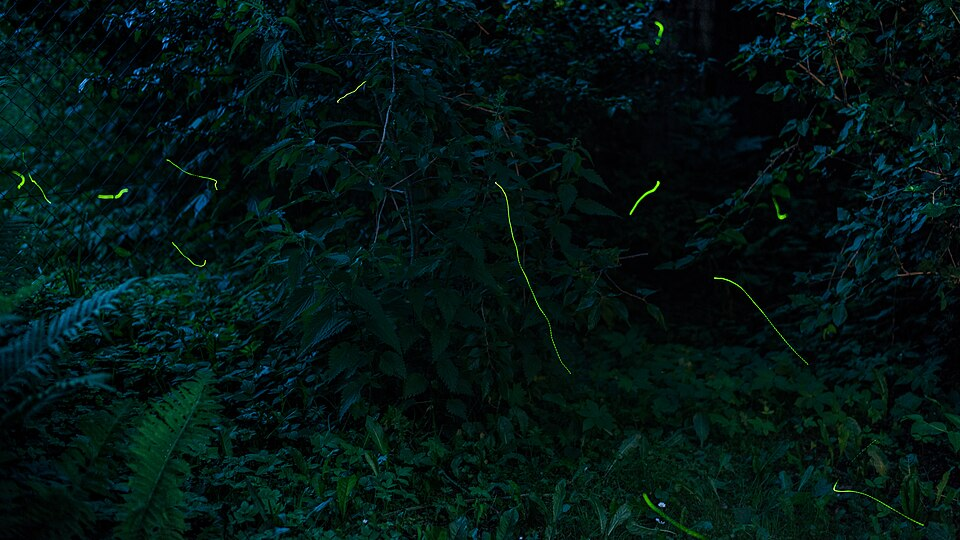
A familiar patch of ground, in the dark, with lights moving through it, was somewhere else entirely.
The transformation is why the memory is so strong. A child who knows a garden completely by daylight and then sees it at night, with permission, is encountering a known place as an unknown one – which is a rarer experience than it sounds.
It also expanded with the dark. Boundaries that were obvious in daylight disappeared, and a small garden at night felt considerably larger than the same garden at four in the afternoon.
15. The Season Ended Without Any Announcement

One evening there were fewer, then very few, and then the activity simply stopped happening without anybody deciding.
The ending is unlike almost any other childhood activity. Most things finish because an adult says so, a term starts or a thing breaks, and this one ended because a population declined on its own schedule with no reference to anybody.
Children accepted it completely. There was no argument to be had with the absence of something, which made it one of the few disappointments of childhood that nobody could be blamed for.
16. Then the Evenings Filled Up and the Lights Came On
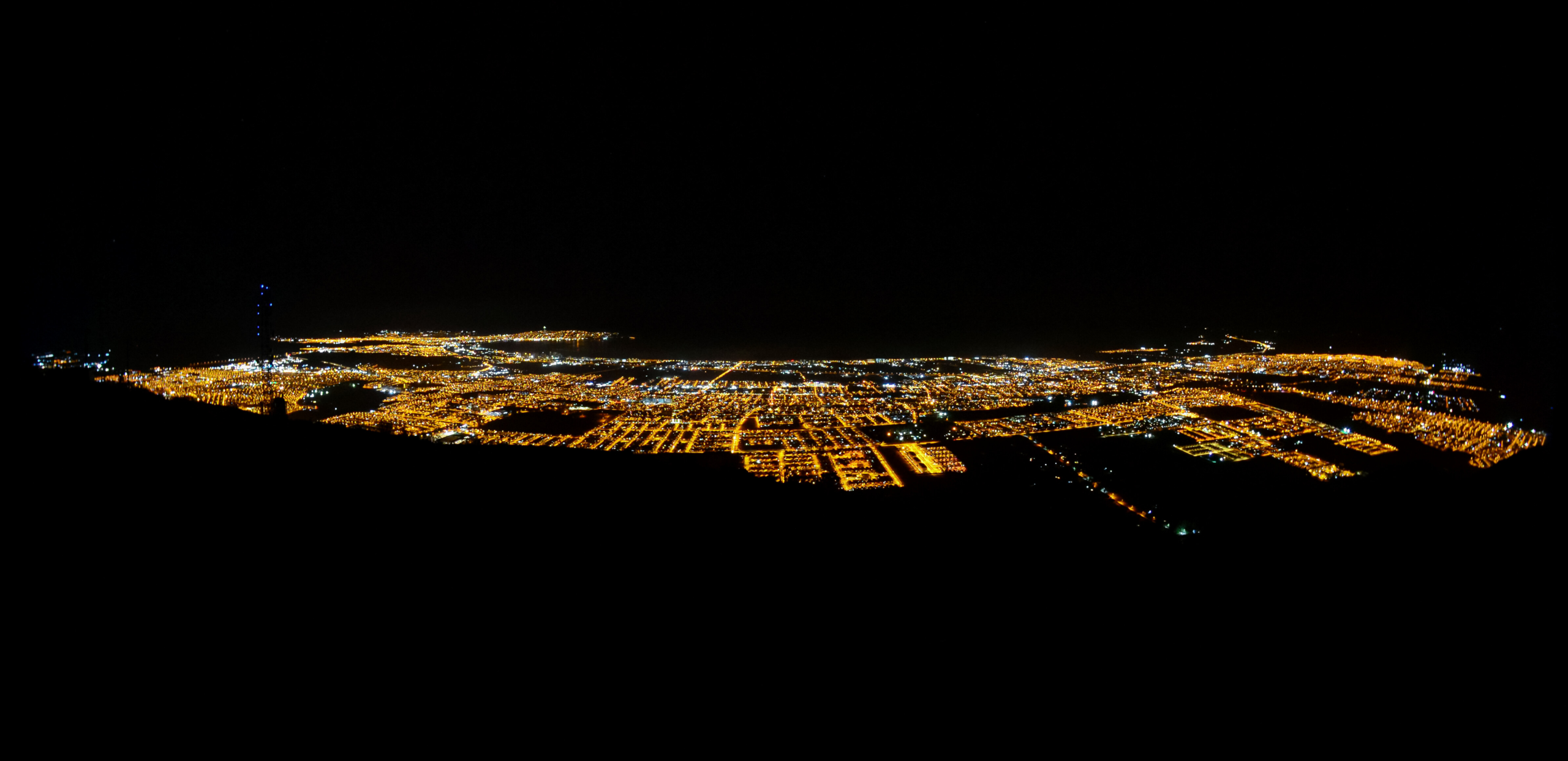
Later bedtimes competing with television, more outdoor lighting and a general reluctance to have children out after dark all worked against it.
The lighting mattered more than anything. A garden with a lamp over it, or a street lit brightly enough, simply does not produce the darkness the activity requires, and the effect is invisible from inside the house.
What remains is mostly the jar. The object survives in memory far better than the evening did – the pierced lid, the grass in the bottom, the dimmer-than-expected glow on a bedroom windowsill – and almost nobody remembers the far better part, which was a closed pair of hands with a light going on and off inside them.
Why a Short Season Mattered So Much
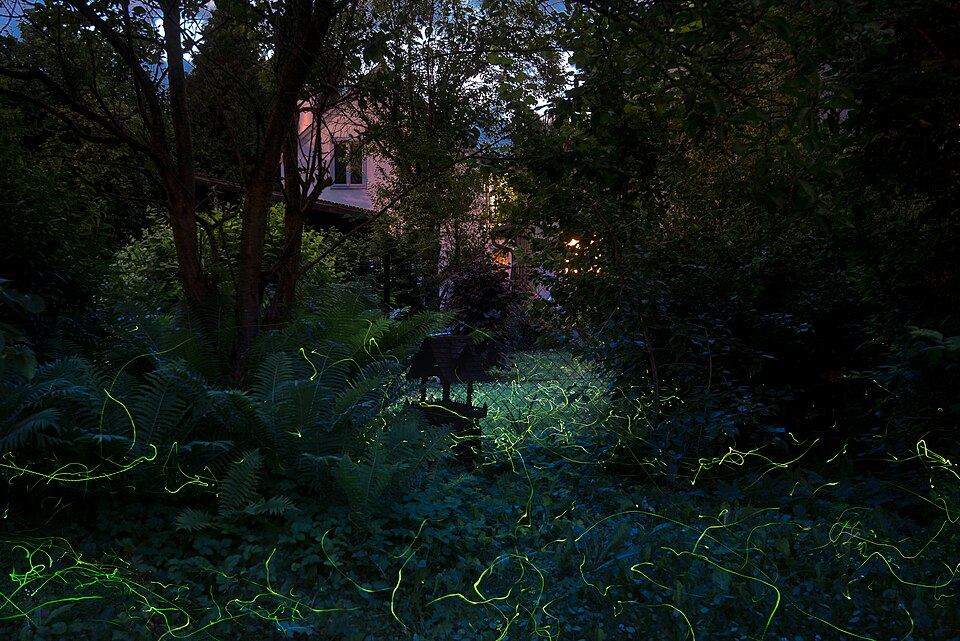
Laid out in order, the sixteen describe something whose entire character came from constraint. It was available on twenty evenings, in a window under an hour, in conditions that had to be dark, at exactly the hour children were normally called in. Nothing about it could be extended, repeated on demand or arranged for a convenient Saturday, and that scarcity is what turned an ordinary activity into a season. The group formed because the window was identical for every household on the street. The ages mixed because the task required no skill anybody could monopolise. The counting reset nightly because nobody could prove anything. And the adults stood at the doors rather than taking part, which is close to the only recorded instance of supervision consisting entirely of being visible. Every one of those features is a consequence of the same thing: an activity that nobody could schedule, extend, buy or arrange. Almost everything else a child did in 1964 was organised by an adult, bounded by a term, priced by a shop or decided by the weather at a weekend. This was decided by the dark, which answers to nobody, and the result was a few weeks in which an entire street’s children were outside at the same hour doing the same thing for reasons none of them had chosen.
What ended it was not a decision and not a rule. A population that needs genuine darkness cannot operate in a garden with a lamp over it or a street lit to a modern standard, and the change is invisible from indoors because the lighting is the thing making it invisible. The jar is what survives in memory – the pierced lid, the grass in the bottom, the disappointing glow on a windowsill – and the far better part is the one nobody thinks to mention: a closed pair of hands in a dark garden, with a light going on and off between the fingers, for about four seconds. Nobody has ever found a way to arrange that one on purpose.
Like our content? Follow us for more.