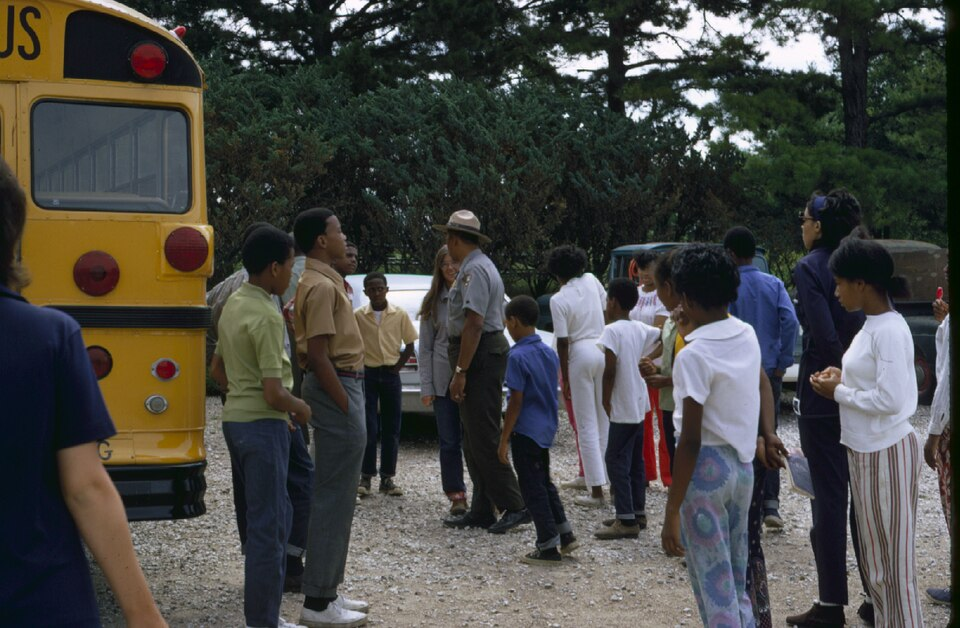
In 1970 a school trip was an ordinary feature of the year rather than a project. A slip went home, a sum of money came back, a vehicle arrived and thirty children spent a day somewhere else with four adults and a worksheet. Almost nothing about the day went according to the educational justification written on the form, and almost everything that is remembered about it happened in the gaps – on the journey, at lunch, during the twenty minutes of freedom and on the dark ride home. The photographs, where any exist at all, were taken by a parent who had volunteered to help and who was under no obligation to show them to anybody, which is why a day that an entire year group still remembers in common frequently survives with no surviving image of it whatsoever. Here are sixteen things every class did on a school trip in 1970, and why the destination is the part nobody remembers.
1. The Slip Came Home Weeks Before and Had to Come Back

A printed form went into a bag, had to reach an adult, be signed and be returned – and a child who failed at any stage did not go.
The chain of custody was the whole problem. A piece of paper that must survive a bag, a kitchen table, an evening and a return journey is a surprisingly fragile object, and the number of children who missed a trip over a lost slip was not small.
Teachers knew this and chased accordingly. The reminders, the list on the board, the final call on the last morning – all of it existed because the form was the only mechanism, and no form meant no child, whatever anybody’s intentions had been.
Like our content? Follow us for more.
2. The Money Was Separate and Harder
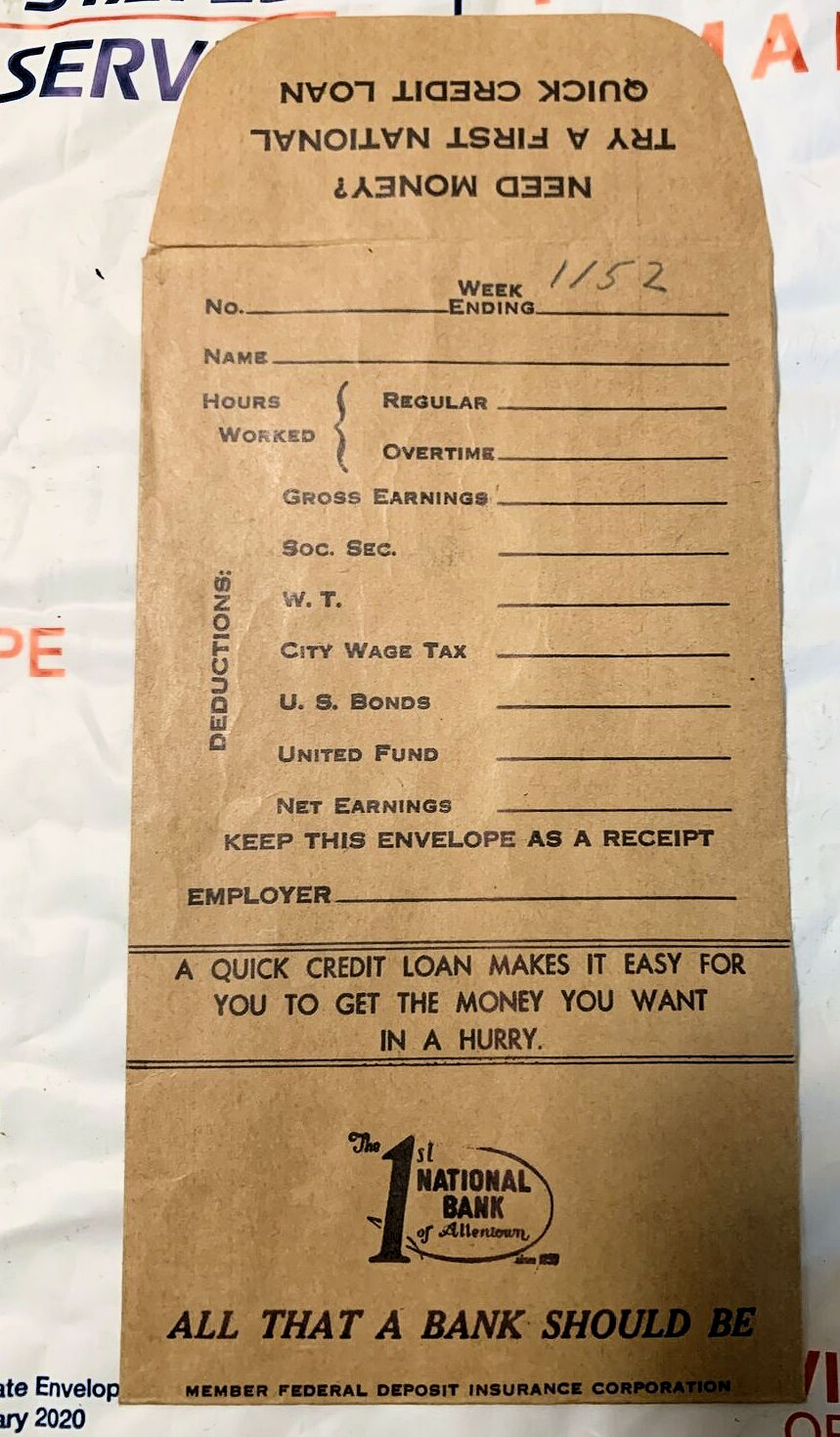
Alongside the signature there was usually a sum to be sent in, in cash, in an envelope, by a particular date.
This is the part of the arrangement that deserves plain speaking. A trip with a charge attached is a trip some households found straightforward and others did not, and the mechanism – a child carrying cash to a classroom – made the difference visible in a way nobody intended.
Schools worked around it quietly where they could. A fund, a word with a parent, an unexplained arrangement – the handling varied enormously and depended almost entirely on individuals, which is an unreliable way to solve a predictable problem.
3. You Found Out Who You Were Sitting With in the Car Park
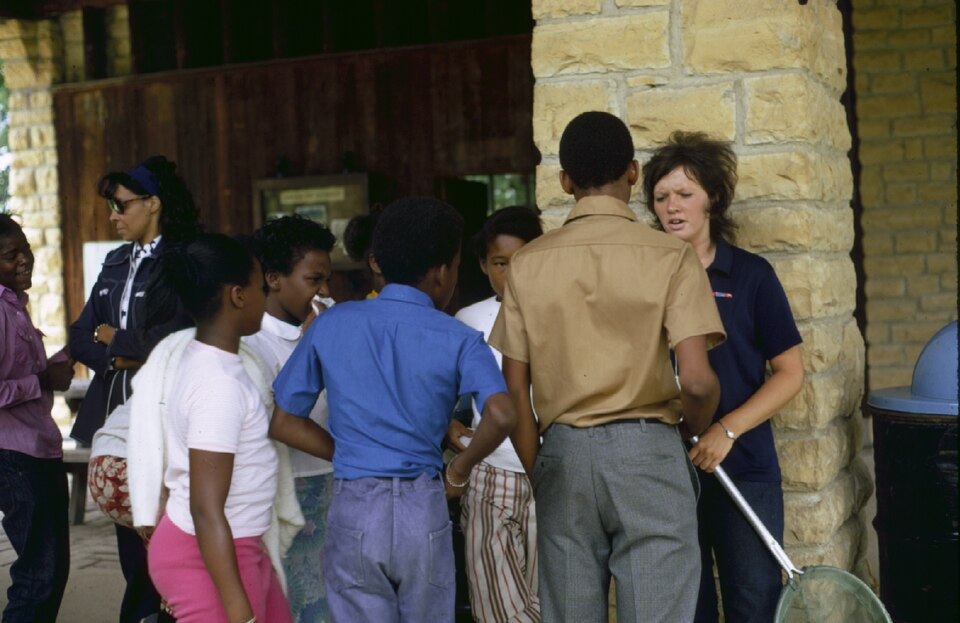
Group allocation happened at the last moment, in the open, in front of everybody.
The public nature of it is what made it tense. Being assigned to a group is a trivial administrative act unless it is conducted aloud in front of a hundred people, at which point it becomes a statement about who belongs with whom.
Experienced teachers had worked it out in advance. A list prepared the night before, read out rather than negotiated, removed the entire problem – and the ones who allowed children to sort themselves created a situation that some of them remembered for years.
4. The Adults Were Not All Teachers
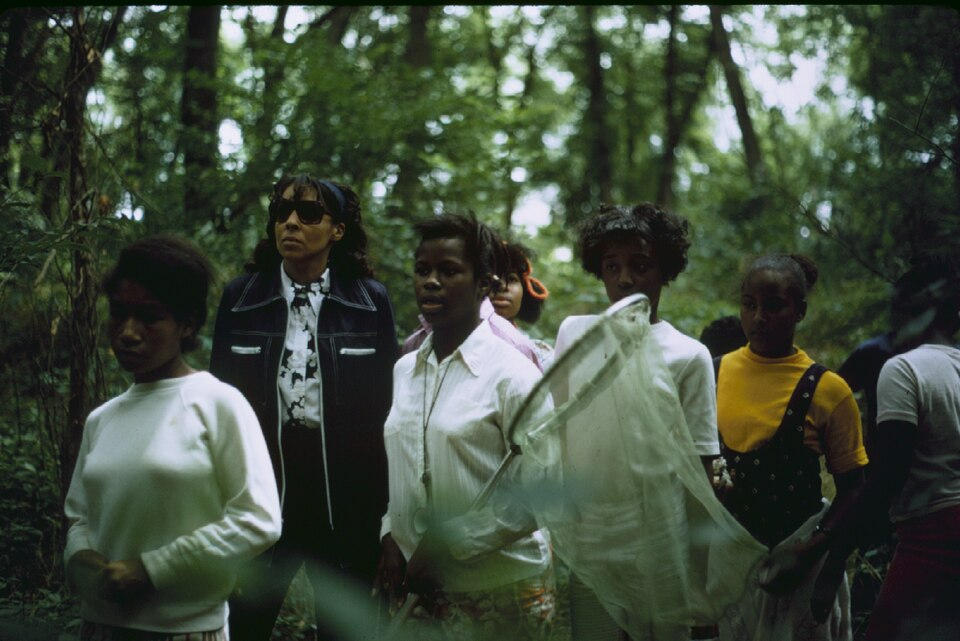
Parents came along as helpers, which meant a child’s mother or father might be supervising their classmates for the day.
The arrangement was necessary and socially complicated. Ratios required extra adults, parents volunteered, and the result was that somebody’s parent spent a day in a position of authority over a group that included their own child.
It cut in several directions. A child whose parent came along got no favours and frequently stricter treatment, and a child whose parent never could come along noticed that too, which is a quiet cost of an otherwise sensible solution.
5. Packed Lunches Were the Great Leveller and Also Were Not
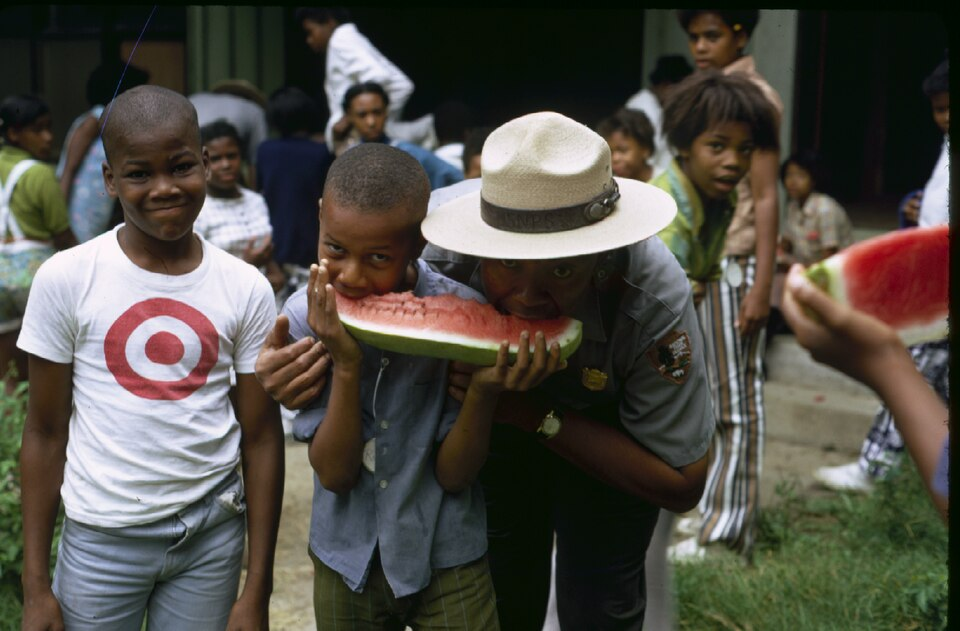
Everybody brought their own, which meant everybody could see what everybody else had been given.
The display was unavoidable. Thirty lunches opened simultaneously on a wall, a step or a patch of grass is thirty households made briefly visible, and children notice this without any adult drawing attention to it.
Trading solved a surprising amount of it. An economy in which anything could be exchanged for anything flattened the differences within about four minutes, and a great many children ate better on a trip than they did at home.
6. The Journey Was Half the Event
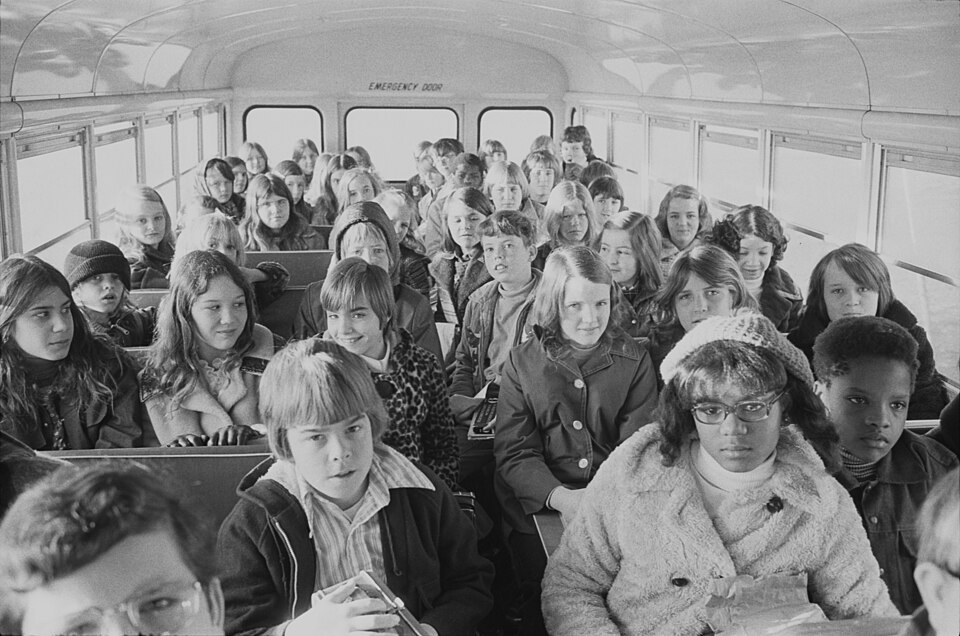
The vehicle, the singing, the counting of things out of the window and the collective state of excitement were a substantial part of what made the day.
Nobody planning the trip counted this as content and it was. An hour of a class together, out of uniform routine, going somewhere, is an experience in its own right, and for a fair number of children it was the better half of the day.
The return journey was the opposite and equally memorable. A vehicle of exhausted children, most of them asleep, in the dark, after a long day outdoors, is one of the most specific sensations in anybody’s childhood.
7. The Clipboard and the Worksheet Were the Price of Admission
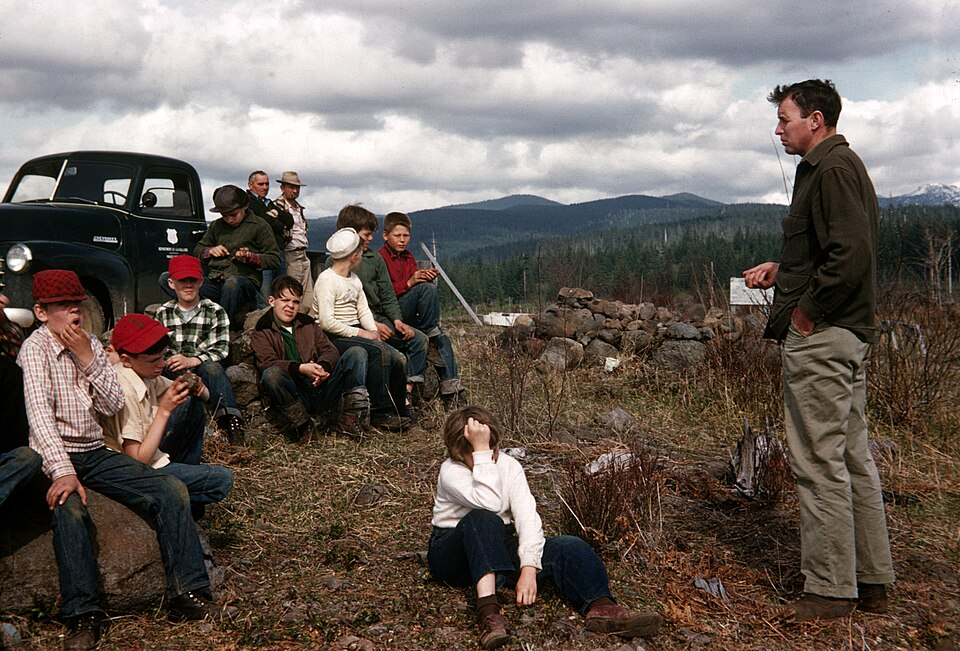
The trip was justified educationally, which meant there was a sheet of questions that had to be answered while you were there.
The worksheet was doing institutional work rather than educational work. A day out that produces a completed document is a day out that can be defended to anybody who asks, and the sheet existed as much for that reason as for any learning it produced.
Children treated it accordingly. A great many sheets were completed in the last fifteen minutes by copying from somebody else, which everybody including the adults understood perfectly well.
8. Everybody Was Counted Constantly
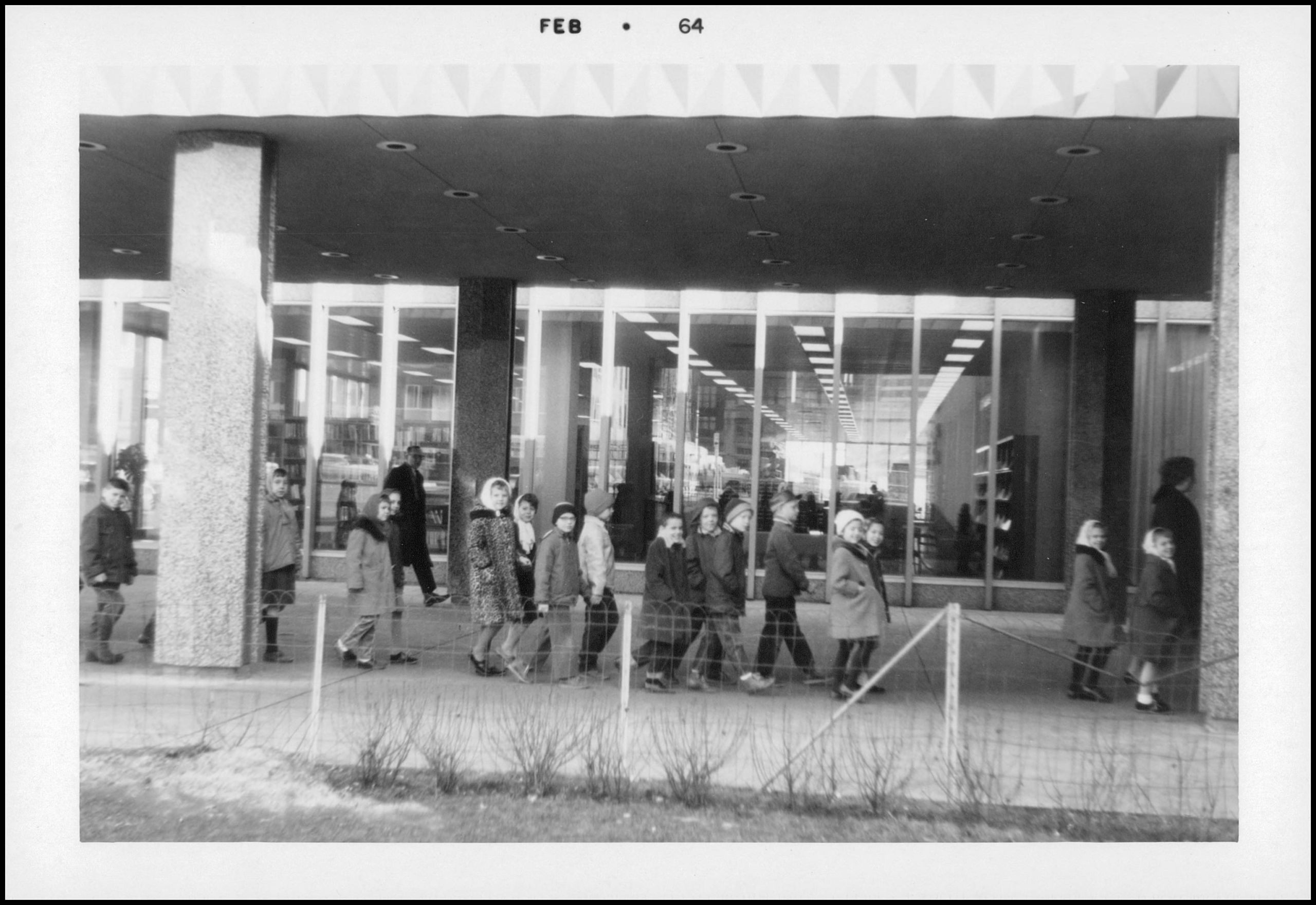
Heads were counted at the vehicle, at the entrance, after lunch, before leaving and at every transition in between.
The repetition was not fussiness. An adult responsible for thirty children in an unfamiliar public place with multiple exits has exactly one tool, and that tool is counting, so it was used continuously and visibly all day.
The count was also theatre, and deliberately so. Children who can see that they are being counted every ten minutes understand that disappearing would be noticed immediately, which prevents a great deal more than the count itself ever catches.
9. The Buddy System Was the Other Half
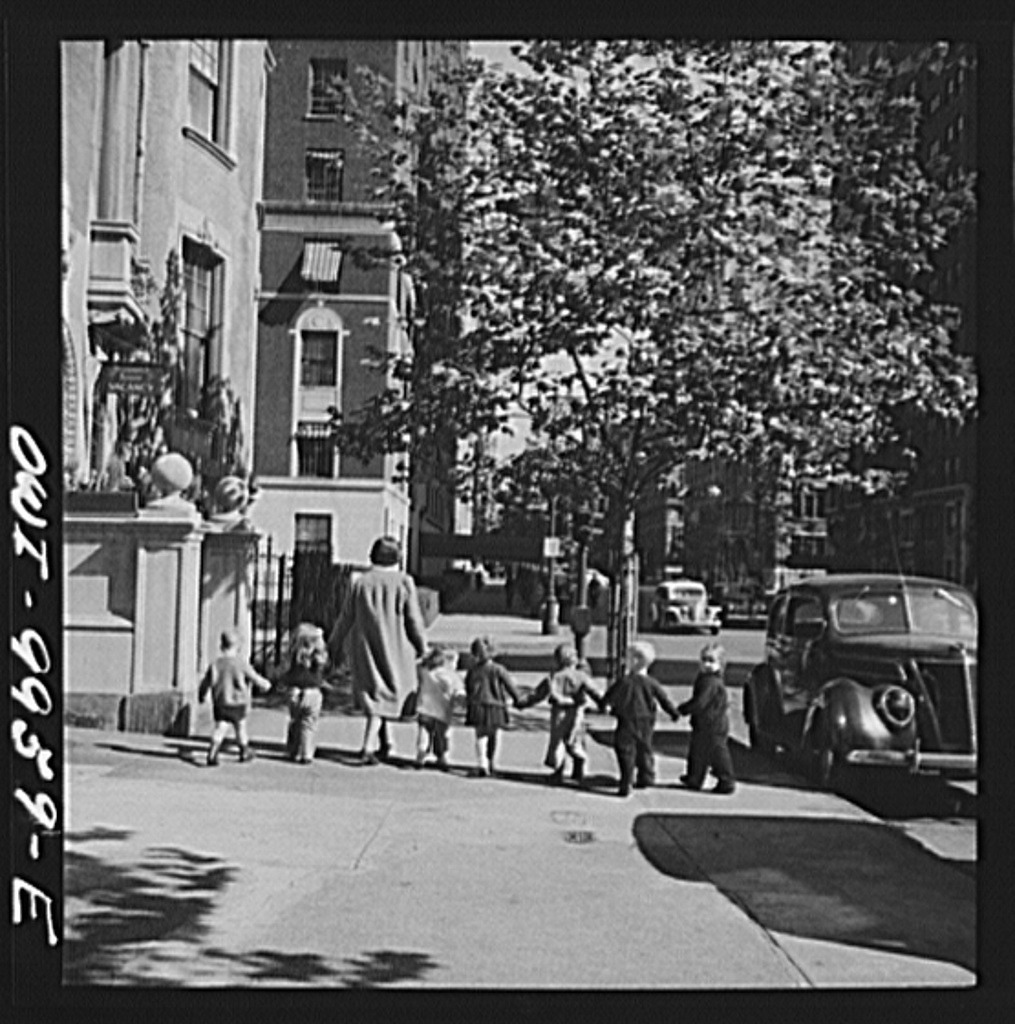
Children were paired and each was responsible for knowing where the other one was.
The delegation is the clever part. Thirty children watched by four adults is a difficult problem; thirty children watched by four adults and fifteen pairs is a much easier one, because the monitoring has been distributed to the people best placed to do it.
It also created an odd intimacy. Being assigned to somebody for a whole day, with an obligation to keep track of them, produced friendships between children who would otherwise never have spent an hour together.
10. The Gift Shop Was the Real Destination

For a substantial number of children, the point of the day was the twenty minutes at the end with whatever money they had been given.
The adults knew and generally accepted this. A day of looking at things nobody chose, ending in a chance to acquire one thing you did choose, is an entirely understandable order of priorities for an eleven-year-old.
The purchases were almost always the same. Something small, overpriced and not very good, bought under time pressure, and kept for years afterwards precisely because of where it came from.
11. Somebody Was Always Sick on the Way
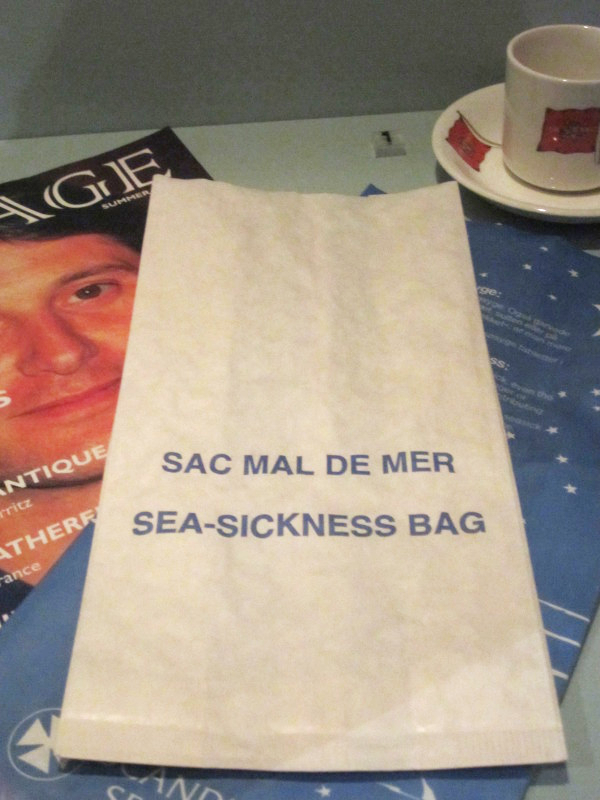
A long journey, excitement and an early start produced a predictable outcome at least once a year.
The planning around this was entirely routine. Bags, a seat near the front, a stop if needed – every teacher knew the pattern and every vehicle carried the provisions, because the probability across thirty children was close to certain.
The social consequence was worse than the event. A child who was unwell on a trip carried it for the rest of the term, which is a disproportionate penalty for something nobody can control and which the adults could do very little about.
12. The Place Itself Was Often the Least Memorable Part
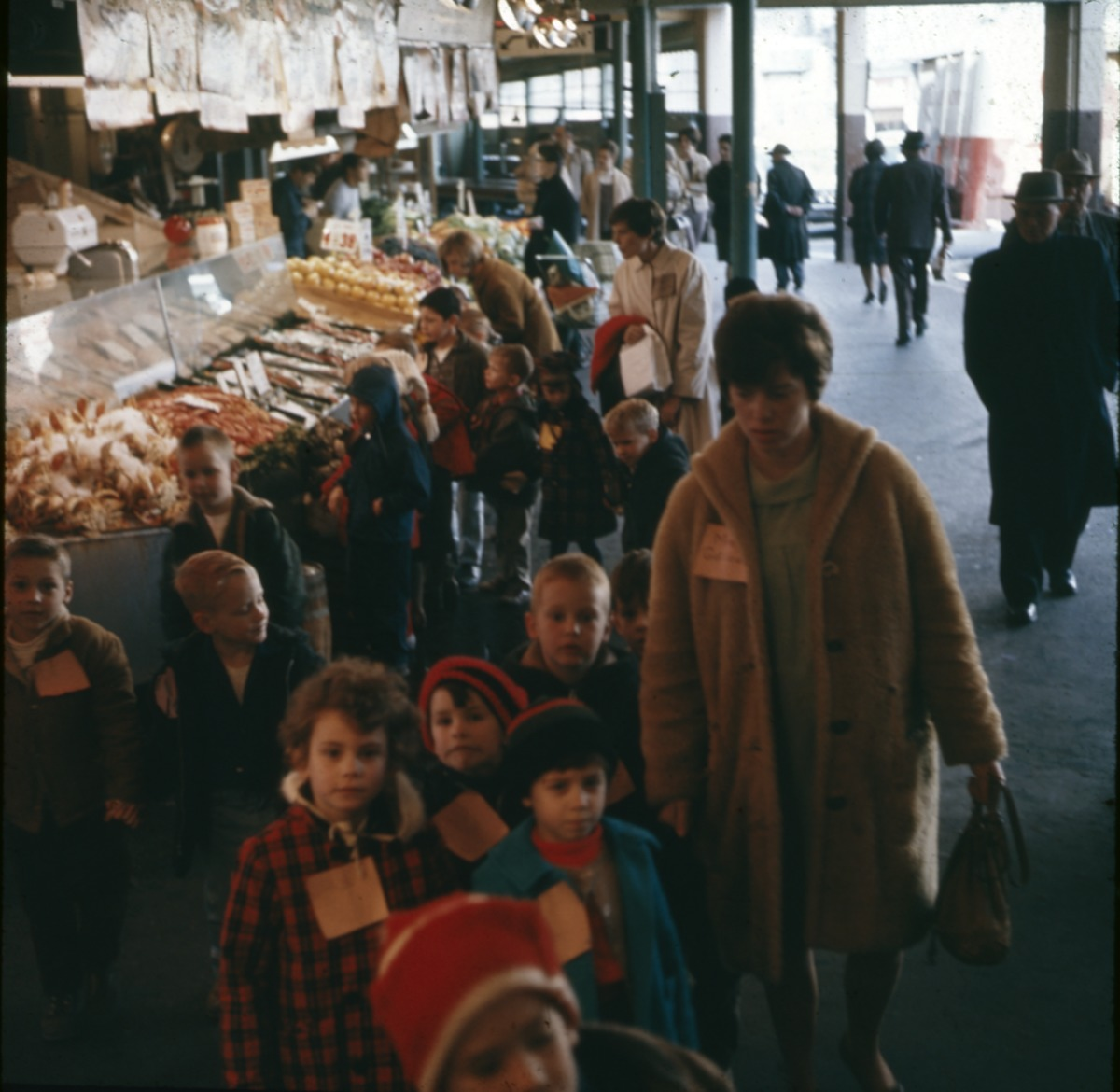
Ask anybody what they remember and the answer is rarely the exhibits, the building or the subject of the visit.
That is the finding that ought to have changed how these were planned and never did. The memories attach to the journey, the group, the lunch and the free time, which suggests the educational content was the least efficient part of a day organised entirely around it.
It does not mean the trips were pointless. A class in an unfamiliar place together for a day forms something that a classroom cannot, and the value was real even though it was never the value anybody wrote on the form.
13. Being Allowed to Wander Was the Freedom
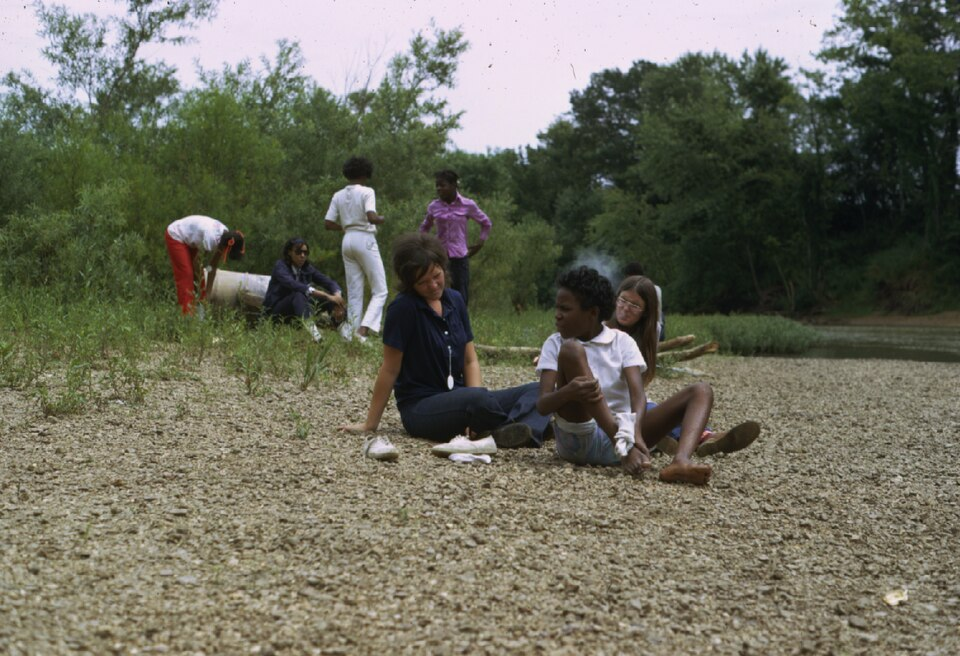
A period in which groups moved around unaccompanied, with a time and a meeting point, was standard practice.
The latitude seems extraordinary in retrospect and it was carefully bounded. A fixed meeting point, a fixed time, a named partner and a building with staff in it is a considerable amount of structure around what felt, to the children, like being completely unsupervised.
The feeling was the point. A child navigating a public building with one friend and a deadline is doing something genuinely new, and the sense of independence was real even though the actual risk had been managed down to almost nothing.
14. One Child Always Went Missing for Ten Minutes
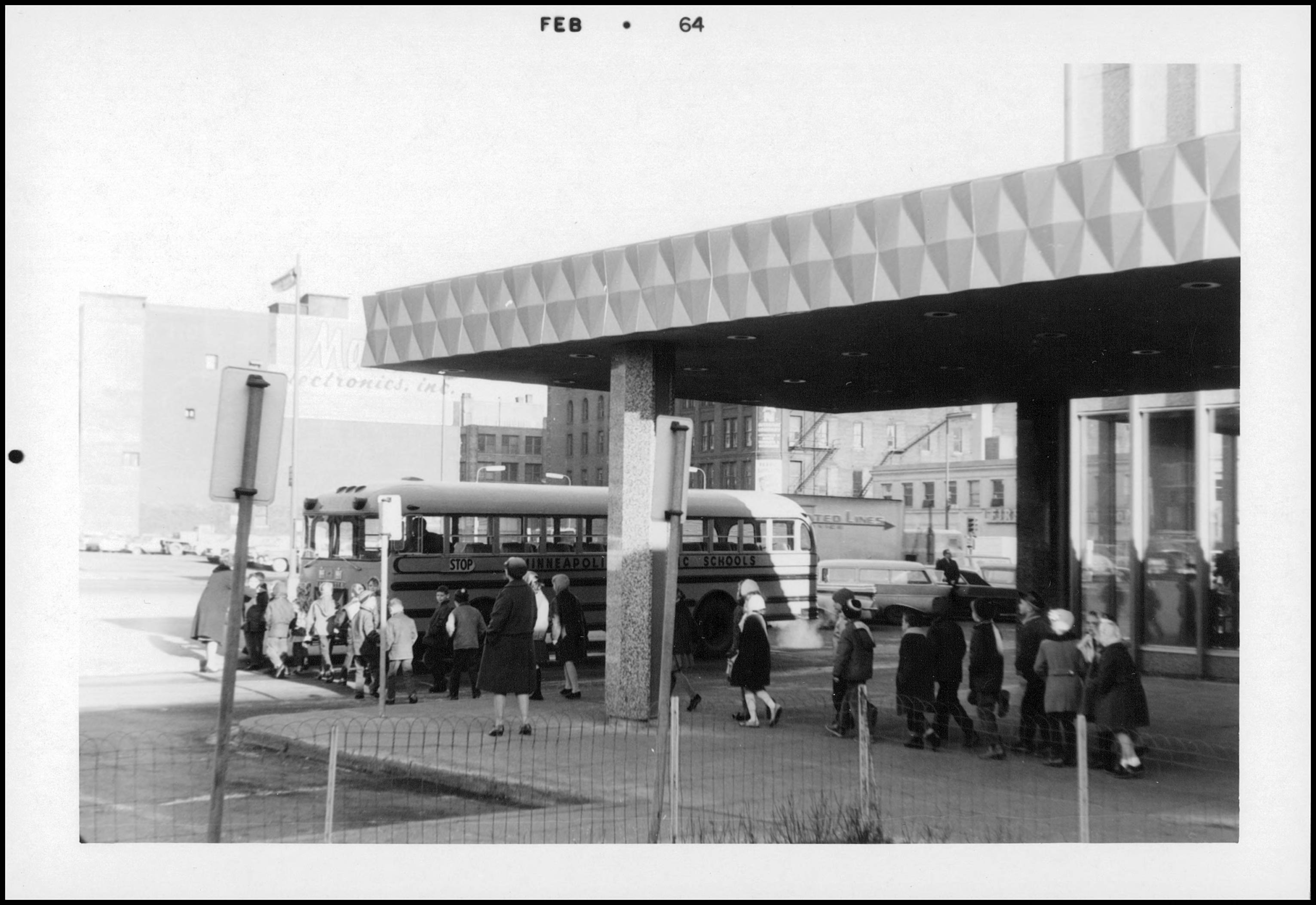
A late arrival at the meeting point produced a short period of adult alarm that was almost never anything.
The pattern repeated so reliably that experienced teachers built it into the schedule. A meeting time set fifteen minutes before the actual departure absorbs the inevitable straggler without the day being affected, which is a method arrived at by everybody independently.
The children involved were generally unaware anything had happened. Somebody who lost track of the time and arrived to find four adults looking relieved rarely understood why, and the adults did not usually explain.
15. The Day Was Discussed for Weeks Afterwards
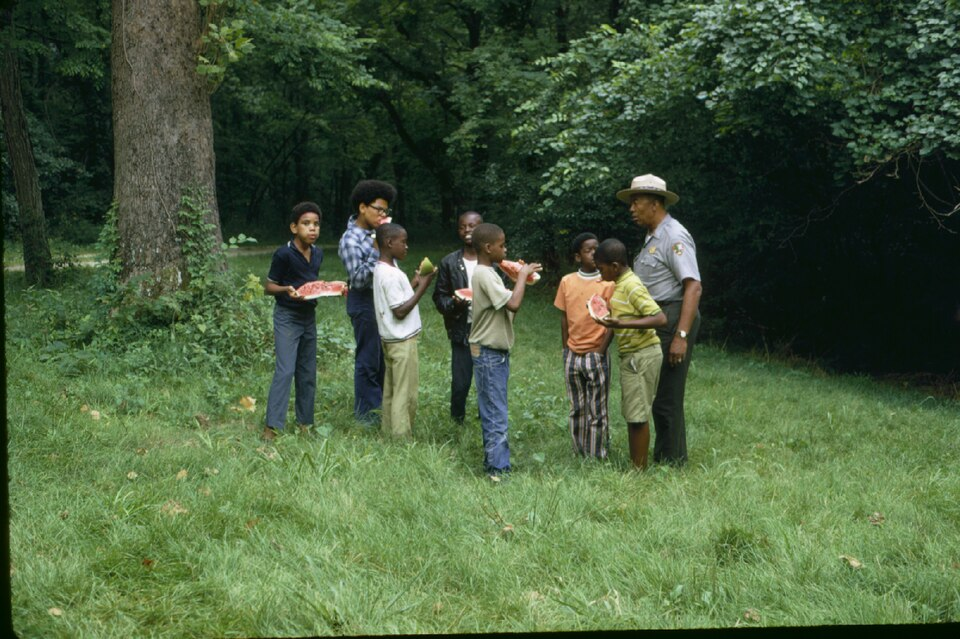
A single day out produced more conversation than any ordinary month of school.
The disproportion is informative. Shared novel experience is what groups talk about, and a class with one common memory that nobody else has will return to it repeatedly, which is a genuine social function nobody planned for.
It also entered the class’s permanent record. Years later, the trip is one of the few things an entire year group remembers in common, which gives a single Tuesday in 1970 a strange durability.
16. Then the Paperwork Grew Until the Day Became Difficult

Risk assessment, ratios, insurance, consent and transport requirements all increased, each for a defensible reason.
The cumulative effect was the problem rather than any single requirement. Every individual measure makes sense on its own, and the total is an administrative burden that makes a teacher think twice about proposing a day out at all.
What was lost was the casual version. The ordinary, moderately educational, mostly social day out that happened once or twice a year without much ceremony is the one that disappeared, and with it the slip in the bag, the group read out in the car park, the thirty lunches on a wall, the twenty minutes in the shop and the dark vehicle full of sleeping children on the way home.
What the Day Was Actually Doing
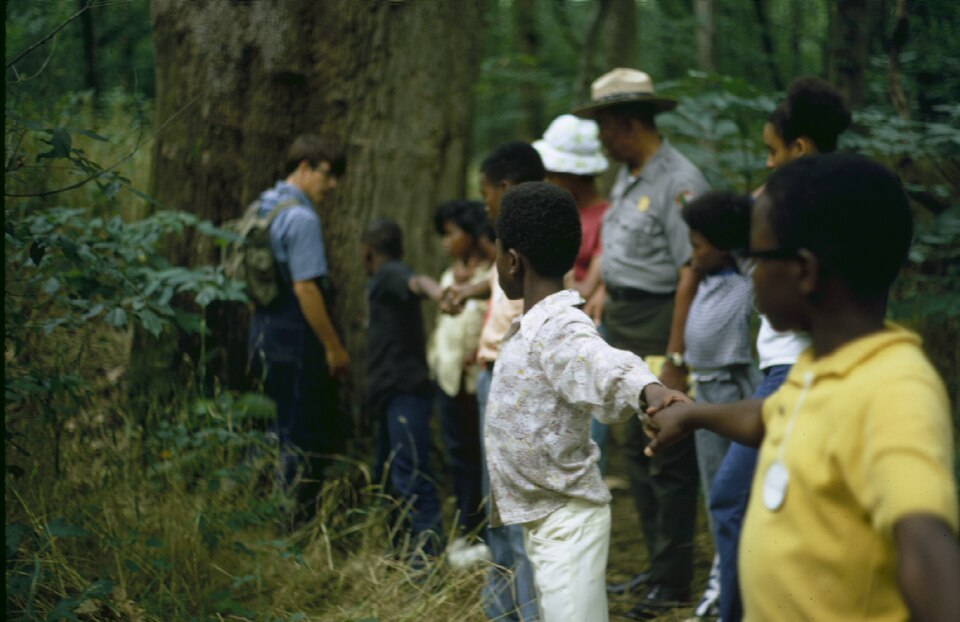
Set out in order, the sixteen describe an event whose stated purpose and actual effect were almost entirely different things. The worksheet existed so the day could be defended. The destination is the part nobody remembers. What the trip actually produced was a class in an unfamiliar place together, eating in the open, assigned to each other in pairs, counted every ten minutes and released for twenty – and that combination built something a classroom cannot build in a term. The adults running it were not confused about this. They chased the slips, prepared the groups in advance and set the meeting time fifteen minutes early precisely because they knew what the day was really for. They also knew which parts could not be engineered. The trading that flattened thirty opened lunches within four minutes, the friendship that formed between two children assigned to each other for a day, the collective exhaustion on the way home – none of those could be arranged in advance by anybody, and all of them depended on simply putting a class somewhere unfamiliar for long enough and then standing back. That is a difficult thing to write on a form, which is precisely why the form said something else entirely and why the worksheet had to exist.
Nothing in particular killed it, which is why it went so quietly. Every additional requirement was reasonable on its own and the total became enough to make a teacher reconsider. The elaborate, carefully planned trip survives; what has largely gone is the ordinary one – the unremarkable Tuesday that produced a slip in a bag, a group read out in a car park, thirty lunches opened on a wall, a worksheet copied in the last fifteen minutes, and a year group that still has one day in common forty years later. The record of it, if there is one at all, is a handful of prints taken by somebody’s mother on a camera she had brought along herself, most of which never left the house she took them home to.
Like our content? Follow us for more.