

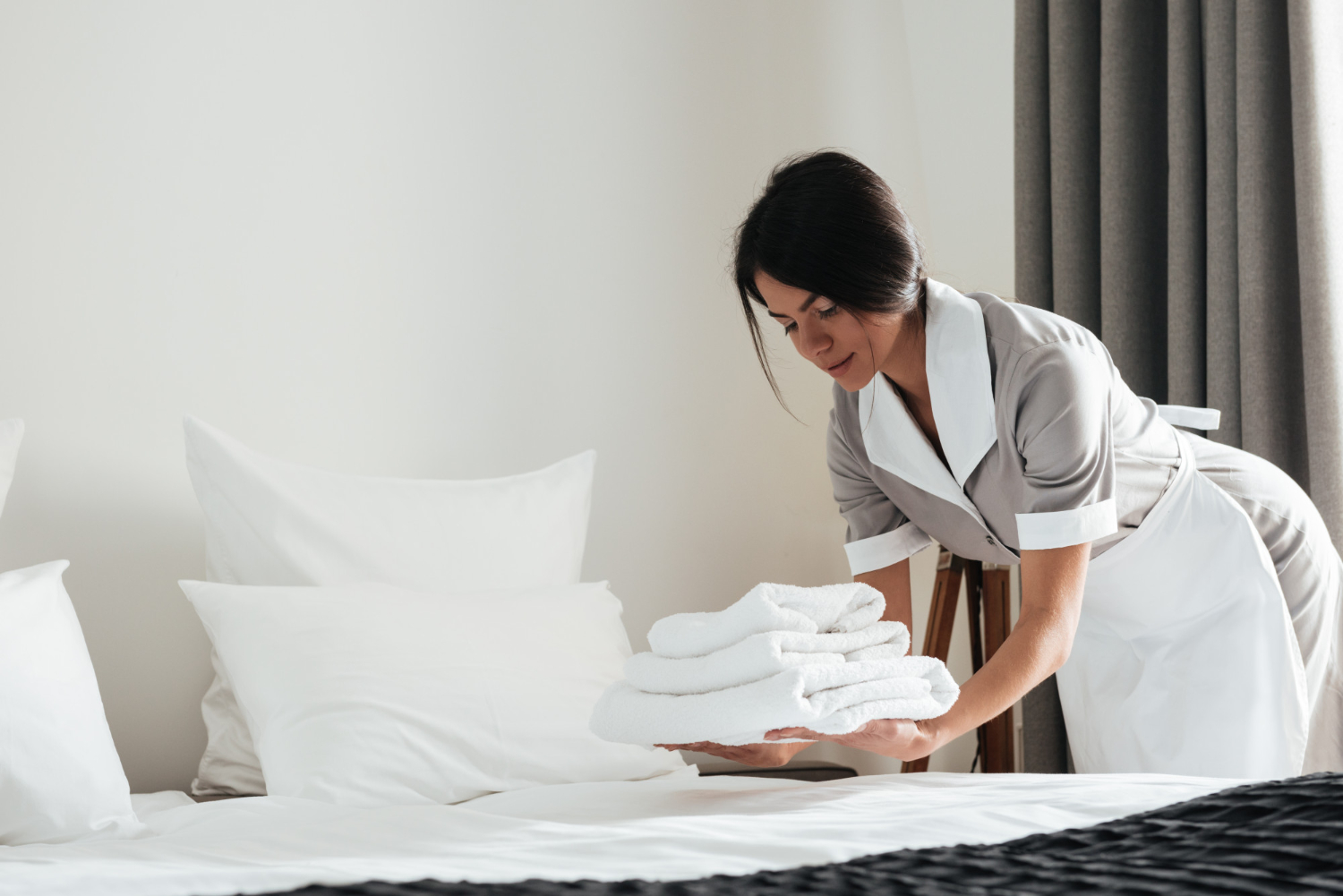
Hotel housekeepers are among the most observant people in the hospitality world. Cleaning room after room, day after day, they develop a sharp eye for the small details guests leave behind, details that silently tell them what kind of stay a guest had and what kind of guest they are. According to housekeepers who have shared their experiences, most of what they notice is routine, but some of it can be surprising. None of it is about judgment so much as doing the job well and keeping the hotel running smoothly. Here are eight things hotel housekeepers are commonly said to notice about your room, counted down one by one.
1. How You Leave the Bathroom
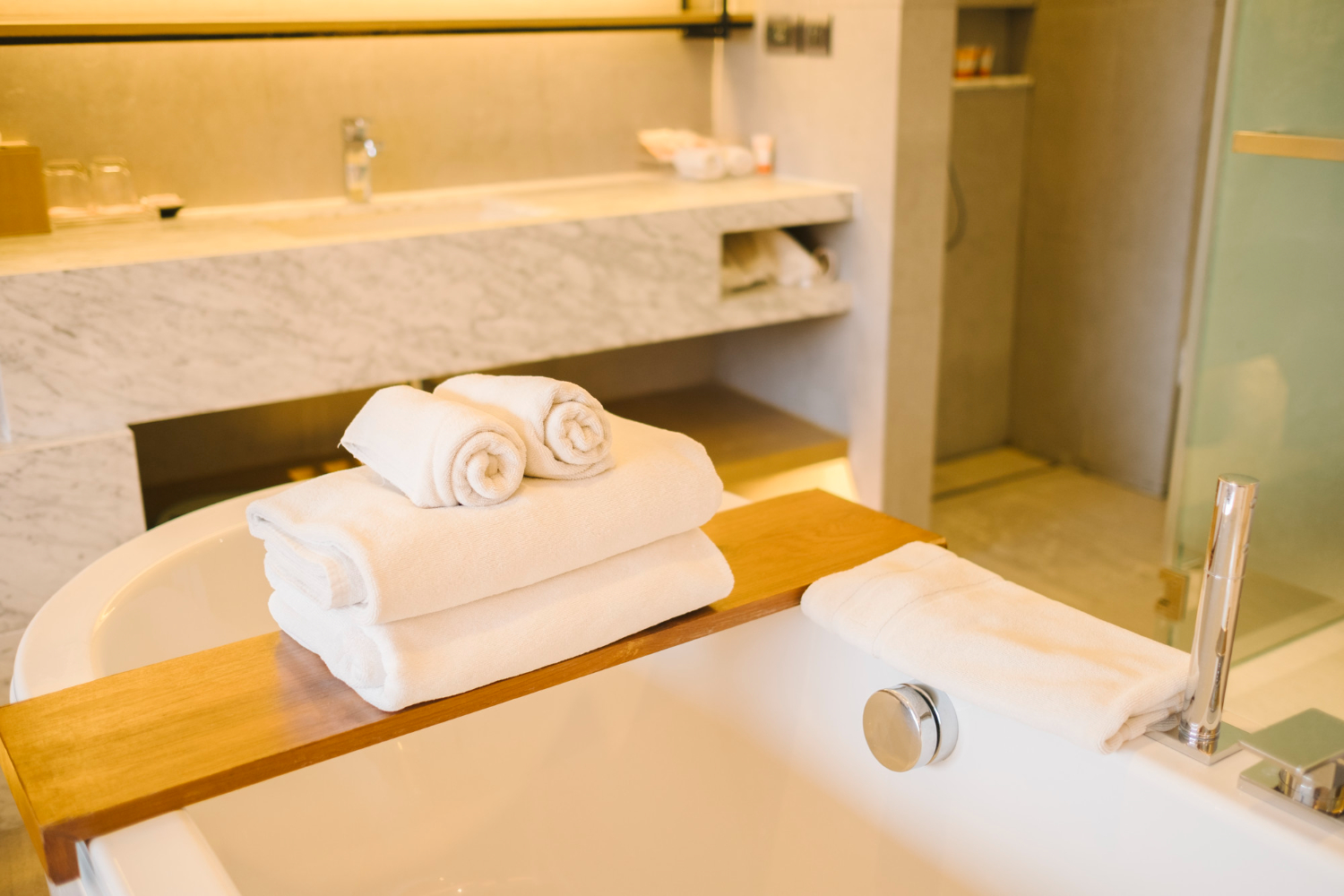
The first thing many housekeepers register is the state of the bathroom, the room that typically requires the most work and reveals the most about a guest’s stay. From the towels to the counter to the shower, the bathroom tells a clear story about how a guest treated the space.
Housekeepers notice whether towels are left in a reasonable spot, whether the counter is a mess, and the general condition of the shower and sink. A guest who leaves the bathroom relatively tidy makes the job easier and is genuinely appreciated. None of this means a guest must clean, that is the housekeeper’s job, but the state of the bathroom is the first and most telling thing noticed. According to housekeepers, the bathroom is where a guest’s habits show most clearly, and it sets the tone for cleaning the rest of the room.
Like our content? Follow us for more.
2. Whether Things Have Been Rearranged or Hidden
Housekeepers quickly notice when furniture, linens, or items have been moved or hidden. Guests sometimes rearrange the room, stash belongings out of sight, or move things around, and an experienced housekeeper spots these changes at a glance as they work.
Whether it’s a chair pulled to the window, towels repurposed, or items tucked into drawers, housekeepers notice the small ways guests reshape a room to suit themselves. They also keep an eye out for guest belongings left behind or hidden, which they typically log and turn in. This awareness helps them reset the room properly and reunite guests with forgotten items. According to housekeepers, noticing what has been moved or hidden is simply part of restoring the room to order and looking out for guests’ belongings.
3. Signs of Smoking in a Non-Smoking Room
One thing housekeepers are especially alert to is any sign of smoking in a non-smoking room. The smell lingers, and telltale traces are easy for an experienced eye and nose to detect, often leading to cleaning fees as outlined in the hotel’s policies.
Housekeepers can quickly pick up on the odor or residue that smoking leaves behind, even when a guest has tried to mask it. Because smoke is difficult and costly to remove from a non-smoking room, hotels take it seriously, and housekeepers report what they find. It is a clear example of how the small traces guests leave behind get noticed. According to housekeepers, detecting signs of smoking where it isn’t permitted is one of the more consequential things they watch for, given the cleaning and policy implications.
4. Damage and Stains
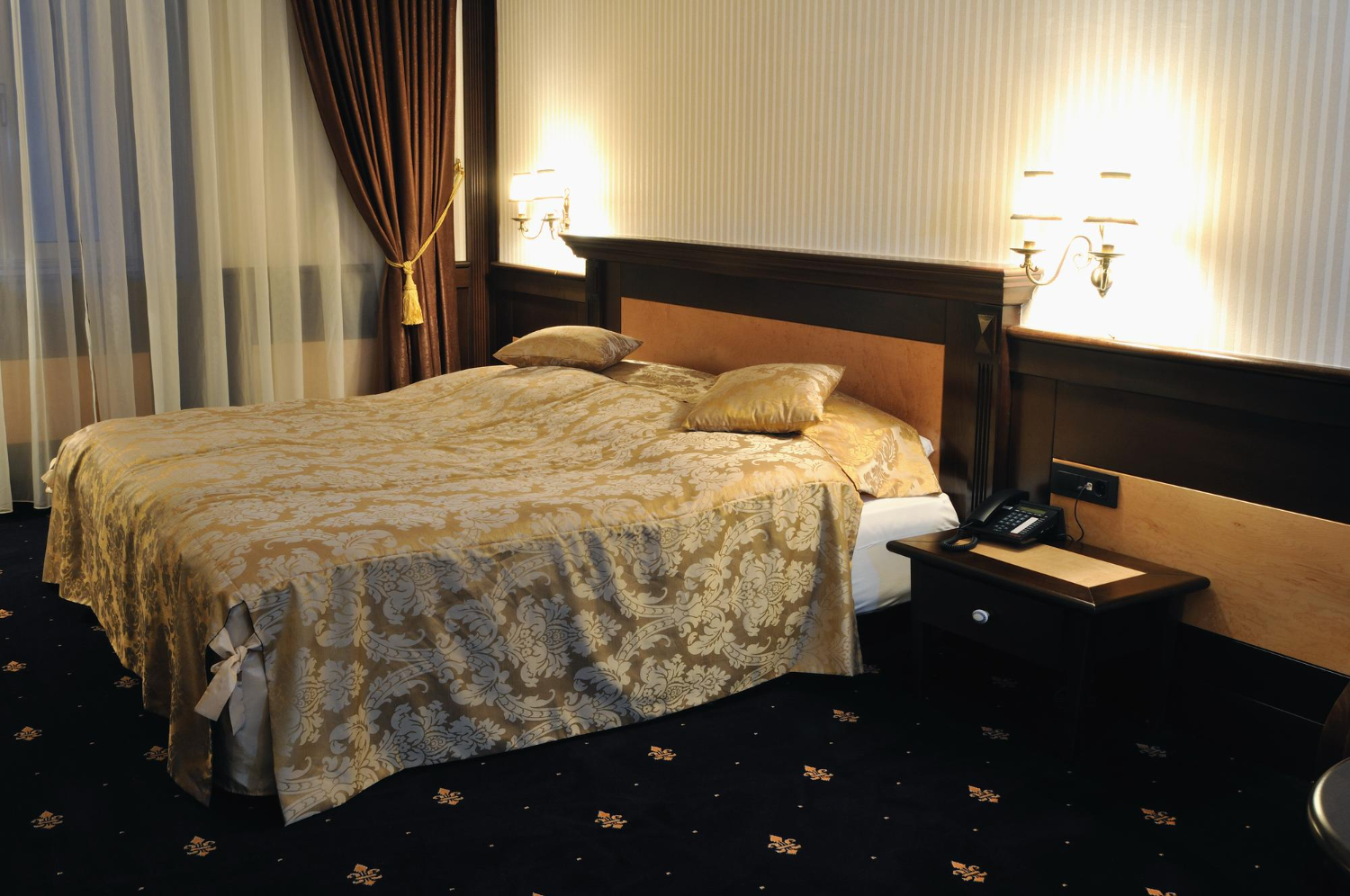
Housekeepers naturally notice any damage or significant stains in the room, from spills on the carpet to marks on the furniture or linens. Part of their role is to document the room’s condition so that maintenance and the hotel can address it.
Whether it’s a stained towel, a spill, or damage to furnishings, housekeepers spot these issues as they clean and typically report them. Most ordinary wear is expected and unremarkable, but notable damage gets logged, sometimes with implications for the guest depending on the hotel’s policies. This documentation keeps rooms in good shape for future guests. According to housekeepers, noticing and reporting damage and stains is a routine but important part of maintaining the quality of every room.
5. Whether You Used the Amenities and Minibar
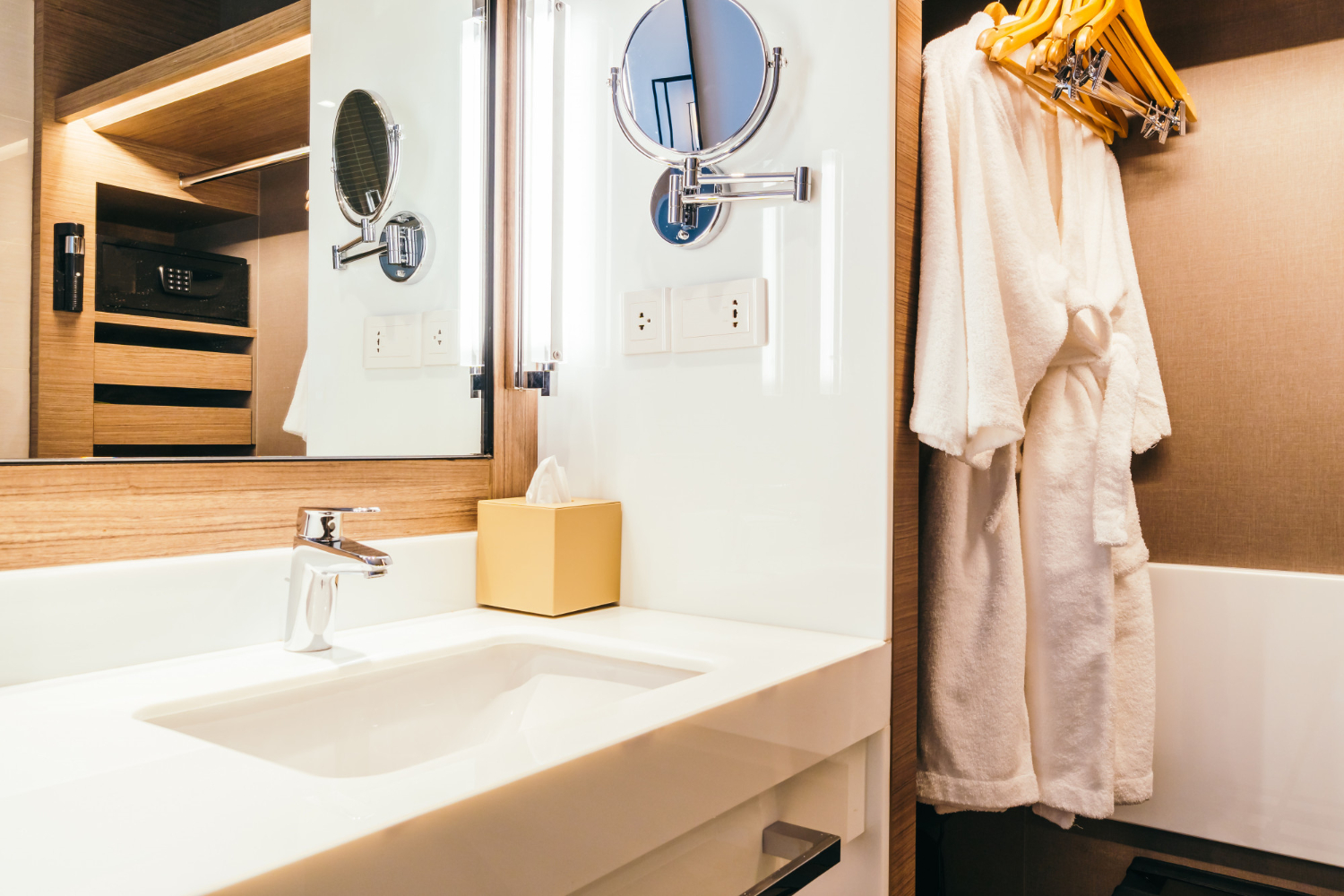
Housekeepers keep track of the room’s amenities, noticing which toiletries, coffee supplies, and other provided items have been used, and whether anything from the minibar has been consumed. Restocking accurately is a key part of preparing the room.
As they reset the room, housekeepers note which amenities need replenishing and check the minibar against what should be there. This ensures the next guest finds everything stocked and that any consumed items are accounted for. It’s a practical part of the turnover process rather than any kind of surveillance. According to housekeepers, tracking the use of amenities and the minibar is simply part of restoring the room to its full, ready state for the next guest who checks in.
6. The Tip You Leave, and How
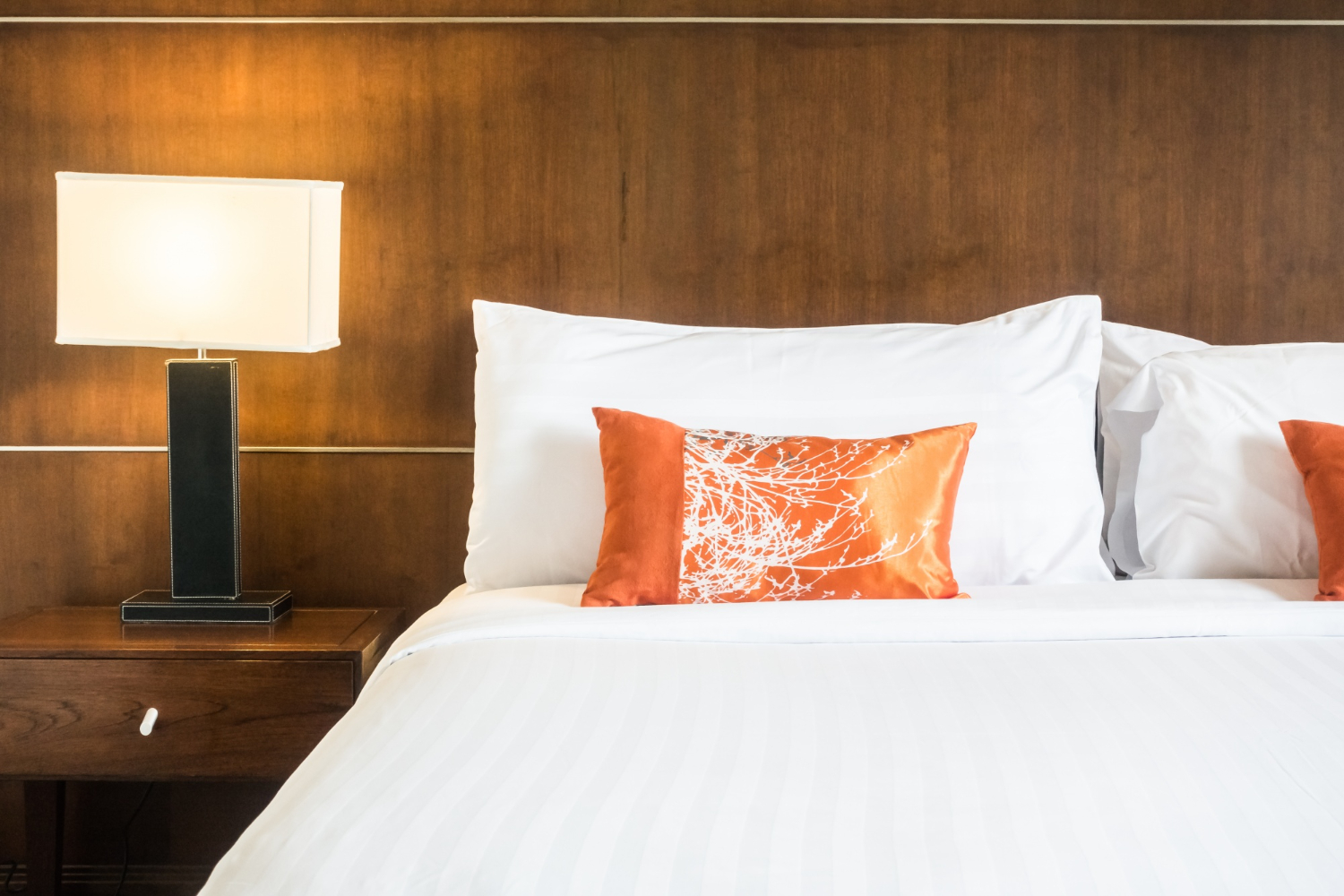
Housekeepers do notice tips, including the amount and how it is presented. A tip left in an obvious spot, clearly intended for housekeeping, is appreciated and recognized, while an ambiguous bit of cash can create uncertainty about whether it was meant as a tip at all.
Because it isn’t always clear whether loose money is a tip or simply left behind, housekeepers appreciate when a gratuity is placed somewhere obvious, sometimes with a note. Tipping practices vary by guest and region, and it is always a personal choice. When a tip is clearly intended, it is genuinely valued by the often unseen staff who care for the room. According to housekeepers, a thoughtfully left tip is noticed and appreciated, a small gesture that acknowledges the work that goes into every stay.
7. Extra Guests or Pets
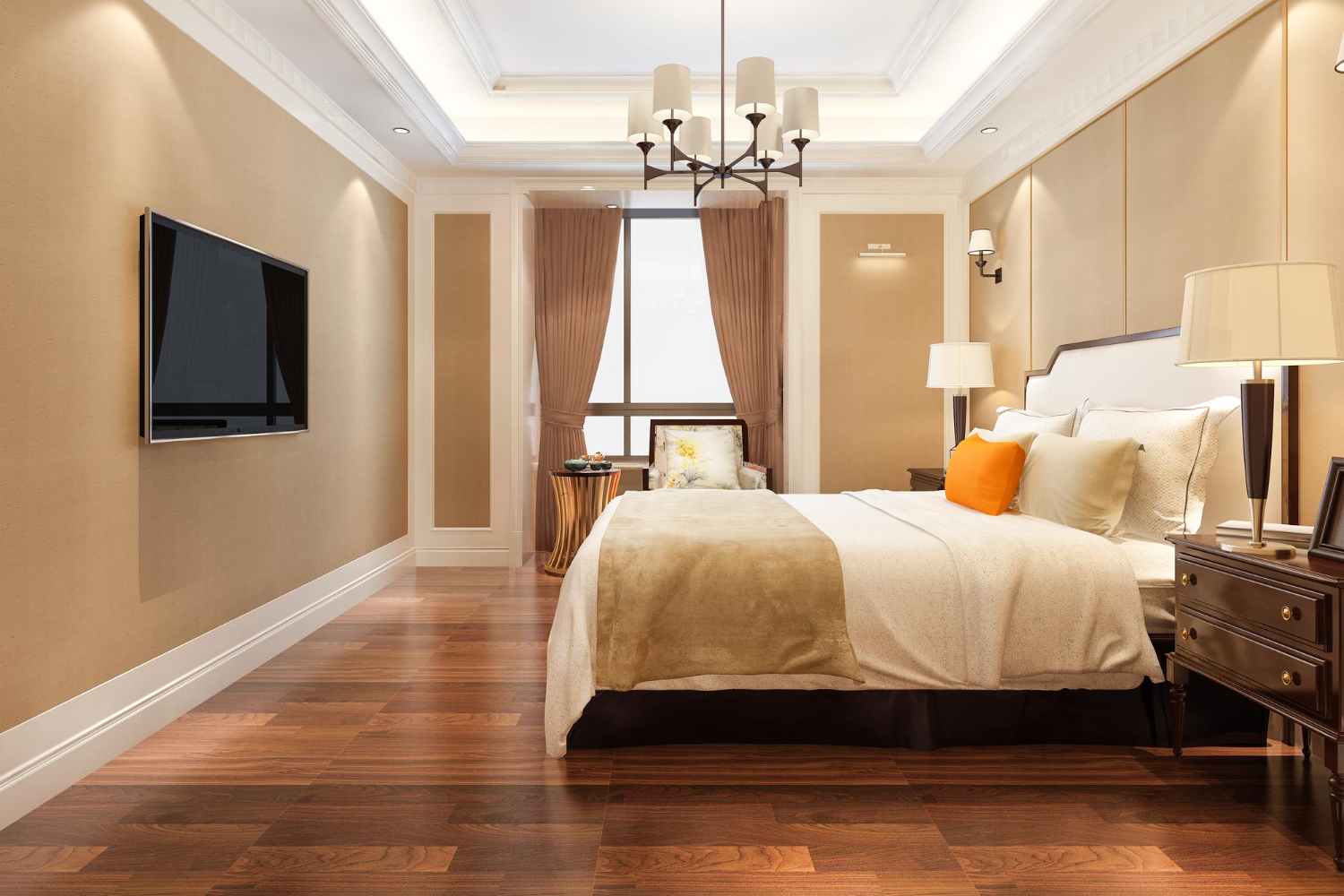
Housekeepers often notice signs that more people, or pets, stayed in the room than were registered. Extra towels used, additional bedding disturbed, or telltale signs of an animal can all indicate that the room hosted more than the booking accounted for.
Clues like extra used towels, rearranged bedding, or evidence of a pet are easy for housekeepers to spot, and they may matter for the hotel’s policies on occupancy and pet fees. The observation is about accuracy and policy rather than prying. Hotels rely on housekeepers’ awareness to keep things fair and properly accounted for. According to housekeepers, noticing signs of extra guests or pets is a routine part of the job, helping ensure the room’s use lines up with the hotel’s policies.
8. Your Overall Tidiness and “Do Not Disturb” Habits
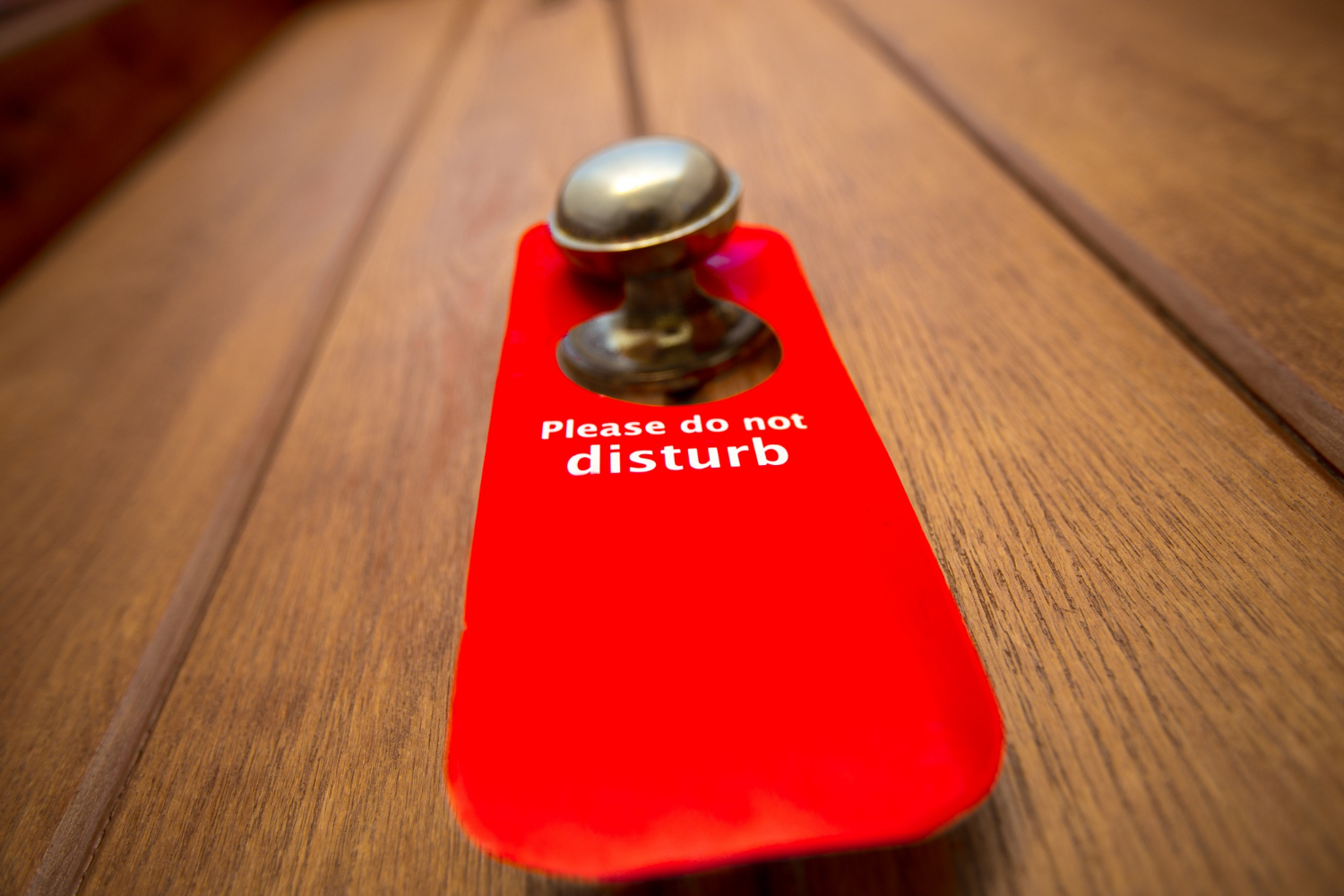
Finally, housekeepers form a general impression of a guest’s tidiness over a stay, as well as their use of the “do not disturb” sign. Patterns of cleanliness and whether a room is made available for service shape the rhythm of a housekeeper’s day.
Over several days, housekeepers come to know whether a guest keeps a tidy room and how often they opt for service or leave the sign out. A guest who keeps the room reasonably neat makes the work smoother, while frequent “do not disturb” use changes the cleaning schedule. None of this is judged harshly, it is simply part of the daily picture. According to housekeepers, a guest’s overall tidiness and service habits round out the impression they form, all in the service of keeping rooms clean, comfortable, and ready.
What It All Comes Down To
Taken together, these eight observations show that hotel housekeepers are highly attentive professionals who read each room with a practiced eye. Most of what they notice is simply part of doing the job well, resetting the room, restocking amenities, documenting issues, and keeping the hotel running smoothly. Their work is often unseen but essential to a good stay.
Understanding what housekeepers notice can make you a more considerate guest. Leaving the bathroom reasonably tidy, being honest about occupancy and pets, respecting non-smoking policies, and leaving a clear tip when you can all acknowledge the hard work that goes into preparing your room. These insights, shared by housekeepers themselves, offer a glimpse into a job that invisibly shapes every hotel stay, and a reminder to treat the people who care for your room with appreciation and respect.
Like our content? Follow us for more.

