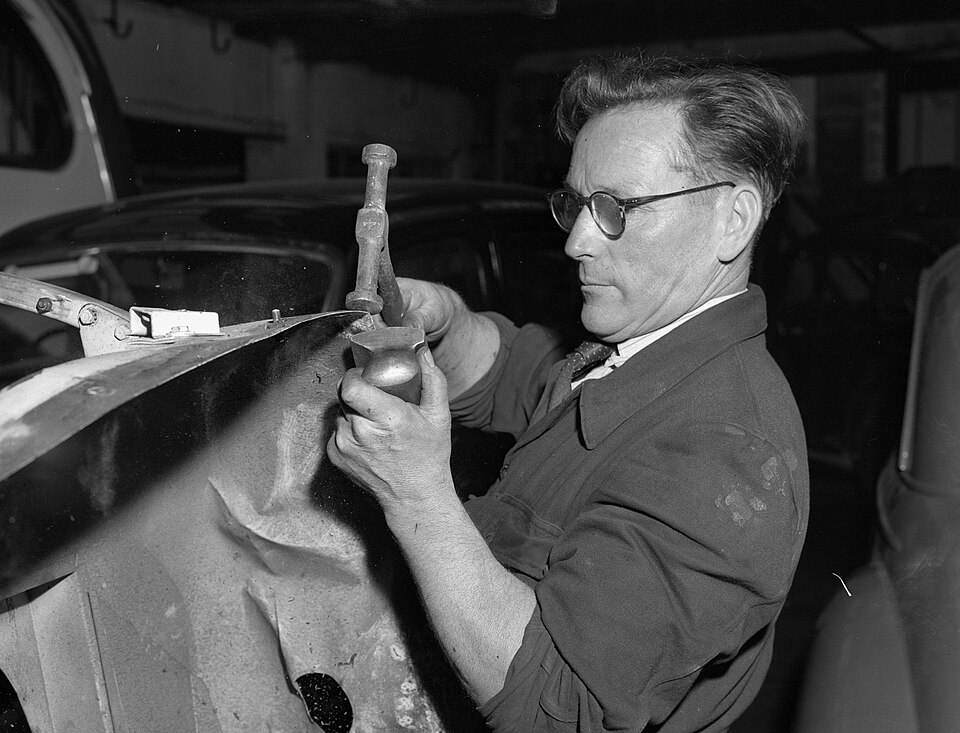
In 1960 a dented car panel was beaten back to shape, planished until it needed no filler, and finished with lead wiped on with a heated paddle. Here are sixteen things about that work, and why a modern bodyshop does almost none of it.
1. A dented wing was beaten back to shape rather than replaced
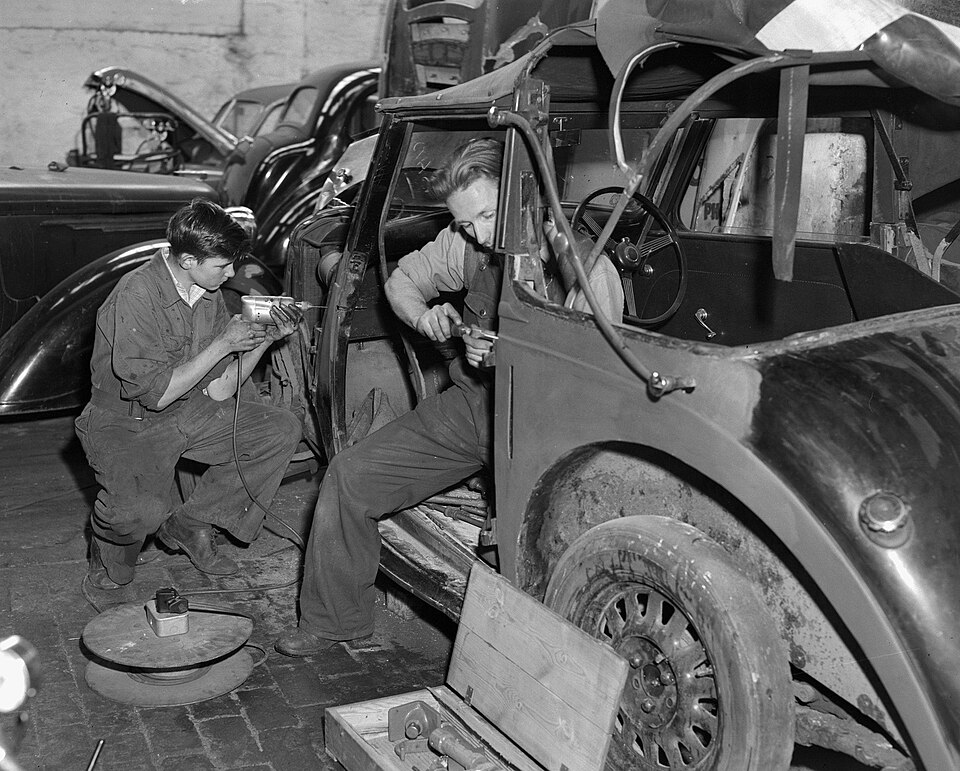
A damaged panel in 1960 was a thing to be repaired, because replacement panels were expensive, slow to obtain and for many vehicles simply not available. The beater’s job was to persuade the existing metal back to the shape it had left the factory in.
That meant working the damage out in the reverse order it went in, starting at the edge of the dent and working inwards, with the panel supported from behind.
Modern collision repair replaces panels as a first choice on most jobs, because a new pressing is cheap relative to labour and because the structural performance of a repaired panel cannot be demonstrated. Repair survives for classic work, for aluminium and for places where a panel is unobtainable. The economics flipped entirely rather than gradually: once labour cost more per hour than a pressed wing cost outright, the argument was over. Nobody decided to stop repairing panels; the arithmetic simply stopped supporting it.
Like our content? Follow us for more.
2. The dolly behind the panel did half the work
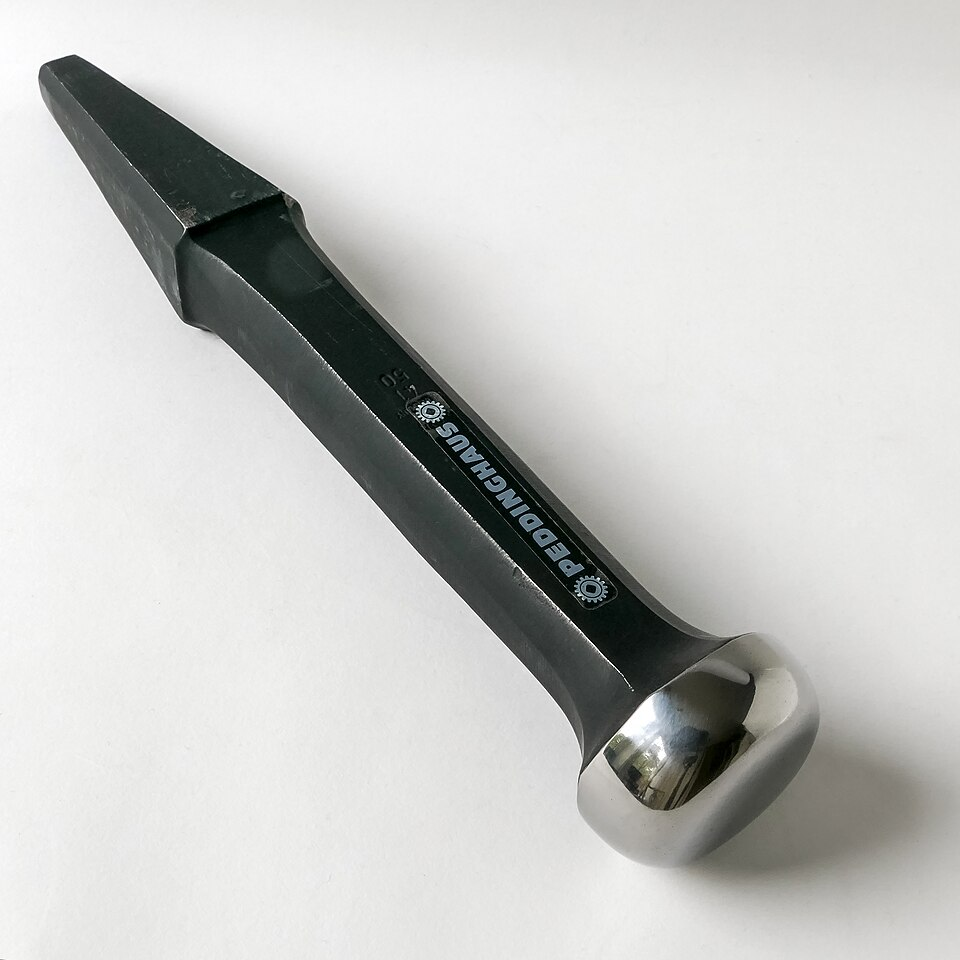
A panel beater’s characteristic tool is not the hammer but the dolly, a shaped steel block held behind the metal while the hammer works the front.
Hammer-on-dolly raises the low metal between them; hammer-off-dolly, with the dolly held beside rather than behind the blow, drives a high spot down. Knowing which of those two you want is the entire first lesson of the trade.
The tools themselves are unchanged and still sold, which is unusual. What has changed is how often they come out, because the operations they perform have mostly been priced out of ordinary repair. A good beater’s own dollies were often ground to shapes he had made himself for particular jobs, and those were personal property in the way a joiner’s planes were.
3. The slapper was for the damage you could not see
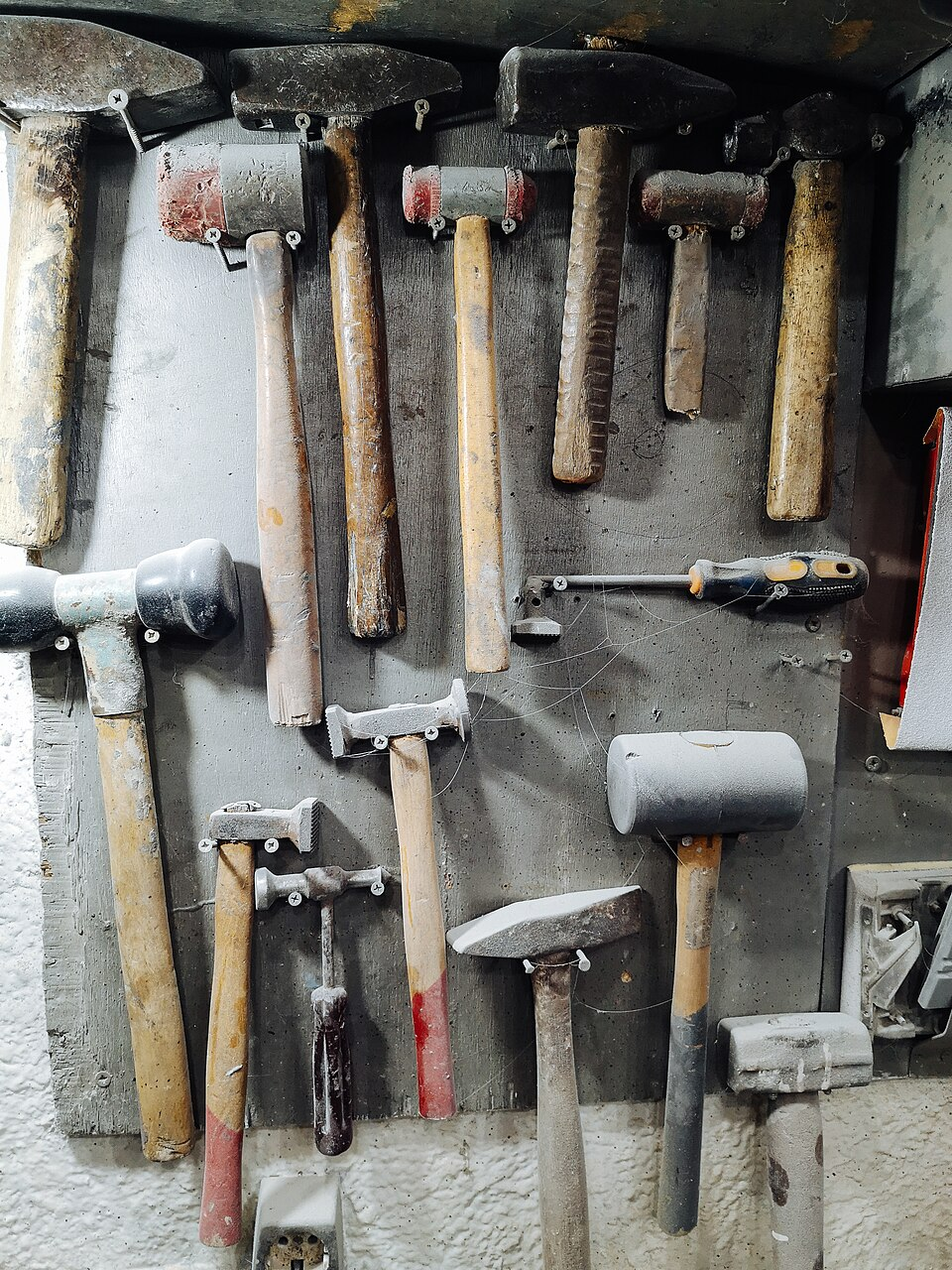
A slapper, or dinging spoon, is a long flat steel tool used to spread a blow over a wide area, for taking the general distortion out of a panel without putting hammer marks into it.
It is used where a hammer would be too concentrated, particularly on gentle curves and on the broad flat parts of a panel where the eye catches any local disturbance.
It is still the right tool and still used. The difference is that a 1960 beater might spend an hour with it on a panel that would now be unbolted and thrown away in ten minutes. Watching one used well is genuinely impressive, because the tool appears to be doing nothing and the panel visibly comes back.
4. Everything was judged by hand, with the eyes closed
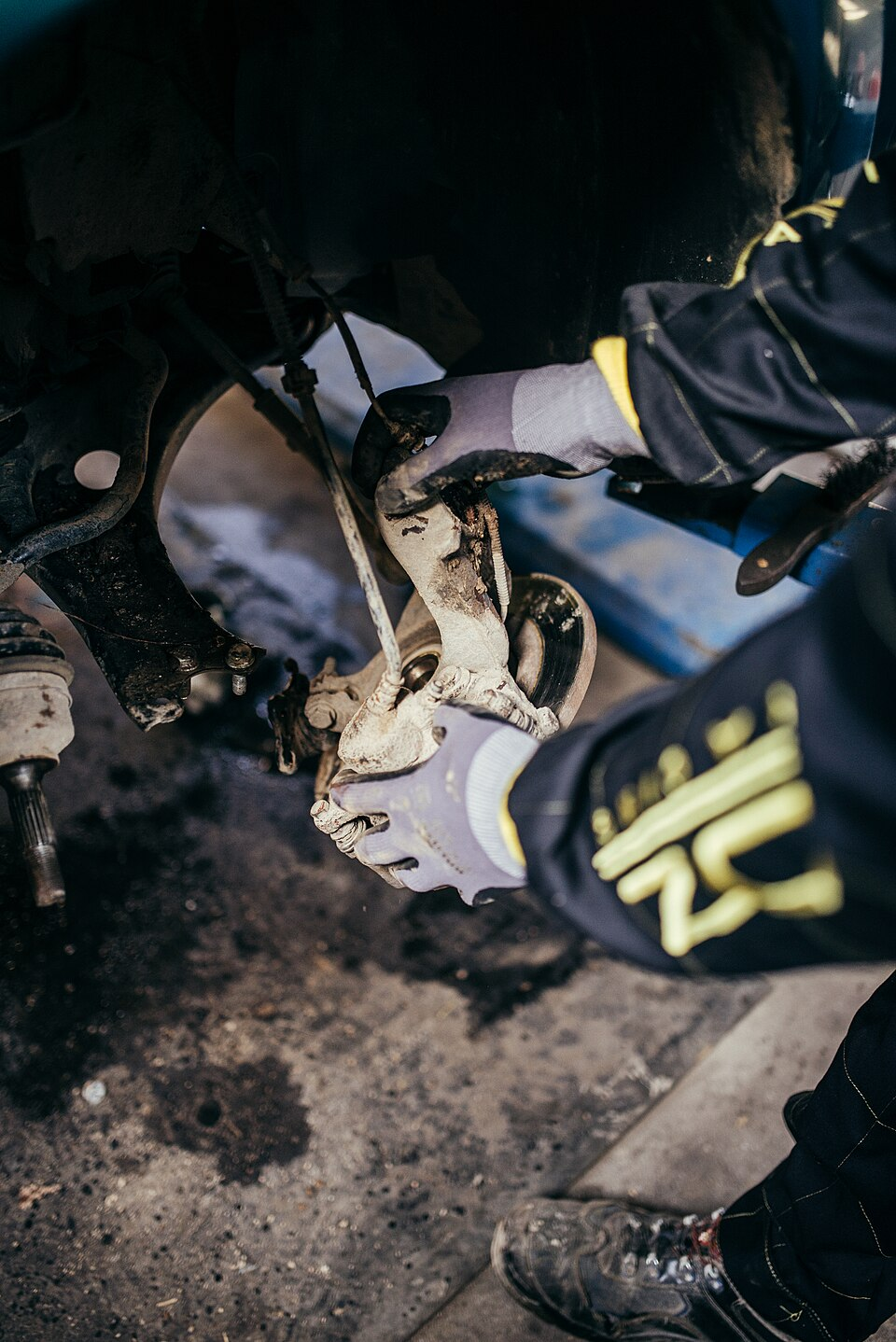
A beater checked his progress by running a flat palm over the panel, because a hand feels a change of curvature that an eye looking at a dull unpainted surface cannot see.
The standard trick is to close the eyes while doing it, which sounds affected and is simply how you stop the eyes overriding the hand.
That method has not improved and is still taught. What has been added is measurement — jig and laser measuring of the whole body — so that the shape of a vehicle is now a set of numbers rather than a trained impression. The palm is still faster than the jig for a single panel, which is why it survived into a trade that measures everything else.
5. Planishing was the finish, and it took as long as the rest
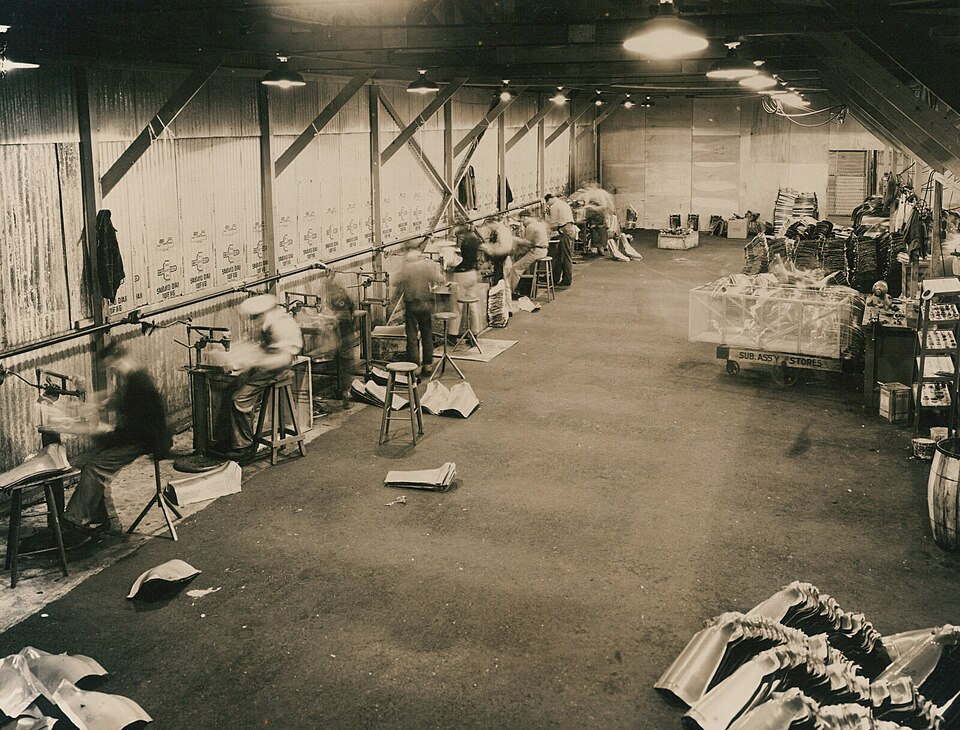
Once the shape was back, the panel surface was still a field of small irregularities, and planishing meant working it with a smooth-faced hammer on a dolly until the surface was flat and even.
Done properly it produces a panel needing almost no filler, which was the mark of a good job and the thing a beater’s reputation rested on.
That standard has largely gone from volume repair, not because anybody decided it was wrong but because a thin skim of modern filler achieves the same visible result in a fraction of the time. The skill survives where the finish must be metal-true, mainly in restoration and competition work. A metal-finished panel also lasts better, because filler of any kind is a layer that can fail independently of what is underneath it.
6. Lead filling was the last resort and a craft in itself
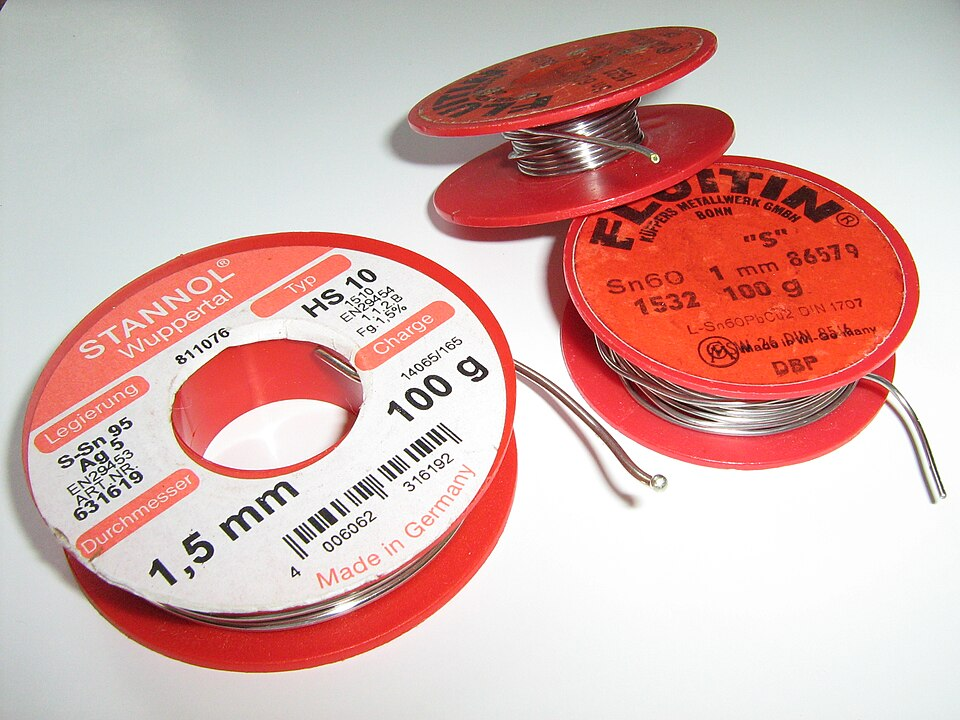
Before plastic fillers, the small remaining imperfections were filled with body solder, a soft lead-rich alloy wiped on with a heated paddle and then filed and sanded to shape.
It was a skilled operation whose entire difficulty was heat: the material has a narrow working window and reads as useless on either side of it.
Plastic body filler, general by the later 1960s, replaced it completely for ordinary work. It needs no heat, no paddle skill and no lead, and that third point is the one that matters most. The trade adopted it fast, which tells you something about how much nobody enjoyed working with the alternative.
7. Lead is why old repair work needs professional handling now
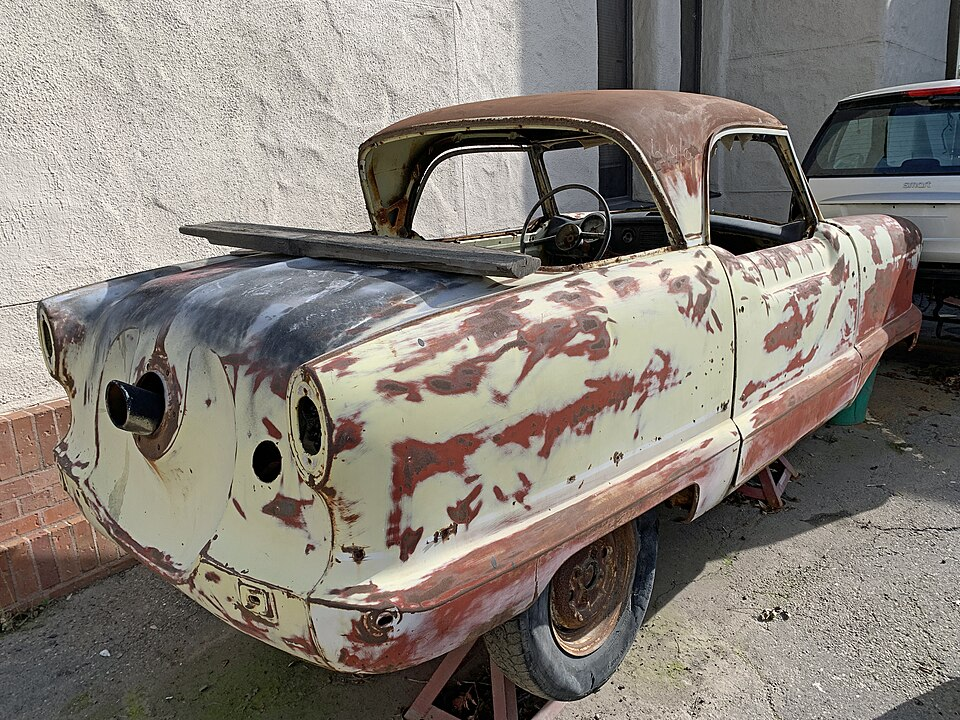
A vehicle repaired before the late 1960s may have lead-based body solder in its seams and filled areas, and the same era’s paint systems used materials that are now controlled.
That is the main reason restoration of a vehicle of this period is work for a professional shop rather than a home project, and why old repairs are not simply ground back without knowing what is in them.
Modern repair involves no lead at all, and current regulation covers how older materials are identified and handled. Anybody working on a vehicle of this age should get that assessed properly rather than assume anything from an article. That is the one piece of advice in this file and it is the only sensible one available.
8. Dust extraction did not exist
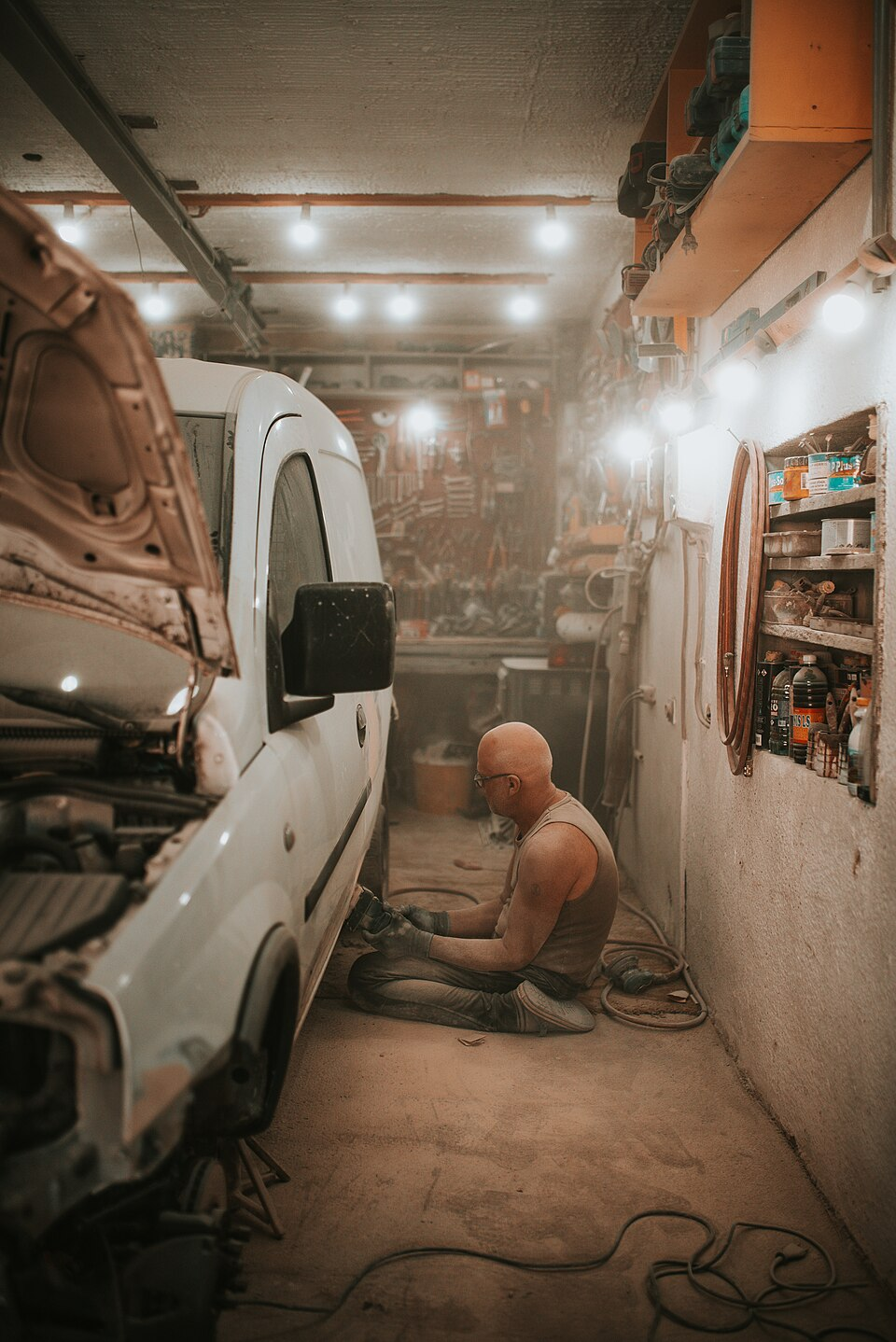
Filing, sanding and grinding filler, paint and metal in 1960 was done in an open workshop with no extraction, no enclosure and in most cases no respiratory protection.
The dust from that work contains whatever the vehicle was made and finished with, and in this period that included materials that are now controlled.
Modern bodyshops have extracted benches, enclosed preparation bays, filtered breathing air for spraying and mandatory respiratory protection, with exposure monitoring. It is one of the most completely transformed working environments in the whole of vehicle repair. An old bodyshop is remembered by everybody who worked in one as a place with a permanent haze in the air, and that haze is the entire story.
9. Paint was mixed and sprayed in the same room as the work
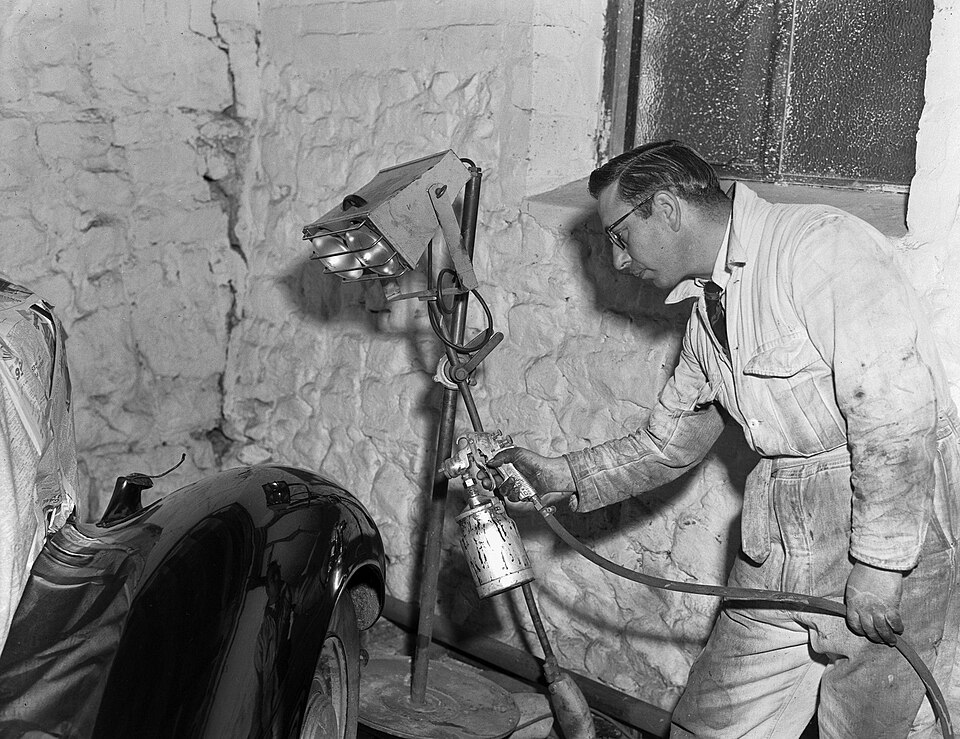
Spraying in a 1960 bodyshop very often happened in a corner of the general workshop, with the rest of the trade continuing around it and the only ventilation being an open door.
Paint of that era used solvents and pigments that are now either controlled or withdrawn, and the exposure of everybody in the building was taken as unremarkable.
Spraying now happens in a dedicated booth with filtered extraction, air-fed masks and recorded controls, and the paint systems themselves are water-based for most colours. The change is complete and nobody disputes it. Spray booths also improved the paintwork, because dust settling on wet paint was the commonest defect in the old arrangement.
10. A panel was heated with a torch and cooled with a wet rag
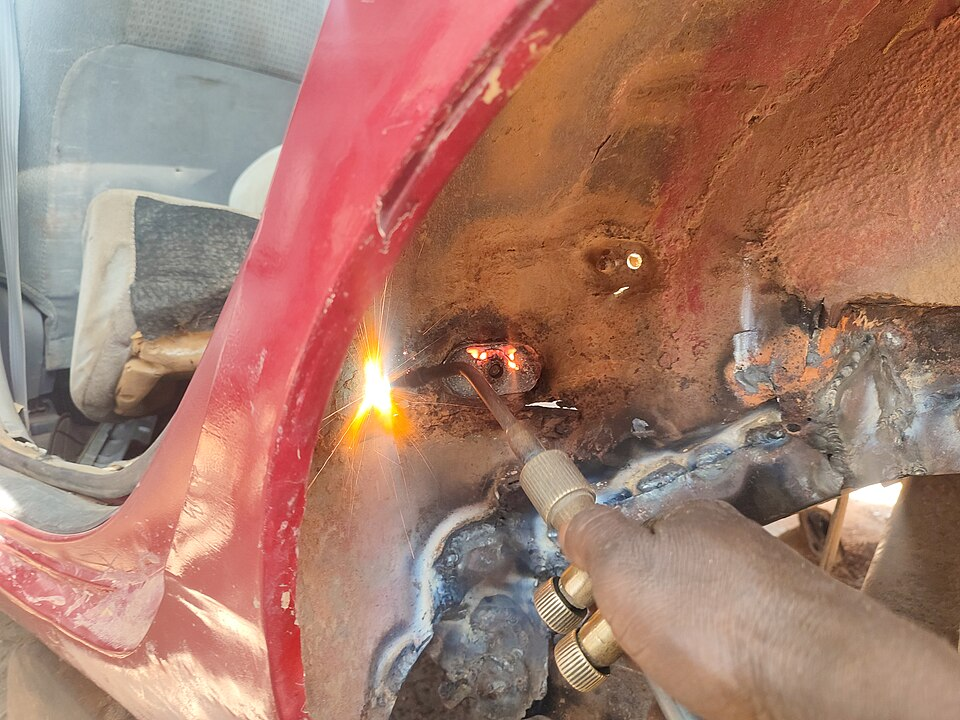
Shrinking a stretched area of steel was done by heating a small spot with a gas torch and then quenching it, which pulls the metal in as it cools.
It works, it is still a recognised technique, and in unskilled hands it causes more trouble than it cures by distorting the surrounding panel.
Shrinking discs and induction heaters now do the same job with far more control and no flame. The underlying metallurgy is identical; the delivery is not. Control is the whole difference, since the technique’s failure mode is putting heat somewhere you did not intend it to go.
11. Nothing about the repair was recorded
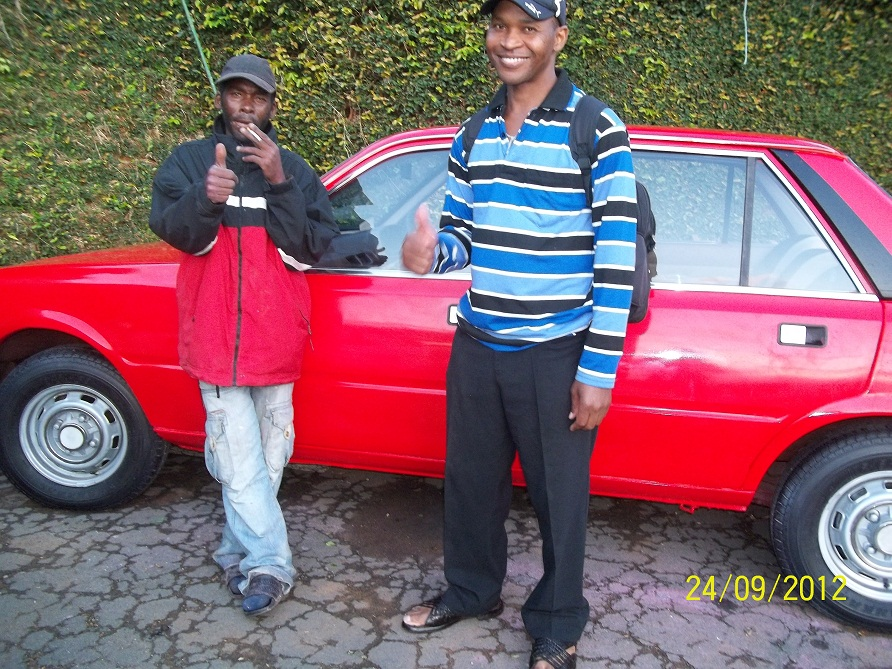
A 1960 repair left no record of what had been done, what had been replaced, what had been filled or how heavily, and a vehicle changed hands with that history invisible.
A buyer assessed a car by looking down the panels at a reflection, which is still the best quick test anybody has.
Repair records, insurance databases and written-off registers now attach a documented history to a vehicle. The reflection test still works; it is simply no longer the only thing available. Looking down a panel at a distant straight edge, a door frame or a roofline remains the fastest way to find a repair that anybody has.
12. Structural repair was done by judgement, on a flat floor
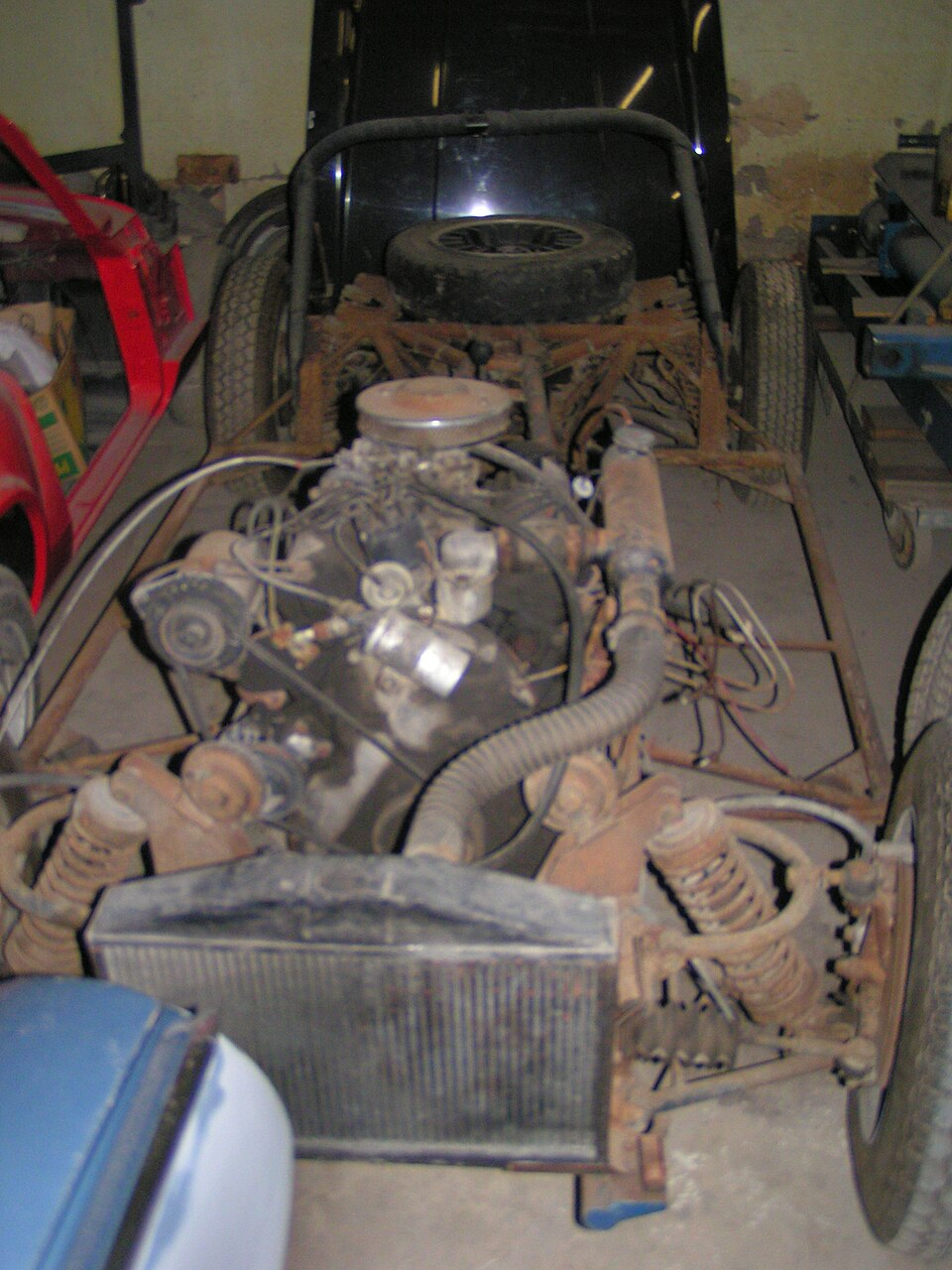
A bent chassis or a distorted body was pulled and pushed back with chains, jacks and a good deal of experience, checked by measuring diagonals with a tape and a plumb bob on a floor that was assumed to be level.
For a separate chassis and a bolted body that was a reasonable method and could produce a vehicle that drove perfectly well.
Modern bodies are monocoques whose structural behaviour depends on specific crumple zones and specific joint strengths, and structural repair is done on measuring jigs to manufacturer data with specified replacement sections and joining methods. This is the single largest difference between then and now. It is also the reason the trade’s entry requirements changed, because a measuring jig and manufacturer data are not things a small shop can improvise.
13. Welding was gas, and it put heat into everything
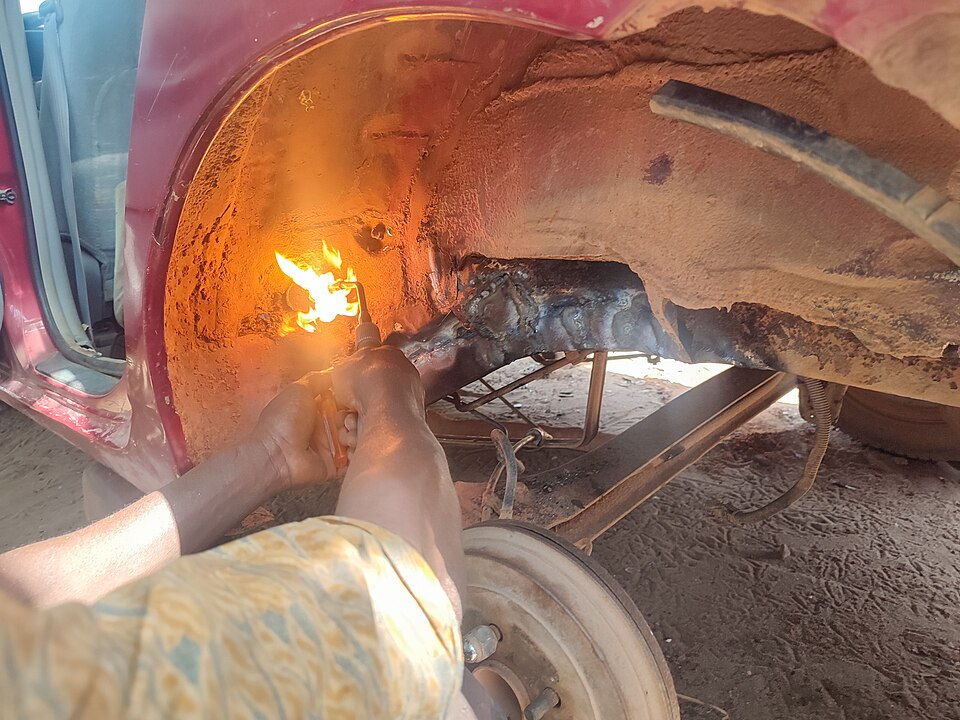
Panel joining in 1960 was predominantly oxy-acetylene gas welding, which puts a large amount of heat into a wide area and distorts thin panels as it goes.
A beater therefore spent time correcting the distortion his own welding had caused, which was simply part of the job.
MIG and resistance spot welding replaced it, putting far less heat into a much smaller area. Modern structural repair specifies the joining process, and gas welding a structural panel would not be acceptable. Gas welding has not gone away, though; it remains the right process for a good deal of restoration work on vehicles that were built with it.
14. The shop worked on whatever came in, including things that were not cars
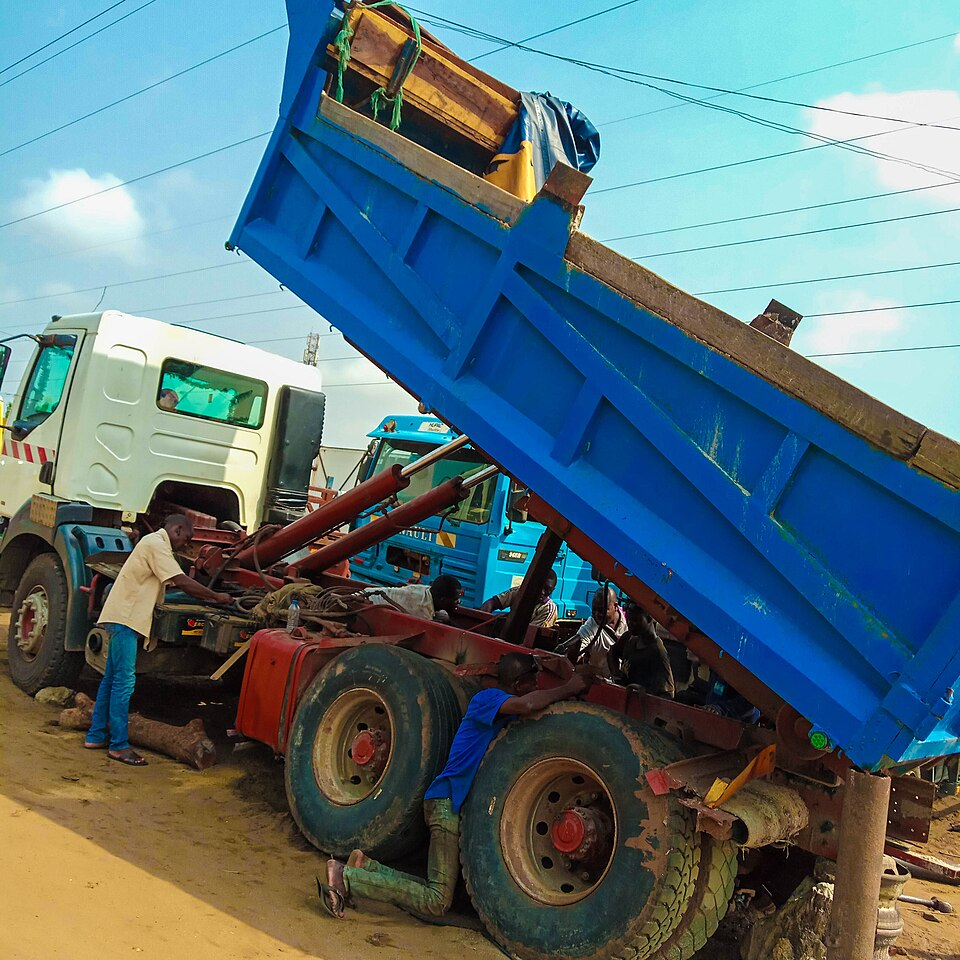
A general panel shop in 1960 repaired cars, vans, lorries, buses, agricultural machinery and anything else with a dented metal surface, because the skill is in the metal rather than the vehicle.
That breadth made beaters extremely versatile and meant the trade was not tied to any one manufacturer’s methods.
Modern repair is manufacturer-specific, with approved methods, approved materials and often approved equipment required to carry out a repair at all. Versatility has been replaced by accreditation. That is a real trade-off rather than a straightforward gain, and the small general shop is what it cost.
15. Aluminium was a specialist material, and now it is everywhere
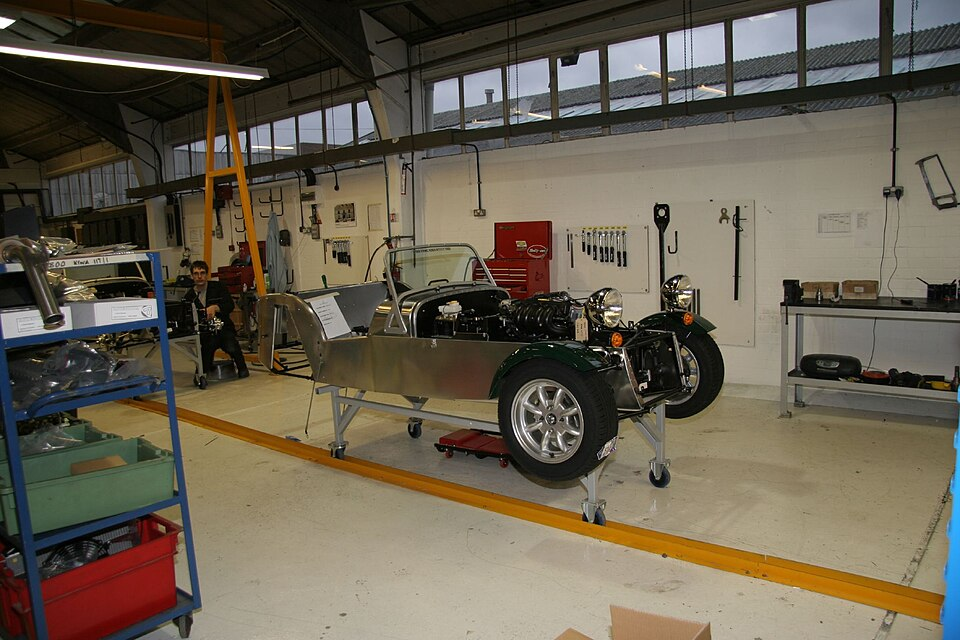
Aluminium panels in 1960 were found on expensive and hand-built vehicles, and a beater who could work aluminium well was a specialist within a specialism.
Aluminium behaves differently from steel: it work-hardens faster, has far less elasticity and will crack where steel would stretch.
Mass-market vehicles now use aluminium extensively, and repairing it requires separate tools, a separate work area to avoid contamination between metals, and separate training. The specialism became a mainstream requirement. Cross-contamination is the detail most people miss: steel particles embedded in aluminium will corrode it, which is why the two metals now get separate bays.
16. The decision to repair or replace was the beater’s to make
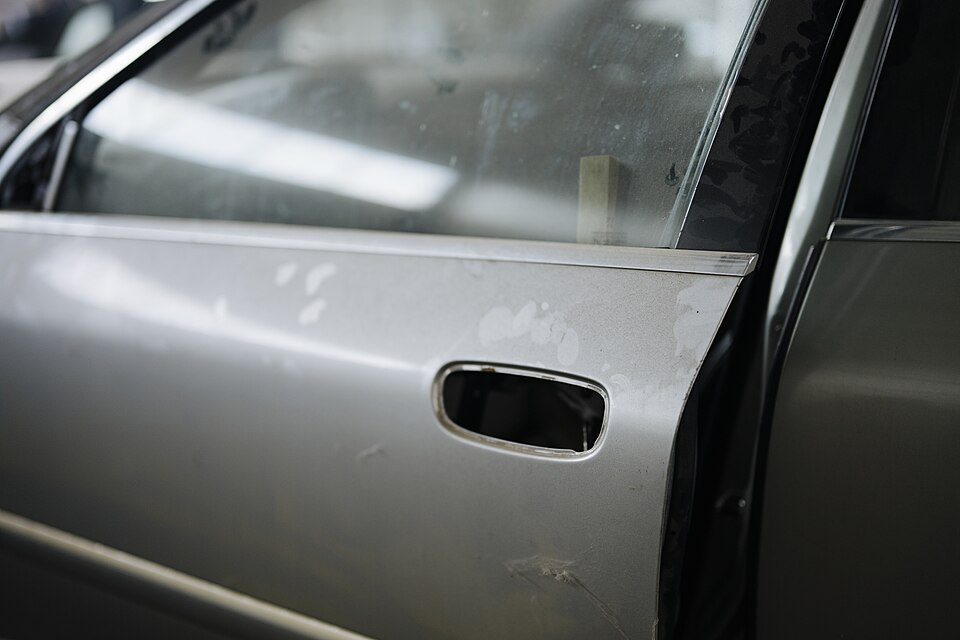
In 1960 the man doing the work looked at the damage and decided what to do about it, and his judgement was the whole of the process.
That produced fast decisions, enormous variation between shops and repairs that ranged from excellent to barely acceptable.
That decision is now made against manufacturer repair methods, insurer authorisation and a written estimate produced from a database. The beater’s judgement is still used, but it is used inside a framework that did not exist. Beaters of that generation tend to describe the framework as interference and the results as better, often in the same sentence.
The two changes underneath all of it
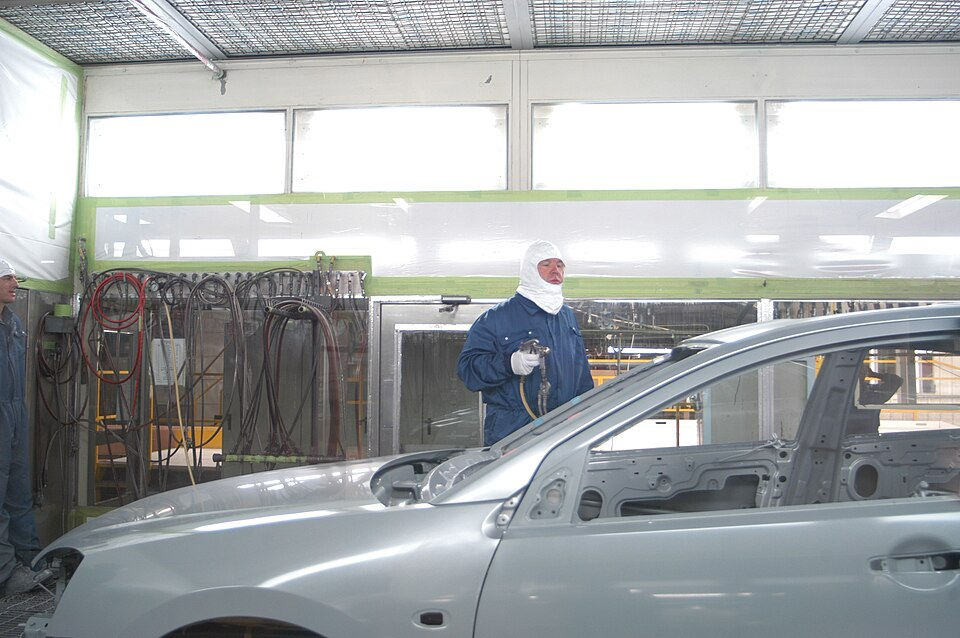
The first is structural. A 1960 body was a shell bolted to a chassis, so panel repair was a matter of shape; a modern body is a monocoque whose crash performance depends on specific sections and joints, so repair became a specified engineering operation rather than a judgement. The second is exposure. Lead solder, old paint systems and unextracted dust were simply breathed in, and the modern bodyshop’s booths, extraction, air-fed masks and monitoring exist because of it.
The beaters were extraordinarily good at something that has largely stopped being asked for. That is a different kind of loss from a trade being done worse.
Like our content? Follow us for more.