A 1960 mattress was filled with whatever fibre was cheap, tufted through by hand, and made in a dusty room with no extraction and no requirement to say what was inside it. Here are sixteen things about that trade that regulation has since changed.
1. The filling was whatever fibre could be bought cheaply
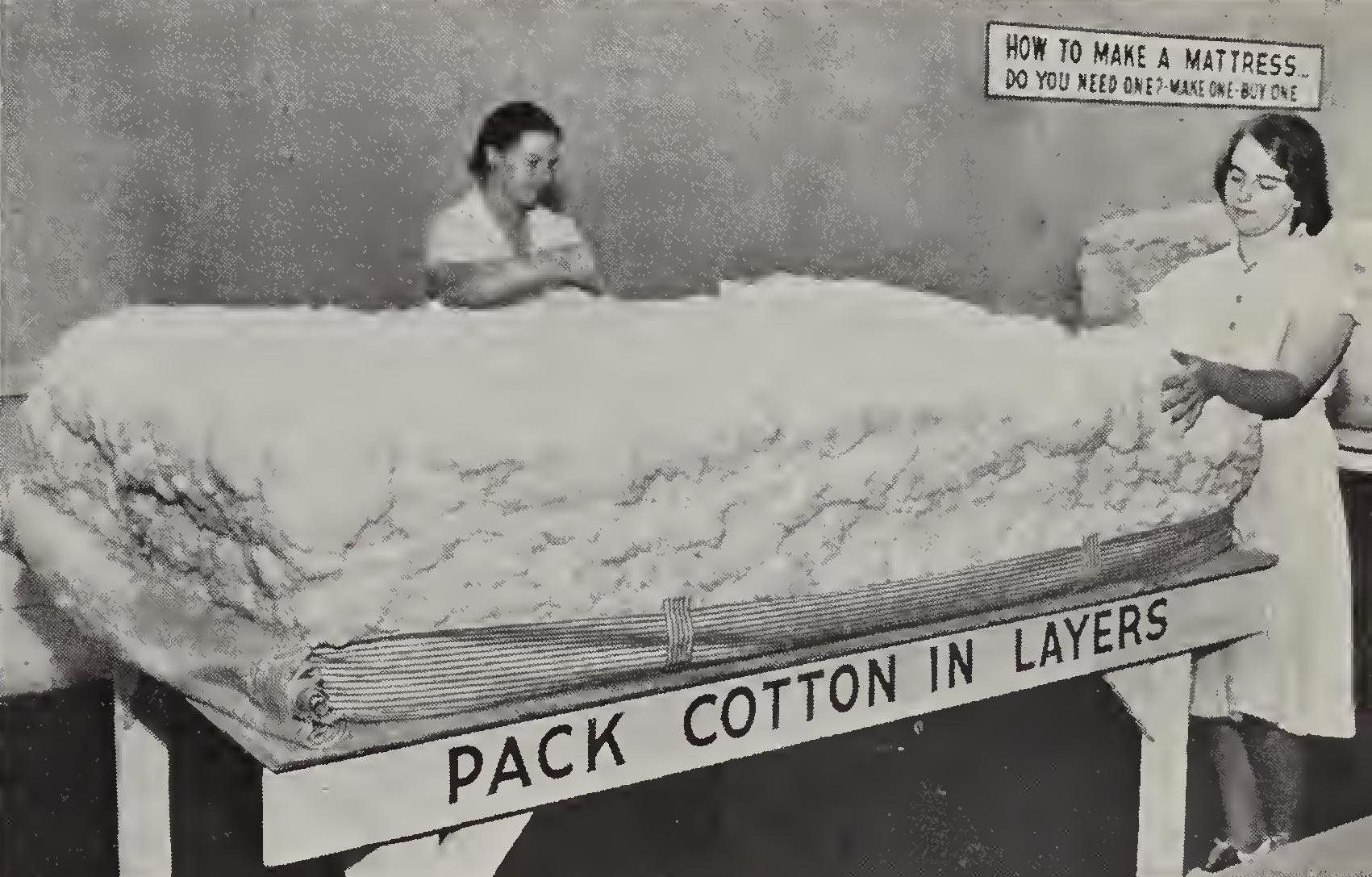
A 1960 mattress at the lower end of the market was filled with flock, which is a general term for shredded and reclaimed fibre of mixed origin, pressed into a case and tufted through.
At the better end it was layered cotton felt, animal hair or wool over a spring unit, and the difference between grades was largely a difference in what the filling actually was.
Modern mattresses are built from specified materials with declared composition — foams of stated density, pocket springs of stated count, needled fibre pads to specification — and the content is labelled. The idea that a filling could be simply unspecified mixed fibre has gone entirely. Grade, in the old sense, was a word that did a great deal of work: it told a retailer roughly what he was buying and told the customer almost nothing at all. A cheap mattress and an expensive one could look identical from outside the ticking.
Like our content? Follow us for more.
2. Tufting held the whole thing together and was done by hand
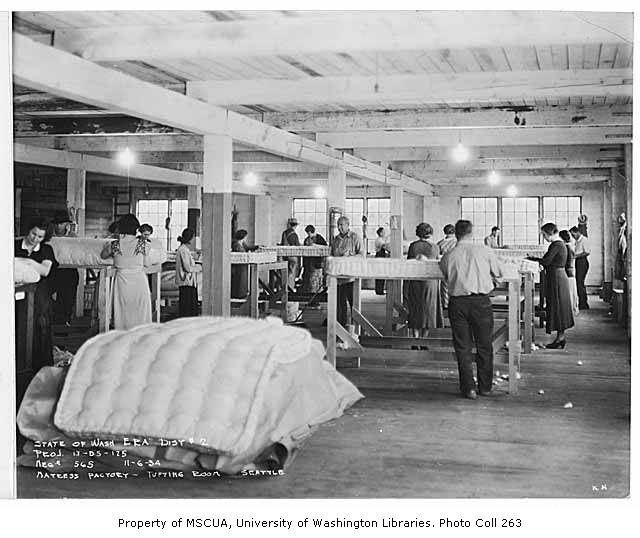
A tufted mattress is stitched right through from one face to the other at regular intervals, with a tuft or washer at each end, which stops the filling migrating into lumps.
In 1960 that was done with a long needle and twine by a man working across a mattress on a bench or the floor, pulling each tuft down to a depth that had to match its neighbours.
Tufting machines, quilted covers and pocketed spring units made the operation either automatic or unnecessary. Hand tufting survives on traditional and high-end mattresses, where it is specified and charged for. The depth matters because an uneven tuft shows as a dimple that deepens with use, so a mattress tufted carelessly looks worse every year rather than merely once.
3. The spring unit was assembled from loose coils
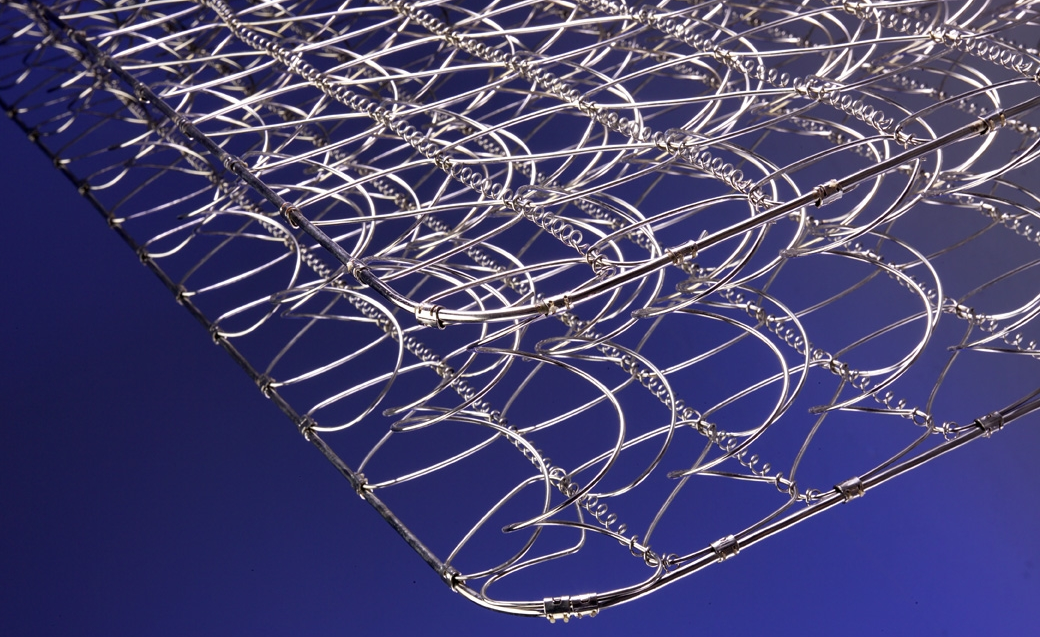
An open-coil mattress spring unit is a field of hourglass coils connected to each other at top and bottom by a helical wire, with a border rod around the edge.
In 1960 much of that assembly was machine-made and much of the finishing — clipping, border wiring, edge forming — was hand work, done fast and repetitively on piece rates.
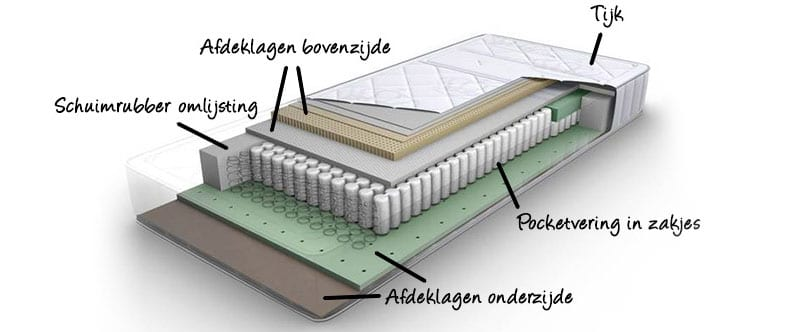
Spring units are now wholly machine-made and increasingly pocketed, with each coil in its own fabric sleeve so that it moves independently. The open-coil unit survives at the budget end and the manual finishing has gone. Border wiring in particular was the operation that determined whether a mattress kept its shape at the edge, which is where most of them fail first.
4. Flock dust was in the air all day
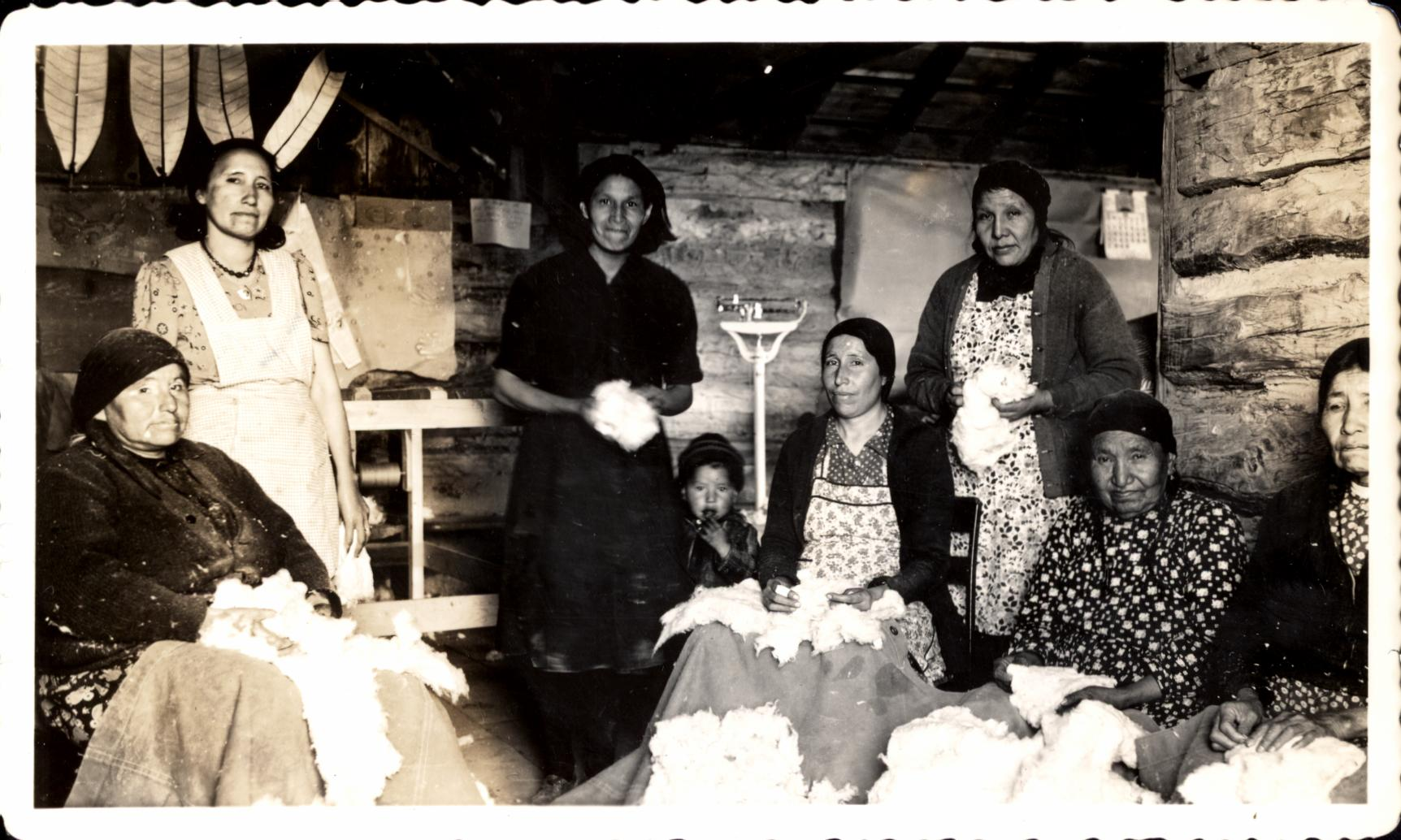
Opening, feeding, filling and tufting with reclaimed fibre released a continuous fine dust, and a 1960 filling room was a visibly dusty workplace with no extraction.
The content of that dust depended entirely on what the fibre had been before, which in the case of reclaimed material was frequently unknown.
Modern fibre processing and mattress filling happen in extracted plant with local exhaust ventilation, respiratory protection where required, exposure monitoring and health surveillance. This is one of the clearest before-and-after comparisons in the whole of textile manufacture. Filling rooms were also often the worst-paid part of the works, which is a pattern that repeats across the whole of the fibre trades.
5. Reclaimed material was regulated, and the regulation was the point
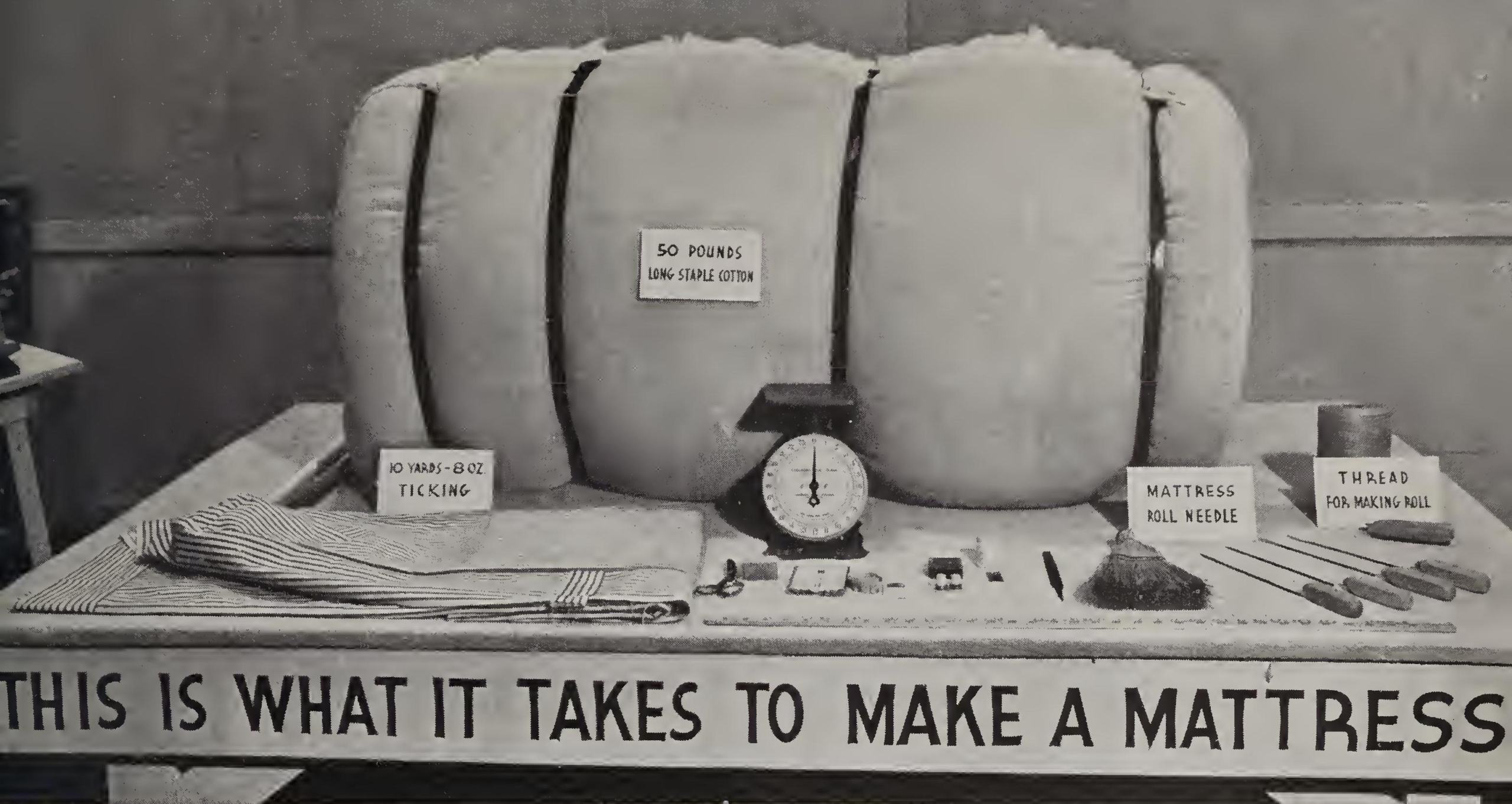
Using reclaimed fibre in bedding was a known public health question well before 1960, and there was a body of regulation covering what could be used, how it had to be cleaned and how it had to be labelled.
That regulation existed precisely because the practice carried risks that had been identified, and compliance across the industry was uneven.
The modern framework is far stricter and far better enforced, with specified cleanliness requirements, traceable sourcing and labelling that states the content. The direction of travel in this trade has been consistently towards knowing what is in the product. That is worth stating plainly because it is the thread running through almost everything else on this list.
6. Covers were stitched on heavy industrial machines by hand feeding
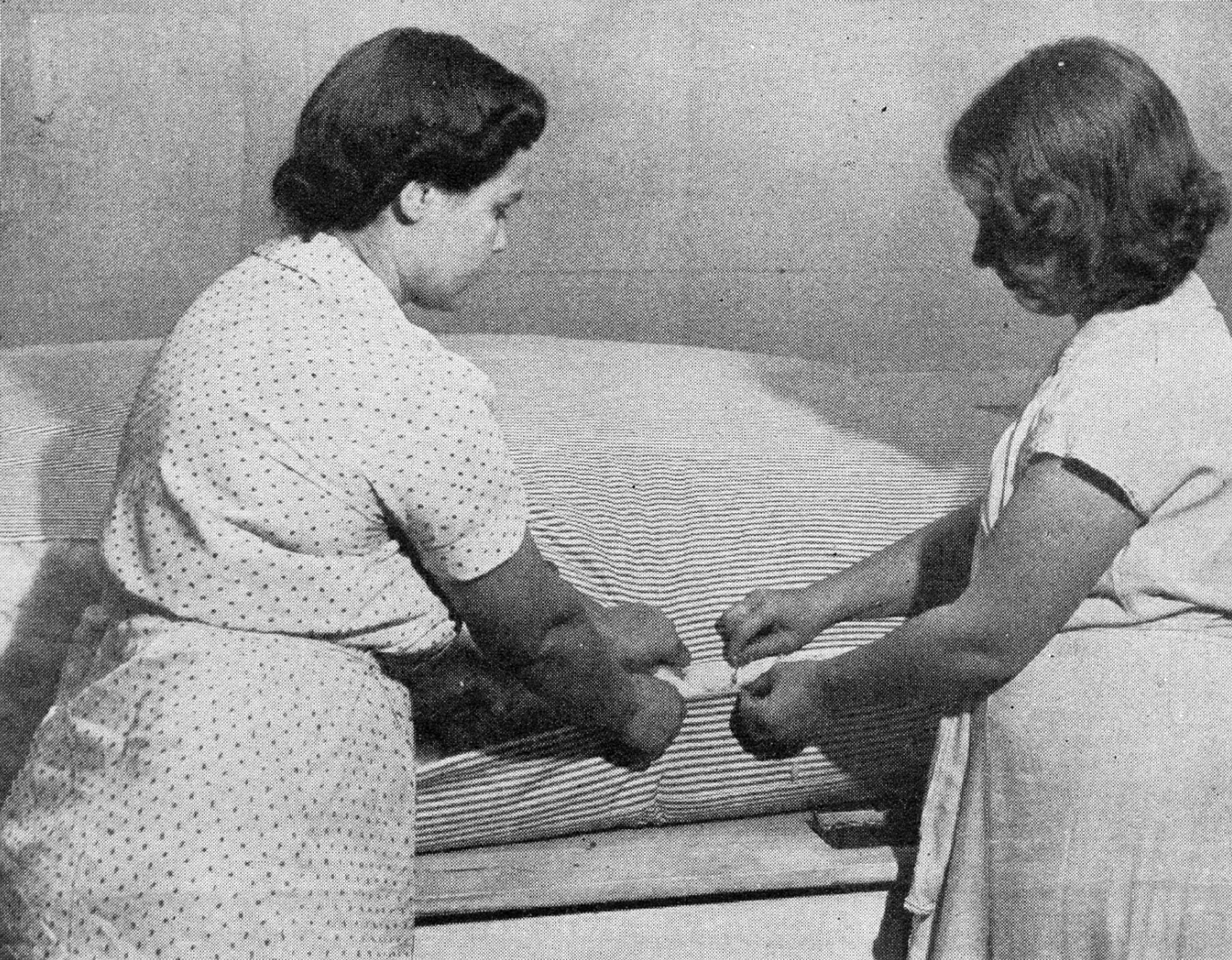
A mattress cover in 1960 was cut, panelled, piped and closed on heavy sewing machines, with the operator handling a large, heavy and awkward piece of work throughout.
Tape edging — the operation that joins the border to the panels around the whole perimeter — was done on a machine with the mattress manoeuvred by the operator, and it is physically demanding work.
Tape edging is still done this way on a great deal of production, which is unusual in this list. What has changed is that panels arrive pre-quilted from automated machines and the handling is assisted. Tape edgers are among the last genuinely skilled machine operators in the industry, and good ones are valued accordingly.
7. Fire performance was not a requirement

The filling and covering materials of a 1960 mattress were selected for cost, comfort and durability, with no regulatory requirement about their behaviour in a fire.
That applied across bedding and upholstery alike and is the single largest difference between the materials of then and now.
Mattress and bedding materials are now subject to strict fire performance requirements with specified tests, labelling and records, and the composition of a modern mattress is substantially determined by them. Nothing else on this list changed the product as completely. It changed the supply chain with it, since every component now has to arrive with its own evidence rather than simply being bought by the bale.
8. An old mattress is not a restoration project
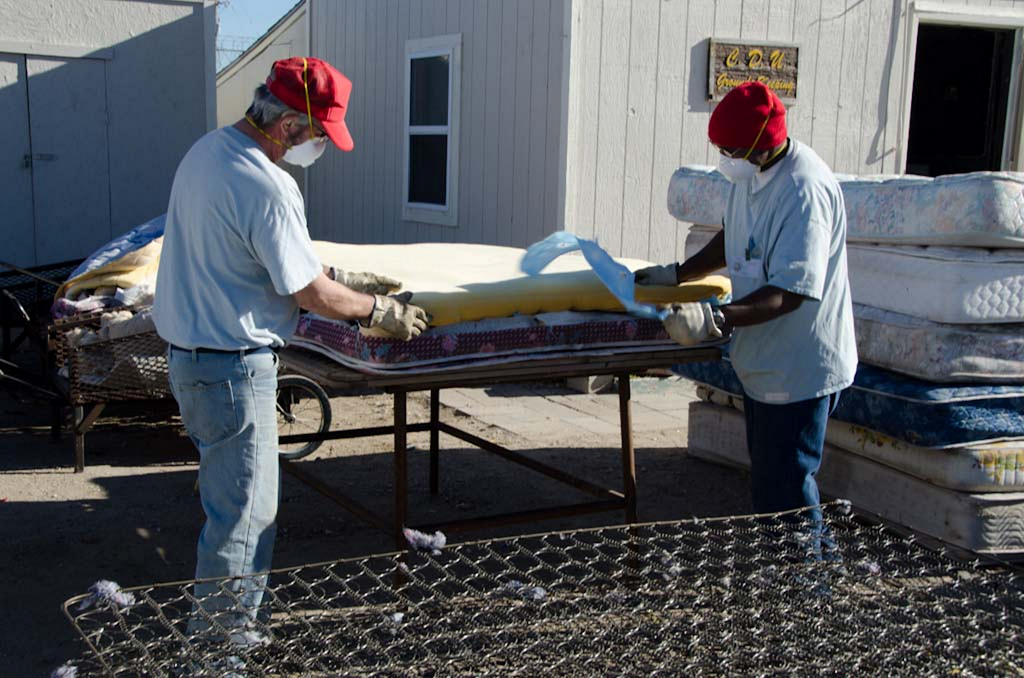
A mattress made before the 1970s may contain reclaimed fibre of unknown origin, decades of accumulated dust and, if it has foam, material that has degraded into a fine crumbling dust.
That is why old mattresses are not opened, re-covered or reused, and why the correct destination for one is a licensed waste or recycling route rather than a workshop.
Mattress recycling is now an organised industry that strips units in controlled conditions for steel, foam and fibre recovery. Anybody with an old mattress should use that route rather than open it. Most local authorities and retailers now operate collection arrangements for exactly this, which did not exist twenty years ago.
9. Everything was carried, by people, at every stage
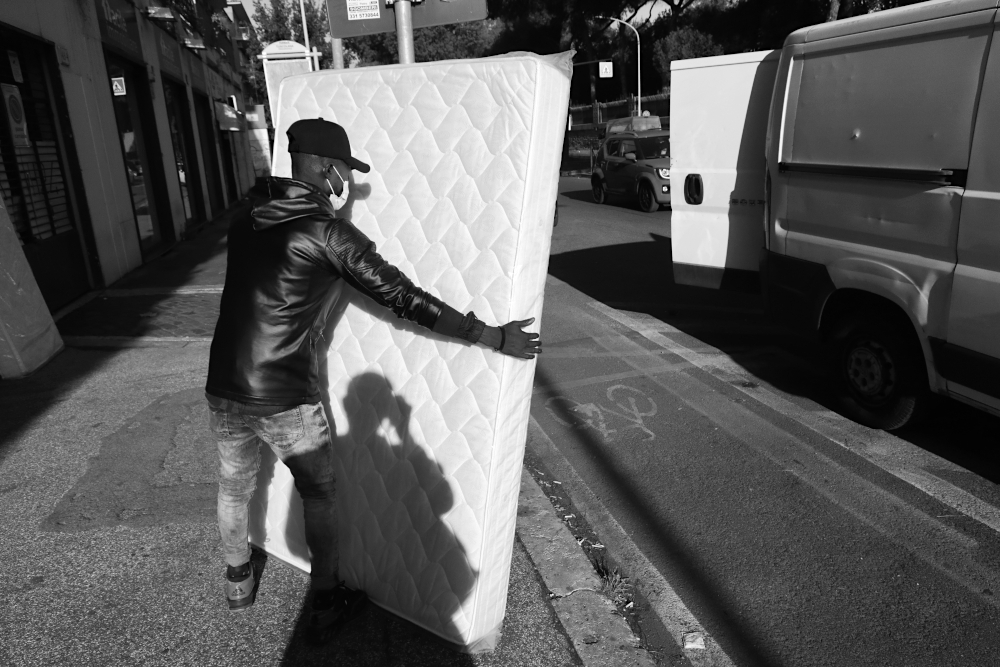
A mattress is bulky, heavy and difficult to hold, and in 1960 it was lifted, turned, carried and stacked by hand at every stage from filling to loading.
Manual handling of that kind, repeated through a shift, was simply the nature of the work and no part of the process was designed to avoid it.
Modern plants use conveyors, turning tables, vacuum lifters, compression and roll-packing so that a mattress is handled mechanically for most of its journey. Manual handling assessment is now a legal requirement and the layout of a factory is designed around it. Anybody who has carried a double mattress up a staircase has a reasonable idea of what the job was like repeated all day.
10. Sizes were many and standardisation was loose
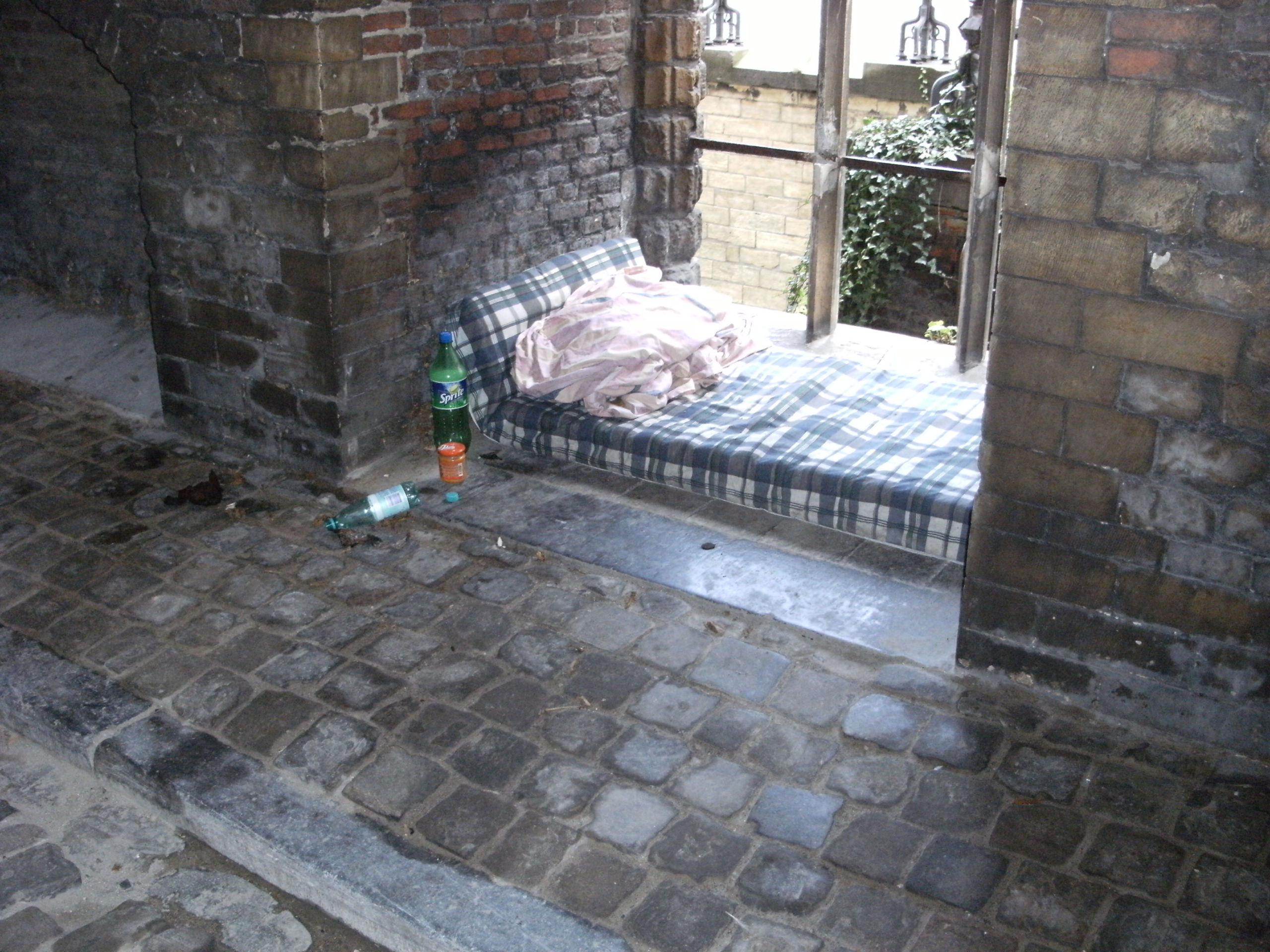
Bed sizes in 1960 varied between makers, between countries and between the trade and the retail names used for them, and a mattress was often made to the bed rather than to a standard.
That meant short runs, frequent changes and a great deal of made-to-order work in what was otherwise a production environment.
Sizes are now standardised within each market and production runs are long. Made-to-measure mattresses still exist and are priced as a special, which is exactly the inversion of the 1960 position. Older beds are the usual reason people need one, and antique bedsteads in particular almost never match a modern size.
11. Why American production pulled ahead on scale
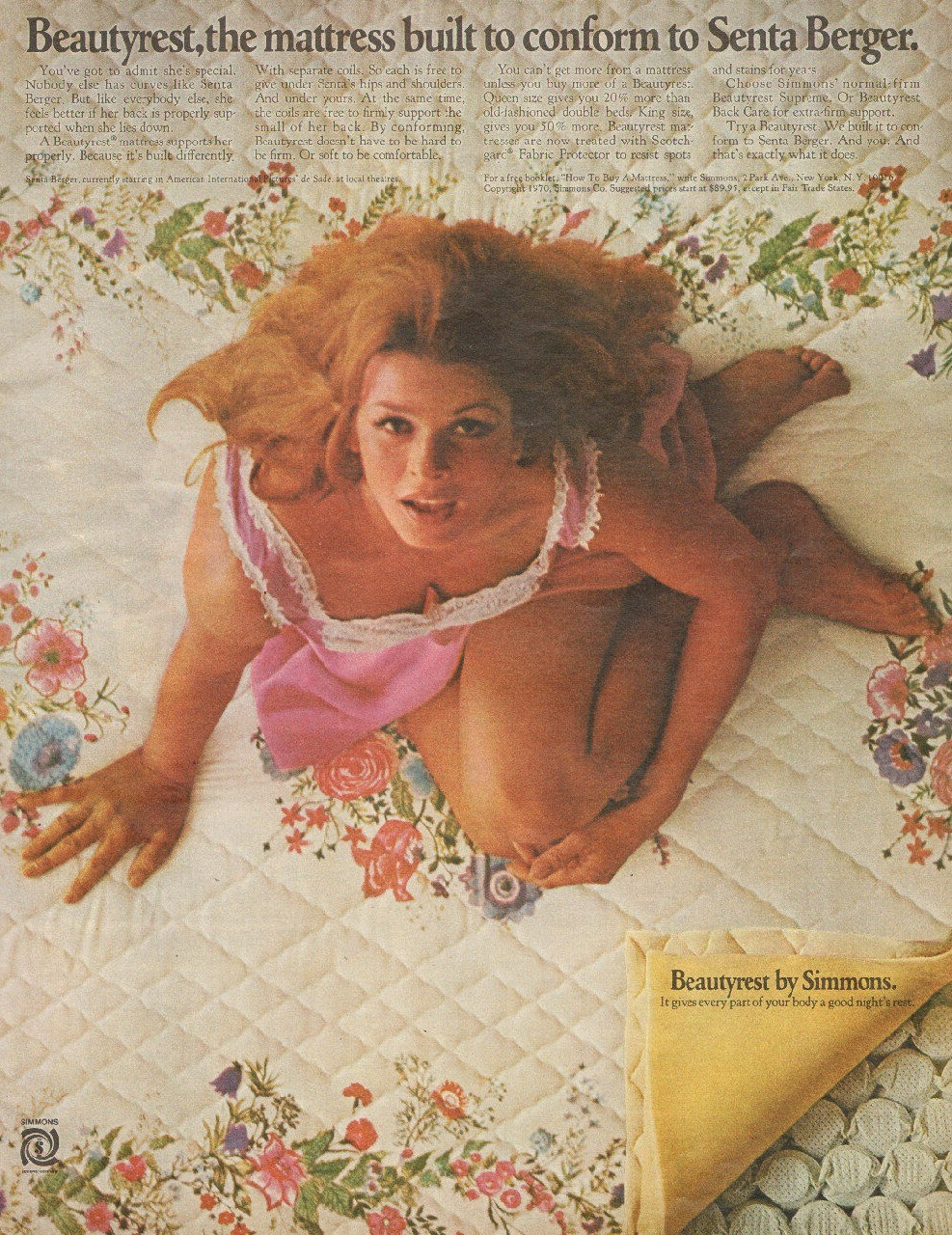
American bedding manufacture consolidated earlier and ran at much larger volumes, with licensed brand manufacturing across regional plants and a far more developed national retail market for branded mattresses.
That pushed American plants towards mechanised spring assembly, mechanised quilting and standardised sizes sooner than most, and towards marketing the product by name rather than by grade.
American mattress plants today are heavily automated and the market is dominated by a small number of brands and by direct shipping of roll-packed products. The direction was set early and the rest of the world followed it. Branding mattresses by name rather than by grade was itself part of the move towards declared content, since a brand has to stand behind what it sells.
12. The product was expected to be turned, not replaced
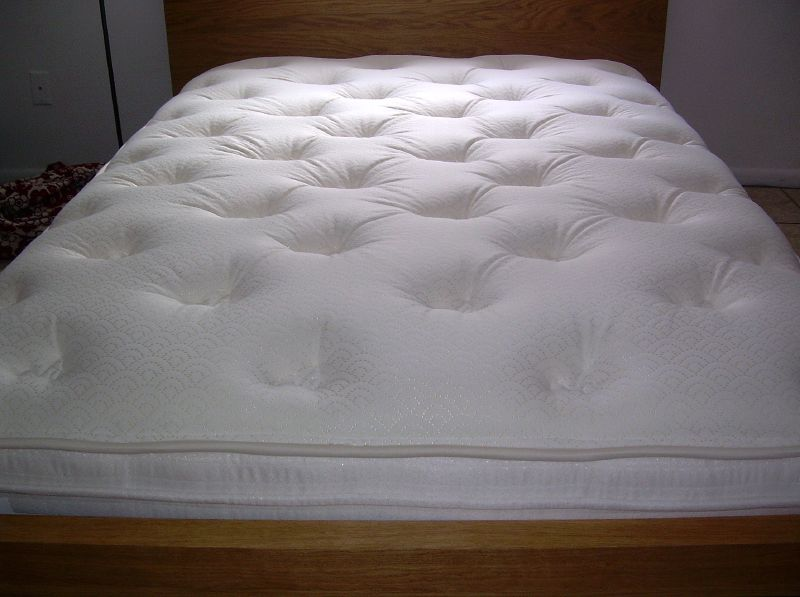
A 1960 mattress was double-sided and the customer was told to turn it regularly, because the filling settled and turning it evened out the wear.
That made the mattress a long-lived object with an expected maintenance routine, and a good one lasted a very long time.
Most modern mattresses are single-sided with a comfort layer that cannot be slept on from both faces, and the advice is to rotate rather than turn. The expected life is also shorter, which is a trade the market appears to have accepted. A double-sided mattress is heavier, more expensive to make and lasts longer, and almost nobody is buying one.
13. Returns and hygiene were handled informally
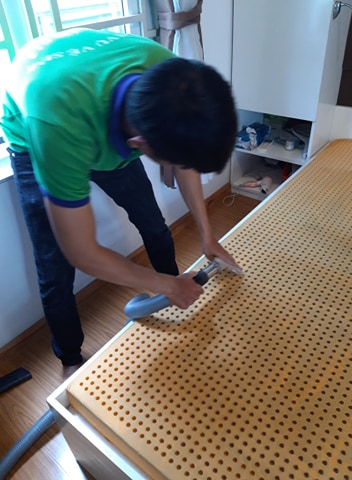
In 1960 a mattress could be returned, exchanged or taken in part-exchange with very little in the way of hygiene procedure, and reconditioning was a real if disreputable trade.
That is precisely the practice the regulation on reclaimed materials existed to control, and the gap between the rule and the practice was a live issue.
Mattresses are now non-returnable once used in almost every market, with hygiene and labelling requirements and a licensed recycling route for disposal. The reconditioning trade has gone and nobody regrets it. It is the one item on this list where the modern position is not a trade-off of any kind.
14. Piece rates set the pace of everything
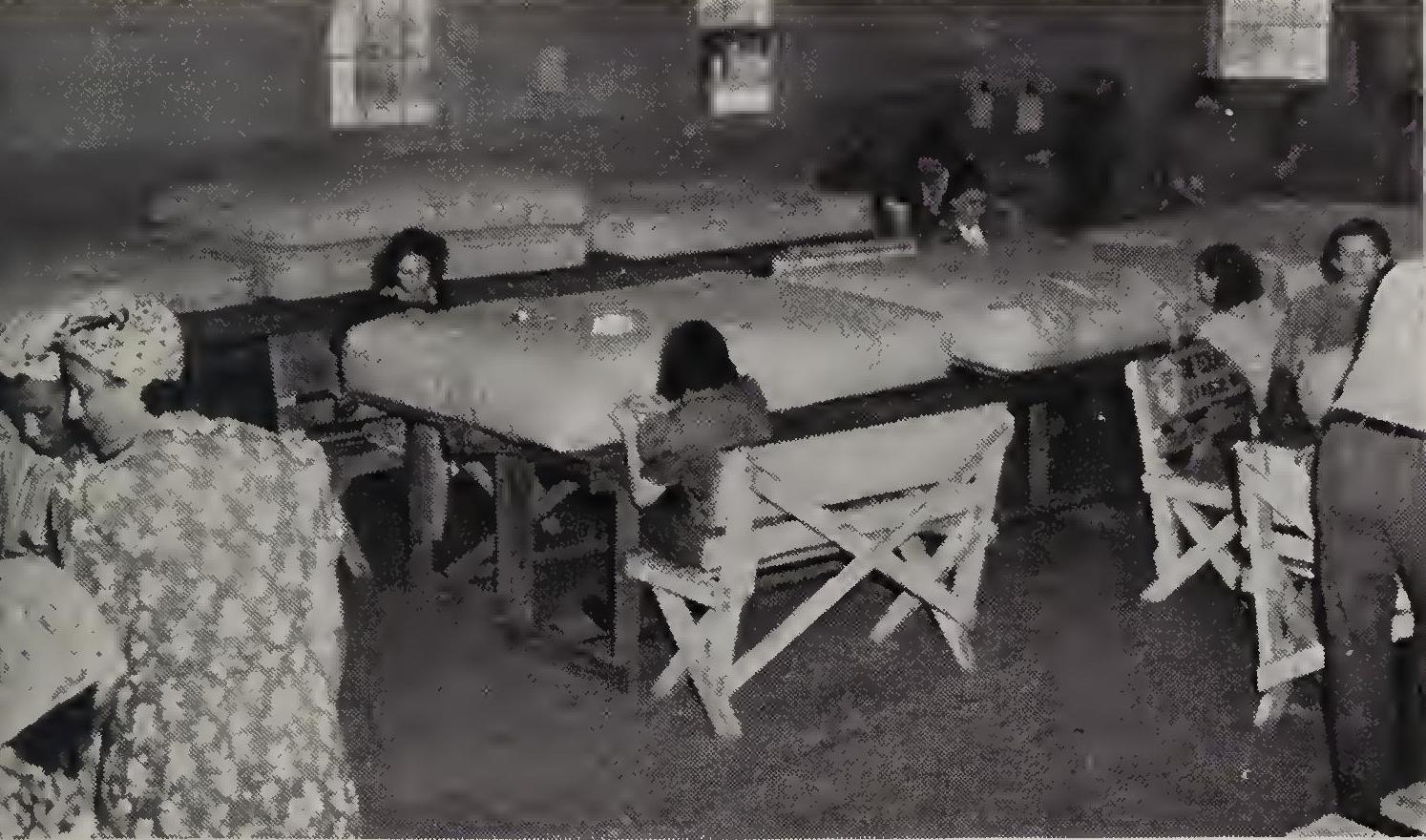
Most operations in a 1960 mattress works were paid by the piece, which meant the speed of the work was set by the operator’s own economic interest rather than by a line.
That produced very fast working, considerable variation in quality and an entirely understandable reluctance to slow down for anything.
Modern plants run on line speed with quality checks at defined points, and pay is hourly or salaried with output managed rather than incentivised individually. It removed both the pressure and a certain amount of the pride. Piece workers from that era describe knowing their own daily figure to the unit, which is not something an hourly rate produces.
15. Quality was judged by the person making it
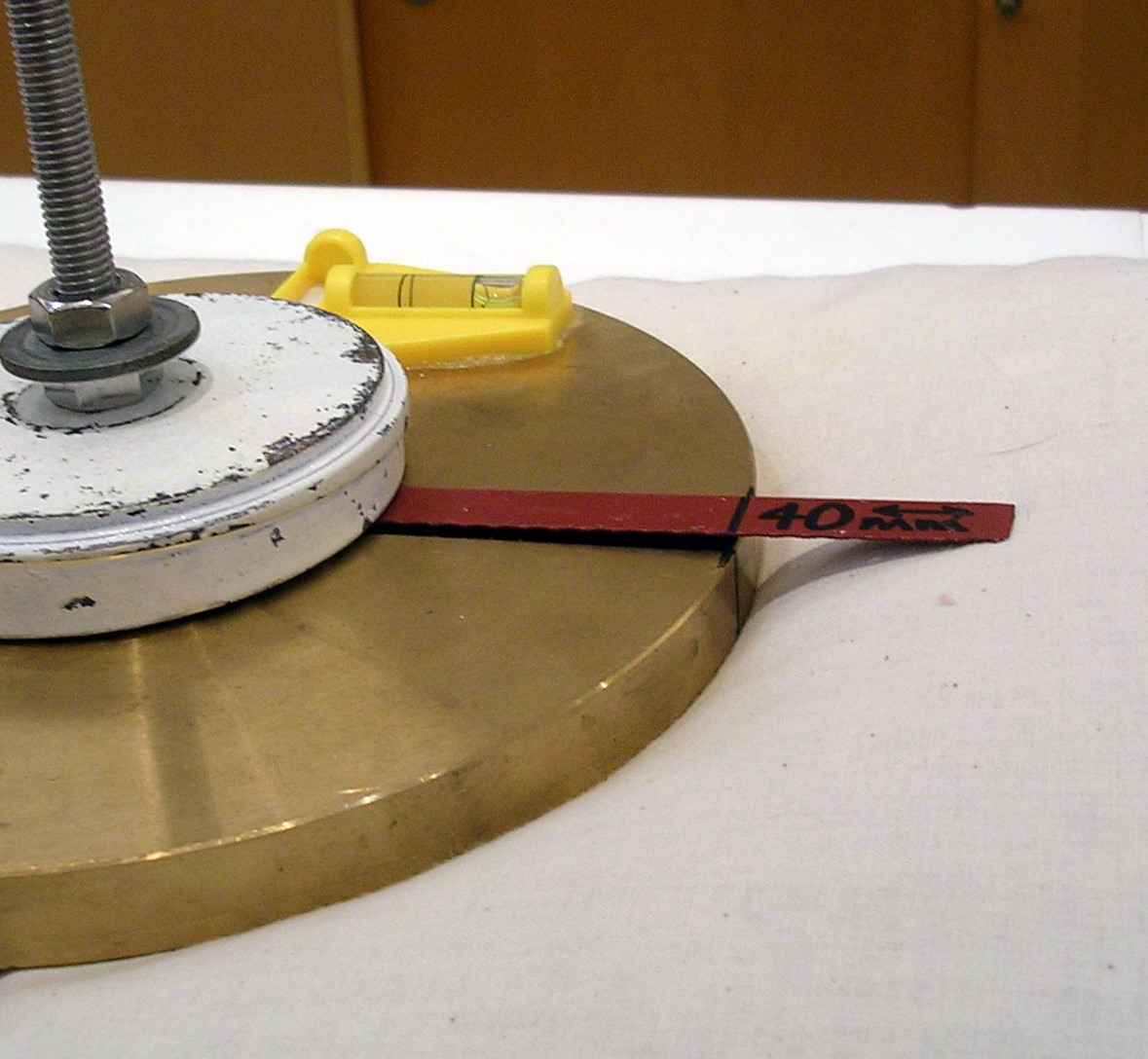
Whether a mattress was properly filled, evenly tufted and squarely finished was in 1960 largely a matter for the maker and the foreman, with inspection at the end rather than through the process.
A good works had a reputation and a poor one had complaints, and that was the whole of the quality system.
Modern manufacture uses in-process checks, specified tolerances, batch records and traceability to a shift and a machine. A defect can now be traced to where it happened, which was impossible then. Traceability also changed how complaints are handled, because a maker can now investigate rather than simply replace.
16. The whole trade was local, and now almost none of it is

Mattresses were made in a large number of small and medium works serving their own regions, because the product is bulky and expensive to transport relative to its value.
That is why almost every industrial town had a bedding manufacturer and why the trade employed so many people in so many places.
Roll-packing and vacuum compression changed the transport economics completely, allowing a mattress to be shipped in a box from anywhere. Production consolidated into a small number of large plants, and the local works closed. Compression is the quiet revolution in this trade: it turned a product that filled a van into one that fits on a pallet.
What the whole story is about
Knowing what is in the product. Almost every change on this list — declared composition, cleanliness requirements for reclaimed fibre, fire performance testing, labelling, batch traceability, licensed recycling — is a step towards the content of a mattress being a stated, checkable fact rather than a matter of grade and trust. The dust extraction and the mechanical handling improved the working conditions enormously, but the product itself changed because it had to be declared.
The 1960 works made something that lasted and was meant to be turned for twenty years. It also made it in a room full of fibre dust, out of material nobody could identify. Both halves are true.
Like our content? Follow us for more.