Here are sixteen things the match factory did in 1960, when the industry’s notorious occupational disease had already been prohibited out of existence for half a century. What was left was fire risk, dust, noise and monotony — and a single historical fact that makes this trade more important than any of its individual working practices.
1. Operated under a prohibition that was already half a century old
The hazard everybody associates with match making had been dealt with long before 1960. White phosphorus matches were prohibited by international convention in 1906, and national legislation followed, so the composition that caused the industry’s notorious occupational disease was out of use decades before this.
By 1960 matches were made either as safety matches, with the reactive phosphorus on the box rather than on the match, or as strike-anywhere matches using a different and far less hazardous phosphorus compound in the head.
That makes this trade unusual in this series. Its famous hazard is the one thing that had genuinely been fixed, and what remained in 1960 was fire, dust, noise and monotony. Those are the hazards of ordinary light manufacturing, and they were dealt with in the ordinary way and much later.
Like our content? Follow us for more.
2. Converted whole logs into splints in one continuous machine
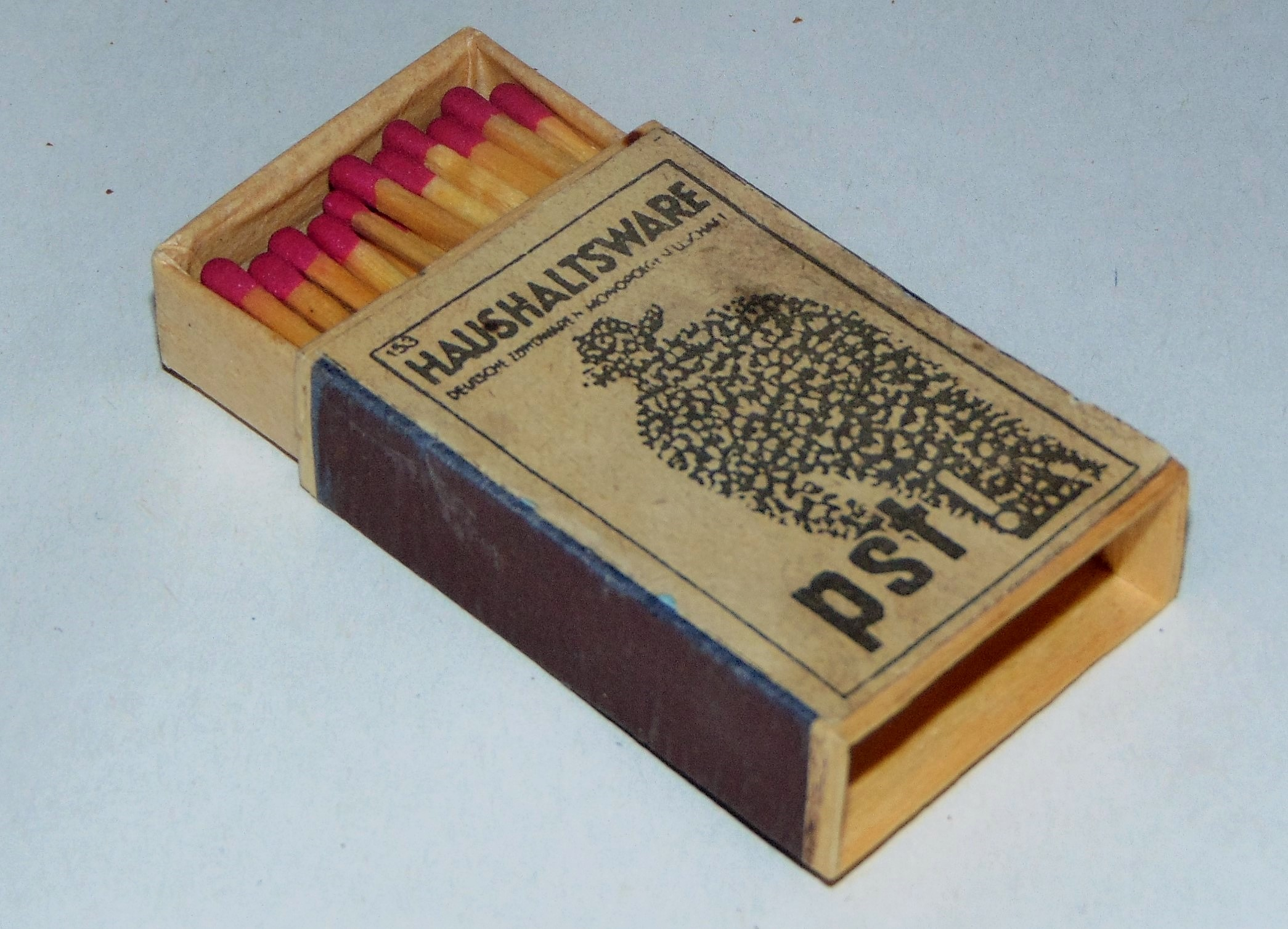
A match begins as a log of soft, straight-grained timber, commonly aspen or poplar, which is debarked, cut to length and then peeled or chopped into square splints by machine at enormous rate.
The machinery was large, fast, fed by hand at the input end and almost entirely unguarded by modern standards. An operator reached into moving mechanisms to clear jams as a matter of routine.
Machine guarding is now the first line of defence in any factory, with interlocked guards, emergency stops within reach, and lock-off procedures before anybody puts a hand anywhere near a moving part. The change from relying on an operator being careful to making the machine incapable of moving is the whole of modern machinery safety.
3. Impregnated the splints so they would not keep burning
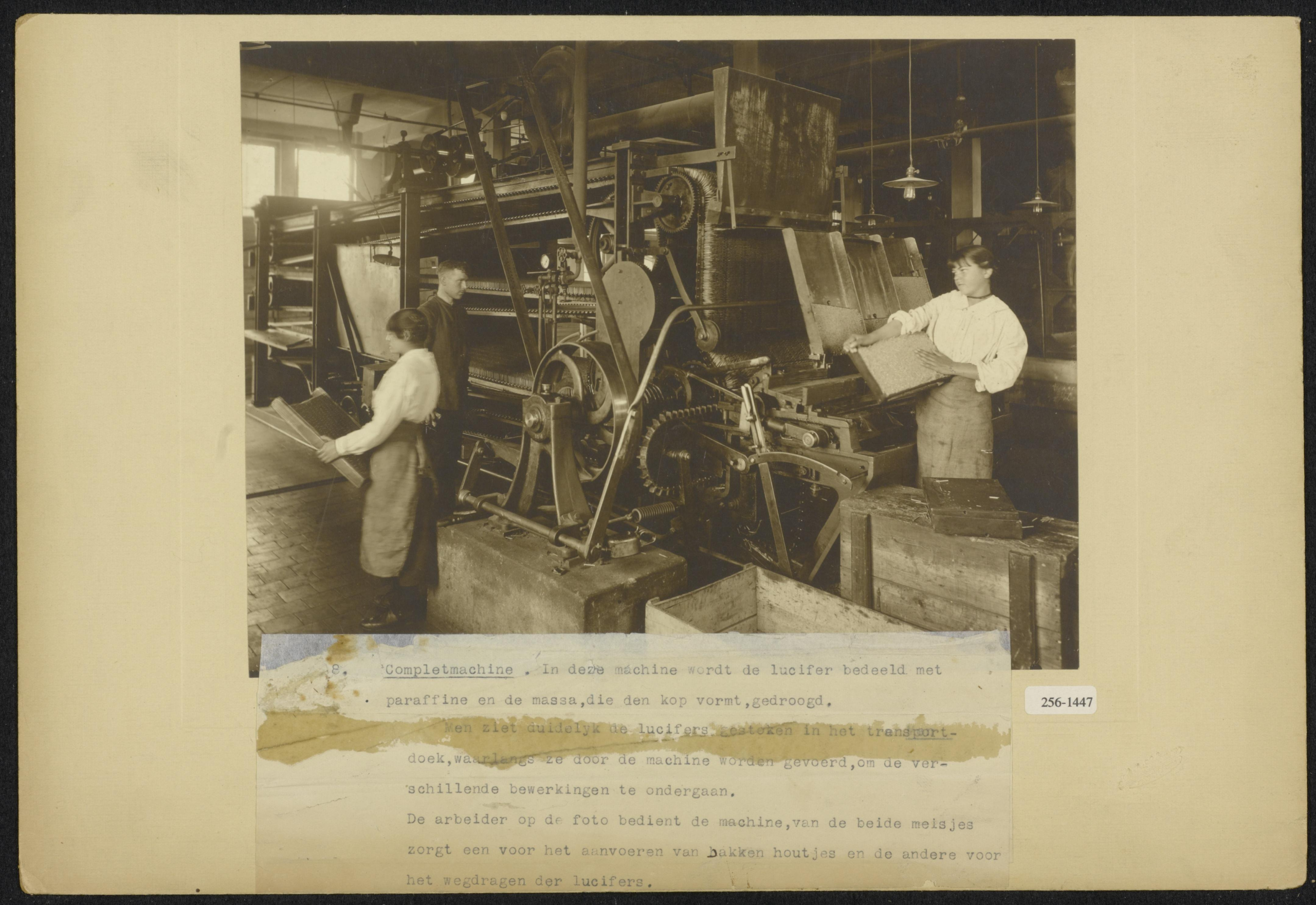
A match that glows after the flame is out is a fire risk, so splints were treated with a chemical that prevents afterglow before the head was ever applied.
This is one of the quiet pieces of engineering in an everyday object: the stick is designed to stop burning, and the treatment has to be uniform through thousands of splints a second without affecting how the head performs.
The principle is unchanged and the process is now continuous, instrumented and verified by testing. It remains one of the specifications a match is actually tested against. Most people have never considered that a matchstick is engineered at all.
4. Loaded splints into frames by the hundred thousand
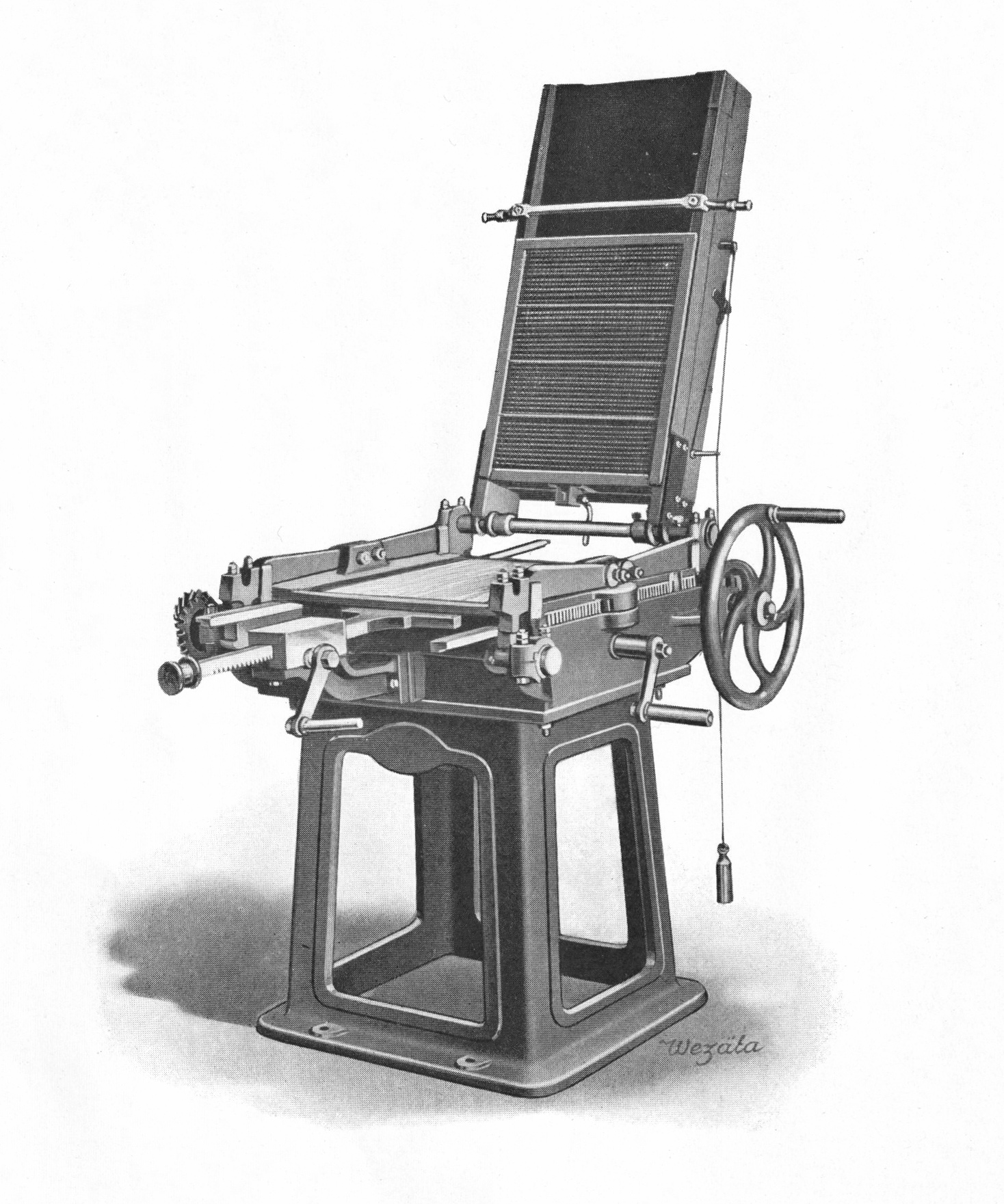
Before heading, splints were inserted into perforated plates or frames that held each one upright with its end exposed. In older plants this was partly a hand operation and in all plants it involved handling frames of great weight and awkwardness.
The frames then passed over the dipping stages, and any splint sitting proud or low produced a defective match that had to be found later.
Continuous match-making machines now carry splints in a steel belt through every stage, and no frame is handled by anybody at any point. Removing the frame removed both the manual handling and a whole category of defect.
5. Dipped heads in a composition nobody on the floor understood
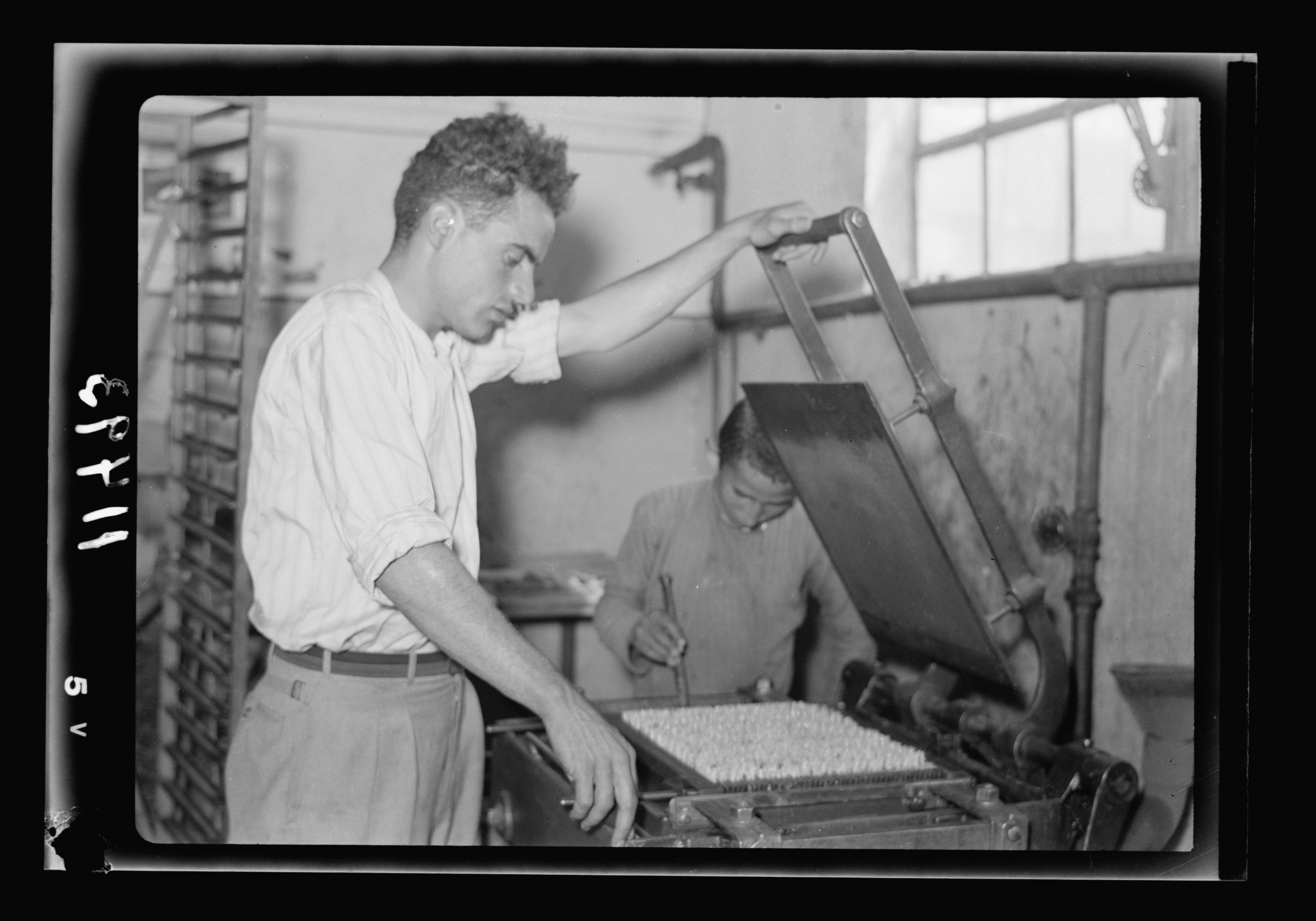
The head is applied by dipping the splint ends into a liquid composition which then dries into the familiar bulb. The formulation is proprietary and controlled, and the men and women on the line were told what to do with it rather than what it was.
Mixing was done in a separate area by a small number of people, and that separation was itself the main safety control in the plant.
Modern practice is the same in structure and entirely different in substance: a controlled formulation handled in a dedicated area under written procedures, with workers informed about the hazards of what they handle as a legal requirement. That right to know is itself one of the larger changes in industrial work since 1960.
6. Worked in a building where a single spark was the whole risk
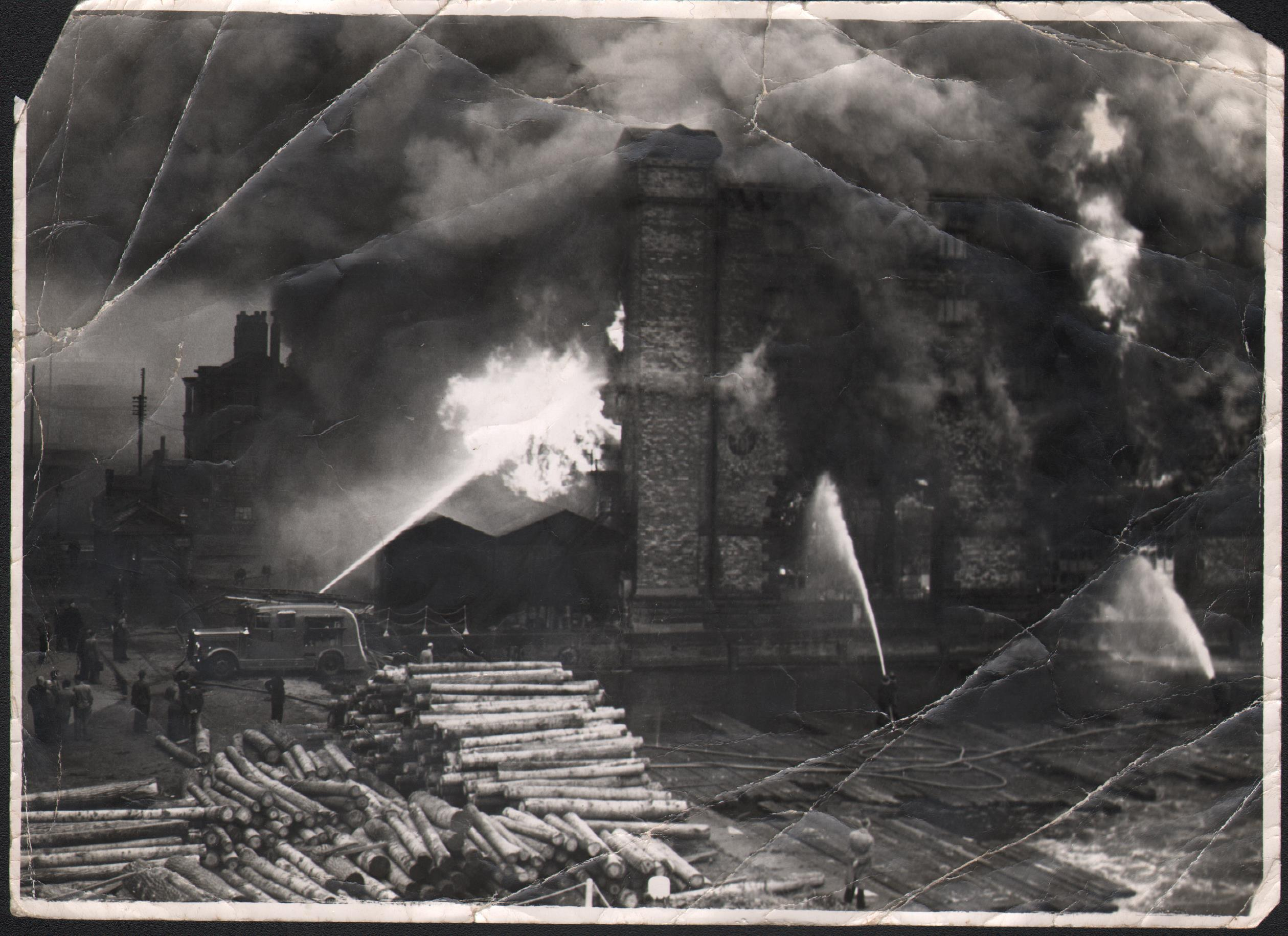
A match factory contains an enormous quantity of material designed to ignite easily, in a dry, dusty building, and the fire risk is not theoretical. Every arrangement in the plant existed because of it.
No smoking was absolute and enforced in a way nothing else was. Floors were kept damp in places, metal tools were restricted, and electrical fittings were specified for the atmosphere.
The modern version is a formal explosive-atmosphere assessment with zoned areas, specified equipment, ignition source control, dust management, fire detection and suppression, and emergency planning. The underlying concern has not changed at all. What changed is that the precautions are now written down, assessed and audited rather than held as custom.
7. Breathed the dust from a very dusty process
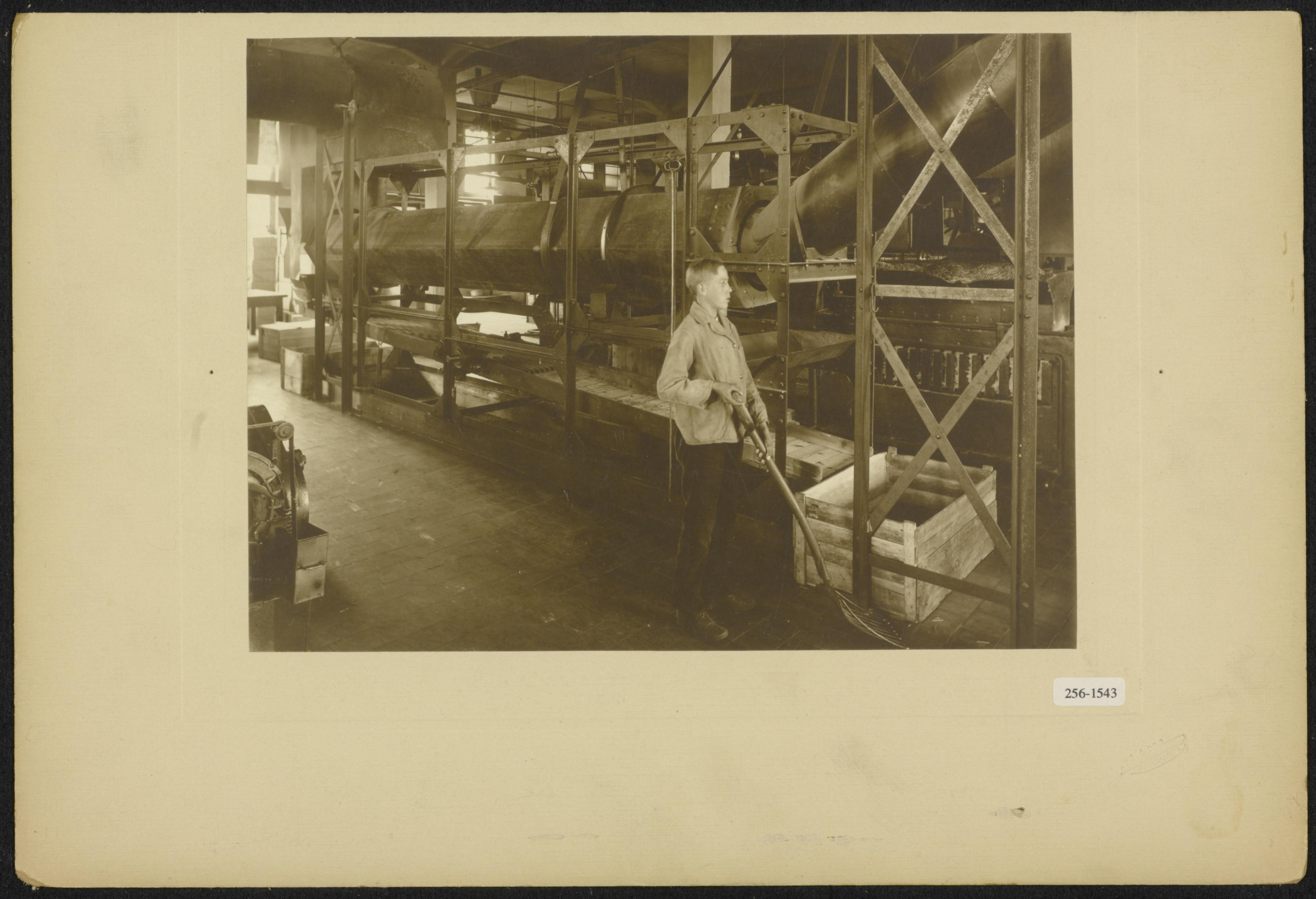
Cutting timber, moving splints and handling dry composition all generate dust, and a match plant in 1960 ran with little extraction. The air in the splint-making area in particular was thick.
Wood dust was simply accepted as part of working with timber, and the composition dust was not considered separately from it.
Wood dust is now a recognised respiratory hazard with exposure limits and specific control requirements, and chemical dusts are assessed individually. Extraction at source, enclosure and health surveillance are standard. Timber-working industries generally were among the later ones to be brought under dust control.
8. Dried everything in long tunnels that had to be exactly right
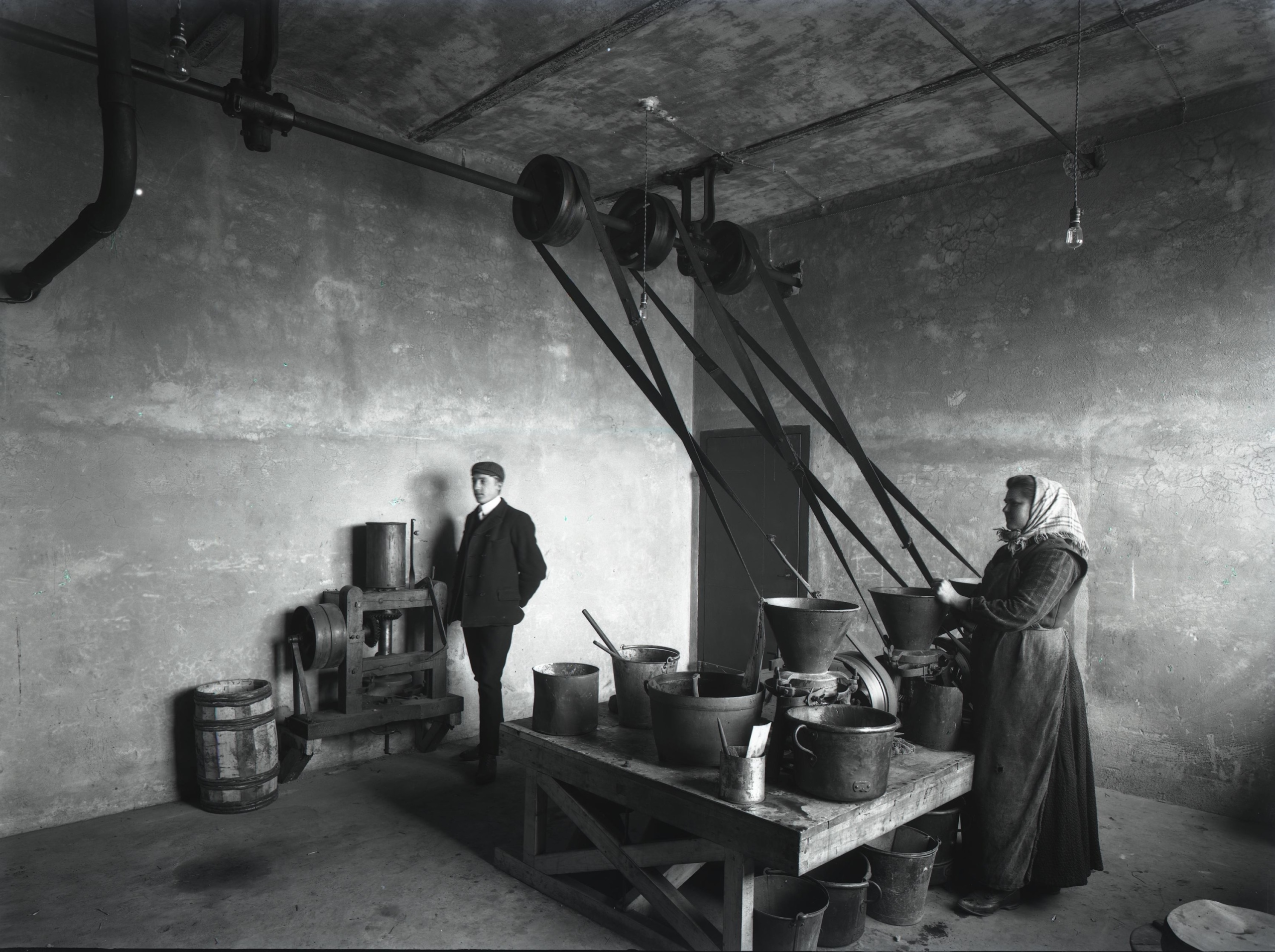
After dipping, heads must dry under controlled conditions. Too fast and they crack or lose strength; too slow and production stops. The drying tunnels were therefore the pace-setter for the whole factory.
Temperature and humidity were controlled as well as the period allowed, which in 1960 meant steam, dampers and a man watching gauges.
Modern plants instrument and automate it, with recorded profiles, and the drying stage remains the constraint on how fast a match plant can run. No amount of speeding up the rest of the line helps if the heads cannot dry.
9. Made the boxes in the same building, at the same speed
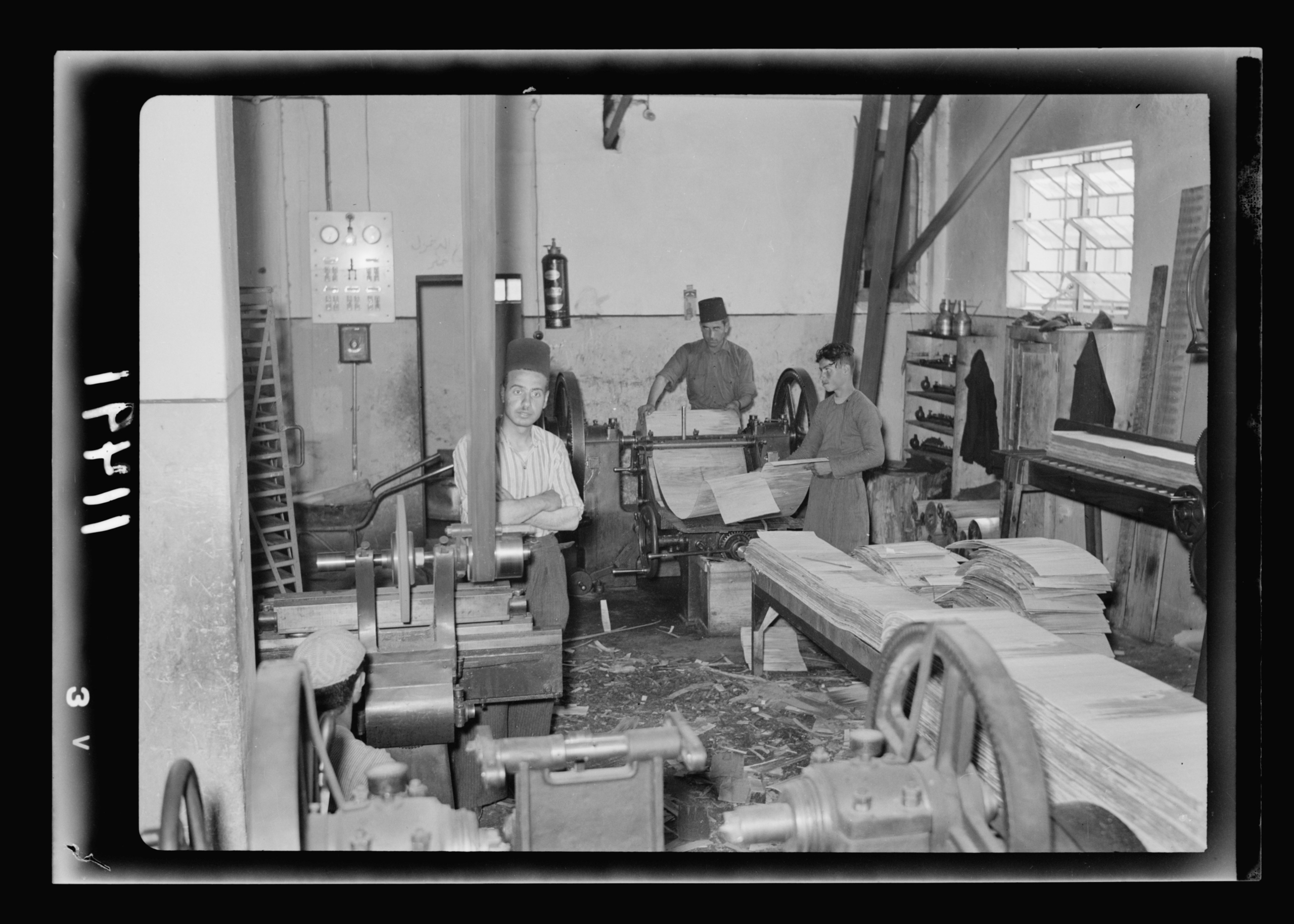
A match factory is also a box factory. Boxes were made from thin wood veneer or from card, assembled, printed, and had the striking surface applied, all at a rate that matched the match line.
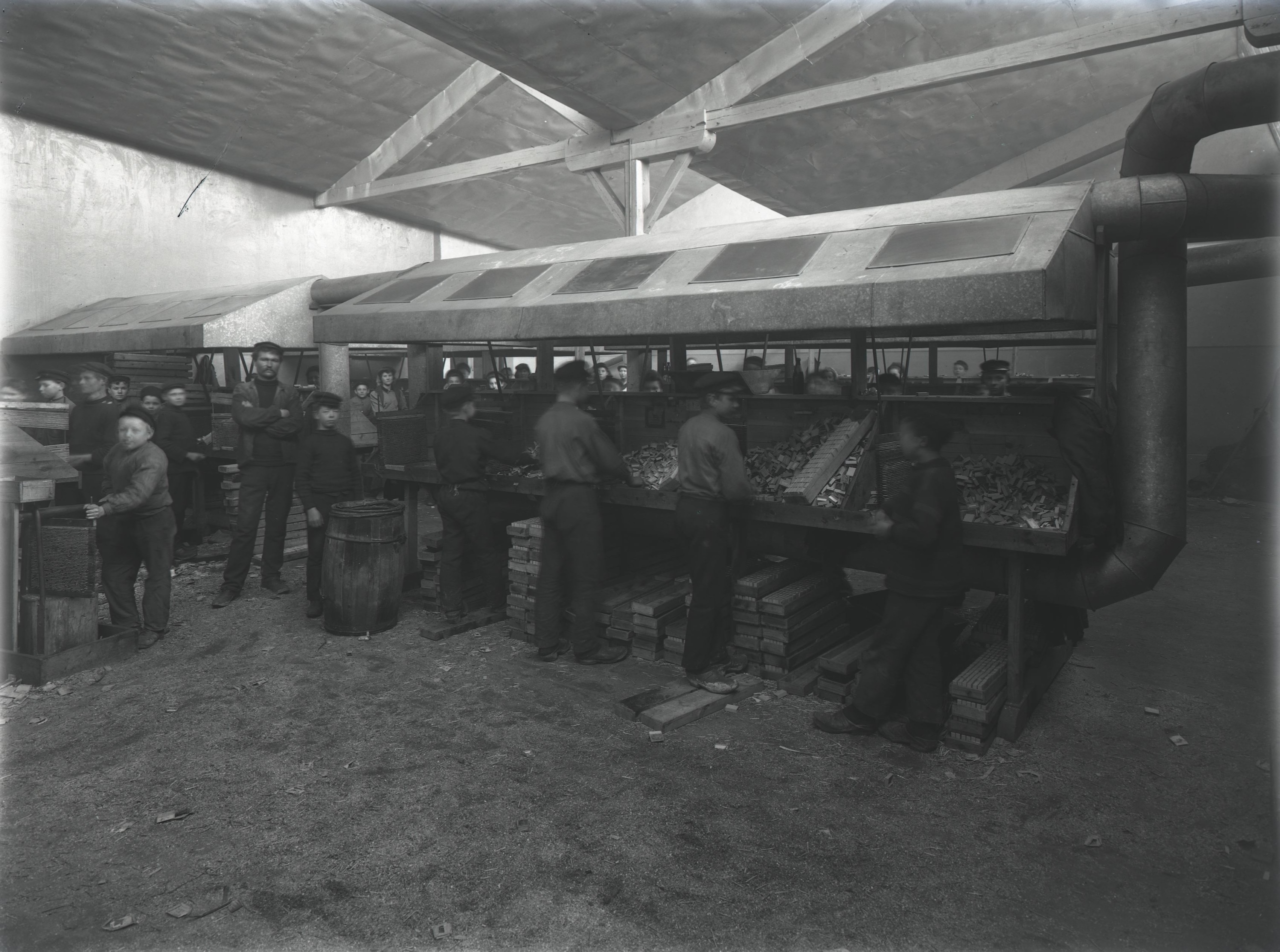
Box making employed large numbers of people, often on piecework, doing a small repeated operation thousands of times a shift. It was among the most monotonous industrial work there was.
Automated box forming, printing and filling now run as a single line, and the labour that made boxes by hand has gone entirely. It was work that supported a great many households and almost nobody misses doing it.
10. Applied the striking surface as a separate operation
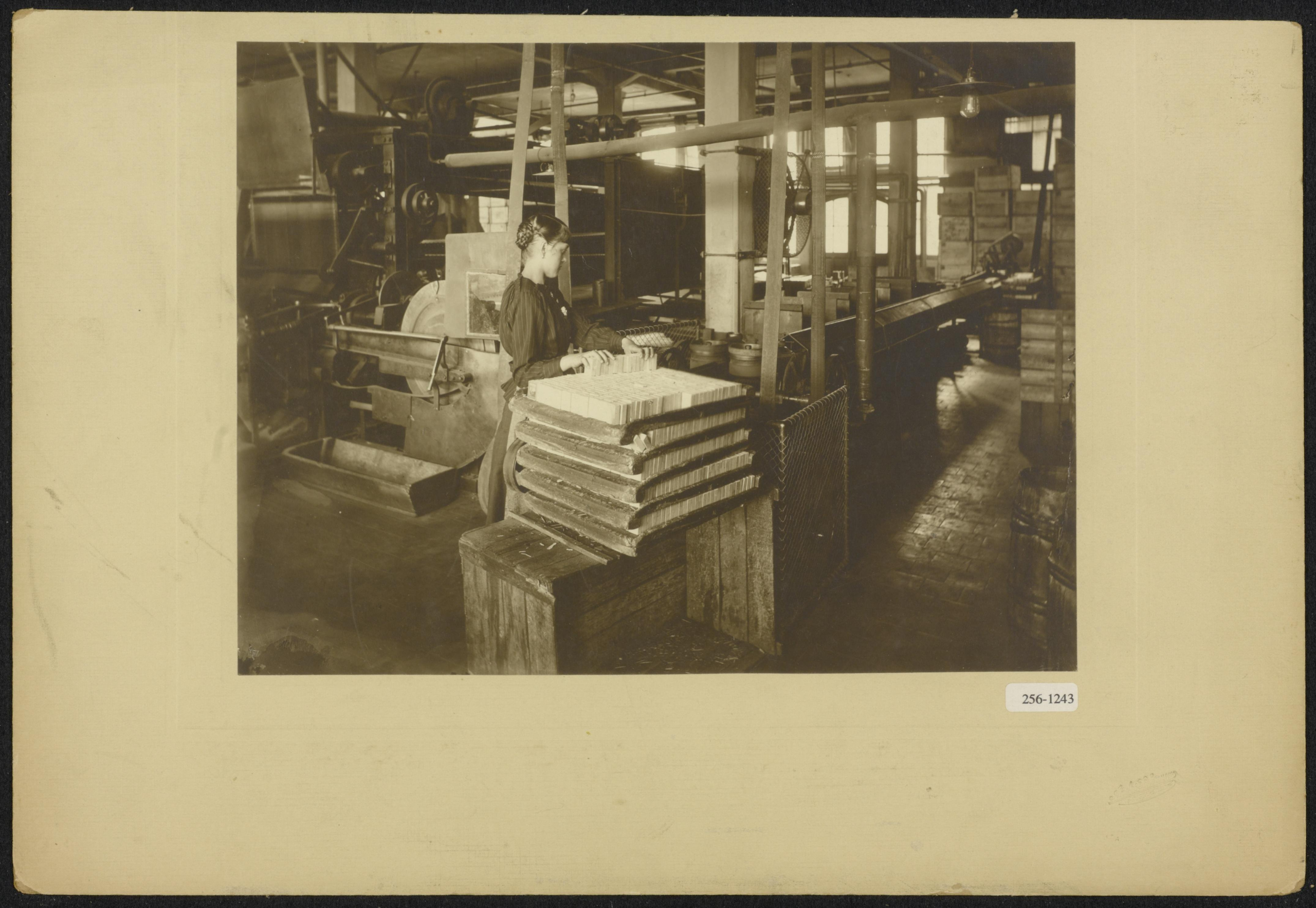
On a safety match the reactive material is on the box rather than on the match. For the factory that meant a wholly separate coating operation on the box line, running at the same rate as the match line and feeding the same filling machines.
Keeping the two components on two different objects also meant keeping two different materials, two mixing areas and two sets of handling rules inside one building, which is a production problem rather than a chemistry one.
The arrangement is unchanged today, and so is the manufacturing consequence: a match plant is still two parallel production lines that have to meet at the filling machine at exactly the same rate.
11. Filled boxes and counted by weight rather than by number
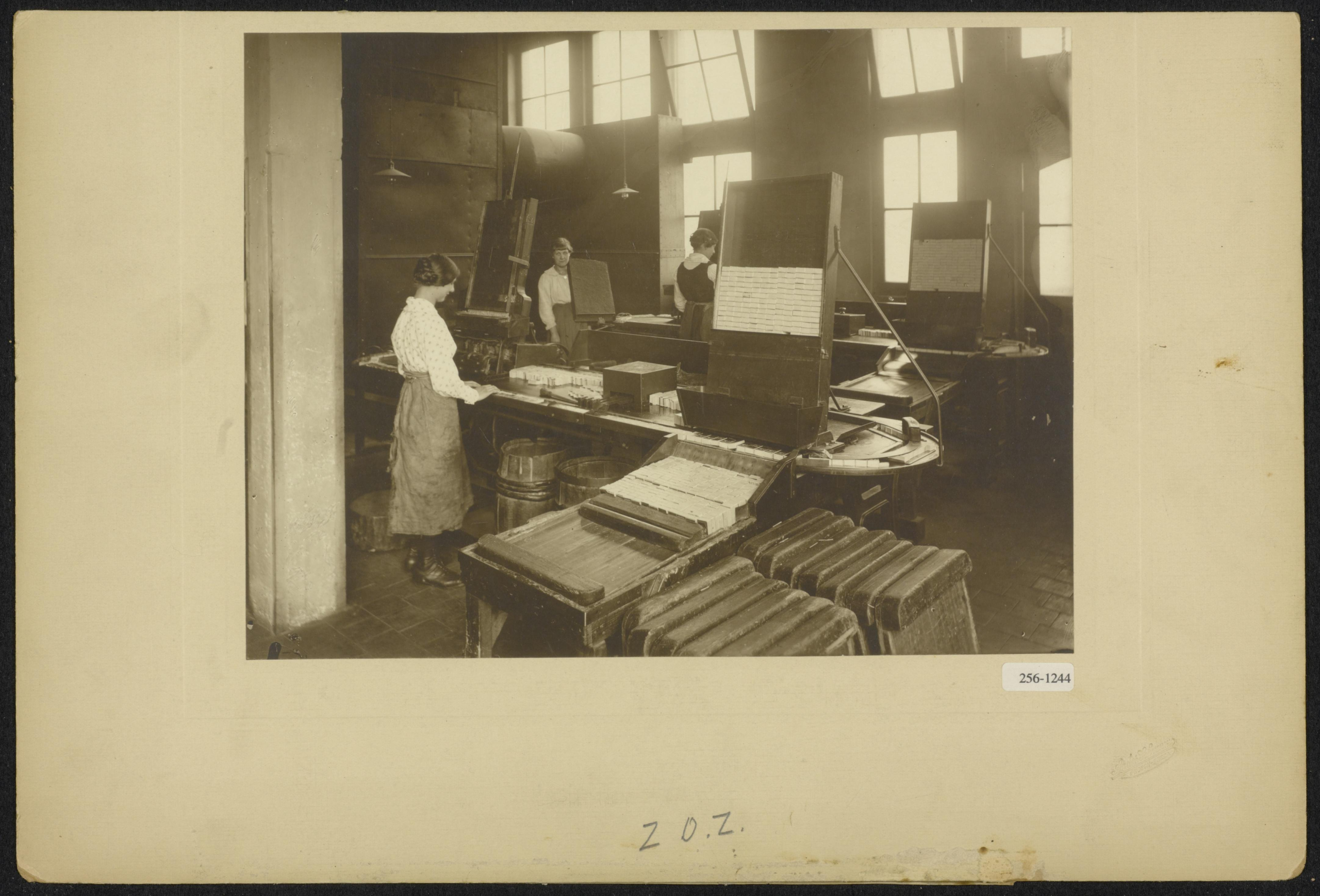
Matches were filled into boxes mechanically and the quantity was controlled by weight or by volume rather than by counting, which is why a box’s stated count was approximate.
Rejects, broken splints and headless matches were sorted out by hand by people watching the line, which was another large category of repetitive employment.
Automated inspection by camera now removes defects, and fill is controlled by weight to a declared tolerance under measurement regulations that did not exist in 1960. A stated count on a box is now a legal statement rather than an estimate.
12. Employed mostly women on the production lines
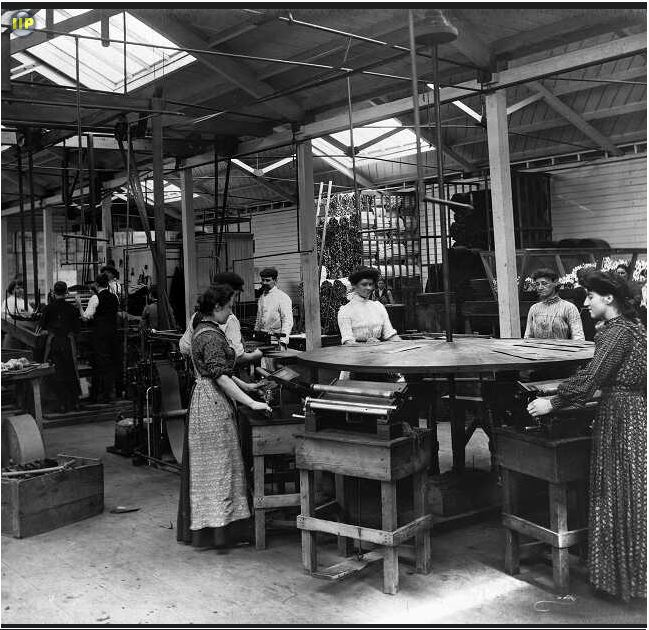
As in most light assembly industries of the period, the production floor was predominantly female and the maintenance, engineering and supervisory grades predominantly male, with a pay structure that reflected that division.
The industry’s history is also tied to one of the earliest and most consequential industrial disputes over working conditions in light manufacturing, which took place in the late nineteenth century and contributed directly to the regulation of the trade.
That dispute and the prohibition that followed it are the reason the 1960 factory was as safe as it was. The trade’s conditions improved earlier than most because its workforce forced the issue earlier than most. That sequence — dispute, publicity, convention, prohibition — became the template for how industrial hazards were tackled for the next century.
13. Ran piecework rates that set the pace of everything
Pay on the production side was commonly by piece or by output bonus, which determined how fast the line ran and how much anybody earned, and made the rate itself the central industrial relations question.
A worker on piece has an incentive to bypass anything that slows them down, which in a factory full of unguarded machinery and ignitable material is a structural problem rather than a matter of individual care.
The interaction between payment systems and safety is now well understood and output-based pay in hazardous work is treated with considerable caution for exactly this reason. It is one of the clearest examples of a safety problem that lives in the pay structure rather than in the equipment.
14. Shipped a product that was in every pocket and every kitchen
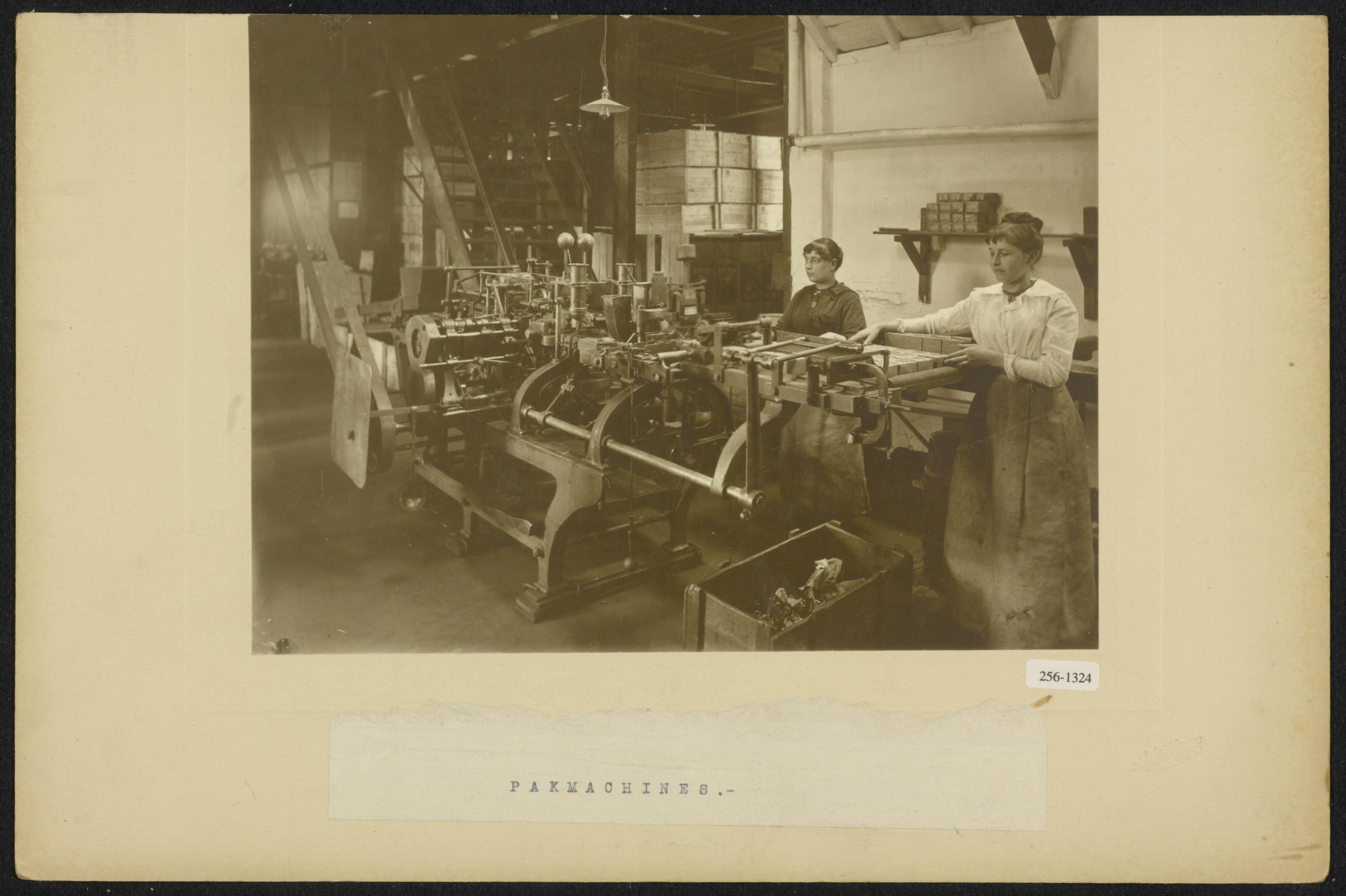
Demand in 1960 was vast. Matches lit cigarettes, gas rings, gas fires, boilers, candles, paraffin heaters and coal fires, and the great majority of households used them daily.
The economics were those of a commodity: enormous volume, tiny unit value, and competition on price, which is why the plants were large and highly mechanised for their era.
Nearly every one of those uses has gone. Piezo and electronic ignition on appliances, lighters, the collapse of smoking in many countries and the end of open fires removed the market from underneath the industry. A product in every pocket in 1960 is now a thing people look for in a drawer.
15. Competed with a product that had just become disposable
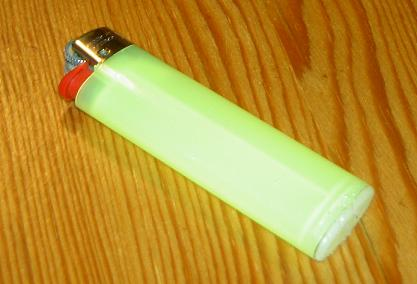
The cheap disposable lighter arrived in the 1960s and 1970s and took the pocket market decisively, because it is more convenient, works in wind and does not need a box.
Matches retained the kitchen, the candle and the barbecue, and retained a cost advantage, but the volume that mattered was the daily cigarette and that went to lighters.
The industry consolidated into very few producers worldwide, closing plants across the 1970s and 1980s, and what survives is a small number of large plants serving a reduced market. The product itself is almost unchanged, which is unusual for anything still made in volume.
16. And the thing worth remembering about this one
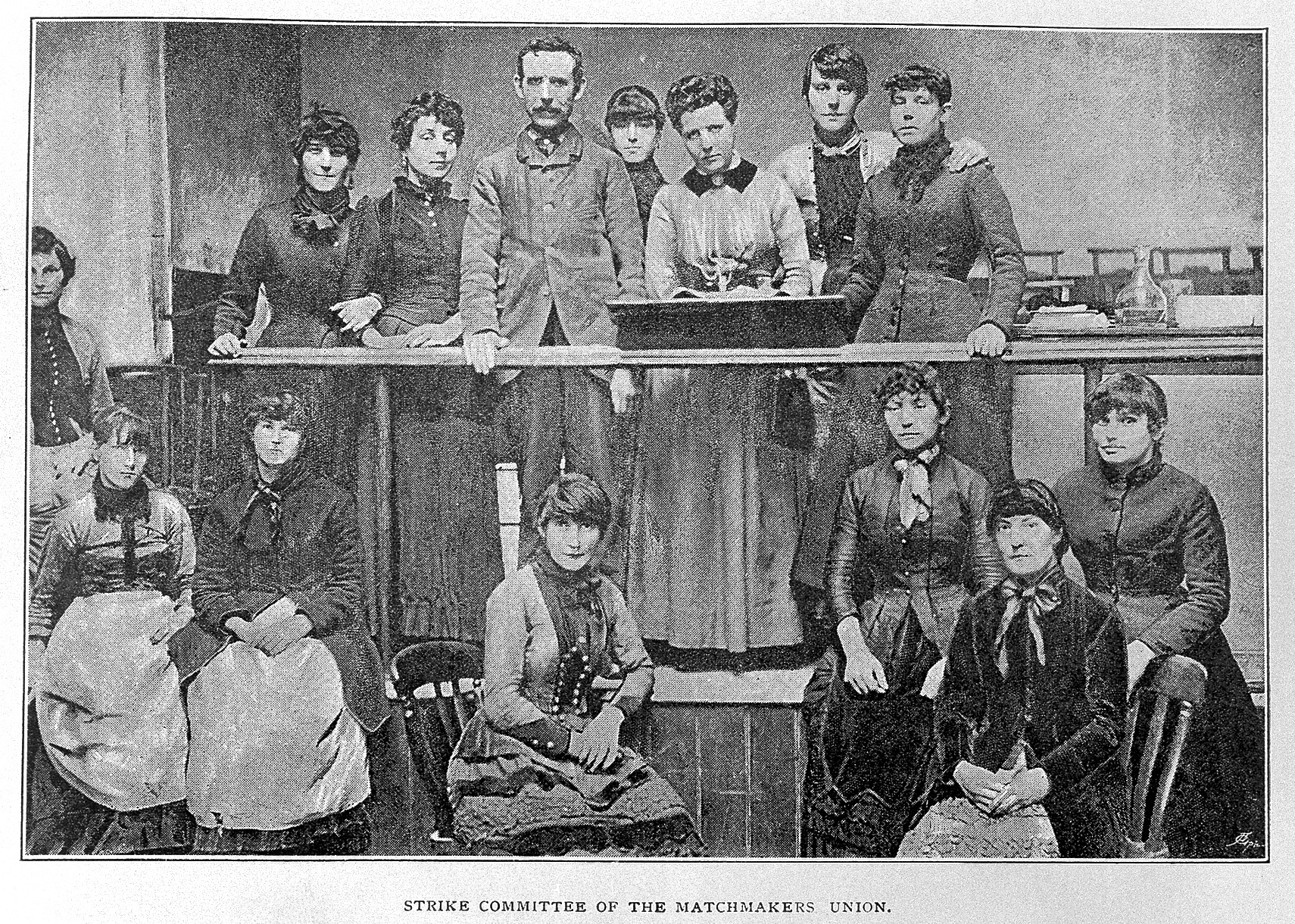
That the trade’s worst hazard was ended by law in 1906, following an international convention, after a long campaign and a famous dispute, and that this is one of the earliest clear examples of occupational disease being eliminated by prohibiting a substance rather than by managing exposure to it.
Substitution — removing the hazardous material and using a different one — sits at the top of every modern hierarchy of control, above enclosure, above extraction and far above protective equipment. The match industry is where that principle was demonstrated at national scale.
Everything else in this list is an ordinary factory story. That one fact is why the trade is worth writing about.
Why this trade matters more than its working conditions
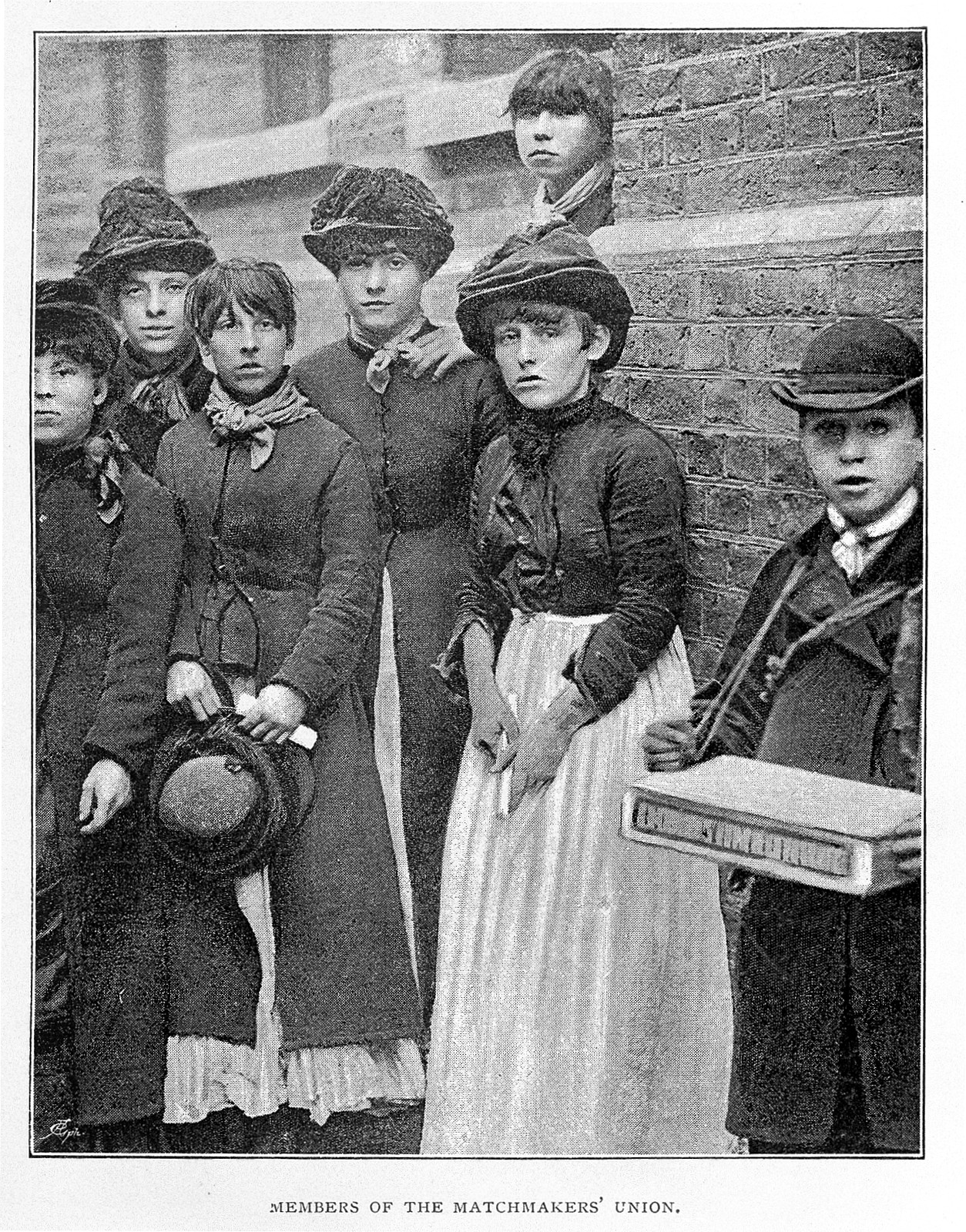
Match making is the textbook case of substitution. The hazardous material was identified, a campaign was fought, an international convention prohibited it in 1906, national law followed, and the industry reformulated around a different chemistry. The disease associated with the trade did not become better managed; it stopped occurring, because the substance that caused it was no longer permitted to be used.
That is the top of the modern hierarchy of control — eliminate or substitute, then enclose, then extract, then protect the individual — and it is the option that is almost always resisted on cost grounds and almost always the one that actually works. Every argument since, about asbestos, about leaded fuel, about solvents and about specific plating chemistries, has followed the same shape. This industry is where the shape was first established at national scale.
The rest of the factory in 1960 was an ordinary light manufacturing plant with unguarded machinery, dust and piecework, and all of that was reformed later and in the ordinary way. The part worth remembering is that the trade’s defining hazard was removed by prohibiting the substance, which is the control that modern practice ranks first and that industries still argue hardest against.
Like our content? Follow us for more.