Here are sixteen things the coal merchant did in 1960, when household heat arrived on a man’s back in a sack and he came inside to put it where you kept it. This is one of the trades that ended by subtraction rather than by closure, one household at a time, over about twenty years, and the three things that ended it had nothing to do with him.
1. Carried a hundredweight on his back, up the path, through the house
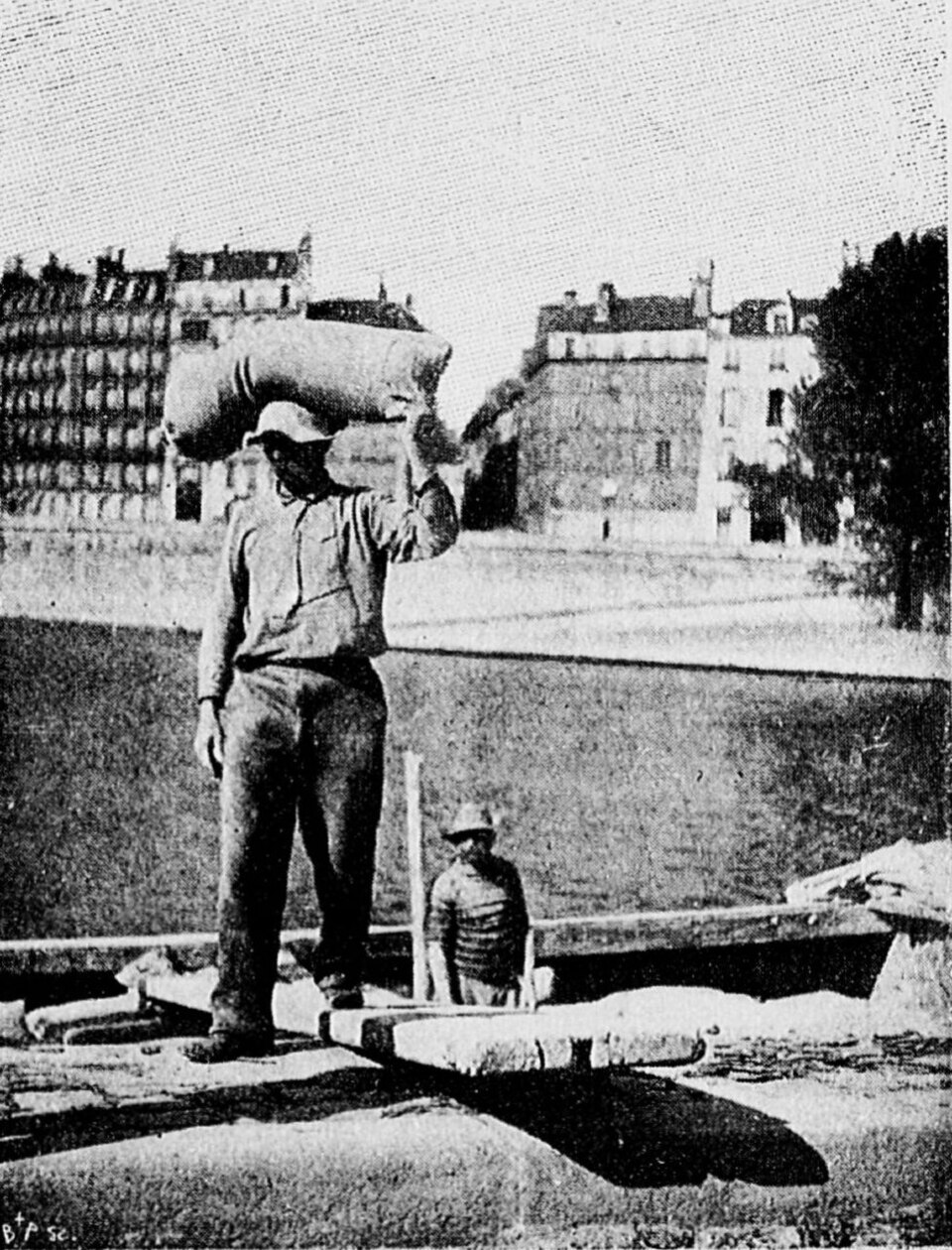
Coal was delivered in sacks weighing a hundredweight — a hundred and twelve pounds — which the coalman lifted from the lorry onto his back and carried to wherever the household kept it. That was frequently through the house.
He carried it bent forward with the sack across his shoulders and the top gathered in one fist, and he did it between twenty and forty times a day depending on the round.
There is no modern equivalent because the job does not exist, and if it did the load would be prohibited. Manual handling limits, mechanical aids and assessment of carrying distance would make that round impossible to arrange lawfully.
Like our content? Follow us for more.
2. Knew every coal hole, cellar flap and bunker on the round
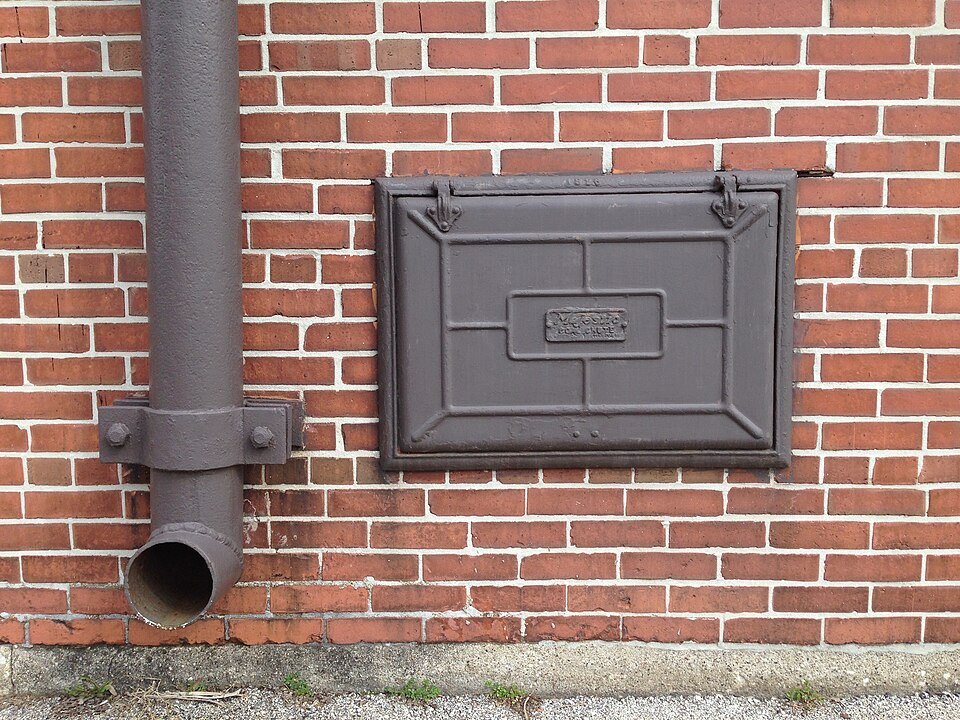
Houses stored coal in a cellar reached through a pavement hatch, in a bunker in the yard, in a shed, under the stairs or in a lean-to, and each delivery meant knowing which and getting to it.
Some required tipping the sack down a chute into a cellar, some required carrying it through a kitchen, and some required a route round the back through a gate that was often locked.
The route knowledge was the job’s real asset and it was held in one man’s head. A relief coalman on an unfamiliar round was slow, and everybody on the round knew it.
3. Delivered a product that came in grades nobody now recognises
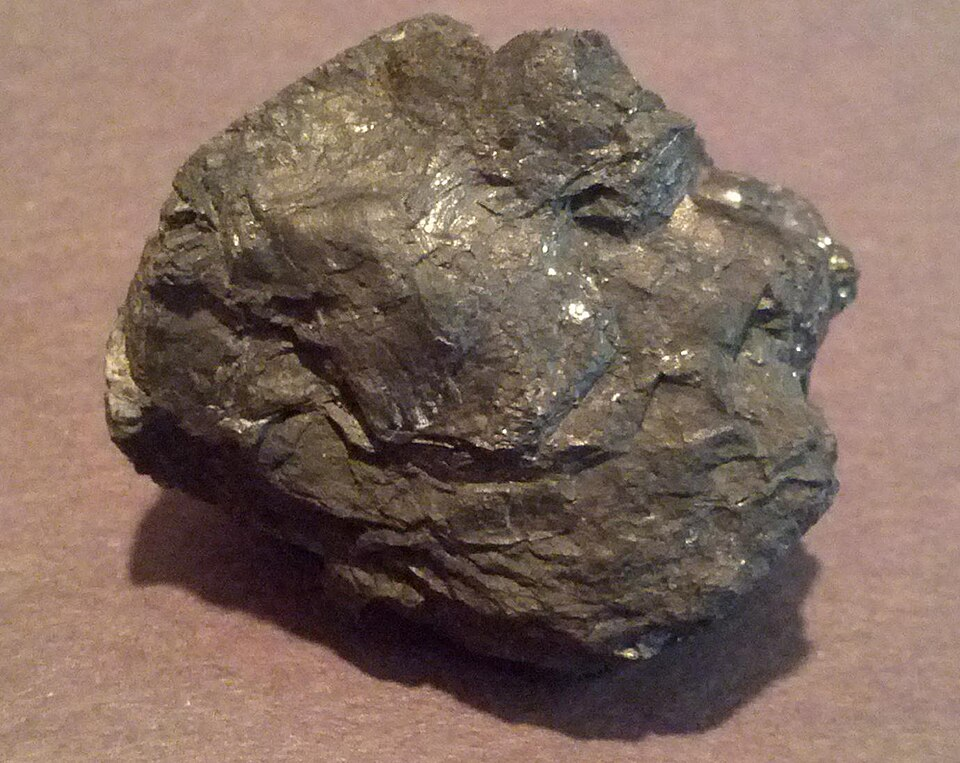
Household coal was sold in distinct grades with their own names and prices — larger hard lumps for an open fire, smaller grades for a closed stove or a boiler, and processed fuels made from coal dust pressed into briquettes.
The choice mattered because appliances were particular. The wrong grade burned too fast, made excessive smoke, clinkered up a stove or would not stay alight overnight.
Advising a householder on grade was part of the merchant’s trade and a genuine piece of expertise. It disappeared completely and almost nobody now alive can tell you what any of the grade names meant.
4. Weighed the load on a public weighbridge and carried the ticket
Coal was sold by weight and the weight was regulated, so a loaded lorry was weighed at a weighbridge and the merchant carried the ticket as proof of what was aboard.
A householder was entitled to see it, and disputes about short weight were a standing feature of the trade and a frequent subject of complaint to the local weights and measures authority.
Pre-packed and weighed quantities, mechanical weighing on the vehicle and electronic record keeping have replaced it, and the general principle that a fuel sold by weight must be verifiable is one of the older consumer protections still in force.
5. Worked out of a yard that was black, wet and open to the sky
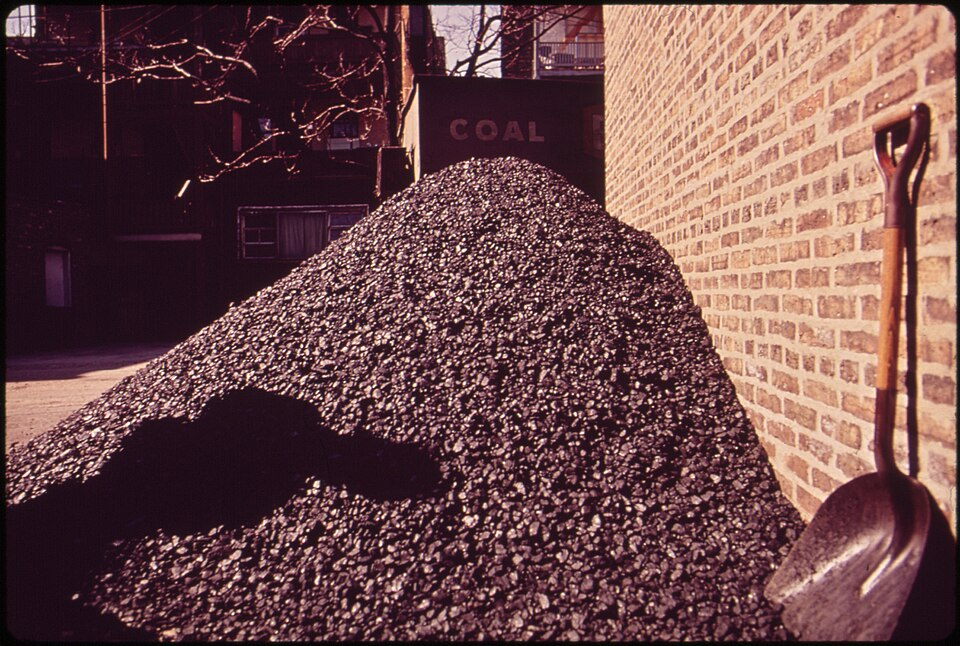
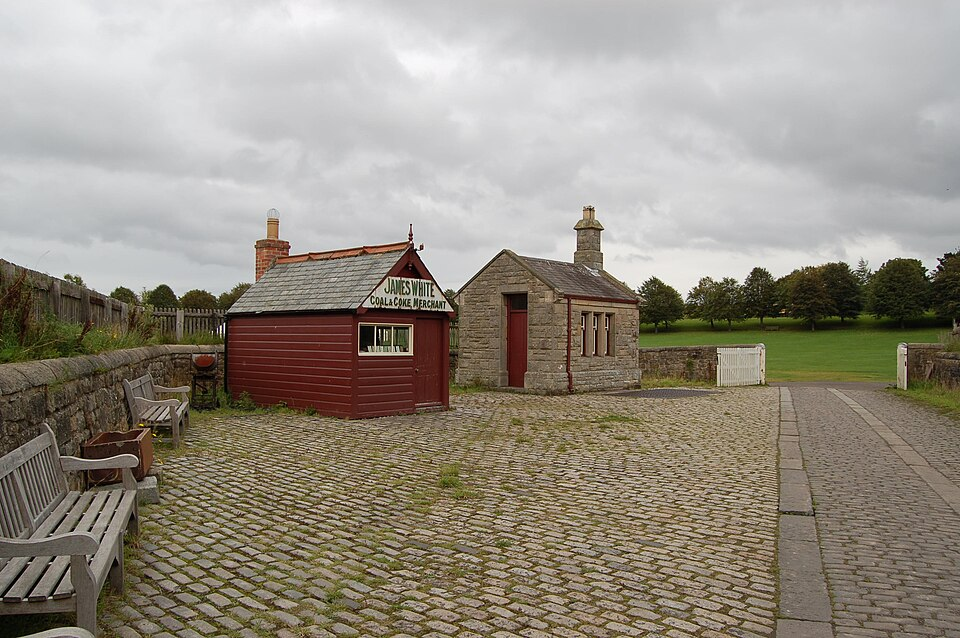
The coal yard was the merchant’s base: a railway siding or a road-delivered stockpile, bunkers or bays for the different grades, a weighbridge, a shed for the sacks and an office.
Grading and bagging were done in the open, by shovel, in whatever the weather was doing, and the whole site and everybody on it was permanently black.
Solid fuel distribution still exists at a fraction of the scale, with sealed bagging, enclosed handling and dust suppression, because coal dust is both a nuisance and a respiratory hazard that nobody in 1960 was protected from.
6. Breathed coal dust all day with nothing over his face
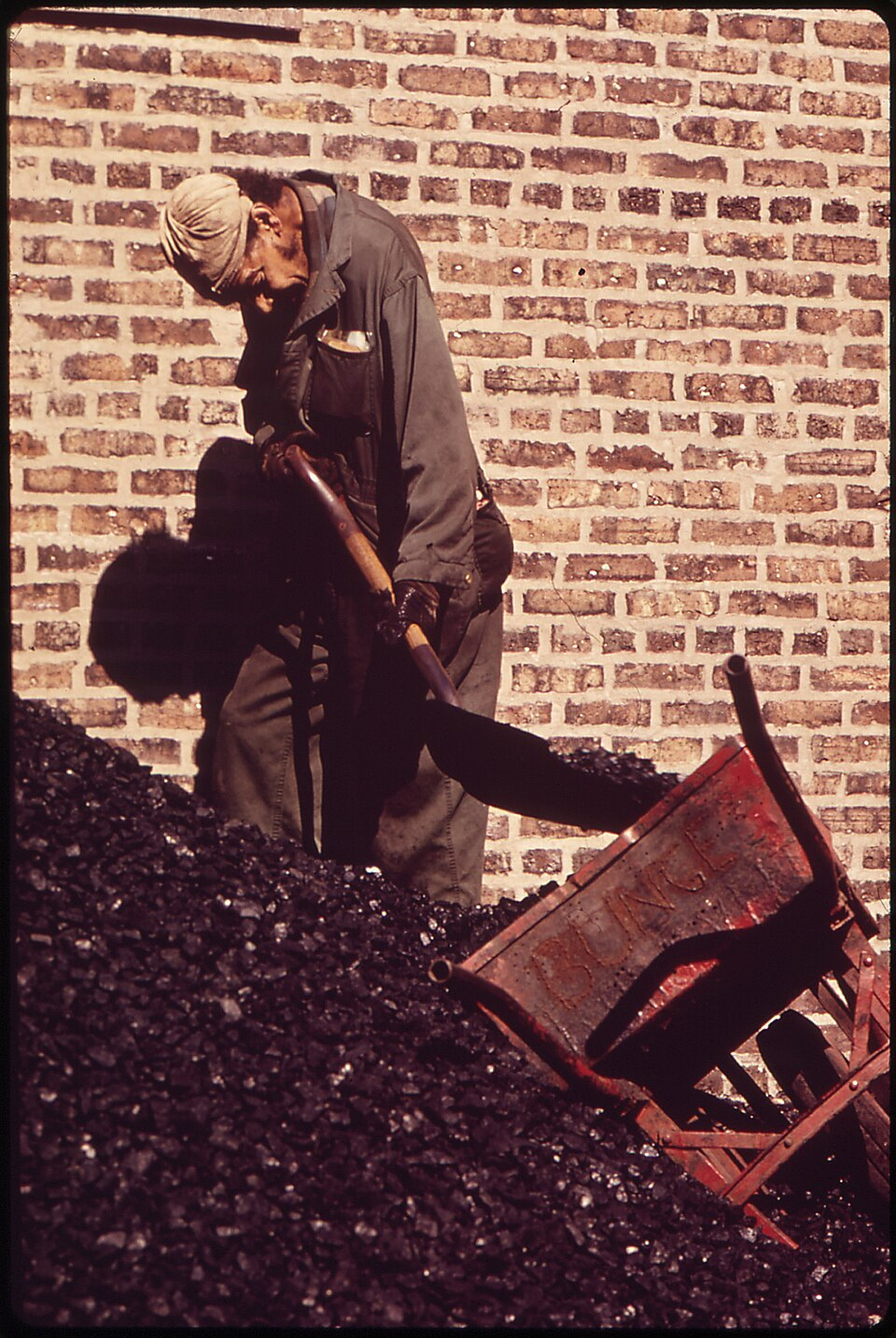
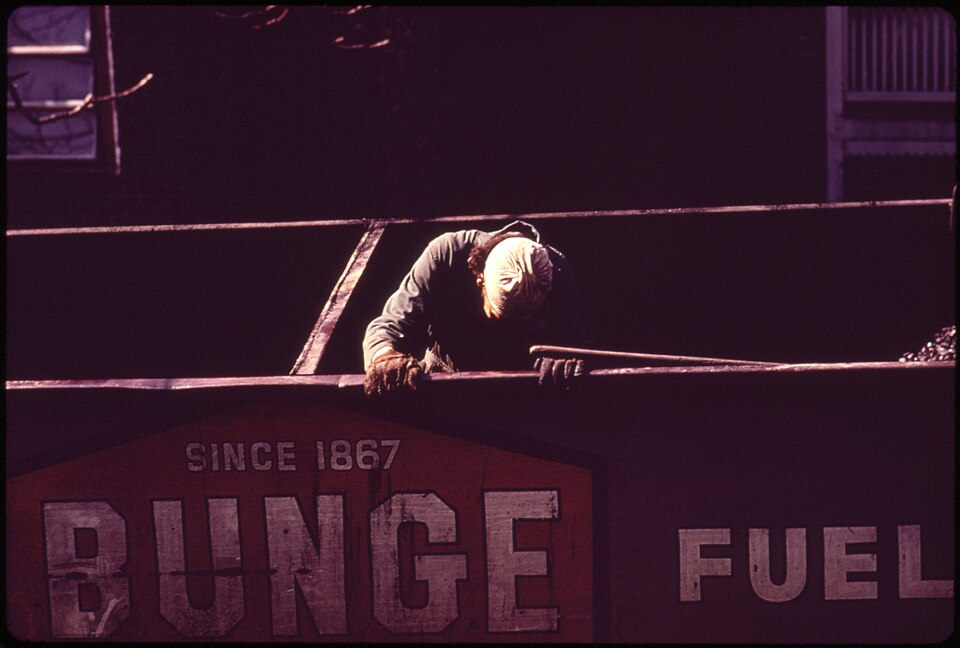
Bagging, carrying and tipping coal produces fine dust continuously, and the coalman worked in it from the first sack of the morning to the last of the evening with no mask and no extraction anywhere.
Dust was regarded as an inherent part of the trade rather than as an exposure, and the men were visibly covered in it at the end of a shift.
Coal dust is now a recognised respiratory hazard with specific control requirements in any workplace handling it, addressed by enclosure, suppression and respiratory protection, with health surveillance for exposed workers.
7. Kept the books in his head and the money in his pocket
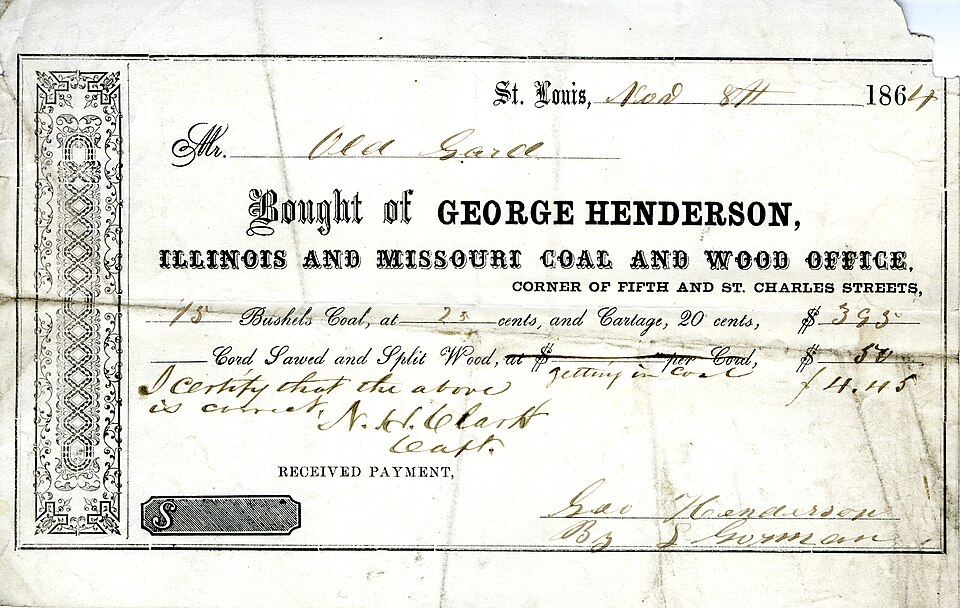
A great deal of household coal was sold on credit, recorded in a book, and collected in cash on the round, which made the coalman a lender as well as a supplier.
He also judged who to extend credit to, which is a credit assessment made on personal knowledge and carried no appeal. In hard weather, when demand and prices both rose, that judgment mattered a great deal to a household.
Metered utilities with regulated billing, payment plans and protections against disconnection replaced all of it. Whatever else can be said about modern energy billing, it is not decided by one man’s opinion of your family.
8. Was busiest exactly when the work was hardest
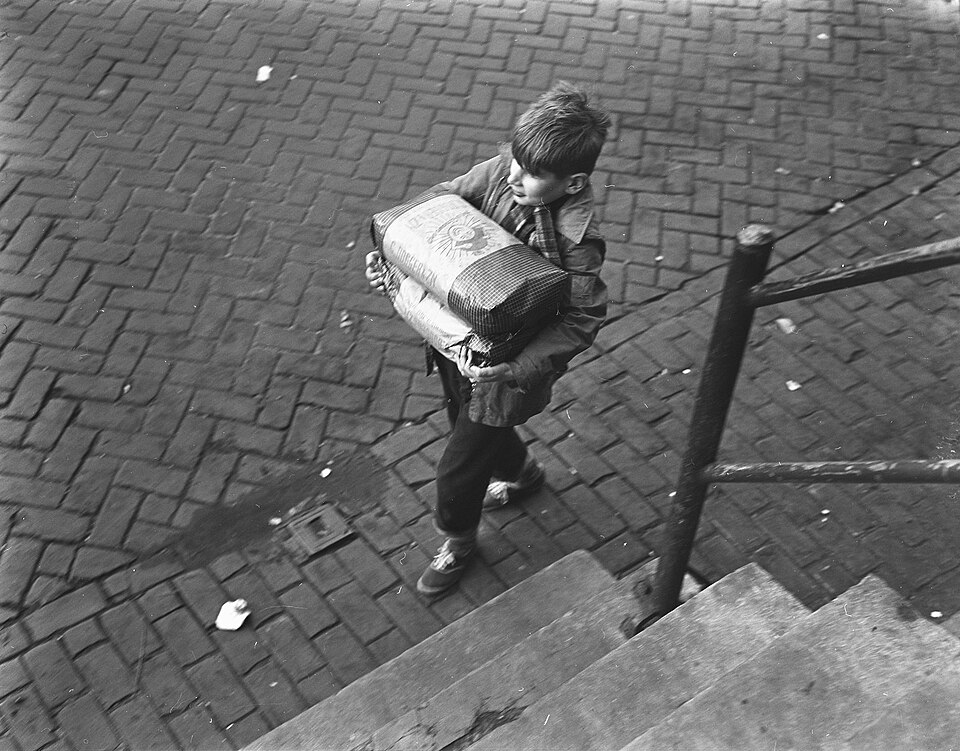
Demand peaked in the coldest weather, which is when paths were icy, gates were frozen, cellars were wet and the lorry was hardest to get up a hill. A cold snap meant long days and a queue of orders.
In a hard winter a merchant could run out, and allocation then became a matter of who had ordered, who was owed a favour and who was elderly or ill, decided by the merchant.
Modern fuel supply is a logistics and stock problem managed centrally, and the rationing of scarce heat to vulnerable households is now a policy question with rules rather than a coalman’s decision on a doorstep.
9. Drove a lorry that was loaded by hand and unloaded by back
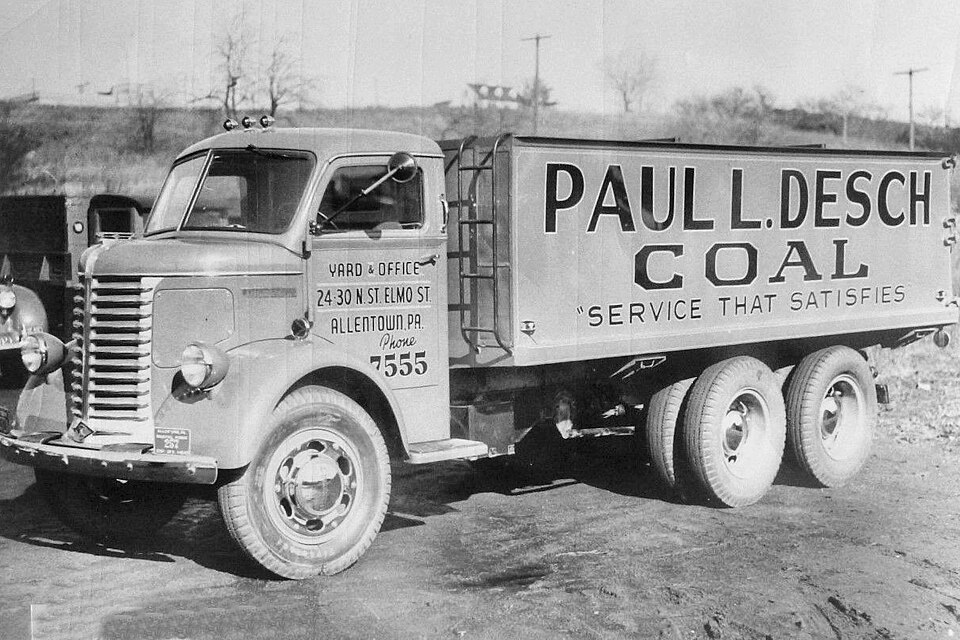
The lorry was loaded at the yard by shovelling and bagging, then driven to the round and emptied sack by sack. Tipping lorries and mechanical handling existed in industry and were not generally part of household delivery.
A flat-bed with a dropside, a tarpaulin and a ladder was the standard vehicle, and the driver was also the labourer and the salesman and the debt collector.
Bulk delivery by tanker, for oil, and by pipe, for gas, removed the entire physical operation. That is the real change: the product stopped being a solid that somebody has to carry.
10. Delivered to households that burned it in an open fire
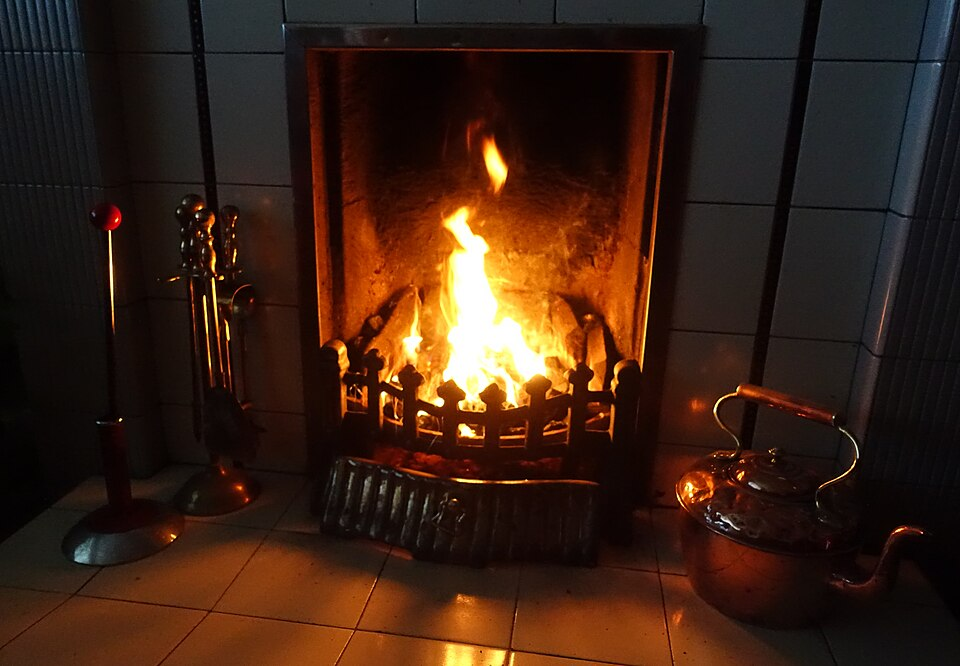
The great majority of this coal went into open domestic fires, which are a poor way to heat a room and an efficient way to put smoke into the street, and that was simply how houses were heated.
A householder’s day was organised around it: laying the fire, lighting it, keeping it in, banking it overnight, raking out the ash and getting rid of the clinker.
Clean air legislation in the second half of the century restricted or prohibited the burning of smoke-producing fuels in designated urban areas, which is the single policy that began the end of this trade.
11. Supplied processed smokeless fuels as the rules changed
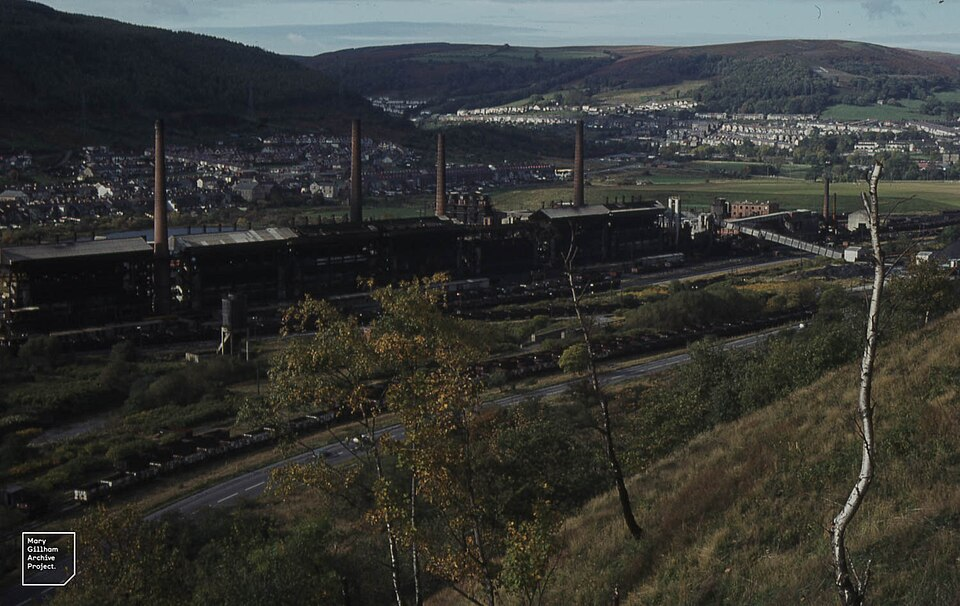
As smoke control areas spread, merchants shifted to authorised smokeless fuels — coke and manufactured briquettes that burn with little visible smoke — and advised customers on what they were now allowed to burn.
That was a genuine adaptation and it kept the trade alive for an extra period, but it also made the product more expensive and less familiar, and it required different appliances.
Smokeless fuel is still sold and the authorised-fuel principle still operates where solid fuel burning is permitted at all, with the lists maintained by the relevant authority rather than by the merchant.
12. Competed with a gas and electricity industry that was selling convenience
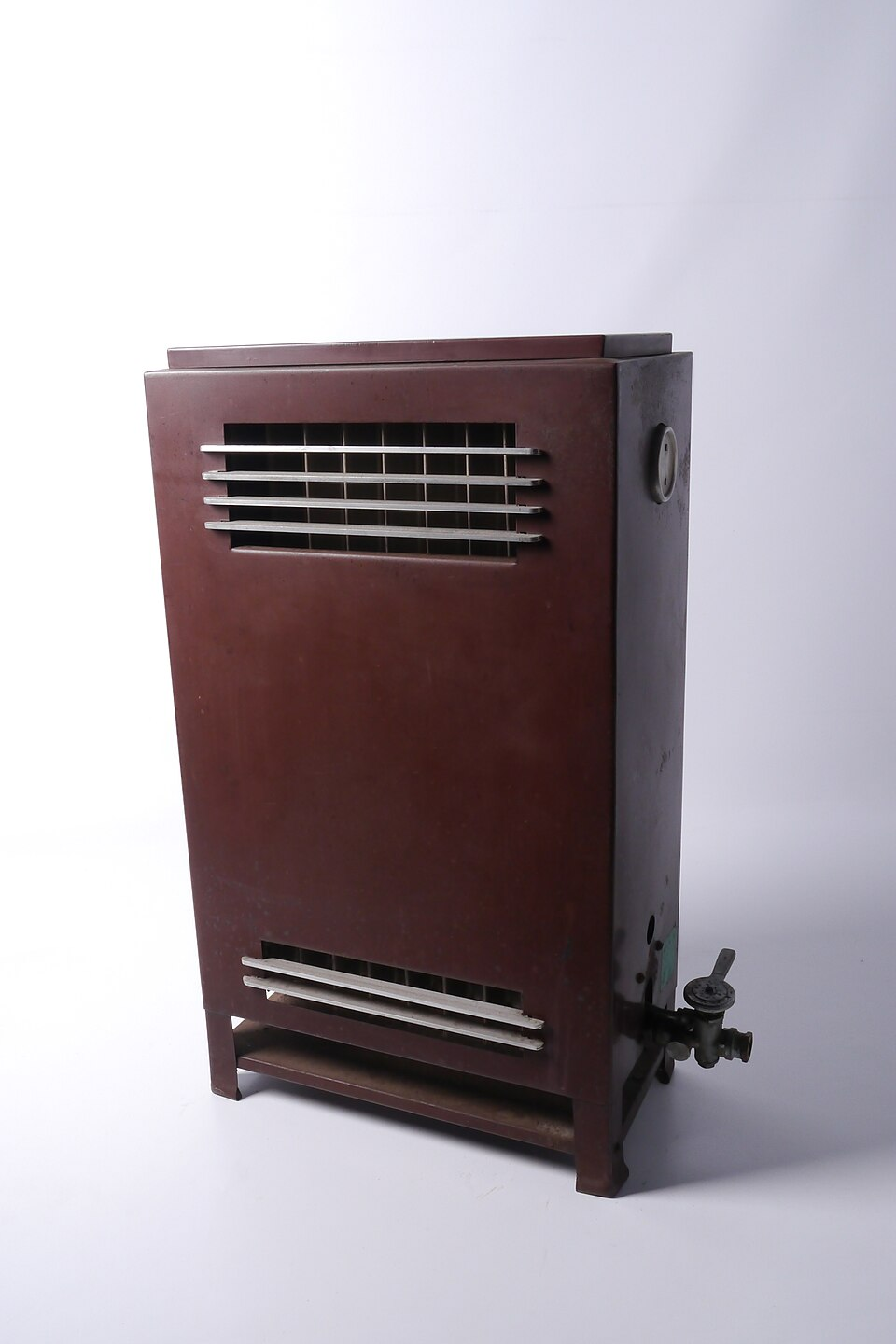
Through the 1960s the alternatives arrived in volume: gas central heating, electric storage heating and oil-fired boilers, all sold on not having to handle fuel, not having to clean a grate and heat in rooms nobody had to light a fire in.
Against that, coal’s advantages were price and familiarity, and price advantages erode while familiarity is actively being replaced.
The discovery and distribution of natural gas transformed the economics in a number of countries within about a decade, and the conversion of the gas supply itself was the hinge on which domestic heating turned.
13. Watched his customer base convert house by house
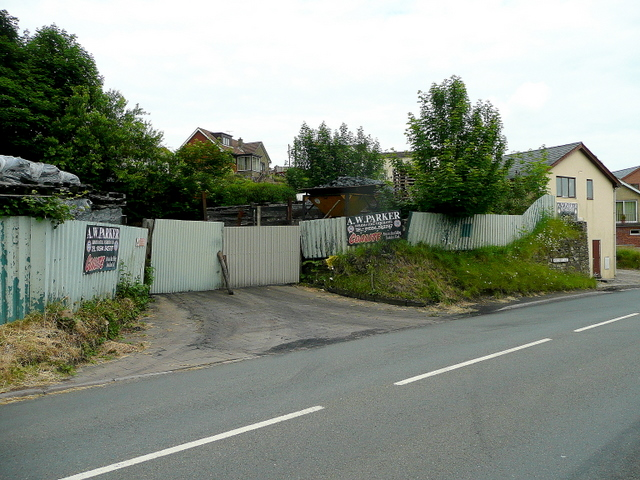
The trade did not end in a single year. It ended one household at a time, as each one installed central heating or a different appliance and stopped ordering, which the merchant saw as a round that got shorter every winter.
Rounds were sold, merged and consolidated, and a business that had been viable at two hundred customers was not viable at ninety.
That pattern — a service trade dying by subtraction rather than by closure — is how most of the delivery trades in this series ended, and it is slower and harder on the people in them than a factory closing.
14. Was a fixture of the street and knew more than anybody expected
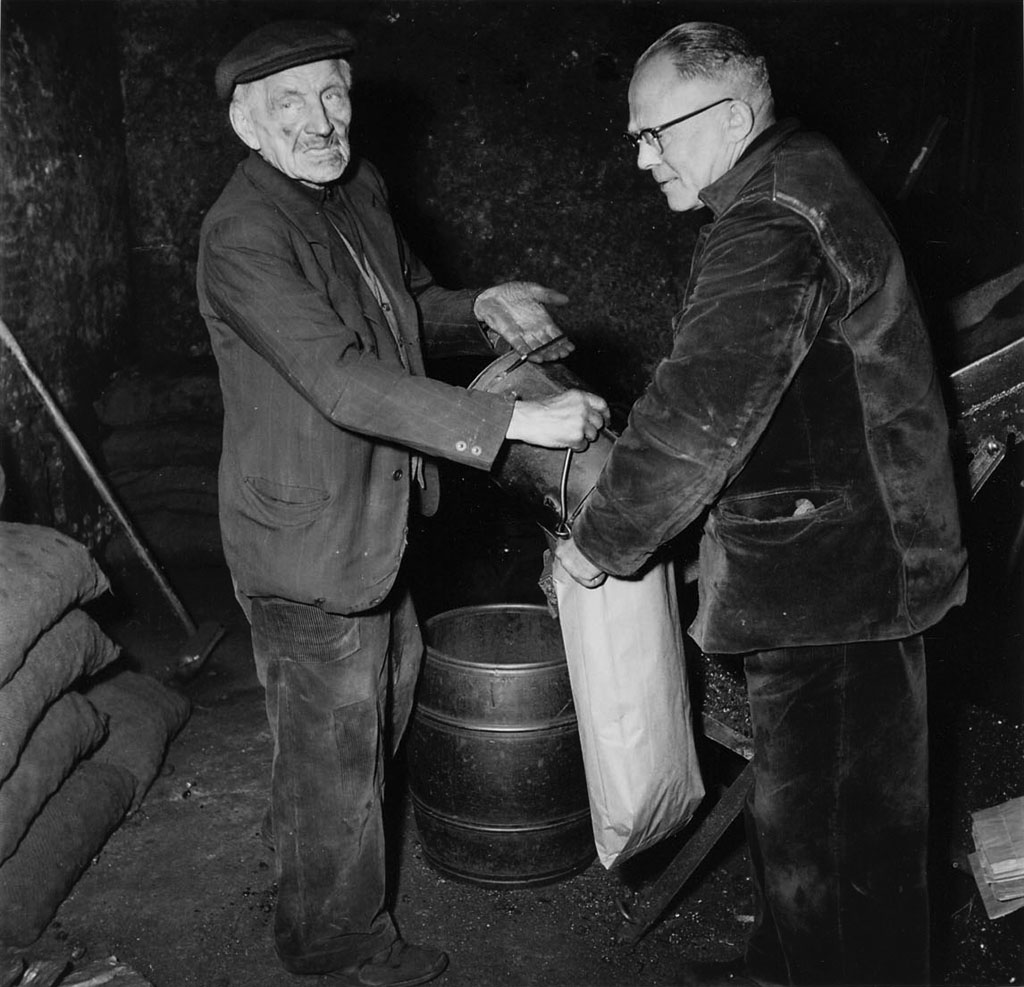
A coalman went to the back of the house, into the cellar and through the kitchen, in every house on a street, every few weeks, for years. He knew who was struggling, who was ill and who had left.
That information was not recorded and was not shared with anybody official, and whether it was used kindly depended entirely on the man.
Nothing replaced it, because nothing in modern energy supply puts a person inside a house regularly. Where that function exists now it is a deliberately designed scheme with training and referral routes rather than a by-product of selling fuel.
15. Trained by carrying sacks until he could do it all day
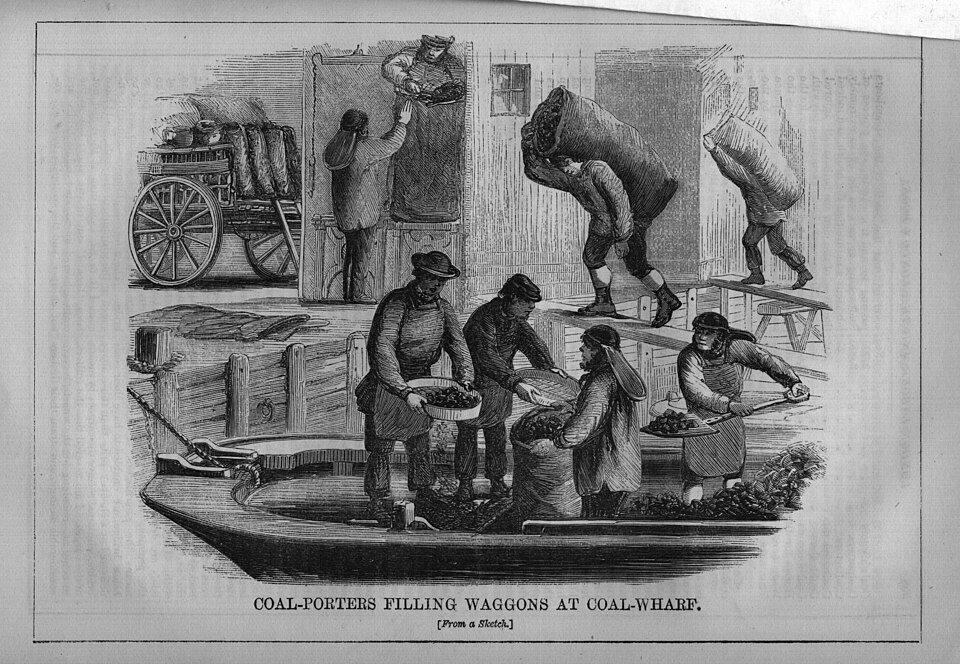
There was no training beyond doing it. A young man started as a second pair of hands on a lorry and learned the round, the grades, the customers and the carrying technique, and the technique was the part that took longest.
Carrying a hundredweight repeatedly without injury depends on how it is lifted, positioned and set down, and that knowledge was transferred by instruction on the job from men who had kept working into their fifties.
Manual handling training is now a formal requirement in any job involving significant lifting, and the loads themselves have been reduced by regulation, mechanical aids and smaller package sizes.
16. And the honest summary of why it went
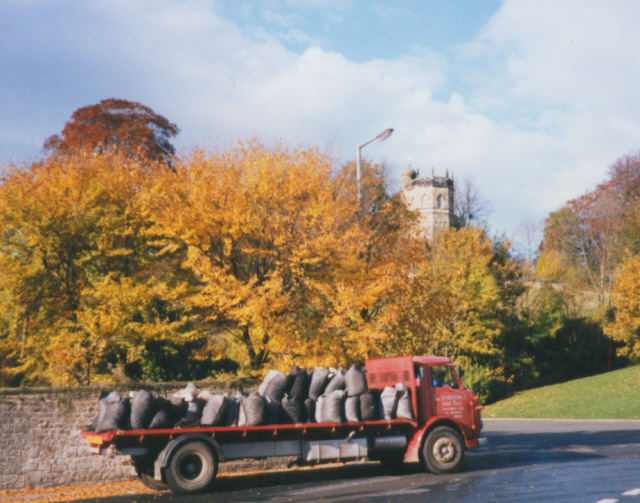
Three things, in order. Clean air legislation restricted what could be burned in urban areas and made the traditional product unlawful in the places with the most customers. Gas and electric central heating removed the need to handle fuel at all. And the manual handling the trade depended on became indefensible as an ordinary condition of employment.
None of those was aimed at the coal merchant. He was the incidental casualty of a change in air quality policy, a change in domestic heating technology and a change in what employers may ask of a human back.
Solid fuel merchants still exist, serving rural properties, stoves and specialist markets, and they deliver in smaller bags with mechanical aids to houses that chose their heating rather than inherited it. It is a different trade with the same name.
The three changes, and none of them were about coal merchants
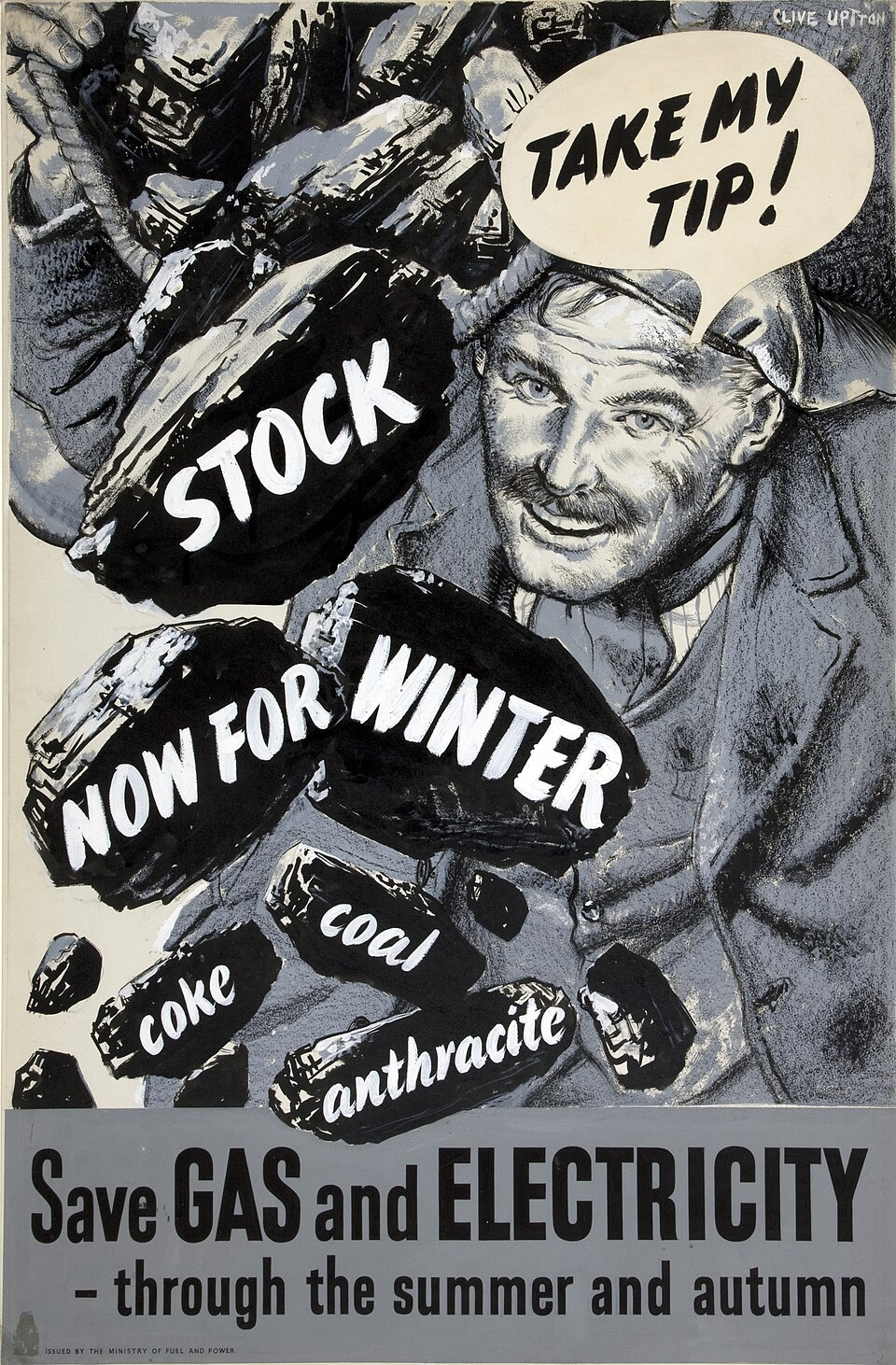
Clean air legislation came first in the places with the most customers, restricting or prohibiting the burning of smoke-producing fuels in designated urban areas. That did not end the trade — merchants adapted by selling authorised smokeless fuels — but it made the traditional product unlawful where the density of demand was highest, and it made what remained more expensive and less familiar.
Central heating came second and was decisive, because it removed the need for anybody to handle fuel at all. A household on gas or oil does not have a coal hole, does not lay a fire and does not need a delivery, and once the conversion was made it was never reversed. The economics of the gas industry in several countries changed within about a decade, which compressed what might have been a slow transition into a fast one.
Manual handling came third and finished the job as an occupation rather than as a business. A round built on carrying a hundredweight up a path thirty times a day could not survive into a period when loads, carrying distances and lifting technique became matters of regulation and assessment.
Solid fuel merchants still exist and still deliver, in bags a person can carry without a career-ending back, with a tail-lift and a barrow, to houses that chose solid fuel rather than had no alternative. The name survived and almost nothing else about the job did.
Like our content? Follow us for more.