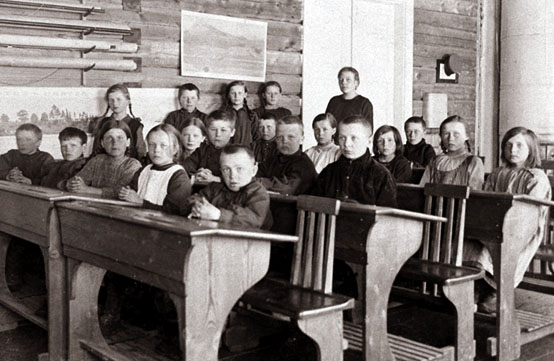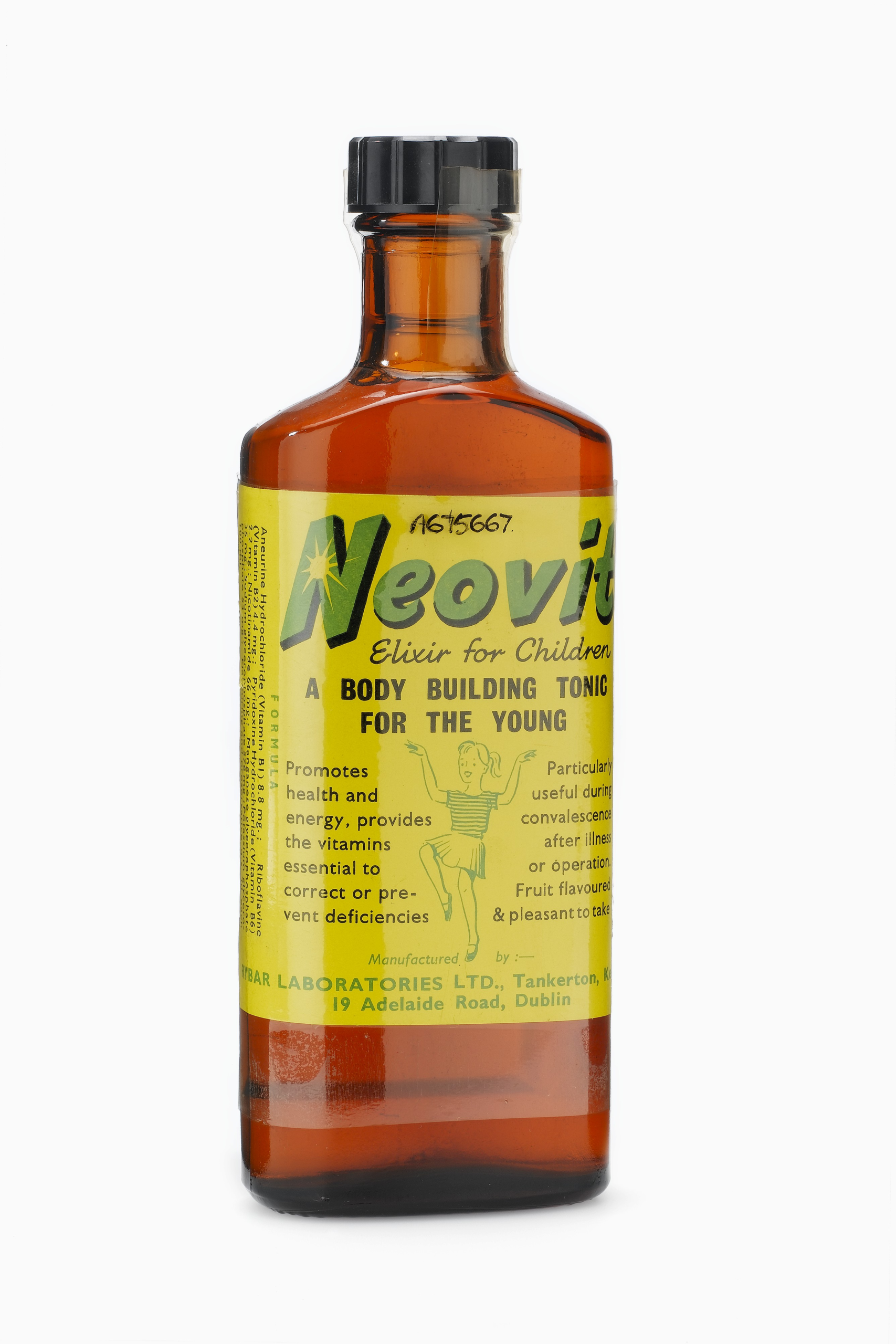
Here are sixteen things given to children in 1965 to make them healthier, and what happened to each of them. Some were aimed at a named deficiency disease and worked outstandingly well. Some were aimed at a general idea of building a child up and did nothing at all. This is a historical account, it contains no quantity of anything, and it is not advice about what anybody should take.
1. Cod liver oil, administered by spoon whether you wanted it or not
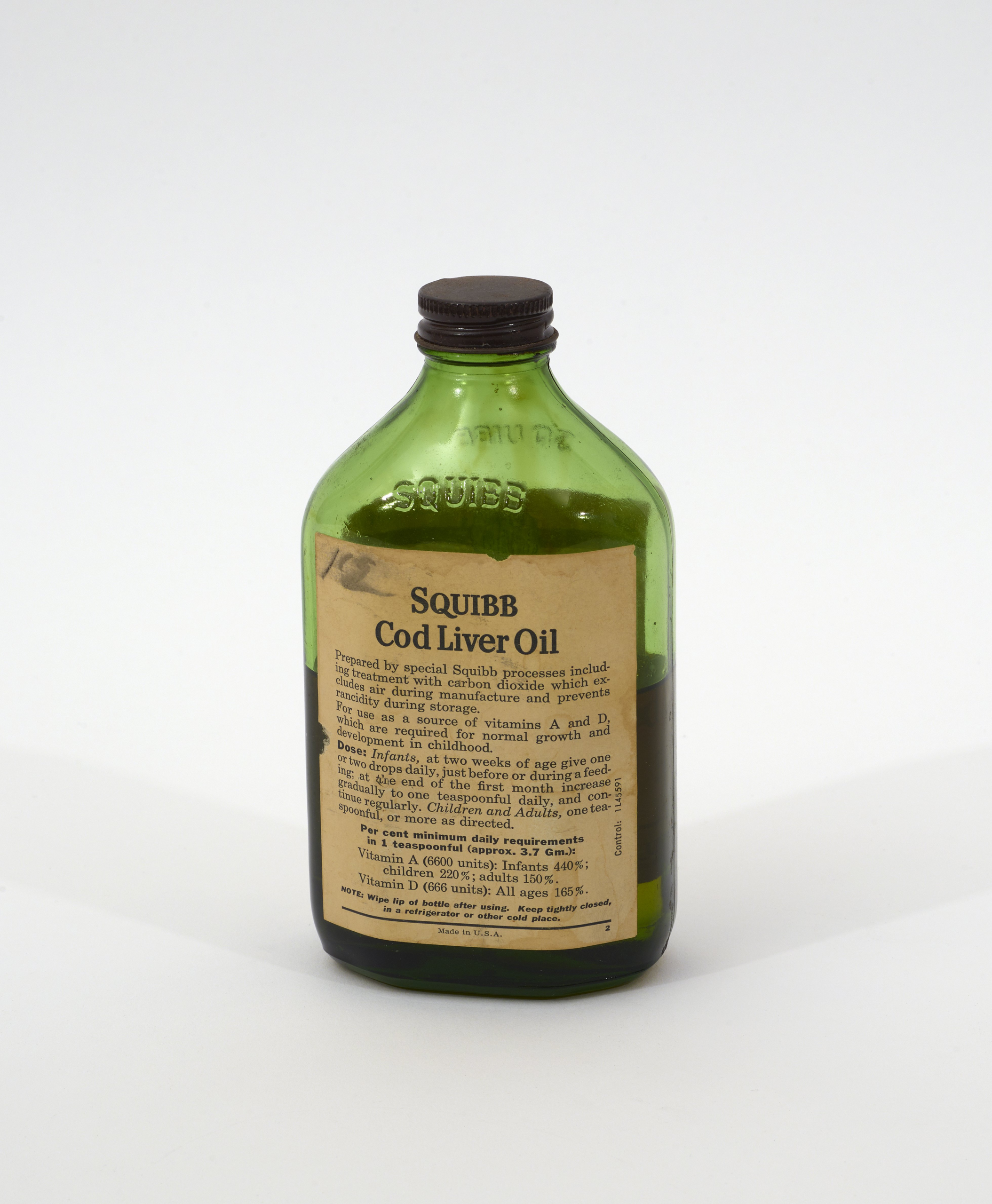
A spoonful of fish liver oil, given daily and remembered with near-universal distaste, was the central item of the whole arrangement. It was provided through welfare clinics in many countries and bought in bottles everywhere else.
The reason was specific rather than general. Fish liver oils are a concentrated natural source of vitamin D, and vitamin D deficiency causes rickets, a disease of bone development in children that had been widespread in industrial cities and was a genuine public health target.
It remains a source of vitamin D and is still sold, now in capsules, and nothing in this file is advice about taking it. The point is that the spoonful was aimed at a named disease rather than at general vigour.
Like our content? Follow us for more.
2. Malt extract, usually as the thing that made the oil bearable
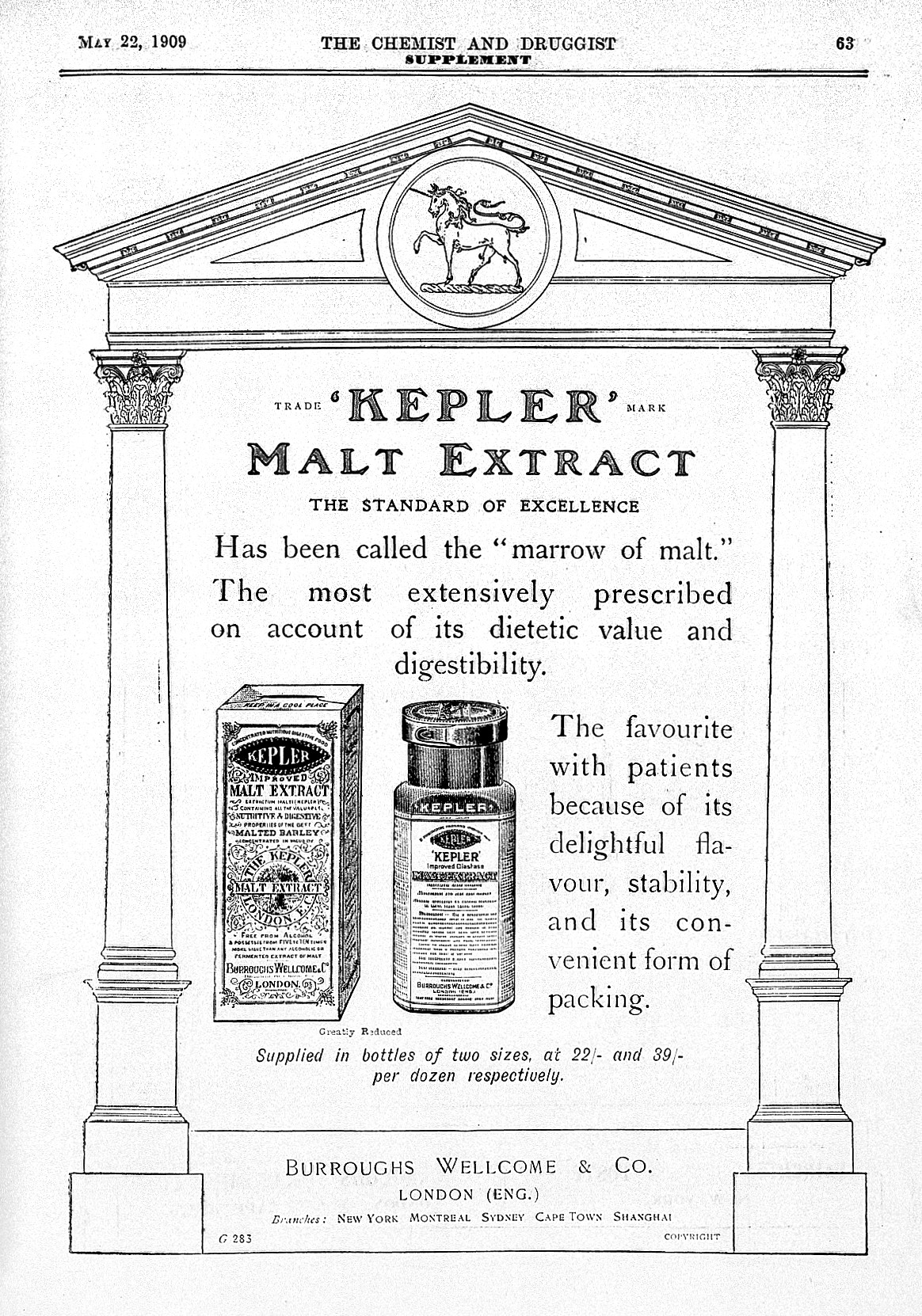
Thick, dark, intensely sweet malt extract was given on its own and was also sold combined with cod liver oil specifically to make the oil palatable to children.
Malt extract is a concentrated carbohydrate product made from germinated barley, and its contribution was energy and a small amount of B vitamins rather than anything dramatic.
Its place in the 1965 cupboard was mostly as a delivery vehicle and a treat, and it survives today as a flavour and a baking ingredient rather than as a health product, which is an honest reflection of what it actually did.
3. Rose hip syrup, which was a wartime invention that outlived the war
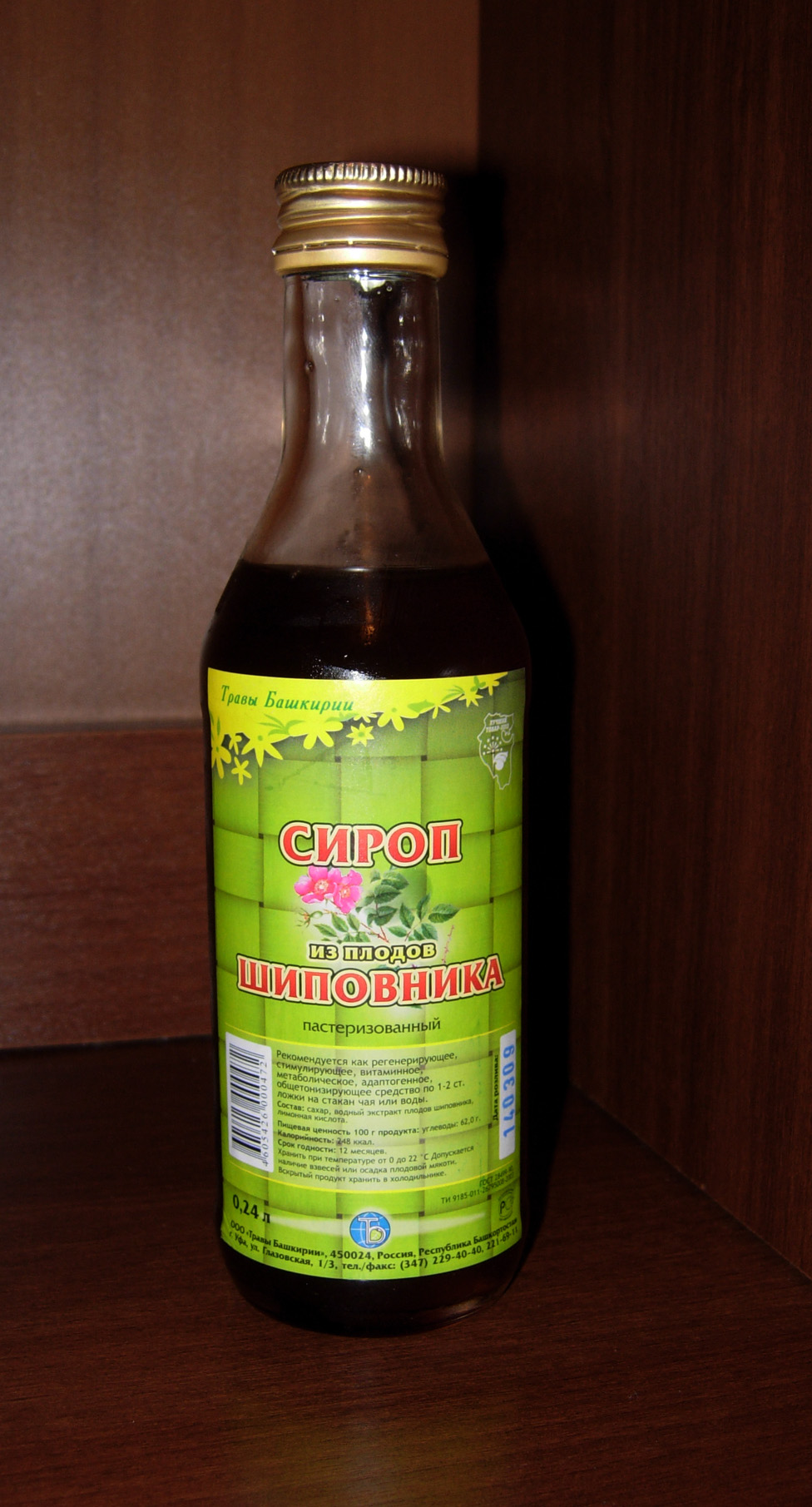
Rose hips contain a high concentration of vitamin C, and in countries where citrus imports were cut off during the Second World War, organised collection of wild rose hips by schoolchildren was turned into a national syrup supply.
The scheme continued long after the shortage ended because it worked, was popular with children and had become part of the welfare arrangements.
Vitamin C deficiency causes scurvy, which was the target. Once citrus and a wider fresh diet were universally available the rationale weakened, and the syrup faded into a nostalgia product.
4. Concentrated orange juice from the welfare clinic
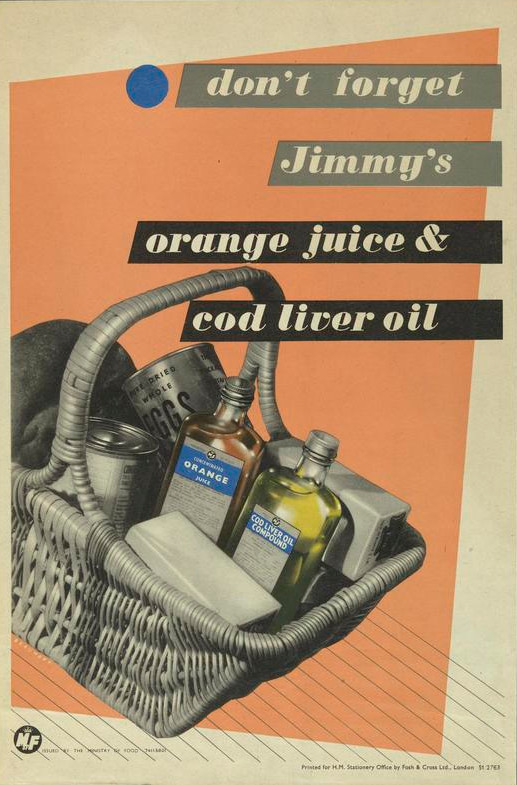
Small bottles of concentrated orange juice were distributed through infant welfare clinics, free or heavily subsidised, as a vitamin C source for babies and young children.
It came with the clinic visit, which was the point: the distribution system was also an attendance system, bringing mothers and infants into contact with a nurse or health visitor who weighed the baby and asked questions.
Juice is no longer recommended as a routine item for infants in most countries, and vitamin supplementation for young children is now handled by specific drop formulations where it is advised at all. The clinic visit survived, and it was always the more valuable half.
5. National dried milk, in a tin, measured with a scoop
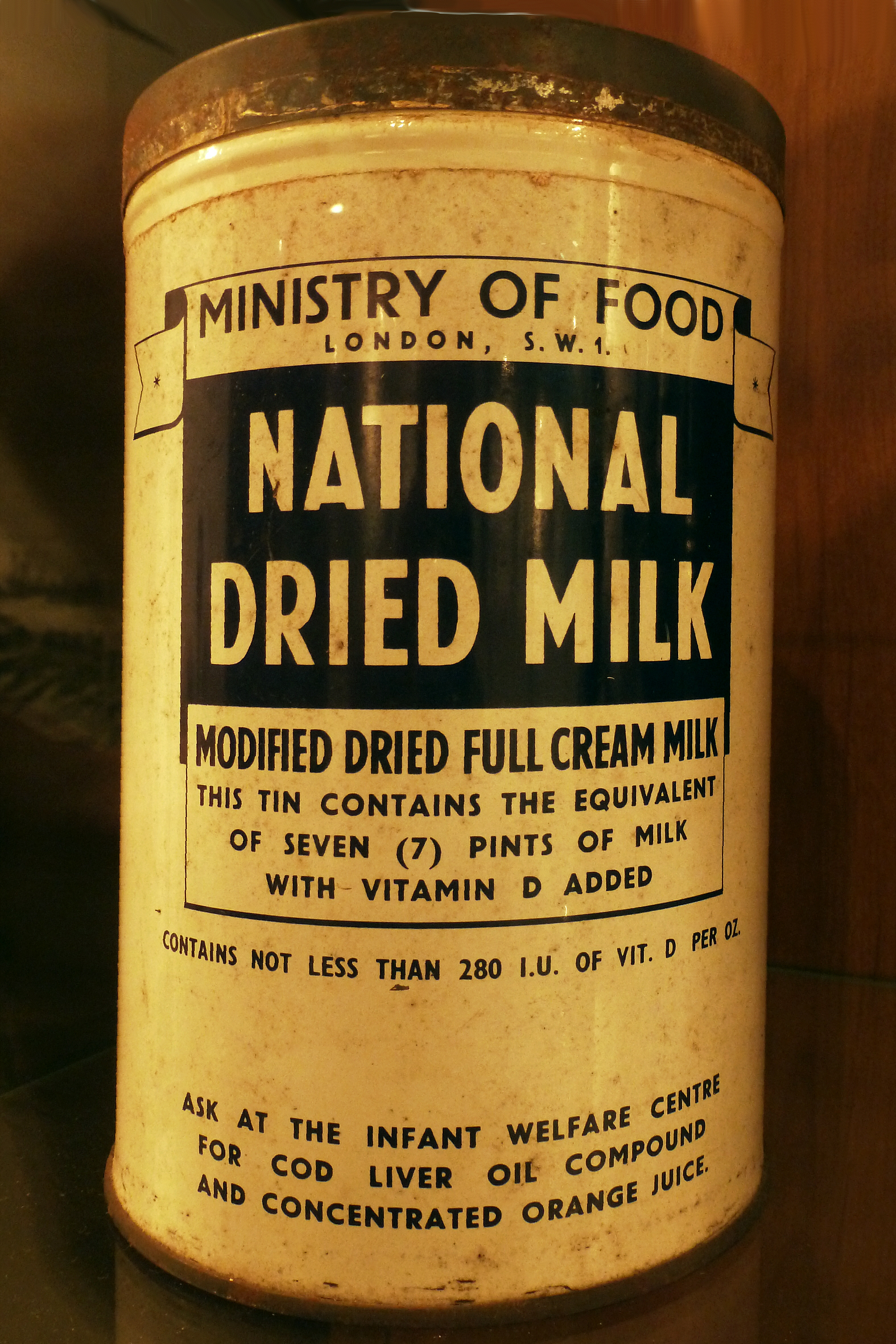
Dried milk powder supplied through welfare schemes was a staple of infant feeding, reconstituted at home with water at a measured ratio.
It solved real problems of supply, cost and keeping in a period before universal refrigeration, and it was fortified with vitamins as a deliberate policy.
Infant formula is now a closely regulated product category with specified composition, and the guidance on preparation has changed substantially. That is an area where current instructions matter a great deal and no historical account should be read as a method.
6. Free school milk, a third of a pint, often warm

A daily bottle of milk for every schoolchild was policy in many countries, delivered in crates, drunk through a straw in the mid-morning break and frequently left standing somewhere too warm.
The nutritional case was calcium, protein and vitamins for children whose home diet could not be assumed. The programme was large, popular with nobody who had to drink the warm ones, and politically significant.
School milk has been reduced or ended in many places and retained in others, and where it survives it is refrigerated. The nostalgia attached to it is almost entirely about the temperature.
7. Halibut liver oil capsules, for people who could not face the spoon
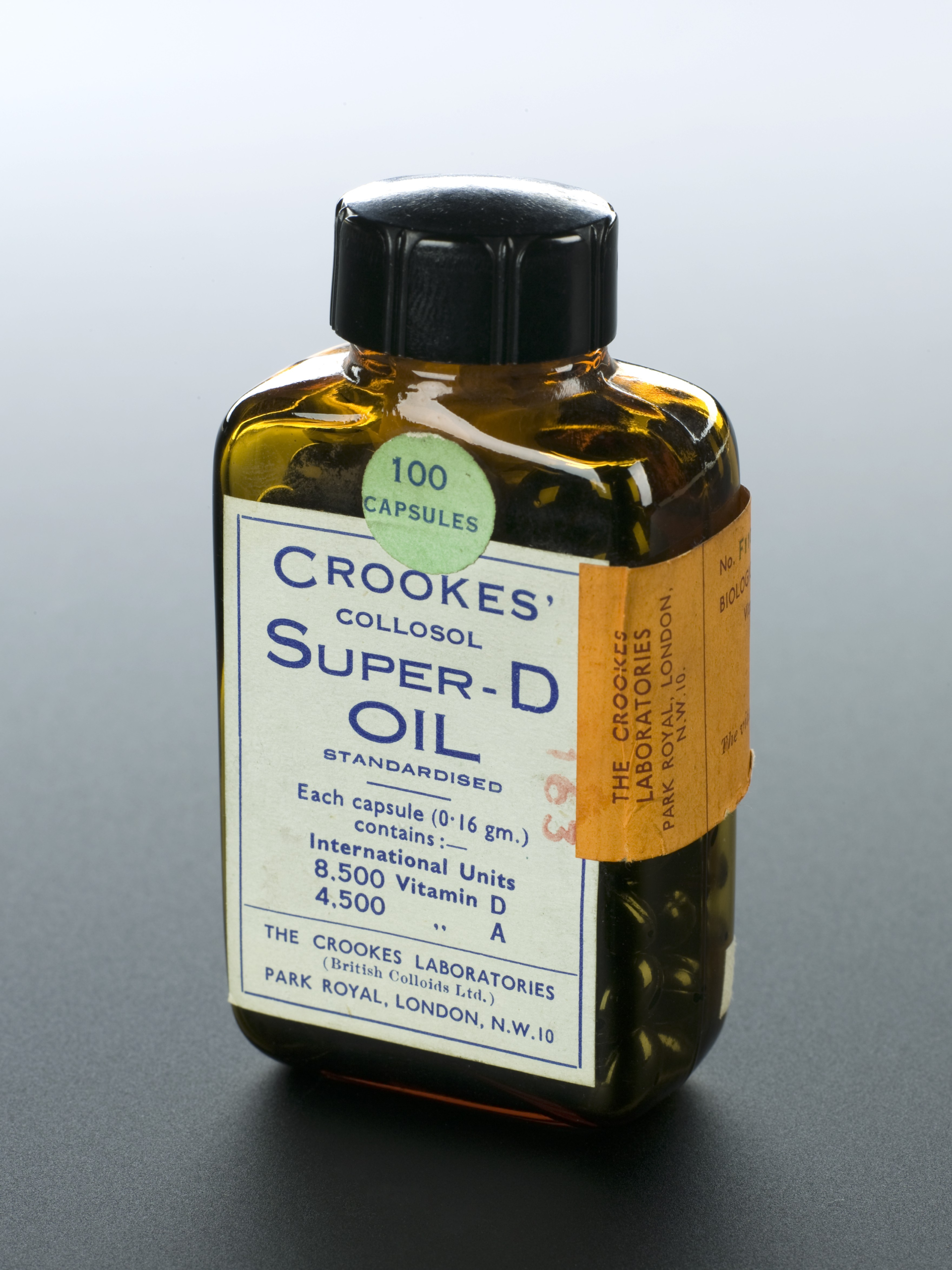
Halibut liver oil is far more concentrated than cod liver oil in the fat-soluble vitamins, which meant it could be given in a small capsule rather than a spoonful.
That concentration is also the reason it needed to be treated with more care, and it is the clearest example in this list of a product where more is emphatically not better.
Fat-soluble vitamins accumulate in the body rather than being readily excreted, so excess intake is a genuine concern rather than a theoretical one. No quantity appears in this file; product labelling and a clinician are the only appropriate sources for that.
8. Iron tonics, given for tiredness and pallor
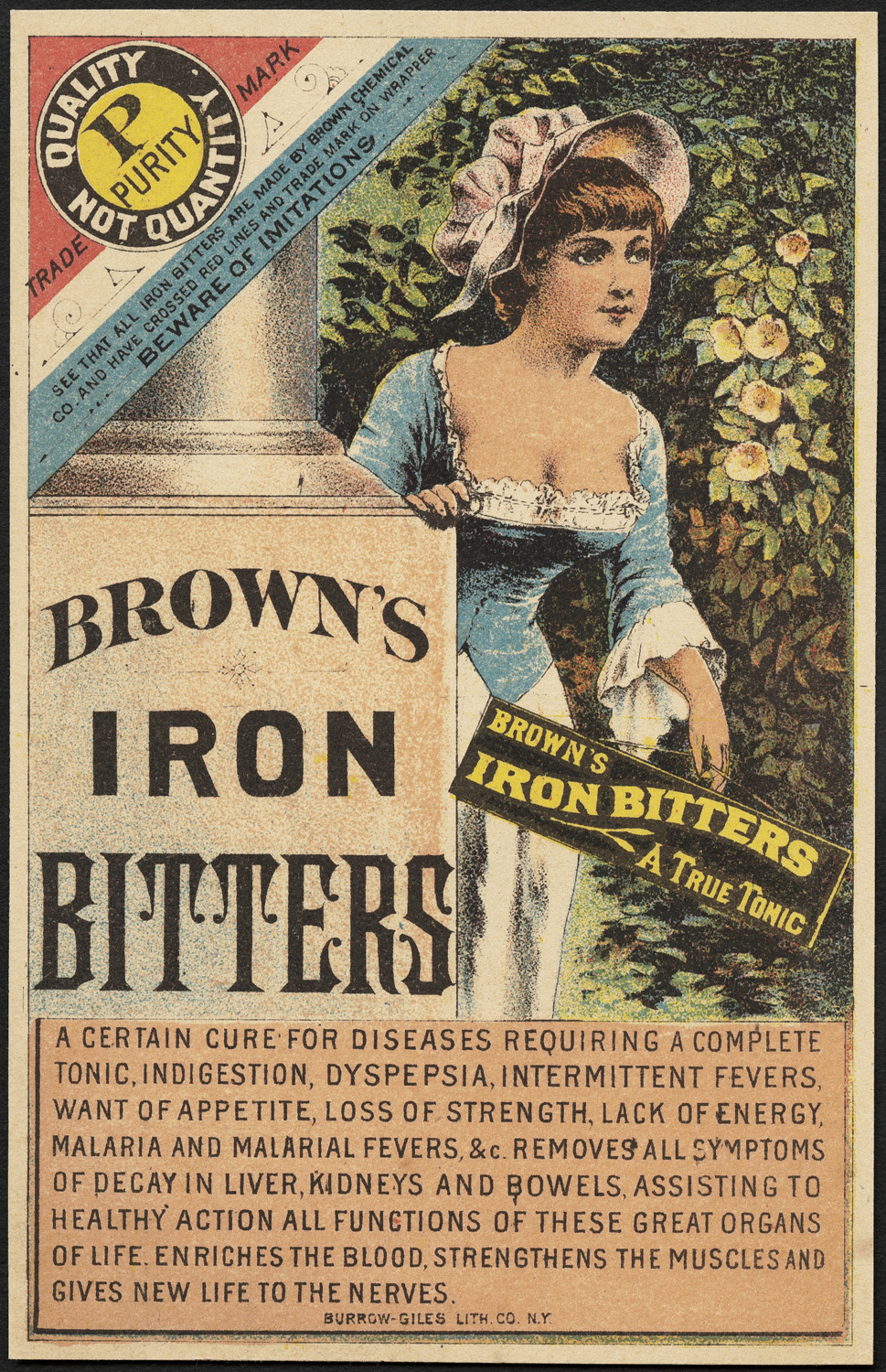
Dark, metallic-tasting iron preparations were widely given to children and to women, on the general reasoning that tiredness and a pale appearance indicated a need for iron.
Iron deficiency is real, is diagnosable and is treated with iron, but diagnosing it requires a blood test rather than an appearance, and giving iron to somebody who does not need it achieves nothing useful.
Iron preparations are also specifically hazardous to small children in excess, which is covered in detail elsewhere in this series and is not restated here. The modern position is that iron is given on the basis of a test and kept out of children’s reach.
9. Spring tonics and blood purifiers, which were neither
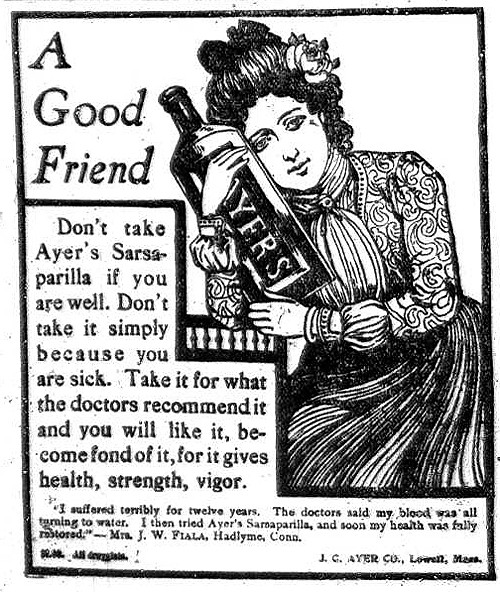
A category of seasonal preparations was sold and given on the theory that the body needed clearing out or building up after winter, with sulphur and treacle among the traditional versions.
There is no physiological basis for a seasonal purification of the blood, and the preparations did not do what the name claimed.
What they probably did was signal attention and care, which is not nothing, and the category has no modern successor beyond the much larger market in general wellbeing products that makes similar claims in newer language.
10. Glucose powder, spooned into drinks for energy
Tins of glucose powder sat in a great many kitchens and were added to drinks for children who were recovering from illness, tired or thought to need building up.
Glucose is sugar, absorbed quickly, and it provides energy and nothing else. In a period when being underweight was a more common concern than the reverse, that was treated as a straightforward benefit.
The product still exists and the understanding of it has changed completely, which is one of the sharpest reversals in this list and reflects a general shift in what dietary advice is trying to achieve.
11. Yeast extract spread, eaten for the B vitamins
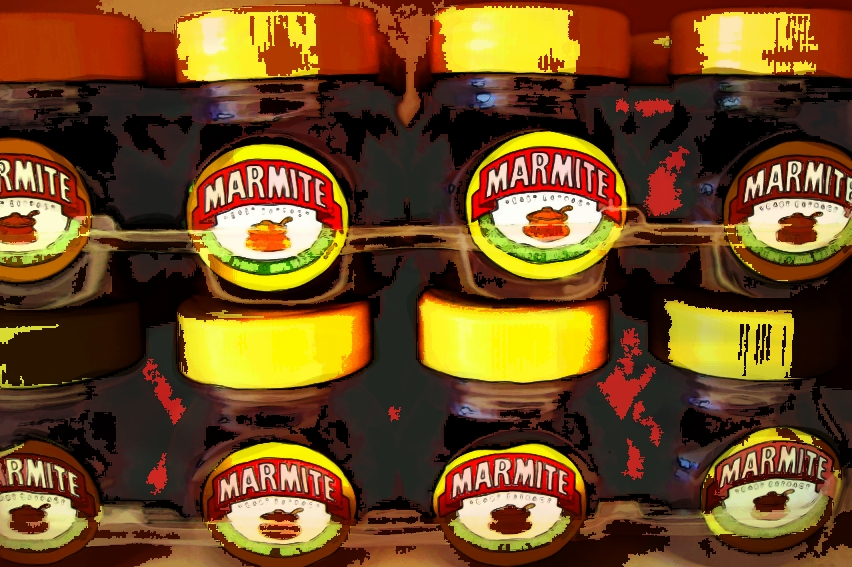
Dark salty yeast extract was promoted and consumed partly as a source of B vitamins, and it is a genuine one, being a by-product of brewing that concentrates them.
It was given to children on bread and in drinks made with hot water, and the taste divided households then exactly as it does now.
It remains a real source of several B vitamins and is also high in salt, which is the modern qualification. It is the one item on this list whose nutritional claim has survived essentially intact.
12. Margarine fortified by law
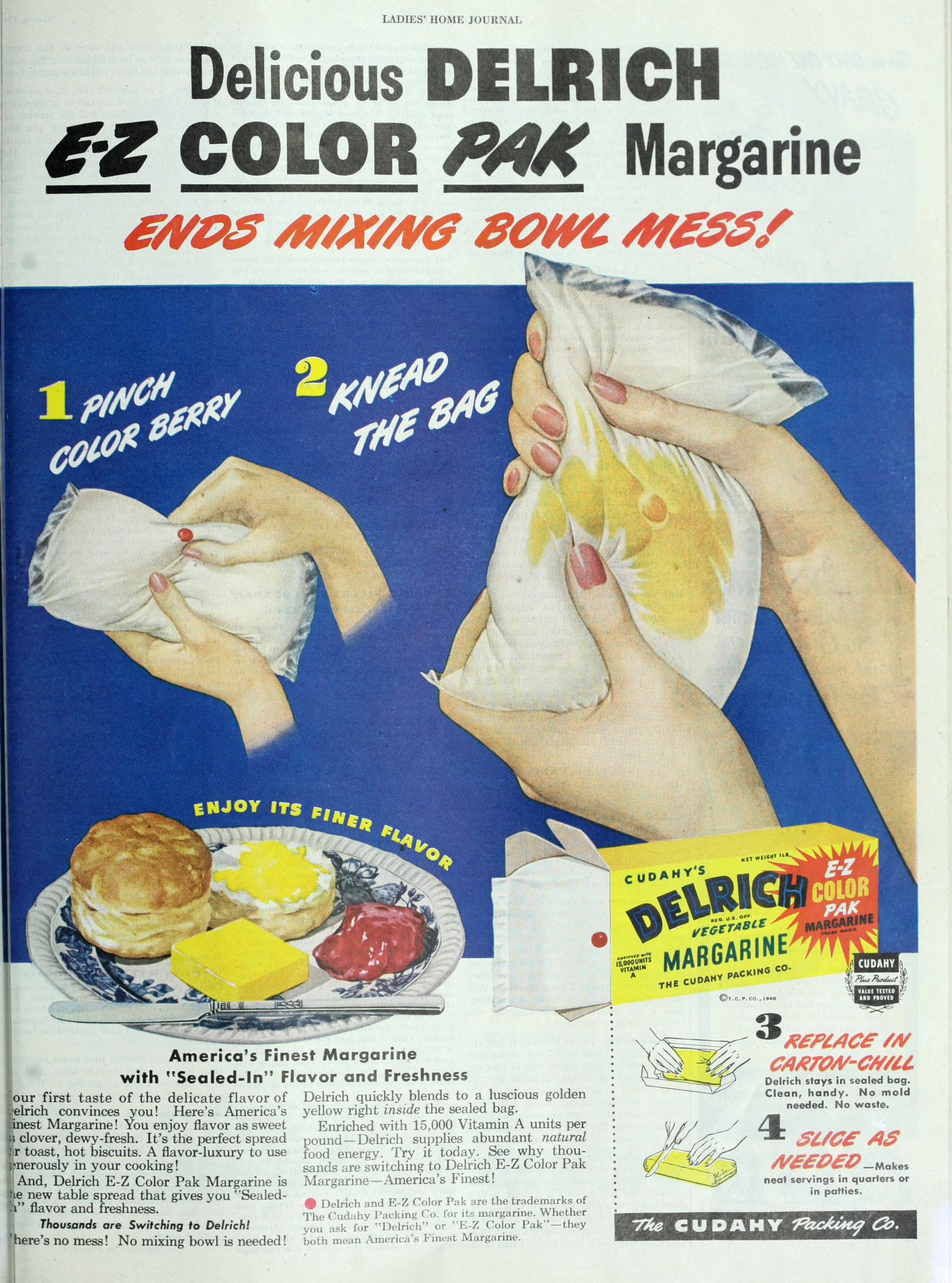
Margarine was required by law in many countries to be fortified with vitamins A and D to bring it into line with butter, which contains them naturally.
This is population-level supplementation delivered through an ordinary food, and most people eating it had no idea it was happening, which is exactly how it was designed to work.
The requirement persists in many jurisdictions. It is a good example of a public health measure that succeeded so quietly that the public never knew about it and therefore never objected to it.
13. Flour and bread fortified at the mill
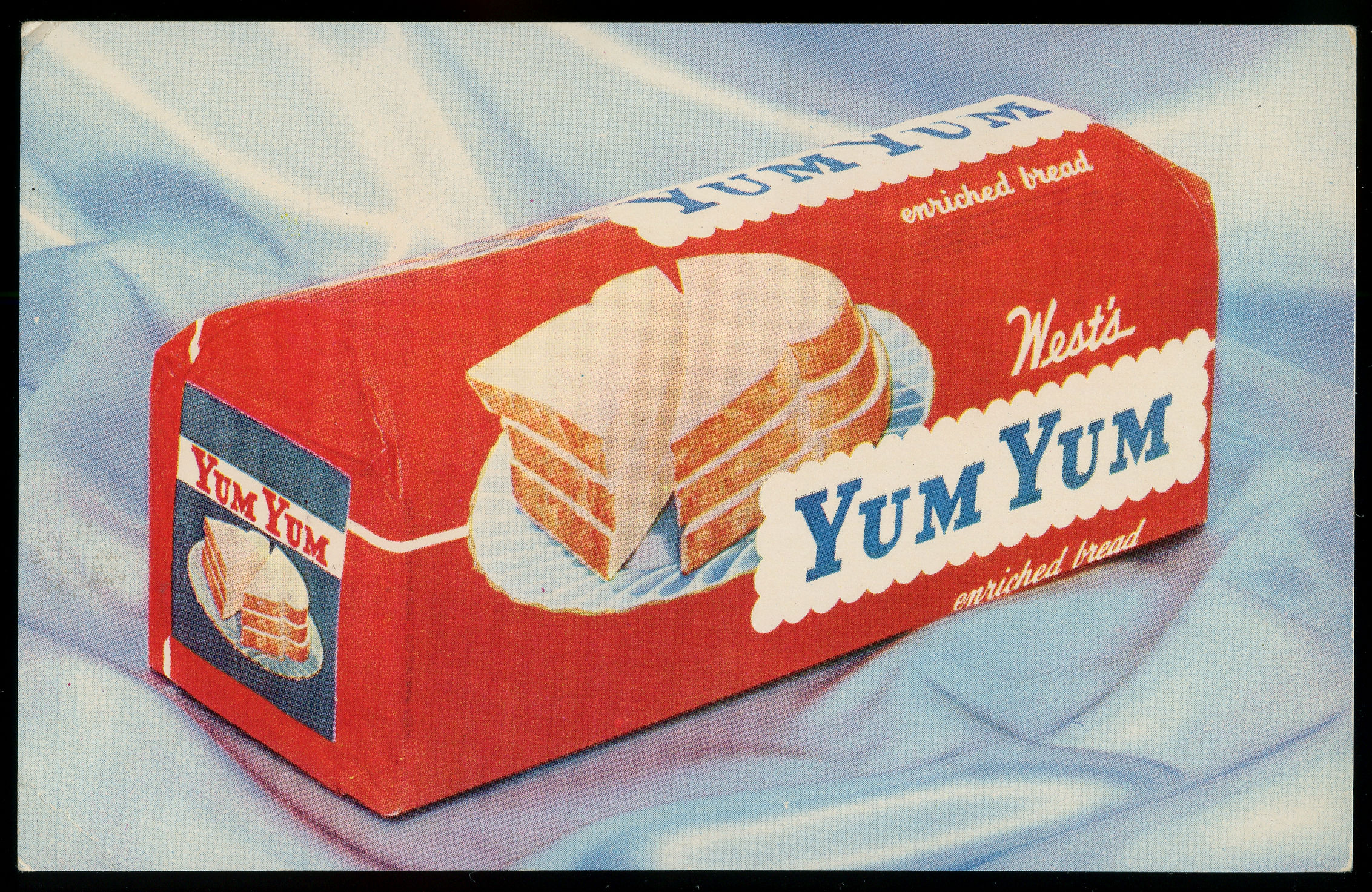
Flour was fortified with iron, calcium and B vitamins by statutory requirement in a number of countries, applied at the mill so that it reached everybody who ate bread.
The 1965 household was therefore receiving supplementation from the bread bin without anybody administering anything, which was the most effective part of the entire system described in this file.
Flour fortification continues, and the specific nutrients added have been revised as evidence changed, with folic acid added in many countries much more recently for a specific and well-established reason.
14. Multivitamin syrups, given as insurance
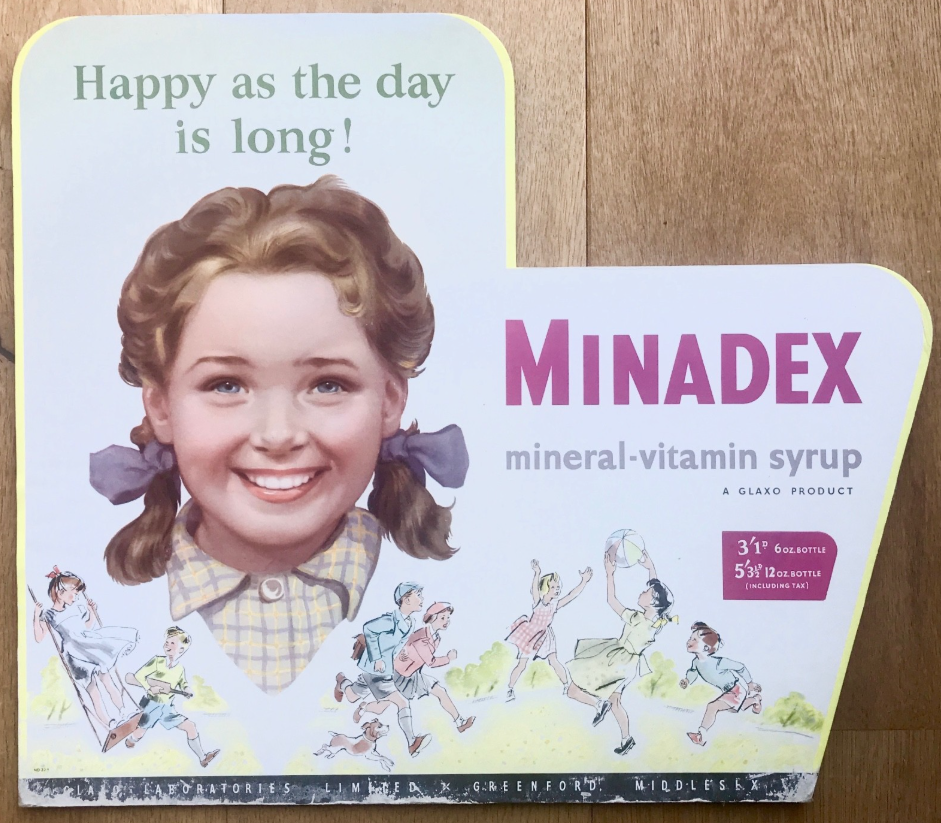
Sweet coloured syrups combining several vitamins were sold and given daily, on the general principle that it was better to be sure, and were marketed heavily to mothers on exactly that basis.
That is a different logic from the cod liver oil, which was aimed at one disease. This category was aimed at anxiety.
Current guidance in most countries is that a child eating a varied diet does not need a general multivitamin, with specific supplements advised for specific groups and situations. Which groups, and what those situations are, is a question for a clinician and is deliberately not answered here.
15. The whole thing was a system, not a collection of products
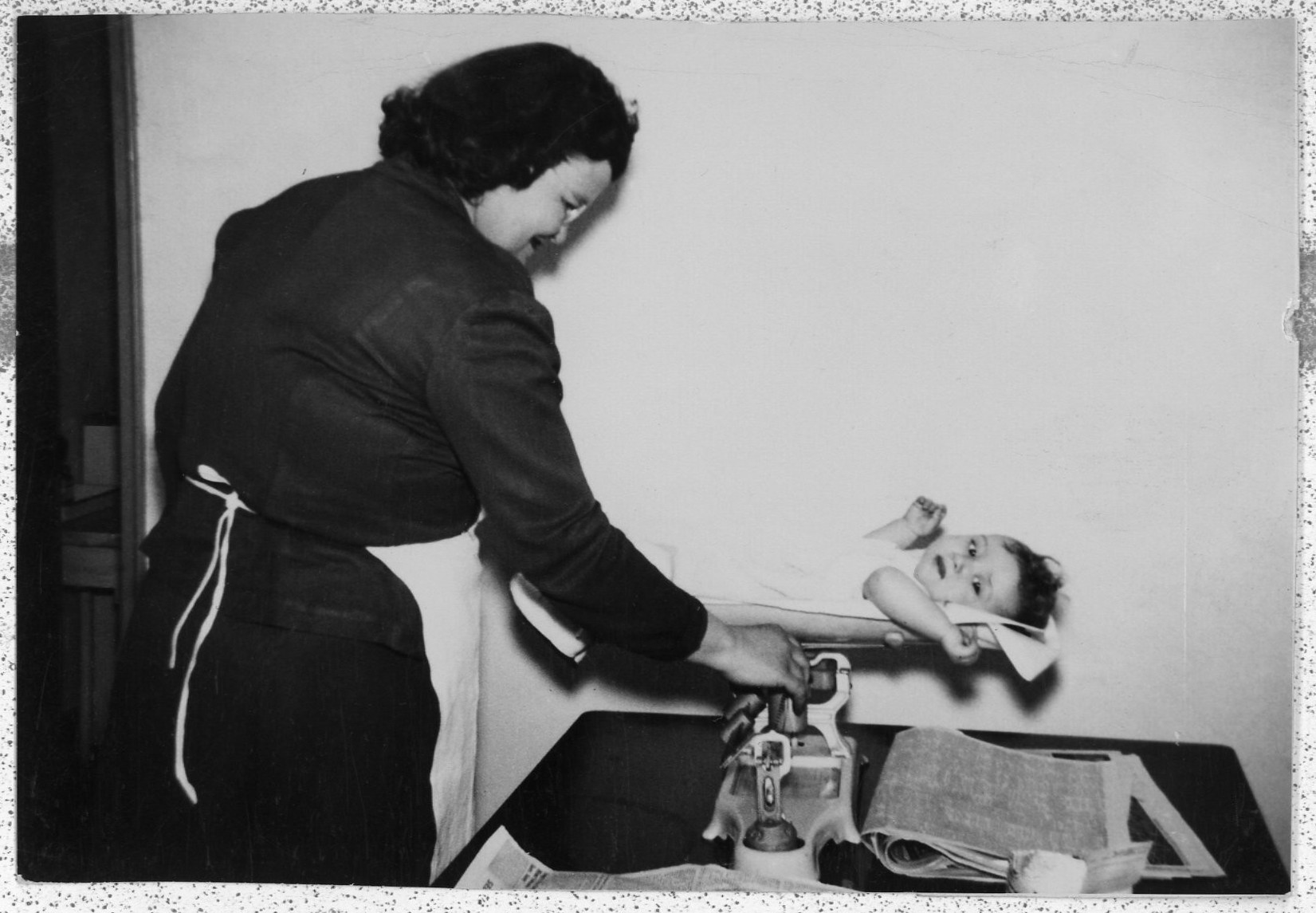
Welfare foods schemes tied the free or subsidised products to clinic attendance, health visiting, infant weighing and in some countries school meals and school medical inspection.
The products are what people remember and the system is what worked. Fortification at the mill, fortification of margarine, distribution through clinics and universal school milk together addressed deficiency diseases at population scale in about two decades.
Rickets and scurvy largely disappeared as everyday childhood diseases in the countries that did this, which is one of the clearer public health successes of the century and is the context every item on this list belongs in.
16. And what has actually changed about the thinking
Two things. The targeted measures — vitamin D against rickets, vitamin C against scurvy, fortification at the mill — were based on identified deficiency diseases and they worked, and the principle behind them is still in use wherever a deficiency is established in a population.
The untargeted measures — tonics, purifiers, general building up and daily multivitamins as insurance — were based on a belief that more must be better, and that belief did not survive. Where nutrients are concerned, and particularly with the fat-soluble ones, more is not reliably better and can be worse.
Nothing in this file is advice, no quantity of anything appears in it, and anybody deciding what a particular child or adult should take needs current guidance and their own doctor rather than a historical article.
The line between the two halves of this list

Every item here falls on one side or other of a single distinction, and the distinction is whether anybody had identified a specific deficiency and a specific disease. Vitamin D against rickets, vitamin C against scurvy, iron and calcium and B vitamins added to flour at the mill, vitamins A and D added to margarine by statute: these were targeted at established problems in known populations, they were delivered through foods people already ate, and they worked so completely that the diseases they were aimed at stopped being ordinary.
The other half — spring tonics, blood purifiers, glucose for building up, daily multivitamins as insurance — was aimed at a feeling that a child could always be built up a little further. That half rested on the assumption that more of a good thing is better, which turns out not to hold for nutrients, and particularly not for the fat-soluble vitamins that accumulate rather than being excreted. The first half is still public health policy. The second is now a consumer market making similar claims in newer language.
The most effective item in this entire list is the one nobody remembers receiving, because it arrived in the bread. Fortification at the mill reached every household that ate bread, required nothing of anybody and was never the subject of a single argument at a kitchen table, which is probably why it worked.
Like our content? Follow us for more.