

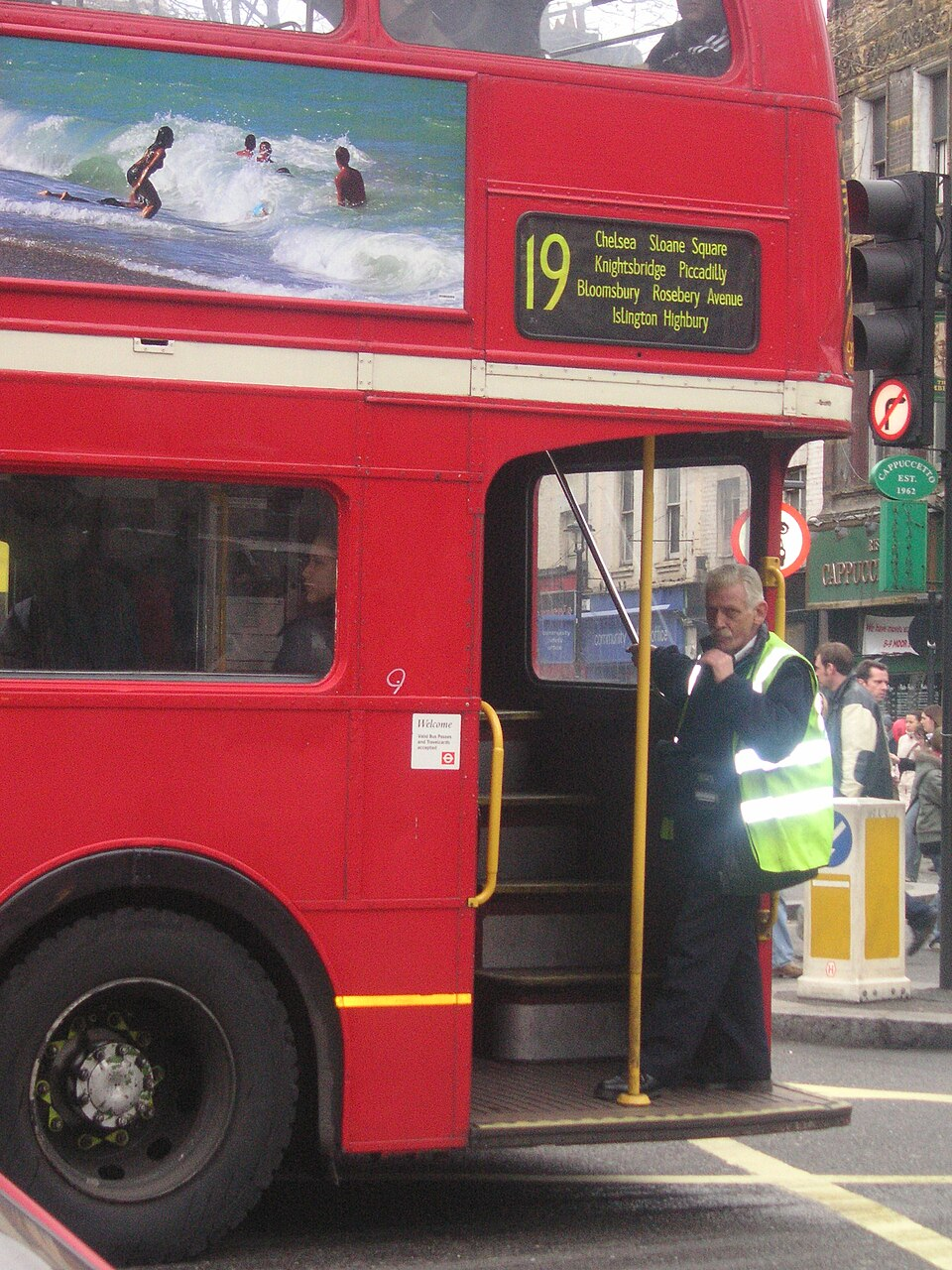
Here are sixteen things the bus conductor did in 1960, before driver-only operation removed the grade across most of the world inside about fifteen years. Some of it was simply labour that a machine could absorb. Some of it was a function nothing has replaced, and one item on this list is a problem the bus industry is still trying to solve.
1. Collected every fare individually, from every passenger, while moving
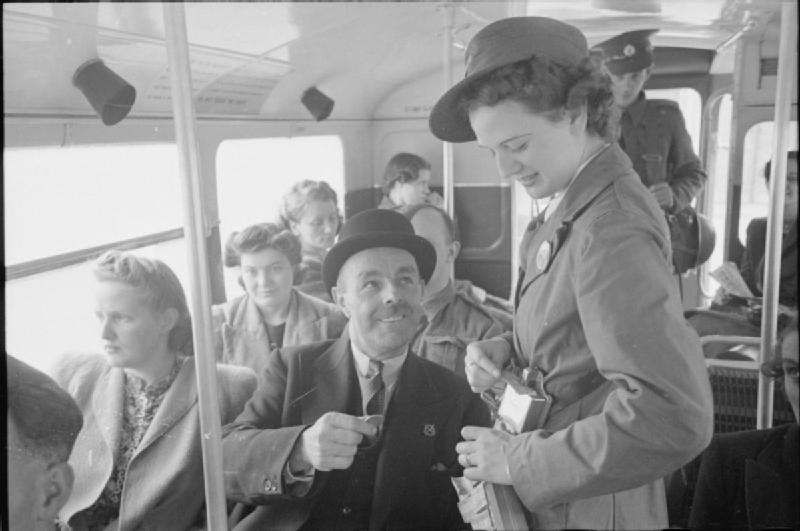
The conductor worked the length of the bus continuously, taking money from each passenger after they had boarded and sat down, calculating the fare for their journey, and giving change out of a leather satchel.
There was no queue at the front and no delay at the stop, because boarding and paying were separate events. A bus could load twenty people in seconds and sort the money out afterwards.
That is the structural advantage the whole system had, and it is why conductors survived as long as they did on busy urban routes. Removing them made every stop slower, permanently, and the industry knew it would. A route’s whole timetable had to be rewritten around the new dwell times.
Like our content? Follow us for more.
2. Knew the fare between every pair of stops on the route
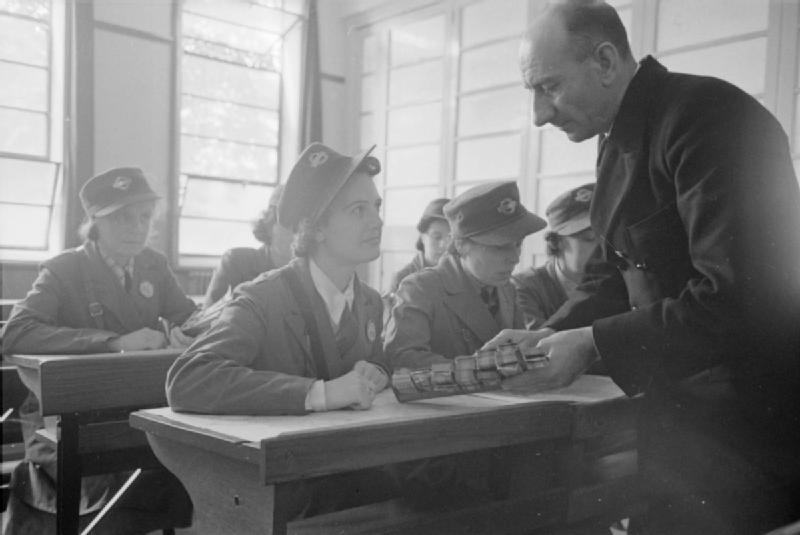
Fares were graduated by distance, in stages, which meant a different price for every combination of boarding and alighting point. A busy route had hundreds of them.
The conductor held that table in his head. A passenger said where they were going and the fare came back immediately, because stopping to look it up would have made the job impossible.
The modern equivalent is flat fares, zones, or a card reader that calculates it, and the information lives in a machine. Nobody is expected to memorise a fare table any more, and no job requires it. The knowledge was real, it was examined on appointment, and it had a shelf life of exactly as long as the fare table stood.
3. Punched or wound out a ticket for each fare
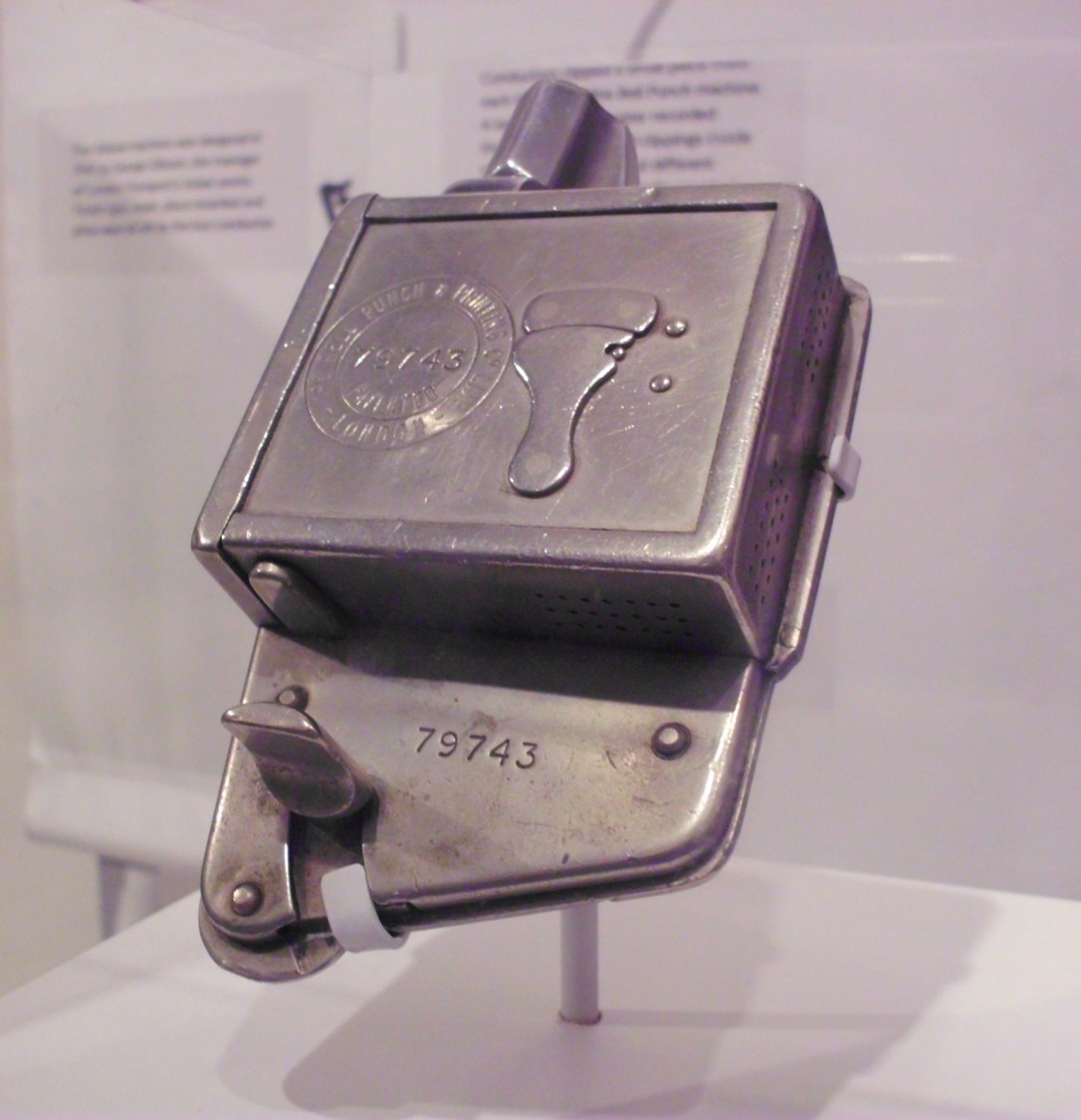
Tickets came from a mechanical machine worn on a strap, with the value set by dials and a handle wound to print and dispense, or from a rack of pre-printed tickets clipped with a punch to show the stage.
Either way a physical object was produced for every single fare, and the machine’s running total was the record of what the conductor should be holding at the end of the shift.
Reconciliation at the end of a duty was therefore a count: cash against machine reading. A discrepancy was the conductor’s problem, and the system was designed on that assumption, which tells you a good deal about how the industry regarded the grade.
4. Carried the day’s takings in a bag on his shoulder
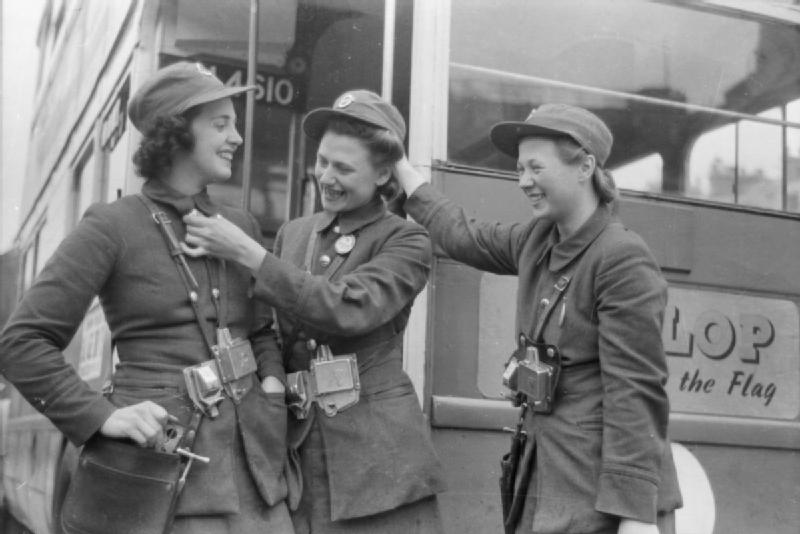
A busy conductor finished a shift with a substantial amount of cash in a leather satchel, having carried increasing quantities of it around a public vehicle all day in full view.
The practical defence was that the bag was awkward, the conductor was conspicuous and the bus was full of people. It was not nothing, but it was not much.
Cashless ticketing removed the problem entirely, and it is one of the clearer cases where a change made for commercial reasons also removed a risk that had simply been tolerated for decades.
5. Rang the bell to tell the driver to go, and only when ready
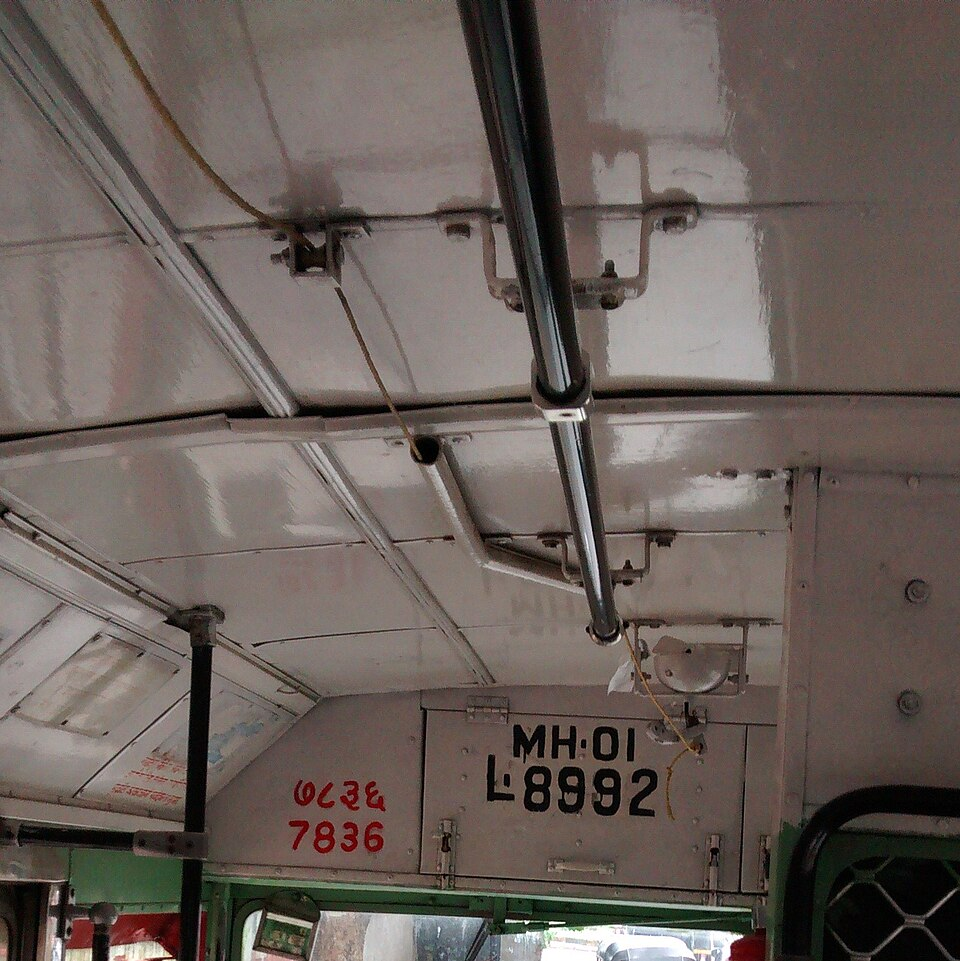
Departure was the conductor’s decision, signalled by a bell pull or a buzzer: one for stop, two for go, with local variations everybody knew.
That mattered because the conductor could see the platform, the stairs and the passengers, and the driver in a separate cab could not. Nobody was moved off while somebody was still on the step.
On a driver-only bus the driver makes that judgment from a mirror. It works, and it is a less reliable arrangement than a person standing at the door looking at it, which is why door interlocks and mirrors have been improved continually ever since.
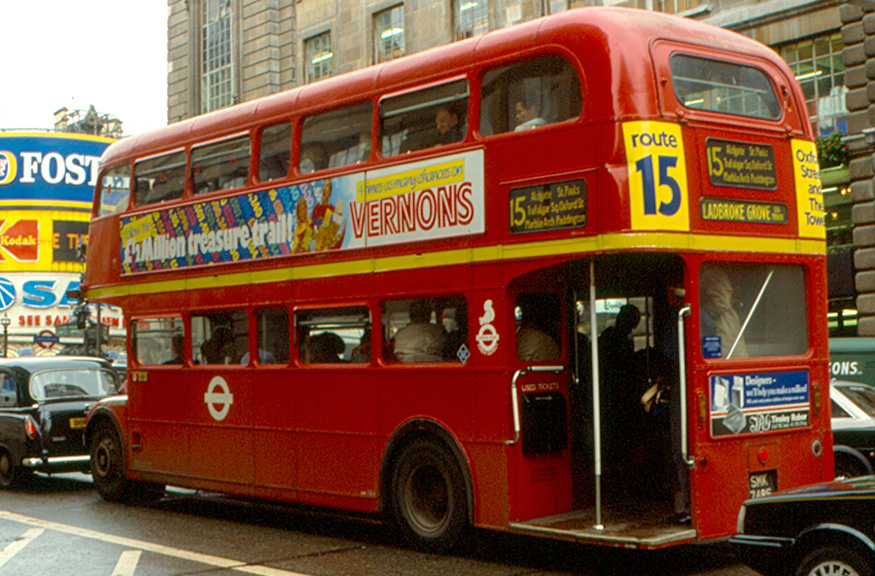
6. Supervised an open rear platform with no door on it
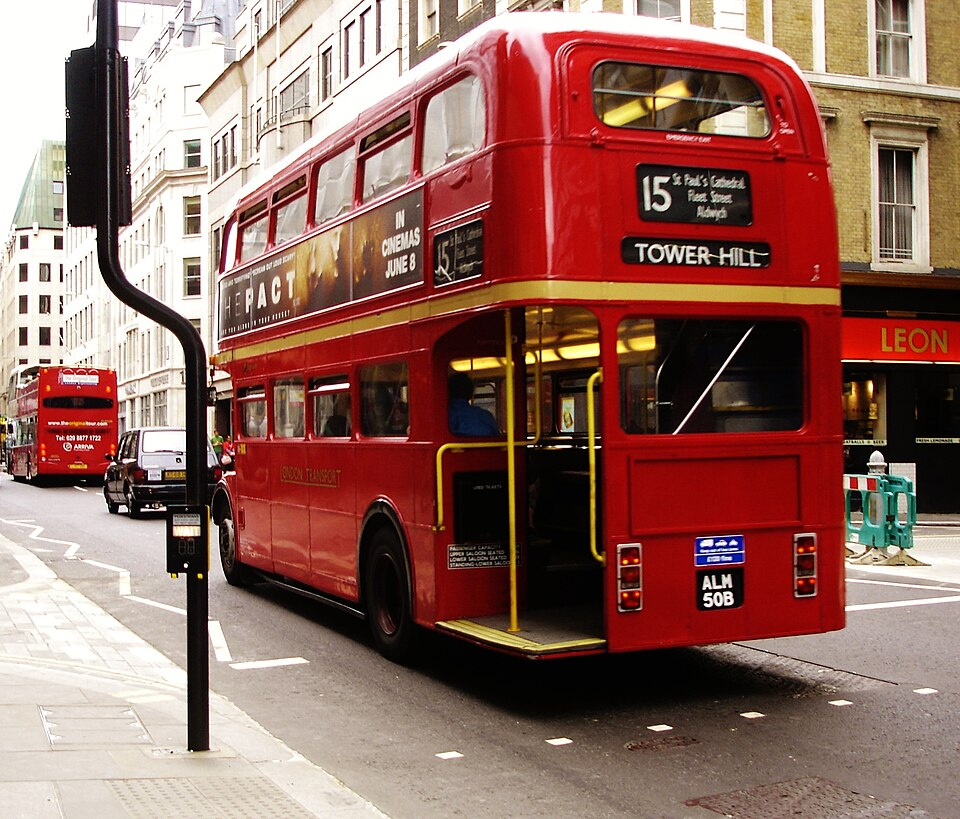
The classic urban bus had an open platform at the back with a grab pole and no door at all. Passengers boarded and alighted at will, including while the bus was moving slowly.
The conductor’s presence was the control. He stood there, he told people to wait, and his authority over the platform was the thing that made an open doorway workable.
Doors were fitted as conductors were withdrawn, and the two changes are directly connected: the door replaced the man. It is a rare case of a safety feature being added because a person was removed, and the sequence is almost always told the other way round.
7. Helped people on and off, and carried things for them
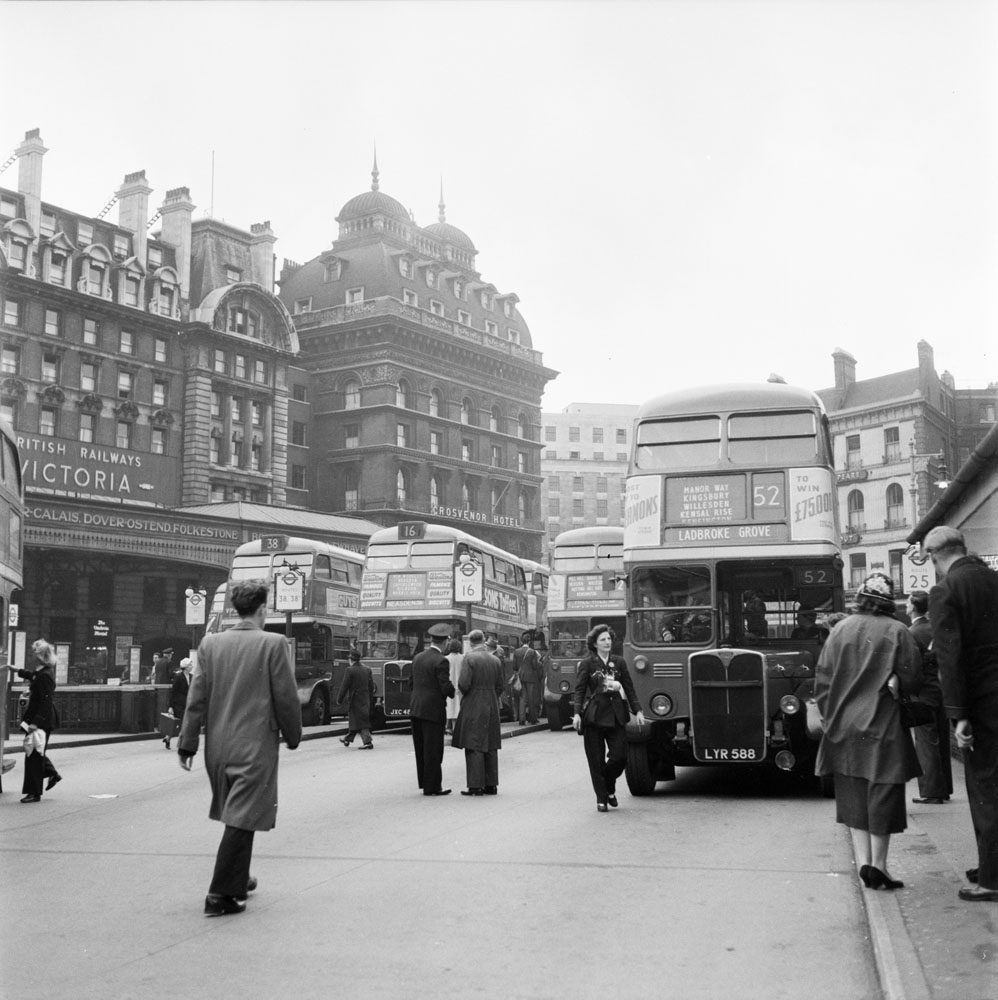
Prams, shopping, luggage, bicycles in some places, and passengers who needed a hand getting up a step were all the conductor’s business, and dealing with them was part of the fare collection round.
This was not a formal duty written into a job description. It was what the job consisted of in practice, and passengers expected it.
Modern accessibility is engineered instead: low floors, kneeling suspension, ramps, designated spaces and legal duties. The engineering is far better and the help is no longer a person’s judgment, which is a real loss for some passengers and a real gain for most.
8. Managed the stairs on a double-decker
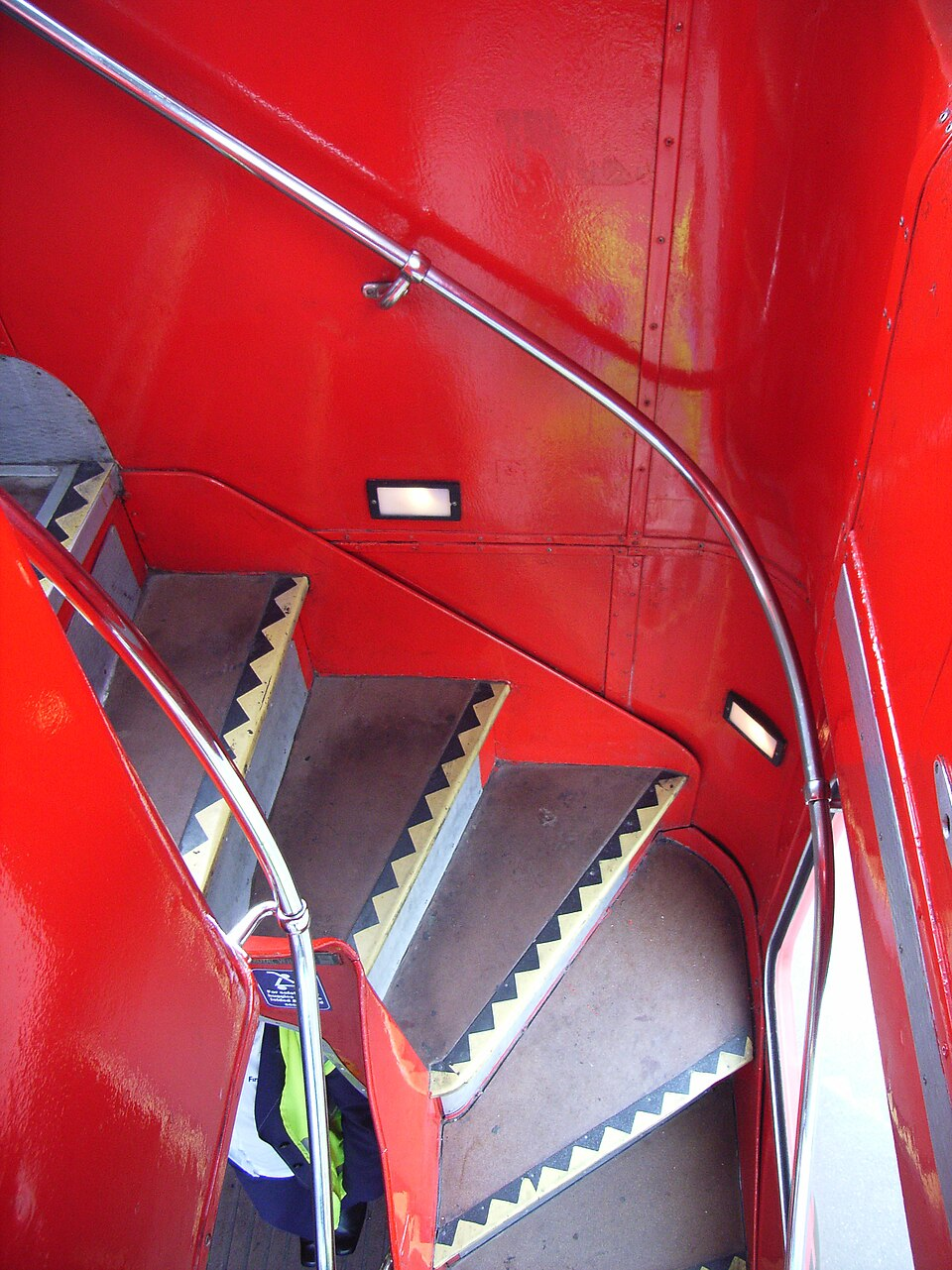
A conductor on a double-deck bus worked both floors, climbing a narrow staircase repeatedly with a full bag while the bus accelerated and braked.
He also had to know who upstairs had paid and who had not, which meant keeping a mental map of a deck he could not see from the platform, updated every time the bus stopped.
Standing passengers upstairs were prohibited and enforcing that was his job too. On a driver-only double-decker, nobody can see the upper deck at all except by camera.
9. Decided who was allowed to travel
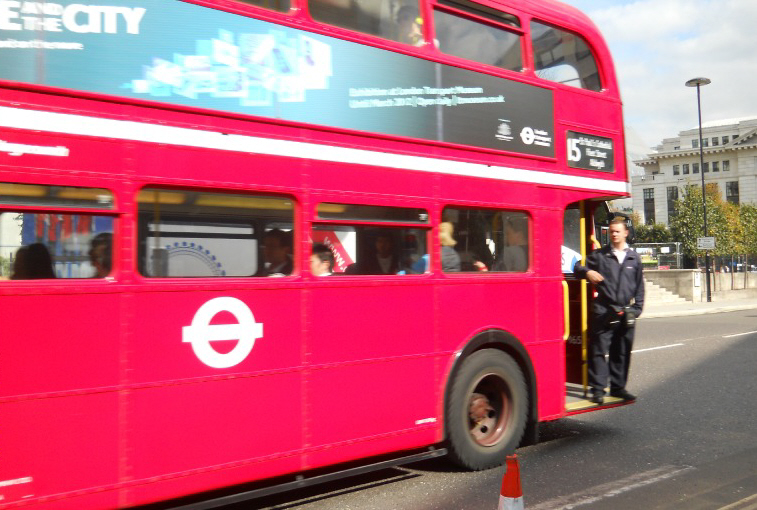
The conductor applied the rules: capacity limits, standing limits, behaviour, smoking in the permitted areas, who could be refused and who could be put off.
‘Full up’ was his call, announced from the platform, and it was final. He also dealt with fare disputes, drunkenness and anybody causing trouble, alone, with no means of summoning help.
Modern practice puts most of that on the driver behind a screen with a radio, cameras throughout and a policy that tells them not to intervene physically. The conductor had none of those things and intervened anyway, because there was nobody else on the vehicle to do it.
10. Worked the same route for years and knew the regulars
Crews were rostered to routes and depots and worked them for long periods, which meant the conductor knew which passengers got on where, who was usually running late, and who had not been seen for a week.
That produced a genuine social function on routes serving older or isolated passengers, and it was entirely informal.
Nothing replaced it, because nothing in the modern arrangement puts the same person in the same place often enough for it to arise. That is an honest loss and it is not solvable by engineering.
11. Stood for the whole shift, outdoors, in a moving vehicle
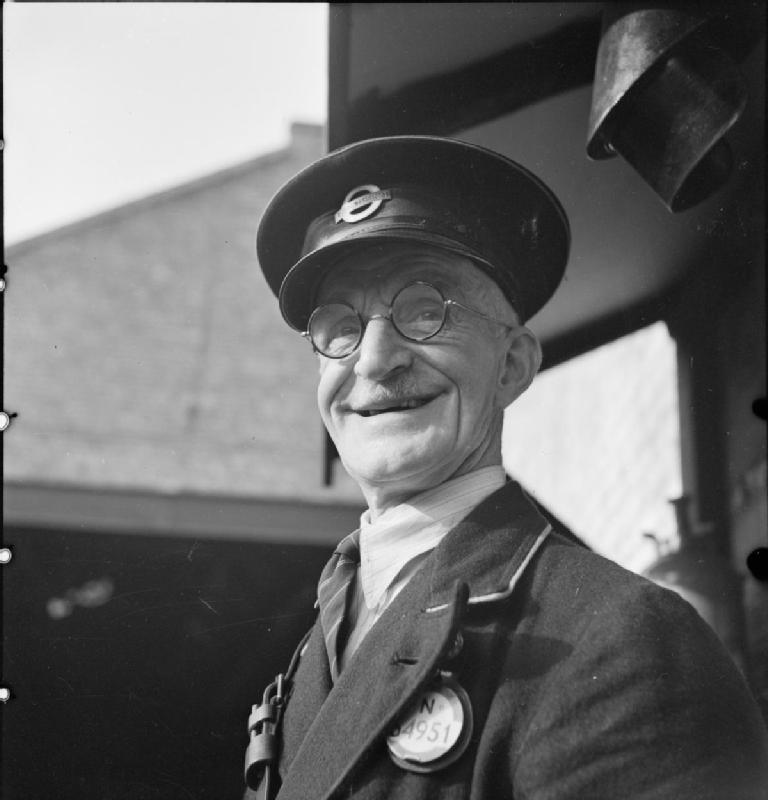
There was no conductor’s seat in any meaningful sense. The job was performed standing, balancing against acceleration and braking, on an open platform exposed to the weather and to exhaust.
Uniform was a jacket, a cap and a bag strap, and the platform in winter was cold and wet by definition because there was no door.
Occupational health has no modern analogue to measure against, because the job does not exist. Standing exposed on a moving vehicle for eight hours would today require a risk assessment that would almost certainly conclude against it, and the honest reading is that the job was accepted rather than assessed.
12. Did the paperwork at the end of every duty
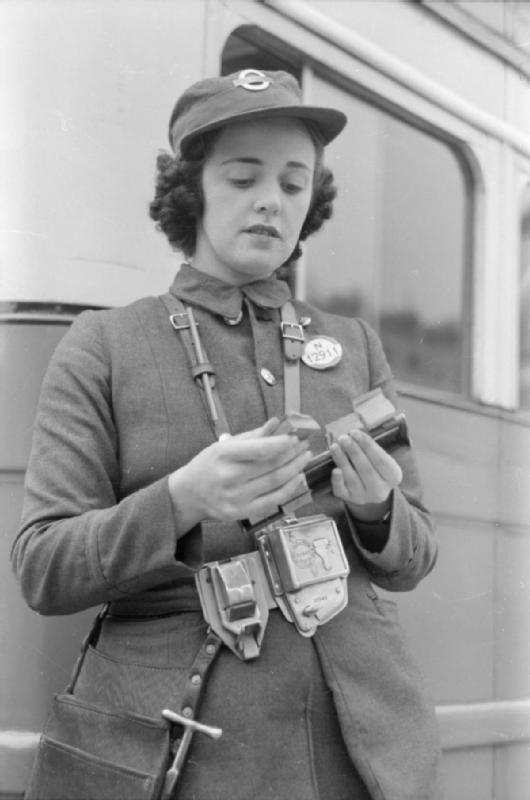
A waybill recorded the duty, the machine readings at start and finish, the cash paid in and any discrepancy, and it was completed and handed in before the conductor went home.
Depots had a cash office with a queue of conductors at shift change, counting out coin and having it checked, which added unpaid time to the end of every shift.
Automated fare systems removed all of it. The money never touches an employee, the reconciliation is electronic, and the cash office is gone from almost every depot, along with the unpaid half-hour at the end of every shift.
13. Was half of a crew, with everything that implies
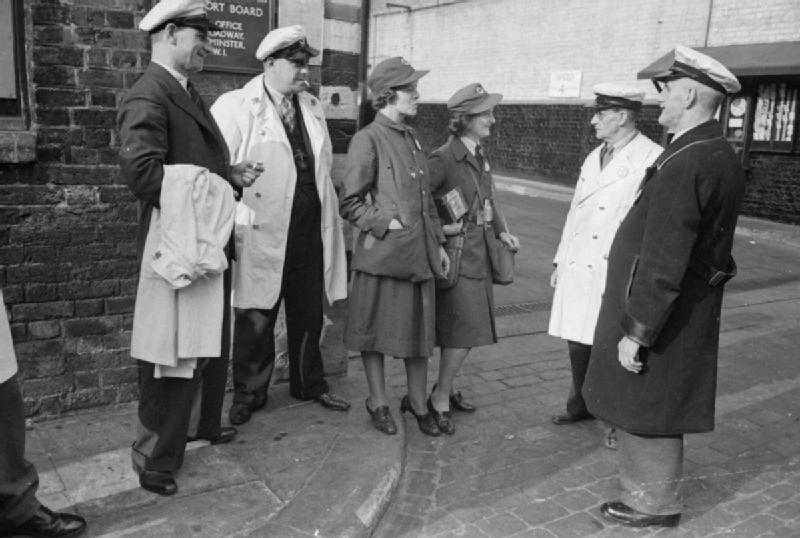
A bus was operated by two people who worked together all day, and the relationship between them determined what the shift was like. A good crew ran the route well; a bad pairing was eight hours of friction.
The driver drove and nothing else. He did not sell tickets, did not deal with passengers and in many undertakings was not supposed to leave his cab.
Driver-only operation merged the two jobs into one and kept the driver’s title. The work is harder than either of the old jobs and is paid as one wage, which was the point.
14. Trained as a conductor first, then became a driver
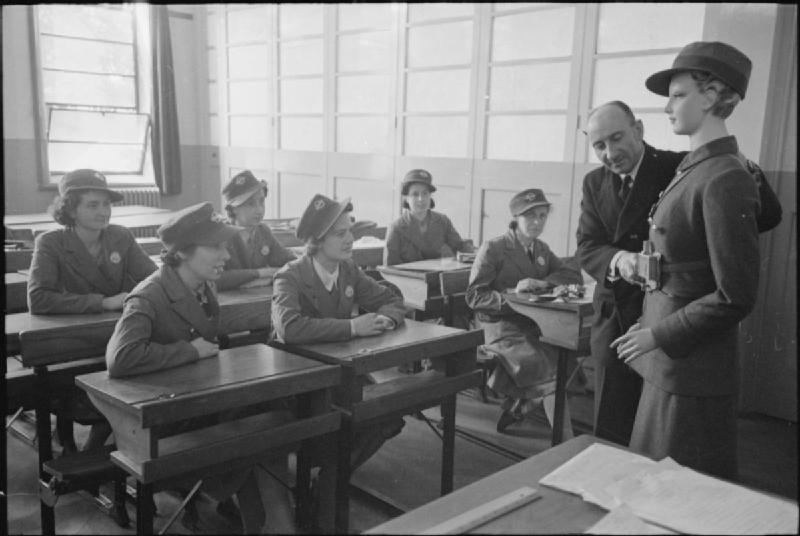
Conducting was the entry grade and the normal route into driving, which meant a new employee learned the routes, the fares, the passengers and the undertaking’s rules before ever taking the wheel.
That produced drivers who understood the whole operation from the passenger’s side, which is a genuine training advantage that was lost without being replaced.
Modern recruitment trains drivers directly, with a licence, an assessment and a route-learning period. It is faster and more systematic and it starts people in a cab.
15. Watched the whole thing disappear inside about fifteen years
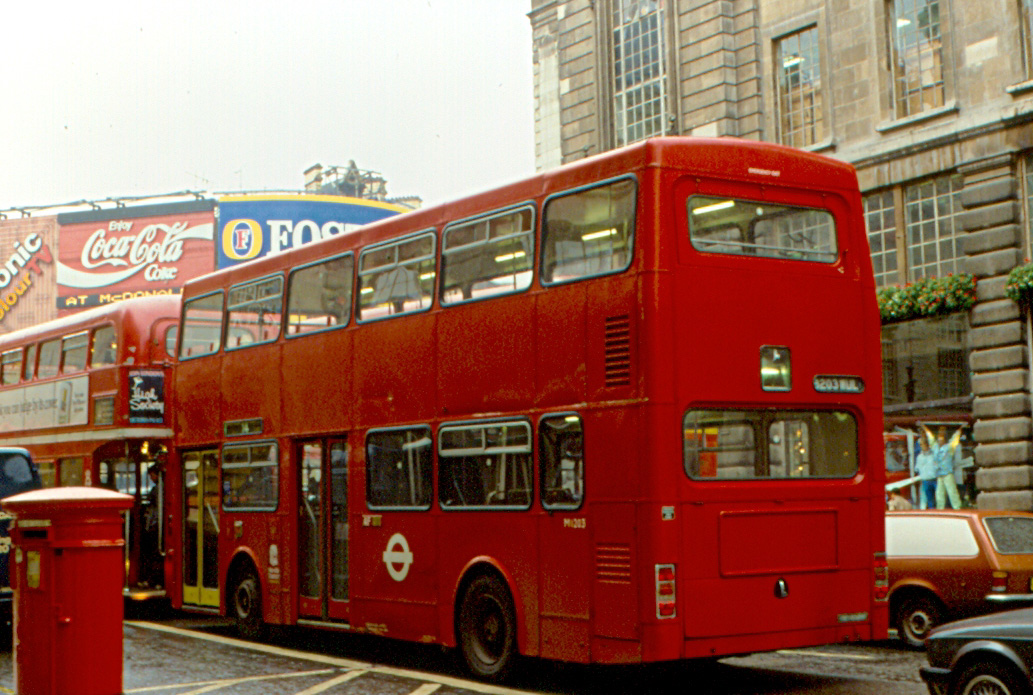
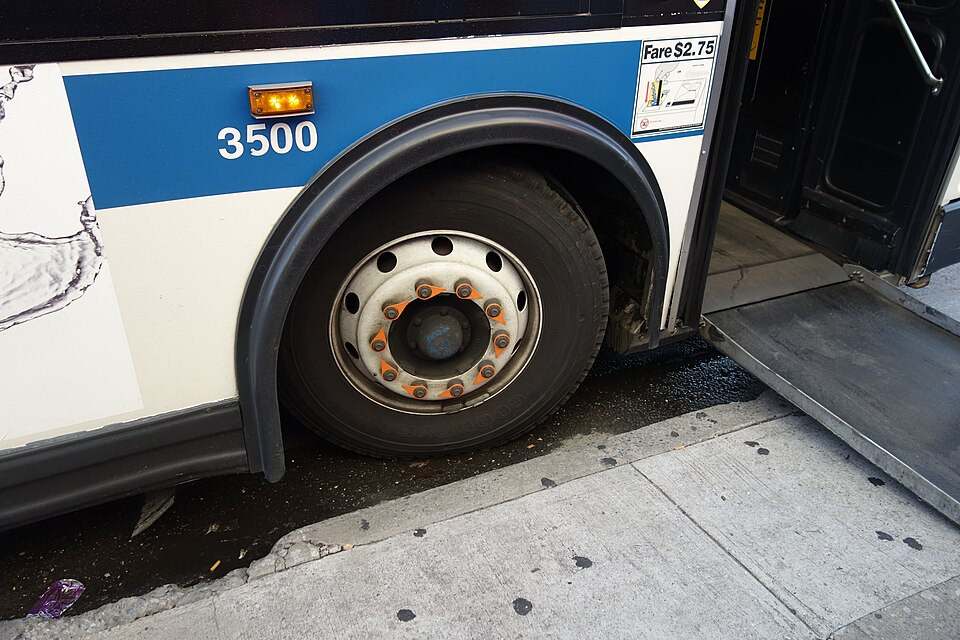
Driver-only operation spread through the 1960s and 1970s, driven by labour cost, by staff shortages and by the arrival of buses designed with a front entrance beside the driver.
The vehicle design is the decisive part. Once a bus was built with the door at the front and the driver next to it, conducting became an expense rather than a necessity, and no operator was going to pay for it.
In most countries the grade was gone by the early 1980s outside a few showpiece routes, and with it went the entry route into driving and the crew structure that had defined the industry.
16. And the one thing nobody has got back
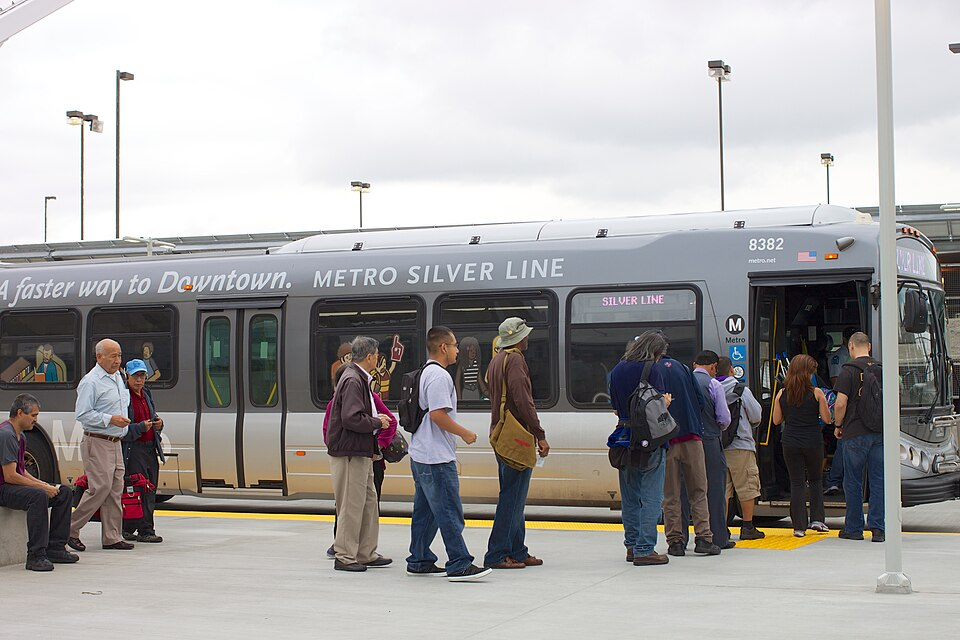
Dwell time. The seconds a bus spends at a stop are the largest controllable element of an urban bus journey, and the conductor system was by far the best solution anybody has found to it.
Contactless cards, pre-paid passes, multi-door boarding and all-door boarding schemes are all attempts to recover what was lost when payment moved to the driver’s elbow, and the best of them only approach it.
There are routes in the world where a second member of staff has been reintroduced for exactly this reason, which is the most interesting fact in this list: the old arrangement was not simply inefficient, and part of the industry has worked that out.
The trade-off that was made deliberately
Removing conductors was not an accident of modernisation and nobody was under any illusion about the cost. Operators knew that fare collection at the door would slow every stop, that an open platform would need a door, that the upper deck of a double-decker would become unsupervised, and that the entry route into driving would close.
They did it because one wage is cheaper than two and because buses were being built that made it possible. That was a rational commercial decision and it is still the right one on most routes. But it is worth being clear that the losses were understood and accepted rather than discovered later, and that the main one — the time a bus stands at a stop — is now a central problem in urban transport planning.
Low floors, ramps and card readers are better than a conductor at nearly everything measurable. The exception is the one thing a person standing in a doorway was unbeatable at, which is getting a full bus loaded and away, and a few operators have quietly started paying for a second member of staff again.
Like our content? Follow us for more.
