

Here are sixteen features of how the tonsil operation was arranged for American children in 1965, and how the reasons for performing it narrowed afterwards. This is a historical record of how a practice was organised and then revised. It is not medical advice, it contains no clinical criteria and no description of any procedure, and nothing in it is a reason to seek or to avoid anything for any particular child.
1. It was among the most commonly performed operations on children anywhere
In the middle of the twentieth century removing a child’s tonsils was ordinary to a degree that is difficult to convey now. It was something that happened to a large proportion of children, discussed among parents as a normal event rather than as surgery.
The scale is the first thing to understand about the period, because everything else on this list follows from it. An operation performed that often is not being decided case by case.
This file is a record of how the practice was organised in 1965 and how the reasons for it narrowed afterwards. It is history rather than guidance, and nothing in it is medical advice or a reason to seek or avoid anything. Anybody with a current question about a particular child should put it to their own doctor.
Like our content? Follow us for more.
2. The indication was frequently not documented anywhere

A child was described as having repeated sore throats and that description was generally accepted. There was no requirement that episodes be recorded, counted or confirmed before a decision was taken.
Modern reviews of the field are explicit that this remains a genuine difficulty: there is no single definitive test for recurrent tonsillitis, symptoms are often labelled as tonsillitis without documentation, and the frequency criteria used to define it vary in how well they identify the children they are meant to identify.
What changed is that current guidance sets explicit documented thresholds for the number of episodes over defined periods, and expects them to be recorded rather than recalled. The requirement is for evidence, not for a better opinion. That distinction is the whole of what separates 1965 practice from current practice in this area.
3. Being a generally unwell child was itself treated as a reason
Among the reasons recorded at the time were poor appetite, small build, frequent minor illness and a general description of a child as delicate. The operation was understood by many parents and some practitioners as something that would improve a child’s overall health.
None of those appear among the indication categories in current guidance, which are specific and narrow.
It is worth saying plainly that the people making these decisions were not careless. They were working without outcome data, in a period when surgical intervention was broadly believed to be beneficial, and the correction came from evidence rather than from anybody becoming more sensible. Judging the past by what the present knows is easy and it explains nothing.
4. Adenoids came out at the same time almost automatically
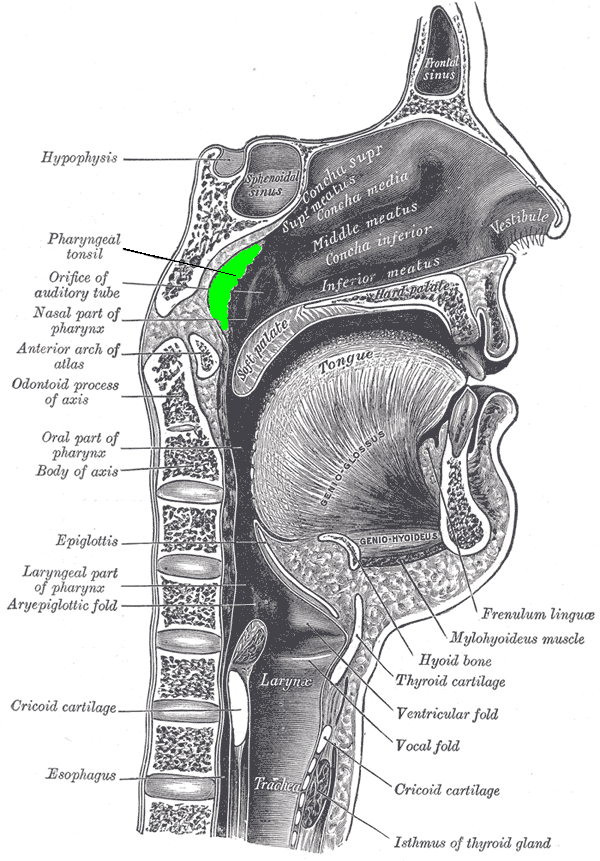
The two were treated as a pair, and a child going in for tonsils commonly had adenoids removed in the same operation without a separate assessment of whether they needed to be.
The combined procedure remains in use and is appropriate in defined circumstances, but the decision is now made about each on its own grounds rather than as a package.
That is a small change in wording and a large change in practice, and it is typical of how indications narrow: not by banning an operation but by requiring a separate reason for each part of it. Most narrowing of surgical indications has happened exactly this way.
5. The decision was made in a very short consultation
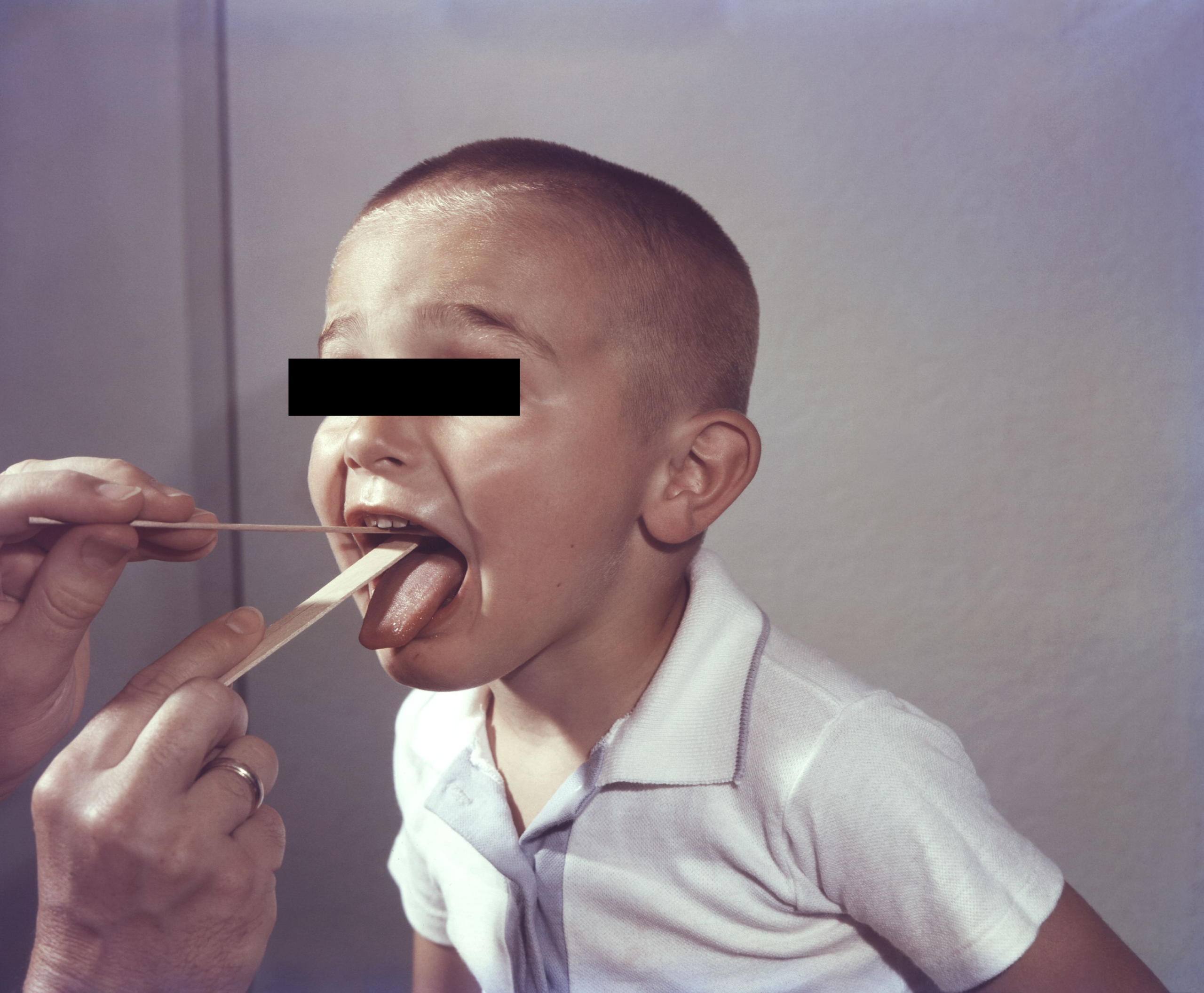
Referral and decision commonly happened quickly, on the basis of a parent’s account and a brief examination, and the appearance of the tonsils was given considerable weight.
Large tonsils were widely treated as a problem in themselves. Size alone is not how the question is approached now, because tonsil size varies greatly in healthy children.
Current assessment considers what is actually happening to the child — documented infection history, or disturbed breathing during sleep — rather than how the tonsils look at a single appointment. What a child looks like in a clinic on one morning turns out to be weak evidence about anything.
6. Rates varied enormously between places with similar populations
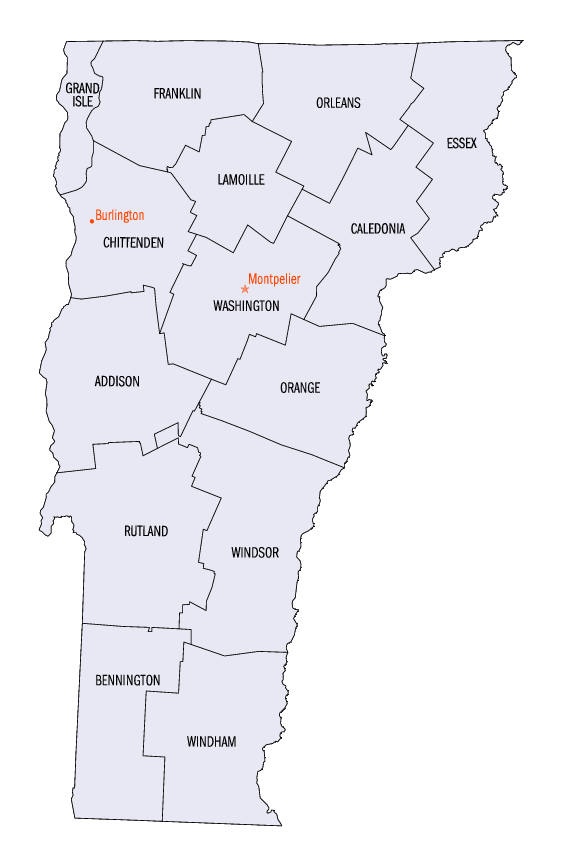
This is the most important fact in the file. Research on practice variation found tonsillectomy rates differing by nearly twelve-fold between adjacent rural counties with similar populations.
A twelve-fold difference between neighbouring areas cannot be explained by children’s health. It is a measure of how the decision was being made rather than of how much disease existed, and it was one of the findings that opened the whole question of unwarranted variation in medical practice.
Variation in rates has narrowed but has not gone, and reviews note that it continues despite better evidence about indications. That is an honest and uncomfortable fact about the present as well as the past. Unwarranted variation is now a field of study in its own right and it began here.
7. School medical inspections fed referrals directly
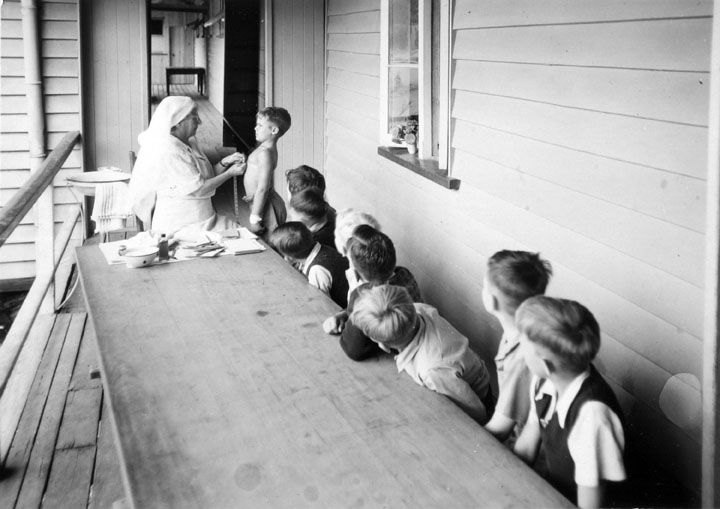
Routine school medical examinations identified children with enlarged tonsils and referred them, which produced a steady stream of candidates who had not presented with a complaint at all.
The inspection system was a genuine public health advance and it was also a pipeline, and it operated on the clinical assumptions of its period.
School health services today screen for different things and refer on different criteria, and incidental tonsil size is not among them. The pipeline was closed by changing what the screening looked for.
8. Children were admitted to hospital and kept in
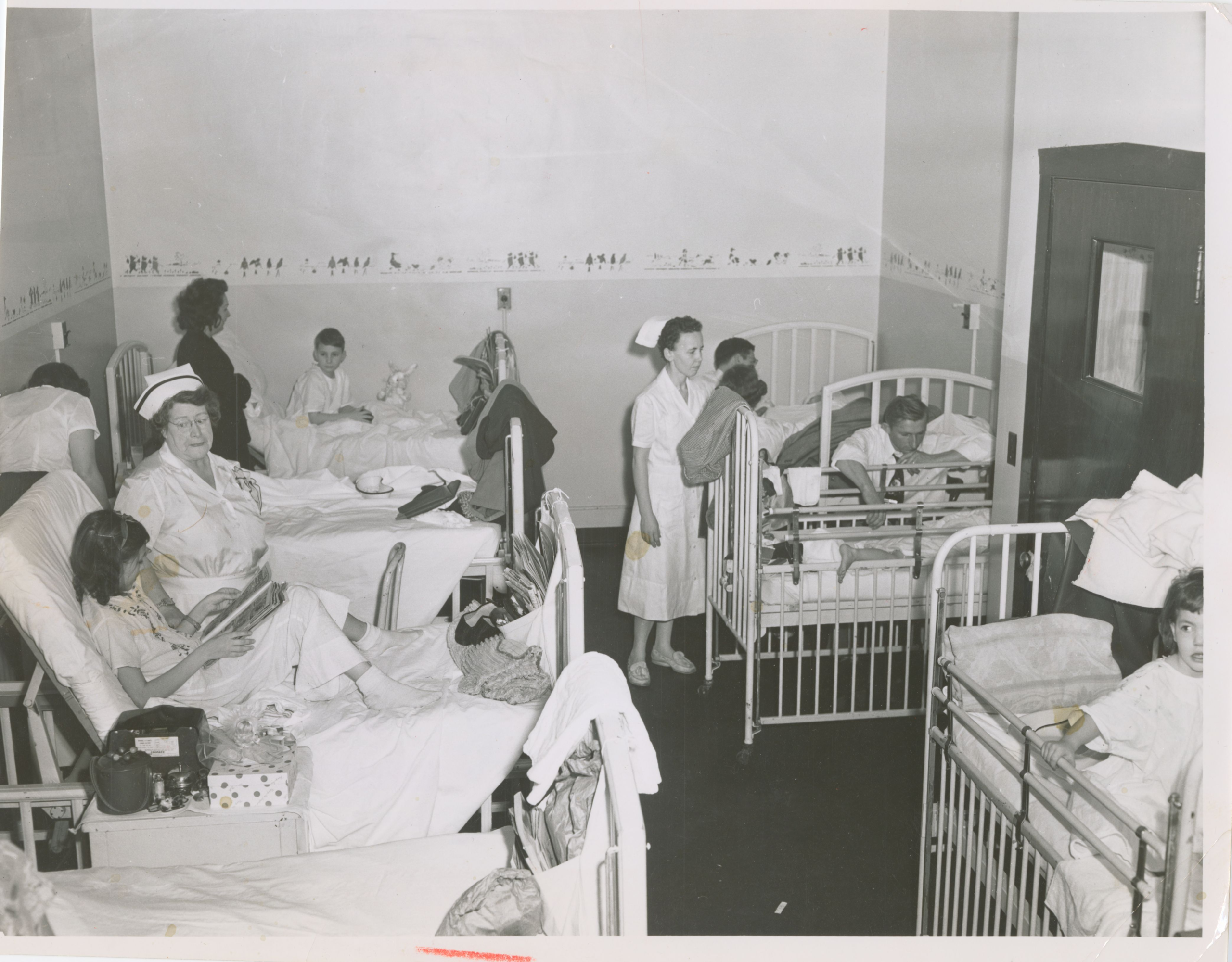
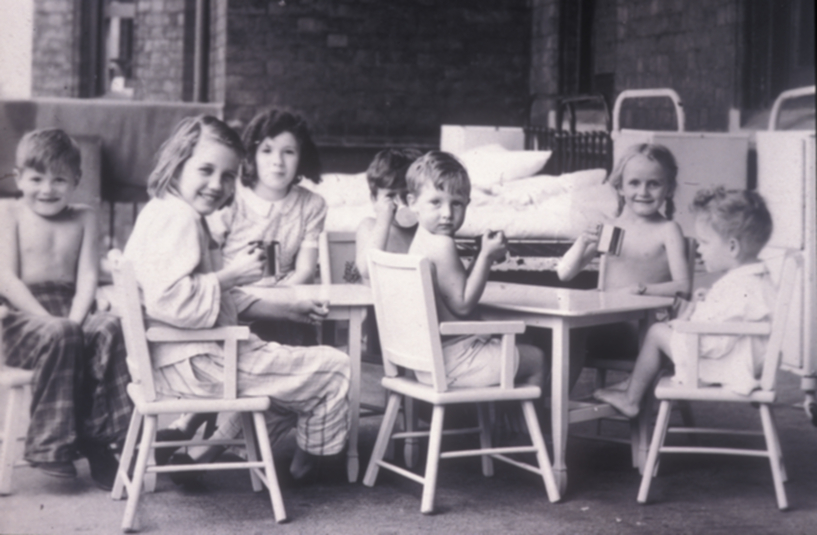
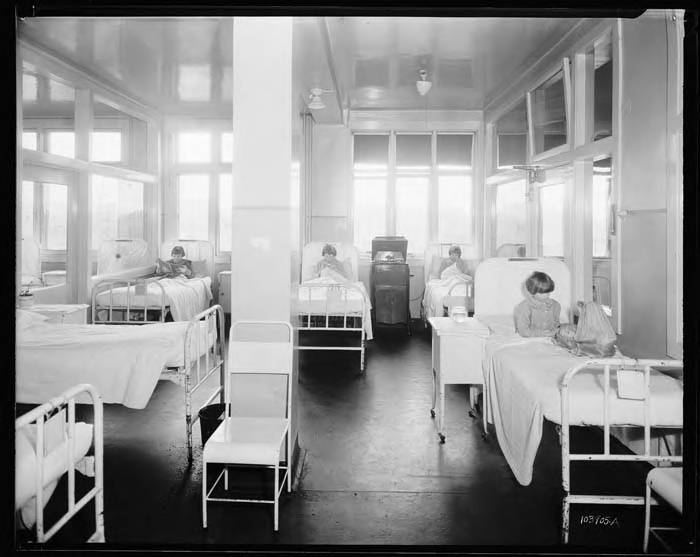
An admission of several days was usual, in a children’s ward, among other children having the same operation.
Most such surgery in children is now done as a day case where circumstances allow, with discharge the same day and defined criteria for who needs to stay.
The change is partly surgical and anaesthetic progress and partly a recognition that keeping a child in hospital has costs of its own. A night in a ward is not a neutral event for a small child.
9. Parents were often not allowed to stay
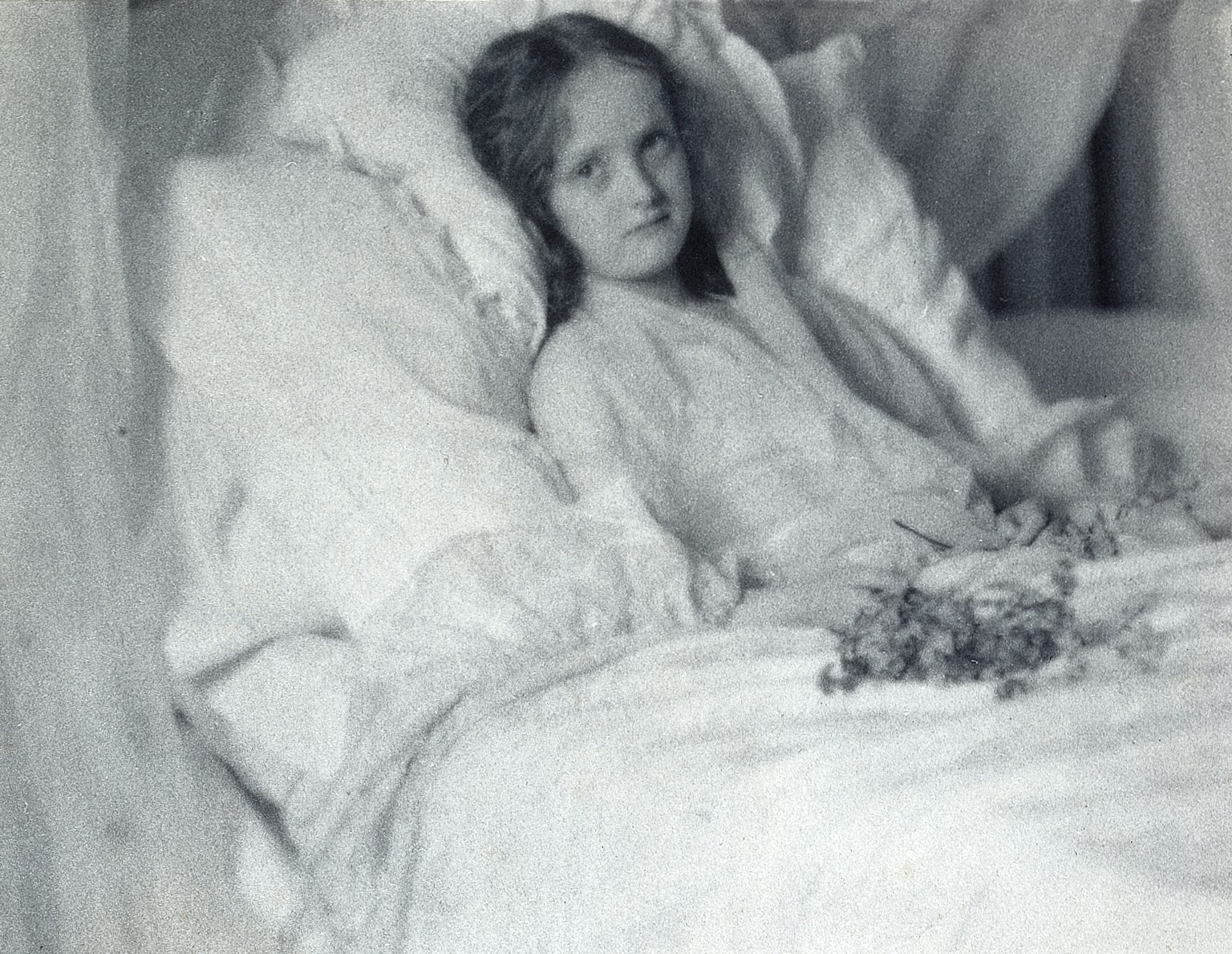
Visiting hours in children’s wards were restricted in 1965, in many hospitals severely, and parents were frequently sent home and discouraged from staying overnight.
The reasoning given at the time was that visits unsettled children. Research on how children respond to separation during hospital admission changed that view substantially from the late 1950s onward, and the practice was reformed over the following two decades.
Unrestricted parental presence, including overnight, is now standard practice in children’s wards and is treated as part of the child’s care rather than as a concession to the family. The reversal of that single policy probably improved more children’s experience of hospital than any surgical advance of the same period.
10. It was arranged in batches
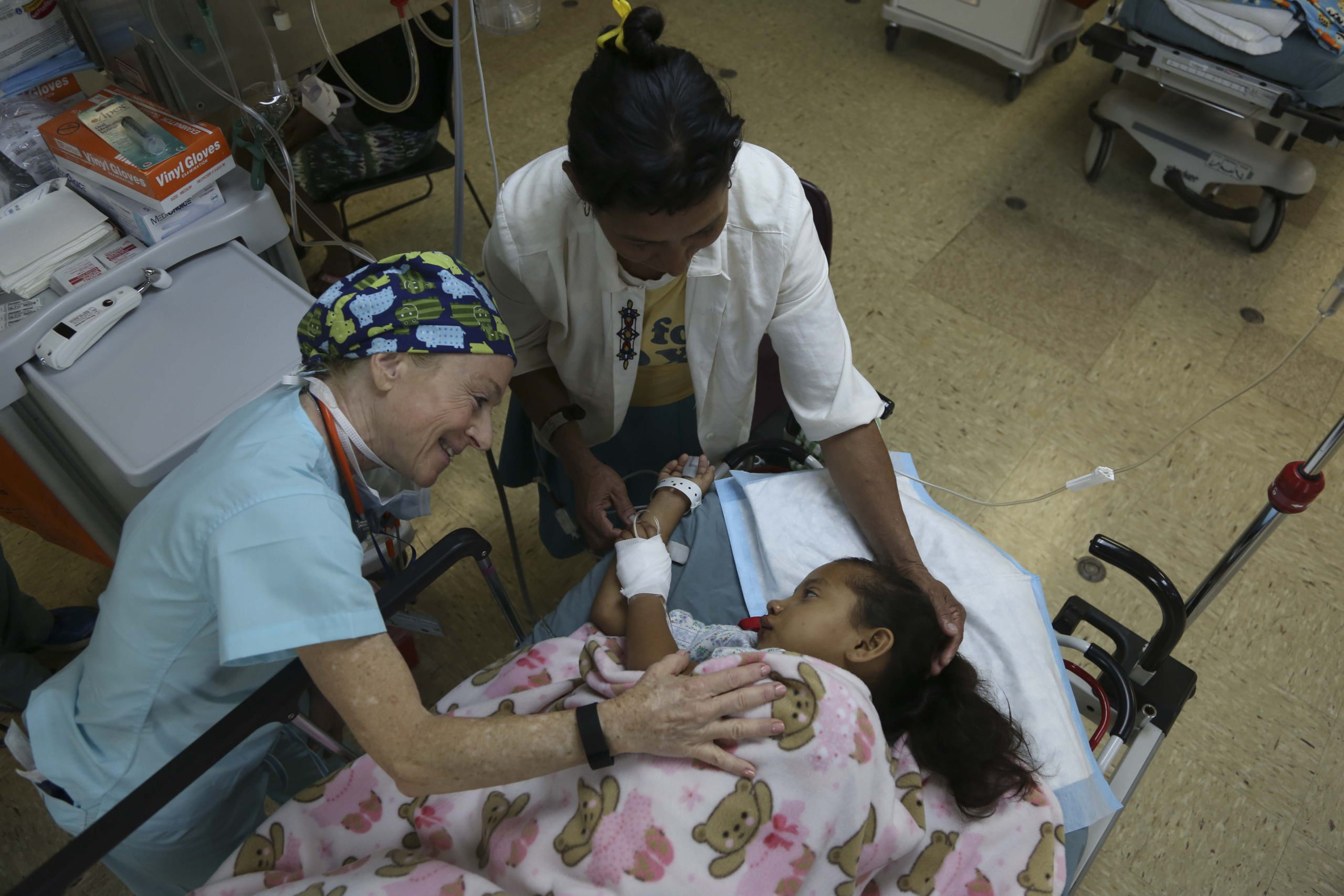
Operating lists were commonly filled with several children having the same procedure, which was efficient and meant a child was one of a group going through the same day together.
Children were prepared, operated on and recovered in sequence, with the ward experience shared. A great many people’s memories of it are social rather than clinical.
Scheduling is now individual and consent, preparation and recovery are managed child by child, which removed the group experience and a certain amount of the fear that went with watching it happen to the others first. Several generations of adults can still describe the ward and the order they went in.
11. Consent was a signature and very little information

Parents signed a form. Explanation of what was involved, what the alternatives were and what could go wrong was brief or absent, and children were commonly told nothing useful at all.
In some cases children were not told where they were going until they arrived, in the belief that this spared them worry.
Informed consent is now a documented process with specified information about the procedure, the alternatives including not operating, and the recognised risks, and there are established approaches to preparing children honestly and age-appropriately. The shift from a signature to a conversation is one of the largest changes in this file. It is also the change that most altered the balance of authority between a clinician and a parent.
12. Nobody followed up to see whether it had worked

There was no systematic collection of outcomes. Whether a child had fewer sore throats afterwards was a matter of family impression, and that impression was not recorded anywhere.
Without outcome data an operation cannot be evaluated, and an operation that cannot be evaluated will be performed according to belief. That is the mechanism behind almost everything on this list.
National audit, registries, patient-reported outcome measures and systematic review now exist precisely to close that gap, and they are the reason the indications are where they are. An operation that is measured can be argued about; one that is not can only be believed in.
13. The expected reward was ice cream and that was the whole of the aftercare advice
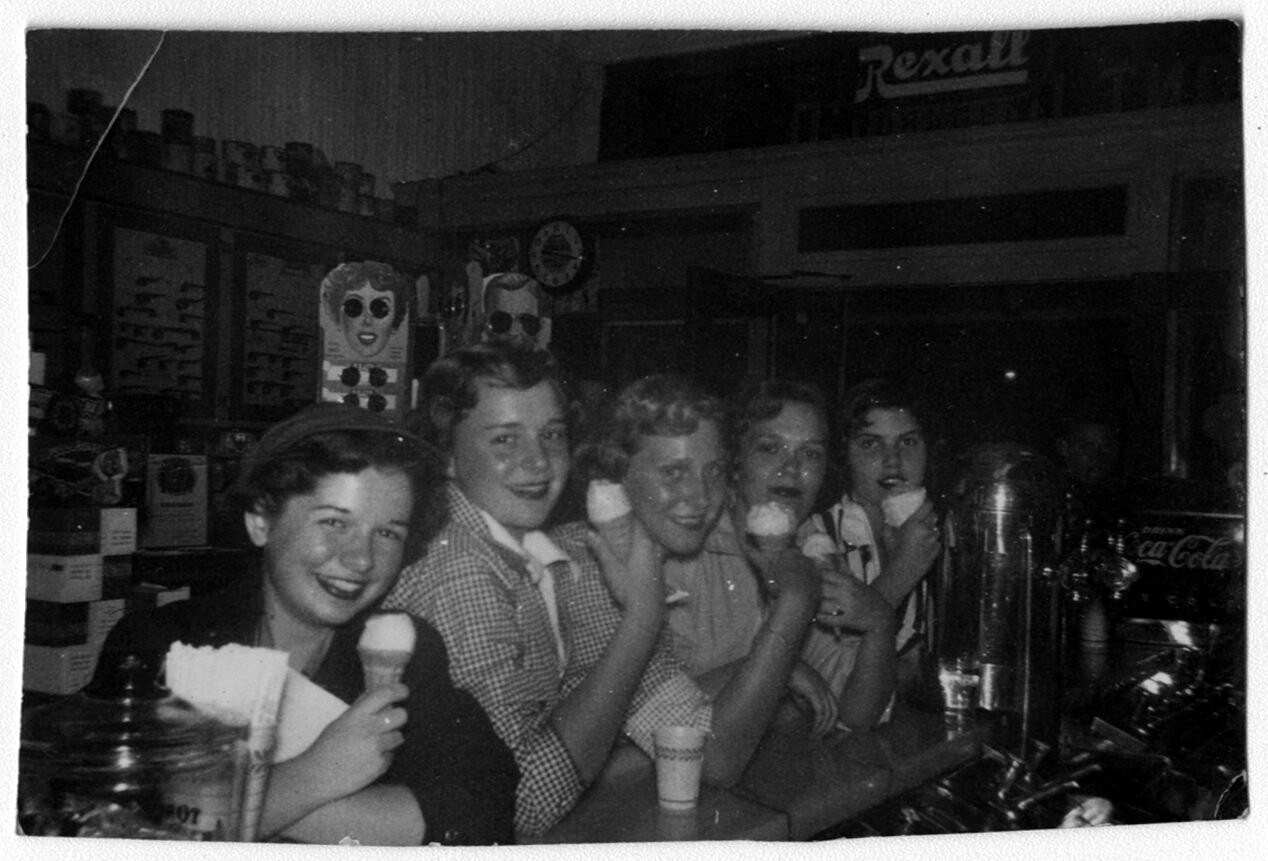
Cold soft food afterwards was the one piece of guidance everybody received and remembered, and for a great many children the ice cream is the only part of the episode they can still describe.
Beyond that, recovery advice was minimal: a few days at home and back to school.
Written discharge information, pain management plans, clear instructions on what to watch for and who to contact, and a specified period before returning to school are all standard now. The ice cream has survived as a cultural memory and is no longer the plan. It was, to be fair, sound advice on its own terms.
14. Recurrent infection was the dominant reason, and no longer is
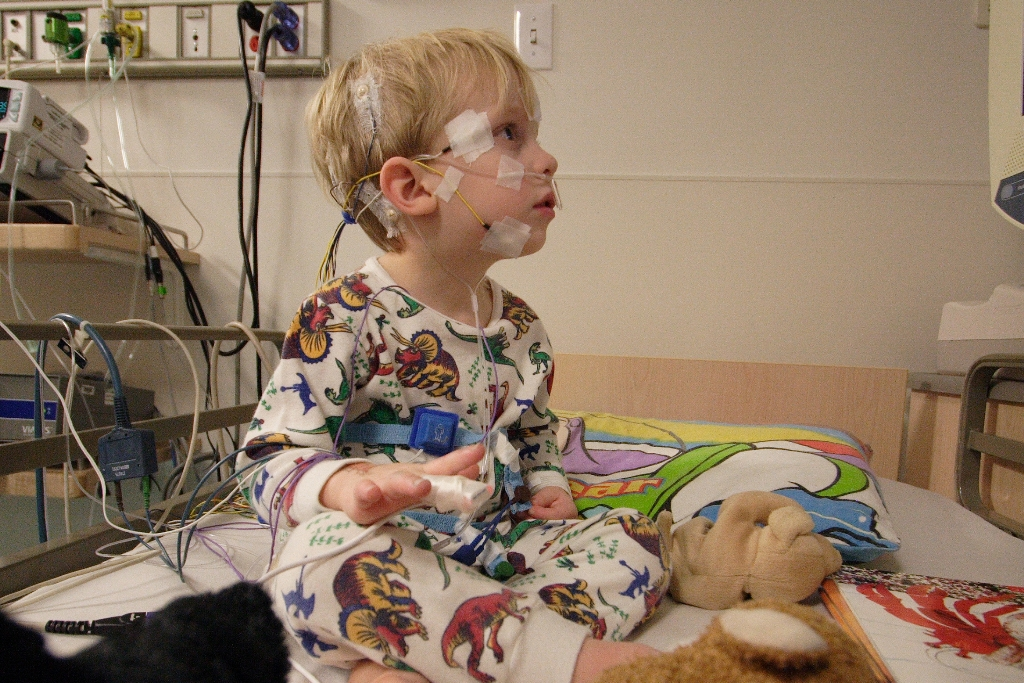
Throughout the period covered here, repeated throat infection was the reason the operation was performed. That is what parents described, what practitioners recorded and what the procedure was understood to be for.
Over roughly the last twenty-five years the primary indication has shifted, and obstructive sleep-disordered breathing is now the most common reason the operation is performed in children.
That category covers a range from snoring through to obstructive sleep apnoea, caused by soft tissue obstructing or collapsing in the upper airway during sleep. It was not a recognised indication in 1965 in any meaningful sense, which means the operation is now largely done for a different problem than the one it was famous for. A reader who remembers it as the sore-throat operation is remembering accurately and describing a practice that has moved on.
15. The two categories it is now done for are narrow and defined
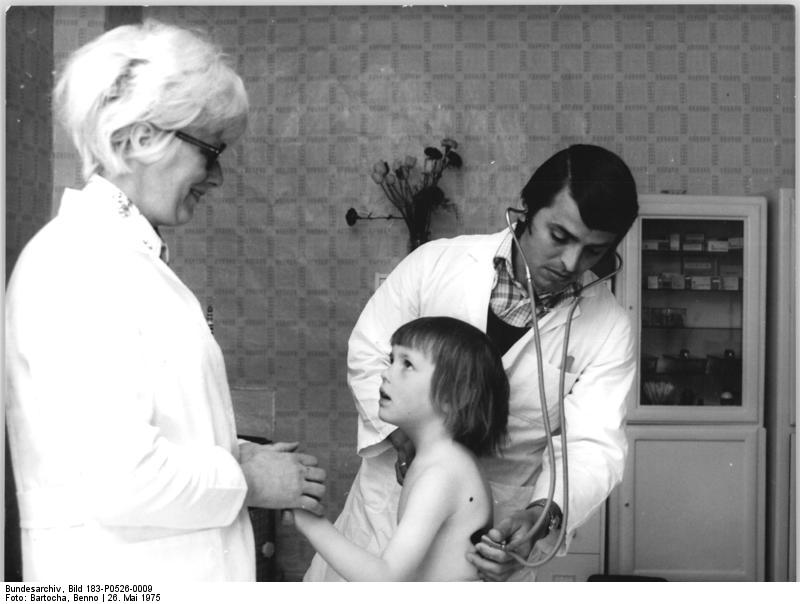
Current guidance works from two main indication groups: recurrent or severe throat infection meeting documented frequency thresholds over defined periods, and obstructive sleep-disordered breathing.
Watchful waiting is an explicit option rather than an admission of defeat, and the balance between operating and waiting is part of the discussion with the family.
This file does not state those thresholds and is not the place to. Anybody with a child in this situation needs the current guidance applied to that child by a clinician, which is the only sensible place to end this item. No general article can do that work, and this one is not attempting to.
16. And the reason this history is worth knowing
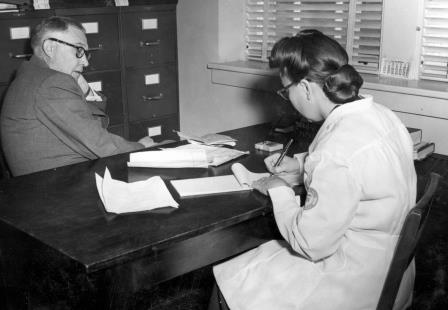
Not to criticise 1965. The useful lesson is about how a practice becomes universal without evidence, how practice variation reveals it, and how long the correction takes once the evidence exists.
Twelve-fold variation between neighbouring counties was a measurement of decision-making rather than disease, and finding it changed how medicine looks at itself. The same method has since been applied across a great many procedures with similar results.
If there is a general point, it is that an intervention nobody measures will be performed according to belief, and that this is a structural problem rather than a failure of individuals. Nothing in this file is advice, and anybody with a current question should put it to their own doctor.
Like our content? Follow us for more.
