
Here are fifteen ways travellers miscount a ninety-days-in-one-hundred-and-eighty short-stay allowance. The first two are the ones that cause most of the trouble: treating it as an annual allowance, and counting forwards instead of backwards. Everything here is general information dated 2026 rather than legal advice, arrangements of this kind differ between countries, and the authority operating yours publishes the rule and usually a calculator.
1. Treating it as an annual allowance

The commonest error by a long way is to read it as ninety days a year, reset each January or reset on the anniversary of the first trip. It is neither. The rule operates as a rolling window of a hundred and eighty days, and the question it answers is about a specific date rather than about a year.
Under an annual reading a traveller could spend three months in the autumn and three more in the following January, which the rule does not permit. Under the rolling reading those two trips fall inside the same window and the second one overstays.
This file is general information dated 2026 and not legal advice, and arrangements of this kind differ between countries and change. The authority operating the arrangement publishes the rule and usually a calculator, and that is the thing to use. Working from a forum post or a half-remembered rule is how people end up a week over.
Like our content? Follow us for more.
2. Counting forwards from the first entry instead of backwards from today

The arithmetic runs the wrong way from how people naturally think about it. You do not start at an entry and count ninety days of allowance. You take the day you are asking about, look back over the preceding hundred and eighty days, and add up every day you were present inside that period.
If the total including the day in question comes to ninety or fewer, you may be there. If it comes to more, you may not. That is the whole calculation and it has to be done for each day of a planned trip, because a trip can be lawful on its first day and unlawful on its last.
The practical consequence is that you cannot work out whether a future trip is permitted without checking its final day, not its first.
3. Forgetting that arrival and departure days both count as full days

A part day is a day. Landing at eleven at night counts as a day of presence, and leaving at six in the morning counts as another. A weekend trip that looks like one night away is two days against the allowance.
Travellers who make frequent short trips are the group most often caught by this, because a pattern of two-day visits accumulates far faster than the number of nights suggests.
Count days present, including both ends of every trip, and never count nights. The difference over a year of regular short visits is substantial. Twelve two-night business trips is twenty-four days, not twelve.
4. Thinking the allowance is per country rather than per area

Where the arrangement covers a group of countries operating a common external border, the allowance is for the whole area and not for each member of it. Days in one count against days available in all the others.
So a traveller who spends ninety days moving between four countries in such an area has used the entire allowance, not a quarter of it, and crossing an internal border changes nothing at all.
Establish whether the arrangement you are relying on is a single-country permission or an area-wide one, because the arithmetic is completely different and the mistake is expensive. Single-country arrangements and area-wide arrangements look identical on a visa-waiver page.
5. Assuming that leaving and coming back resets the count
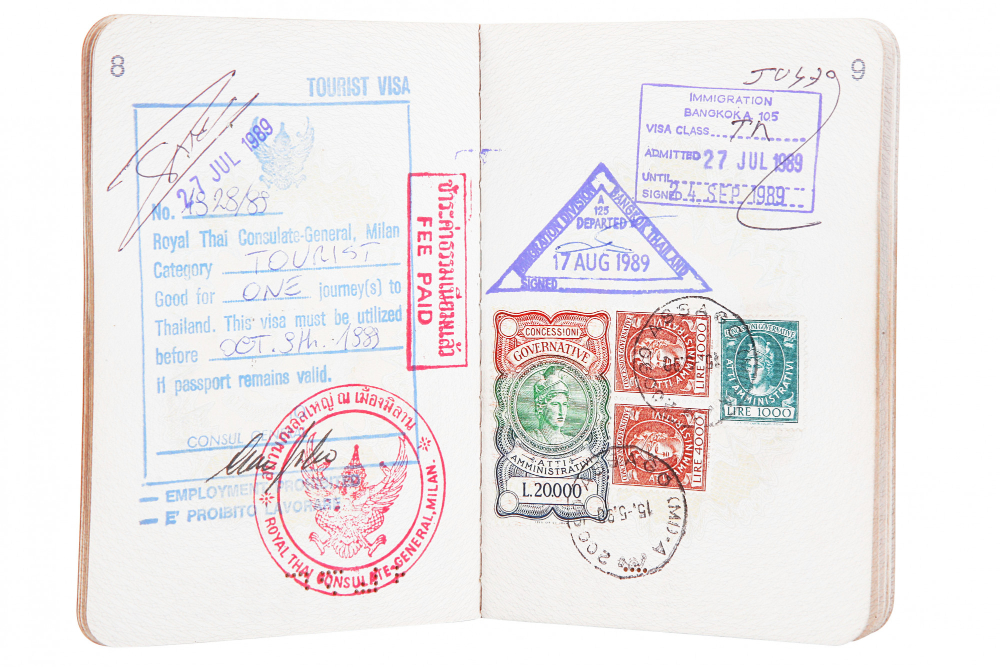
Exiting the area and re-entering does not reset anything. The window keeps moving, the previous days stay in it, and a re-entry simply adds new days of presence to a running total.
The belief that a short trip out and back refreshes the allowance is persistent and it is wrong, and it is the mechanism behind a large share of accidental overstays.
Nothing resets the count. Days leave the window only by becoming more than a hundred and eighty days old, which happens one day at a time. There is no mechanism of any kind for accelerating it.
6. Not realising the allowance regenerates gradually

Because the window moves, the allowance comes back in daily increments rather than all at once. A day you spent a hundred and eighty-one days ago drops out of the calculation today and becomes available again.
That means a traveller who has used the full allowance does not have to wait a fixed period and then start again with the whole of it. They regain one day for each day that falls out of the back of the window.
Working out when a future trip becomes possible therefore means finding the first day on which the look-back total has fallen far enough, which is exactly the calculation a proper calculator performs. Doing it by hand is possible and it is also where arithmetic errors creep in.
7. Counting days spent on a residence permit or a long-stay visa
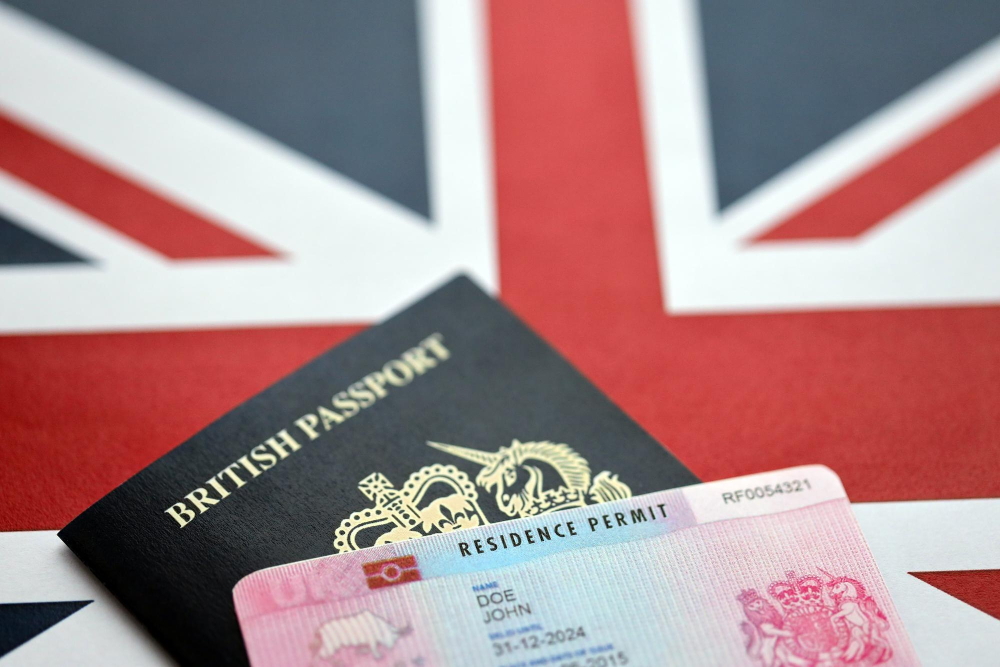
Time spent in a country under its own residence permit or long-stay national visa is generally not counted against a short-stay visa-waiver allowance, because the traveller is present under a different permission entirely.
That distinction matters enormously to people who have lived in such a country and then return as visitors, and it is also narrow and specific to each arrangement.
If any part of your presence was under a permit rather than as a visitor, do not include it in your own arithmetic without confirming how that arrangement treats it. Getting this wrong in your own favour is the version that causes trouble.
8. Assuming airside transit counts against the allowance
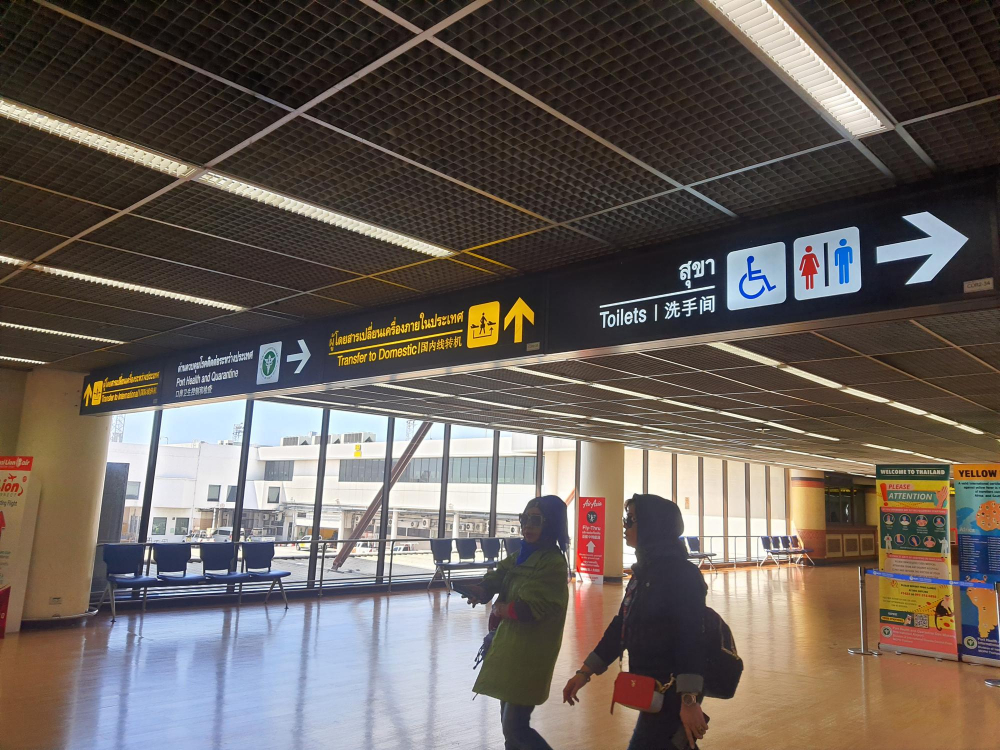
Passing through an airport without clearing immigration is generally not presence in the country and does not use allowance, because no entry has taken place.
If you clear immigration — because you change terminal, collect a bag, stay overnight or because the airport has no sterile transit area — you have entered, and that day counts.
This is the point at which the transit question and the day-counting question meet, and travellers who self-connect frequently are accumulating days they have not counted. A year of self-connecting through the same hub can quietly consume a fortnight.
9. Relying on passport stamps that were never applied
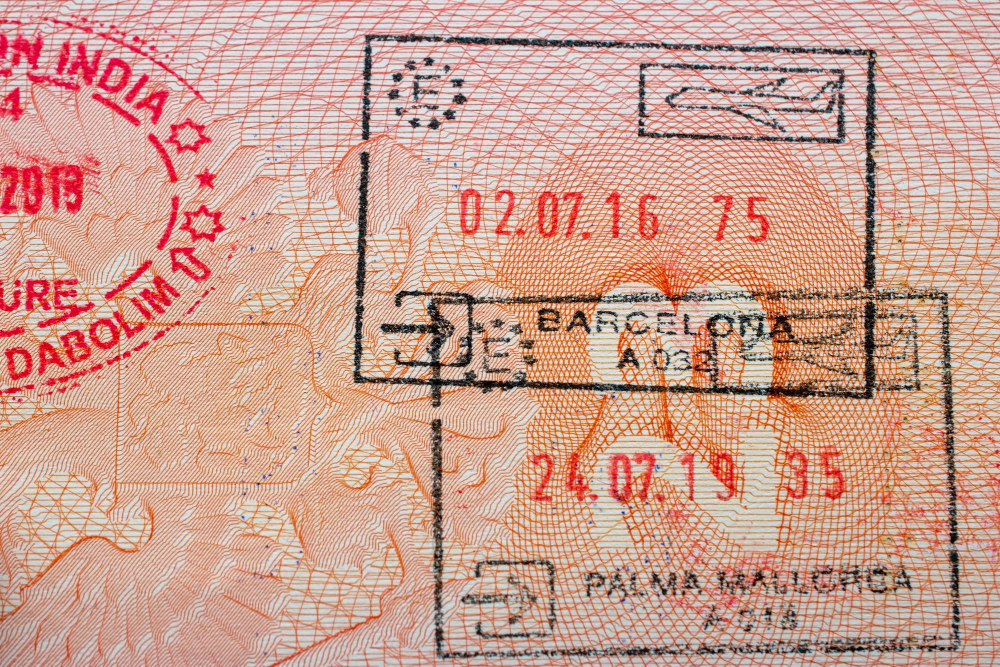
Manual stamping is inconsistent and in some arrangements being replaced by electronic records. Travellers who reconstruct their history from stamps routinely find entries or exits missing, and a missing exit looks exactly like a longer stay.
The traveller carries the burden of showing where they were, not the authority, and a gap in the stamps is resolved with boarding passes, tickets and card statements rather than with an explanation.
Keep your own log of every entry and exit date from the first trip, and keep the documentary evidence. It takes a minute per trip and it is the only reliable record you will have. Reconstructing six years of trips from memory and old emails is a genuinely miserable afternoon.
10. Thinking an electronic entry-exit system changes the rule

Automated recording of entries and exits changes how accurately the count is known, not what the count is. The ninety-in-one-hundred-and-eighty arithmetic is unaffected by the method of recording.
What it does change is enforcement. An arrangement that previously depended on an officer reading stamps becomes one where the total is computed and displayed, which removes both the chance of an unnoticed overstay and the chance of an unrecorded exit being assumed against you.
Travellers who have been relying on inconsistent stamping should expect their actual total to be known, and should check their own arithmetic before travelling rather than after. A discrepancy between your record and theirs is worth finding at home.
11. Confusing a pre-travel authorisation with an allowance

An electronic travel authorisation obtained before departure is permission to seek entry. It is not a visa, it does not grant a period of stay, and it does not change the day-counting rule in any way.
Travellers assume that holding one means the days question has been dealt with. It has not; the two things are independent, and the authorisation’s validity period has nothing to do with how long a visit may last.
Check both separately: whether you need an authorisation, and how many days you have available. Satisfying one says nothing about the other. People hold a valid authorisation and no remaining days, which is a combination that fails at the desk.
12. Overstaying by a single day and assuming it does not matter

A day over is an overstay. Whether it is treated administratively or formally depends on the jurisdiction and sometimes on the officer, and the consequences of a short overstay are covered in detail elsewhere in this series.
The relevant point for counting is that there is no tolerance built into the rule and no rounding in the traveller’s favour. Ninety means ninety.
Build margin into the arithmetic deliberately. Treating the limit as several days lower than it is costs nothing and removes the entire category of error. Treat the limit as eighty-five and you will never think about it again.
13. Using an unofficial calculator and trusting the answer

Several arrangements publish an official calculator, and that is the one to use, because it implements the rule as the authority applies it and is updated when the arrangement changes.
Third-party calculators are frequently accurate and are occasionally built on a misunderstanding, particularly around whether part days count and how permit time is treated, and a wrong answer looks exactly like a right one.
Use the official tool, keep a screenshot of the result with the dates you entered, and do your own arithmetic as a cross-check rather than instead. Two methods agreeing is worth having before a long trip.
14. Planning the trip before doing the arithmetic

The calculation is cheap and flights are not. Travellers consistently book first and then discover that the final week of a planned trip falls outside the allowance, at which point the options are to shorten the trip or to apply for something.
Where a longer stay is genuinely needed, the route is a national long-stay visa or permit applied for in advance, which takes time and has requirements, and is not a thing to begin two weeks before departure.
Do the arithmetic for the last day of the intended trip before you buy anything. It is the single habit that prevents the whole problem. Five minutes before booking, not after.
15. And the method that makes it reliable

Keep a running list of every entry and exit date. Before booking, take the intended final day of the trip, look back a hundred and eighty days from it, and total the days of presence including the whole of the planned trip. Then check the result against the official calculator.
If the total is close to the limit, shorten the trip rather than argue with the arithmetic, and if a longer stay is genuinely needed, start a long-stay application early.
Everything in this file is general information dated 2026 and not legal advice. Arrangements of this kind differ between countries, the details change, and the authority operating the one you are relying on is the only reliable source for how it counts.
The calculation, written out once

Pick the day you want to know about. Count back one hundred and eighty days from it, including that day, to get the window. Add up every day you were present inside the area during that window, counting arrival days and departure days as whole days. If the total, including the day you are asking about, is ninety or fewer, you may be there on that day. If it is ninety-one or more, you may not.
Two consequences follow and both surprise people. First, you must run the calculation on the last day of a planned trip rather than the first, because the total climbs as the trip proceeds and a visit can begin lawfully and end unlawfully. Nobody at the border on your arrival day will warn you about your departure day. Second, the allowance returns in daily increments rather than in a block, because days leave the window one at a time as they age past a hundred and eighty days, so the question is never when the allowance resets but on which date the look-back total has dropped far enough.
The habit that removes the whole problem is a running list of entry and exit dates kept from the first trip, with the boarding passes to back it up. The arithmetic is easy when you have the dates and impossible when you are reconstructing them from stamps that were never applied.
Like our content? Follow us for more.