The confusion is almost never about the food. It is about the sequence, the signals and the timing, all of which are learned by everybody at home and assumed to be universal by everybody. Here are ten things that vary.
1. Whether You Wait to Be Seated

Some places expect you to stand at the entrance until somebody places you; others expect you to find a table yourself and regard waiting as odd.
Getting it wrong is visible and harmless. Seating convention is the first signal to read on arrival.
Like our content? Follow us for more.
2. How You Get Somebody Attention

The acceptable method varies enormously – eye contact, a raised hand, a spoken word, a gesture, or waiting to be approached – and the wrong one ranges from ineffective to rude.
Watching other tables for thirty seconds answers it. Attention signalling is the thing worth observing before you need it.
3. Whether Anything Arrives Automatically

In many places things appear without being ordered – bread, water, small dishes, condiments – and whether those are included, expected to be refused, or charged varies.
Assuming either way can cause confusion. Automatic service is the item that most commonly produces a surprise.
4. Making a Requirement Understood
Where you need something excluded for any reason, communicating that reliably across a language difference takes preparation rather than improvisation, and confirming it was understood matters more than stating it.
This piece deliberately offers no method. Advance preparation is the only responsible approach where it matters.
5. The Order Things Arrive In

Whether dishes come together, in a sequence, as they are ready, or in a structure with its own logic differs – and expecting one and getting another makes the meal feel wrong when nothing is.
It is rarely explained and never wrong. Service sequence is a convention rather than a standard.
6. How Long You Are Expected to Stay

Some systems expect the table returned promptly and others regard the table as yours for the evening, and the mismatch causes discomfort in both directions.
Neither expectation is universal. Table duration is what makes a meal feel rushed or endless.
7. Whether the Bill Comes to You
In some places the bill arrives when the meal appears finished; in others it never arrives until asked for, and waiting for it can consume an hour.
Both are normal somewhere. Bill timing is the most common source of a bad ending to a good meal.
8. How You Ask for It

The gesture or phrase used to request the bill is local, and the universal solution – catching an eye and making a writing motion – works widely and is not correct everywhere.
It is worth learning the local phrase. Requesting the bill is two words worth knowing in advance.
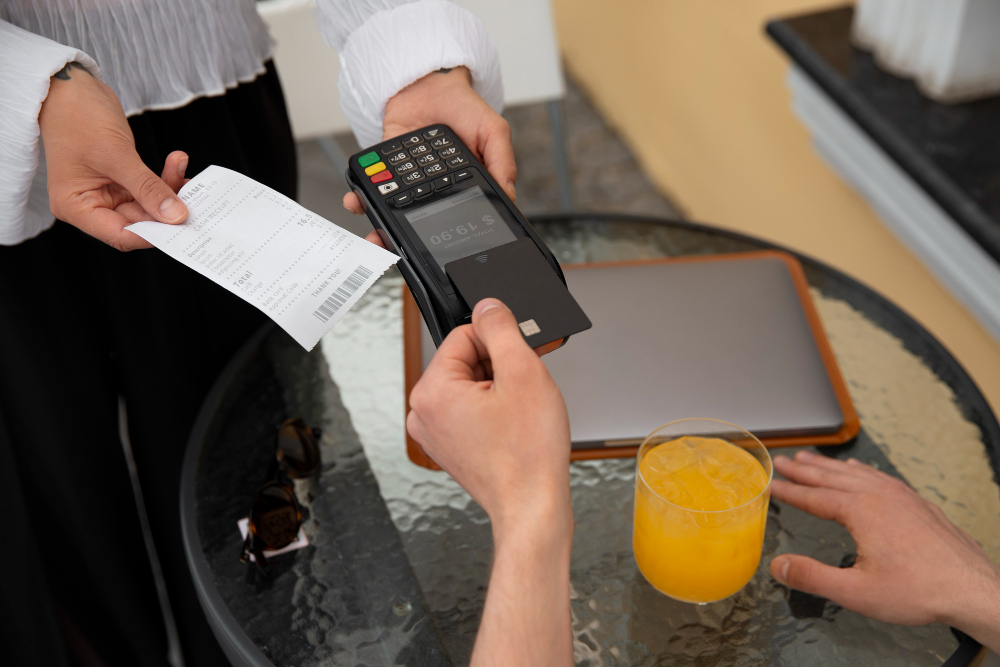
9. How Payment Actually Happens
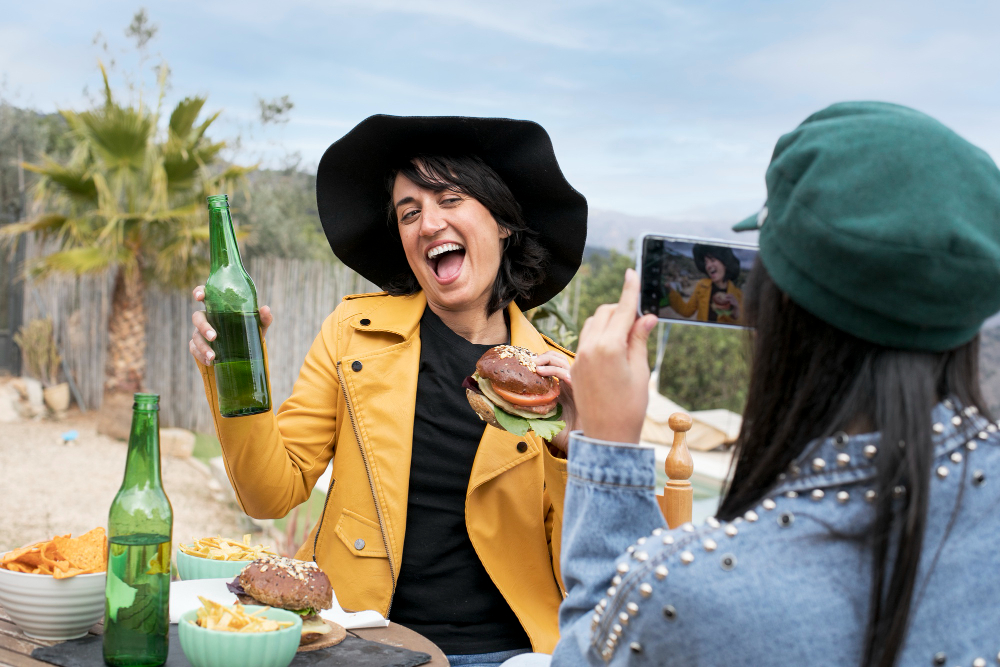
Whether you pay at the table, at a counter, in advance, together or separately, and by what means, varies – and assumptions about card acceptance travel badly.
It is worth establishing before ordering. Payment mechanics are the detail that causes the most awkwardness.
10. Mealtimes Themselves
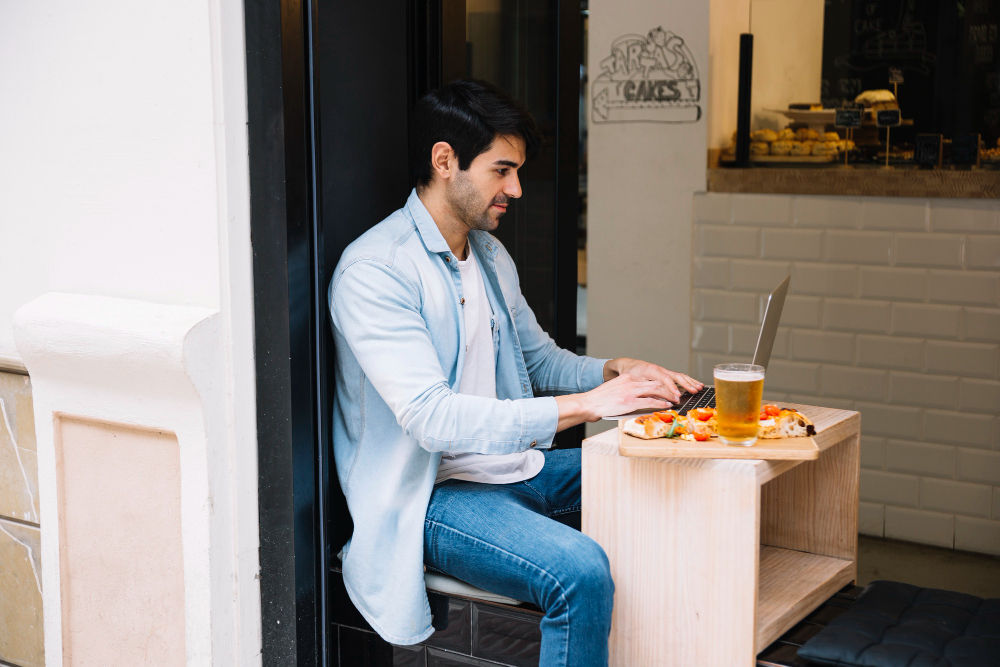
The hours at which eating happens differ by several hours between places, which means arriving at a familiar time can mean arriving when nothing is serving or when the place is empty.
Adjusting is easier than resisting. Local timing is the adjustment that changes the whole experience.
Conventions Rather Than Rules
Whether to wait, how to signal, what arrives unasked, when the bill comes and how to request it – none of it written down, all of it local, and all of it obvious to everybody who lives there.
One necessary note on the fourth item: where a dietary requirement is a matter of health rather than preference, nothing above is adequate. Communicating that reliably across a language difference needs preparation made in advance, using properly translated material and confirmation rather than improvisation, and the appropriate sources are medical and allergy organisations rather than a travel list. The rest of this list is about avoiding awkwardness; that one is not.
Like our content? Follow us for more.